

Most people think about gut health only when something goes wrong. A bloated afternoon, an unsettled stomach, a stretch of fatigue that doesn’t quite make sense. The reality, though, is that what you consistently eat is shaping your microbiome constantly, whether or not you notice the effects. And the evidence for food as a genuine tool for gut repair has grown considerably in recent years.
Gut health isn’t just about digestion. It’s central to your mood, metabolism, and immunity. Research in the past decade has firmly established the gut microbiome’s role in everything from immunity to mental health, and the field is now entering a more sophisticated phase. The five foods below are supported by real research, not trends, and each one is practical enough to work into a regular week.
1. Kefir: One of the Most Studied Fermented Drinks

Kefir is a fermented dairy drink that has earned serious scientific attention over the last several years. It is particularly rich in lactic acid bacteria and yeast, offering a broad spectrum of probiotics with antimicrobial and gut-stabilizing properties. This combination of bacteria and yeast makes it distinct from regular yogurt.
Kefir has beneficial effects on the gut microbiota and has potential health benefits due to its antioxidant, antimicrobial, and immunomodulatory properties. A 2025 randomized controlled trial published in The Journal of Nutrition found that kefir had ameliorative effects on gastrointestinal symptoms and a reduction of serum cholesterol concentrations.
Dairy kefir has been extensively studied in numerous clinical trials, demonstrating benefits such as immunomodulation, antimicrobial activity, and gut microbiome modulation. Clinical studies have also shown that dairy kefir can improve lactose digestion and tolerance in individuals with lactose maldigestion. That said, it’s worth noting that inconsistent results and small trial sizes mean its true health impact remains an open scientific question, and larger studies are still needed to confirm long-term effects.
2. Sauerkraut: Ancient Ferment, Modern Evidence

A groundbreaking study from the University of California, Davis, reveals that sauerkraut, a traditional fermented cabbage, may offer significant protective effects on gut health. The study, published in Applied and Environmental Microbiology in April 2025, went further than simply confirming probiotic content.
The study focused on what happens when intestinal cells are exposed to inflammatory proteins that typically damage the gut lining, a condition associated with various digestive disorders including inflammatory bowel disease. When researchers applied fermented cabbage extract to these cells, they found it prevented the damage that would normally occur.
What makes this discovery particularly intriguing is that the protective effect was not observed when using raw cabbage or just the brine solution. Something specific happens during the fermentation process that creates or enhances compounds that benefit gut health. Choose raw, unpasteurized sauerkraut from the refrigerated section at the grocery store, since heat processing kills the live cultures.
3. Natural Yogurt: A Reliable Daily Probiotic Source
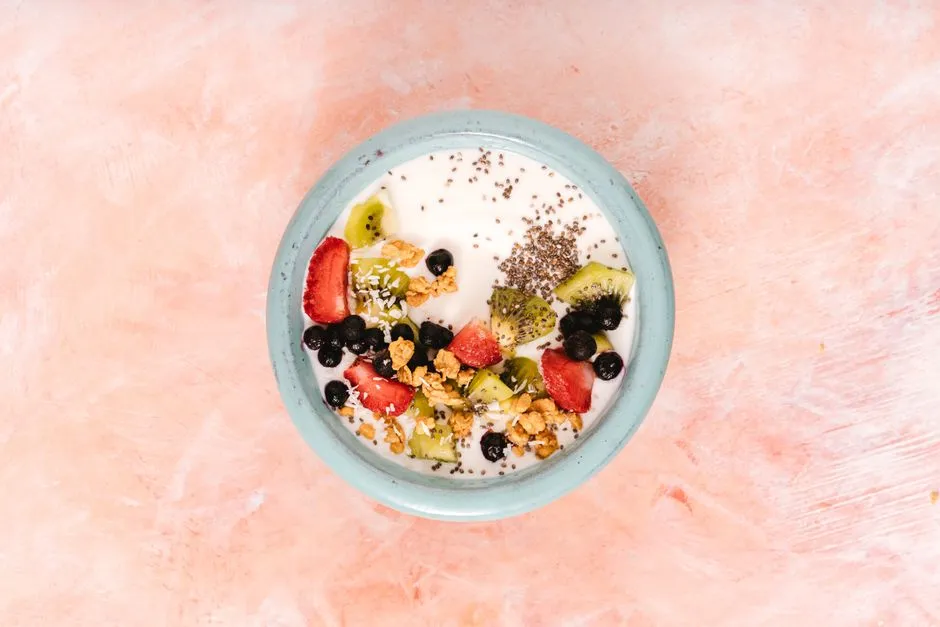
Minimally processed foods, such as raw fruits, vegetables, and whole grains, retain higher levels of beneficial compounds and are more effective in nurturing gut bacteria. These foods support gut integrity by increasing levels of Lactobacillus and Bifidobacterium, which produce metabolites like short-chain fatty acids that reduce inflammation and strengthen the gut barrier. Plain live-culture yogurt is one of the most accessible ways to consistently deliver these bacteria.
Once ingested, microorganisms or compounds produced during the fermentation process can affect the gut microbiome in the short and long term. Most studies have shown a correlation between the consumption of fermented foods and the composition of the gut microbiota. Yogurt has arguably the largest body of clinical evidence behind it compared to any other fermented food.
Emerging research suggests that fermented food consumption may contribute to gut microbiome diversity, immune modulation, and metabolic regulation. The key when buying yogurt is to look for products that list live and active cultures on the label, and avoid varieties loaded with added sugar, which can work against microbiome balance.
4. High-Fiber Foods: The Fuel Your Gut Bacteria Actually Need
Diet is closely related to the composition and metabolism of gut microbiota, and the microbial fermentation of dietary fibers produces a pivotal class of substances called short-chain fatty acids, including acetate, propionate, and butyrate. The bioactivity of SCFAs is widespread, including the regulation of metabolism, improvement of host immune function, and maintenance of intestinal barrier stability.
Butyrate serves as an essential energy source for colonocytes, strengthening epithelial integrity, actively modulating local and systemic immune functions, suppressing the expression of pro-inflammatory cytokines, and enhancing mucosal defense mechanisms. In plain terms, butyrate literally feeds the cells lining your colon, keeping that barrier intact.
Production of short-chain fatty acids, especially butyrate, in the gut microbiome is required for optimal health but is frequently limited by the lack of fermentable fiber in the diet. Foods rich in fermentable fiber include oats, legumes, cooked and cooled potatoes, barley, and most vegetables. A 2023 study in Nutrients showed that pectin, found in apples, increased short-chain fatty acid levels and improved stool frequency.
5. Kimchi: The Probiotic Powerhouse From Korea

Kimchi has made a strong case for itself in the research literature over recent years. Kimchi is traditionally made by fermenting Napa cabbage with a vibrant mix of ingredients including garlic, ginger, chili flakes, and scallions, resulting in a probiotic-rich side dish that offers a wealth of benefits. The combination of fermentation and its natural spice blend means it delivers both live cultures and bioactive plant compounds in a single serving.
Research suggests that the probiotics in fermented foods like kimchi can lower inflammation, strengthen the gut microbiome, and support a robust immune system. Kimchi is also low in calories but packed with essential nutrients, including vitamins A, C, K, and B12, as well as minerals like iron, potassium, and calcium.
Fermented foods have been consumed for millennia, valued for their extended shelf life, distinctive sensory properties, and potential health benefits. Emerging research suggests that fermented food consumption may contribute to gut microbiome diversity, immune modulation, and metabolic regulation. Adding even a small spoonful of kimchi alongside a meal a few times per week is a reasonable starting point for most people.
Why the Gut Microbiome Matters More Than You Think
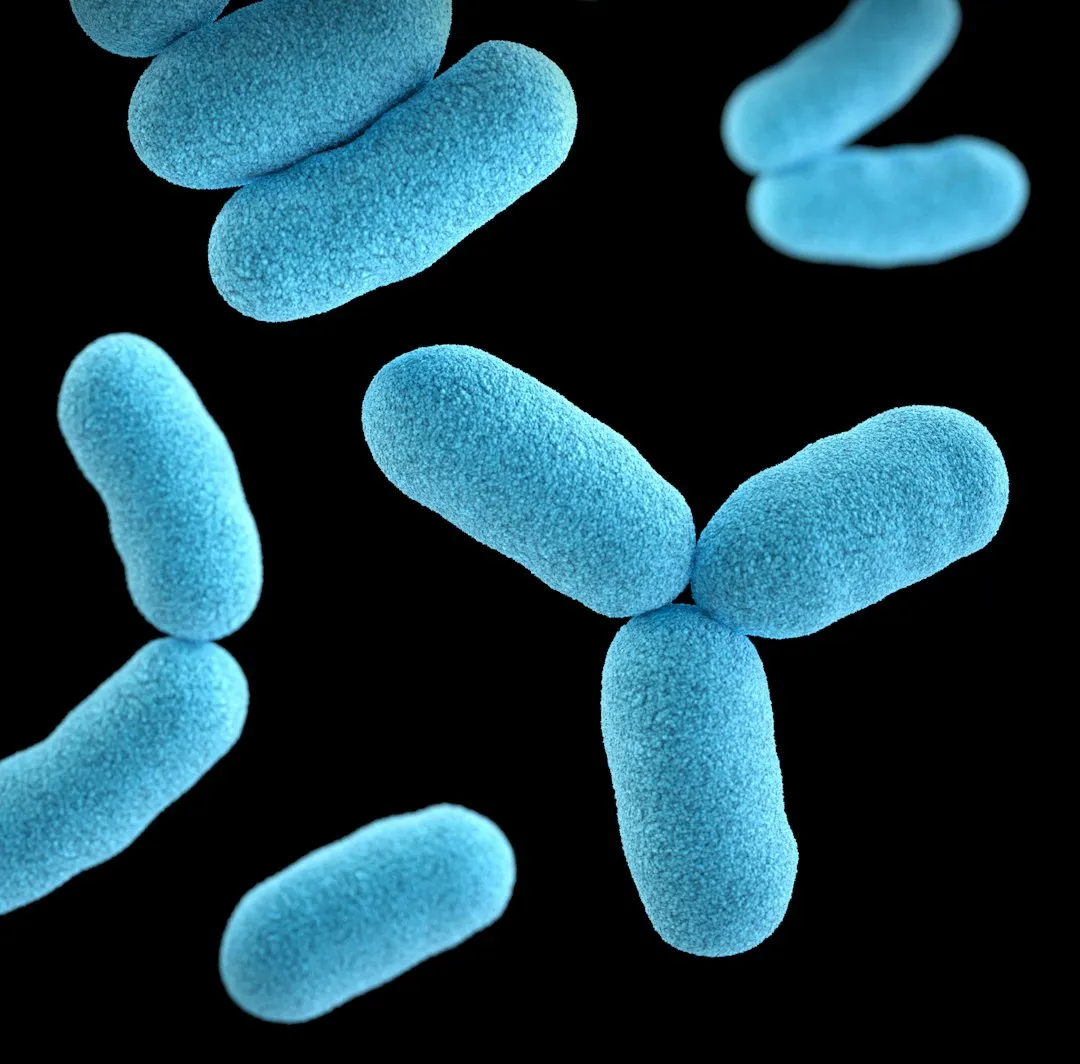
Age-related changes in the gut microbiome reshape its influence across all metabolic functions, from digestion and energy balance to immune response and cellular health, with profound implications for longevity. This means that consistent dietary choices in your thirties and forties are likely shaping how your gut functions decades later.
Processed foods, chronic stress, antibiotics, and sugar-rich diets all contribute to dysbiosis, or an imbalanced gut microbiome. Dysbiosis is not a dramatic medical event you’d necessarily feel immediately. It tends to develop gradually, quietly affecting digestion, immunity, and even mood before becoming noticeable.
Researchers are now uncovering how strengthening gut health through nutrient-rich foods could help prevent chronic diseases, transforming the way we think about medicine. The direction of the science is clear: food choices have a measurable, biological impact on gut health, and small shifts made regularly are more powerful than dramatic short-term cleanses.
Short-Chain Fatty Acids: Why Fiber and Fermented Foods Work Together

Microbial communities play a crucial role in human health by fermenting non-digestible dietary components, particularly complex polysaccharides and fibers, into short-chain fatty acids such as acetate, propionate, and butyrate. SCFAs are key signaling molecules that modulate gut barrier integrity, immune responses, energy metabolism, and even neurological function.
Dietary fiber cannot be digested and absorbed by the upper digestive tract and is fermented by gut microbiota to produce SCFAs when it reaches the colon. Dietary fiber intake stimulates the growth of beneficial bacteria, increases the production of SCFAs, and improves the stability of the intestinal microecology.
Emerging evidence suggests that both the composition of the diet and the way food is processed can significantly influence the availability of substrates for microbial fermentation, thus altering SCFA production. Eating fiber-rich foods alongside fermented foods creates a kind of layered support: the fiber feeds the bacteria, and the fermented foods help replenish the microbial population.
The Gut-Brain Connection: More Than a Metaphor
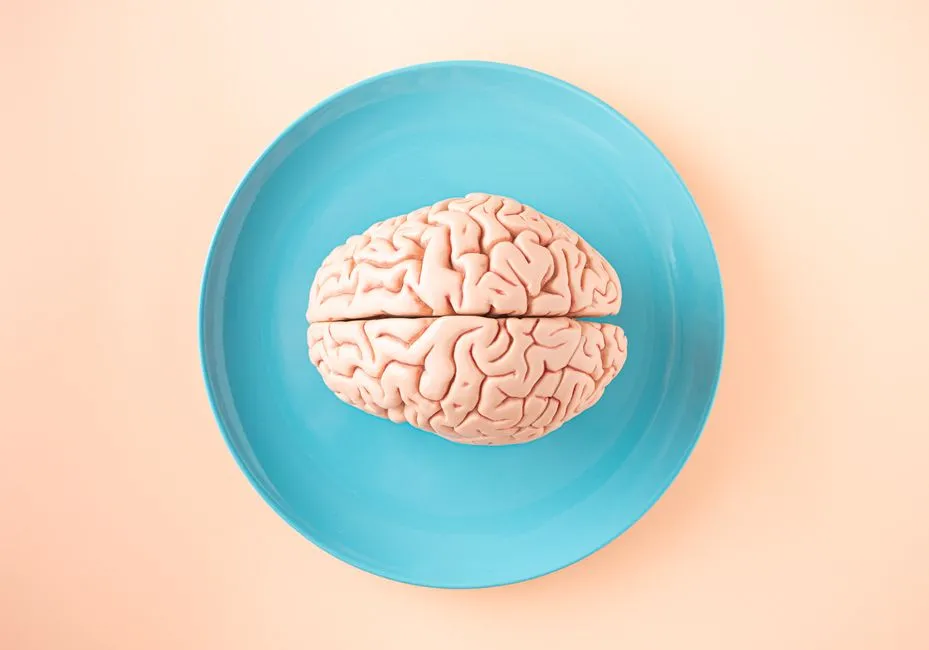
With an advanced definition of the gut-brain axis, researchers are getting a glimpse into the potential for nutrition and brain health. This connection is no longer considered speculative. It’s the subject of active investigation at major clinical research centers around the world.
Clinical trials have provided concrete evidence of how biotic interventions may influence mental wellbeing. Research has shown how specific biotic interventions improve symptoms associated with mental health conditions. That means the five foods in this article aren’t only relevant to digestion. They potentially matter for how you think and feel day to day.
Fermentation of certain legumes with specific bacterial strains has been shown to improve the release of gamma-aminobutyric acid (GABA), a neurotransmitter often linked with stress reduction and brain health. It’s a reminder that the gut-brain relationship runs through the food on your plate in more specific ways than most people realize.
How Often Should You Eat These Foods?
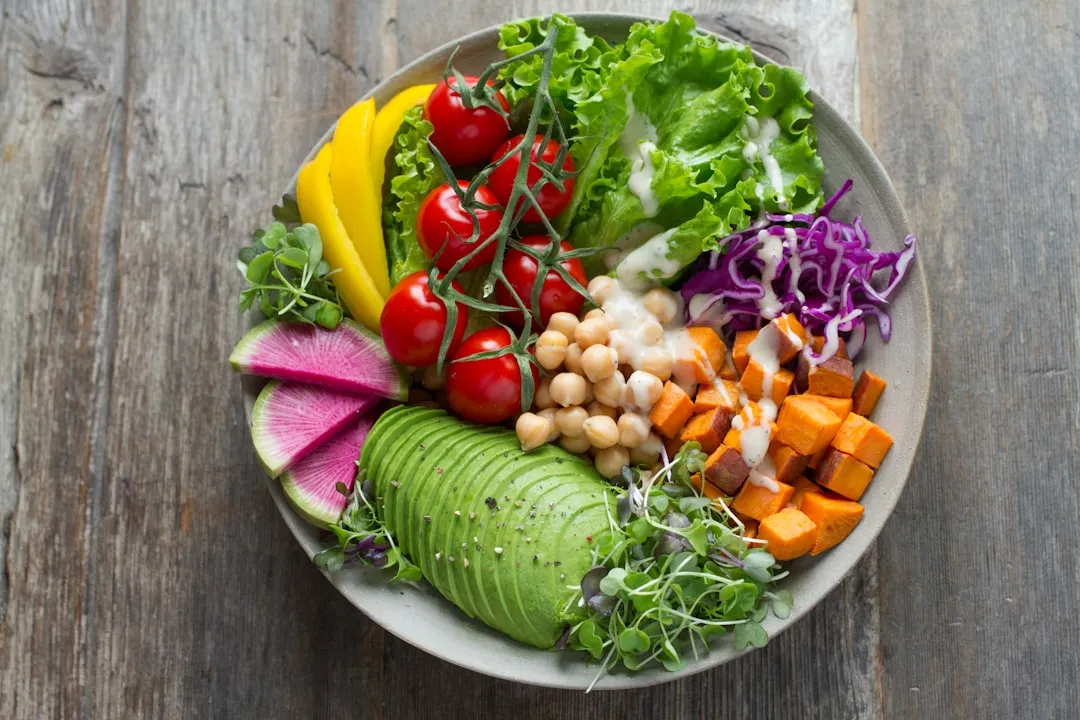
There’s no universal prescription, and the science isn’t yet precise enough to recommend exact quantities for every person. What research does consistently suggest is that regular exposure matters more than large, occasional doses. The future of healthcare through personalized nutrition will involve tailoring health advice to individual characteristics, dietary habits, and lifestyle.
Research reveals significant variation in healthy microbiome profiles across populations, suggesting that personalized approaches to gut health are more appropriate than pursuing standardized ideal profiles. In practical terms, this means listening to how your body responds. Some people notice better digestion from fermented foods quickly; others need weeks.
A reasonable working goal is to include at least one or two of these five foods daily, rotating through them across the week. Consistency over time is what reshapes the microbiome. Eating a large portion of kimchi once a month is far less useful than a modest amount several times a week, and the same logic applies to fiber intake.
Reading Labels and Choosing Wisely
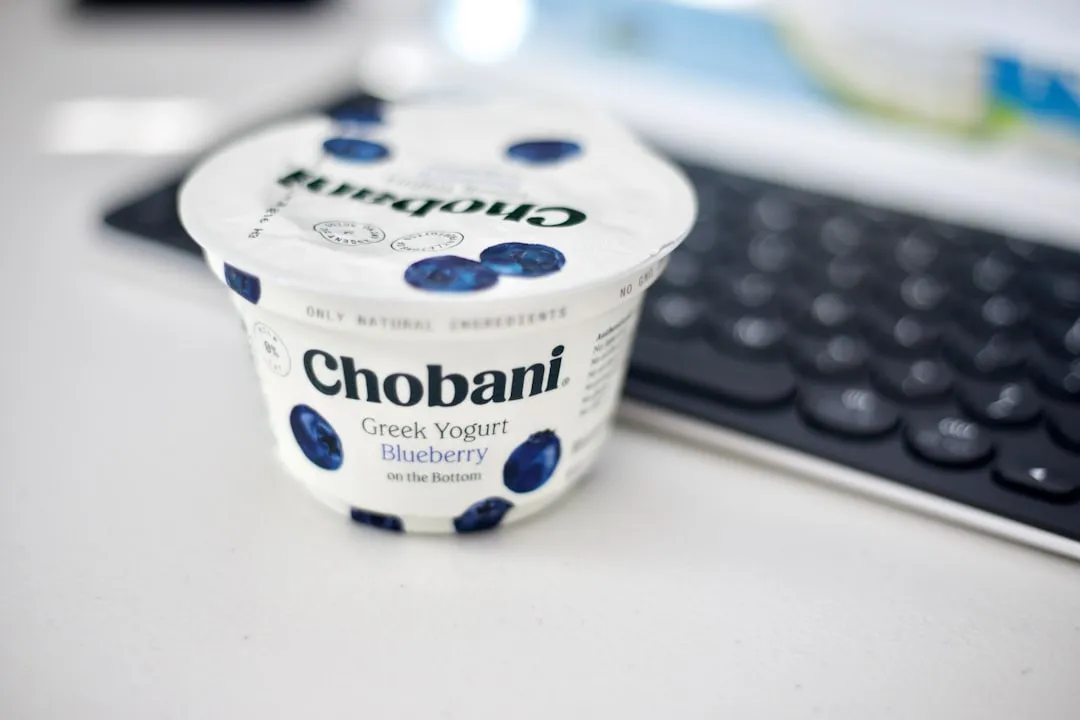
Not every product labeled as a gut health food actually delivers on the promise. Many commercial yogurts contain more sugar than protein, and most shelf-stable sauerkraut has been pasteurized, which kills the beneficial bacteria that make it valuable. The label matters. Look for “live and active cultures” on yogurt, and buy sauerkraut and kimchi from refrigerated sections of grocery stores.
Fermented foods can affect the gut microbiome in both the short and long term and should be considered an important element of the human diet. Fermented foods have been linked positively with human health, with mechanisms including direct nutritional value, provision of nutrients to promote growth of indigenous gut microbes, and the capacity of microbes to survive gastric transit and influence the gut microbiome. Researchers have proposed that fermented foods be included as part of dietary guidelines.
Kefir, for its part, should ideally be plain and unflavored. Flavored varieties often contain enough added sugar to counteract the benefits. The same principle applies across the board: the closer these foods are to their natural fermented state, the more likely they are to deliver meaningful microbiome support.
The Takeaway

Gut health research has moved well past general advice about eating more vegetables. The evidence now points to specific foods, specific mechanisms, and specific compounds that actively support and protect the gut lining, feed beneficial bacteria, and reduce inflammation.
Kefir, sauerkraut, yogurt, high-fiber whole foods, and kimchi are not exotic additions to the diet. They are, in many cases, foods that human populations have relied on for centuries, now backed by a growing and increasingly rigorous body of science. Fermented foods have been a part of human diet for almost ten thousand years, and their level of diversity in the 21st century is substantial.
The practical insight here is straightforward: you don’t need a supplement protocol or a strict elimination diet to start supporting your gut. You need a consistent weekly habit of reaching for foods that your microbiome can actually use. That’s a quiet change, but over months and years, the biology behind it is anything but small.
AI Disclaimer: This article was created with the assistance of AI tools and reviewed by a human editor.