

Green Onions Regrow From Water in Days, Not Weeks
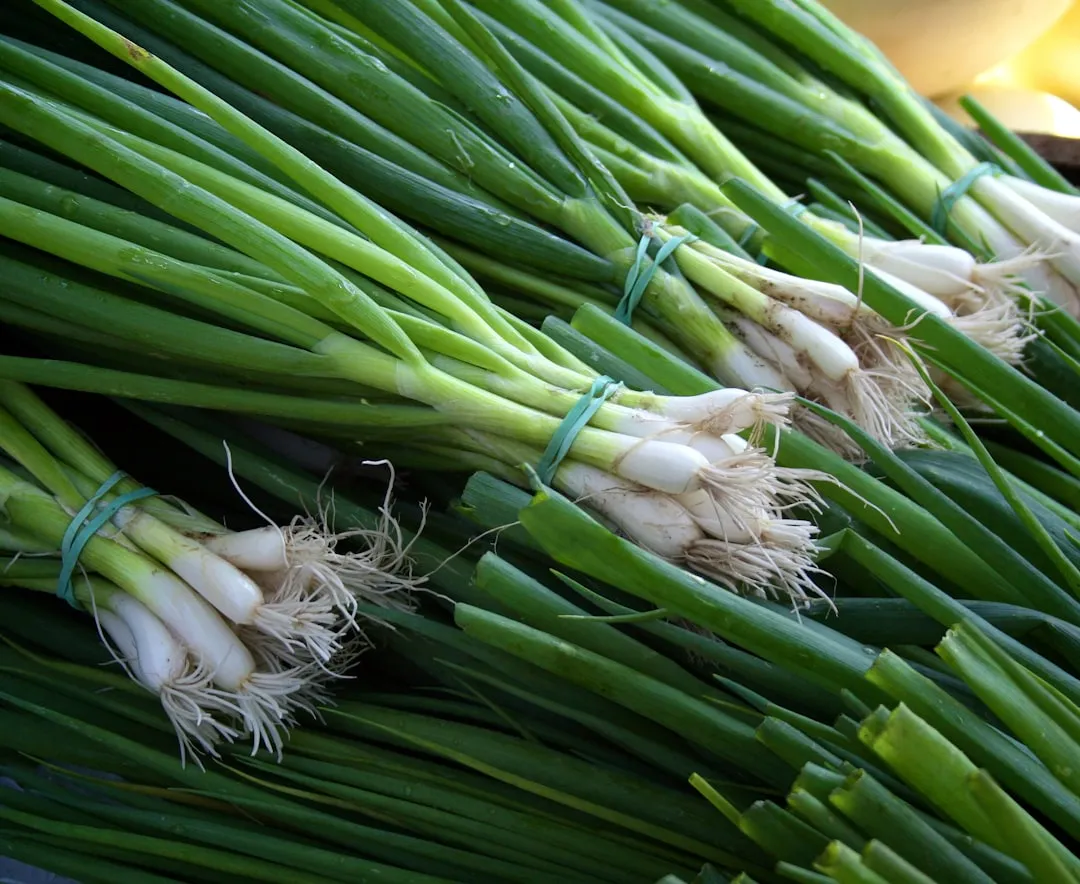
Green onions are usually the first thing people try because the results show up almost immediately. One home cook who regularly regrows them typically sees green onions start growing more green leaves within the first 24 hours. Others report similar speed, with one guide noting that placing the white stalks of green onions in a cup of water in a sunny place can yield new green onions within five days. A gardening writer who has grown them for years put it plainly, saying there are many other kitchen scraps you can regrow, but none are as quick and practical as green onions. A single trimmed base can also keep producing, since depending on how you’ve regrown your green onions, you can get between 2 and 5 harvests from one green onion.
Getting Green Onions Right: Light, Water, and Timing
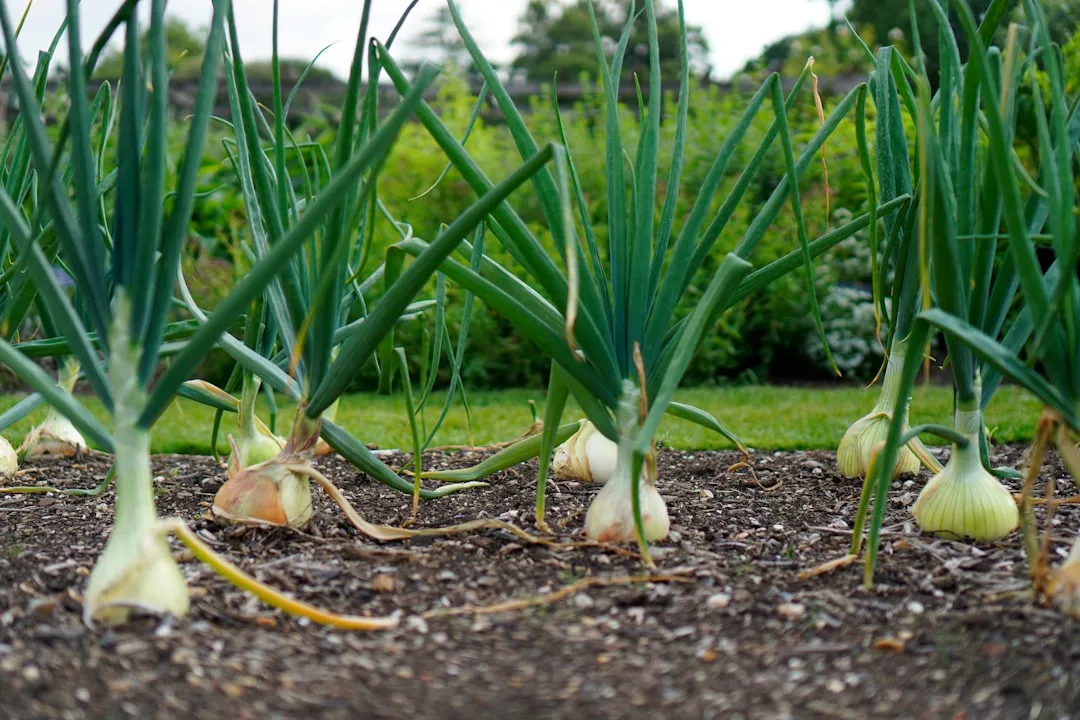
The setup for green onions is about as simple as kitchen gardening gets. Most guides agree you should leave about 1 to 2 inches of the white bulb to make sure it’s able to stand on its own in the cup. From there, the routine is mostly maintenance, since you’ll want to keep the water fresh by changing it every one to two days. Sunlight matters too, and placing the glass by a window that gets plenty of sunlight speeds things along. Within about a week you’ll notice real progress, because you can expect to see fresh sprouts on your green onions in a couple days, and within a week you’ll be able to start harvesting them.
Romaine Lettuce Hearts Sprout New Leaves From the Center
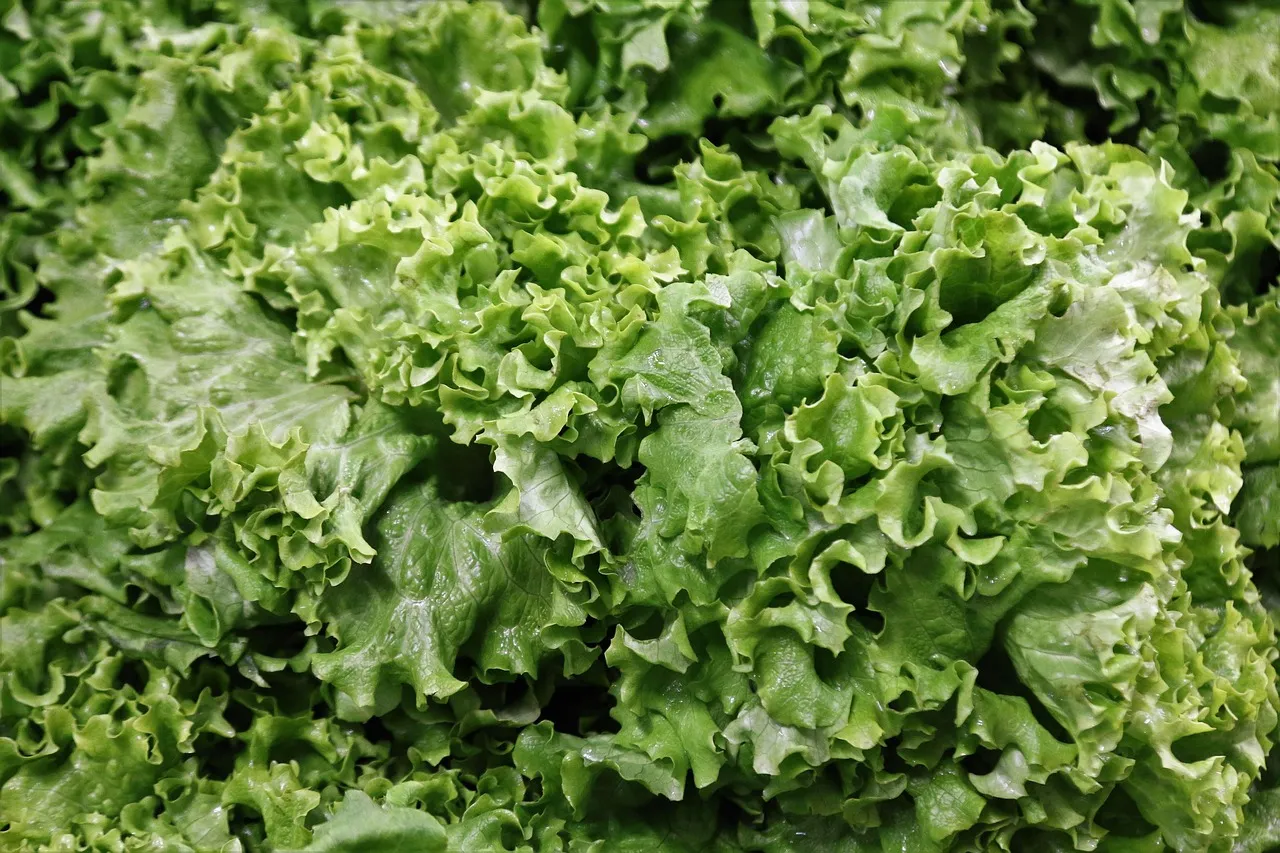
Romaine is the other scrap most people try first, mainly because the base is thick enough to handle and easy to see growth on. One source found that romaine and other head lettuces can visibly start growing in as little as three days. A separate guide gives a slightly longer but still fast window, noting that romaine lettuce regrows in water within 7 to 10 days. Harvest timing tends to land somewhere in between, since once the leaves get around a few inches tall, after 10 to 12 days, that is the time to harvest the lettuce leaves. Compared with starting lettuce from seed, that is a fairly quick turnaround for something that would otherwise sit in the compost bin.
What Romaine Regrowth Can and Cannot Give You

It’s worth being upfront about limits here, because romaine from scraps behaves differently than romaine from seed. A gardening coach who has tested the method directly noted that you probably won’t be able to get a full head of lettuce from this project. Instead, expect a loose cluster of leaves rather than a tight, market style head, and one grower described the outcome bluntly as producing plants where you will not grow a full head of romaine, you’ll just get small, loose leaves. The regrowth also has a shelf life in water, since after roughly two weeks the plant is not then able to sustain in the water and its growth will deteriorate. None of that makes it a wasted effort, though. It just means the second round is best treated as a bonus harvest rather than a replacement for the original head.
Celery Takes a Little Longer, But Still Beats a Seed Packet
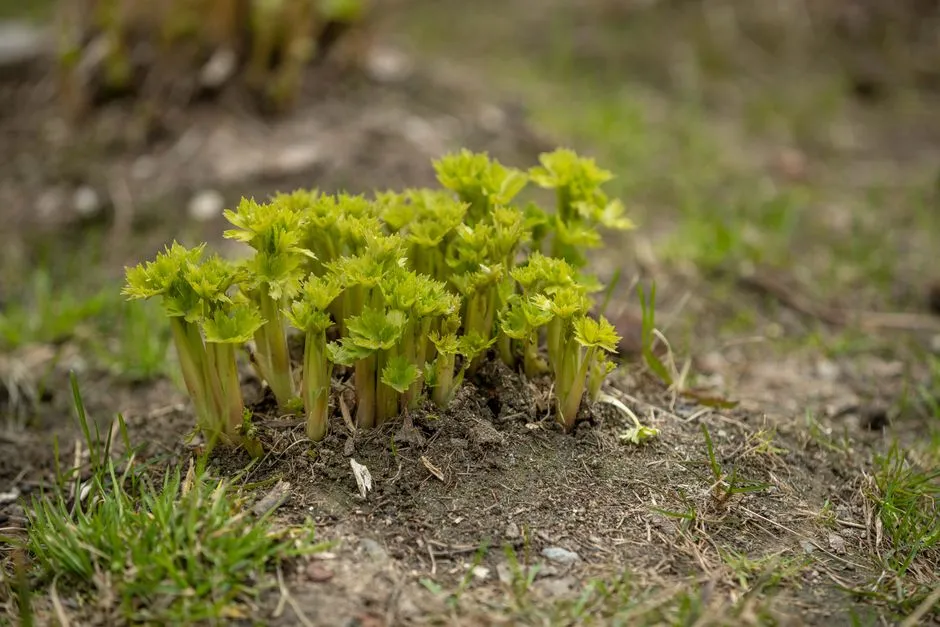
Celery is slightly slower than onions or lettuce, but it is still dramatically faster than starting from seed. Growers who track the process closely report that the first signs of new growth emerge from the base of the stem typically within 3 to 5 days. One gardener trying it for the first time described watching the yellow center leaves and noted you will start noticing changes quickly. After just a couple days. The contrast with growing celery from seed is significant, since if you were to grow celery from seed, it would take four to five months to reach maturity. Set against that timeline, a few days for visible new growth from a kitchen scrap looks almost instant.
Moving Regrown Celery From a Cup to a Pot
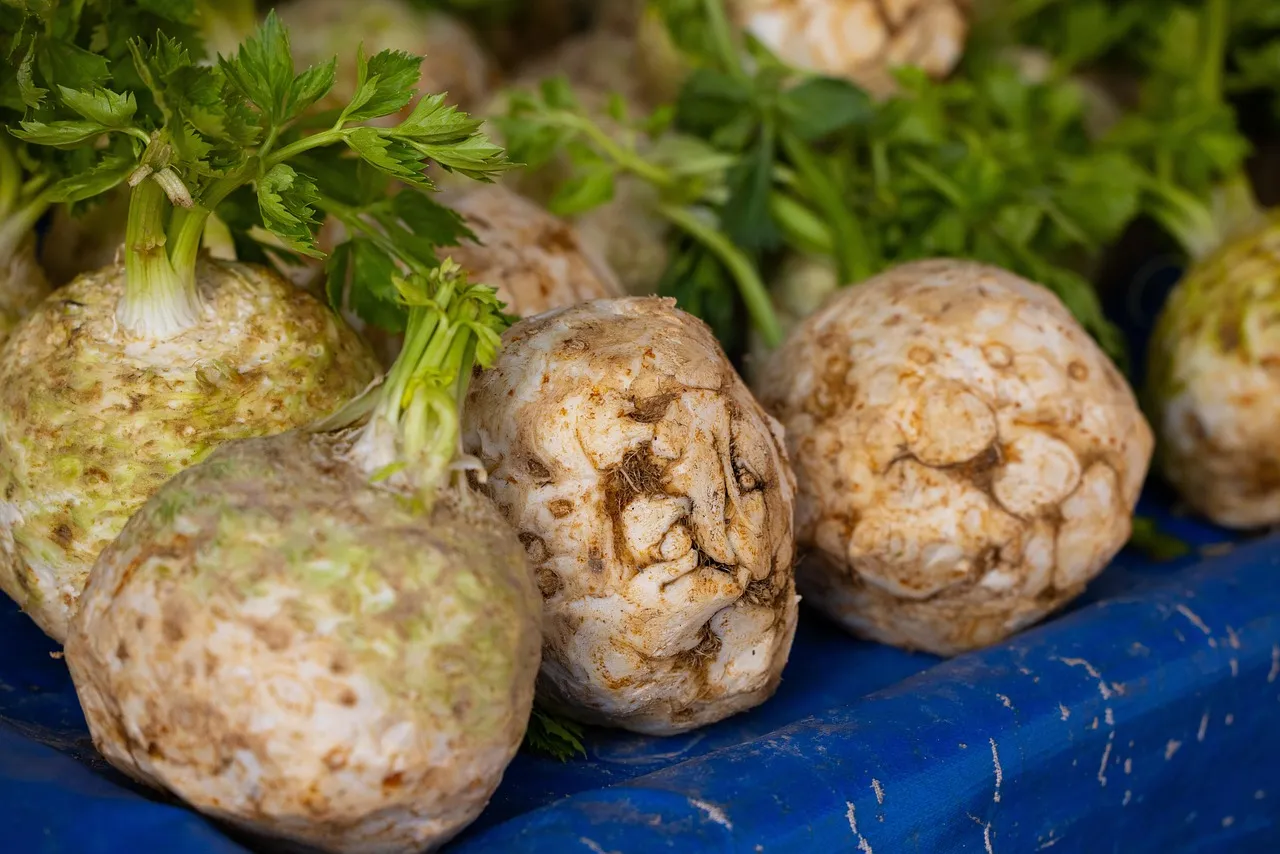
Celery is also the scrap most likely to need a change of scenery partway through, since water alone won’t sustain it indefinitely. Most guides recommend transplanting once roots and new stalks appear, and one gardening resource notes you can move plants outside as soon as your nighttime temperatures stay above 50 degrees Fahrenheit. Timing the switch matters, because it’s important you keep an eye on these plants and don’t leave them in water for more than 10 days, since the outer stalks can rot and affect the rest of the plant. One home cook who tried both celery and romaine side by side also noticed a pattern worth knowing about, mentioning that browning has appeared on some celery and romaine but never on onions. That difference alone is a good reason to keep a closer eye on celery than on the other scraps in this list.
Garlic Cloves Send Up Greens Within a Week
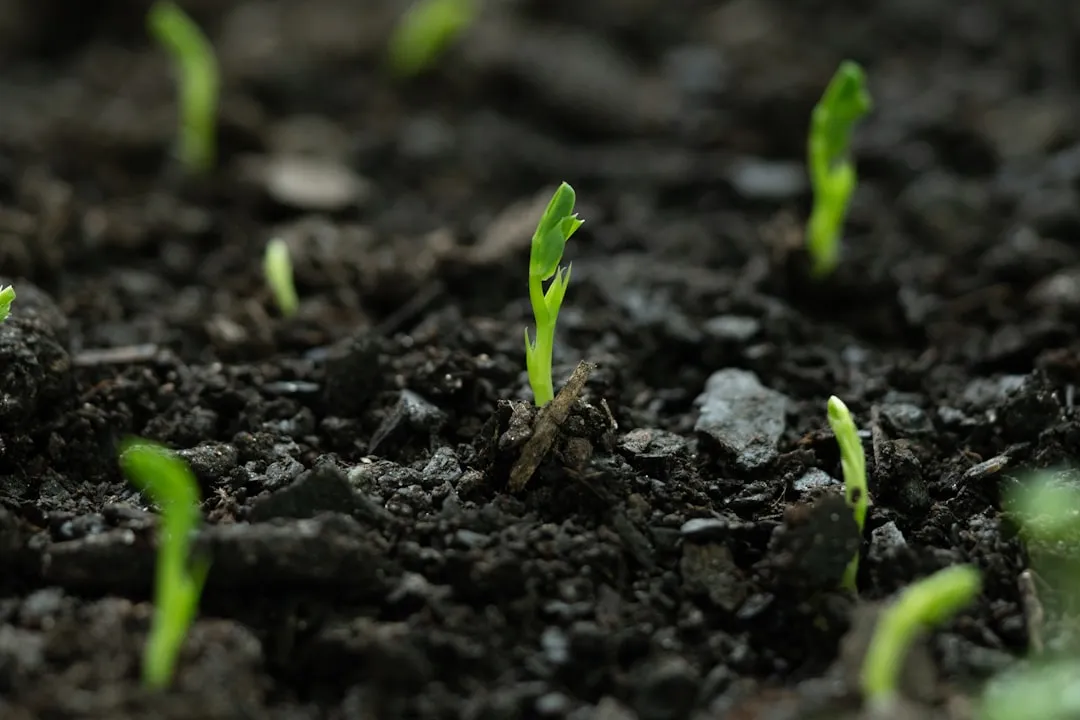
Garlic is often overlooked as a regrowing candidate, yet a single clove balanced in water sprouts remarkably fast. One gardener who regularly sprouts cloves for garnish reported that in two to three days you’ll notice the green sprout starting to grow taller, and after about a week it should have grown enough that you can start snipping off segments to use. Another account of the same method found the timeline nearly identical, noting that in a day you will see roots forming, in about two days the garlic greens start to form, and after about a week you will have solid roots and a significant amount of garlic greens. For anyone who cooks with garlic often, that speed makes it one of the more rewarding scraps to keep going on a windowsill.
Greens Now, Bulb Later: Managing Garlic Expectations
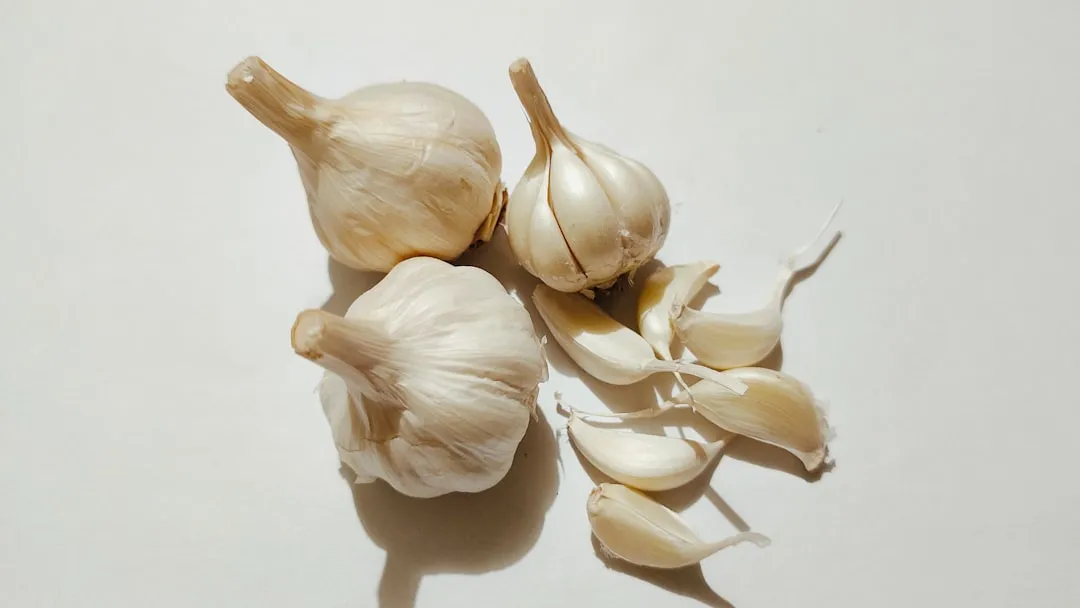
The greens from a sprouted clove are genuinely useful in the kitchen, but they are not the same thing as growing a new head of garlic. As one guide puts it plainly, garlic can sprout in water, but it won’t produce a full bulb, and for a complete regrowth, planting in soil is necessary. Even in soil, patience is required, since if your garlic gets the cool weather it needs, the process will usually take about six months from clove to full bulb. Growers who do commit to the soil route can eventually get a full harvest, because a properly planted clove set root side down means the next spring or summer you can harvest a full bulb of garlic. For a quick kitchen project, though, the water method and its week long turnaround for edible greens is the more practical option.
Bok Choy and Other Leafy Bases Follow the Same Trick
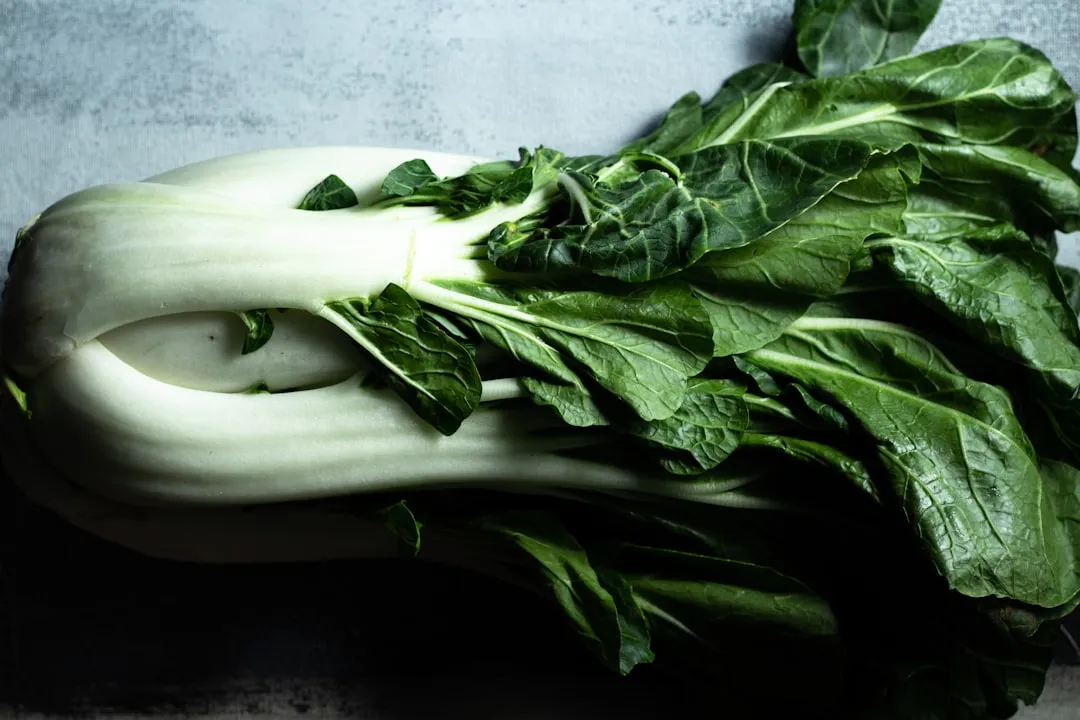
Once you understand the logic behind regrowing green onions, celery, and romaine, it turns out several other leafy vegetables respond to the exact same setup. Food Network’s basic guide extends the method directly, explaining that you can place the base of a head of lettuce or bok choy with a few inches of the leaves intact in a shallow dish of water. That said, bok choy has one quirk worth knowing about before you start. One home cook who tried it noticed her plant started like the lettuce then also grew a stem, which is called bolting from too much sunlight. If that happens, the plant redirects its energy into flowering rather than fresh leaves, so keeping it in bright but indirect light tends to produce steadier, more useful growth.
Comparing the Five: Which Scrap Wins on Speed
Lined up side by side, green onions come out ahead for sheer speed, with visible growth reported within the first day in some cases. Garlic follows close behind, typically showing roots and green shoots within one to two days and usable greens within a week. Romaine and bok choy sit in the middle, generally showing new leaves within three to seven days, while celery tends to be the slowest of the group, though still needing only a few days for the first signs of life. What ties all five together is the contrast with growing from seed, where the celery comparison alone, needing four to five months to mature from seed, shows just how much of a head start a kitchen scrap offers over starting from scratch.
Regrowing kitchen scraps was never going to replace a trip to the grocery store, and none of these five will fill a produce drawer on their own. What they do offer is a small, low stakes experiment that turns something you were about to throw away into a few extra days or weeks of fresh greens. Keep a jar or two going on the windowsill, and you’ll likely find it becomes a habit rather than a one time trick.AI Disclaimer: This article was created with the assistance of AI tools and reviewed by a human editor.