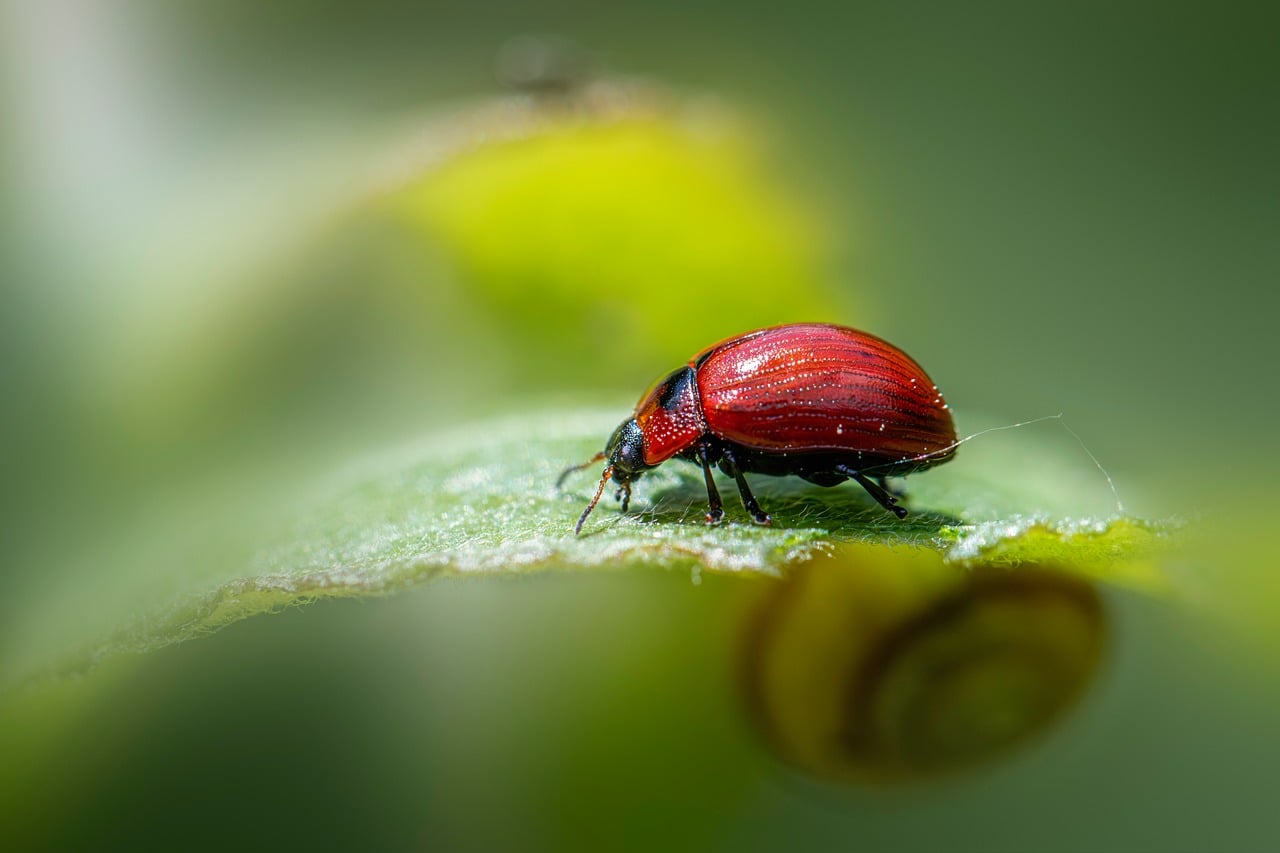

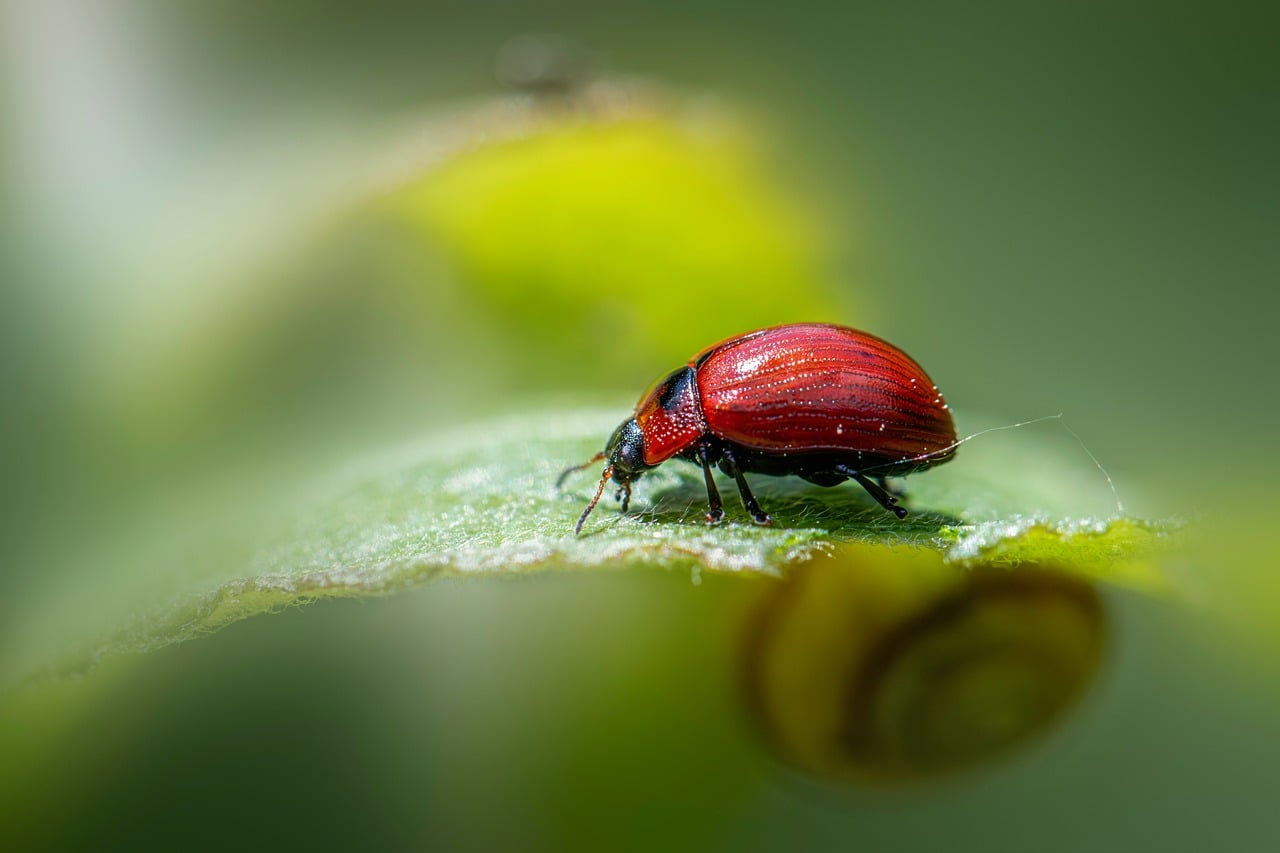
Most gardeners reach for the spray bottle the moment something unfamiliar appears on a leaf or scurries across the soil. The instinct is understandable. Gardening takes work, and the last thing you want is a mystery creature undoing everything you’ve planted. The problem is that many of the creatures we reflexively try to eliminate are actually working overtime on our behalf.
Only about ten percent of insects in a typical backyard garden are genuinely destructive. The rest are either beneficial or harmless, playing an essential role in a healthy garden ecosystem. That means when you reach for a broad-spectrum pesticide, the odds are good that you’re harming the very creatures keeping your garden in balance. Here are five so-called “pests” that deserve a much better reputation.
1. Ground Beetles: The Midnight Hunters You Keep Disturbing
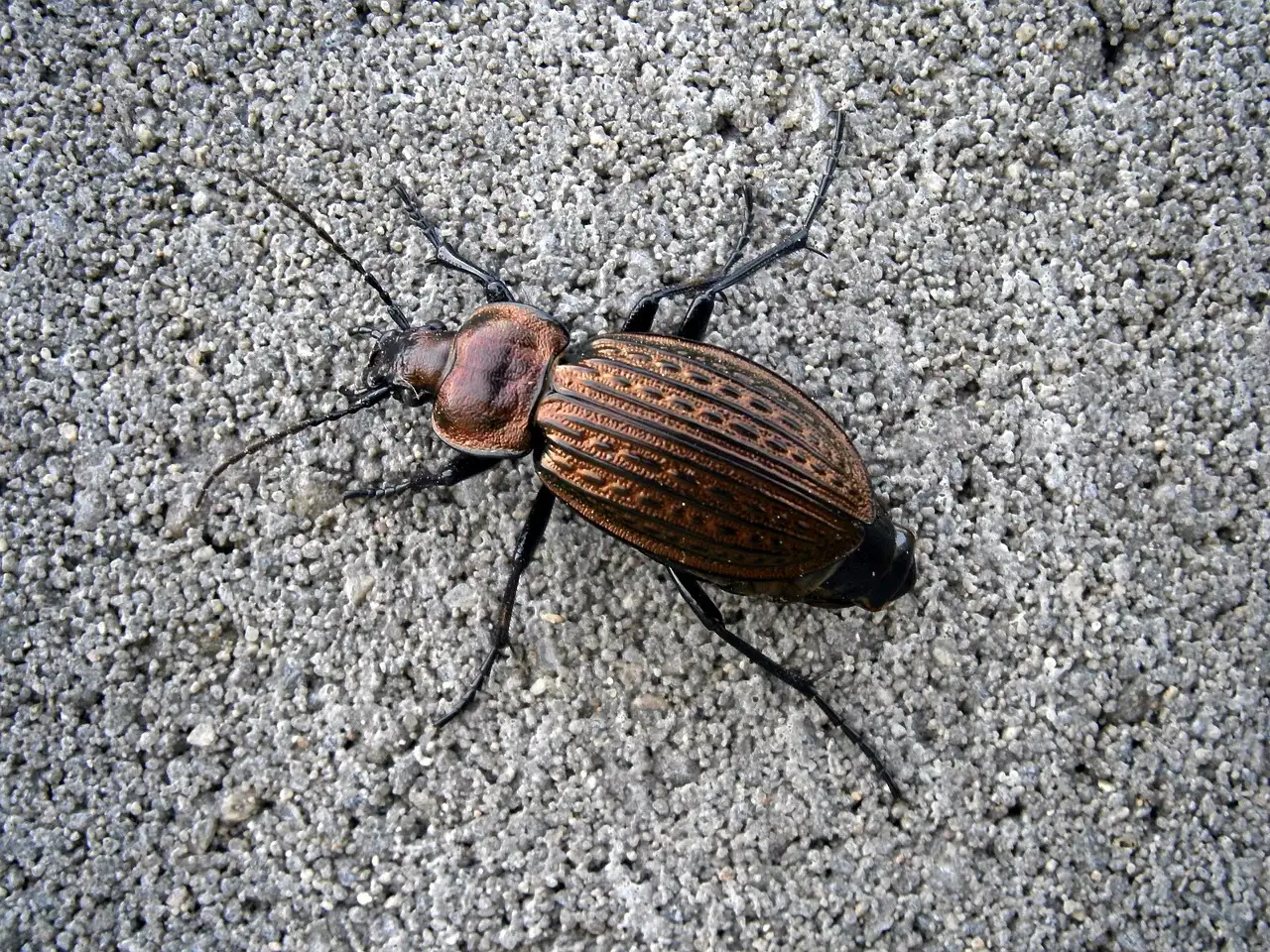
Ground beetles are easy to write off. They’re fast, dark, and a little unsettling when you flip over a rock and find one skittering away. Most gardeners either squash them or simply do not know what they are looking at. That’s a costly mistake.
Ground beetles will try to eat almost anything that moves, including asparagus beetles, cabbage worms, Colorado potato beetles, corn earworms, cutworms, and slugs. Some are also important consumers of weed seeds. They’re patrolling your garden even when you’re not watching.
Studies of ground beetles as biological control agents suggest they can prevent roughly forty percent of crop damage. Compared with other garden insects, ground beetles are long-lived and may inhabit a garden for more than a year, overwintering as adults. Tilling your soil frequently or using broad pesticides is one of the fastest ways to wipe out this invisible workforce.
Their burrowing improves air and water circulation in the soil, benefiting plant roots directly. To keep them around, leave areas of mulch and debris undisturbed, and give them flat stones or boards under which to shelter during daylight hours.
2. Hoverflies: The Wasp-Like Fliers That Gardeners Swat Away
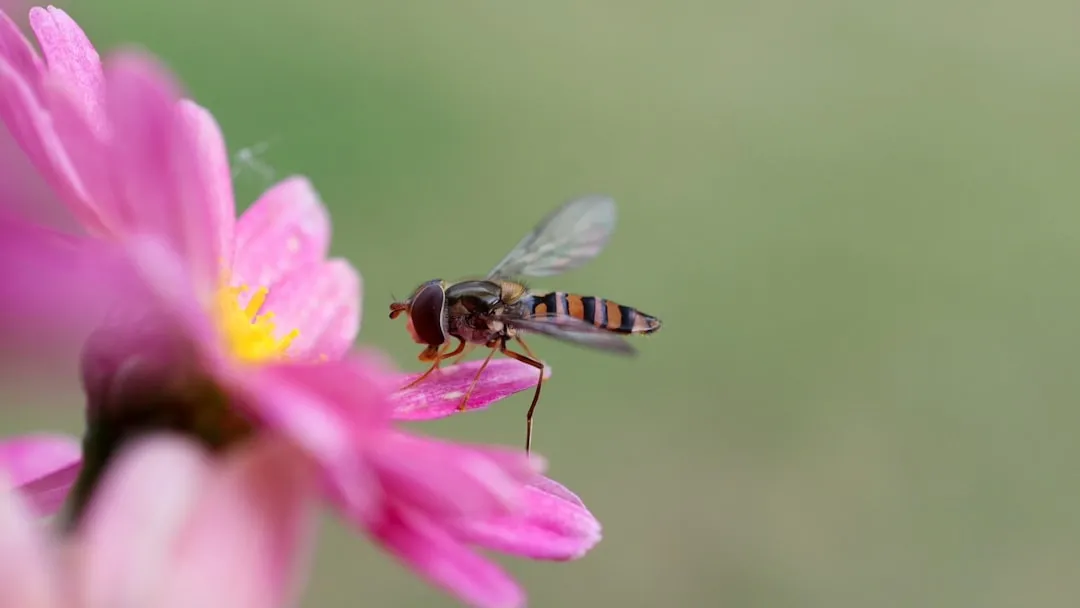
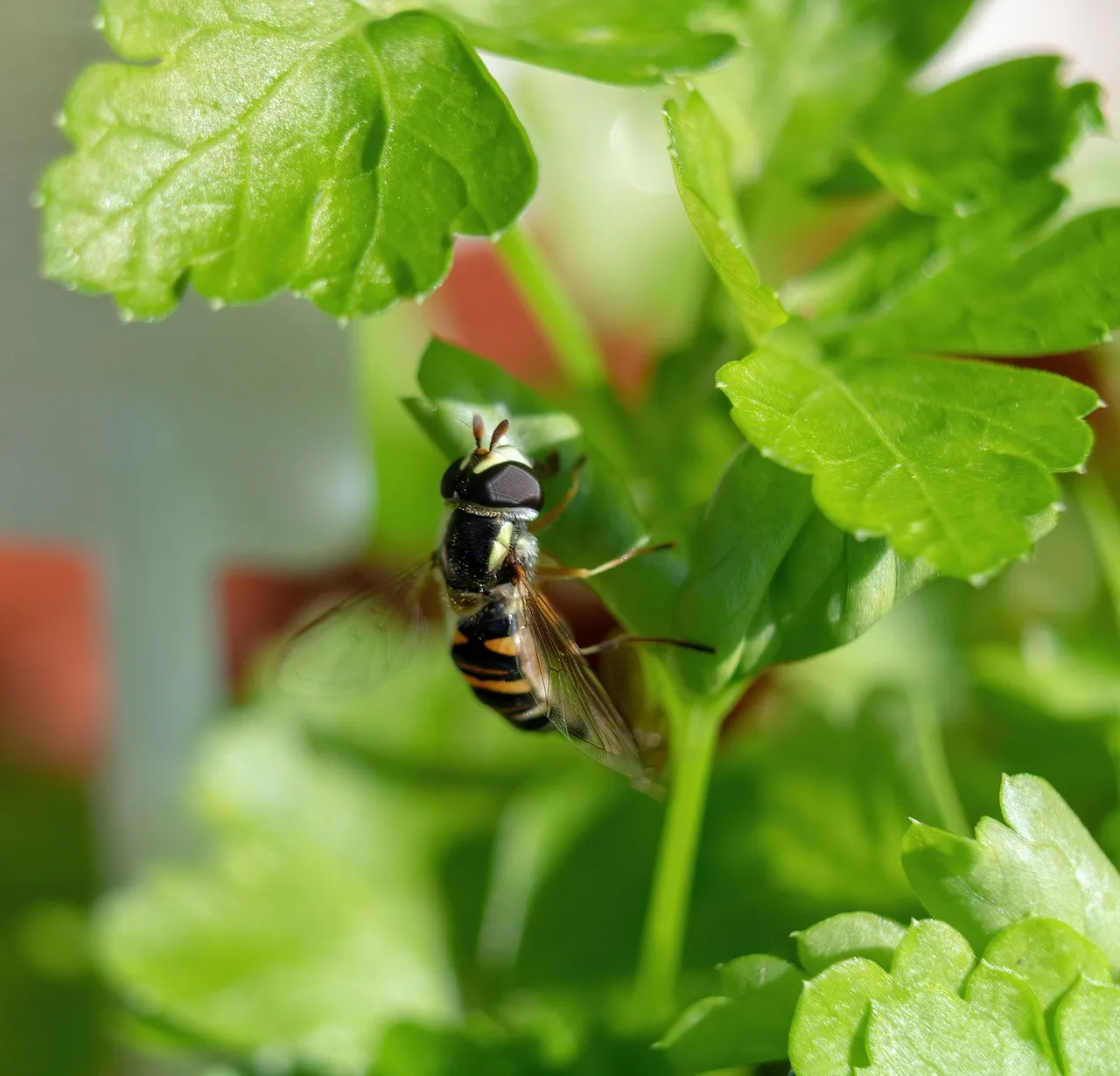
If something striped and buzzing hovers near your flowers, the reflex is often to swat it away or grab the bug spray. Hoverflies look convincingly like wasps or yellow jackets, but they have no stinger and pose zero threat to people. What they do have is a remarkable dual role in the garden.
The hoverfly looks like a tiny yellow jacket without a stinger. Adults feed on pollen and nectar and are crucial pollinators. Their larvae are voracious predators, killing aphids, beetles, caterpillars, and thrips by sucking the juice from their victims.
A peer-reviewed study published in Frontiers in Plant Science found that augmentative releases of the hoverfly species Eupeodes corollae increased fruit set and weight in tomato, melon, and strawberry crops. On melon and strawberry, this hoverfly suppressed aphid populations by between roughly half and nearly all of the pest population. These numbers reflect what a healthy native population of hoverflies can do in your garden without any intervention at all.
Attracting hoverflies is straightforward: plant flowers like alyssum, marigold, and calendula. Avoiding pesticides is equally important, since even organic sprays can reduce their numbers significantly.
3. Parasitic Wasps: Tiny, Stingless, and Devastatingly Effective
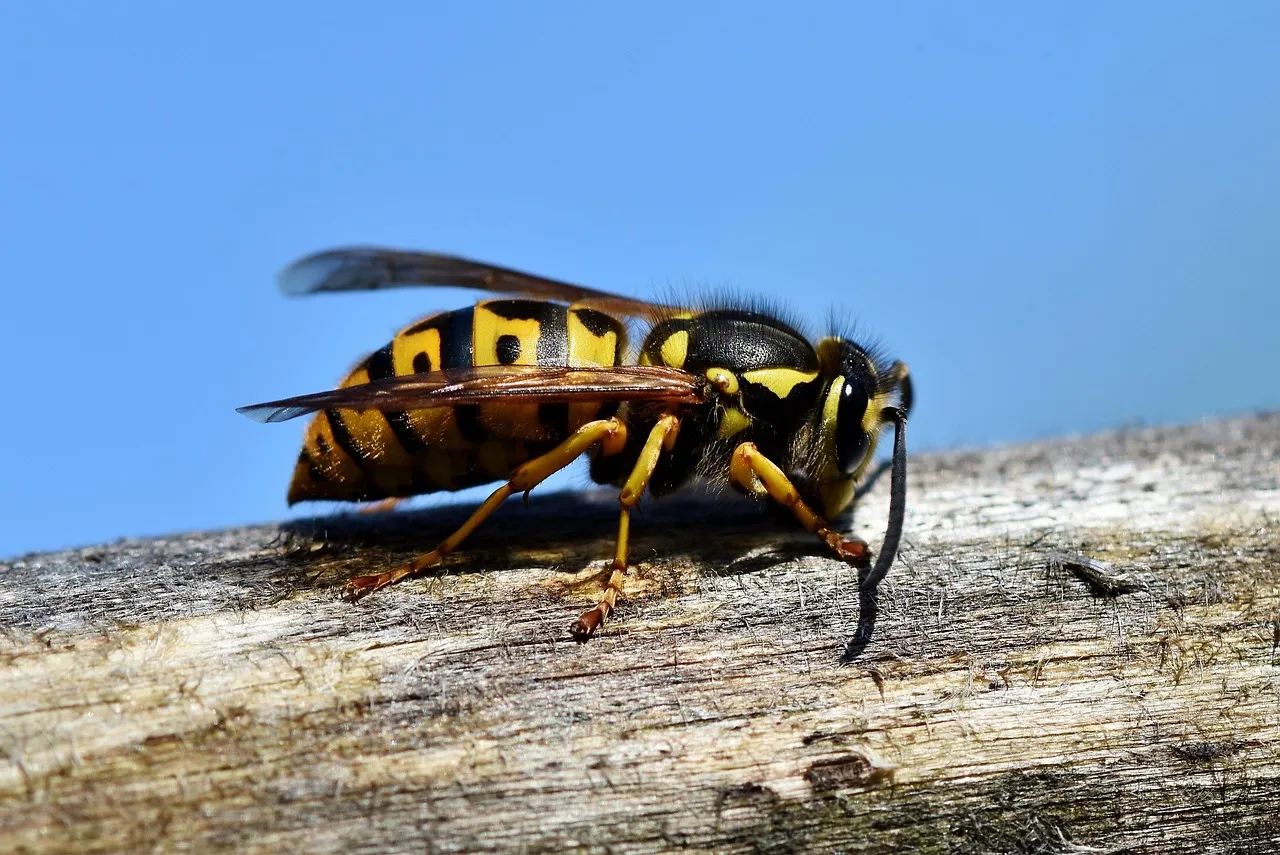
The word “wasp” triggers alarm in most people. That reaction makes perfect sense for large social wasps, but parasitic wasps are a completely different story. Most are so small you’d barely notice them resting on your hand, and they’re not interested in stinging you at all.
There are approximately 7,600 species of parasitoid wasps in North America alone. Adult females control pests by laying their eggs on or in the prey insect, targeting caterpillars, grasshoppers, aphids, sawflies, mealybugs, scales, whiteflies, beetles, and more.
Braconid wasps lay their eggs on the backs of tomato hornworms and other caterpillars, forming those white cocoons you may have seen on a caterpillar’s back. If you see a parasitized caterpillar, do not kill it. Move it elsewhere in your garden. The wasp larvae will handle the pest and eventually become more wasps, continuing the cycle.
Trichogramma wasps are so small that several of them can fit on the head of a pin. They lay their eggs inside the eggs of over 200 different insect pests, preventing those pests from ever hatching in the first place. The life cycle of parasitoid wasps is closely synchronized to that of their hosts, making them particularly effective at reducing pest populations.
4. Garden Spiders: The Web Builders People Keep Destroying
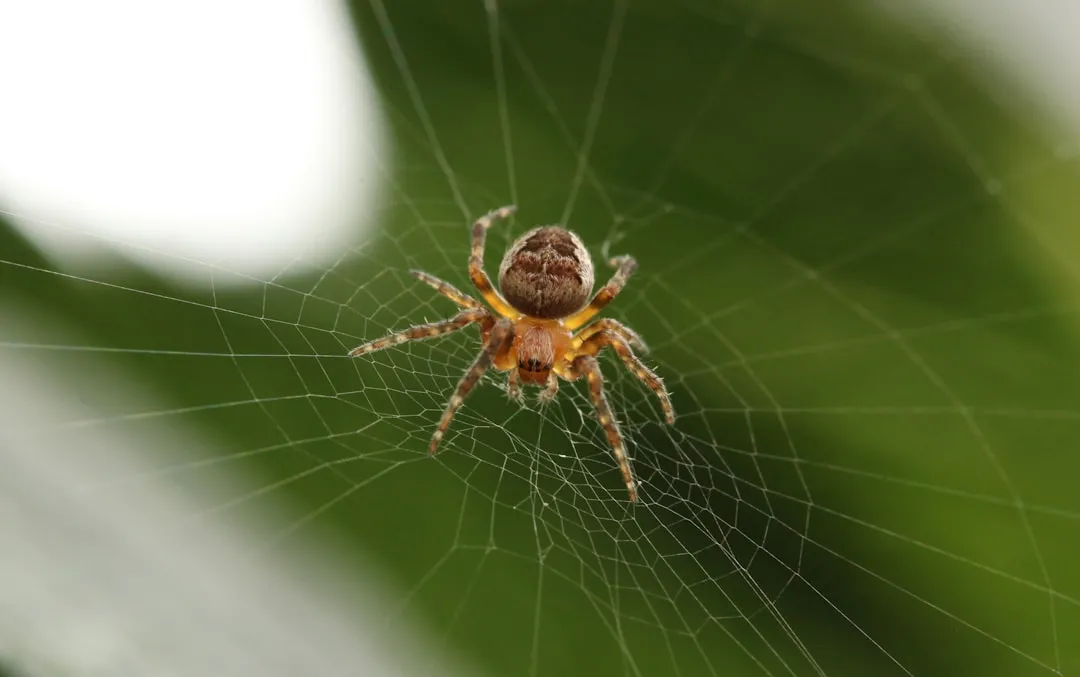
Few creatures trigger an automatic “get rid of it” reaction quite like a spider setting up a web in the garden. People knock webs down, brush spiders aside, and sometimes reach for pesticides. In doing so, they’re dismantling one of the garden’s best natural defenses.
Spiders, though technically arachnids rather than insects, are often overlooked as beneficial. Since they are attracted to prey by movement, they eat many live insects. Jumping spiders and wolf spiders are especially effective at keeping pest populations under control.
Common garden orb-weaver spiders catch all sorts of annoying pests in their webs, including mosquitoes, flies, wasps, and beetles. Crab spiders, which are ambush hunters that do not spin webs, prey on mites and practically anything else they can catch as they wait in the garden.
Keeping a healthy and diverse ecosystem of prey and predator is better for your garden in the long run. Growing taller plants like beans and corn gives web-building spiders a place to construct their webs, while hunting spiders need mulch and ground debris to build shelter. Leave some areas of the garden undisturbed by tilling to support them.
5. Lacewings: The Delicate Insects Mistaken for Pests
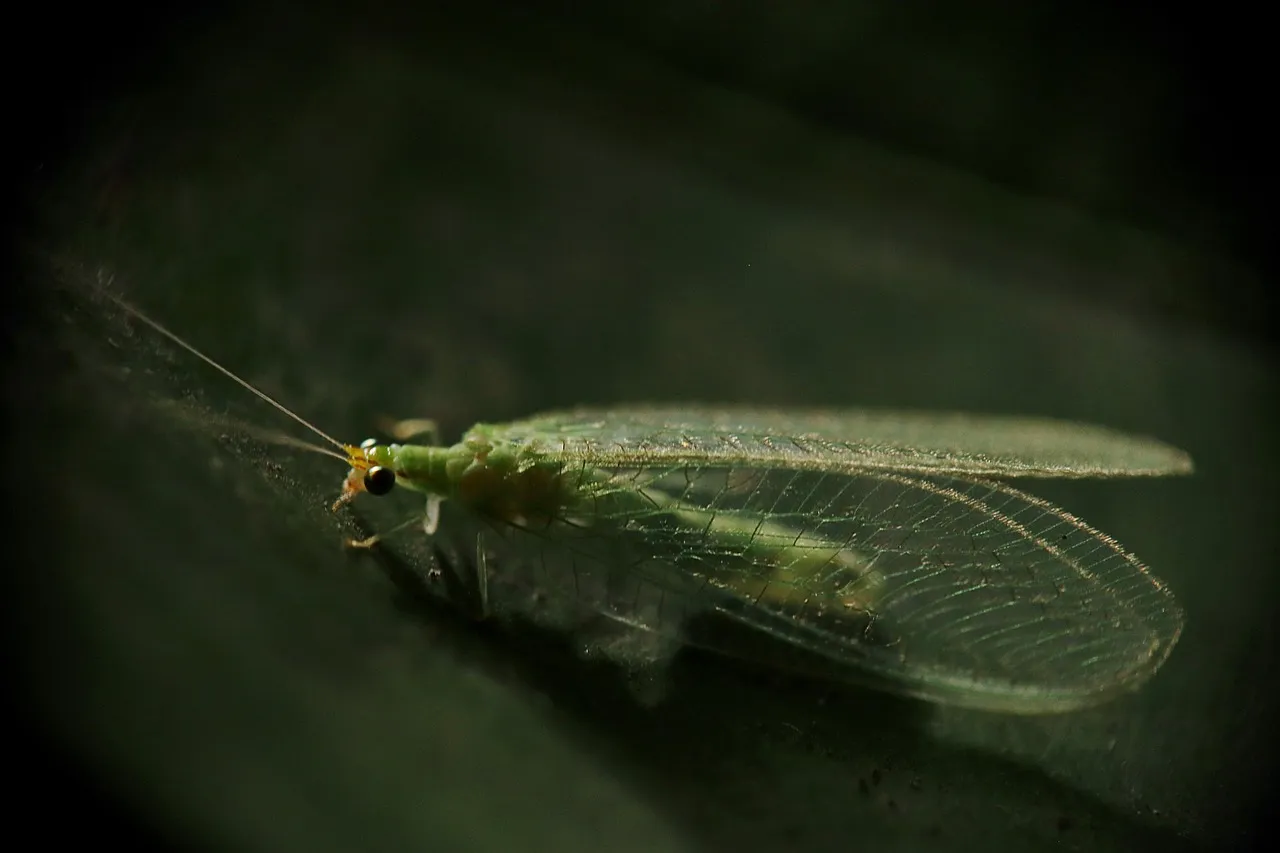
Green lacewings are genuinely beautiful. They have gossamer wings, bright apple-green bodies, and look far too delicate to be serious hunters. That appearance is thoroughly misleading, particularly when it comes to their larvae.
The green lacewing is an ethereal insect with an apple-green body and transparent wings. Their larvae have an insatiable appetite for pest insects like spider mites, aphids, mealybugs, and whitefly. Lacewing larvae are relentless predators of aphids and are commonly used for aphid control in large agricultural settings. They also eat many other common garden pests, like whiteflies, mites, mealybugs, and more soft-bodied pests.
Adult green lacewings feed on pollen and nectar, but their larvae prey upon soft-bodied garden pests, including caterpillars and aphids. The adults, which look peaceful and almost decorative as they rest on foliage, are effectively pollinators. The larvae underneath the leaves are doing the heavy lifting on pest control.
Many gardeners confuse lacewing larvae with tiny grubs or unfamiliar pests and remove them on sight. Insects that help with pest control by eating or parasitizing pests can greatly reduce pest populations. It’s rare for beneficial insects to completely eliminate pests, but they help create a balance that usually results in much less damage to plants. Lacewings are a clear example of that principle.
The Real Cost of Indiscriminate Pesticide Use
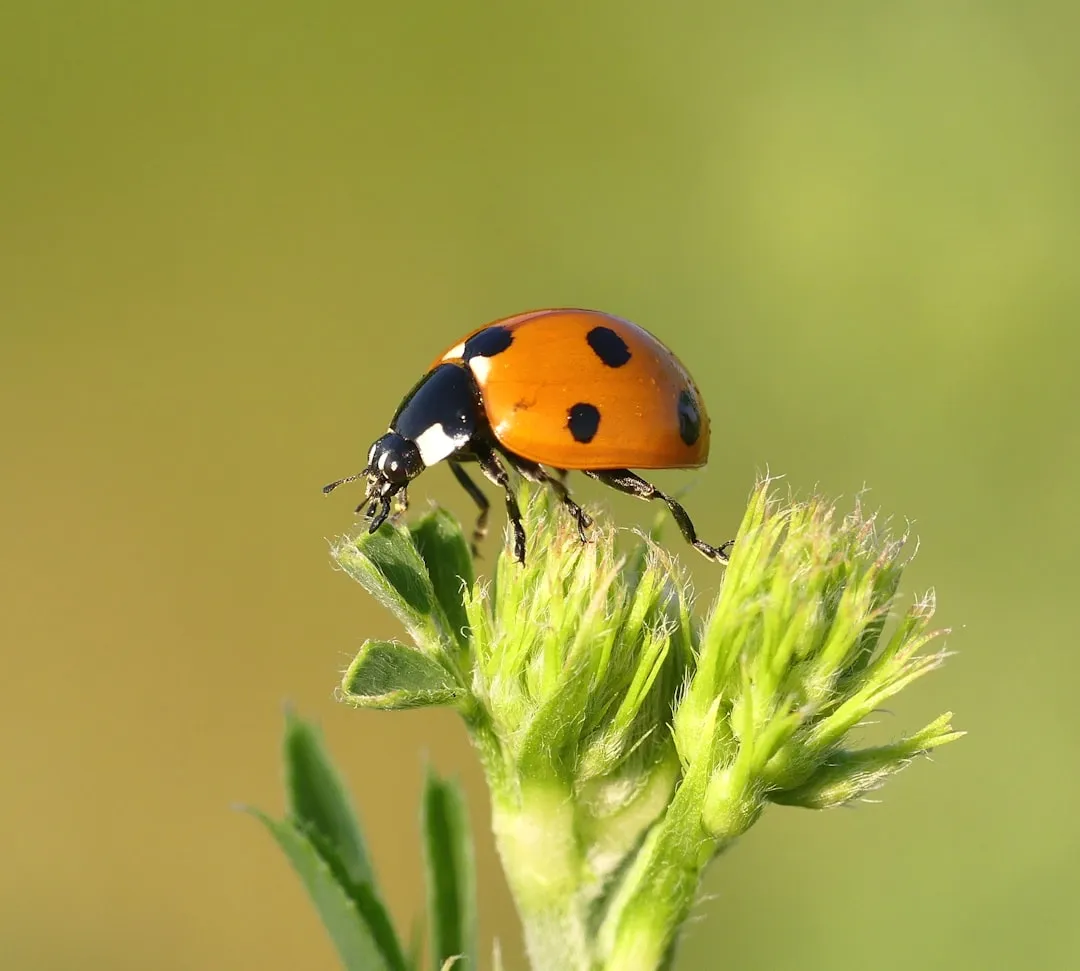
Using chemical pesticides often wipes out the beneficial population alongside the pests, creating a cycle of more bugs and more sprays. When you work with nature instead, the garden becomes healthier and more resilient over time.
By naturally regulating pest populations, beneficial insects can help minimize reliance on pesticides that have harmful effects on pollinators and soil health. This isn’t a minor benefit. Reduced pesticide use directly protects the biodiversity that keeps every other part of your garden functioning well.
Even organic, non-toxic pesticides can deter or destroy beneficial insects. That’s worth sitting with for a moment. Products marketed as safe can still eliminate the very allies your garden depends on. A more measured, targeted approach to pest management is almost always the better choice.
Why Most Insects You See Are Not Actually a Problem
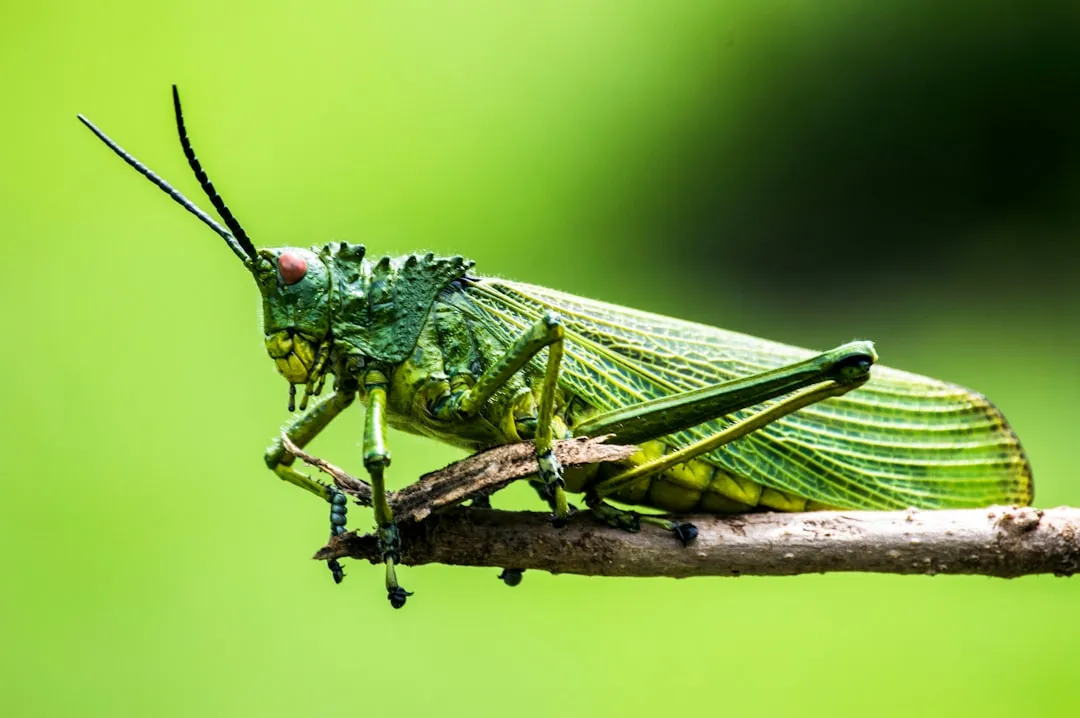
Beneficial insects are helpful garden bugs that either pollinate plants, control pests, or both. The difficulty is that they rarely arrive wearing name badges. Many gardeners make snap judgments based on appearance alone, and that leads to some costly errors.
The benefits some insects provide vary with species and life stage. Insects might be helpful in one life stage but not another. Butterflies are considered beneficial pollinators, but their larvae eat plants. By contrast, hover flies are predators while young, in the larval stage, but pollinators as adult flies. Knowing the difference changes how you respond to what you see.
Pest insects draw widespread attention because they present challenges to people, but there are far more species of insects that are beneficial. Keeping that in mind before acting is one of the most practical things any gardener can do.
How to Build a Garden That Protects Its Own Protectors
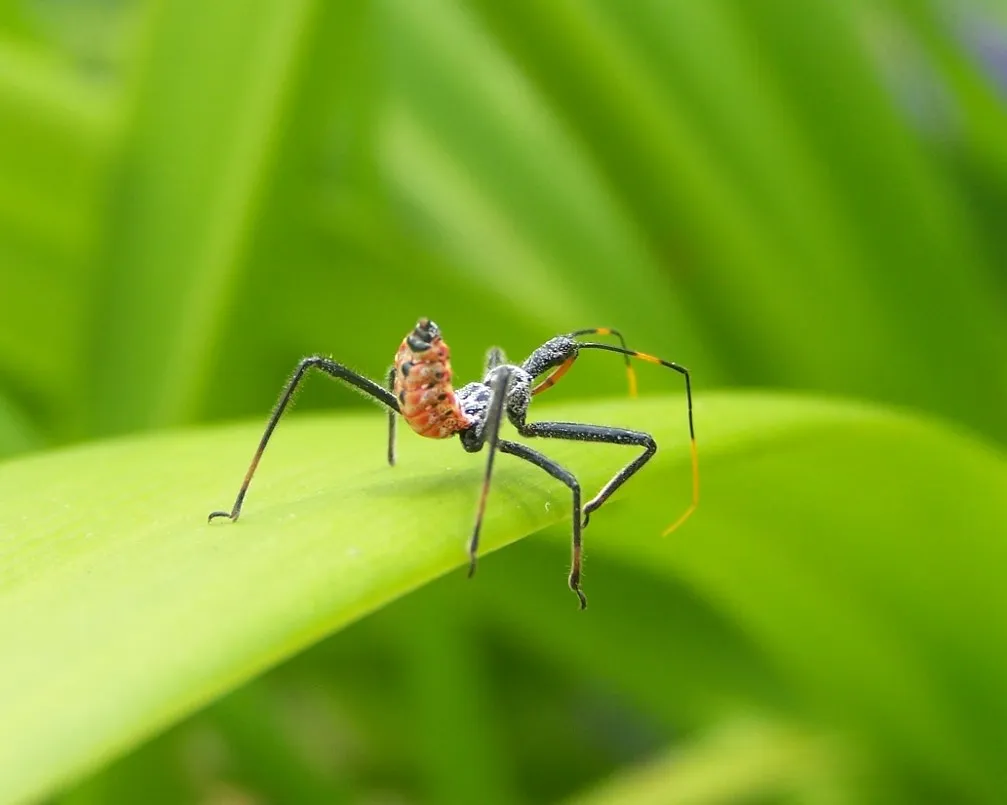
Protecting beneficial creatures starts with giving them somewhere to live. The keys to welcoming beneficial insects into the garden are variety in plant types, flower shapes, and blooming times. A diverse garden has many ecological niches that different insects can fill.
Beneficial garden bugs can be encouraged to make your yard their home by supplying a variety of attractive food sources, habitats, and nesting sites. This doesn’t require a major redesign. Even a few flowering herbs along a border, some undisturbed mulch along the edges, or a shallow water source can meaningfully improve habitat quality.
To attract beneficial insects, grow a variety of flowering plants that provide nectar and pollen. A diverse garden ensures beneficial insects stay year-round. Like all living creatures, beneficial insects have a basic need for water, food, and shelter. By providing these things, your garden becomes an inviting home for them.
Learning to Identify Before You Intervene
The single most practical habit a gardener can develop is pausing before acting. That dark beetle scrambling under a stone, the small wasp hovering near the tomatoes, the lacey-winged insect resting on a cucumber leaf – none of them are automatically the enemy.
Learning to identify the different species of beneficial insects and their appearance in various life stages informs better pest management decision-making. There are now several reliable apps and university extension resources that allow you to photograph and identify insects within seconds, without needing any formal entomology background.
Beneficial insects prey upon and parasitize crop pests, recycle nutrients, help decompose plant and animal waste, aerate and improve soil quality, and support other wildlife across vast food chains. That’s an extraordinary range of services, all delivered for free, as long as you don’t accidentally eliminate the providers.
The Bigger Picture: Ecosystem Balance in Your Backyard
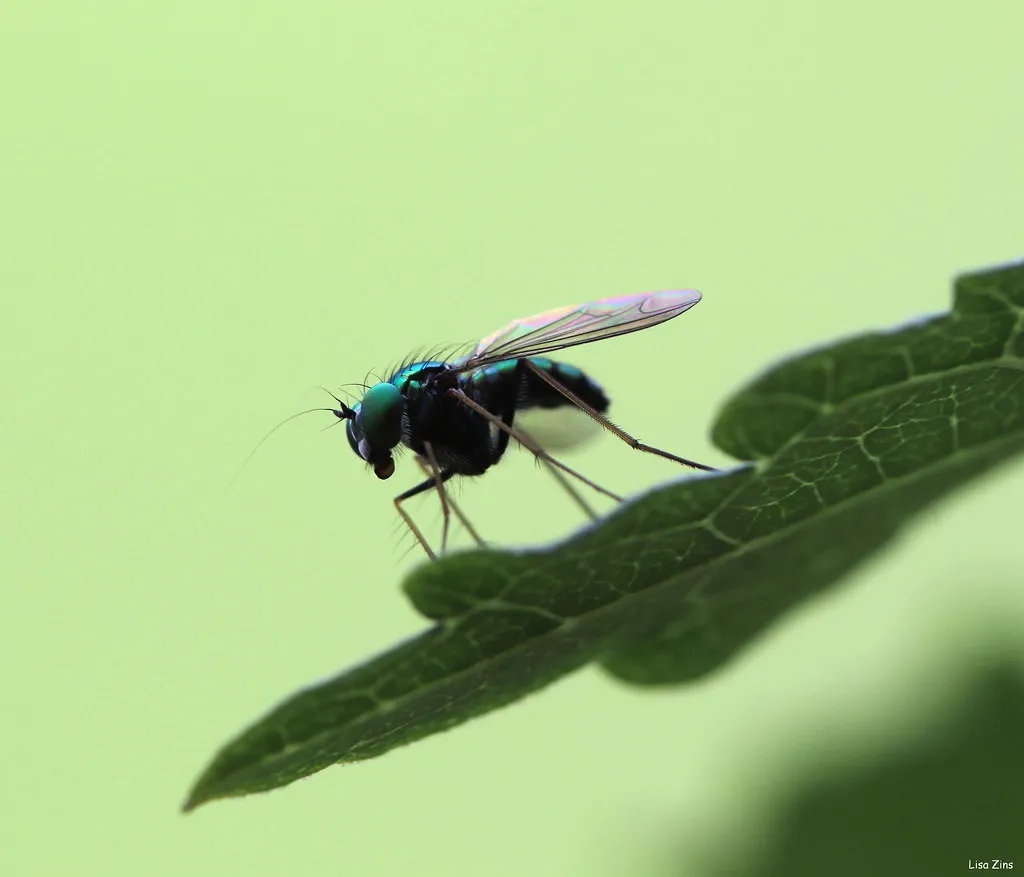
A garden that relies entirely on chemical intervention is effectively running on borrowed time. Each spray that clears aphids also removes the predators that would have handled the next wave naturally. The cycle tends to intensify rather than resolve.
Pest control is built into nature – you just have to help it along. A healthy garden ecosystem, supported by biodiversity, can manage most pest problems without synthetic chemicals. The goal isn’t a sterile, pest-free garden. It’s a balanced one, where populations of pests and predators keep each other in check without your constant intervention.
Beneficial insects can be divided into two primary groups: predators and parasitoids. Predators actively hunt, kill, and consume pests. Parasitoids use other insects, often crop pests, as hosts on which their larvae feed and eventually kill. Both groups are doing extraordinary work in gardens everywhere, largely unnoticed and unappreciated.
Final Thoughts
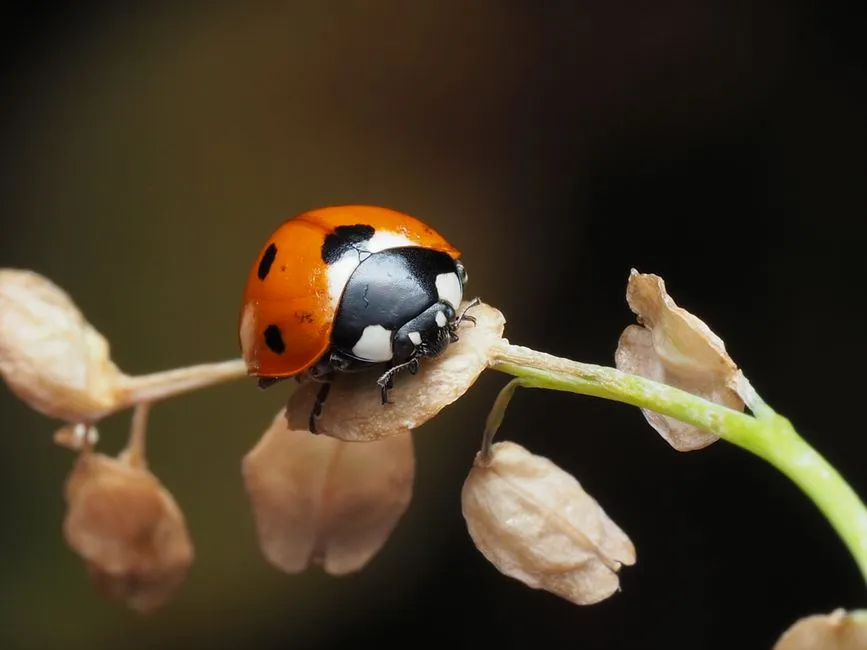
The creatures most likely to protect your garden are often the ones you least expect. A dark beetle hiding under mulch, a striped fly hovering near the dill, a spider in the corner of the raised bed – these are not problems to solve. They’re assets to preserve.
The shift from reflexive elimination to informed observation is genuinely one of the highest-leverage changes a gardener can make. It costs nothing, reduces chemical use, and puts natural systems to work on your behalf. Nature has been solving pest problems far longer than we have, and it’s reasonably good at it.
Next time something unfamiliar appears in your garden, give it a second look before reaching for anything. Chances are, it’s already on your side.
AI Disclaimer: This article was created with the assistance of AI tools and reviewed by a human editor.