

Walk through any antique fair today and you’ll notice something surprising: the garden section is booming. Pieces that once sat forgotten in estate sales are quietly commanding prices that make brand-new equivalents look cheap by comparison. The 1960s were a particularly fertile decade for outdoor decorating, producing garden ornaments built with materials, craft, and character that modern mass production simply hasn’t been able to replicate.
Part of what’s driving this shift is a broader move toward authenticity in home and garden design. Collectors and interior designers alike are hunting for pieces with genuine age, real patina, and a story. What follows is a gallery of five specific ornament types from the 1960s that consistently outvalue their modern counterparts on today’s secondary market.
1. West German Ceramic Garden Gnomes
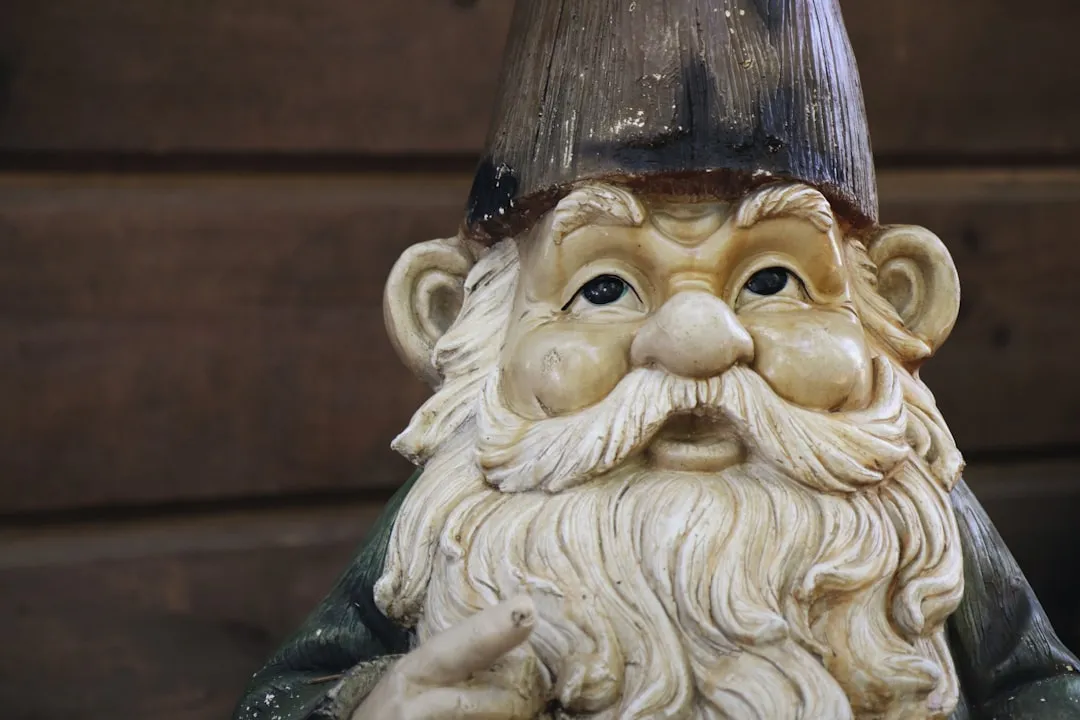
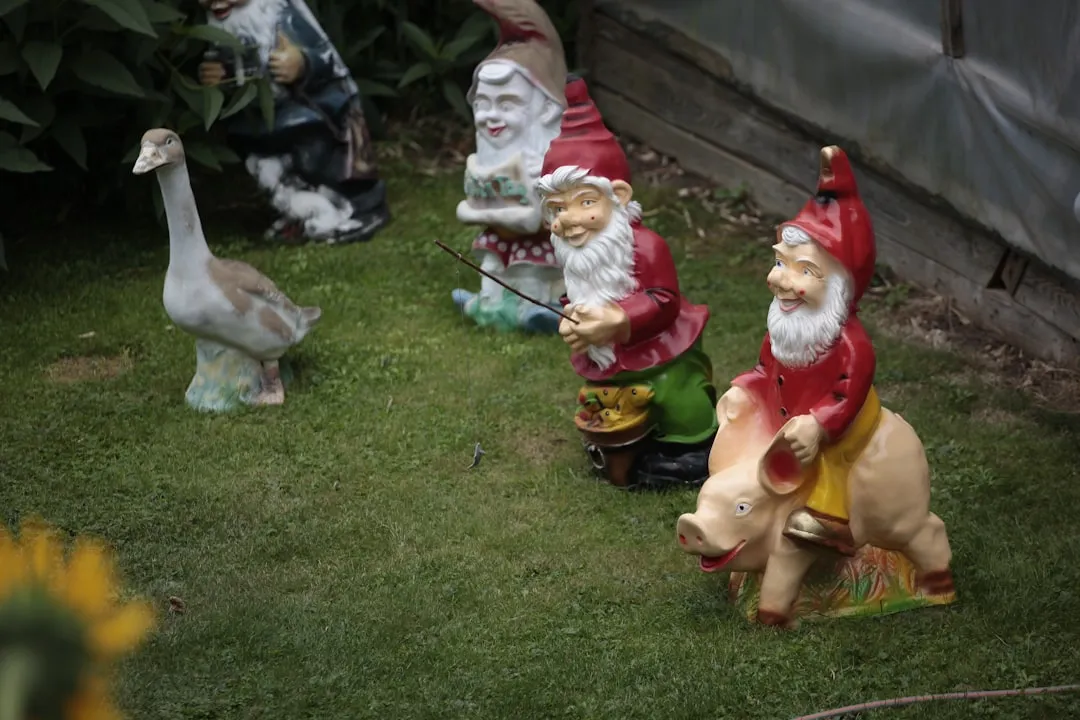
The garden gnome has a long and surprisingly serious collecting history, and the West German examples from the 1960s sit firmly at the top of that market. Manufacturers like Zeho produced hand-painted ceramic gnomes that featured original paint in vibrant, stable colors and solid construction that cheaper modern plastic versions simply don’t match. One vintage Zeho garden gnome from the 1960s with original paint, standing 17.5 inches tall, recently appeared on Chairish listed at $80. That might not sound dramatic until you consider that a mass-produced resin gnome of the same size sells for less and looks far less convincing.
East German counterparts are equally valued: a hand-painted terracotta garden gnome made in East Germany in the 1960s recently listed for $364 on Chairish. These were produced by state-run V.E.B. manufacturers and remain in near-original condition, with provenance that dealers document carefully. The combination of hand-painting, terracotta construction, and documented East German origin makes them consistently appealing to mid-century collectors. When you compare that to the $20 to $40 range of a typical mass-market garden gnome today, the value gap is hard to ignore.
2. Willy Guhl Concrete Planters for Eternit
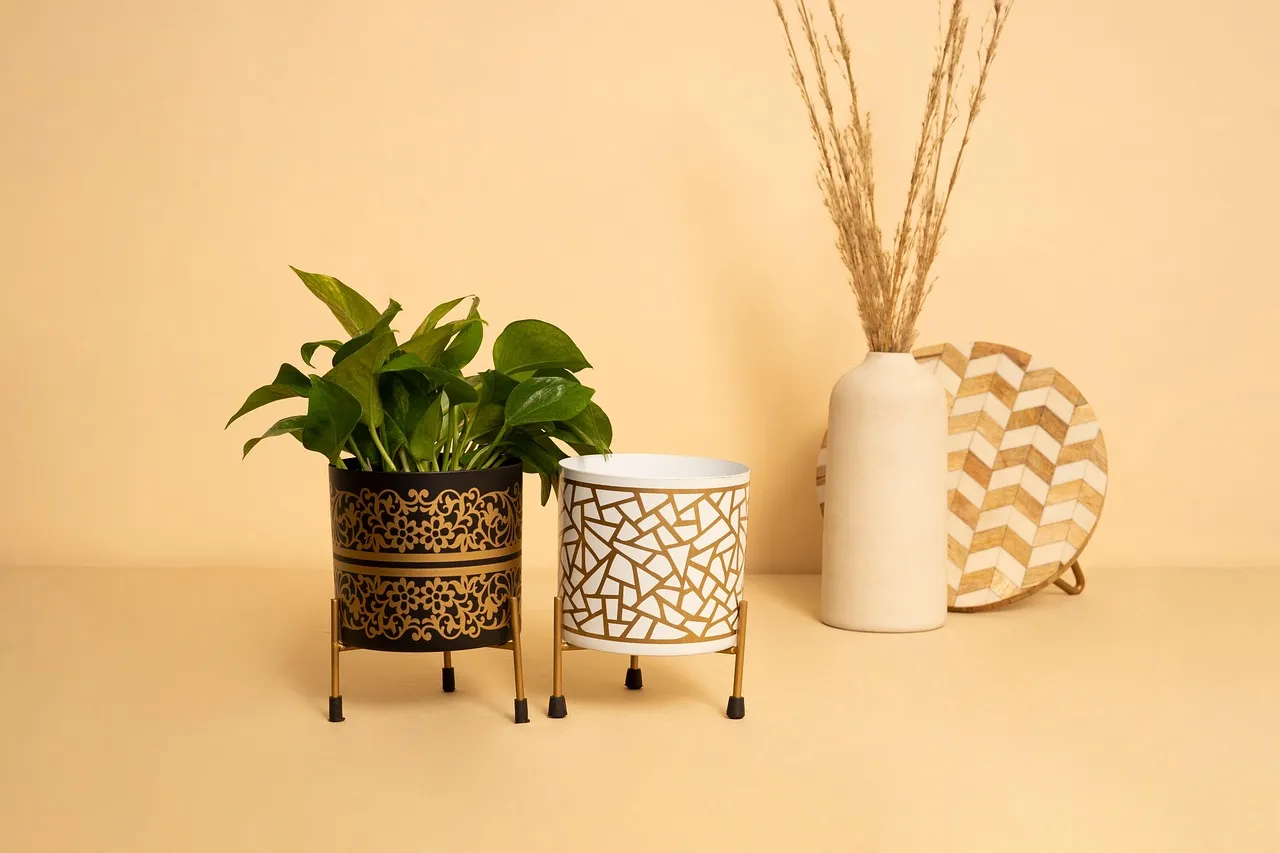
The Willy Guhl fiber-cement planter for Eternit of Switzerland, produced in the vintage 1960s, is widely regarded as an icon of mid-century modern indoor-outdoor living. Guhl was a Swiss architect whose designs were defined by clean geometric forms and a material sensibility that made concrete feel sculptural rather than utilitarian. In the 1950s, the Belgian company Etex commissioned Guhl and his students to design planters, and these creations, ranging from hourglass-shaped vessels to handkerchief-like forms, are among Guhl’s most collectible works.
Prices for Willy Guhl garden ornaments on 1stDibs begin at $660 and can go as high as $7,800. A monumental chalice-style concrete planter from the 1960s has been listed at $5,150, while a diabolo spindel planter from the same era has appeared at $4,000. Designed for Eternit, the large architectural Spindel concrete planters and jardinieres from 1960s Switzerland are described as iconic modernist pieces made from weather-resistant materials. A comparable new concrete planter from a garden center costs a fraction of these prices and will never develop the natural patina that makes the originals so desirable.
3. Mid-Century Cast Iron Sundials
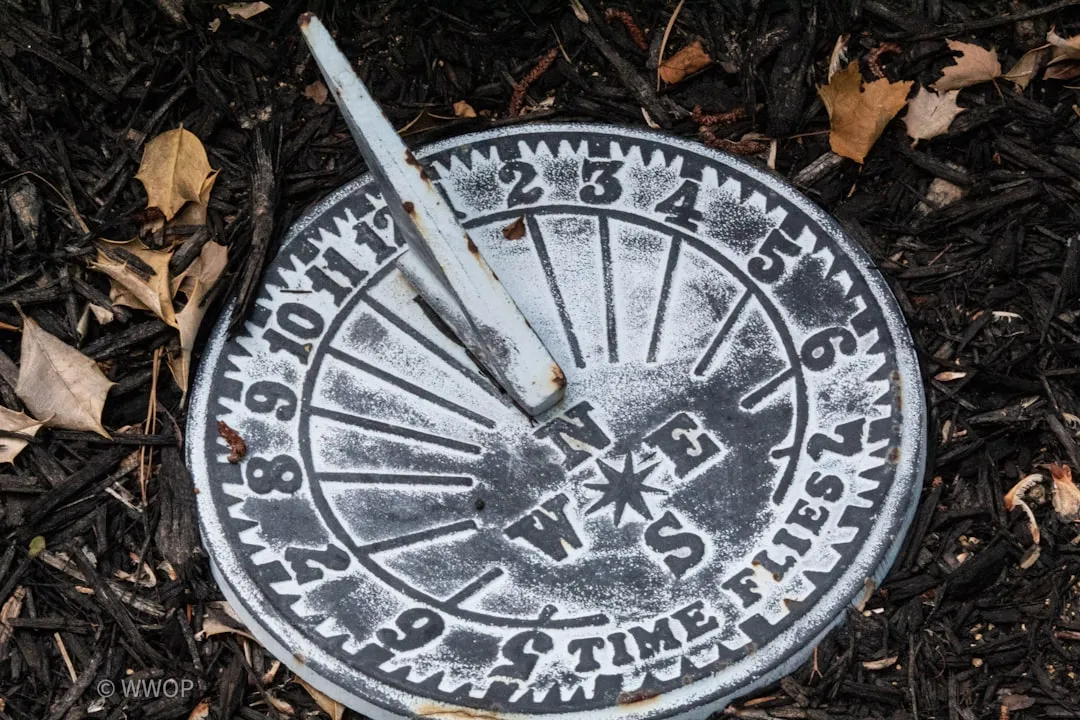
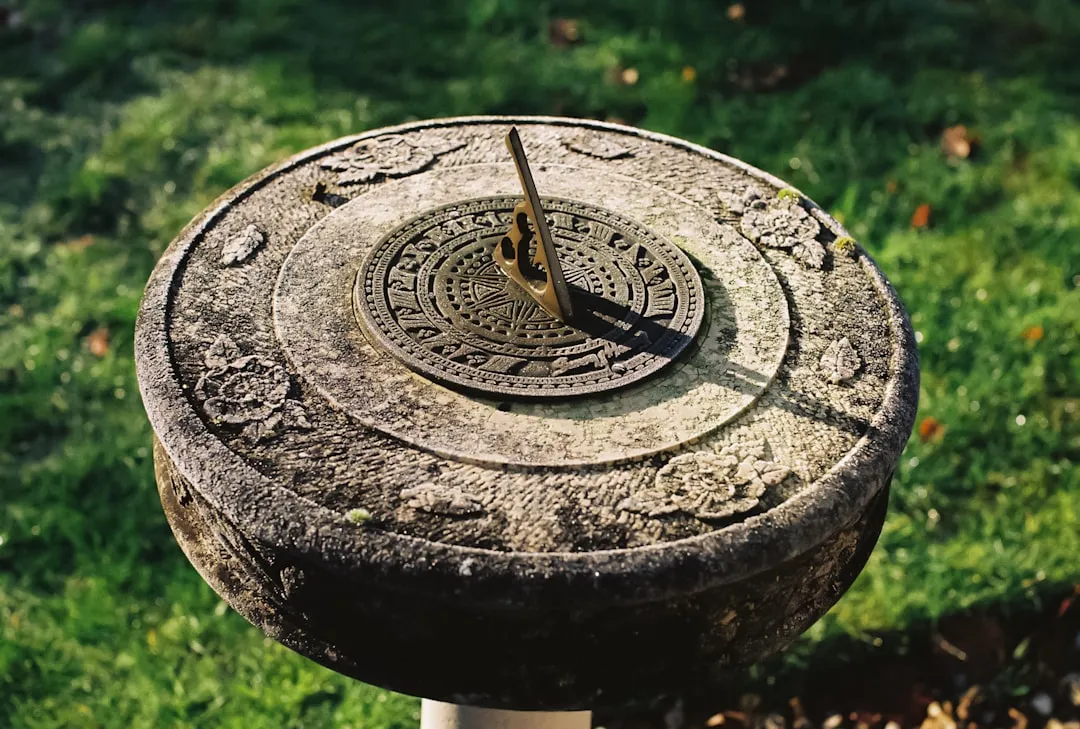
Cast iron garden sundials from the 1960s occupy a niche that sits somewhere between functional antique and decorative sculpture. In the 19th century, a trend developed in Britain and America toward cast iron as an affordable alternative to bronze, making it the first garden art material to be mass-produced for the middle class, covering everything from fountains and statues to urns. By the 1960s, the craft had matured considerably, and the sundials produced during that era featured far more intricate detailing than what’s available today.
A vintage iron garden sundial sold for $768 in December 2024 through Pamono. Other vintage cast iron sundials feature markings including Roman numerals, calendar months, and engraved English mottos, presenting with wear and rust that adds character rather than detracting from value. A new cast iron sundial from a contemporary garden retailer typically retails well under $100, meaning an authentic 1960s piece in good condition can command nearly ten times that on the open market. The worn green paint, the hand-engraved gnomon, and the sheer weight of the original iron are details that simply aren’t reproduced today.
4. English Mid-Century Lead Bird Baths
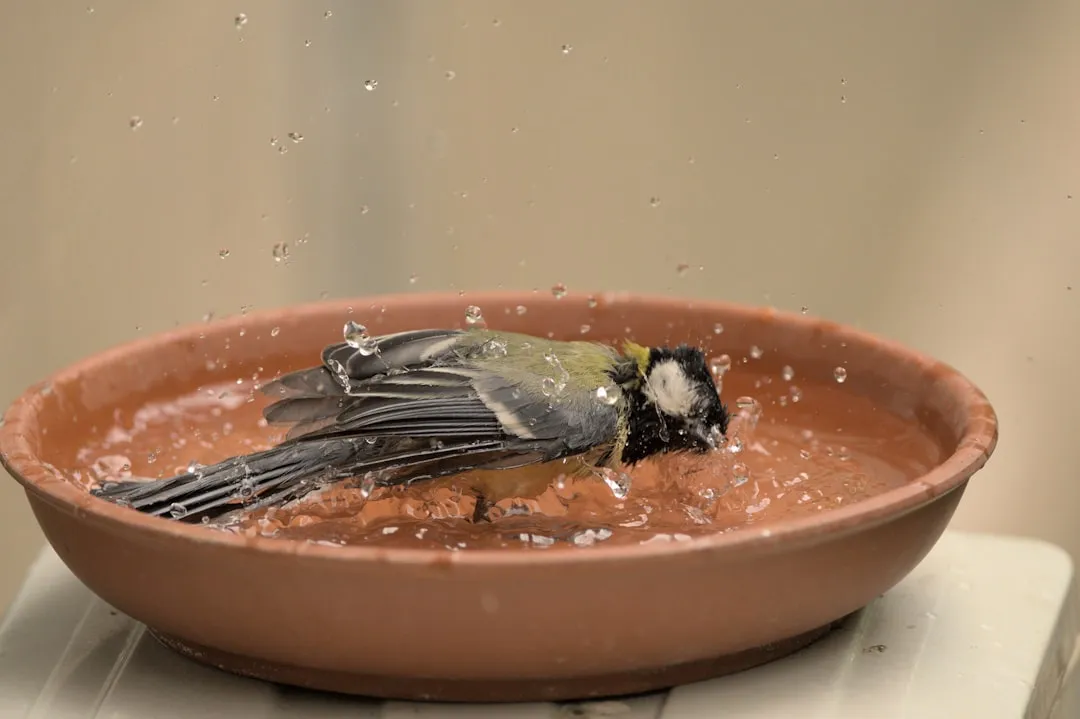
Lead garden ornaments are among the most coveted pieces for serious garden collectors, and English mid-century examples in particular have developed a strong following. The material itself ages in a way nothing else does: it slowly develops a silver-gray patina that deepens with time and exposure, giving vintage lead pieces an atmosphere that modern resin imitations can’t begin to approach. An English lead bird bath from the mid-20th century, featuring a squirrel and bird sitting on a shell, has been listed on 1stDibs as a notable mid-century piece made from lead.
According to a price guide from Carter’s, vintage garden bird baths in cast iron, stone, marble, and lead have sold at auction for prices ranging from $24 to $1,718. The upper end of that range is almost exclusively occupied by lead pieces in good condition with detailed figurative work. A plain resin bird bath today costs roughly $30 to $60 at most garden centers. The gap between a mass-produced new bird bath and an original 1960s English lead example with cherub or animal detailing is enormous, both aesthetically and financially.
5. Concrete Mid-Century Animal Statues
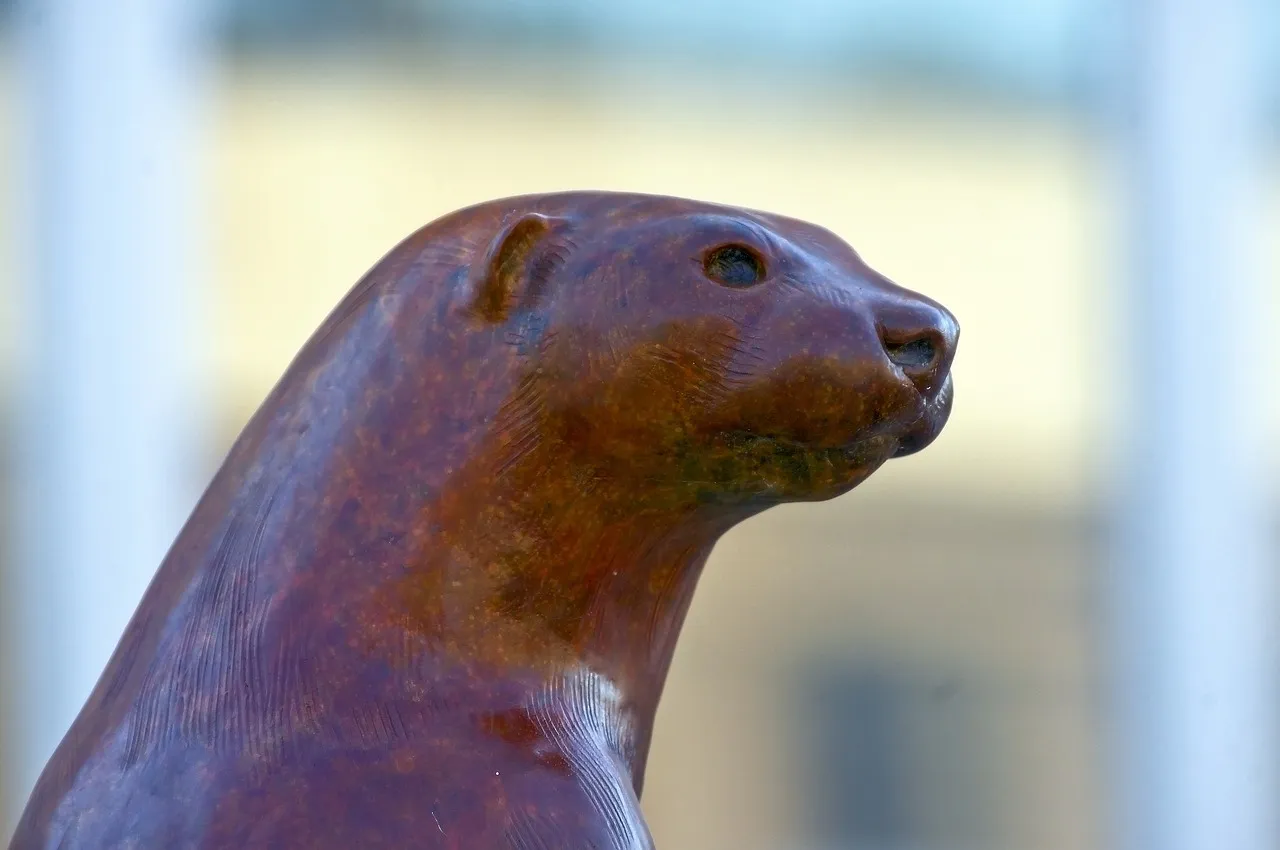
Concrete garden statues from the 1960s, particularly those depicting animals in a naturalistic or stylized manner, have become consistently strong sellers at auction and on vintage platforms. The quality of the hand casting and the specific aggregate mixes used in that era produce a surface texture and visual weight that modern poured concrete pieces lack entirely. A mid-20th century cast stone English garden ornament in the shape of an otter has been listed on 1stDibs, noted for its lifelike detail in the coat and the face, described as a wonderful example of classic English garden work.
A pair of 1960s boletus mushroom garden concrete ornaments from the United States appeared on Chairish at $150, described as being in good original condition with some imperfections consistent with age. More detailed figurative pieces command considerably more. Beautiful cast stone bird baths and animal statues in overall great antique condition with aged patina regularly appear on 1stDibs, described as taller than usual pieces that add elegant statement to any outdoor setting. The organic patina, the slight surface irregularities, and the visible evidence of six decades of outdoor life are precisely what drives buyer interest in these pieces over anything newly manufactured.
Why Original Patina Matters So Much
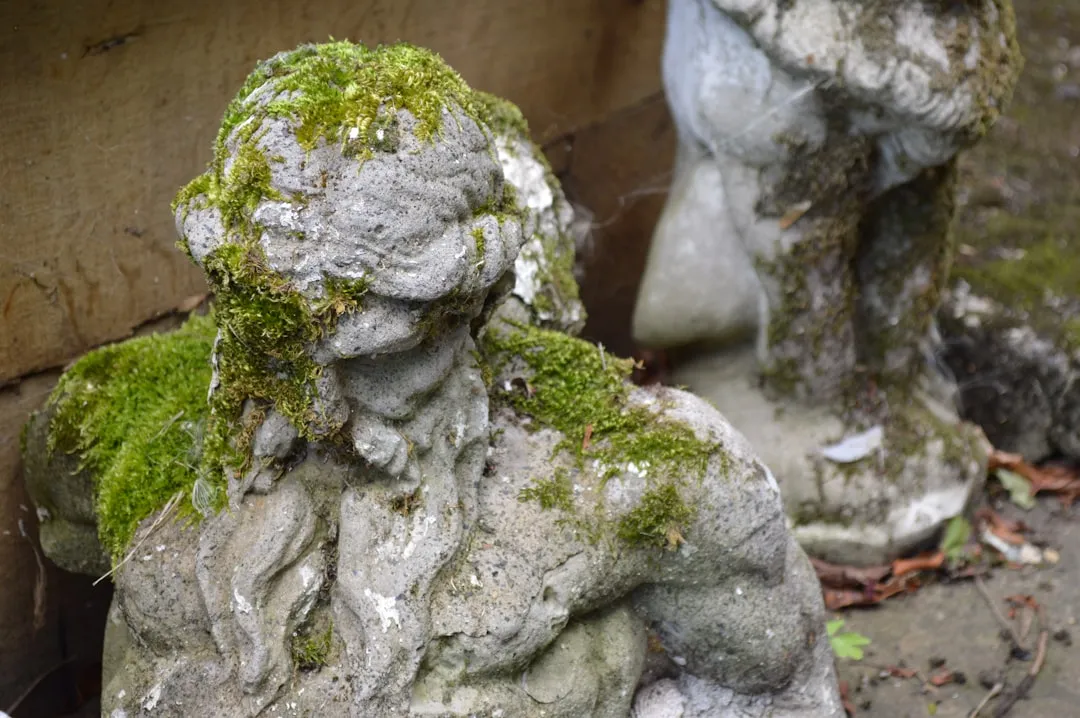
Across all five of these ornament categories, one factor consistently separates the valuable originals from their modern equivalents: patina. Real patina isn’t a finish that can be applied in a factory. It’s the accumulated result of decades of weather, light, moisture, and time acting on a specific material. Collectors and dealers recognize it immediately, and faking it rarely fools anyone who knows what to look for.
This is why age and condition work slightly differently for garden pieces than for furniture or ceramics. A bit of surface wear, some mineral staining on concrete, or the darkening of old cast iron doesn’t reduce value; in many cases, it adds to it. The ornaments that fetch the highest prices are those that show genuine age without structural damage, exactly what a well-made 1960s piece tends to offer.
What Condition Actually Means for Buyers
If you’re thinking about purchasing any of these vintage ornaments, condition is worth understanding carefully. Structural integrity matters far more than surface appearance. A concrete animal statue with minor chips but a solid body is far more valuable than a complete-looking piece with hidden cracks. The same logic applies to lead bird baths and cast iron sundials: rust and surface oxidation are acceptable and often desirable, but deep corrosion that compromises structure is a different matter entirely.
At auction, cast composite planters attributed to the 1960s era are noted to have inherent flaws and evidence of outdoor use, with auctioneers advising that most are likely to have small chips, hairlines, or imperfections, and buyers should assume the pieces are not in perfect condition and bid accordingly. That advice applies across the board. Condition expectations for garden antiques are simply different from indoor collectibles, and experienced collectors price their bids with that reality in mind.
Where These Pieces Are Being Sold Today
1stDibs serves as a premier resource for antique and modern building and garden elements from top sellers around the world, and its 1960s garden ornament category currently lists over 150 pieces. Chairish, Pamono, and live auction platforms like LiveAuctioneers and Invaluable also regularly feature these categories. Estate sales remain one of the best sources for finding underpriced examples, particularly in regions of the UK, Germany, and the northeastern United States where mid-century garden design was widely embraced.
Online platforms have done a great deal to standardize and publicize pricing, which is a double-edged sword for buyers. It’s easier than ever to research what a piece is worth, but it’s also harder to find a bargain. Still, pieces regularly surface at estate clearances and smaller regional auctions that haven’t yet attracted the attention of the major dealer networks, and those remain genuine opportunities for collectors who know what they’re looking at.
How to Authenticate a 1960s Garden Ornament

Authentication for garden pieces is less formalized than for furniture or fine art, but there are reliable indicators. For West German gnomes, look for manufacturer markings on the base, original hand-painted details with slight imperfections, and the specific ceramic weight that distinguishes fired clay from modern resin. For Willy Guhl pieces, some planters are signed on the inside near the edge, and documented provenance from dealers who specialize in mid-century Swiss design significantly strengthens authenticity claims.
For cast iron sundials and lead bird baths, weight and material density are your first clues. Modern reproductions are almost always lighter than originals because manufacturers substitute cheaper composites for solid metal. Fair market value for vintage garden pieces refers to the going rate in today’s market, with professional appraisers using multiple systems including years of tracked eBay sold prices and recent auction house results worldwide to verify current values. When in doubt, a consultation with an accredited appraiser is money well spent before any significant purchase.
The Investment Case: Vintage vs. New
The value gap between a genuine 1960s garden ornament and its modern equivalent isn’t just about nostalgia or aesthetic preference. It’s also about material quality and longevity. The concrete mixes, iron grades, and lead compositions used in the 1960s have already proven themselves over sixty years of outdoor exposure. A new garden ornament made today carries no such track record.
There’s also the supply dynamic to consider. The number of authentic 1960s garden pieces in good condition is finite and shrinking. Every year, more are lost to neglect, poor storage, or simply being unrecognized for what they are. New garden ornaments, by contrast, can be manufactured indefinitely. Scarcity combined with demonstrably superior craftsmanship is a straightforward formula for sustained value, and it explains why the secondary market for these pieces has remained consistently active through recent years.
The Takeaway

The garden ornaments of the 1960s weren’t produced with collectors in mind. They were made to be used, left outside, and enjoyed without much ceremony. That unselfconsciousness is part of what makes the best of them so appealing today: they were built properly because there was no other way to build them, using real materials by craftspeople who worked with their hands.
Whether you’re a collector, a homeowner looking to add genuine character to an outdoor space, or simply someone who appreciates well-made objects, these five categories offer something that no contemporary garden center can sell you: sixty years of proven outdoor life, embedded in stone, iron, clay, and concrete, still holding their shape.
AI Disclaimer: This article was created with the assistance of AI tools and reviewed by a human editor.