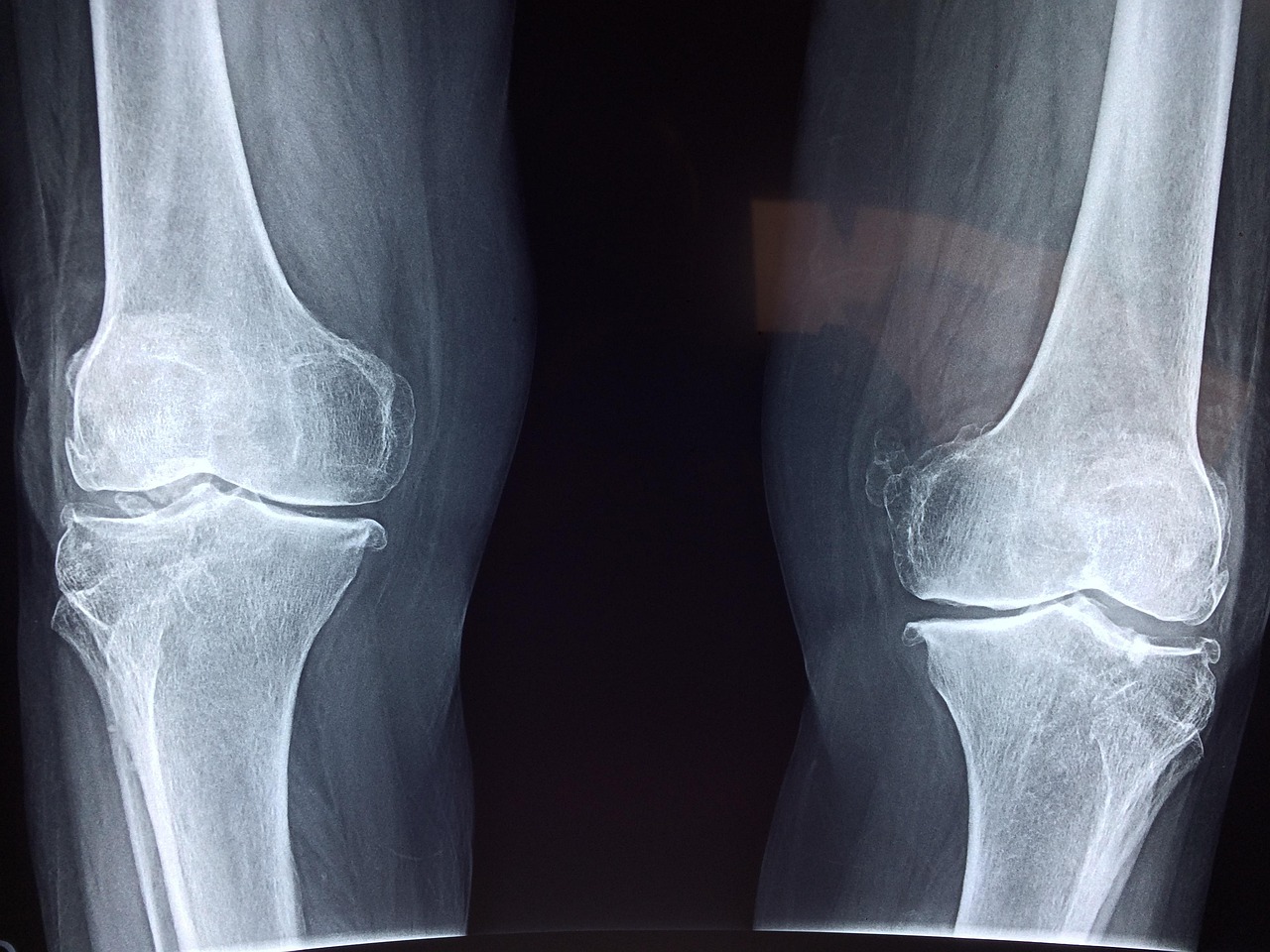

Most people don’t think much about their bones until something goes wrong. A stumble that turns into a fracture. A diagnosis that arrives quietly, well before any obvious symptoms. Bone loss tends to work that way – gradual, invisible, and easy to overlook until it becomes impossible to ignore.
The good news is that what you eat genuinely matters here. By eating foods with high amounts of protein, calcium, vitamin D, magnesium, and other key nutrients, you can decrease bone loss and prevent osteoporosis. The five foods below aren’t magic, but they’re well-supported by research – and most are already sitting in ordinary grocery stores.
1. Yogurt and Fermented Dairy: A Well-Studied Foundation

Yogurt and fermented kefir are solid sources of calcium, and some research says they may be even better for bones than regular milk in terms of lowering fracture risk. A 2025 report in the European Journal of Nutrition found that any type of dairy was linked to a lower fracture risk. That’s a meaningful finding, and it holds up across multiple research designs.
Dairy products like milk and yogurt are excellent sources of calcium. One cup of low-fat Greek yogurt, for example, contains about a quarter of the calcium most people need in a day.
Current evidence suggests that a good nutritional status and adequate intake of protein, calcium, and vitamin D have a positive influence on bone health. Dairy products, being rich sources of these key nutrients, are considered important dietary components for maintaining bone integrity and reducing osteoporosis risk. It’s worth noting that the research picture is mixed in some subgroups, so dairy works best as part of a varied, nutrient-dense diet overall.
2. Fatty Fish: Vitamin D Where You Actually Need It
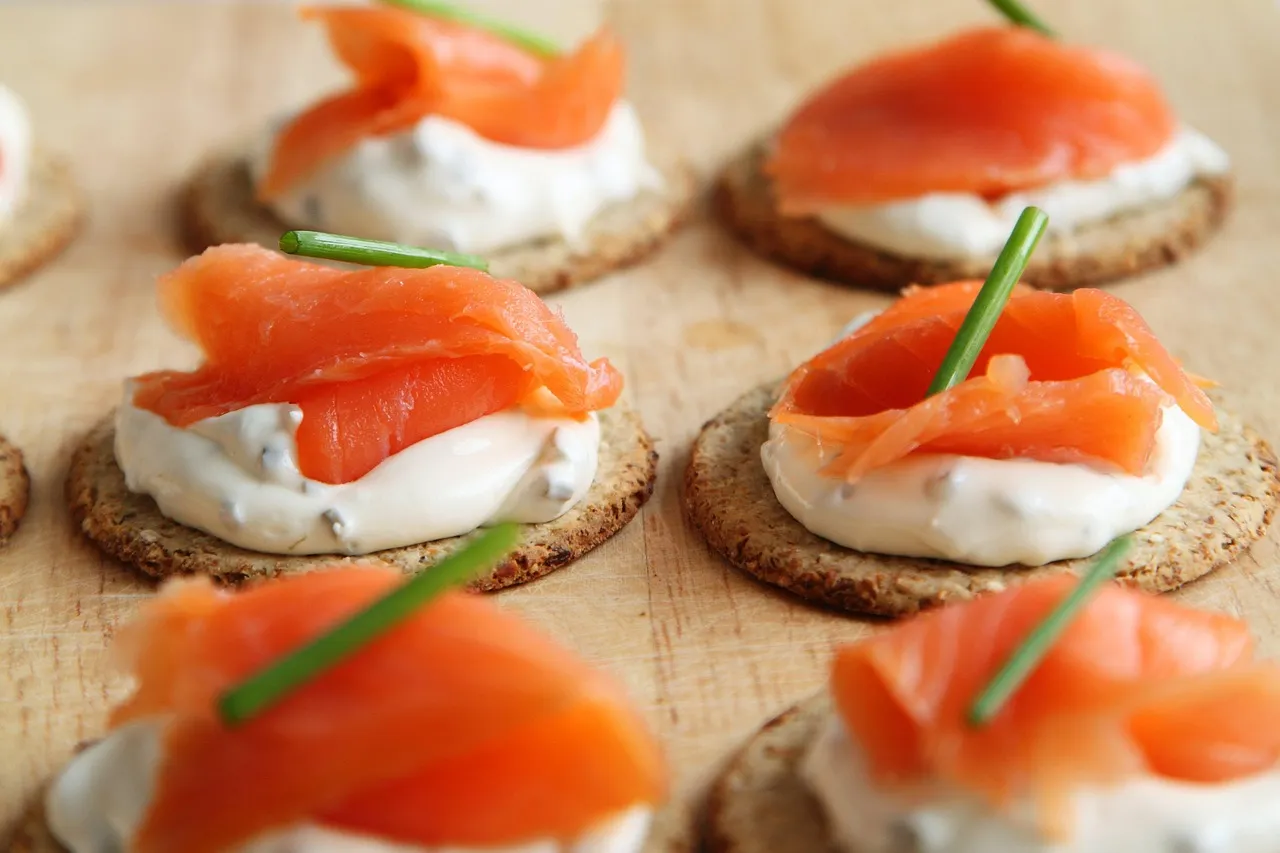
Salmon, mackerel, and sardines contain vitamin D and omega-3s, key nutrients that support bone health. Vitamin D helps the body absorb calcium, while omega-3s reduce inflammation, which can weaken bones. For aging adults, this combination is especially relevant.
Vitamin D, which is crucial for maintaining strong bones because it helps the body absorb calcium from food, is synthesized in the skin after exposure to the sun’s ultraviolet B rays. The skin’s ability to do this synthesizing declines with age. That makes food sources of vitamin D increasingly important as the years go on.
Increased intake of salmon containing high levels of vitamin D and supplements with the same weekly contribution had a positive influence on bone health as measured by bone biomarkers in postmenopausal women. Sardines, often eaten with their soft bones, provide an extra calcium boost in every bite. Aim for two servings of fatty fish per week.
3. Leafy Green Vegetables: More Than Just Iron
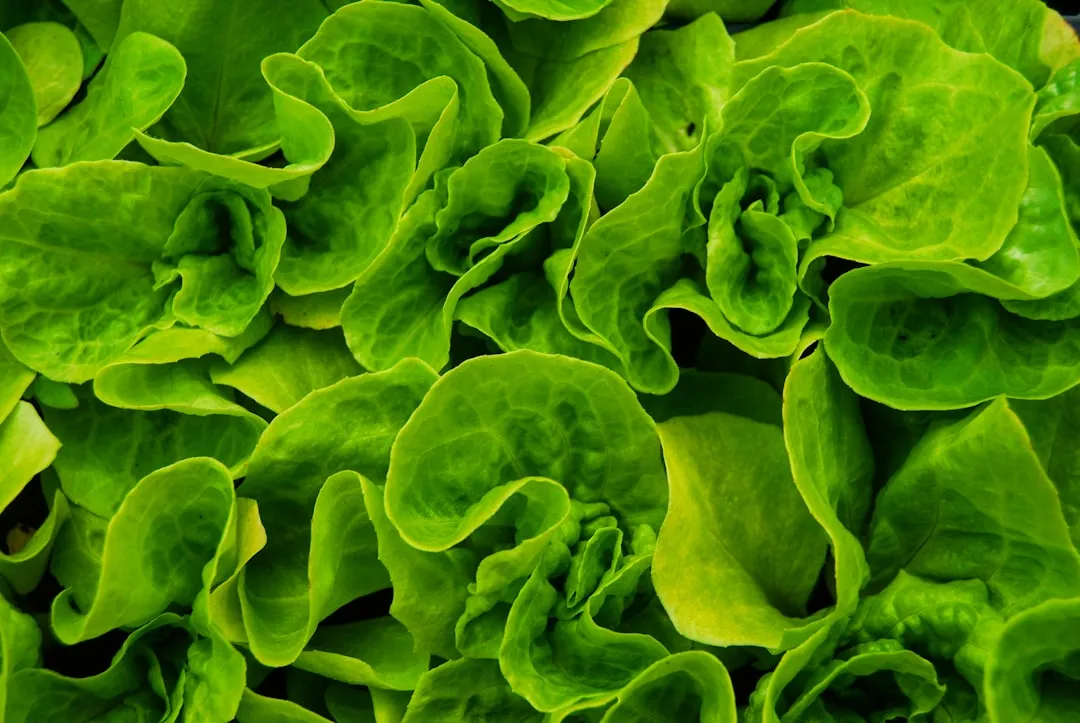
Kale, spinach, and collard greens are rich in calcium and vitamin K, which supports bone health. These greens also contain antioxidants that help protect bones from damage and keep them strong over time.
When it comes to plant-based sources of bone-building minerals, leafy greens are champions. Kale, bok choy, collard greens, and turnip greens are all packed with calcium, magnesium, potassium, and vitamin K – nutrients that work together to strengthen the bone matrix and regulate calcium metabolism.
Leafy greens are a great source of calcium, and they also contain other essential vitamins and minerals, such as vitamin K, which helps with bone metabolism. Some of the best leafy greens for bone health include kale, spinach, collard greens, and bok choy. They’re versatile enough to work in salads, soups, stir-fries, or even blended into a smoothie without much fuss.
4. Prunes: The Underrated Bone-Builder
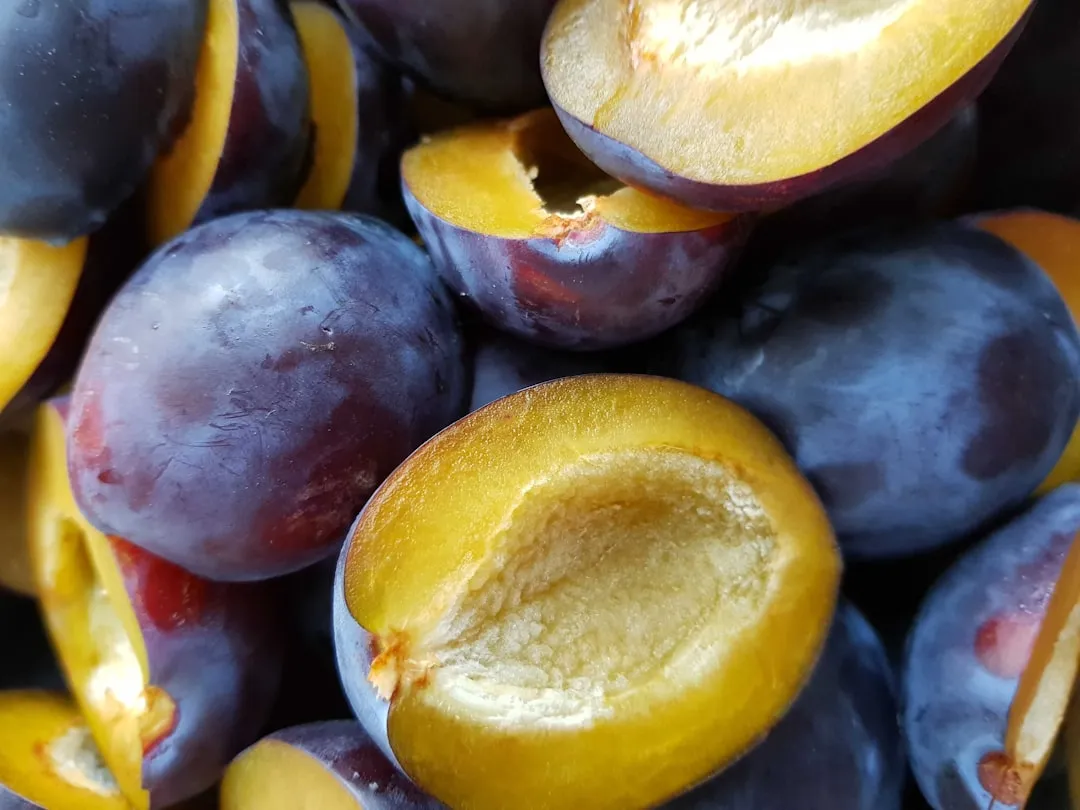
Research suggests eating prunes regularly can improve bone density and reduce the risk of fractures because they contain vitamin K, potassium, and antioxidants. Prunes don’t carry a glamorous reputation, but the evidence behind them is genuinely interesting.
Around four to six prunes daily can help preserve hip bone density. Hip fractures are among the most serious consequences of bone loss in older adults, which makes that a finding worth paying attention to. Recent studies have highlighted prunes for their unique ability to slow bone loss and improve bone density when eaten regularly.
Prunes boost not only digestion but bone health as well, according to a 2022 study. Their combination of vitamin K, boron, and polyphenols appears to work through multiple pathways, making them a solid, practical addition to a daily routine. A small handful is all it takes.
5. Nuts and Seeds: Magnesium in a Convenient Package
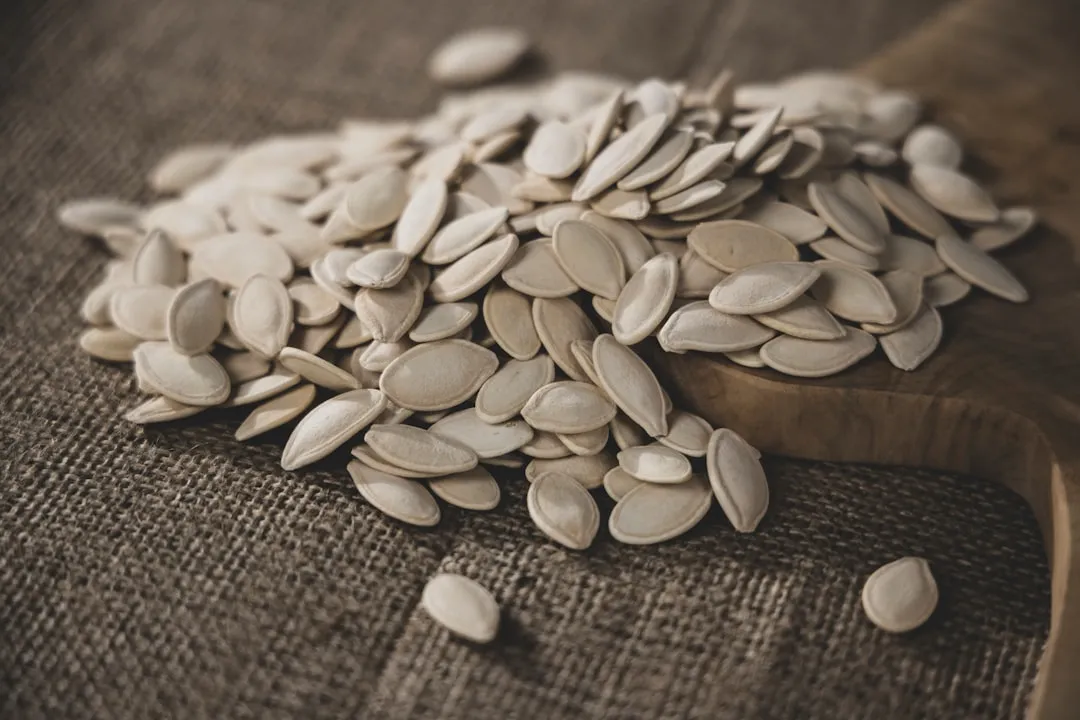
Many nuts and seeds – including pumpkin seeds, chia seeds, almonds, and cashews – are high in magnesium. Magnesium tends to get overshadowed by calcium in conversations about bone health, but it plays an essential supporting role.
Magnesium, like calcium, is an important bone mineral that helps the body transport calcium. Without adequate magnesium, calcium can’t do its job as effectively. With calcium, magnesium, and protein, almonds provide essential nutrients for bone health, which is why eating them regularly is good for your bones.
Zinc is also a trace mineral needed in small amounts. It helps make up the mineral portion of bones. In addition, zinc promotes the formation of bone-building cells and prevents the excessive breakdown of bone. Nuts and seeds are a convenient source of both minerals, and they work well as a snack, a salad topping, or stirred into oatmeal.
Why Bone Loss Accelerates with Age
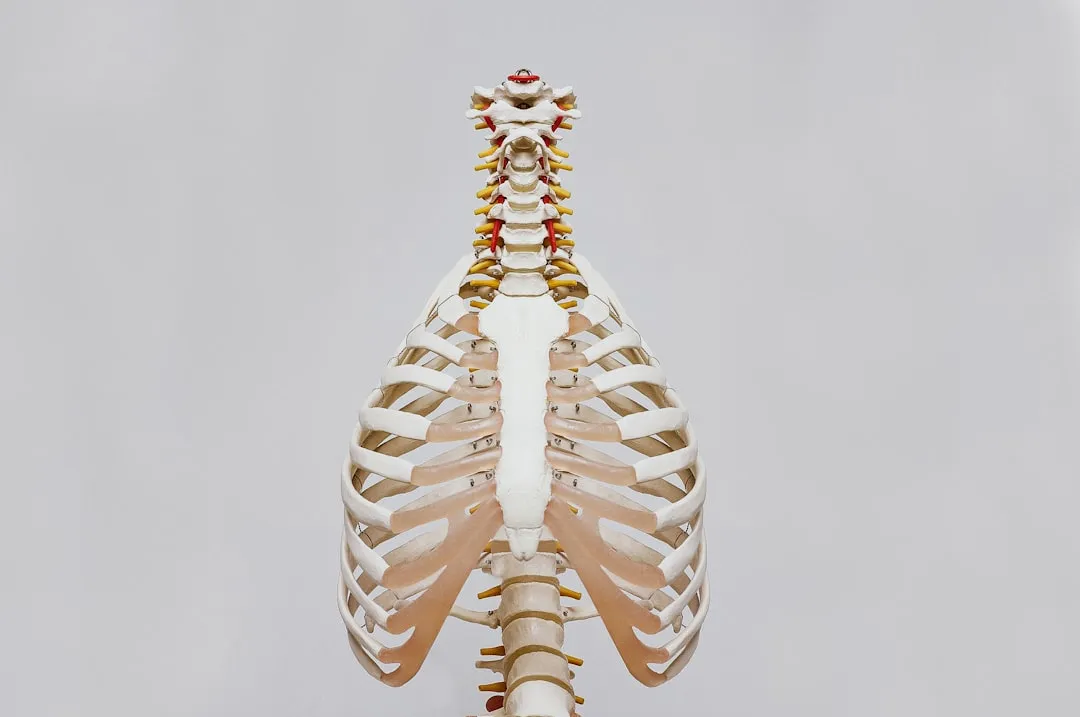
Bones change all the time. The body constantly makes new bone and breaks down old bone in a process called remodeling. When you’re young, new bone is made faster than old bone is broken down, so the amount of bone mass goes up. Most people reach peak bone mass around age 30.
Bone is living tissue that constantly rebuilds and repairs itself. After age 50, bones start to lose density and strength and become porous, which leads to a bone disease called osteoporosis that increases the risk of broken bones.
In U.S. populations of adults who are 50 years of age and older, approximately 10.2 million are affected by osteoporosis, and 43.4 million have low bone mass. Those numbers put the scale of the issue in perspective. Diet alone won’t reverse severe bone loss, but it’s one of the most accessible levers available to slow it down.
The Role of Calcium: How Much Is Enough?
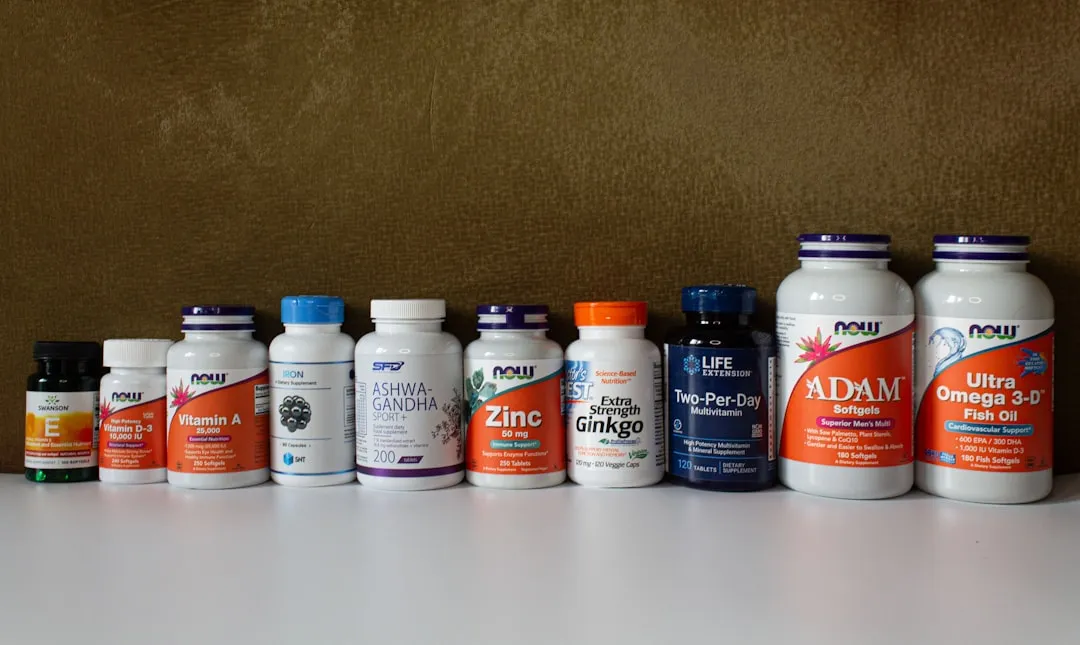
The role of calcium intake in influencing bone mineral mass is well recognized. An adequate calcium intake increases bone mineral density during skeletal growth and prevents bone loss and osteoporotic fractures in the elderly.
Daily calcium targets are generally set at 1,000 to 1,200 mg, with vitamin D around 600 to 800 IU, for older adults. Most people fall short of these amounts through diet alone, which is why the choice of foods matters. More is not always better, and excess calcium won’t provide extra protection for bones.
Food vs. Supplements: What the Evidence Suggests
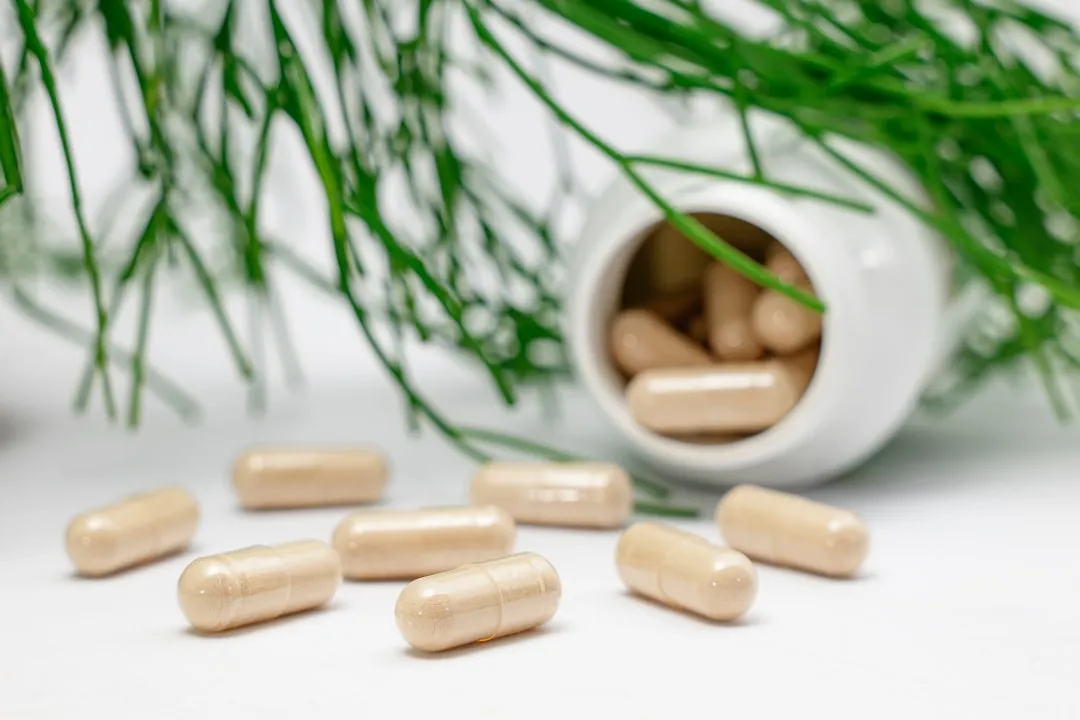
New guidelines from the U.S. Preventive Services Task Force no longer recommend calcium and vitamin D supplements for fracture prevention in older adults. This shift reflects growing recognition that whole foods deliver nutrients alongside other compounds that supplements cannot fully replicate.
Foods like dairy, canned salmon and sardines with bones, and prunes have the strongest human trial support, but a pattern of varied, nutrient-dense foods is most reliable. No single food does everything. The pattern across the whole diet is what tends to matter most in the long run.
Vitamin D and Aging Skin: A Hidden Gap
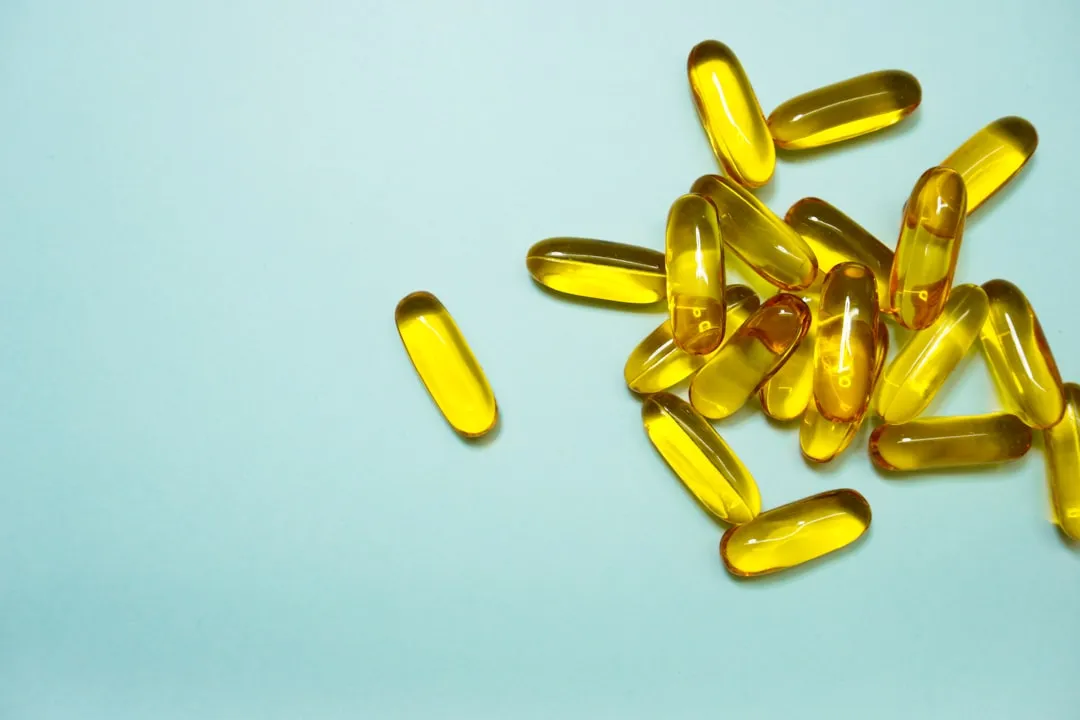
One often overlooked aspect of aging bone health is the body’s declining ability to produce vitamin D from sunlight. Suboptimal vitamin D status is common among humans, and might increase bone resorption with subsequent negative effects on bone health. Fatty fish, including Atlantic salmon, is one of the very few natural dietary sources of vitamin D.
Good sources of vitamin D include oily fish such as salmon, trout, tuna, and mackerel. Some foods also have vitamin D added to them, such as milk, cereals, and orange juice. Relying on a mix of natural and fortified sources is a practical approach, particularly in winter months or for people with limited sun exposure.
How to Actually Build These Foods Into Your Week
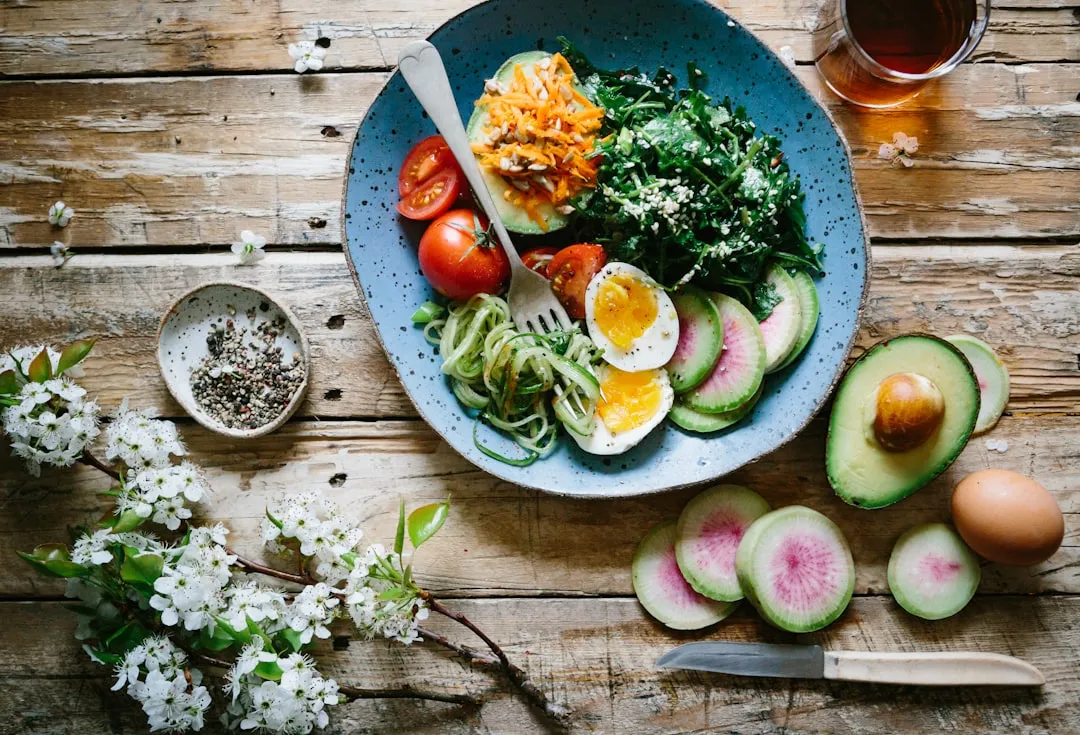
If you want stronger bones, eat a varied plate that includes calcium-rich foods such as dairy or fortified alternatives, leafy greens, and canned fish with bones, along with vitamin D sources like fatty fish and UV-exposed mushrooms, and bone-supporting co-factors including vitamin K, magnesium, vitamin C, and protein.
Adding greens like kale or bok choy to omelets, soups, or smoothies is a straightforward way to hit your intake. Choosing canned salmon or sardines with bones at least twice weekly is another practical step. Small, consistent choices add up over months and years far more than any single ambitious overhaul.
Weight-bearing and resistance training, sunlight, limiting excess sodium and alcohol, and not smoking all complement dietary efforts. Food is one piece of the picture, but it works best alongside an active, broadly health-conscious lifestyle.
The Takeaway

Bone health is built quietly, day by day, through small decisions that rarely feel dramatic in the moment. The five foods covered here – yogurt, fatty fish, leafy greens, prunes, and nuts and seeds – don’t require a complete dietary overhaul. Most of them are already familiar.
Different factors can affect bone homeostasis and fracture risk, including inflammation, epigenetic modifications, and dietary influences. Diet is one of the few factors firmly within reach. Consistency is key. Regular intake of calcium- and vitamin D-rich foods keeps bones strong over time.
The skeleton you have at 70 is largely shaped by the choices made in the decades before. Starting now, wherever you are, still counts.
AI Disclaimer: This article was created with the assistance of AI tools and reviewed by a human editor.