

Stress is something most people manage every day, often without realizing how deeply it affects the body at a hormonal level. When pressure builds, the adrenal glands release cortisol, a steroid hormone that prepares the body for challenge. That’s useful in the short term. Over time, though, persistently elevated cortisol is linked to weight gain, disrupted sleep, weakened immunity, and a heightened risk of cardiovascular problems.
Nutrition researchers are now uncovering how everyday foods can spike or soothe cortisol levels, offering a natural way to manage stress through smarter eating. The five foods ahead are backed by real research, not wellness folklore. Each one works through a distinct biological pathway, and together they make a compelling case for treating your plate as part of your stress management toolkit.
1. Dark Chocolate: The Science Behind the Indulgence

Dark chocolate is probably the most satisfying item on this list, and the evidence supporting it is surprisingly solid. Researchers set out to investigate whether ingestion of polyphenol-rich dark chocolate improved salivary cortisol levels in adults, and participants consumed 25 grams per day of a high-polyphenol dark chocolate containing 500 milligrams of total flavonoids.
Total daily cortisol, morning cortisol, and the cortisol-to-cortisone ratio were significantly reduced after ingestion of only the high-polyphenol dark chocolate. No changes were observed after consuming the control chocolate, or in any other parameter measured.
The flavonoids in dark chocolate are known to have neuroprotective effects and influence the hypothalamic-pituitary-adrenal (HPA) axis, while polyphenols in cocoa have also been shown to enhance cognitive function and promote relaxation by increasing serotonin and endorphin levels. Look for chocolate with at least 70 percent cacao to get a meaningful dose of those active compounds.
2. Fatty Fish: Omega-3s and the HPA Axis
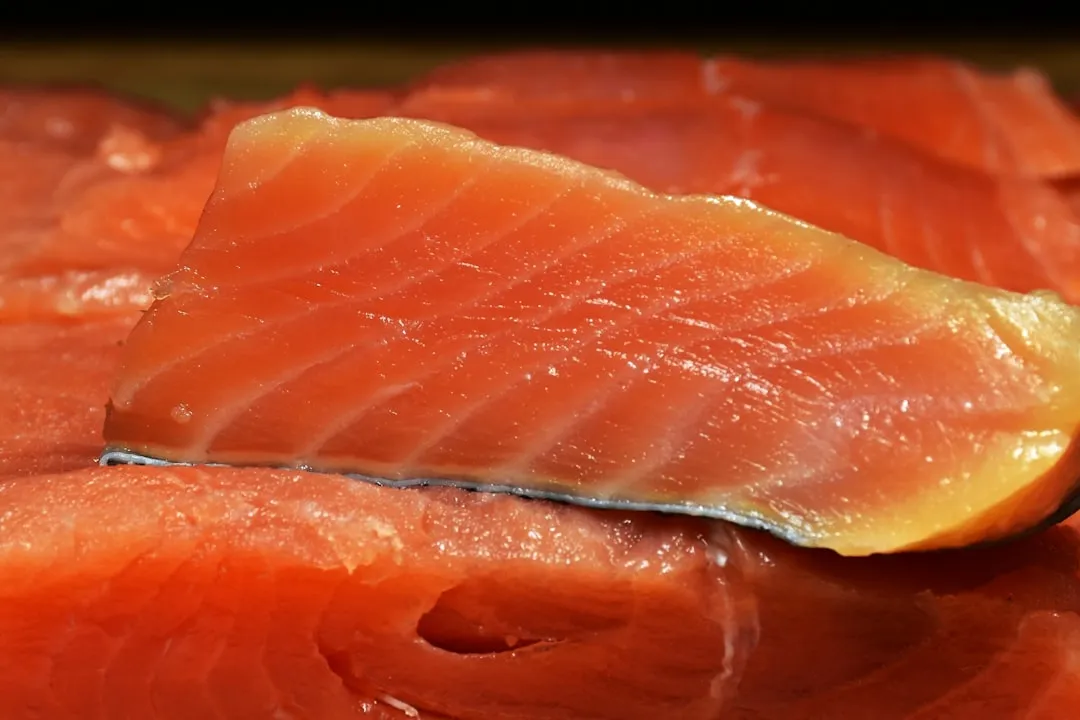
Salmon is a rich source of omega-3 fatty acids, which are anti-inflammatory, help relax the muscles, and reduce production of cortisol, helping to prevent the development of chronic conditions such as cardiovascular disease and high blood pressure.
Omega-3 fatty acids, particularly EPA and DHA, are crucial food components that modulate the gut-brain axis, and they also regulate the HPA axis by mitigating excessive cortisol production, which is often associated with stress responses and mental health disorders like depression and anxiety. This research was published in December 2024 and adds meaningful weight to what earlier studies had already suggested.
A cohort study of more than 2,700 adults found that higher blood levels of omega-3 fatty acids were associated with lower cortisol and lower inflammatory markers, with the mechanism running through EPA and DHA reducing HPA axis reactivity to stress. A 100-gram serving of cooked Atlantic salmon delivers roughly 2.2 grams of combined EPA and DHA. Aiming for two to three servings per week is a practical and realistic target.
3. Fermented Foods: Calming Stress Through the Gut

Your gut health and mental health are linked via the gut-brain connection, a network of nerves, chemical messengers, and the trillions of microbes that make up your gut microbiome. When that microbiome is out of balance, the stress response can become harder to regulate.
Fermented foods such as sauerkraut, kimchi, or kombucha are incredibly good for gut health and have been shown to help reduce depression and anxiety. The connection between the gut and the brain is critical for mental health, and serotonin, a key hormone that influences mood and happiness, is primarily produced in the gut.
Building a healthy and diverse gut microbiome may help lower stress and cortisol levels, and eating probiotic foods like kefir, kombucha, sauerkraut, kimchi, and live yogurt is a good way to improve your gut microbiome. A small portion of kimchi with lunch or a glass of plain kefir at breakfast are easy, low-effort ways to start.
4. Leafy Greens: Magnesium, Folate, and Stress Resilience
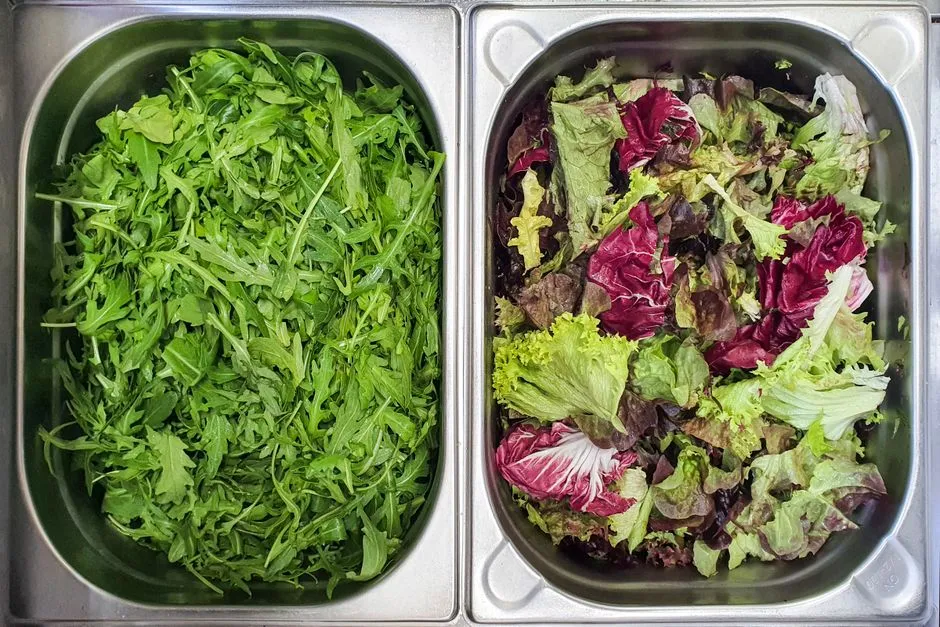
Magnesium-rich foods, such as leafy greens, nuts, and whole grains, are crucial in regulating cortisol levels. Spinach, kale, and Swiss chard are among the most accessible and nutrient-dense options available.
Dark leafy greens, including spinach, are full of B vitamins like folate, and these vitamins can reduce the impact of stress on your body. Magnesium plays a vital role in the body’s ability to manage stress, and stress itself can cause magnesium depletion, which may lead to increased anxiety and difficulty sleeping.
Spinach, kale, Swiss chard, and collard greens are rich in folate, magnesium, and antioxidants, and research shows that folate deficiency is associated with increased stress sensitivity and elevated cortisol levels. A couple of large handfuls of spinach in a daily meal covers a meaningful portion of your magnesium needs without any real effort.
5. Avocados: Healthy Fats That Support the Adrenal System
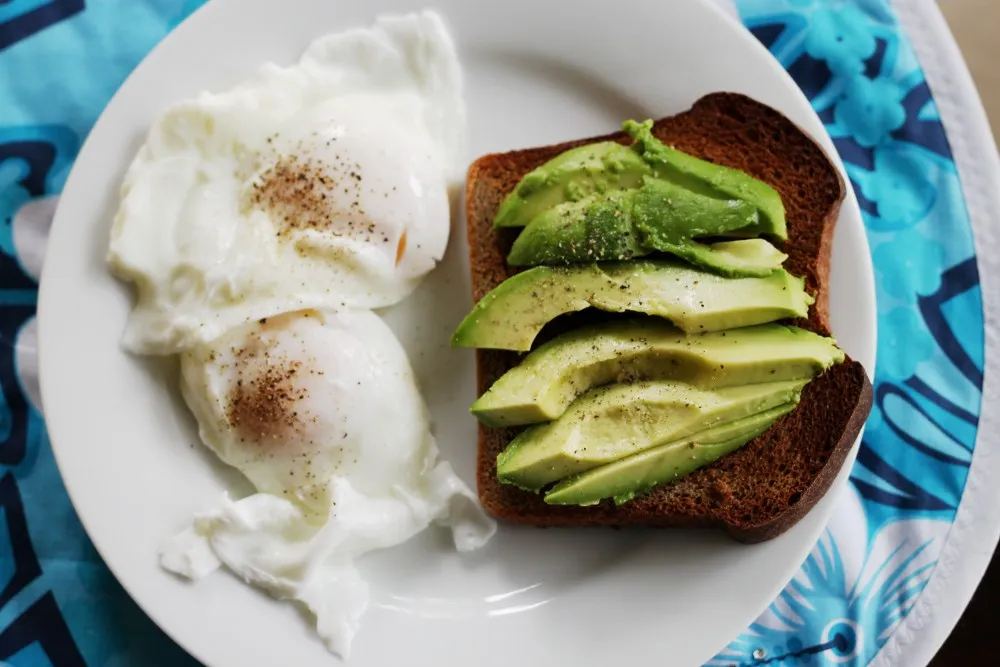
To help balance cortisol levels, avocados are among the recommended whole foods. They deliver a particularly useful combination of nutrients, including magnesium, potassium, and monounsaturated fats, that work together to support the body’s stress response system.
Incorporating magnesium-rich foods such as avocados into your diet can help alleviate stress. Vitamin E, found in avocados alongside almonds and sunflower seeds, is also among the key nutrients that support an anti-inflammatory diet and help manage the physiological burden of stress.
Beyond the individual nutrients, avocados contribute to the kind of steady, blood-sugar-stabilizing eating pattern that prevents cortisol spikes linked to energy crashes. Evidence suggests that high-quality sources of healthy fats paired with whole grains, fruits, and vegetables may help to lower cortisol levels overall. Half an avocado on whole-grain toast is, as it turns out, a nutritionally legitimate choice, not just a trend.
How Cortisol Works and Why Food Matters

Cortisol is a hormone the body produces naturally, released into the bloodstream by the adrenal glands, and it affects nearly every organ system, though its status as the “stress hormone” gives it something of a bad reputation. In reality, cortisol is essential for waking up in the morning, regulating immune function, and mobilizing energy when it’s needed.
Chronically elevated cortisol levels can have negative effects, from reducing the body’s ability to produce certain hormones to impairing immune function, and even accelerating aging. Elevated cortisol levels have also been linked to increased visceral fat, decreased bone density, and memory impairment.
Cortisol is released in response to stress, helping the body prepare for a fight-or-flight response, but chronic stress can lead to elevated cortisol levels, contributing to a range of health issues, both physical and mental. Understanding this mechanism makes it easier to appreciate why certain nutrients have such a direct impact.
The Role of Anti-Inflammatory Eating

Focusing on a Mediterranean-style diet rich in fiber, omega-3s, and fermented foods supports gut health and helps lower stress. This isn’t a niche or complicated prescription. It broadly describes how people in some of the healthiest populations in the world already eat.
Key nutrients that support an anti-inflammatory diet include omega-3s from fish and walnuts, vitamin C from citrus and broccoli, vitamin E from almonds and avocados, and selenium from eggs and Brazil nuts. Each of these has been identified by nutrition researchers as relevant to managing the physiological stress load.
A balanced and nutritious diet that includes whole grains, fruits and vegetables, legumes, and healthy fats plays a meaningful role, because chronically high cortisol can lead to poor health. The goal isn’t a perfect diet overnight. It’s shifting the overall pattern toward foods that work with your body’s stress regulation systems rather than against them.
What to Limit Alongside These Foods

Eating well for cortisol is only half the picture. Some common food choices actively drive stress hormone levels higher, even when they feel comforting in the moment. People often turn to comfort foods for coping because they raise dopamine and serotonin in the short term, but these foods are often high in saturated fat and added sugar, which can worsen cortisol levels and stress over time.
Processed foods are often high in refined sugars, unhealthy fats, and artificial additives, which can contribute to increased levels of depression and anxiety. Alcohol, excess caffeine, and ultra-processed snacks are similarly worth keeping in check, particularly during periods of high stress when the body is already under pressure.
How Quickly Can Diet Influence Cortisol?

One of the more practical questions people have is how fast dietary changes actually produce measurable results. The dark chocolate study cited earlier showed significant cortisol reductions over a four-week period. A separate randomized controlled trial demonstrated that dark chocolate consumption for two weeks reduced cortisol levels and improved mood states.
Pairing fermented foods daily with berries, whole grains, and green tea may produce measurable results within two to four weeks. That’s a relatively short window for a biological shift. Still, consistency matters more than speed here. Sporadic healthy eating does not carry the same effect as building these foods into regular daily habits.
Building a Practical Stress-Reducing Plate

Putting this into practice doesn’t require elaborate meal planning. Simple combinations like two eggs with avocado, Greek yogurt with walnuts and berries, or smoked salmon on whole-grain toast all deliver meaningful amounts of the relevant nutrients. Most of these are available at any standard grocery store and take minutes to prepare.
The foods you consume directly impact your ability to regulate stress, as they provide essential nutrients that support brain function and mood stability. Variety across the week also matters. Rotating between salmon, leafy greens, avocado, fermented foods, and dark chocolate ensures a broader spectrum of active compounds rather than relying on any single source.
Pairing fatty fish with nuts and seeds such as almonds, walnuts, chia, and flax seeds can further support the body’s stress response. Small additions, stacked consistently over weeks, are what actually move the needle on stress hormone levels. It’s less about a single superfood and more about building a dietary environment where cortisol has less reason to stay elevated.
The Takeaway

Food isn’t a substitute for sleep, exercise, or addressing the sources of stress in your life. But it is a lever that most people haven’t fully pulled. While lifestyle changes and relaxation techniques play a vital role in stress management, the food you eat is crucial in mitigating stress.
The five foods covered here, dark chocolate, fatty fish, fermented foods, leafy greens, and avocados, each work through distinct and well-researched pathways. None of them are exotic or expensive. They’re practical additions to a diet most people are already eating in some form.
The broader point is this: food plays a significant role in stress management, and the foods you consume directly impact your ability to regulate stress, as they provide essential nutrients that support brain function and mood stability. Choosing better food doesn’t resolve stress, but it gives your body a measurably better chance of handling it.
AI Disclaimer: This article was created with the assistance of AI tools and reviewed by a human editor.