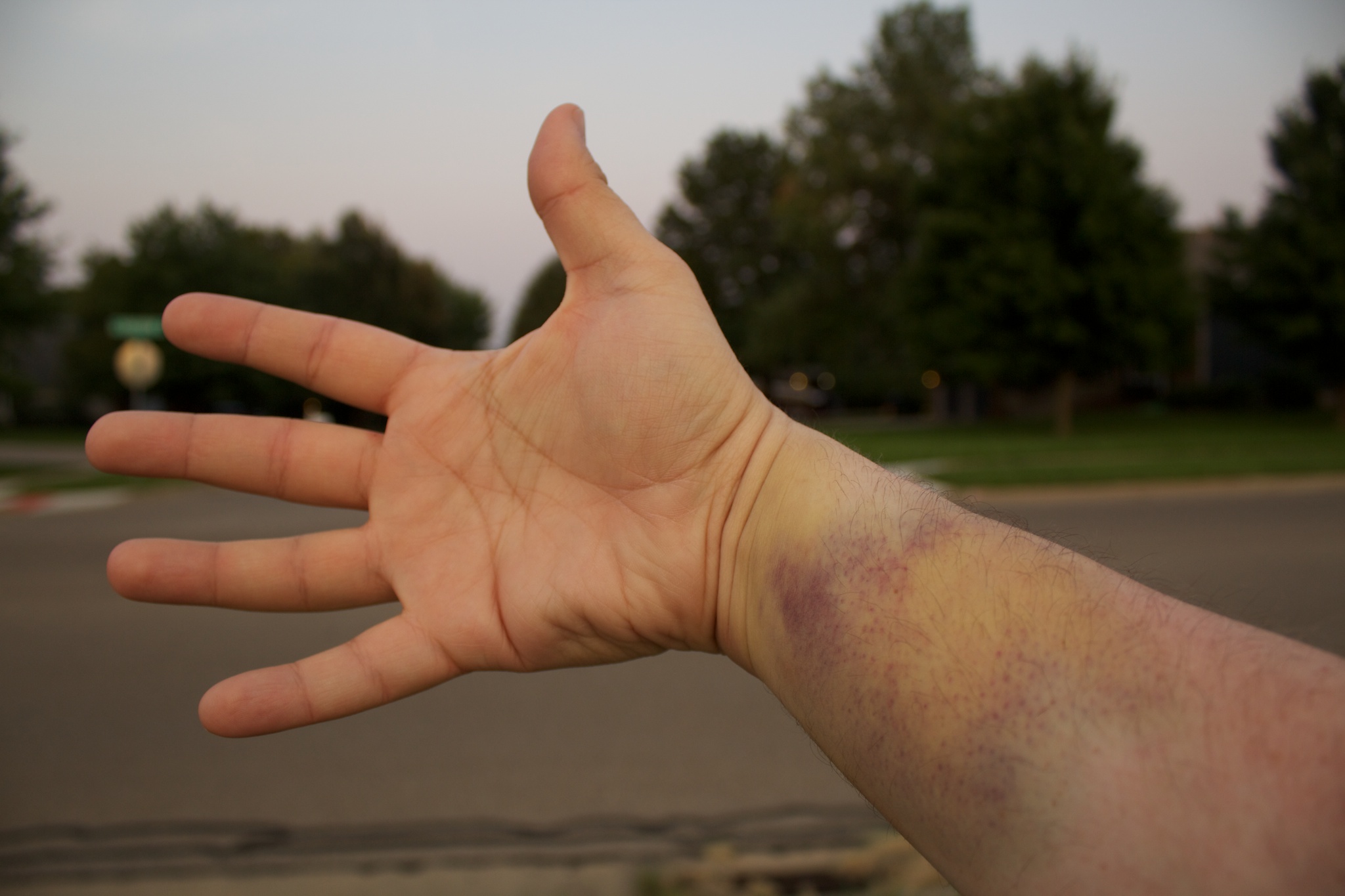

1. Pineapple: The Bromelain Effect
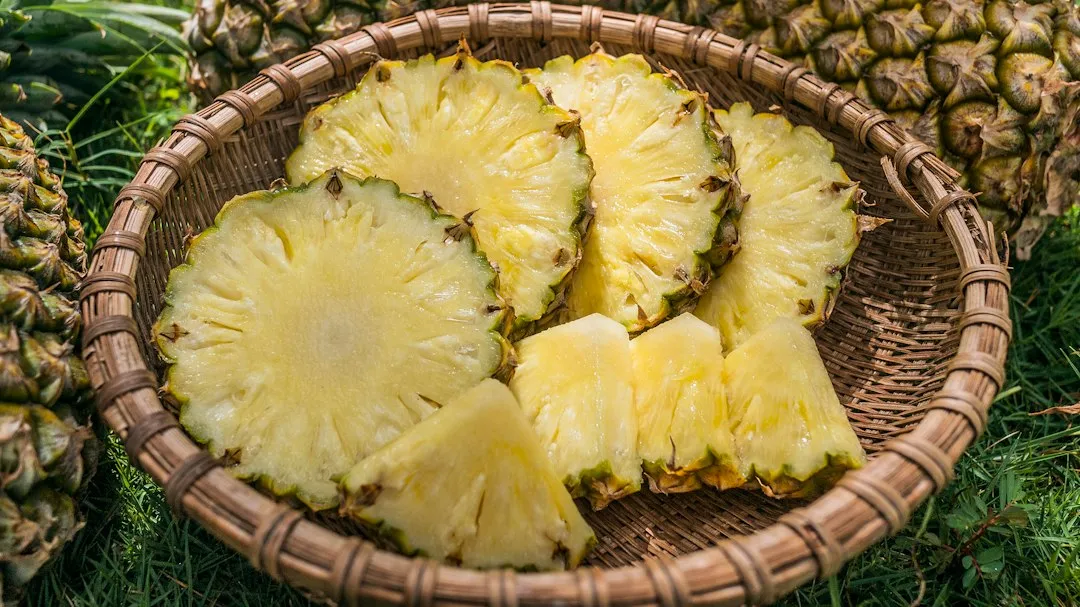
Bromelain is an enzyme found in the stems of pineapple, with only a very small amount present in the fresh juice. That distinction matters, since most of the clinical interest in bromelain comes from concentrated forms rather than fruit consumption alone. Still, fresh pineapple is a practical, low-risk dietary source worth including.
Bromelain has numerous immune-modulating and anti-inflammatory mechanisms, including effects on cytokines, platelet aggregation, and fibrin formation. Some of its anti-inflammatory effects are attributed to proteolytic, fibrinolytic, gelatinase, and collagenase activities, all of which contribute to its wound healing abilities.
Bromelain directly affects pain mediators such as bradykinin, decreases swelling and bruising, and shortens the healing period following trauma and surgical procedures. In one controlled clinical trial, patients who took bromelain showed reduced bruising and faster reduction of edema than patients who did not.
2. Citrus Fruits: Vitamin C and Capillary Strength
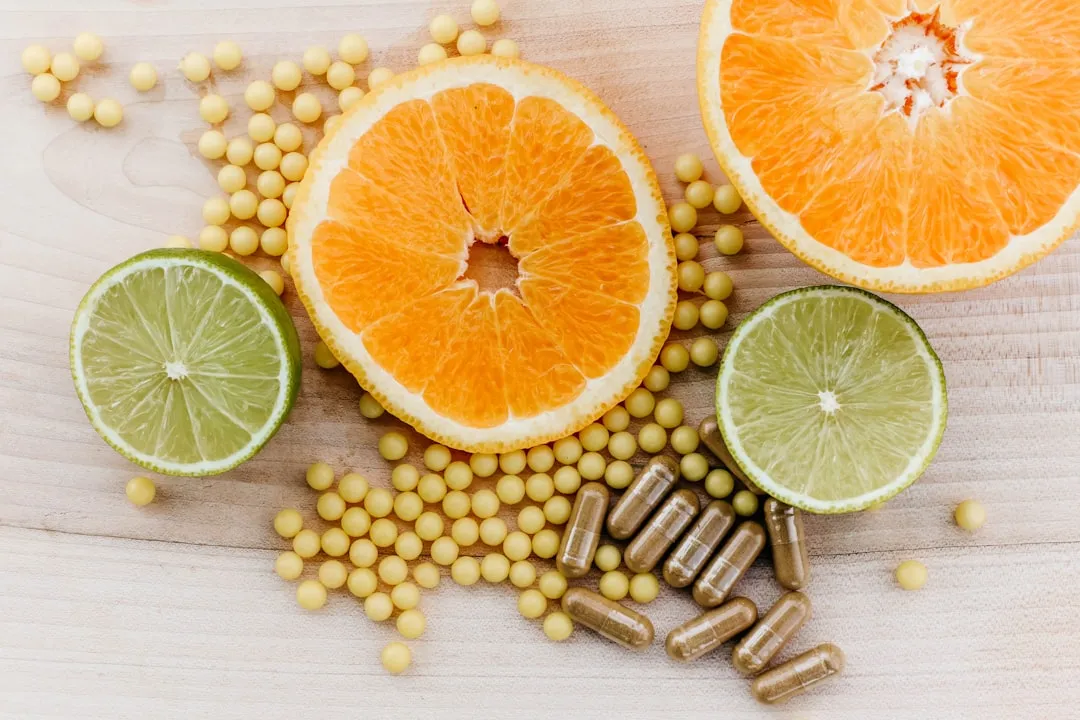
Vitamin C performs an essential function in collagen synthesis, a critical protein for maintaining the integrity of blood vessels and connective tissue. A deficiency in vitamin C is well known to cause scurvy, a condition marked by weakened blood vessels, easy bruising, and delayed wound healing.
Vitamin C is essential for healthy collagen, and while severe vitamin C deficiency is extremely rare in Western countries, marginal deficiency is common and might lead to an increased risk of bruising. The clinical evidence for correction is fairly solid. A two-month double-blind study of ninety-four older adults with marginal vitamin C deficiency found that vitamin C supplements decreased their tendency to bruise.
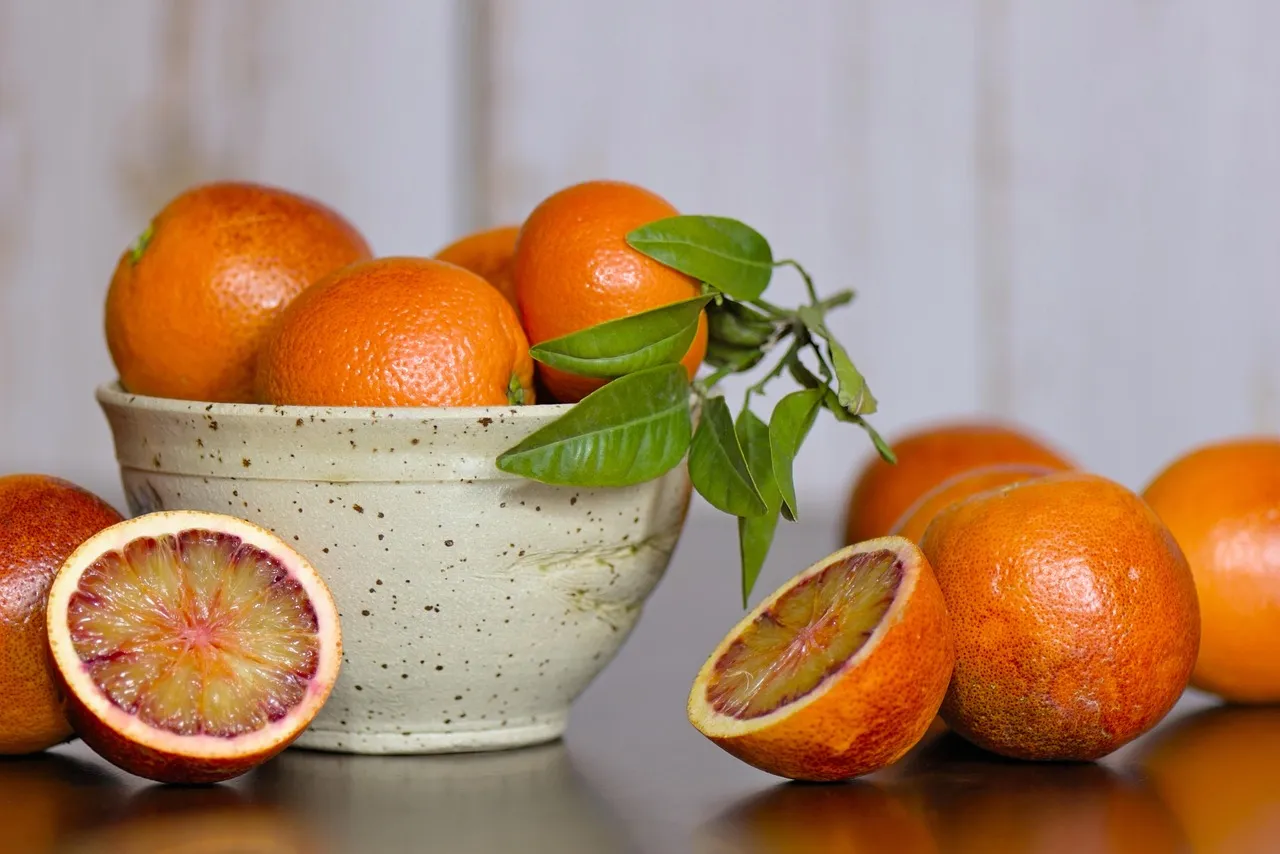
Citrus fruits such as oranges, grapefruits, and lemons are rich in a flavonoid called hesperidin that specifically targets blood vessel strength. Hesperidin works alongside vitamin C rather than independently, which is why the whole fruit tends to outperform an isolated supplement. Flavonoids can help fortify blood vessel walls, potentially reducing the likelihood of bruising.
3. Dark Leafy Greens: Vitamin K and Blood Coagulation
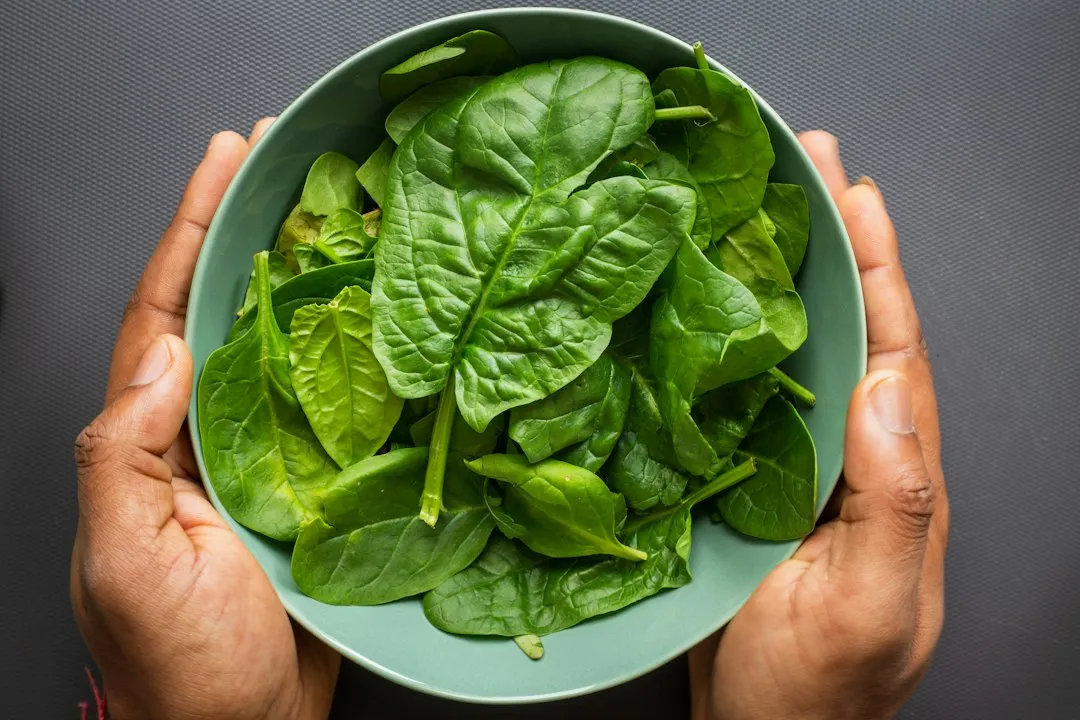
Dark leafy greens such as spinach and kale are rich in vitamin K, which may help to speed up skin healing and reduce bruising and swelling. The mechanism is fairly direct. Vitamin K is a necessary participant in the synthesis of several proteins that promote blood coagulation, a property that is especially important in skin injury cases as it helps to prevent further bruising.
Certain foods can promote blood to become more viscous and less likely to leak from blood vessels, especially those containing vitamin K such as cabbage, spinach, and kale. This means that getting adequate vitamin K from food may help slow the initial spread of a bruise at the moment of impact, rather than simply speeding up clearance afterward.
4. Berries: Anthocyanins and Blood Vessel Protection
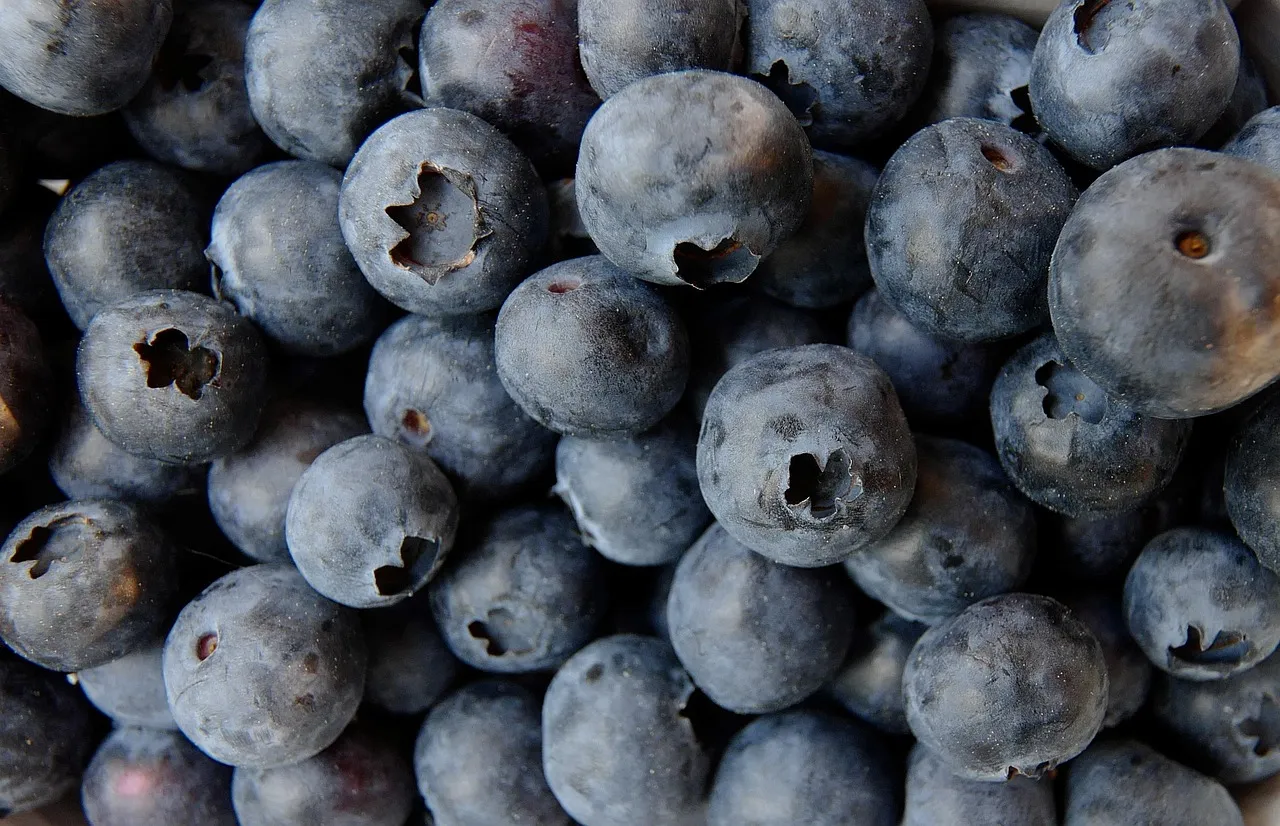
Berries including blueberries, blackberries, and cherries contain anthocyanins, which are potent blood vessel protectors. These are the same pigments responsible for the deep purples and reds in the fruit’s skin, and they appear to do something structurally similar inside the body. Citrus bioflavonoids and related compounds may strengthen capillaries and promote healing.
Pycnogenol, a potent antioxidant made from the bark of pine trees, contains proanthocyanidins, which are red pigments also found in blueberries and grapes, that aid in strengthening capillaries, arteries, and veins. The dietary versions of these compounds found in berries are not identical in concentration, but they share the same underlying chemistry. Regular berry consumption builds cumulative vascular resilience rather than offering a quick fix after injury.
5. Zinc-Rich Foods: Tissue Repair at the Cellular Level
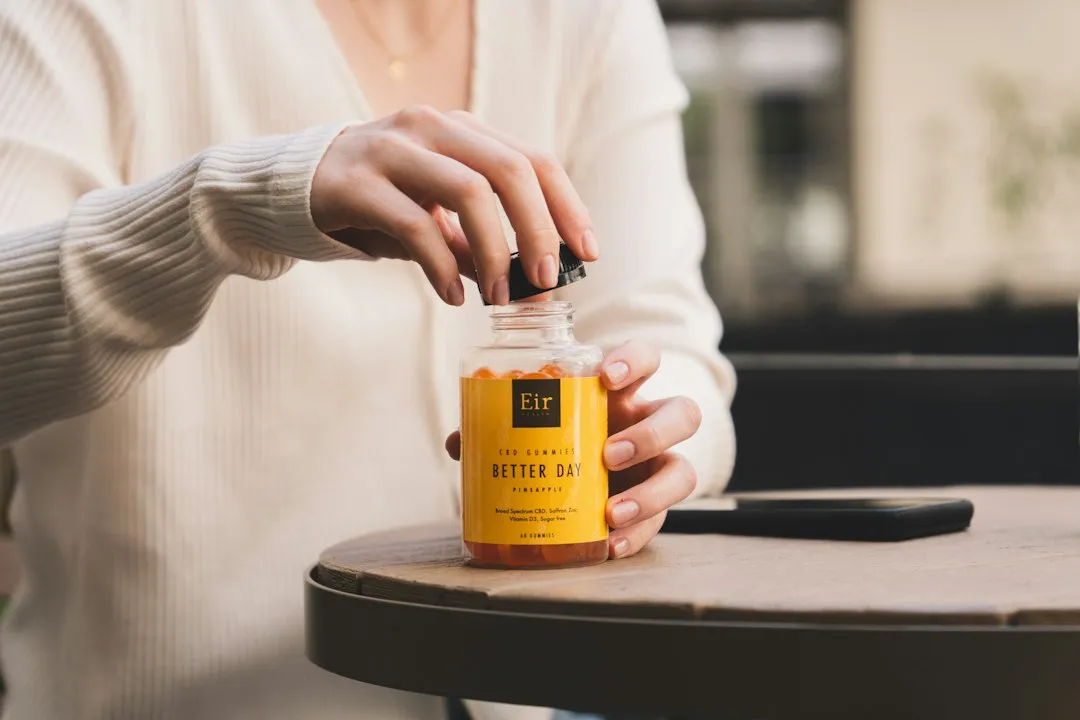
Zinc plays a supporting role in bruise prevention by keeping the cells lining blood vessels healthy and by accelerating wound repair. Its influence operates at a very foundational level. Minerals such as zinc are necessary for DNA and protein synthesis, cell division, and overall tissue repair, making them important for healing bruises and wounds.
Zinc is an essential component of the body’s wound healing process, so eating foods rich in this nutrient may help to accelerate healing and make bruises fade faster. Zinc-rich foods include beef, pumpkin seeds, chickpeas, and cashews. These are accessible, everyday foods rather than anything exotic. Zinc also promotes wound healing and tissue growth repair, and additionally helps boost immune system function.
How These Foods Work Together
Proper nutrition plays a crucial role in healing bruises and wounds by supporting the body’s increased metabolic demands during the repair process. Key nutrients such as vitamins A, C, and E are essential, with vitamin C being vital for collagen synthesis and immune function. Zinc and bromelain contribute from different angles, one rebuilding tissue and the other clearing the inflammation that slows the process down.
A diet rich in anti-inflammatory foods, such as those containing omega-3 fatty acids and polyphenols, can help control inflammation and promote faster healing. These nutrients help balance the body’s inflammatory response, which is crucial for resolving tissue damage from bruises. No single food does all of this on its own, which is precisely why dietary variety matters more than leaning heavily on one “miracle” ingredient.
What the Research Actually Says (and What It Doesn’t)
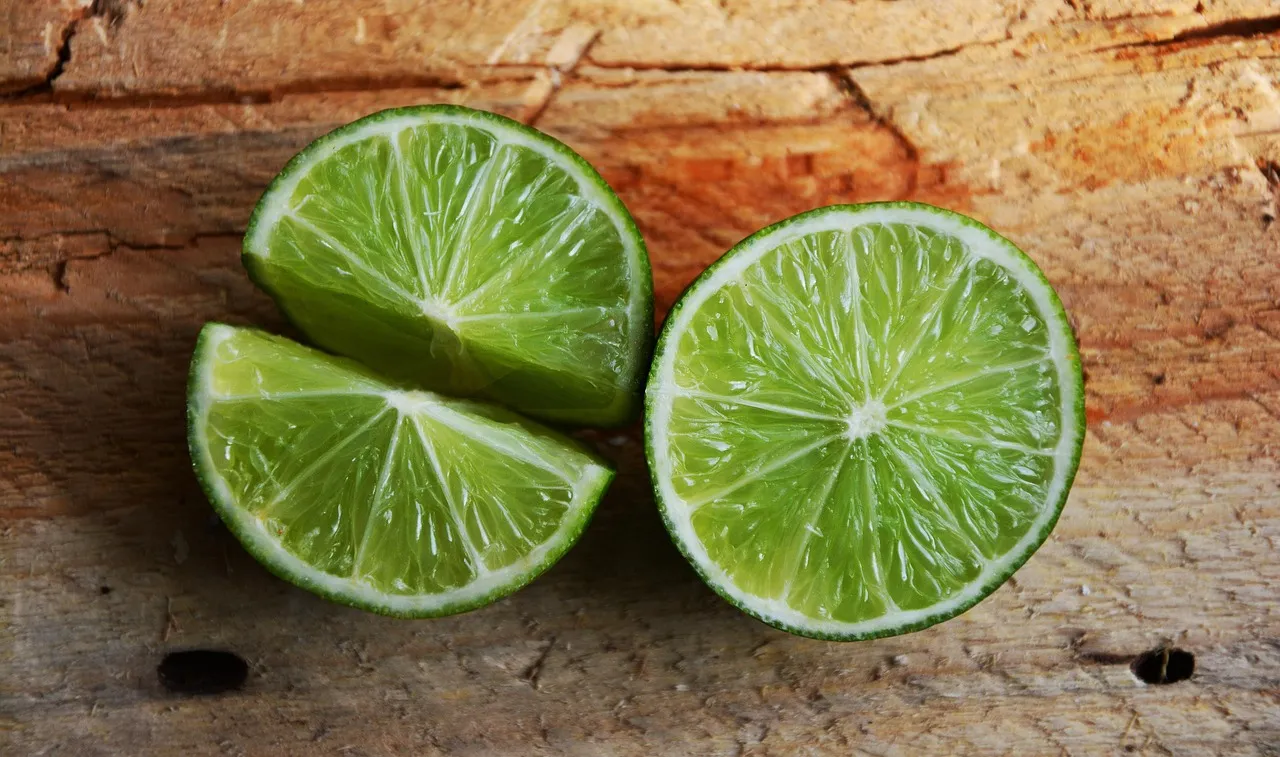
While the evidence is clear that vitamin C can stop bruising caused by a deficiency, its effect on bruising in the general, healthy population is less pronounced. The same caveat applies, to varying degrees, to the other foods and compounds on this list. Most of the strongest evidence involves people who are deficient, injured, or recovering from surgery, not healthy adults with balanced diets.
Randomized controlled trials are limited, but some have shown that vitamin C supplementation can reduce bruising in populations with marginal deficiency or increased bruising tendency, such as the elderly or those with capillary fragility. Overall, there is moderate evidence supporting vitamin C’s role for bruise prevention, particularly in at-risk populations. This is worth keeping in mind when reading enthusiastic claims online.
Bruising That Shouldn’t Be Ignored
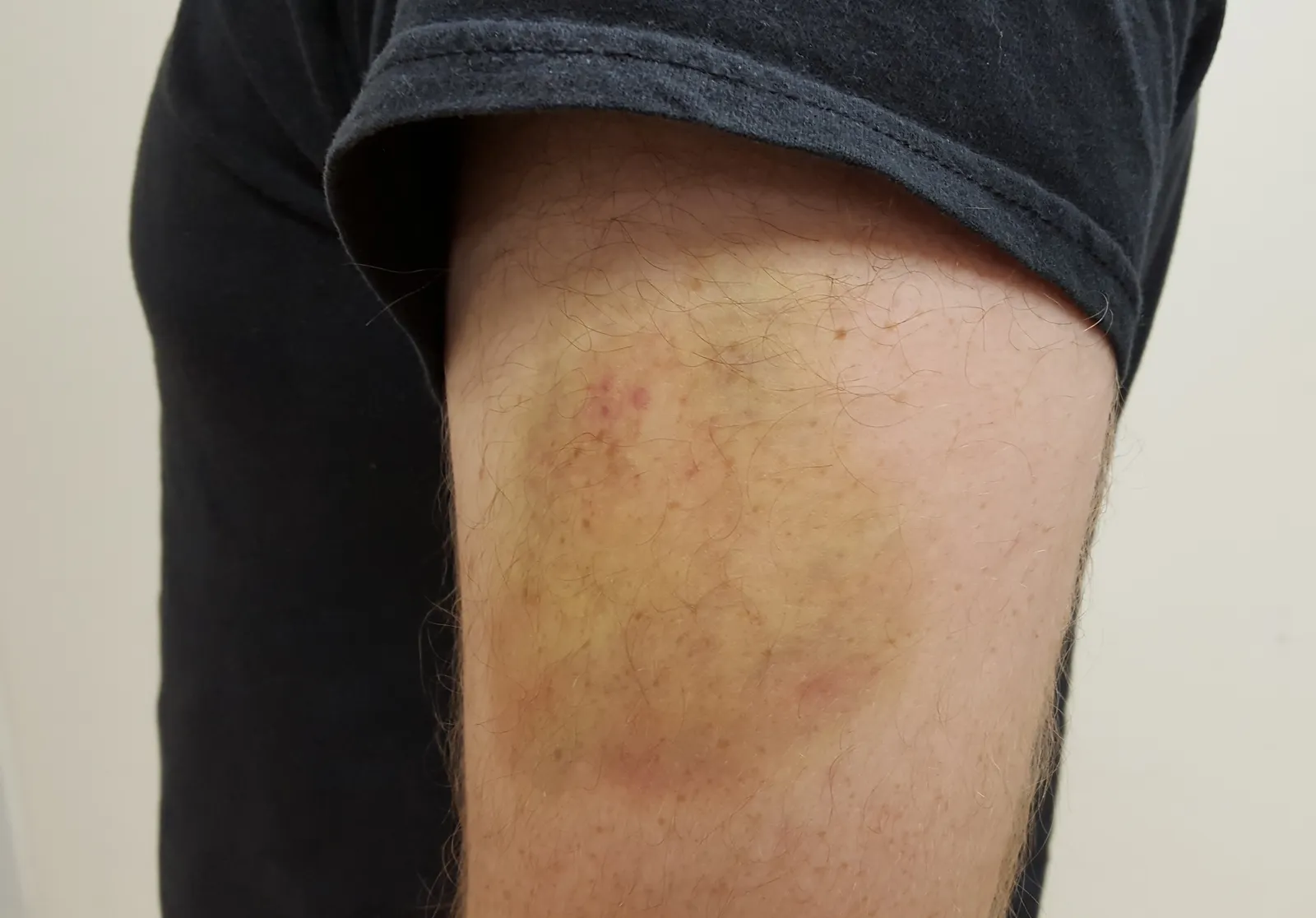
Bruises are usually not serious, and most will go away on their own after around two weeks. However, frequent or unexplained bruising could indicate a medical problem. Food can support the healing process, but it cannot replace a clinical evaluation when bruising is persistent, unprovoked, or unusually severe.
Bruising is a normal body response to trauma. It is only when bruising occurs often and from very minor, often unnoticed trauma that a problem may exist. If that’s the pattern you’re noticing, dietary adjustments are a reasonable place to start, though a conversation with a healthcare professional is the more important first step.
Practical Ways to Include These Foods Daily
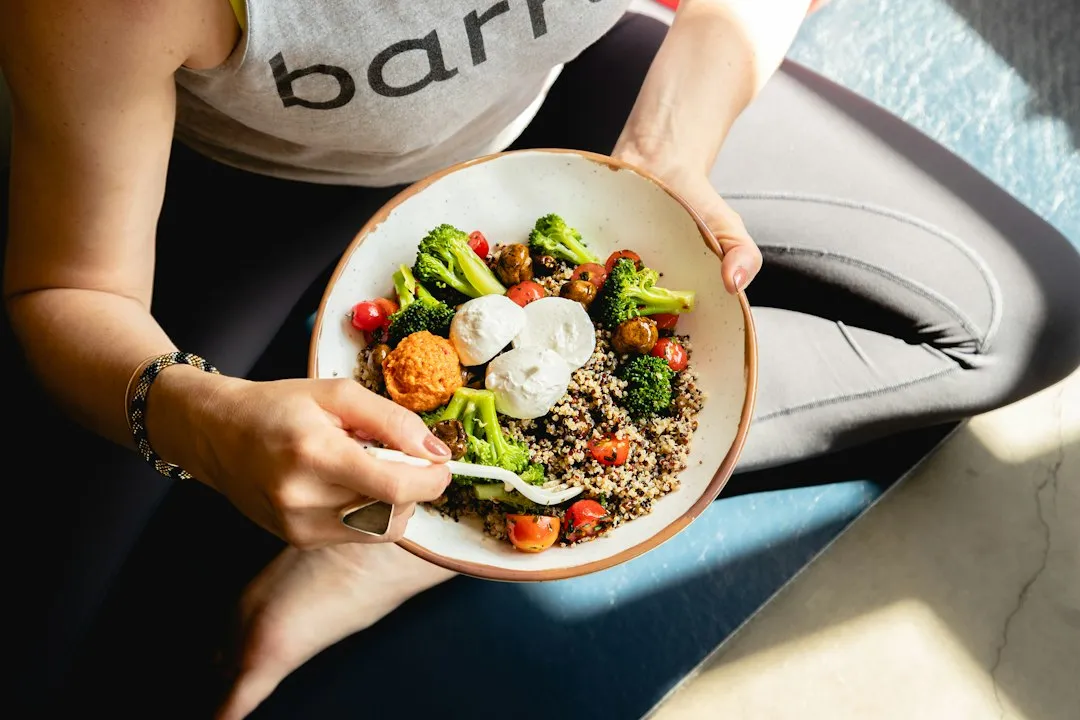
The simplest approach is to treat these foods as regulars rather than remedies. Add a handful of spinach or kale to a morning smoothie for vitamin K. Keep berries on hand as a snack for their anthocyanin content. Good protein sources for collagen support include poultry, fish, eggs, dairy, beans, and lentils, with bone broth being naturally high in collagen-specific amino acids.
A glass of orange juice alongside a handful of cashews and a bowl of mixed berries covers a meaningful range of the nutrients discussed here. None of this requires a supplement-heavy routine. Rather than relying solely on supplements, focusing on a diet rich in whole foods is the most effective way to ensure adequate intake and overall health.
Age, Skin Thickness, and Why Diet Matters More Over Time
Thicker, more resilient skin provides a better cushion over the small blood vessels beneath it, reducing the chance that everyday bumps cause visible bruises. Skin naturally thins with age, which is one reason older adults bruise more easily. Collagen-supporting nutrients become proportionally more relevant as that thinning progresses.
Vitamin C is required for the final step of collagen assembly, which is why a deficiency in either protein or vitamin C can lead to weaker skin and easier bruising. For older adults particularly, bruising decreased significantly in a study where one gram of oral vitamin C was given daily for two months. Maintaining dietary intake consistently, rather than supplementing after a bruise appears, is the more logical long-term strategy.
Final Thoughts
There’s a certain logic to the idea that what builds your blood vessels can also help repair them. Pineapple, citrus fruits, dark leafy greens, berries, and zinc-rich foods each contribute to that process in distinct, documented ways. None of them are magic, and the evidence is strongest for people whose diets are already falling short in one or more of these nutrients.
Still, eating these foods regularly is a low-effort, high-return habit. The cost is negligible, the risk is essentially zero, and the biological rationale is well-established. Whether you bruise easily or are simply recovering from an injury, the case for putting these foods on your plate is a reasonable one, grounded in science rather than wellness folklore.
AI Disclaimer: This article was created with the assistance of AI tools and reviewed by a human editor.