

Most people reach for a mint or a stick of gum without thinking twice. It’s fast, it’s easy, and it feels like a fix. The problem is that mints mostly mask odors for a few minutes, doing nothing about the actual source of the smell. Bad breath is often caused by a buildup of bacteria in the mouth, which produces foul-smelling sulfur compounds, and bacteria can also form sticky plaque over teeth, which can lead to conditions associated with bad breath like gum disease.
The good news is that certain everyday foods can go a step further than temporary masking. Research published in recent years points to a handful of whole foods that work on the bacterial and chemical level, addressing the root cause rather than just covering it up. Here are the five best, along with what the science actually says.
1. Plain Yogurt: A Probiotic Powerhouse Against Odor-Causing Bacteria

Yogurt contains active bacteria known as Streptococcus thermophilus and Lactobacillus bulgaricus, both of which can reduce chemical compounds in the mouth that cause bad breath. Researchers from Tsurumi University in Japan found that consuming plain, sugarless yogurt daily was linked to reductions in hydrogen sulfide, one of the primary odor-producing compounds in the mouth.
A meta-analysis confirmed the benefits of probiotic therapy on halitosis, showing that probiotics significantly reduced levels of volatile sulfur compounds in patients for up to four weeks, though results varied across the studies included. The key caveat from researchers: what is not yet fully known is whether substituting actual foods like yogurt will have the same positive effect as taking a supplement.
Not all yogurts are created equal. To get the maximum benefits for fighting bad breath, choose plain yogurt without added sugars, since sugar can feed the very bacteria that cause bad breath. Greek-style or full-fat versions appear to be the most effective options based on the available research.
2. Apples: Nature’s Mechanical Scrubber and Odor Neutralizer

Crunchy fruits and vegetables help to naturally fight bad breath in two ways: first, they scrub away plaque and bacteria from the teeth as you chew, and second, they stimulate saliva flow, which helps rinse away odor-causing bacteria, sulfur compounds, and food debris. Apples are particularly effective because they combine that mechanical scrubbing action with a high water content that keeps the mouth hydrated.
A study referenced by NutritionFacts.org found that garlic breath volatiles were significantly reduced by apples, including both raw and microwaved apple, in comparison to water used as a control. Apples contain polyphenols, which research suggests may help neutralize sulfur compounds rather than just covering them up.
It is considered smart to have a main dish that contains garlic alongside a side salad that includes apples, as well as other foods that contain polyphenol compounds. For everyday use, eating an apple between meals serves a dual purpose: it feeds you and keeps your mouth cleaner between brushings.
3. Green Tea: Catechins That Tackle Sulfur Compounds Directly

Recent evidence has emphasized the efficacy of natural bioactive substances in controlling halitosis, with particular attention given to green tea. Green tea, derived from the leaves of Camellia sinensis, contains catechins, which are potent polyphenolic antioxidants known for their antimicrobial and deodorizing effects. These catechins appear to work by targeting the anaerobic bacteria responsible for producing the sulfur gases that cause chronic bad breath.
Research findings have indicated that green tea mouth rinse was equally effective in reducing plaque accumulation, tongue coating, and the severity of oral halitosis compared to conventional chemical mouthwashes. That’s a significant finding, particularly for people looking to avoid the side effects that come with antibacterial rinses, such as tooth staining.
The effect of green tea on halitosis has evidently been well known from early times, perhaps due to the deodorizing activity of certain antioxidant polyphenols. The evidence is strongest for regular consumption rather than a single cup. Sipping green tea throughout the day, rather than only with meals, appears to be the more effective approach based on the available studies.
4. Parsley: Chlorophyll, Essential Oils, and Short-Term Odor Control

Studies show chlorophyll has a deodorizing effect, and parsley is packed with it. It also has a naturally fresh smell. After eating food with strong odors, chewing a handful of fresh parsley can temporarily improve breath. The herb’s essential oils add an additional layer of freshness that works alongside the chlorophyll.
Raw apple, parsley, spinach, and mint all individually reduced the sulfur compounds produced by garlic, according to research published in the Journal of Food Science. Since these sulfur-containing chemicals are similar to those responsible for halitosis, that lends support to parsley’s effectiveness as a breath remedy.
It’s worth being honest about what parsley can and cannot do. More than one study has concluded that while parsley might help mask bad breath odor, it does not appear to properly address the potential underlying causes of halitosis, and data does not fully support parsley reducing sulfur compounds on its own. Think of it as a useful short-term tool, not a cure for persistent bad breath with a deeper dental cause.
5. Fermented Foods: Rebuilding the Oral Microbiome From the Ground Up
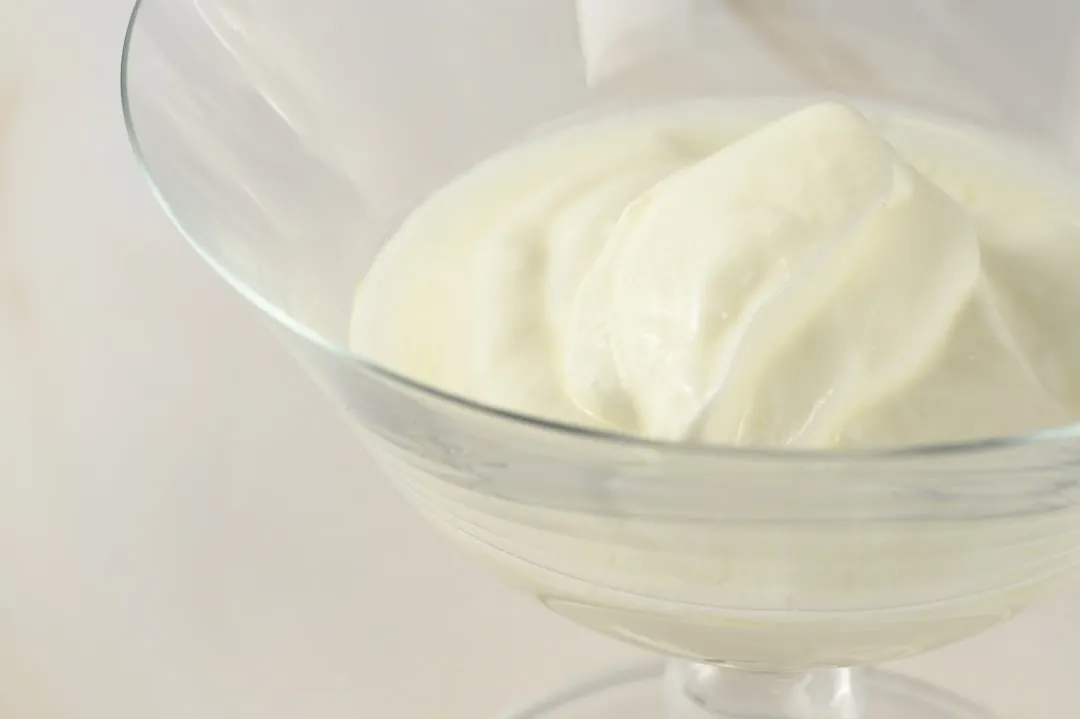
Fermented and probiotic foods contain live strains of beneficial bacteria that can help to restore order in the mouth, fight bad breath, and also benefit gut health. Beyond yogurt, the category includes miso soup, sourdough bread, kefir, and sauerkraut, all of which deliver different strains of live cultures to the body.
Some probiotics, including Lactobacillus salivarius, Lactobacillus reuteri, and Streptococcus salivarius, which are typically found in fermented foods like yogurt, have been used to treat halitosis. Research suggests that probiotics may prevent the bacteria in the mouth from breaking down proteins and amino acids in food debris, which is one of the primary ways odor-causing compounds are produced.
The breadth of fermented foods makes this category particularly practical. You don’t have to rely on a single food every day. Rotating between miso soup, plain yogurt, and other fermented options means you’re introducing a wider range of beneficial bacterial strains, which may offer broader support for the oral microbiome over time. While the findings have been encouraging, researchers note that the original studies were fairly small, and more high-quality, randomized clinical trials are needed to verify the results and provide firmer evidence for the management of halitosis through probiotics.
How Bad Breath Actually Starts: Understanding the Root Cause

Bacteria in the mouth can break certain foods down to produce foul-smelling chemicals called volatile sulfur compounds, or VSCs. Bad breath is usually caused specifically by volatile sulfur compounds such as hydrogen sulfide, methyl mercaptan, and dimethyl sulfide. These aren’t simply leftover food odors but rather chemical byproducts of bacterial metabolism happening right in your mouth.
Bad breath, or halitosis, is the third most common disease for patient referral to the dentist, only ranking behind cavities and periodontal disease. That makes it far more than a cosmetic inconvenience. Bad breath affects roughly half of adults at one time or another, according to the American Dental Association.
The Role of Saliva: Why Dry Mouth Makes Everything Worse

Have you wondered why breath smells worse when you first wake up? It’s because the mouth is dry. The mouth produces less saliva during sleep, and without all that saliva to wash it away, smelly bacteria gather on the teeth. This is also why staying hydrated during the day matters as much as brushing.
Saliva is the mouth’s natural defense against bad breath. It washes away food particles and neutralizes acids. Yogurt’s creamy texture, for instance, can help stimulate saliva flow, reducing the dryness that often contributes to foul odors. Foods with high water content, like apples and celery, serve a similar hydrating function.
What the Research Still Can’t Confirm

Science has come a long way on this topic, but honesty matters here. Probiotic treatment had no effect on the underlying structural causes of bad breath, with tongue coating scores and plaque index remaining unchanged, and a meta-analysis concluded that while probiotics may ease halitosis by reducing VSC concentration levels in the short term, there is no significant effect on the major causes such as plaque and tongue coating.
The improvements from probiotic-rich foods weren’t permanent, lasting about four weeks. That tells us these foods are best understood as an ongoing dietary habit rather than a one-time fix. They work while you keep eating them, which is a reasonable trade-off for foods that are healthy across the board anyway.
Practical Ways to Incorporate These Foods Daily

None of these five foods require a major lifestyle overhaul. A small bowl of plain Greek yogurt at breakfast, an apple as a mid-afternoon snack, and a cup of green tea after dinner cover three of the five with minimal effort. Parsley can be added fresh to salads, sauces, or stirred into grains rather than eaten as a sprig on its own.
Fermented foods take a little more intention at first. Miso soup is easy to prepare in minutes, and sourdough bread is widely available. The point is not to eat all five in a single day but to make them regular fixtures in your weekly eating pattern, which is where the cumulative benefit appears to come from. Bad breath, or halitosis, is a common and often embarrassing concern, and while diligent oral hygiene is crucial, what we eat significantly impacts our breath.
When Food Isn’t Enough: Knowing When to See a Dentist
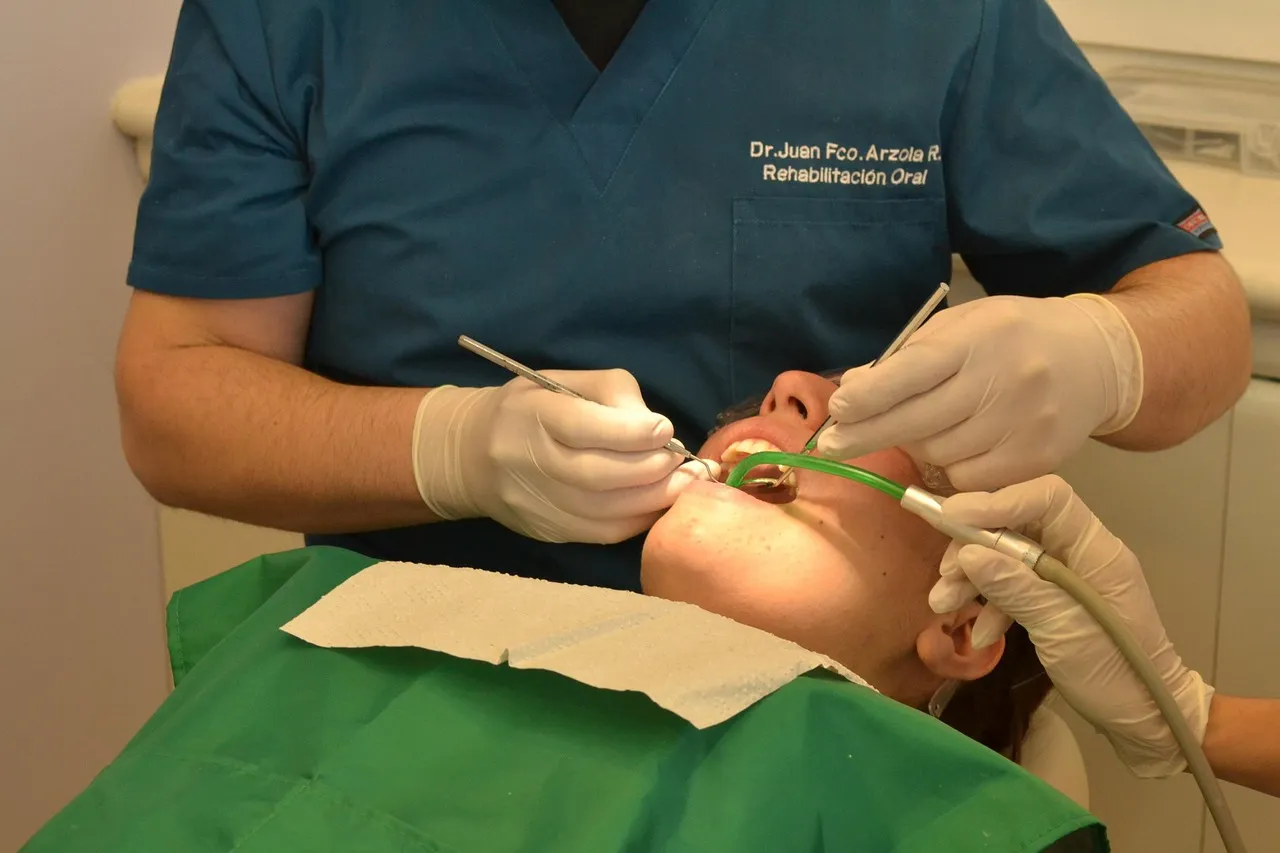
These foods are genuinely useful, but they’re not a substitute for professional dental care. The causes of bad breath in the oral cavity include poor oral hygiene, periodontal disease, coated tongue, food impaction in the interdental sites, and unsanitary dentures or inappropriate prostheses. If persistent bad breath doesn’t respond to improved diet and proper brushing, it’s worth having a dentist rule out gum disease or other underlying conditions.
Adolescents and young adults who experienced bad breath were found to feel more anxious and depressed, and some reported being isolated from social interactions, with lower self-esteem and impaired quality of life as a result. That speaks to how seriously chronic halitosis can affect wellbeing, which is exactly why getting a professional evaluation when self-care isn’t working makes real sense.
The Takeaway
The five foods covered here, plain yogurt, apples, green tea, parsley, and fermented foods more broadly, are all backed by meaningful research. None of them are magic, and none of them replace brushing, flossing, or seeing a dentist regularly. What they do is give the mouth a genuine advantage: reducing the bacterial load, neutralizing sulfur compounds, and supporting a healthier oral microbiome over time.
The simplest framing might be this: if what you eat can cause bad breath, it makes sense that what you eat can also help prevent it. The research, while still evolving, consistently points in that direction. Adding a few of these foods to your daily routine is low-risk, nutritionally sound, and likely to make a real difference, even if the mechanism is less dramatic than a rinse or a mint.
AI Disclaimer: This article was created with the assistance of AI tools and reviewed by a human editor.