
Collagen is not just a skincare buzzword. It is the most abundant protein in the human body, forming the structural foundation of your skin, joints, bones, and connective tissue. It gives skin its firmness, elasticity, and strength, but production naturally slows as we age. The pace of that decline is worth paying attention to.
After the age of 25, collagen levels can drop by roughly one percent each year, which may lead to fine lines, wrinkles, and sagging skin over time. The encouraging part is that diet plays a genuine, measurable role in either slowing or supporting this process. What follows are five foods with real, evidence-based ties to .
1. Citrus Fruits: The Classic Collagen Ally
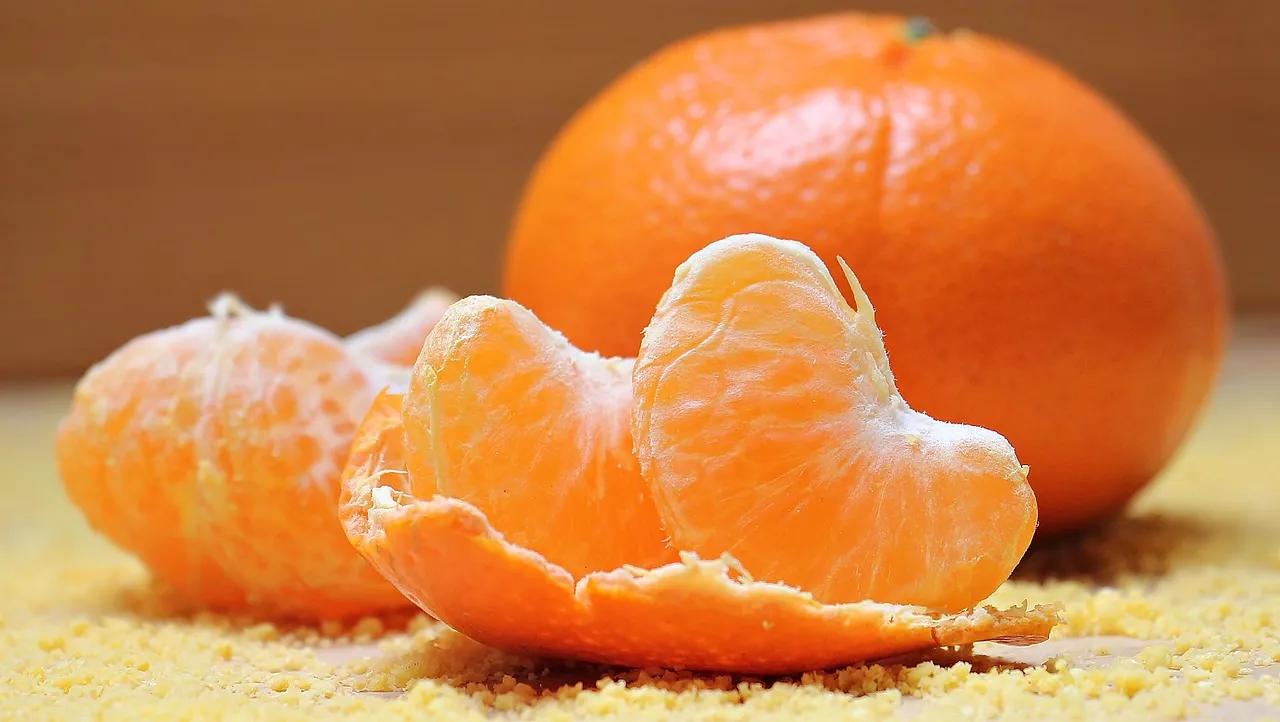
Vitamin C is biologically required for collagen synthesis. Without it, collagen production breaks down entirely. That makes citrus fruits, which are among the richest dietary sources of vitamin C, a foundational part of any collagen-supportive diet.
Vitamin C supports the synthesis of the collagen triple-helix protein and the assembly of collagen into fibres. It acts as a cofactor in the hydroxylation of proline residues in procollagen, which stabilises the triple-helix structure, and lysine residues, which are used to cross-link fibres. That is a precise biochemical role, not a vague wellness claim.
Around 50 to 100 milligrams per day of vitamin C is often cited as sufficient to support the vitamin C-dependent hydroxylation enzymes involved in collagen synthesis. Oranges, grapefruits, and lemons are practical, accessible ways to consistently hit that range through food alone.
Research published in the American Journal of Clinical Nutrition demonstrates that vitamin C intake directly correlates with better skin appearance and reduced signs of aging. The vitamin works by activating enzymes called prolyl and lysyl hydroxylases, which are essential for collagen stability. Squeezing lemon over a salad or eating half a grapefruit at breakfast is a genuinely simple way to support this process daily.
2. Berries: Vitamin C Plus Collagen Protection
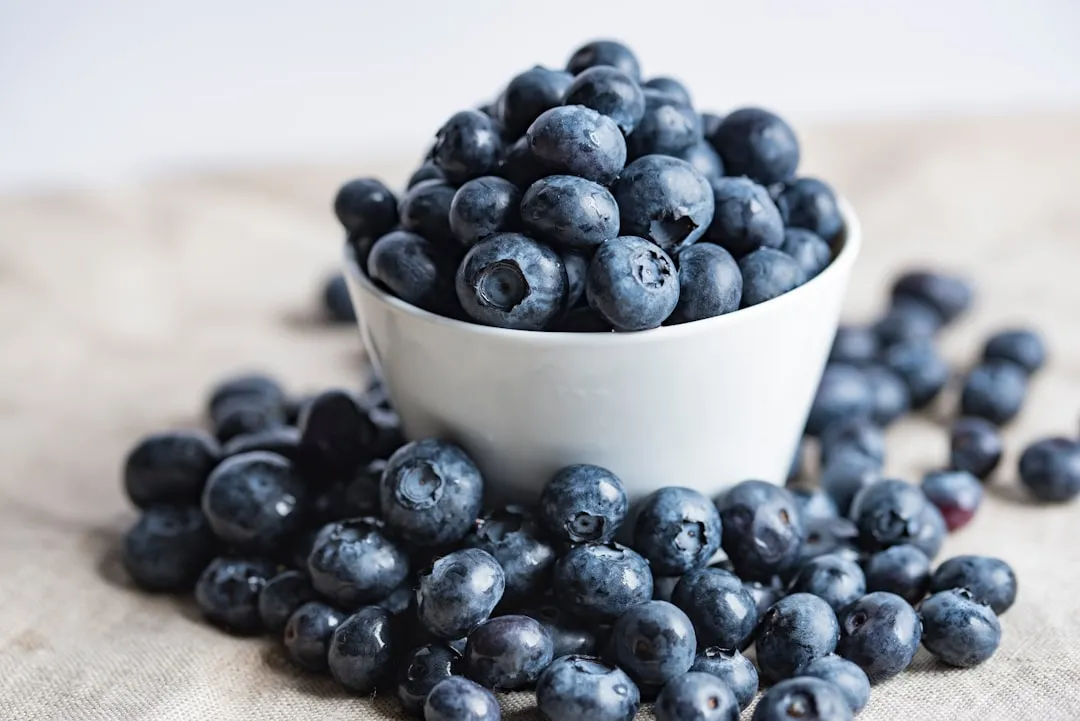
Though citrus tends to get the recognition for vitamin C content, berries are another excellent source. Strawberries, raspberries, blueberries, and blackberries are all high in the nutrient. Their benefits go further than just vitamin C, though.
Strawberries, blueberries, and blackberries offer a unique combination of vitamin C and anthocyanins, which are powerful compounds that give berries their vibrant colors. These fruits provide both collagen support and protection against collagen breakdown. That dual role is what makes berries particularly useful.
Berries contain anthocyanins, ellagic acid, and quercetin, which neutralize free radicals before they can break down collagen or damage cell membranes. Treatment of human dermal fibroblasts with blueberry anthocyanin has been found to reduce inflammation and prevent collagen degradation. Blueberry extracts also appear to protect the skin from UV radiation-mediated damage by inhibiting oxidative stress.
In skin sample studies, applying anthocyanin from berries to the skin reduced collagen breakdown and increased overall collagen production. Whether consumed in a bowl of mixed berries or blended into a morning smoothie, they earn their place as a collagen-supportive staple.
3. Fish: A Direct and Efficient Source
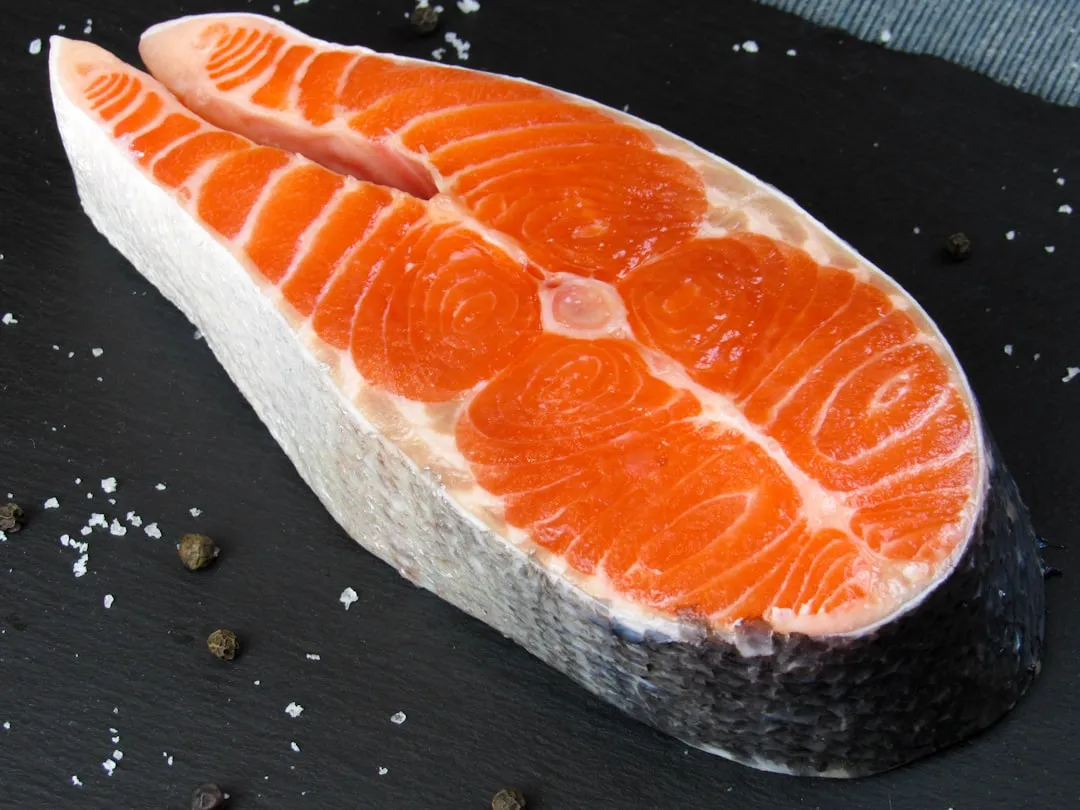
Oily fish such as salmon, trout, and mackerel are rich in omega-3 fatty acids, which strengthen the fatty membranes around skin cells and support the collagen structure beneath. They are also among the most direct dietary sources of collagen-forming amino acids.
One study found that fish collagen is one of the most efficiently absorbed food sources of collagen. Collagen is also found in the bones and skin of fresh and saltwater fish, making smaller fish like sardines and anchovies, often consumed with their skin intact, particularly good choices.
The body uses amino acids from certain protein-rich foods, such as fish and chicken, to build collagen. Sardines packed in water or olive oil are an easy, affordable option that many people overlook. A tin over leafy greens is an effortless collagen-supportive meal.
4. Bone Broth: Rich in Precursors, With Some Caveats
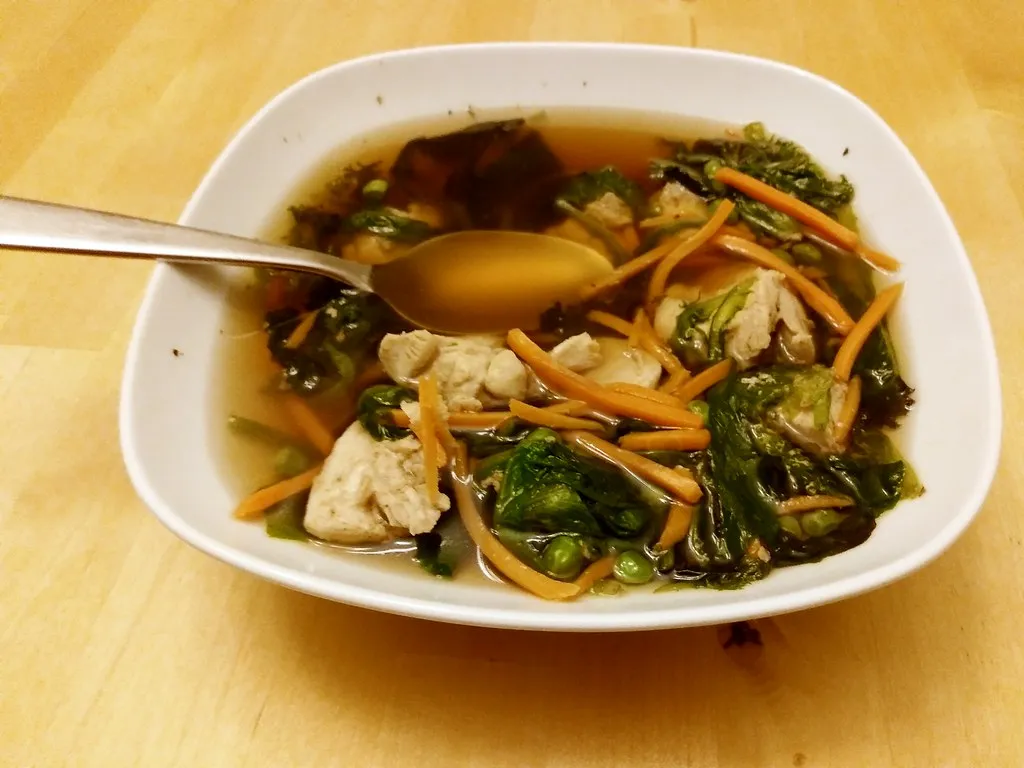
Bone broth is made by simmering animal bones, often with attached connective tissue, cartilage, and sometimes residual meat, in water for an extended period, typically 12 to 48 hours. This prolonged cooking process extracts collagen, gelatin, amino acids, and minerals. It has a long history as a nutritious staple across many cultures.
Bone broth includes amino acids such as glutamine, glycine, proline, histidine, and arginine, along with minerals that are beneficial and not just a traditional remedy. It also naturally contains glucosamine and chondroitin, compounds that support cartilage formation, which may help maintain healthy joints and reduce pain and inflammation.
That said, the evidence around bone broth specifically deserves careful reading. The resulting liquid contains significant protein, typically 8 to 10 grams per cup, with roughly 40 to 80 percent of that protein being collagen. Despite widespread health claims, direct clinical evidence for bone broth itself is limited, and most supporting research involves isolated collagen supplements rather than bone broth as a whole food.
A 2024 study in the Journal of Food Science found that hyaluronan and chondroitin sulfate in chicken-vegetable bone broth slowed osteoporosis progression in lab-based experiments. This is promising, but it is worth keeping expectations proportionate until more robust human trials are published.
5. Garlic: A Surprising Collagen Defender
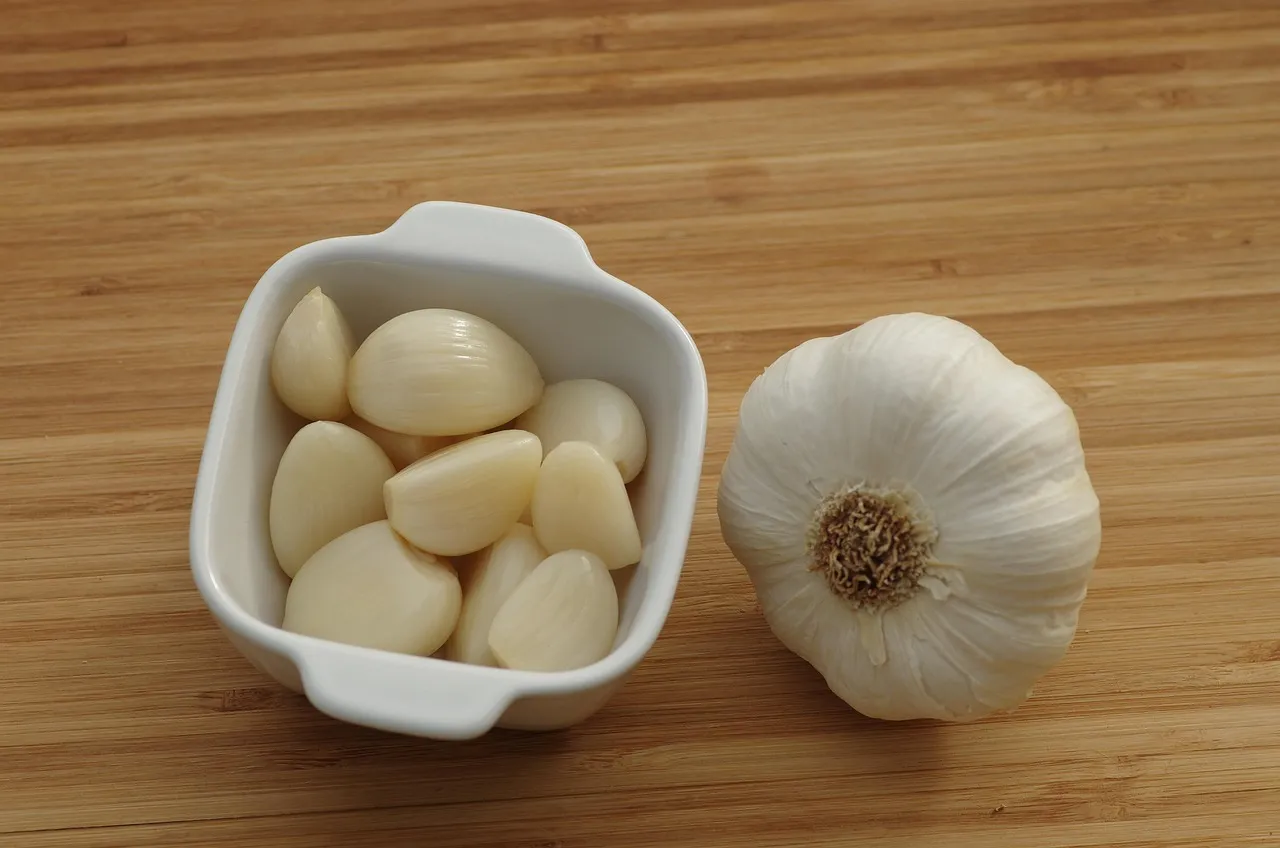
Garlic provides sulfur, lipoic acid, and taurine, all of which are important for repairing and strengthening collagen fibres. Regular consumption supports healthy connective tissue and skin repair. It is a food most people already cook with regularly without realizing its collagen-related properties.
Garlic may add more than just flavor to cooking. It could boost collagen production, too. It is high in sulfur, which is a trace mineral that helps synthesize and prevent the breakdown of collagen. Sulfur plays a structural role in cross-linking collagen fibres, contributing to their tensile strength.
Garlic is one of those ingredients that works quietly in the background of a healthy diet. It does not require massive quantities or specialty preparation. Simply incorporating it into regular cooking, whether roasted, sautéed, or raw, is enough to get a meaningful benefit over time.
Why Collagen-Boosting Foods Work Better Together

You can naturally support collagen production by eating foods rich in amino acids, vitamin C, and minerals like zinc and copper, which activate collagen-building enzymes. No single food does the entire job on its own. The system is collaborative.
Collagen production also requires nutrients like zinc found in shellfish, legumes, meats, nuts, seeds, and whole grains, along with vitamin C from citrus fruits, berries, leafy greens, bell peppers, and tomatoes. Variety across food groups is genuinely the most practical strategy.
Factors such as sun exposure, stress, and poor diet can accelerate collagen breakdown. So diet plays a dual role: providing building blocks for new collagen while also reducing the rate at which existing collagen degrades. Both matter equally.
What the Research Actually Confirms
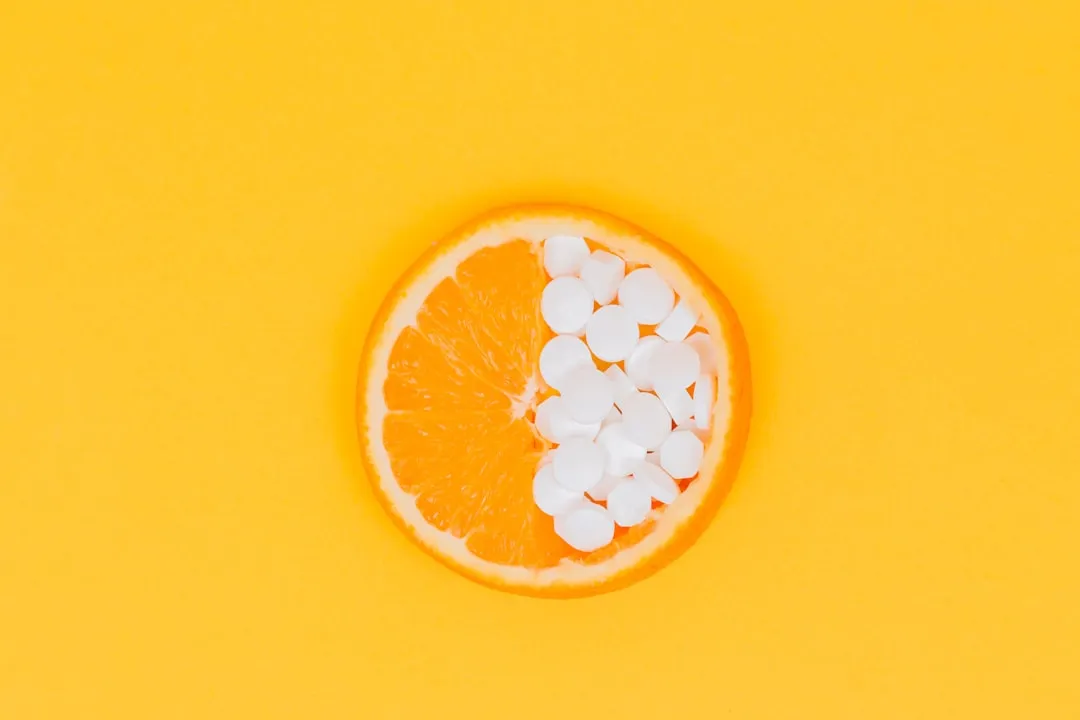
It is worth being honest about where the science stands. Vitamin C remains one of the better-evidenced dietary ingredients for collagen-related purposes, with an excellent safety profile, and ensuring dietary adequacy is a universal recommendation. The evidence for the other foods is genuine but varies in strength.
Preclinical studies demonstrated that vitamin C has the potential to accelerate bone healing after a fracture, increase type I collagen synthesis, and reduce oxidative stress parameters. No adverse effects were reported with vitamin C supplementation in animal models or human participants, but further clinical investigations are needed before strong implementation recommendations can be made.
Current evidence supports the effectiveness of plant-based collagen alternatives for skin benefits. However, researchers agree that more studies are needed to understand long-term benefits across different uses and doses. Keeping that measured perspective is more useful than chasing certainty that does not yet exist in the literature.
The Role of Amino Acids: Building Blocks First

The key amino acids involved in collagen synthesis are glycine, proline, and hydroxyproline. Lean proteins, dairy, beans, and bone broth supply collagen’s key building blocks, while citrus, kiwi, and red bell peppers boost synthesis with vitamin C. Getting these from food is both effective and sustainable.
Chicken skin is a direct source of collagen for the body, and chicken also contains amino acids that help support collagen production. Eggs contain proline, which is key in supporting collagen synthesis. Neither requires elaborate preparation nor expensive sourcing, which is part of what makes them practical everyday choices.
Understanding that collagen production is a process, not a product, shifts how you think about food. You are not just eating collagen, you are giving your body the raw materials it needs to manufacture it consistently, day after day.
Foods That Accelerate Collagen Breakdown to Avoid

Eating the right foods matters, but so does limiting the ones that actively work against collagen. Sun exposure, stress, and poor diet can all accelerate its breakdown. A high intake of sugar, for example, is well-documented to trigger a process called glycation, which damages existing collagen fibres and reduces their flexibility.
Highly processed foods, excessive alcohol, and diets low in antioxidants all contribute to elevated oxidative stress. Vitamin C, as an antioxidant, can interact with a range of free-radical species to neutralize them, which is a key mechanism by which the skin is protected from free-radical damage due to UV radiation. Removing major sources of oxidative stress while adding antioxidant-rich foods creates a compounding benefit.
The protective and productive sides of this equation are equally important. A diet built around fresh vegetables, quality protein, and minimal ultra-processed foods supports collagen from both directions simultaneously.
How Consistently Eating These Foods Makes a Difference
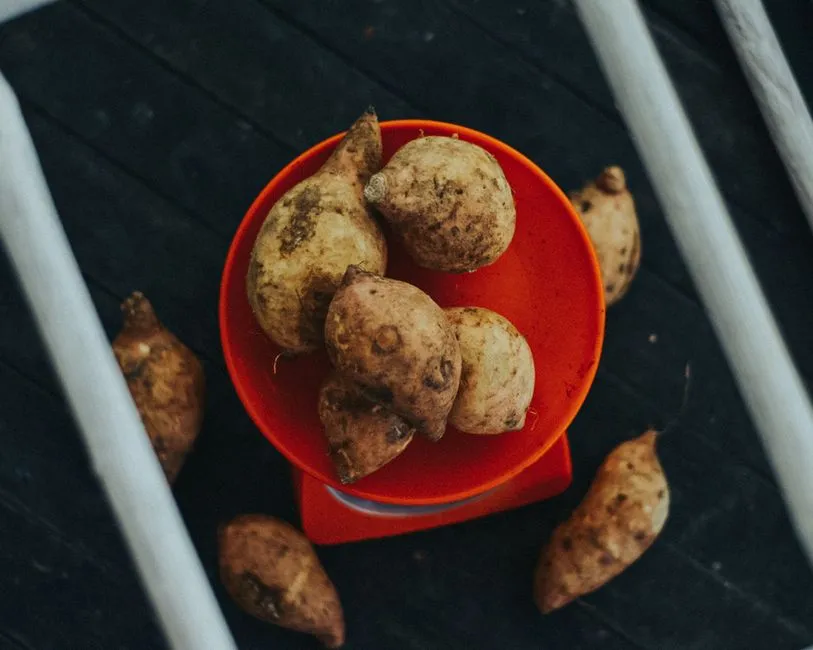
Occasional servings of fish or a handful of berries will not produce dramatic results. The mechanism here is cumulative. Research has shown that consuming the amount of beta-carotene found in roughly one and a third cups of sweet potato can boost collagen production as much as fourfold within three months. Consistency over time is what produces visible, measurable change.
Research indicates that regular berry consumption can improve skin elasticity and reduce signs of aging. Studies also show that people with higher vitamin C intake have fewer wrinkles and better skin texture. These correlations are meaningful when diet is maintained as a consistent habit rather than an occasional gesture.
Three months, six months, a year. That is the realistic timeline for dietary changes to show up meaningfully in skin quality and joint comfort. The foods in this article are most valuable when treated as permanent fixtures in a varied, nutrient-dense diet rather than short-term interventions.
Practical Ways to Eat More of These Foods Daily
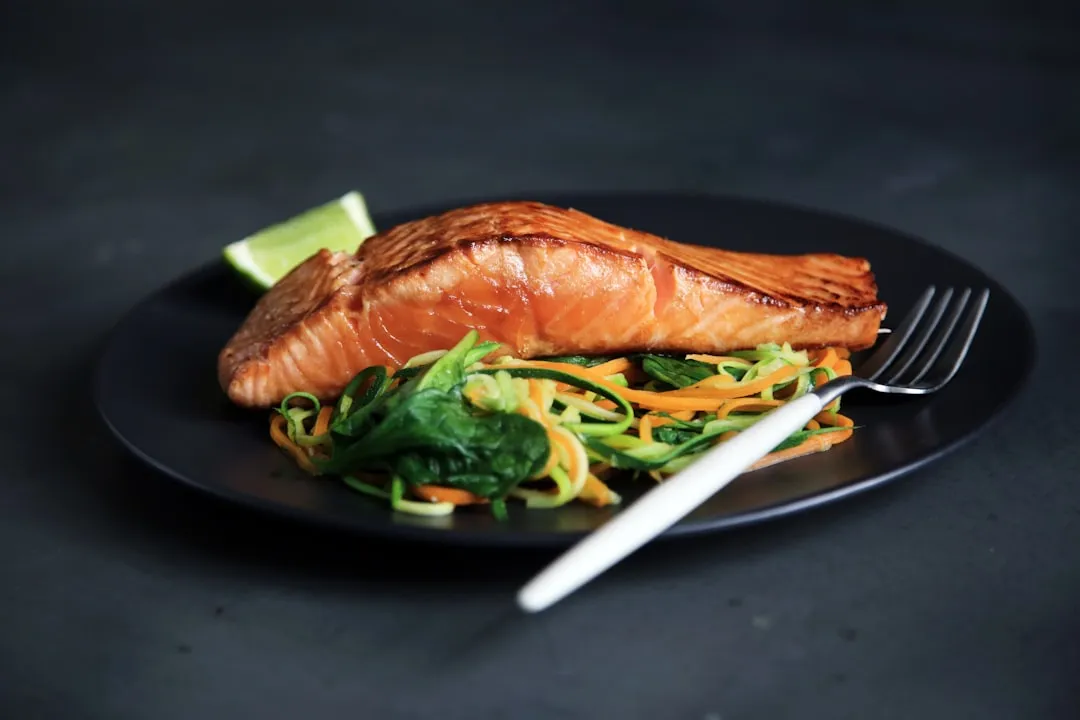
Strategy makes all the difference. Citrus juice over fish provides vitamin C right alongside collagen-forming amino acids, which is a particularly smart pairing. Data suggests that adding gelatin and vitamin C to an exercise program could play a beneficial role in injury prevention and tissue repair, illustrating how combining these nutrients amplifies their impact.
Cashews, almonds, and pumpkin seeds are packed with zinc, copper, and vitamin E, which protect existing collagen and help the skin recover from oxidative stress. A simple snack of mixed nuts already covers several collagen-supportive nutrients at once, without any planning.
Meal ideas do not need to be complicated. A salmon fillet with roasted garlic and a side of citrus-dressed greens covers fish, garlic, and vitamin C in one plate. A berry and almond smoothie checks multiple boxes before noon. The simplest approach tends to be the most sustainable one.
The Takeaway
Collagen production is not a mystery. The body follows a clear biochemical process that depends on specific nutrients, primarily vitamin C, amino acids, zinc, copper, and sulfur, all of which can come from ordinary whole foods. The five foods covered here, citrus, berries, fish, bone broth, and garlic, are not exotic or expensive. They are practical, versatile, and backed by a growing body of research.
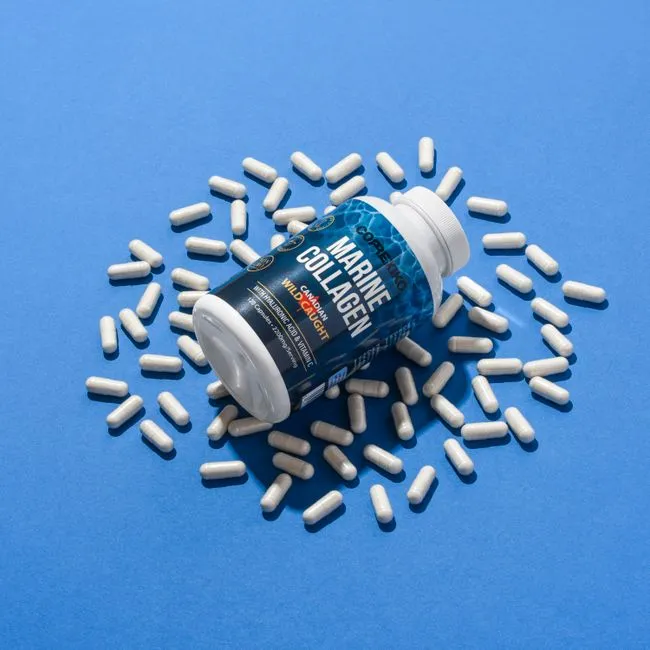
The key is not perfection but consistency. What you eat plays a major role in protecting and rebuilding collagen, and that influence compounds quietly over months and years. The foods you eat may play an even more important role in supporting your body’s collagen needs than supplements. That is a conclusion worth building your grocery list around.
AI Disclaimer: This article was created with the assistance of AI tools and reviewed by a human editor.