

Most people know the feeling well. It’s around 2 or 3 in the afternoon, your focus starts dissolving, and even a simple email feels like it requires more energy than you have left. That familiar fog isn’t a character flaw or a sign that you need another coffee. It’s biology.
Post-lunch fatigue is often caused by a blood sugar spike-and-crash cycle. A high-glycemic lunch causes a rapid glucose rise, followed by an insulin overshoot that drives blood sugar below your baseline. The good news is that what you eat earlier in the day can change that pattern dramatically. These five foods are backed by solid nutritional science, practical to include in your daily routine, and genuinely effective at keeping your energy more stable through the afternoon hours.
1. Oats: The Slow-Burn Staple

Oats are one of the most consistently recommended foods for managing energy, and for good reason. They are one of the most reliable foods for steady energy, rich in complex carbohydrates and beta-glucan fiber, which slow digestion and lead to a gradual release of glucose into the bloodstream, helping prevent the sharp spikes and crashes that often leave you feeling tired.
A meta-analysis of 15 trials found that oat intake reduced post-meal glucose response and fasting insulin levels, both of which are linked to more stable energy levels throughout the day. Oats also provide iron and B vitamins that support energy metabolism.
Oatmeal can be a great choice for a meal or snack. It can be made sweet or savory and enjoyed at any time of day, and many things can be added to it, making it very versatile. Pairing oats with a handful of nuts or a spoonful of nut butter adds healthy fat and protein, which extends that steady energy release even further into the afternoon.
2. Eggs: Protein That Actually Sustains You

Increasing protein intake can especially help prevent afternoon fatigue. Protein helps stabilize blood sugars and energy levels and provides excellent nutrition to fuel your day. Eggs tick that box particularly well, since they deliver high-quality protein alongside B vitamins that the body uses directly for energy production.
Hard-boiled eggs pack portable protein with B vitamins crucial for energy metabolism. They’re also one of the easiest foods to prep in advance, making them practical for busy schedules. Whether added to a lunch salad or eaten as a mid-morning snack, eggs help keep blood sugar from fluctuating sharply in the hours that follow.
B vitamins help the body use energy from food and play a role in mental wellbeing. Iron helps transport oxygen around the body for energy production. Eggs contain both, which gives them a broader role in avoiding that mid-afternoon fog beyond just blood sugar mechanics.
3. Greek Yogurt: Protein, Probiotics, and a Gut-Brain Connection

Greek yogurt might just be one of the most underrated energy foods out there. It’s packed with protein, probiotics, and B vitamins, all of which help your body produce and sustain energy. Probiotics can even improve metabolism and reduce feelings of tiredness.
Greek yogurt is a protein-rich food that also supports gut health, which is increasingly recognized as essential for brain health. B12 supports nerve health, while probiotics may influence the gut-brain axis and mood regulation. A review in Frontiers in Aging Neuroscience suggests a strong link between gut health and cognitive function.
Protein, calcium, and probiotics make yogurt an ideal snack option. Greek yogurt is higher in protein and lower in lactose, while traditional yogurt is fortified with vitamin D. Choosing unsweetened versions is important here, since flavored yogurts can contain enough added sugar to do the opposite of what you’re aiming for.
4. Almonds: A Handful That Goes a Long Way
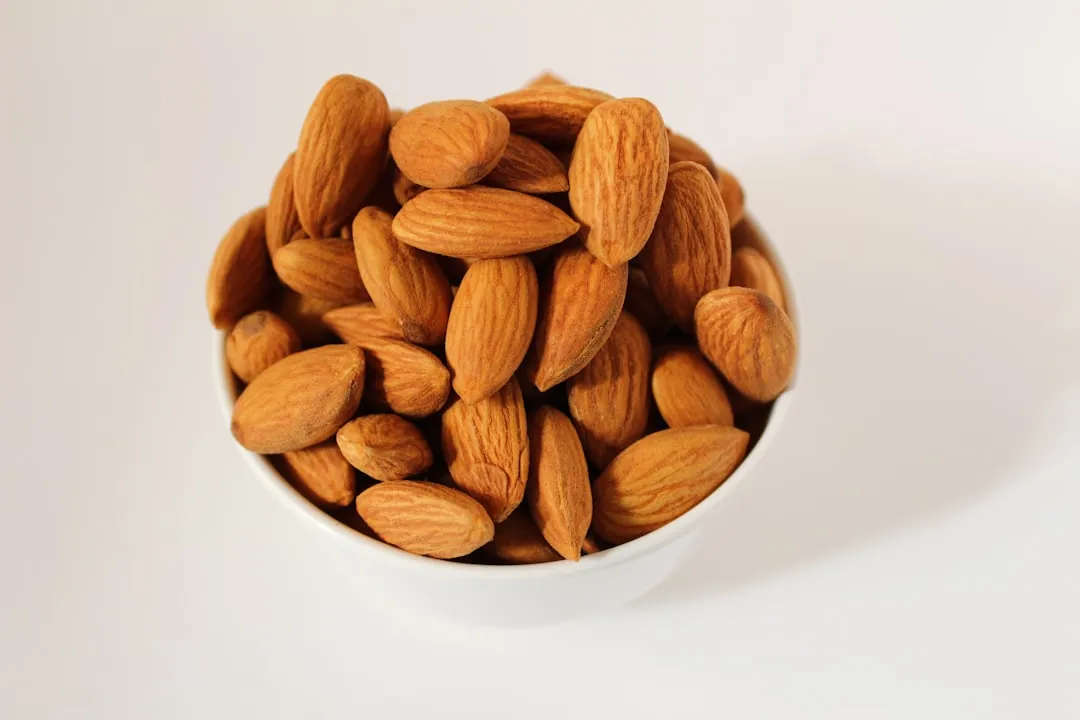
Reach for nuts, nut butters, avocado, chia pudding, or a small serving of dark chocolate at 70 percent cocoa and above. These foods provide slow-burning fuel that your body can rely on throughout the afternoon. Among nut options, almonds stand out for their well-studied role in fighting fatigue specifically.
A 2023 study reported that almonds can alleviate fatigue while being physically active. Their combination of healthy fats, plant protein, magnesium, and vitamin E makes them a genuinely multi-purpose snack. Magnesium, in particular, plays a role in converting food into usable energy, and many people don’t get enough of it consistently.
Better fat sources include nuts like almonds, walnuts, and pecans, as well as seeds like pumpkin, chia, and hemp seeds. A small portion, roughly a quarter cup, is usually all it takes to blunt the sharpest part of an afternoon slump without overeating ahead of dinner.
5. Dark Chocolate: The Guilt-Free Afternoon Boost

Dark chocolate actually gives you a natural energy boost. It contains small amounts of caffeine and theobromine, both of which enhance alertness. Unlike a cup of coffee, the stimulant effect from dark chocolate is gentler and doesn’t carry the same risk of disrupting sleep if consumed in the mid-afternoon.
Dark chocolate at 70 percent cocoa and above contains modest amounts of caffeine and theobromine for gentle stimulation without coffee jitters. It’s also worth noting that the polyphenols in high-cocoa chocolate have antioxidant properties that support general wellbeing, making it a snack with more going for it than just a quick lift.
The key word is quality. Milk chocolate and heavily sweetened varieties won’t deliver the same effect and can actually worsen an energy crash. Avoid the sugary “energy bars” that are often foods that cause energy crashes in disguise, as they’ll only restart the cycle of exhaustion. Stick to varieties with at least 70 percent cocoa content and keep portions measured.
Why the Afternoon Crash Happens in the First Place
The mid-afternoon decline, often referred to as a blood sugar crash, is characterized by a sudden drop in blood glucose levels, resulting in a range of symptoms including lethargy, irritability, and difficulty concentrating. It’s a physiological event, not a productivity problem, and understanding the mechanism helps explain why certain foods prevent it.
When we consume refined carbs and sugary foods, they cause our blood sugar to spike initially, only to rapidly crash a few hours later. This rollercoaster effect prompts cravings for more sugar, as well as side effects like brain fog, irritability, drowsiness, and difficulty concentrating.
In most cases, the afternoon energy crash is a physiological phenomenon. The circadian rhythm, our body’s internal clock, can naturally cause alertness to dip in the afternoon especially around 3 PM. Diet doesn’t remove this entirely, but it has a measurable effect on how severely the dip hits.
The Role of Fiber in Keeping Energy Stable
Choosing meals and snacks centered around fiber-rich complex carbs, lean protein, and healthy fats helps, because all three of these nutrients digest gradually to provide a steady stream of energizing fuel. Fiber, specifically, promotes better blood sugar regulation by slowing down the absorption of sugars into the bloodstream.
High fiber sources of carbohydrates such as fruit, vegetables, and whole grains help increase nutrient density in your diet, fill you up faster, stave off hunger for longer, and also help to stabilize blood sugar. Most of the five foods on this list are naturally rich in fiber, which is part of why they work so reliably.
Datassential’s 2025 to 2026 trends report notes that fiber is poised to overtake protein as the next big health trend, with over half of consumers focused on gut-health foods like fiber. That shift in public awareness reflects what the research has been pointing toward for some time.
How Protein and Healthy Fats Work Together

Most afternoon crashes trace back to sharp blood sugar swings that follow high-carb, low-protein lunches. Refined carbohydrates such as white bread and sugary snacks can cause reactive hypoglycemia, which shows up as fatigue, brain fog, and cravings. Adding protein and healthy fat to any meal changes the rate at which glucose enters the bloodstream.
By consuming fiber and protein before any carbohydrates, you create a physical buffer that slows the entry of sugar into your system. This sequencing approach is simple and doesn’t require any drastic dietary changes. It’s about order and composition, not restriction.
The best emergency fuel is a combination of healthy fats and clean protein, such as a handful of walnuts or a piece of full-fat cheese. These options provide a steady stream of energy that stabilizes your blood sugar without the risk of a secondary crash.
Timing Matters as Much as Food Choice

The most important window for crash prevention is the early afternoon. Blood glucose fluctuations tend to peak around 2 to 3 PM, especially after low-protein, high-carb lunches. Lunch choice therefore becomes a key driver of afternoon performance.
Eating a snack between lunch and dinner can make a big difference in your energy. If you’ve had lunch at noon, it’s expected that around 3 or 4 PM you’d start feeling low energy, as this is your body signaling that it’s time for a snack. The foods on this list are well-suited for that window precisely because they deliver energy without triggering another spike-and-crash cycle.
What you eat at lunch is the biggest nutritional driver of the afternoon crash. Thinking of food choices in that window as a kind of preventive investment tends to reframe the whole relationship with afternoon snacking.
Practical Ways to Work These Foods Into Your Day

Trade your sugary cereal for overnight oats with Greek yogurt and berries. The fiber-protein combination delivers sustained energy when you need it most. Preparing this the night before eliminates the early-morning decision fatigue that often leads to less ideal food choices.
Protein-rich snacks like Greek yogurt, boiled eggs, cottage cheese, or hummus keep you full and help maintain steady blood sugar levels. Keeping a few of these stocked and accessible at your desk or in a bag makes it genuinely easy to reach for the right thing when the slump approaches.
A balanced lunch slows digestion, keeps blood sugar steady, and sustains your focus through the afternoon. Building every lunch around three components, a lean protein, plenty of vegetables, and a moderate portion of complex carbohydrates, is a reliable approach. Combined with a small, intentional snack from the list above, most people notice a real difference within a few days.
The Takeaway

The afternoon slump isn’t inevitable. It’s largely a response to what you eat and when, and it’s one of the more manageable aspects of daily wellbeing once you understand the underlying mechanics. Oats, eggs, Greek yogurt, almonds, and dark chocolate aren’t miracle foods, but they’re genuinely effective tools for keeping your blood sugar, and your focus, on steadier ground.
Incorporating complex carbohydrates, fiber-rich fruits and vegetables, lean proteins, and healthy fats into meals promotes sustained energy release and prevents abrupt fluctuations in blood glucose levels. That principle underlies every food on this list.
Small, consistent changes tend to compound. Swapping a refined-carb lunch for something better structured, or keeping a handful of almonds nearby instead of nothing at all, adds up to a noticeably different experience of the afternoon. The 3 PM wall doesn’t have to be a daily fact of life.
AI Disclaimer: This article was created with the assistance of AI tools and reviewed by a human editor.