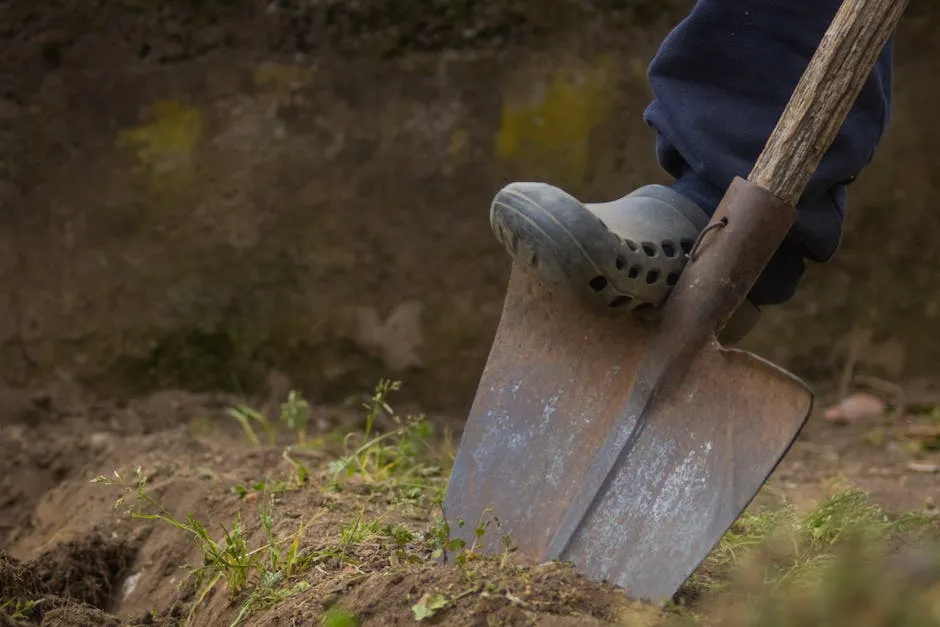

Gardening is one of those activities where the gear you use genuinely shapes the experience. A loose handle, a blade that bends on contact with compacted clay, gloves that fall apart after a single season – these aren’t minor inconveniences. They quietly make every session harder than it needs to be.
The US gardening market was valued at roughly 22 billion dollars in 2024 and is projected to reach about 27.4 billion by 2030. That kind of sustained growth tells you something: more people are taking their gardens seriously. In 2024, nearly half of survey respondents reported spending more money on gardening than in previous years. Spending a little more on the right tools is, increasingly, a choice millions of gardeners are making. Here’s where that extra investment actually pays off.
1. The Hori Hori Knife: Japan’s Most Versatile Garden Blade
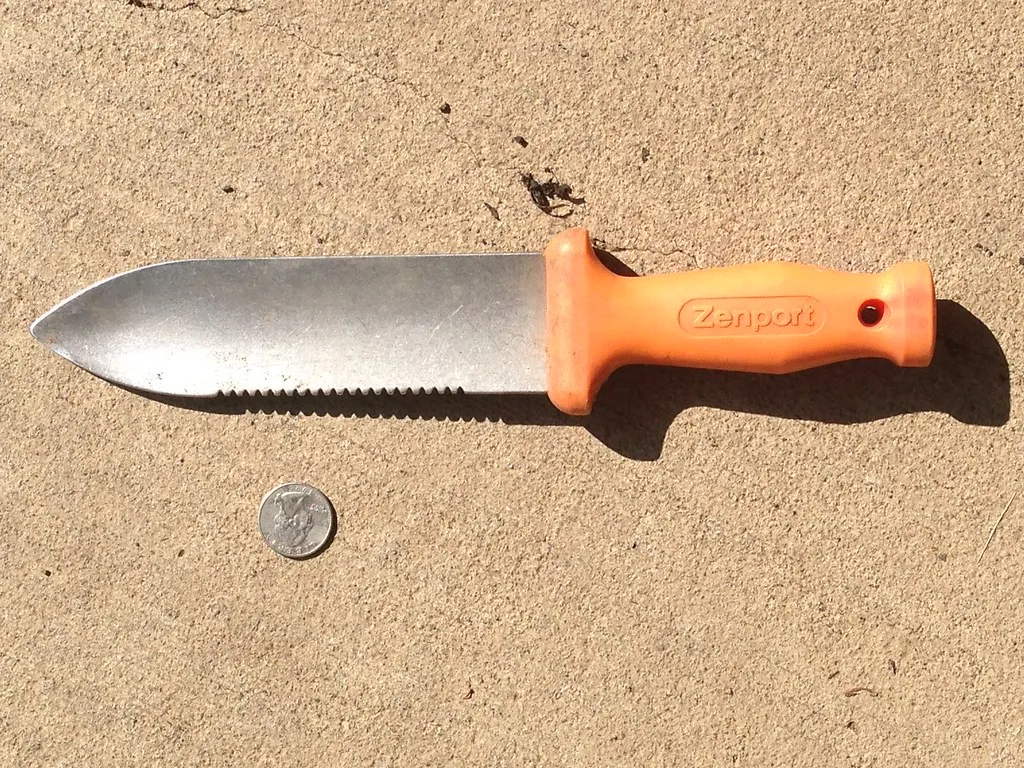
Few tools earn as much devotion in a short time as the hori hori, a Japanese digging knife that has quietly become a staple among serious gardeners worldwide. Also known as a “soil knife” or “weeding knife,” a hori hori has a pointed, concave steel blade that is sharp on both sides, typically with one straight edge and one serrated edge.
The hori hori is designed for digging holes, planting bulbs or transplanting seedlings, slicing through soil, cutting roots, prying out weeds, and even light pruning or dividing plants. That versatility is what makes it genuinely worth spending more on. A well-made hori hori knife can last up to a decade, and high-quality steel combined with a riveted wood or bamboo handle are reliable signs of good craftsmanship.
The stainless steel blade of a quality hori hori is lightweight, reducing wrist stress, slices through even compacted clay soil with ease, and will not rust even under heavy use. The blade’s length also makes it ideal for removing stubborn weeds with long taproots, and because it’s narrower than a garden trowel, it can reach into tight spaces between plants where weeds grow close to roots.
2. Bypass Pruning Shears: The Tool You’ll Reach for Every Single Week
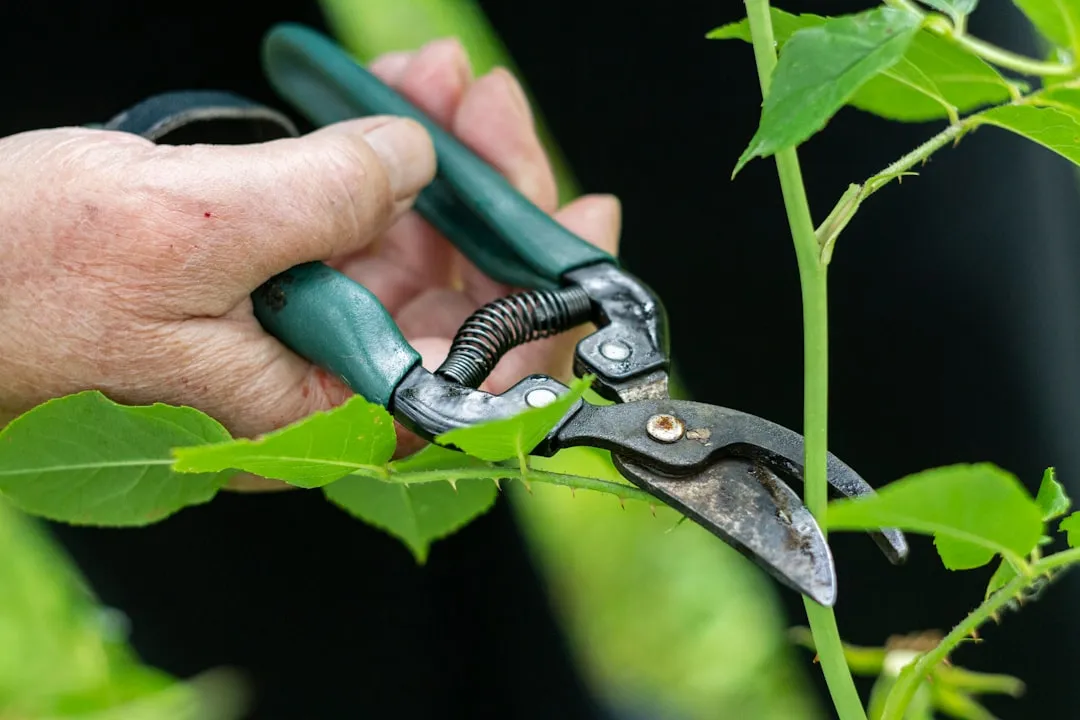
Nearly every professional gardener recommends a general-purpose cutting tool as a must-have, and many landscape managers say bypass pruners are their single favorite tool out of everything they own. The difference between a cheap pair and a quality set becomes obvious fast.
Bypass shears can cut things that are fairly thick while remaining compact enough to be a sensible first purchase for any gardener. Quality blades can effectively cut through thick stems and woody plants up to about five-eighths of an inch in diameter, and some reputable brands back their pruners with a lifetime warranty, removing concerns about everyday wear and tear.
Gardening trends may change from year to year, but the tools you rely on every week remain constant, which means the smartest investment isn’t in novelty gadgets but in well-made essentials that perform reliably across different climates and soil types. A quality pair of bypass pruners fits that description perfectly.
3. A Quality Garden Spade: The Backbone of Any Serious Garden
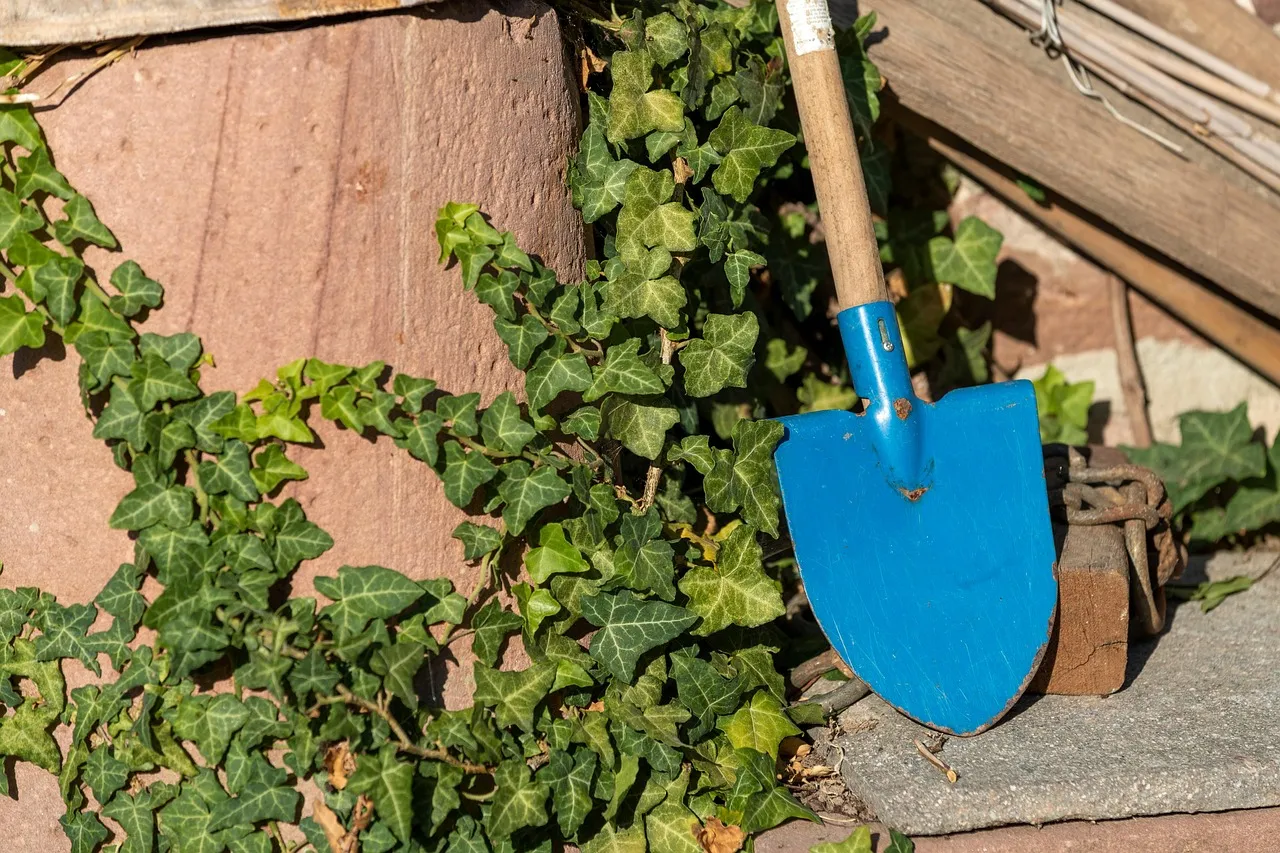
A solid spade is the backbone of any garden. The steel blade cuts cleanly into soil while a D-handle provides control and comfort. It’s ideal for digging beds, edging borders, and tackling heavier ground, making it a dependable tool you’ll reach for year after year.
The tools you choose for your garden can be your greatest ally in maintaining a healthy back. Long-handled tools offer the leverage to work the soil without the constant need to bend or reach, extending your reach and minimizing the strain on your back muscles. A well-designed spade from a reputable brand delivers exactly that.
Cheap spades are typically the first to fail: the blade flexes, the handle splinters, and the connection point between the two loosens after a season or two. Before making a purchase, reading reviews from other gardeners and seeking recommendations from gardening experts provides valuable insights into the performance and durability of specific tools. Going one step up in quality here tends to reward you for years.
4. Ergonomic Hand Trowel: Small Tool, Big Difference
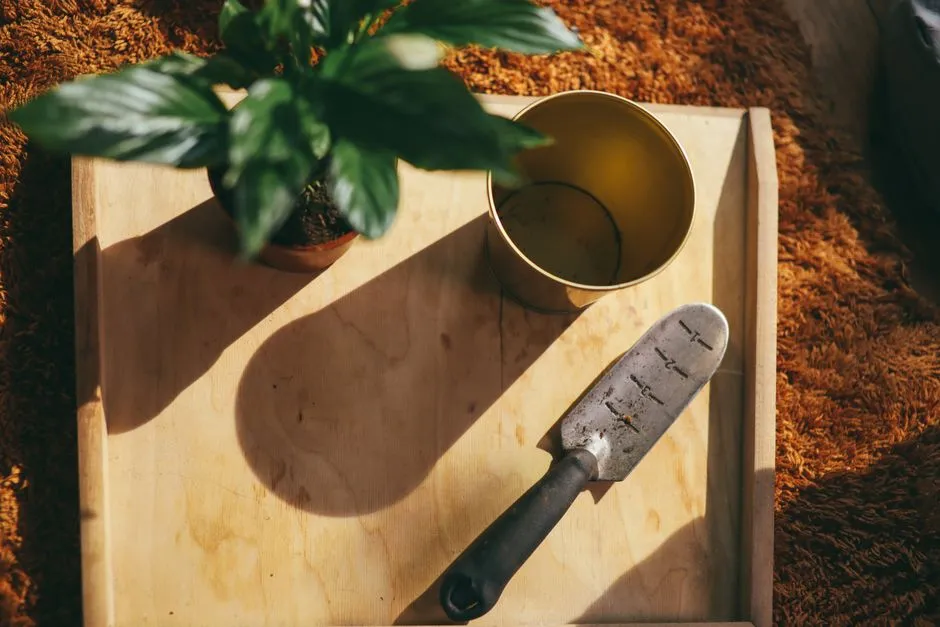
A hand trowel is used for multiple tasks, including planting, digging, and mixing the soil. It sounds simple, but the design of the grip and the gauge of the steel matter far more than most beginner gardeners expect. A low-quality trowel bends in dense or clay-heavy soil, and a poorly shaped handle causes hand fatigue within minutes.
Research from clinical studies confirms that using ergonomic hand tools with extended handles, vertical grip alignment, and spring-assisted mechanisms can reduce lumbar disc compression during routine tasks like weeding, planting, and pruning. Even a trowel with a well-angled handle reduces wrist and lower back strain over the course of a long session.
Ergonomically designed tools with padded handles and user-friendly grips can reduce the body’s effort during gardening tasks, crafted to work with your body’s natural mechanics rather than against them. That’s not marketing language. For anyone who gardens frequently, it’s the difference between finishing a session comfortably and finishing it with sore wrists.
5. High-Quality Gardening Gloves: Protecting Your Most Important Tools
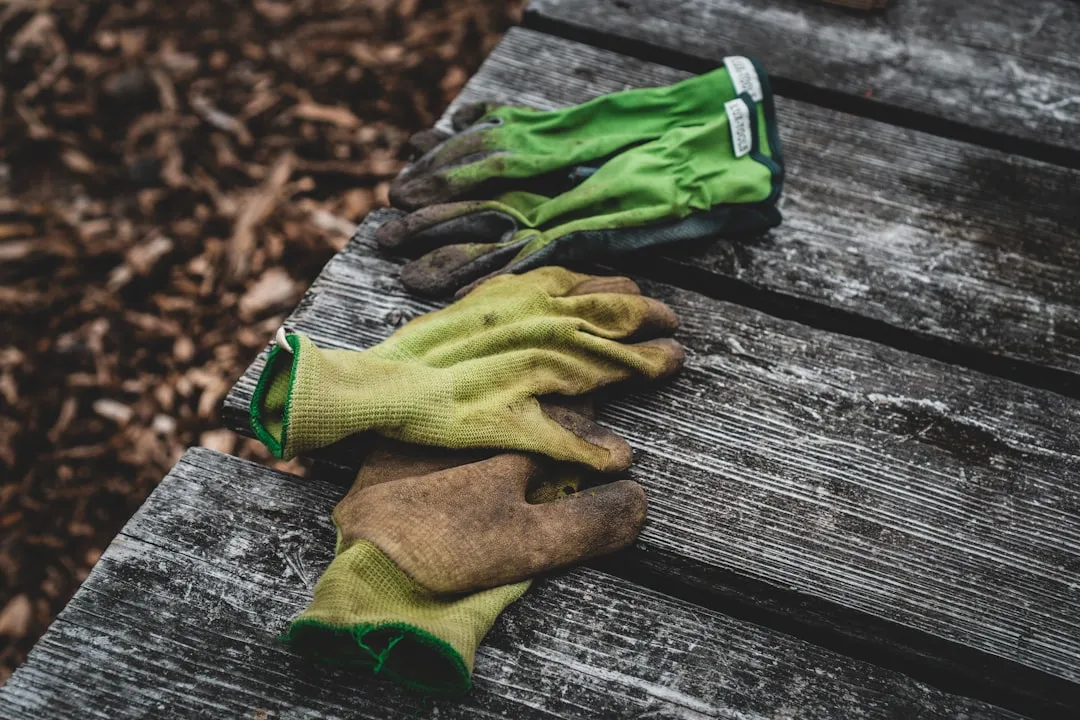
Garden gloves shield hands from thorns, blisters, and harmful substances, while well-fitted pairs provide comfort and prevent injury during extended periods of work. The gloves that come in budget multipacks tend to tear quickly, offer poor grip when wet, and often provide almost no protection against thorns.
Plenty of dedicated gardeners swear by gloves that are lightweight enough for detailed work but tough enough to protect against thorns, damp soil, and rough surfaces. That balance is hard to find at the lower end of the price range. Spending more on a pair that fits snugly and resists moisture tends to last several seasons longer than budget alternatives.
It also matters for physical wellbeing. Being outside among greenery and nature, physically interacting with plants and the environment, and getting a tangible reward from the work have all been shown to have positive effects on mental health, reducing cortisol levels, boosting positivity, and supporting healthier lifestyles. A good pair of gloves keeps you in the garden longer and more comfortably, which is the whole point.
Why Quality Tools Pay Off Over Time
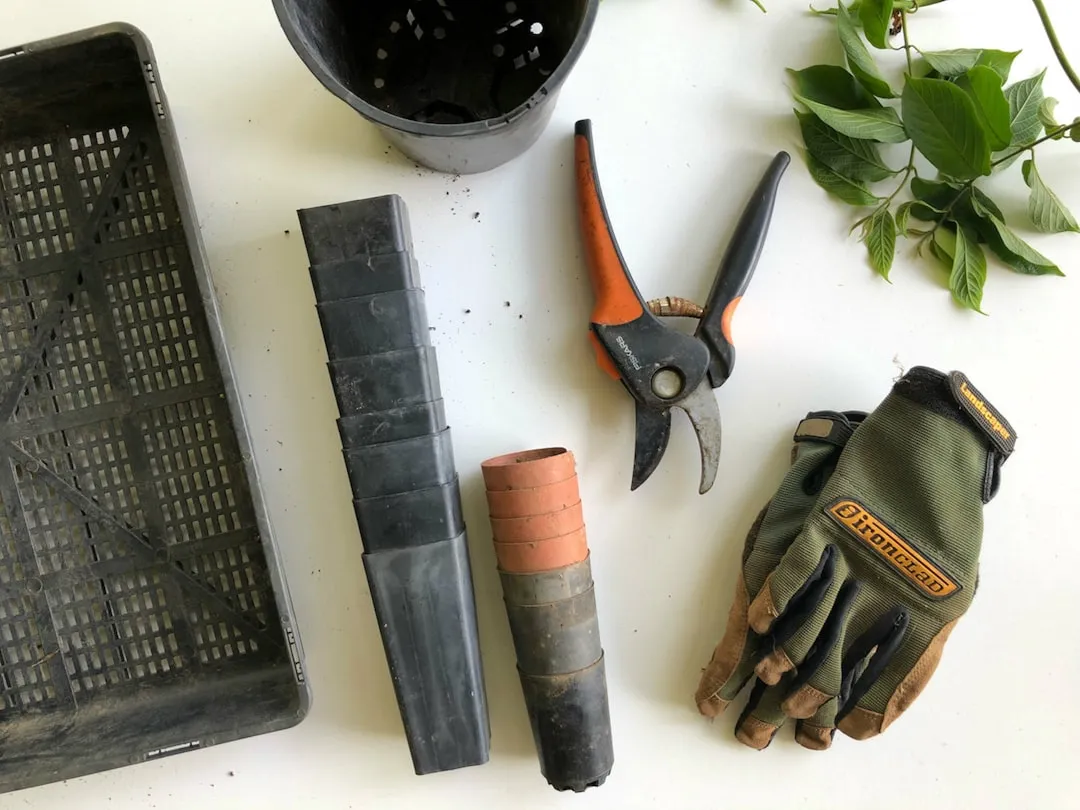
Growth in the global gardening market is supported by factors like growing interest in home gardening and urban farming, increasing awareness of green spaces, the rise of smart gardening technologies, and the widespread DIY gardening culture. More people are gardening than ever, and the bar for what a well-equipped gardener looks like has risen accordingly.
Efficiency is key in gardening, and multi-functional tools have emerged as valuable assets – combining several functions into one, eliminating the need for multiple implements, and saving both space and effort. A quality hori hori, for instance, can replace a trowel, a weeder, and a root cutter in a single blade.
Some of the most trusted names in gardening supplies produce tools that are far more durable than typical alternatives that crack or fail after one season. While the upfront cost may be higher, durable tools break down to excellent long-term value for serious gardeners. The math usually favors the better tool within two or three seasons.
The Generational Shift Toward Better Gear
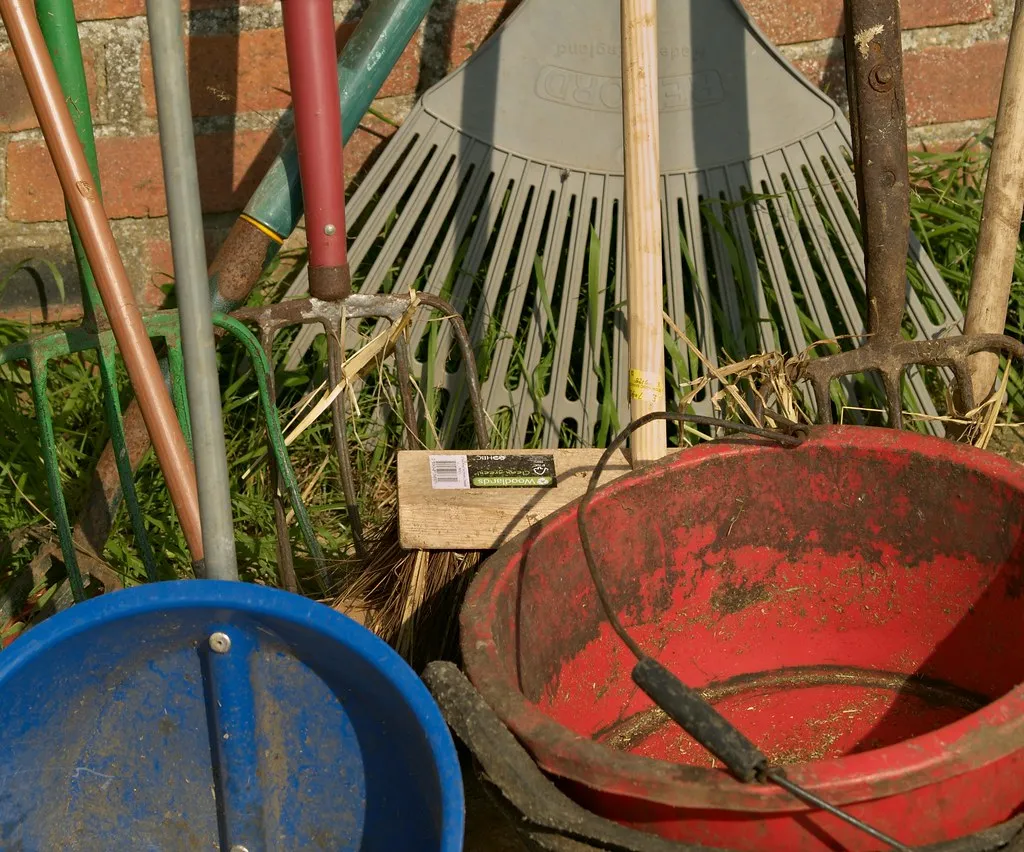
Around nearly two-thirds of Gen Z and close to half of Gen Y reported spending more time gardening in 2024, showing that gardening is no longer limited to older demographics, with younger consumers actively engaging in both indoor and outdoor gardening activities. This younger wave of gardeners tends to research purchases carefully and invest in tools that last.
The growth in home gardening is attributed to increasing numbers of individuals seeking sustainable and self-sufficient lifestyles, reflected in the rising number of households engaging in gardening to relieve stress and beautify outdoor spaces. For this audience, quality tools are part of the lifestyle, not an afterthought.
Recent studies reveal that professional landscaping and well-maintained gardens can boost property resale values by roughly ten to twenty percent, making garden potential a notable factor in real estate decisions. A well-tended garden starts with tools that make maintenance possible and even enjoyable.
Signs You’re Ready to Upgrade
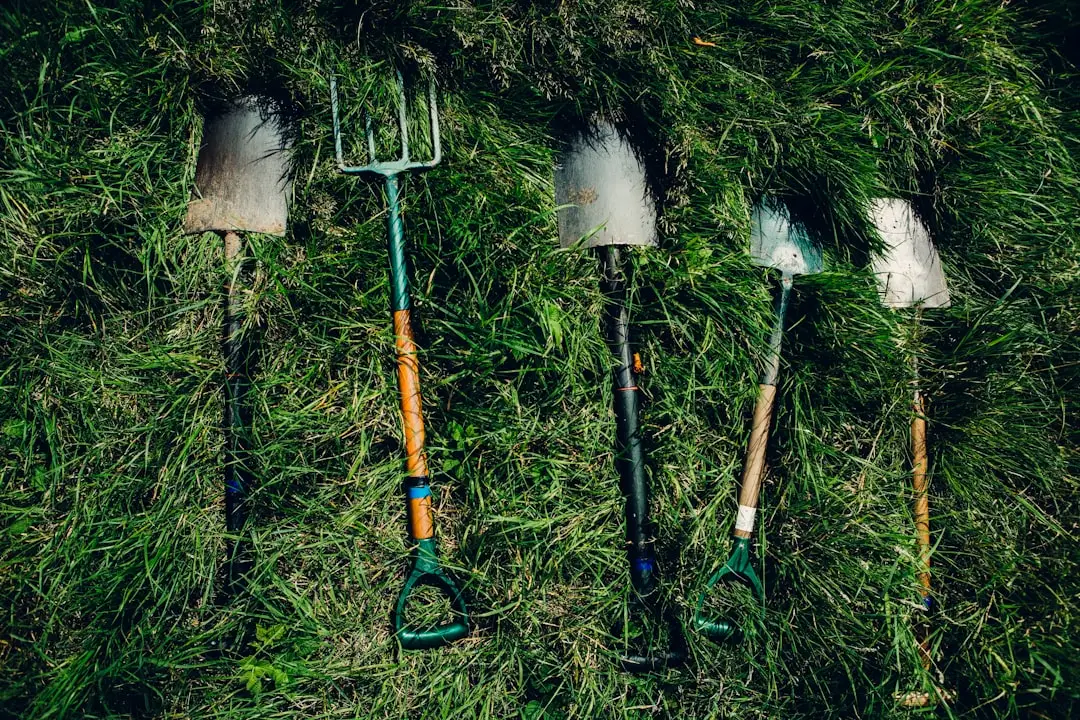
If your current tools have loose handles, blades that flex under moderate pressure, or grips that have become slippery with age, those are clear signals. While quality tools are worth investing in, the approach should be to prioritize essential tools based on actual gardening needs, starting with the basics and gradually expanding the collection as the garden grows or new tasks arise.
Traditional gardening tools were not designed with comfort or posture in mind, with most requiring bending, kneeling, or awkward twisting motions that can aggravate the lower back, knees, and shoulders. Upgrading even one or two tools in your kit to better-engineered alternatives can change how a session feels from start to finish.
Ergonomic tools help prevent long-term joint damage, and multi-tasking tools are worth prioritizing because they serve multiple purposes, reducing the number of implements you need altogether. Both of those principles point in the same direction: invest smartly, not widely.
How to Choose Without Overspending
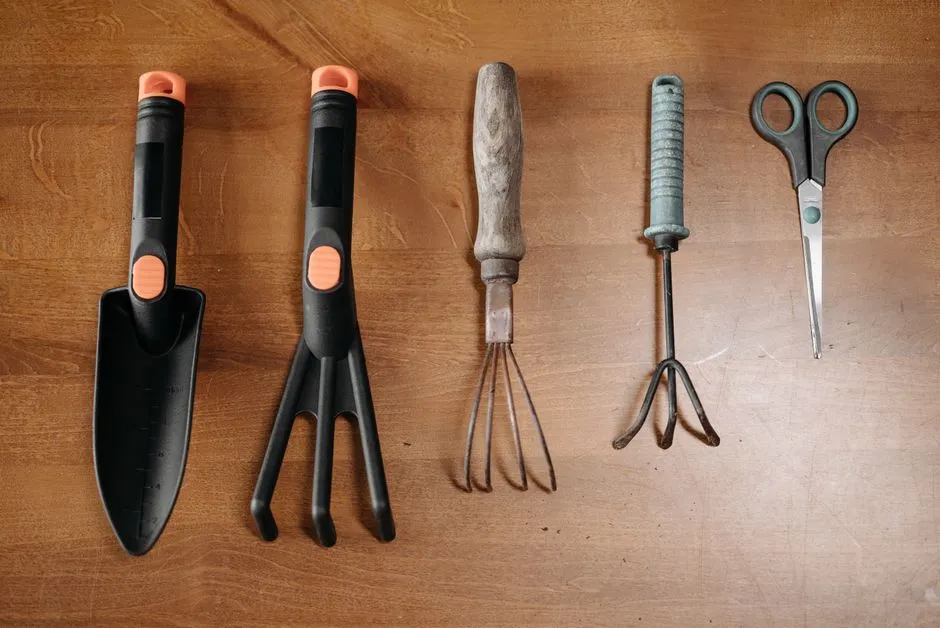
The best gardening tools aren’t always the flashiest or most expensive – gardening trends may change from year to year, but the tools you rely on every week remain constant. The goal isn’t to spend the most. It’s to avoid spending the least.
A useful approach is to identify the two or three tools you use in every single session and upgrade those first. Selecting the right tools depends on your garden’s size, the soil type, and your personal needs, with the ideal balance lying between functionality and ease of use. Spending more on a tool that rarely gets used is a waste; spending more on the ones you touch every week almost always pays off.
Looking for sales, discounts, or bundled deals helps get the best value for the money without compromising on quality. Many reputable brands run seasonal promotions, and well-maintained tools from trusted manufacturers regularly outlast cheaper replacements by years, if not decades.
Conclusion: Spend a Little More Where It Actually Matters
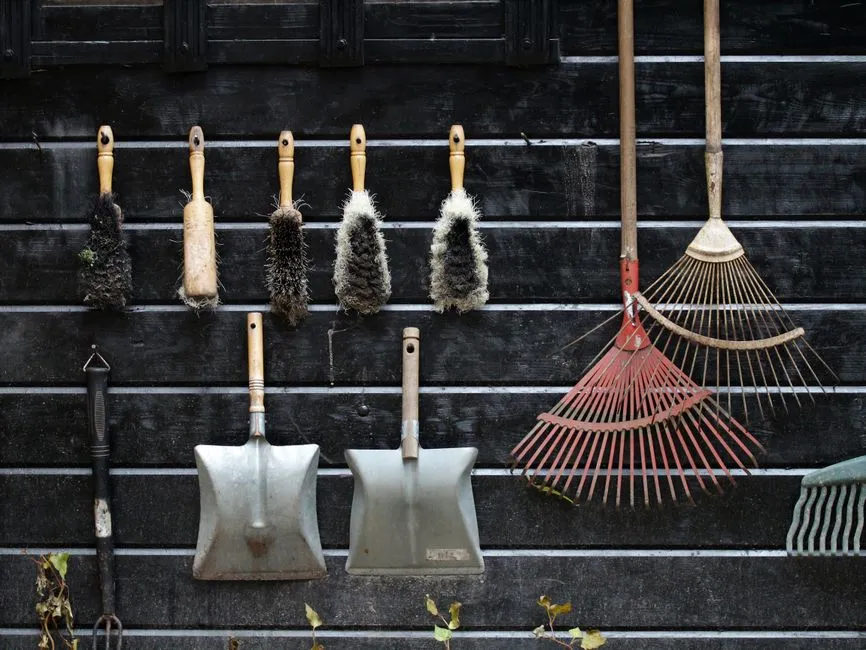
Most gardeners who’ve been at it for a few years arrive at the same quiet conclusion: the tools that survive season after season, that feel good in the hand after an hour’s work, and that do the job cleanly every time were never the cheapest option. The gardening industry is expected to grow steadily through 2030, reflecting consistent demand and the fact that gardening has become a genuine lifestyle choice for millions of people, not simply a weekend pastime.
Gardening demands dedication and patience, but using the right tools can greatly improve the experience and make the entire process more rewarding. The hori hori knife, a quality pair of bypass pruners, a well-forged spade, an ergonomic trowel, and durable gloves are the places where that extra investment is least likely to disappoint.
The best tools don’t make gardening effortless. They make it possible to keep going – season after season, without complaint from your back, your hands, or your shed.
AI Disclaimer: This article was created with the assistance of AI tools and reviewed by a human editor.