

There’s a persistent myth that living more sustainably costs more. In reality, for many households, the opposite is true. A growing body of data from recent years shows that simple green habits, the kind you can start this week, quietly drain less from your wallet every month. The savings aren’t dramatic in isolation, but they compound quickly.
The average American spends roughly $13,894 on energy consumption, water use, vehicle ownership, and single-use products combined. That’s a large target. Hitting even a fraction of it through small behavioral changes adds up to real money. The five habits below are grounded in verifiable research, not wishful thinking.
1. Switch to LED Lighting and Manage Energy Like It Matters

Lighting is one of the easiest and most overlooked places to start. LED lights use at least 75% less energy than incandescent lighting. That difference shows up directly on your monthly bill.
The difference in yearly energy cost between incandescent bulbs and LEDs is about $7 per bulb, so if you replace 10 incandescents, you’ll save about $70 in yearly energy costs. The average home has far more than 10 bulbs.
Unplugging chargers and electronics when not in use, or using smart power strips to cut “phantom load” energy, also helps. According to the Department of Energy, this standby energy accounts for 5 to 10% of residential electricity consumed.
Smart home energy management tools like Sense Energy Monitor or Nest Hub track energy use, optimize appliance settings, and prevent waste, with potential savings of 5 to 15% annually on electricity bills, roughly $100 to $300 per year.
2. Install a Smart Thermostat and Seal Your Home
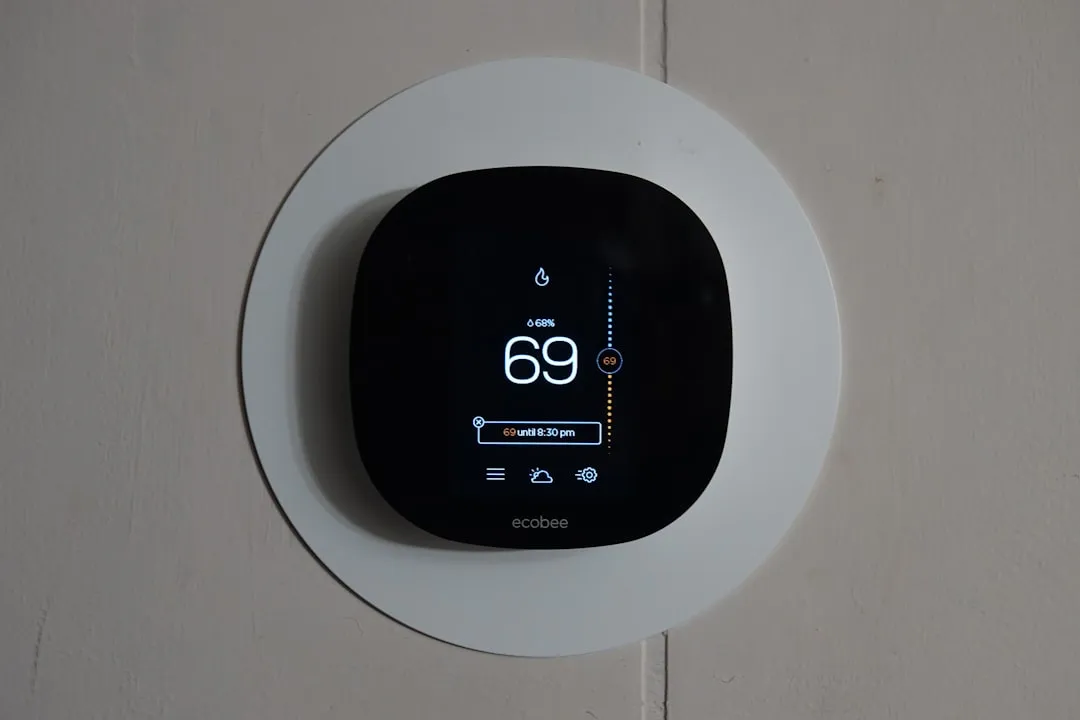
As much as half of all household energy use goes toward heating and cooling. That makes your thermostat one of the highest-leverage tools in your home.
You can reduce your energy bills by roughly $100 after installing a smart thermostat, according to Energy Star. That’s one habit, one device, and one hundred dollars back each year without any ongoing effort.
Sealing gaps around windows and doors with weatherstripping or caulk can prevent heated or cooled air from escaping, which lowers your HVAC workload and improves comfort year-round. It’s a low-cost project that pays dividends every month.
3. Conserve Water With Low-Flow Fixtures and Leak Fixes
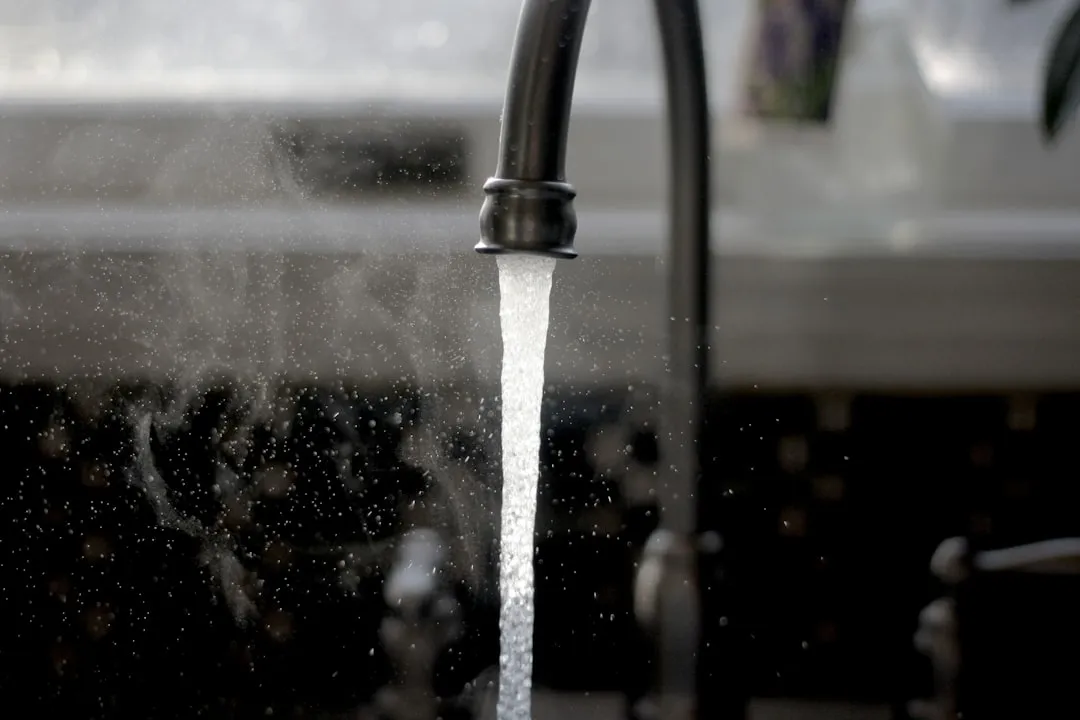
The average family spends $1,300 per year in water costs, but can save $500 from retrofitting with WaterSense labeled fixtures and ENERGY STAR certified appliances. That’s more than $40 back every month.
Replacing old toilets with new models that qualify for the EPA’s WaterSense label could save more than $140 a year on your water bill, according to the EPA. The math on that upgrade works quickly.
On average, household leaks can waste over 10,000 gallons of water annually, often without homeowners realizing it. Common culprits include dripping faucets, running toilets, and leaky pipes. Fixing these issues not only conserves water but can also significantly lower your water bills.
4. Ditch Single-Use Plastics and Switch to Reusables

Single-use products feel cheap per item, but they accumulate into a real ongoing expense. Replacing them once with durable alternatives breaks that cycle entirely.
The average cost of bottled water in the US is currently $1.98. If the average consumer buys 156 disposable plastic bottles a year, switching to a reusable bottle would save $308.88 annually, which is more than $25 per month from just one swap.
One of the most effective ways to reduce waste and save money is by choosing reusable items. Reusable products like cloth bags, glass containers, and water bottles are great alternatives to single-use items that quickly pile up in landfills. By investing in quality, reusable products, you save money in the long run and support a lifestyle that minimizes waste.
While financially you’re investing more upfront for a sustainable good, the cost per use begins to trend downward the more you reuse it. That’s the core logic of this entire habit.
5. Shift Toward a More Plant-Based Diet

Food is one of the biggest household expenses, and it’s also one of the most flexible. Shifting even partially toward plant-based eating has a measurable effect on the grocery bill.
Physicians Committee research published in JAMA Network Open in 2024 showed a low-fat vegan diet cut food costs by 19%, or $1.80 per day, compared with a Standard American Diet. The decrease was mainly attributable to savings of $2.90 per day on meat, 50 cents per day on dairy products, and 50 cents per day on added fats.
One of the most striking findings from recent survey data is that roughly seven in ten U.S. adults say meat is the item they spend the most money on. That’s a significant lever to pull.
Households that switch to plant-based meals can trim food bills by 21 to 34%. Beans, lentils, seasonal produce, and bulk grains typically cost less than meat and dairy, even after factoring in plant-based milks or specialty items. You don’t need to go fully vegan. Even a few meatless nights each week moves the numbers.
The Bigger Picture: What These Habits Add Up To
Taken individually, each habit might seem modest. Together, they stack. LED lighting, a smart thermostat, low-flow fixtures, eliminating bottled water, and reducing meat spending can collectively put well over $100 back in your pocket every month.
There is a myth that living an eco-friendly lifestyle is more expensive. In fact, reducing waste and adopting greener habits actually saves you money if you know how to do it properly. The data consistently supports this.
A recent study found that nearly two thirds of adults want to be eco-friendly but are fearful that increasing costs make their goal impossible. The irony is that many of these habits actively lower costs rather than raise them.
How to Start Without Feeling Overwhelmed

Attempting all five changes at once usually leads to none of them sticking. A more practical approach is to pick the habit that maps most directly to your current spending and start there.
Achieving a sustainable lifestyle on a budget is entirely possible with small, mindful changes that reduce waste and lower costs. By focusing on affordable eco-friendly practices, such as choosing reusable items over single-use, buying secondhand, and conserving energy, you can make a positive environmental impact without overspending.
Start with your electricity bill if it’s high. Start with groceries if food spending feels out of control. The entry point matters less than the follow-through. Once one habit becomes automatic, the next one feels obvious rather than effortful.
The Hidden Bonus: Tax Credits and Rebates

The financial case for eco-friendly home upgrades is also supported by available government incentives, which reduce the upfront cost of changes like smart thermostats or energy-efficient appliances.
If you make qualified energy-efficient improvements to your home, you may qualify for a federal tax credit of up to $3,200. That’s a meaningful offset for households investing in lasting upgrades.
Since 2006, WaterSense partners have helped consumers save 8.7 trillion gallons of water and $207 billion on utility bills. The infrastructure of savings already exists. You just need to plug into it.
Why Transportation Deserves Its Own Mention

Transportation is a less obvious area for eco-friendly savings, but the numbers are hard to ignore. Transportation accounts for 28% of total US greenhouse gas emissions, the largest share of any sector, according to the EPA.
Owning and operating a new vehicle in 2025 costs $12,297 annually when factoring in fuel, insurance, maintenance, and depreciation, according to the American Automobile Association. That breaks down to over $1,000 a month for a single car.
According to the EPA, transportation accounts for approximately 28% of total U.S. greenhouse gas emissions. Reducing your reliance on personal vehicles by using public transport or carpooling decreases your carbon footprint while lowering your fuel costs. Even partial substitution, biking to work twice a week or carpooling, adds up to real savings.
Reducing Food Waste Is Also a Money Issue

Food waste is often framed as an environmental problem. It’s equally a financial one. When food gets thrown out, so does the money spent on it.
Shopping to a list keeps you focused and prevents distraction by offers you won’t use. Keeping to a list ensures you only buy what you will actually use. Knowing what’s in season also helps, since seasonal produce is usually cheaper and has a much lower environmental impact.
Batch cooking, storing food properly, and planning meals around what’s already in the fridge are habits that cost nothing to adopt. They reduce the weekly grocery bill without requiring any product purchases or lifestyle overhauls.
Laundry: The Overlooked Monthly Drain
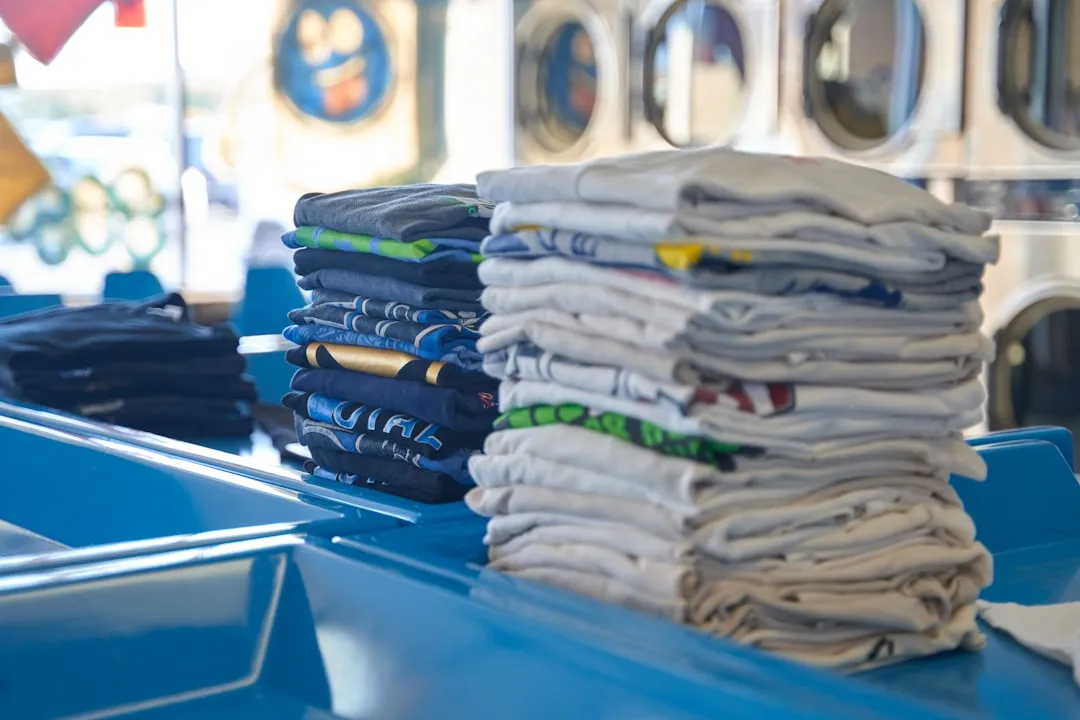
Laundry is a recurring cost most households rarely scrutinize. Small changes here are reliable and consistent.
Laundering with cold water can save you about $66 a year, according to Energy Star. That’s a habit change with zero cost attached to it.
Laundry can be energy-intensive, but high-efficiency washers and dryers cut waste while maintaining performance. Many use moisture sensors to prevent over-drying, which can protect clothes and reduce energy use. Protecting the clothes also means replacing them less often, which is another saving that rarely gets counted.
Air-drying clothes when weather permits costs absolutely nothing and extends the life of fabrics. The combination of cold-water washing, less frequent drying, and a high-efficiency machine can quietly save dozens of dollars each month.
The Bottom Line

None of these habits require a radical lifestyle shift. They require attention to where money quietly disappears, and a willingness to replace old defaults with slightly better ones.
The savings from LED lighting, water-efficient fixtures, a smart thermostat, fewer single-use products, and a more plant-forward grocery cart overlap and reinforce each other. The average American spends roughly $13,894 on energy consumption, water use, vehicle ownership, and single-use products, and by cutting down on energy and water consumption by just 10% each, and replacing single-use home products with reusables, households can see meaningful yearly savings.
The real story isn’t just the money. It’s that the habits which happen to be better for the environment also tend to be the ones that cut out waste, redundancy, and spending on things you didn’t actually need in the first place. That’s a rare kind of alignment worth paying attention to.
AI Disclaimer: This article was created with the assistance of AI tools and reviewed by a human editor.