
What Actually Makes a Dog Apartment-Friendly?
Before diving into specific breeds, it helps to understand what the research actually points to. The best dogs for apartment living are breeds that adapt well to smaller spaces, have moderate energy needs, and don’t bark excessively. Those three factors do most of the heavy lifting when it comes to keeping neighbors happy and dogs genuinely content.
Temperament matters most: look for breeds known for being relaxed and adaptable. High-energy dogs may struggle in apartments without plenty of exercise opportunities, while lower energy breeds can thrive with fewer daily activities. Size is helpful but not the whole story. A calm, quiet medium-sized dog often makes a far better apartment companion than a small, anxious one.
French Bulldog: The Gold Standard of City Dogs
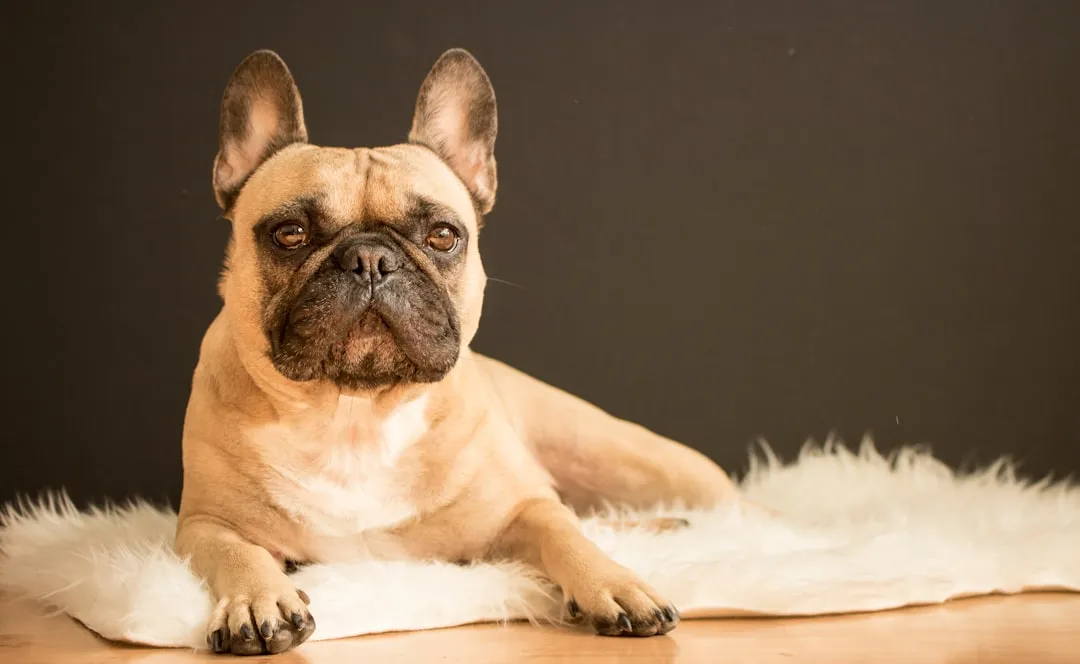
French Bulldogs have low energy, minimal barking, and are perfectly sized for small spaces. Frenchies are content with short walks and indoor play, making them a top choice for apartment living. They don’t need a yard. They don’t need a marathon. They need your company and a comfortable spot on the couch.
Only a few short walks and indoor play sessions can provide them adequate exercise. Frenchies are known for their affectionate temperament and love entertaining their humans with their playful antics. They are generally quiet, so they do not disturb neighbors.
The French Bulldog is widely regarded as one of the most low-maintenance dog breeds due to its minimal grooming needs, quiet demeanor, and low exercise requirements. For renters who work long hours or live in dense urban buildings, that combination is hard to beat.
Cavalier King Charles Spaniel: The Gentle Lap Dog

The fact that Cavalier King Charles Spaniels were bred to be lap dogs makes them one of the best dog breeds for apartment living, but they are also athletic and ready to run when the moment calls for it. That balance is what sets them apart. They’ll follow you from the bedroom to the kitchen and back without complaint.
Supremely sweet and gentle, the Cavalier King Charles Spaniel is one of the best apartment-friendly dog breeds thanks to their sociability, medium energy levels, and ease of training. They’re relatively inactive indoors, but they do enjoy walking. These dogs are exceptionally laidback and gentle, making them great for children.
These dogs don’t shed much, making them perfect apartment dogs. Daily walks at the park will keep them happy, but snuggling in an apartment makes them even more content. Few breeds manage to be both sporty and genuinely relaxed at home quite as naturally as this one.
Bichon Frise: Small, Quiet, and Hypoallergenic
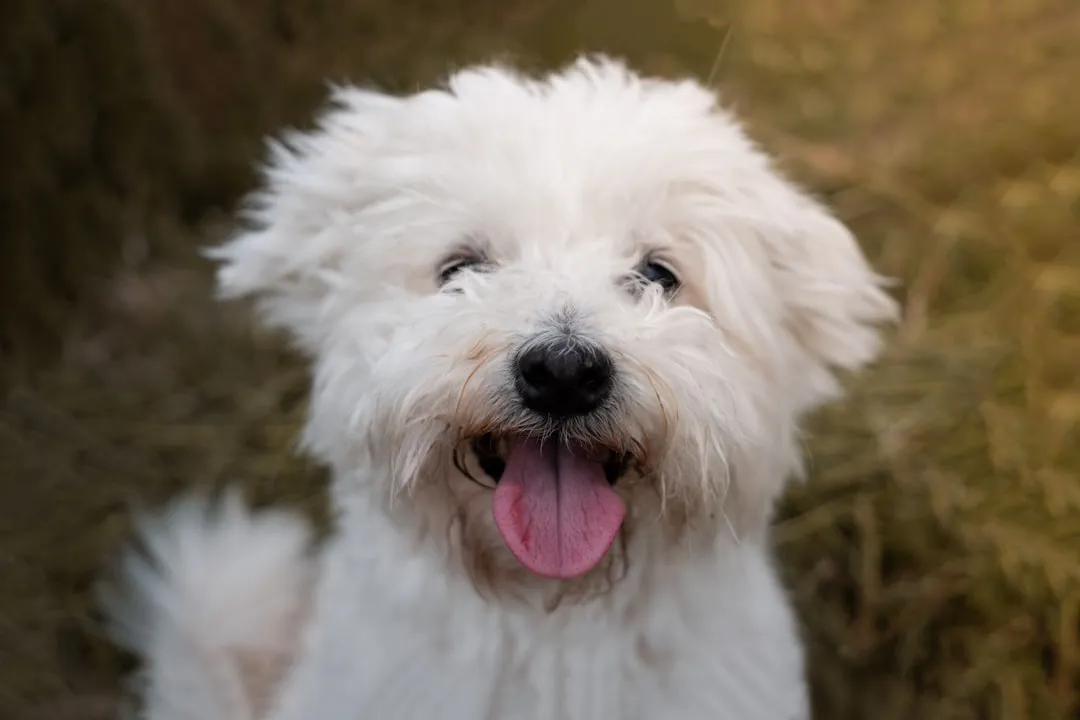
The Bichon Frise is a small dog breed that grows up to 9 to 12 inches tall. It is a very adaptable and friendly breed, and its hypoallergenic coat allows anyone to become a dog owner while lowering the risk of allergy development due to fur gathering in a small space. That last point matters a lot in compact apartments where air circulates differently than in larger homes.
It is a low-energy dog that is very easy to train and does not require extensive exercise. A daily stroll is more than enough to keep it healthy and happy. These intelligent and eager-to-please dogs are highly trainable and tend to stay quiet most of the time, so they will not bother your neighbors.
Bichon Frisés are among the best dogs for apartments due to their size, low shedding, and positive disposition. They get along with other pets, kids, and roommates. One thing to note: they do form strong bonds with their people and can become anxious if left alone for extended periods without stimulation.
Pug: The Laid-Back Charmer
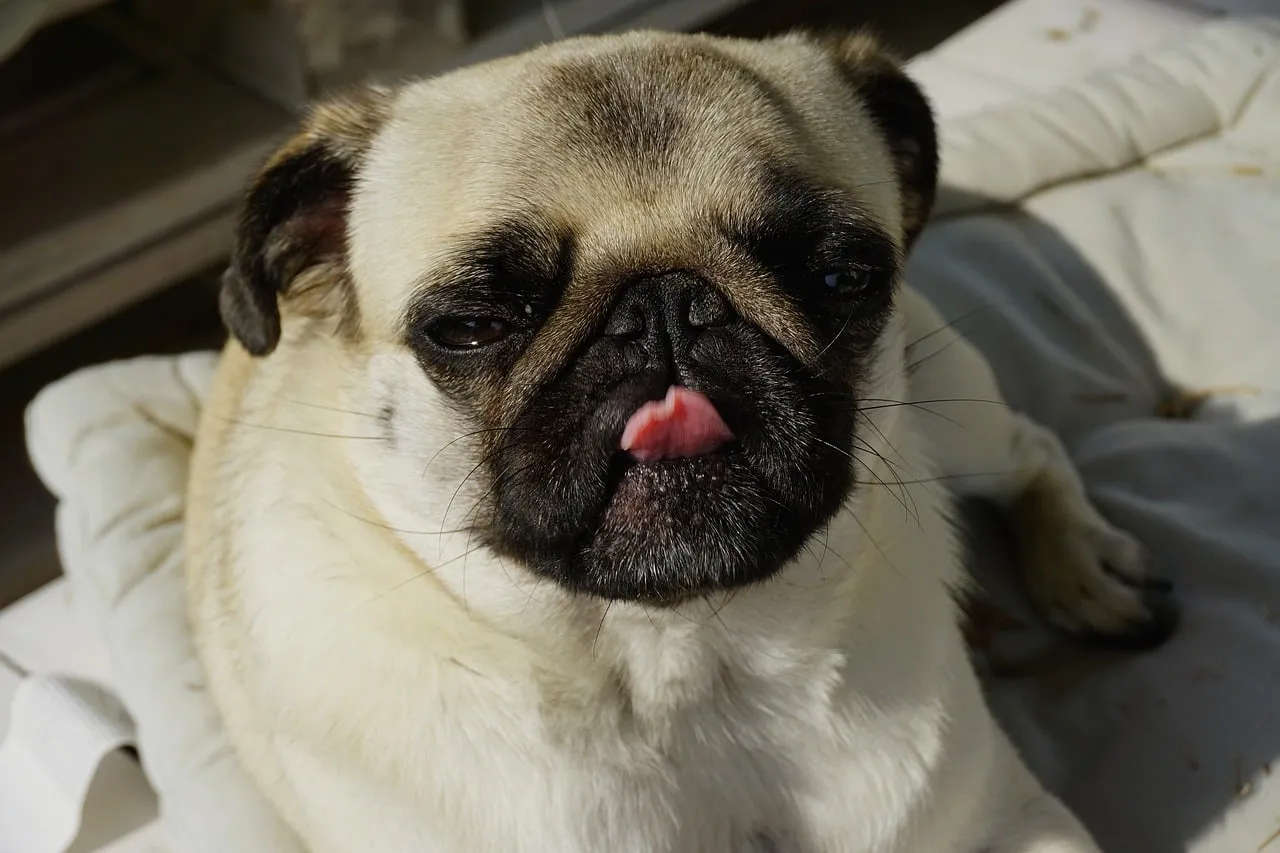
The Pug’s small size, socialness, adaptability, high trainability, and low propensity for barking make them an ideal apartment companion. They’re one of those dogs that seems genuinely unbothered by the sounds, sights, and unpredictability of city life. Sirens? Elevators? Neighbors in the hallway? A Pug takes it all in stride.
Pugs are small dogs with affectionate temperaments who require a lot of attention from their owners. They are not prone to excessive barking and can become the perfect companions in an apartment setting. They are not built for extreme activities, and a daily stroll with some indoor games is more than enough to tire them out.
Minimal grooming needs make Pugs low-maintenance for busy owners. They enjoy playtime but don’t require extensive exercise. Their flat-faced anatomy does mean they can be sensitive to heat, so apartment owners in warmer climates should keep the space well-ventilated during summer months.
Boston Terrier: The “American Gentleman” of Urban Living
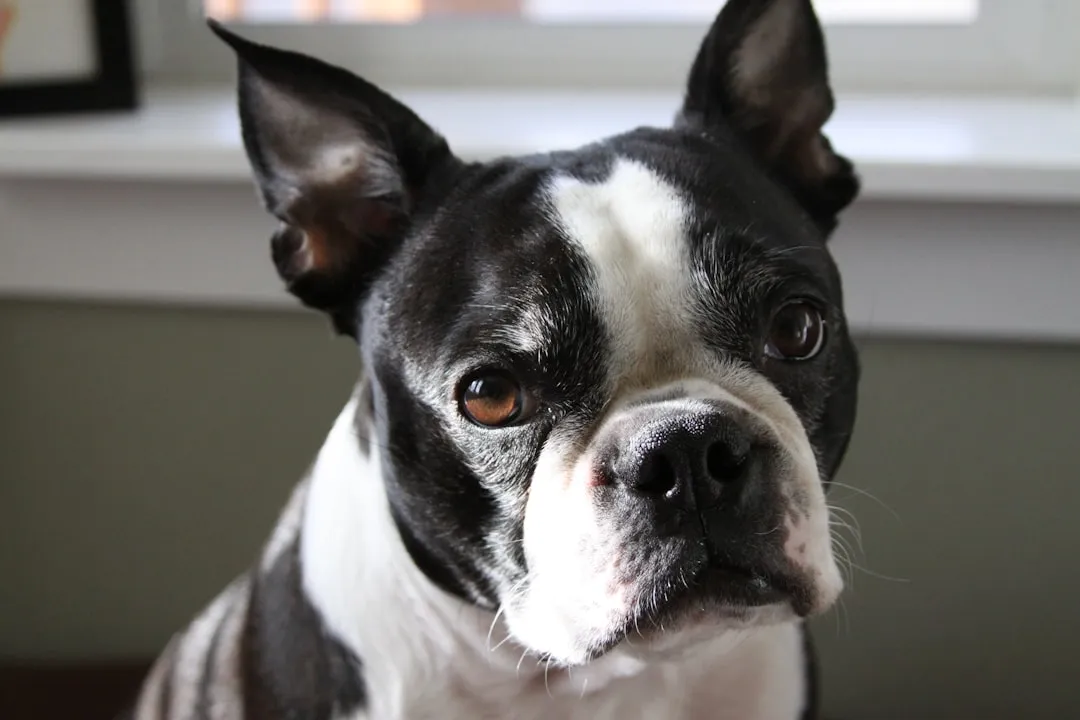
Boston Terriers are intelligent, friendly, and relatively low-maintenance. They have moderate energy levels: they enjoy daily walks and playtime but are also happy to relax at home. They are also known for being relatively quiet, which is beneficial in an apartment setting.
The Boston Terrier is a lovable, incredibly intelligent breed that has been popular for over one hundred years. They are adaptable apartment dwellers with a calm demeanor and don’t require much space to feel at home. Their “American Gentleman” nickname comes from the breed’s distinctive tuxedo markings but also because of the dog’s gentle and proper nature.
The Boston Terrier grows up to 10 to 17 inches tall, prefers indoor habitats, adapts easily, and almost doesn’t shed, making them one of the best dogs for apartment living. They strike a nice balance: active enough to be fun, calm enough to be manageable, and compact enough to fit any apartment layout.
The Urban Dog Ownership Reality
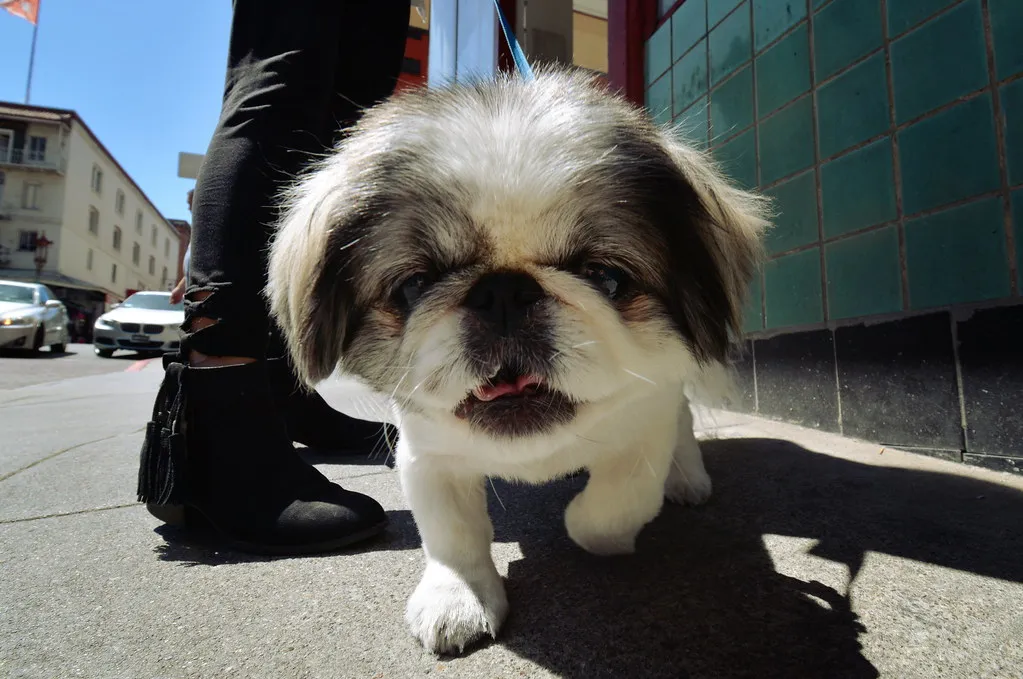
Suburban households own pets at 71 percent, compared to 56 percent for urban households, according to APPA 2024 data. That gap reflects real logistical challenges: smaller spaces, fewer green areas, and building restrictions that many city renters face daily. Still, urban dog ownership is a growing and vibrant reality for millions of people.
Cities with higher rates of single-family home ownership generally have more dogs than dense high-rise metros. A dog in a house with a yard is easier to manage than a dog in a 600-square-foot apartment on the 14th floor. Choosing the right breed is essentially the most important decision an apartment renter can make before bringing a dog home.
Exercise Doesn’t Require a Yard
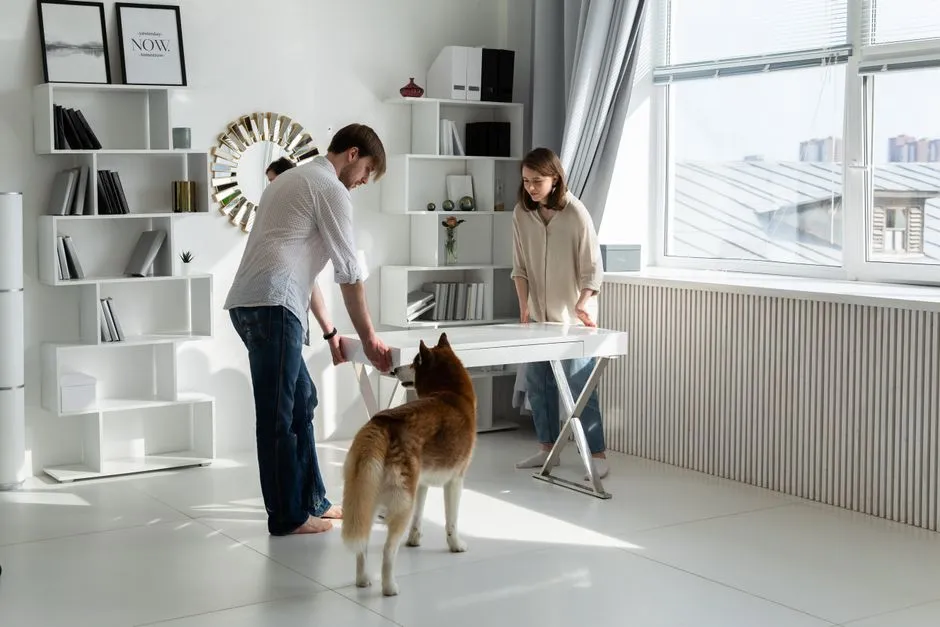
Moderate activity requirements that can be met with daily walks or indoor play are a key trait to look for in an apartment dog. Many of the breeds on this list satisfy their exercise needs with two moderate walks per day plus some indoor interaction. That’s a routine most apartment dwellers can realistically commit to.
Puzzle toys, training sessions, and even simple games of fetch down a hallway all count. Mental stimulation matters as much as physical exercise for keeping smaller dogs satisfied in compact spaces. A bored dog, regardless of breed, is a restless and often noisy one.
Noise, Neighbors, and Shared Walls
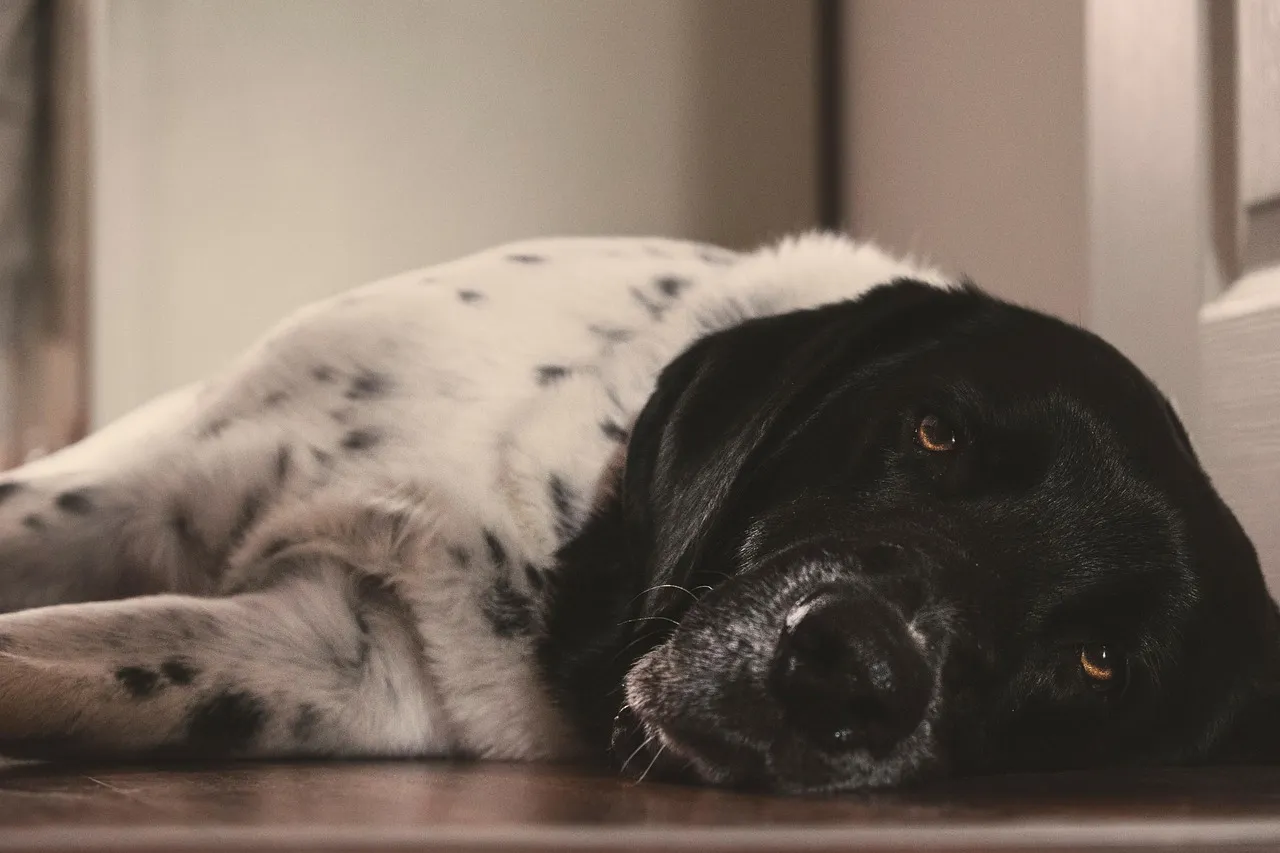
Quiet breeds are best in shared-wall living. This is arguably the most underrated factor when choosing an apartment dog. A breed that barks frequently can strain relationships with neighbors, trigger building complaints, and create real stress for everyone in the unit, including the dog.
Apartment-friendly dogs who are famously quiet include French Bulldogs, Pugs, and the Cavalier King Charles Spaniel. All five breeds on this list score relatively low on barking tendency, which is one of the reasons they appear consistently across expert recommendations from veterinarians and animal behavior researchers alike.
Shedding and Space: A Practical Consideration
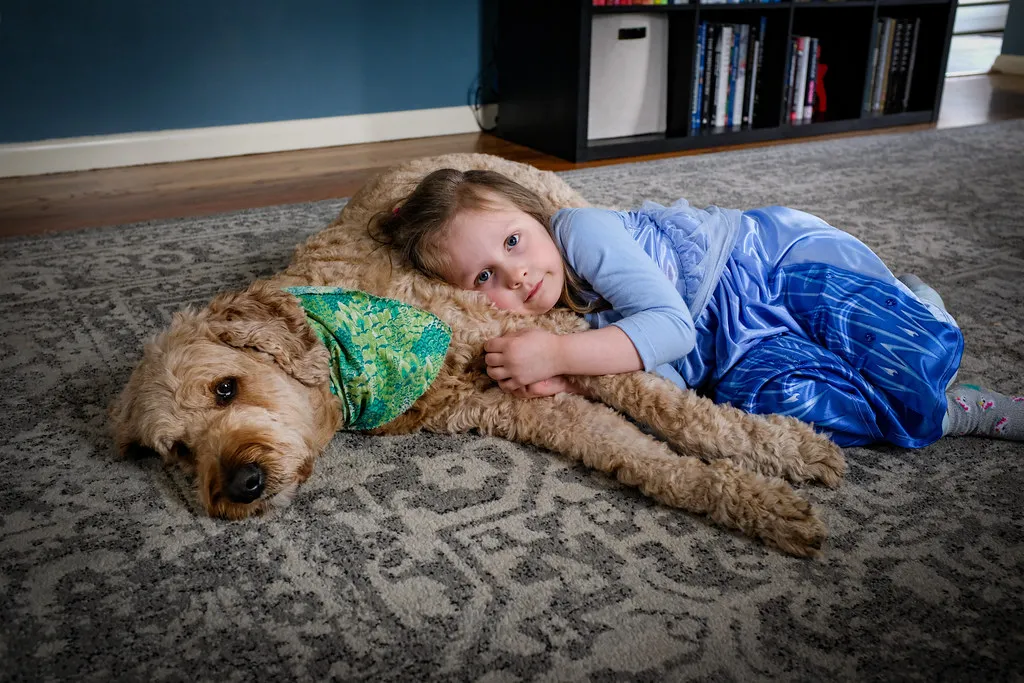
Small-to-medium breeds are easier to manage in tight spaces, and lower-shedding dogs make a particularly noticeable difference in an apartment setting. When there’s less square footage, fur accumulates faster and in more visible ways on furniture, floors, and clothing.
The Bichon Frise stands out here with its hypoallergenic coat. Boston Terriers and French Bulldogs both shed only minimally. Cavalier King Charles Spaniels are mild-mannered, highly affectionate, and don’t shed much, making them a practical choice for apartment life. These practical qualities add up, especially for renters who want to avoid security deposit issues or constant vacuuming.
Tips for Helping Any Apartment Dog Thrive
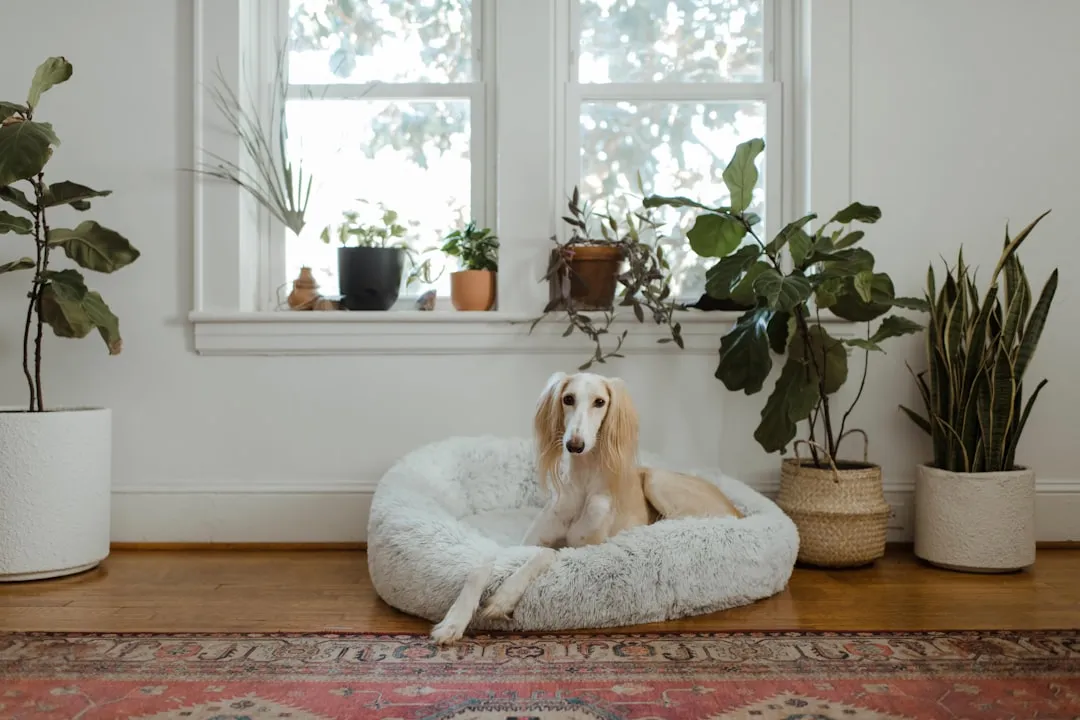
Even the most apartment-suited breed needs the right environment to genuinely flourish. Consistent daily walks, even short ones, give dogs a structured routine and important sensory stimulation. A predictable schedule reduces anxiety more than almost any other single factor in an apartment setting.
Training is equally important. By considering shedding, barking, energy levels, and trainability, you can choose the right dog for your apartment size and lifestyle. The easier a dog is to train, the faster they learn the behaviors that make apartment living comfortable for both owner and neighbors.
Final Thoughts
Apartment living and dog ownership aren’t in conflict, as long as the match is right. The French Bulldog, Cavalier King Charles Spaniel, Bichon Frise, Pug, and Boston Terrier have each earned their reputation through consistent, real-world performance in exactly these conditions. They’re calm, adaptable, relatively quiet, and genuinely happy in smaller spaces.
What they all share is something simpler than any breed profile can fully capture: they thrive on human connection rather than open space. For anyone living in a city apartment and wondering whether dog ownership is realistic, the answer, with the right breed, is a confident yes.
AI Disclaimer: This article was created with the assistance of AI tools and reviewed by a human editor.