

Most of us know that dogs don’t live as long as we’d like them to. Yet some breeds quietly defy those expectations, sticking around for fifteen years or more with the right care. The differences aren’t random. Genetics, body size, and breed history all play meaningful roles in how long a dog actually lives.
A landmark study published in Scientific Reports analyzed data from nearly 585,000 dogs across the United Kingdom and 155 breeds, giving researchers one of the clearest pictures yet of which dogs tend to outlast the rest. That 2024 study, examined by Stacker, looked at nearly 585,000 dogs in the United Kingdom across 155 breeds. The findings are worth knowing before you choose your next companion.
1. Lancashire Heeler: The Longest-Living Purebred on Record

Among the 155 purebred breeds included in the 2024 Scientific Reports dataset, Lancashire Heelers tended to live the longest, with a median life expectancy of 15.4 years. That figure sits well above the dataset’s overall median of roughly 12.5 years, which makes it genuinely remarkable.
One of the most recent breeds to be recognized by the AKC, the Lancashire Heeler joined the club’s ranks in 2024. These short and compact canines were bred in 1600s England as cattle-herding dogs, making them an ideal pet for highly active dog owners.
The most common health problems affecting the breed are eye issues like Collie eye anomaly and primary lens luxation, which rarely affect lifespan. That’s an important distinction: a breed whose typical health concerns don’t cut life short tends to live long and well.
This breed typically weighs no more than 17 pounds and has a short, stout body similar to a Corgi, and the AKC gives them the highest possible scores for affection and how good they are with children and other dogs. For a breed so obscure, the data behind it is surprisingly strong.
2. Tibetan Spaniel: An Ancient Companion Built to Last

Spaniels in name only, these assertive little dogs were bred for companionship in the home, not on the hunt. With an average lifespan of 15.2 years, the Tibetan Spaniel is intelligent and assertive, which makes them popular picks for agility and scent work.
Tibetan Spaniels followed closely at 15.2 years in the large 2024 UK study. Their small, relatively functional build aligns with the population trend toward longer life in smaller dogs.
Tibetan Spaniels are generally healthy but prone to eye problems and patellar luxation, neither of which typically shortens their impressive lifespan. That combination of manageable health risks and solid genetics is exactly what tends to push a breed toward the top of the longevity charts.
3. Chihuahua: Small Dog, Surprisingly Complex Lifespan Data

The Chihuahua is probably the breed most people associate with longevity, and for good reason. The average Chihuahua lifespan is approximately 14 to 16 years, but they have been known to live longer. One of the longest-lived dogs on record was a Chihuahua that lived for 20 years, 265 days.
The research picture is more nuanced than a single number, though. A 2024 UK study found a life expectancy of 11.8 years for the breed compared to an average of 12.7 for purebreds and 12 for crossbreeds. That lower figure reflects population-level data that includes very young dogs and early deaths, rather than the potential of a well-cared-for adult.
As a small-sized toy breed from Mexico, their longevity depends heavily on managing conditions like patellar luxation. Documented long-lived Chihuahuas share common threads: healthy weight, active lifestyle, and consistent veterinary care. Keep those basics in place, and a Chihuahua reaching 16 or beyond is entirely realistic.
4. Shiba Inu: Japan’s Ancient Dog With Modern Staying Power

The Shiba Inu is a medium-sized dog with a median life expectancy of 14.6 years. This ancient Japanese breed is known for its foxlike appearance and confident personality. It’s one of the few medium-sized dogs to appear this high on any longevity list, which makes it stand out.
The Shiba Inu is an ancient breed that originated in Japan, originally bred to hunt birds and small game. Shiba Inus are generally a very healthy and long-living breed. The average life expectancy of a Shiba Inu is 13 to 16 years.
Well-bred Shiba Inus are relatively free from serious health problems, though the breed is predisposed to allergies. Their standing in the 2024 Scientific Reports dataset, at 14.6 years median survival, confirms that this isn’t just reputation. It’s measurable.
5. Toy Poodle: The Smartest Dog That Also Outlives Most Others

Toy Poodles are the smallest of the three Poodle sizes, and therefore the dogs with the longest lifespan among all Poodle varieties. Though small, Toy Poodles have a big personality and an even bigger brain, and are so smart that basic training and complicated tricks can be taught relatively easily.
Toy Poodles have an average lifespan of 15 to 17 years, placing them comfortably among the longest-lived breeds on the planet. That upper range is genuinely rare among dogs of any size, and it’s backed by consistent data across multiple studies.
Despite their extra-long lifespan, Toy Poodles can experience common small-dog health issues like eye problems, dental disease, and luxating patellas, so attentive care matters. Still, the payoff for that attention is remarkable: years of sharp, engaged, joyful companionship that outlasts most predictions.
Why Small Breeds Live Longer: The Biology Behind the Numbers

Without medical intervention, larger dogs generally have shorter lifespans than smaller ones. This pattern holds across nearly all mammals, not just dogs, and researchers have studied it closely for decades.
Size and cephalic index were found to be influential factors, with large brachycephalic breeds exhibiting shorter life expectancies and smaller, mesocephalic breeds experiencing longer lifespans. Additionally, the cephalic index had a more substantial impact on life expectancy compared to body size. In practical terms, flat-faced dogs struggle more with breathing, which compounds over a lifetime.
A 2024 Scientific Reports study analyzed 584,734 dogs in the UK, including 284,734 deaths. Median life expectancy across the dataset was about 12.5 years, with clear differences by body size, head shape, sex and breed. The gap between the shortest-lived and longest-lived breeds in the study was striking.
What Role Does Sex Play in a Dog’s Lifespan?

Across most breeds, female dogs outlive males by a meaningful margin. Female dogs tended to live a little longer than males, with a life expectancy of 12.7 years compared to 12.4. That difference held up consistently across the large 2024 UK dataset.
The pattern is especially visible in Chihuahuas. Statistics consistently show that female Chihuahuas typically live longer than their male counterparts. Specifically, female Chihuahuas generally live one to two years longer than males, with females averaging a lifespan of 14 to 18 years compared to 12 to 18 years for males.
It’s worth noting that this isn’t unique to Chihuahuas. The female advantage in canine longevity is broad and well-documented, though no one has pinned down a single clean explanation. Hormonal differences, behavioral tendencies, and body composition are all thought to play a part.
Purebred vs. Mixed Breed: Does It Matter for Longevity?
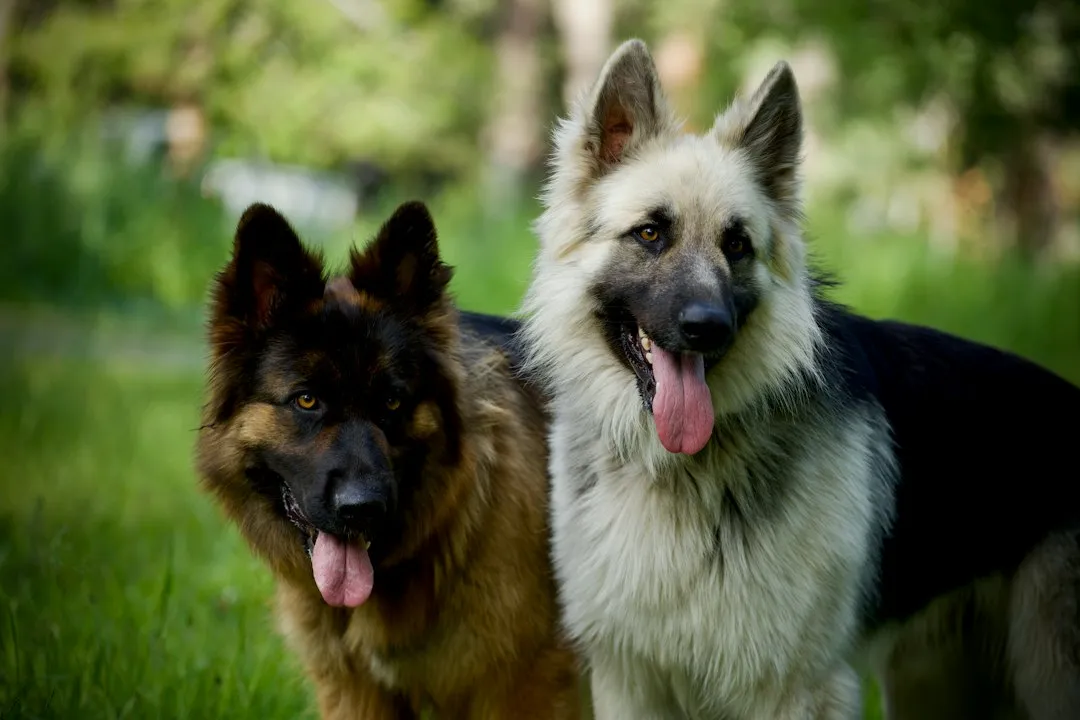
The relationship between pedigree status and lifespan isn’t as simple as it used to seem. The 2024 UK study found that pure breeds lived a little longer than crossbreeds, which was the opposite finding of previous research. That reversal surprised many experts.
This was probably due to the dawning of the “era of the designer breed,” with deliberate crossbreeds such as labradoodles, cockapoos, and pomskies becoming increasingly fashionable. Many of these designer dogs carry health traits inherited from brachycephalic parent breeds, which can reduce lifespan.
The takeaway isn’t that purebreds always outlive mixed breeds, but that the old assumption of automatic hybrid vigor no longer applies cleanly. Responsible breeding practices matter far more than pedigree status alone.
How Veterinary Care Shapes a Dog’s Lifespan

No breed ranking removes the influence of daily care. For those considering buying or adopting a dog, it is important to be aware that some breeds will need more trips to the vet. Regular checkups catch problems early, which is often the difference between a dog that reaches 15 and one that doesn’t.
Documented long-lived Chihuahuas share common threads: healthy weight, active lifestyle, and consistent veterinary care. The same principle applies across every breed on this list. Genetics set a ceiling; daily choices determine whether a dog gets close to it.
Dental care is one area that owners often underestimate. In smaller breeds especially, dental disease can progress quickly and stress other organ systems. Many veterinarians now consider oral health one of the strongest predictors of overall longevity in small dogs.
Reading Lifespan Data Carefully: What the Numbers Actually Mean

Lifespan figures are easy to misread. Some reports report average age at death, others median survival or life expectancy at a particular age. Country, access to care, breed definitions, and the dogs included all affect results. Two studies can look at the same breed and arrive at different numbers without either being wrong.
Breed lifespan tables can inform a decision about what dog to get, but they cannot predict an individual dog’s future. A Lancashire Heeler from poor breeding stock or with limited veterinary access may not outlive a well-cared-for mixed breed. Data describes populations, not individuals.
The 2024 UK dataset, with nearly 585,000 dogs studied, is the most robust source currently available and the one most consistently cited across peer-reviewed outlets. It’s the most reliable benchmark we have right now, though research continues to evolve.
The Takeaway

The five breeds at the top of the longevity charts, Lancashire Heeler, Tibetan Spaniel, Chihuahua, Shiba Inu, and Toy Poodle, share a few things in common. They’re small, they tend to have functional body proportions, and their most common health conditions rarely become fatal ones.
Choosing a long-lived breed gives you a better statistical shot at more years together. Still, the research is consistent on one point: no breed ranking substitutes for good nutrition, regular veterinary care, and the kind of daily attention that keeps any dog healthy well into old age.
In the end, the dog that lives longest in your home may be the one you simply take the best care of.
AI Disclaimer: This article was created with the assistance of AI tools and reviewed by a human editor.