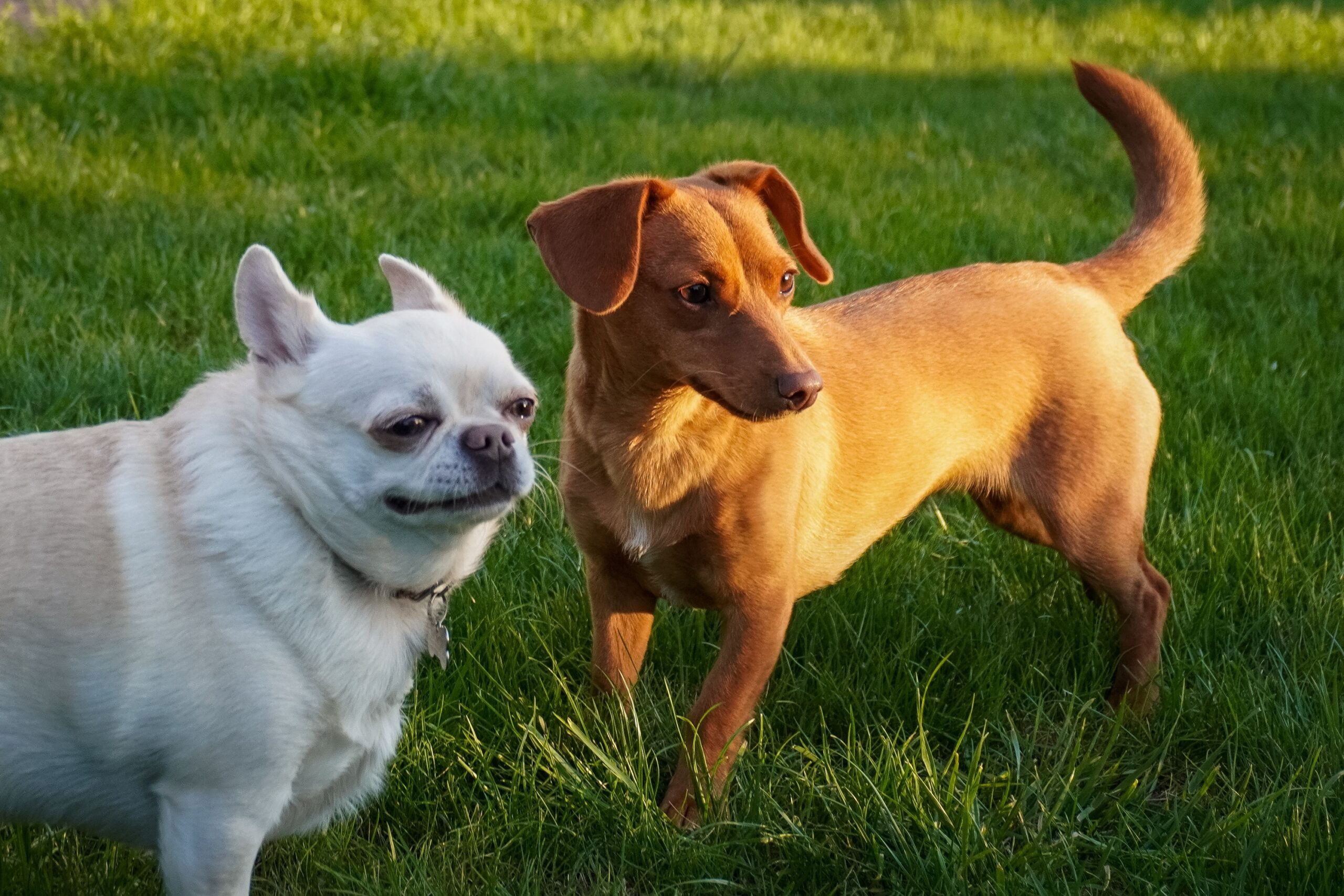

1. Poodle: The Gold Standard of Low Shedding
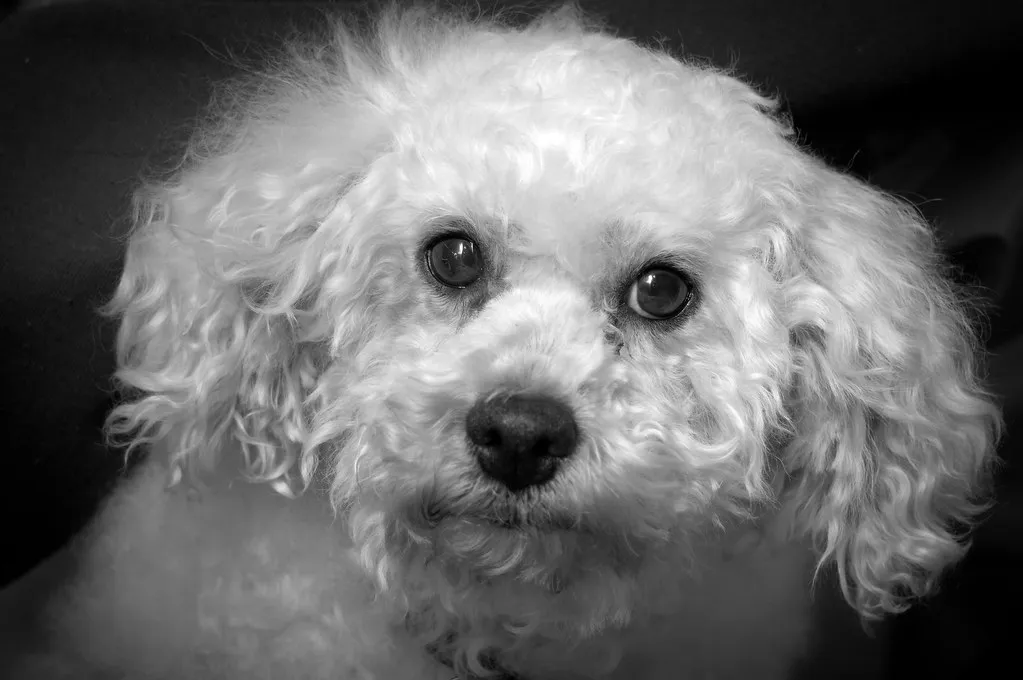
The Poodle has earned its reputation as one of the cleanest breeds to live with. Poodles have dense, curly coats that shed at a lower rate and also trap loose hairs rather than letting them fall off. That’s a meaningful practical difference from breeds whose fur floats freely into the air and settles everywhere.
Poodles have a single coat, meaning they don’t have the double coat consisting of a top coat and an undercoat that many other breeds carry, so they don’t experience the heavy seasonal shedding that comes with that structure. The American Kennel Club rates the Poodle 1 out of 5 for shedding, placing them firmly in the minimal category.
If a pet owner neglects coat care, even low-shedding breeds like Poodles can start to spread dander, so frequent grooming is essential both for the dog’s skin health and for keeping allergens contained. They won’t shed noticeably, but they do need professional clipping every six weeks. The trade-off is very much worth it for owners who prefer cleaner floors over frequent salon trips.
2. Bichon Frise: Barely a Hair Out of Place
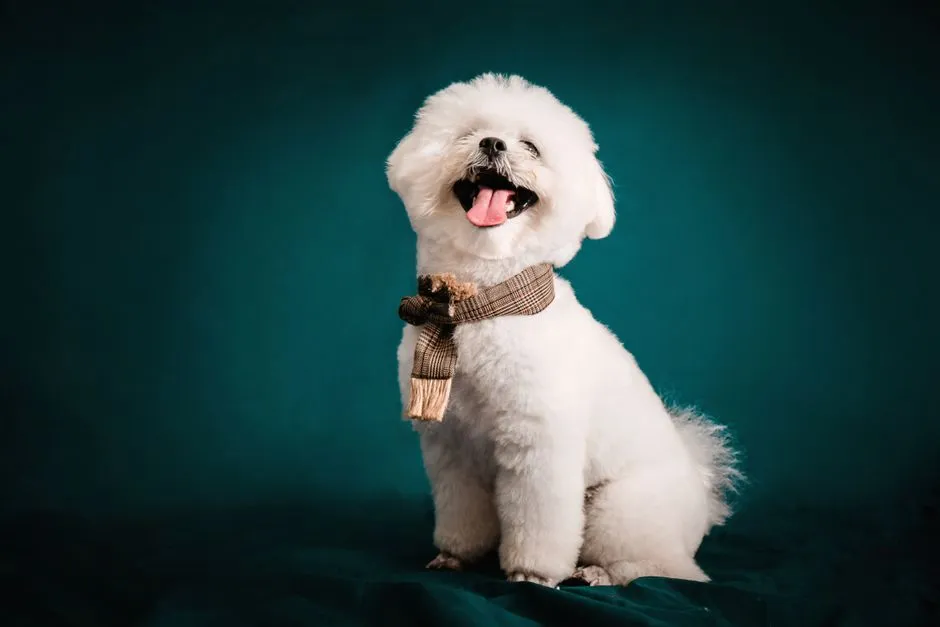
The Bichon Frise is truly a non-shedding small dog breed. Cheerful Bichons need attentive grooming to maintain their crisp white coats, and their hair continuously grows instead of shedding, which means less dander ends up around the home.
These cheerful little dogs have soft, curly coats that don’t shed much, though like Poodles they require frequent brushing and professional grooming to prevent matting. They are an ideal breed for people with allergies, but they are not maintenance-free.
This fluffy, white bundle is celebrated for its playful demeanor and low-allergen coat. There’s a bit of irony here: despite looking like they’d leave a blizzard of white fur everywhere, Bichons are among the tidiest breeds in the house. The continuous hair growth simply needs to be managed with consistent brushing rather than vacuumed off the furniture.
3. Maltese: Ancient Breed, Minimal Mess
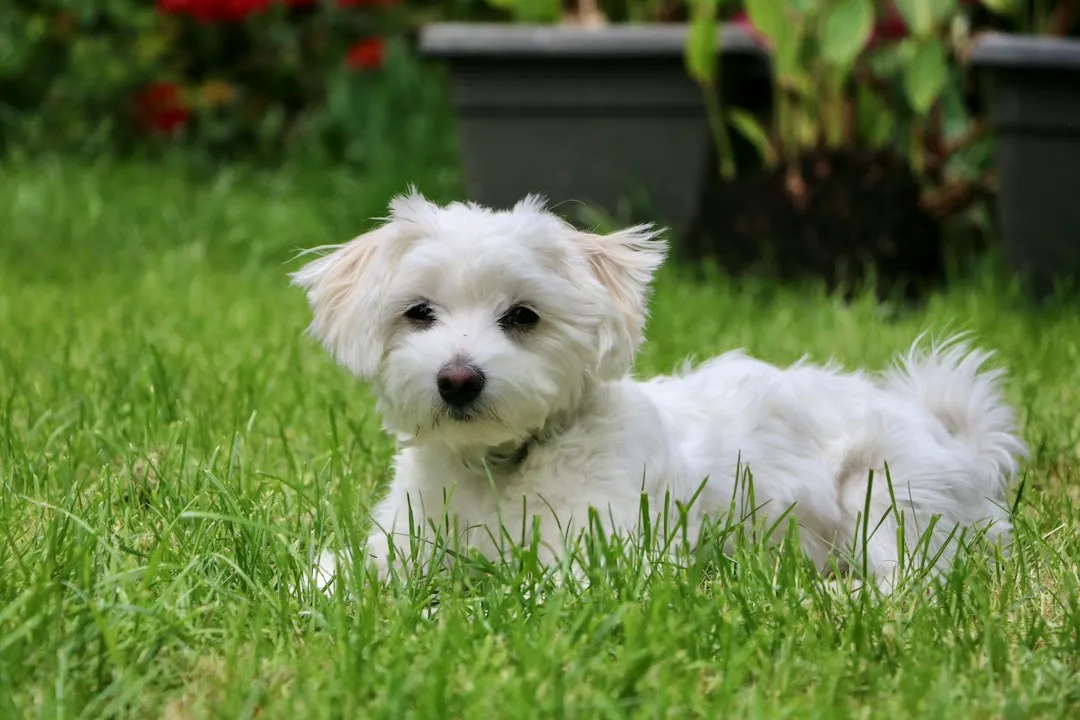
Maltese have charmed their human counterparts for three millennia, and this ancient dog of Malta has not changed much over the past 28 centuries, perhaps in part because their long, white coats shed very little, making them an ideal lap dog.
The Maltese is a small dog known for its long, silky white coat that rarely sheds, and because they have hair instead of fur, they produce less dander and virtually no visible shedding. That distinction between hair and fur is important: hair has a longer growth cycle, which means it stays attached to the dog rather than falling onto your belongings.
This breed has long, silky white hair and no undercoat, and while their shedding is minimal, their coat needs regular brushing to avoid tangles. For those seeking a loving, low-shedding companion, the Maltese offers plenty of affection without leaving much hair behind.
4. Basenji: The Clean, Quiet Minimalist
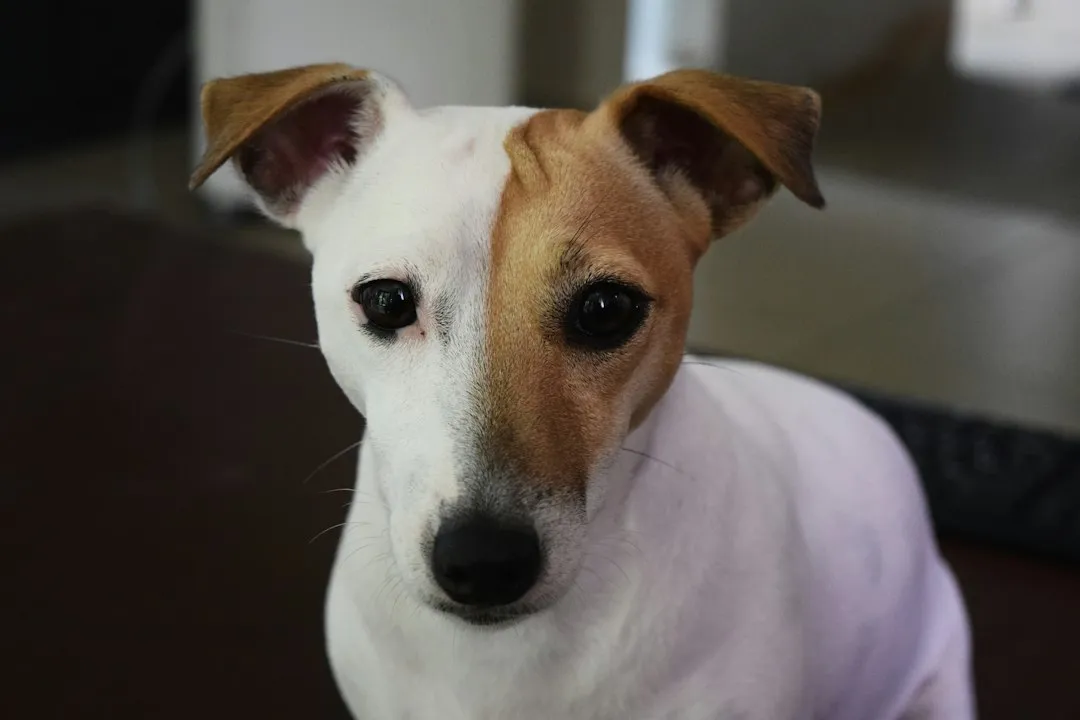
The Basenji is perhaps best known as the cat-like barkless breed that “yodels.” These unique canines are intelligent and possess a high prey drive, and in addition to shedding very little, they have simple, straightforward grooming needs and often lack the typical doggie odor.
The Basenji sheds very minimally, and its short, fine coat requires little care beyond the occasional brushing. Basenjis are also famously quiet, which makes them an ideal dog for apartments, as long as they get daily exercise and playtime.
Known as the “barkless dog,” the Basenji has a short, fine coat that sheds minimally. The Basenji’s naturally tidy habits make them one of the lowest maintenance dogs for owners who want a companion without constant grooming. For anyone who wants a dog that essentially takes care of its own cleanliness, the Basenji comes impressively close to that ideal.
5. Portuguese Water Dog: Athletic and Tidy
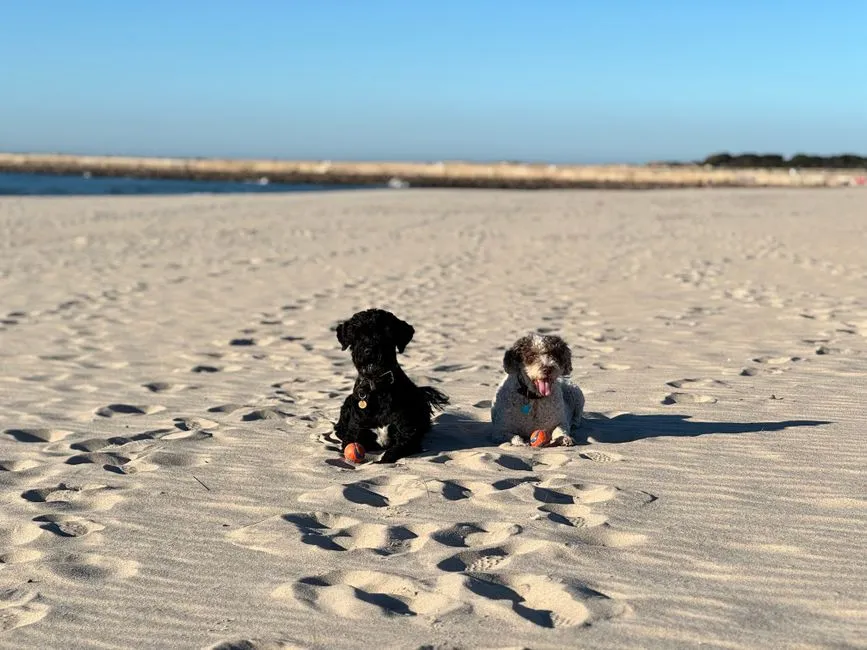
This athletic breed has a dense, water-repellent coat that is either curly or wavy. Related to Poodles, Portuguese Water Dogs are athletic, fun-loving, eager to please, and great family members, and they get high marks for low dander and low shedding.
Originally bred to work alongside fishermen, the Portuguese Water Dog is strong, athletic, and incredibly smart, and their coat, whether curly or wavy, is both waterproof and low shedding, making them one of the most popular non-shedding medium-sized dogs.
Portuguese Water Dogs have low-shedding curly or wavy coats that require routine brushing and haircuts. Both the Standard Poodle and the Portuguese Water Dog score 7.0 out of 10 on independent hypoallergenic scoring measures, with both having low-shedding curly single coats rated 1 out of 5 by the AKC and minimal drool ratings. They’re a genuinely compelling option for active households that want a dog with minimal fur fallout.
What “Low Shedding” Actually Means for Allergy Sufferers
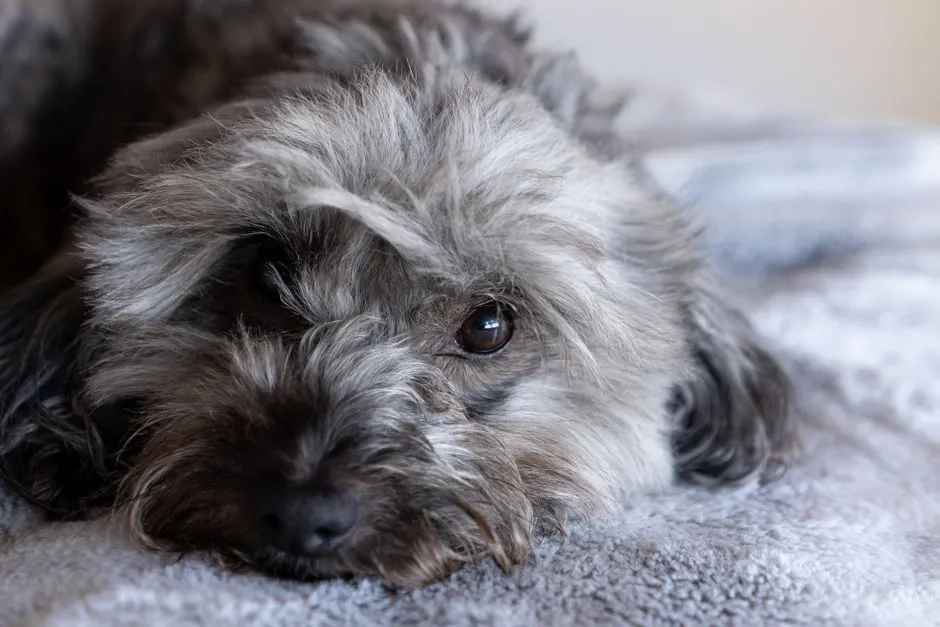
Although some individual dogs may elicit fewer allergy symptoms than others, studies suggest that there is no specific breed, or mix of breeds, that is truly hypoallergenic. This is worth understanding before choosing any dog based primarily on allergy considerations.
A 2012 study found that low-shedding Poodles had some of the highest levels of the allergen protein Can f 1 present in their coat samples, while Labrador Retrievers, often regarded as more likely to trigger allergies, actually had significantly lower allergen levels in some tests. The science here is genuinely counterintuitive.
Low-shedding breeds may work better for some individuals, but results vary from person to person. Scientific research has repeatedly shown that good cleaning practices in the home remove allergens from the environment, which matters just as much as the breed itself.
The Grooming Trade-Off You Should Know About
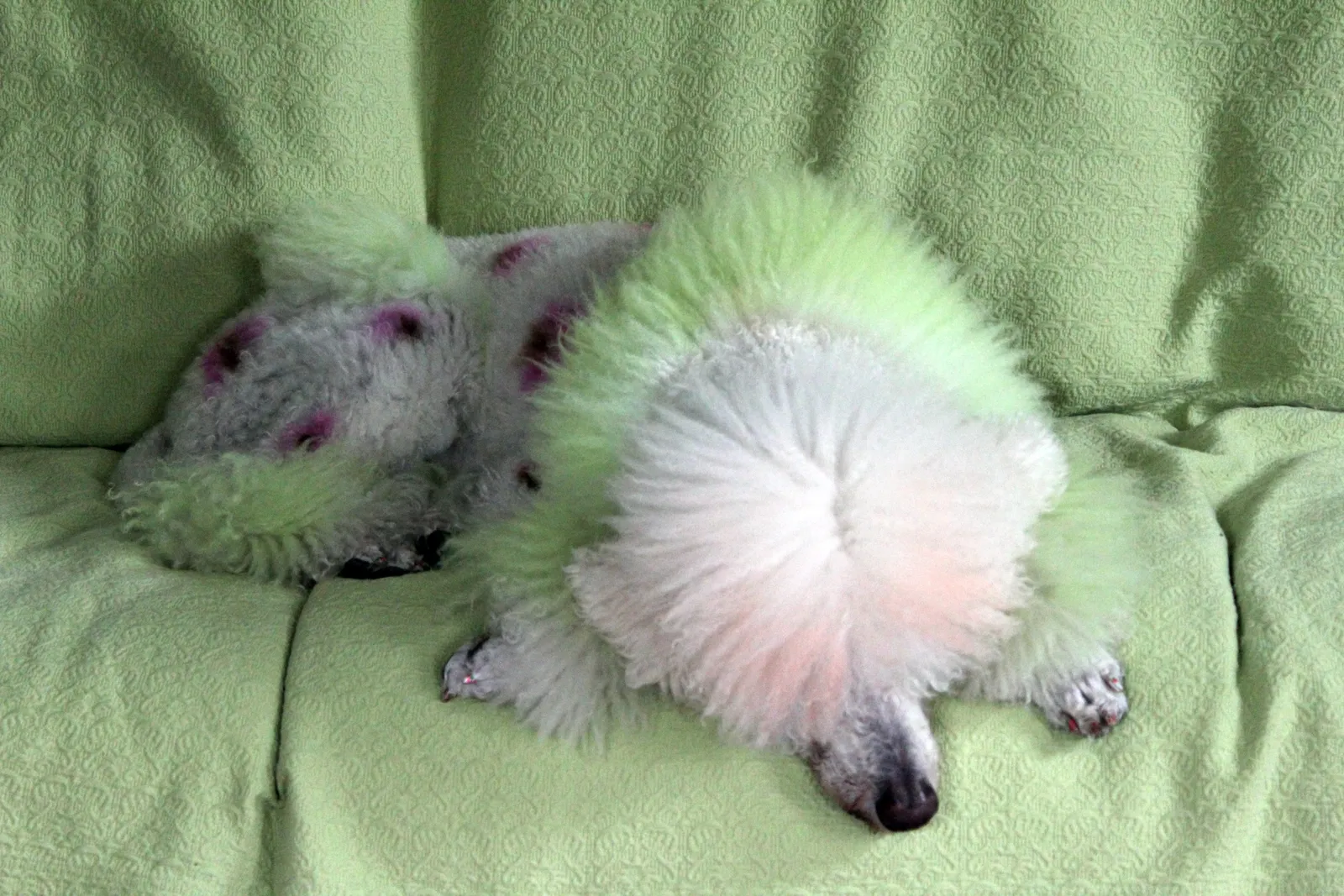
Breeds including Poodles, Shih Tzus, Yorkies, and others shed less, but the trade-off to less shedding is more matting, tangling, and the need for regular grooming. This is the honest reality that sometimes gets glossed over when people search for a “no-maintenance” dog.
These dogs require regular grooming despite not shedding much. Regular grooming can significantly reduce a dog’s shedding even further, so the relationship between grooming and cleanliness goes both ways. The less you groom, the more you may actually start to notice stray hairs.
Even breeds known for minimal shedding may experience seasonal shedding periods. No breed is completely exempt from natural hair loss cycles, though the volume is so much smaller than with heavy shedders that most owners of these five breeds barely notice.
Coat Type Is the Key Factor
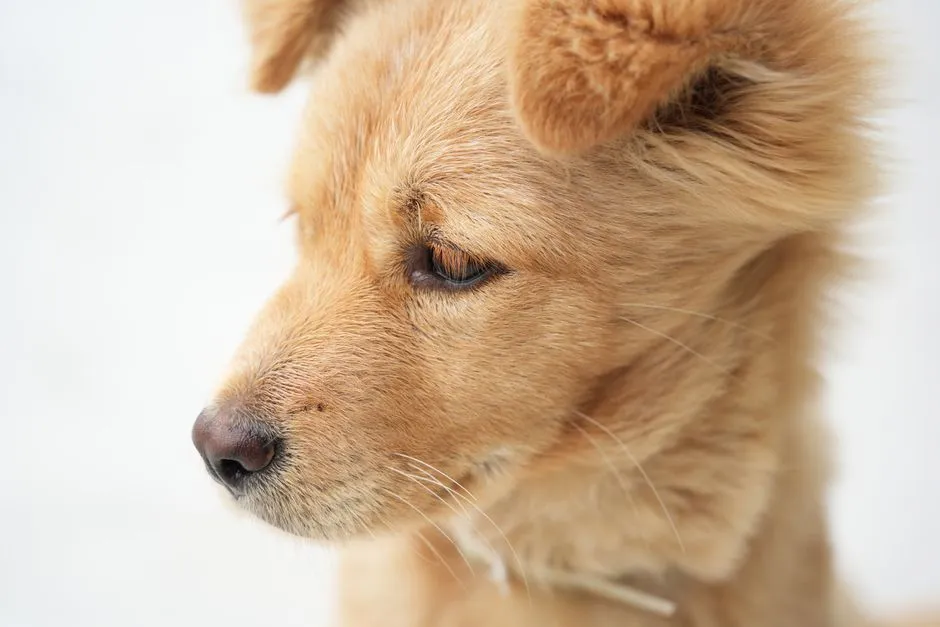
Different coat types play a significant role in shedding: single-coated breeds have one layer of fur and typically shed less than double-coated breeds. Understanding this helps explain why so many of the breeds on this list share that single-coat structure.
Breeds that produce fewer allergens, shed gradually instead of in big seasonal drops, and have dense or curly hair that keeps shedding contained tend to be the best choices for tidiness-focused owners. The curly or wavy texture isn’t just aesthetic. It physically holds loose hairs close to the dog’s body rather than releasing them into the environment.
Breeds selectively bred for minimal shedding often have hair with longer growth cycles. That biological detail is really the foundation of everything. Longer growth cycles mean less frequent turnover of individual hairs, which translates directly to fewer hairs on your sofa.
Grooming Frequency by Breed at a Glance
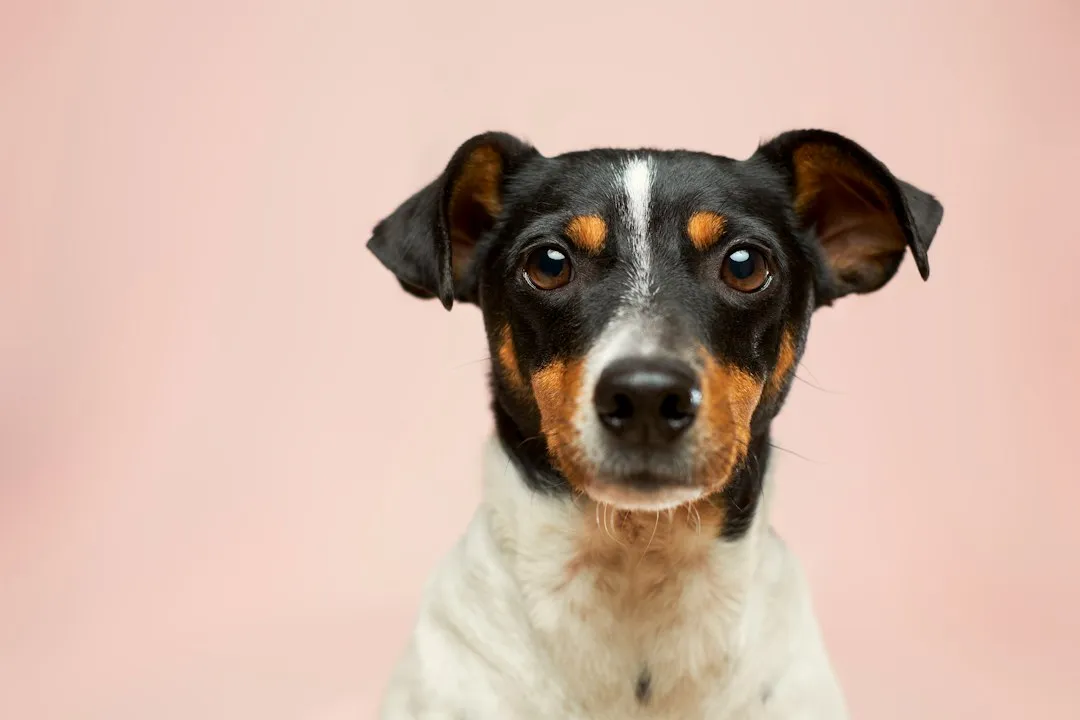
Dogs that don’t shed much but have longer coats generally require grooming and a trim every four to eight weeks, which applies particularly to Poodles, Bichons, and Maltese. The Basenji, by contrast, requires little care beyond the occasional brushing, making it the most hands-off option on this list.
The Portuguese Water Dog and Shih Tzu sit somewhere in the middle. Shih Tzus have low-shedding coats but still need frequent grooming to stay clean and manageable. Portuguese Water Dogs have low-shedding curly or wavy coats that require routine brushing and haircuts. Budgeting for a professional groomer every six to eight weeks is a realistic part of owning most of these breeds.
Are These Breeds Right for Apartment Living?
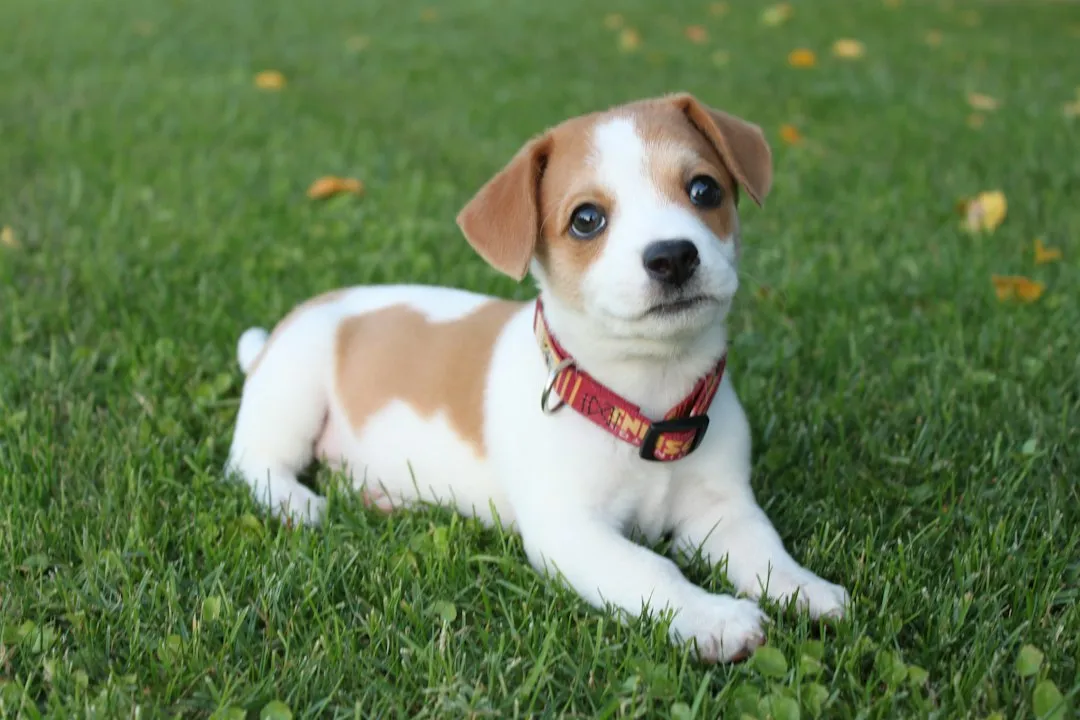
Basenjis are an ideal dog for apartments, as long as they get daily exercise and playtime. The Bichon Frise and Maltese also adapt well to smaller spaces given their compact size and relatively modest exercise needs.
Poodles come in three sizes, Toy, Miniature, and Standard, which makes them unusually versatile. All three Poodle sizes have the same low-shedding coat type, and for most people with moderate allergies, any size works well with proper grooming and home management.
The Portuguese Water Dog is the most energetic of the group and needs more physical activity to stay happy. For active households seeking a lively, low-shedding companion, the Portuguese Water Dog can offer companionship with less loose hair around the house. It’s not a couch dog, but for the right family it’s an outstanding match.
Tips for Reducing Shedding Even Further
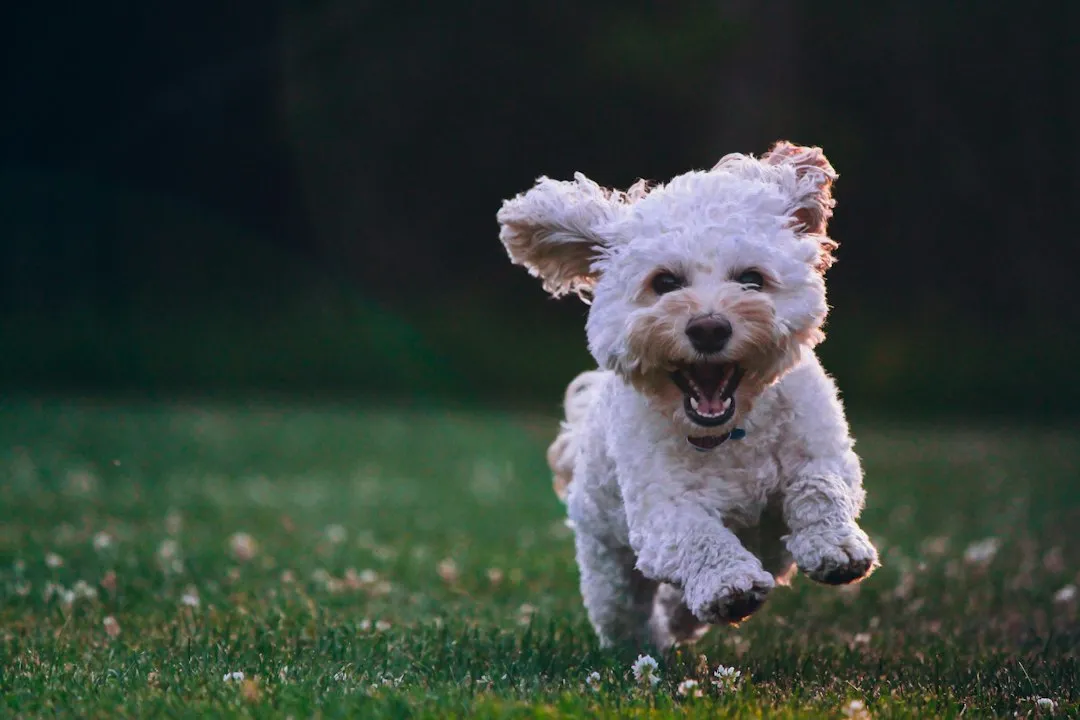
A healthy diet can further reduce shedding, and this applies to low-shedding breeds just as much as heavy shedders. Good nutrition supports skin health, which directly affects how much hair a dog loses between grooming sessions.
The amount of allergen in the environment can be reduced by treatments such as bathing. Good cleaning practices in the home remove allergens from the environment, so regular vacuuming and washing of dog bedding matters regardless of which breed you choose.
Regular grooming is one of the most effective, practical tools for managing allergen exposure at home, not just a cosmetic routine. Even if your dog barely sheds naturally, skipping brushing sessions allows loose hair and dander to accumulate in the coat and eventually work their way into your living space.
Final Thoughts
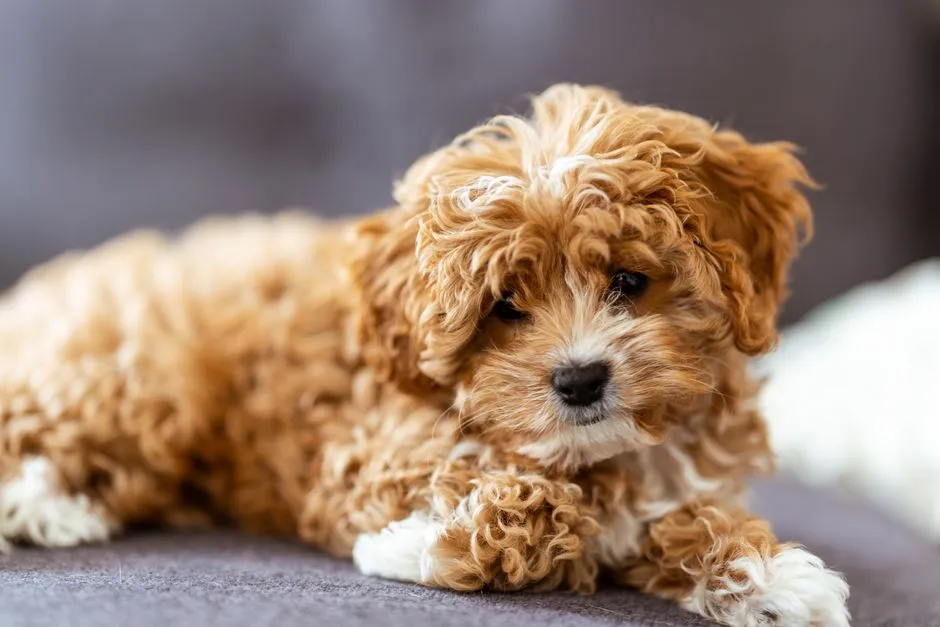
Choosing a low-shedding dog genuinely does make daily life cleaner and more manageable. The five breeds covered here, Poodle, Bichon Frise, Maltese, Basenji, and Portuguese Water Dog, represent some of the most reliably tidy options available, each with its own distinct personality and lifestyle fit.
The honest caveat is that “low shedding” is not the same as “zero effort.” These dogs require regular grooming despite not shedding much, and low-shedding dogs may be a good choice for some allergy-sensitive households, but individual results vary. Meeting a specific dog before committing, especially if allergies are involved, is always a smart step.
What these breeds do offer is a reasonable trade: more time at the groomer, less time with a lint roller. For most owners who’ve chosen one of them, that’s a deal they’d take again without hesitation.
AI Disclaimer: This article was created with the assistance of AI tools and reviewed by a human editor.