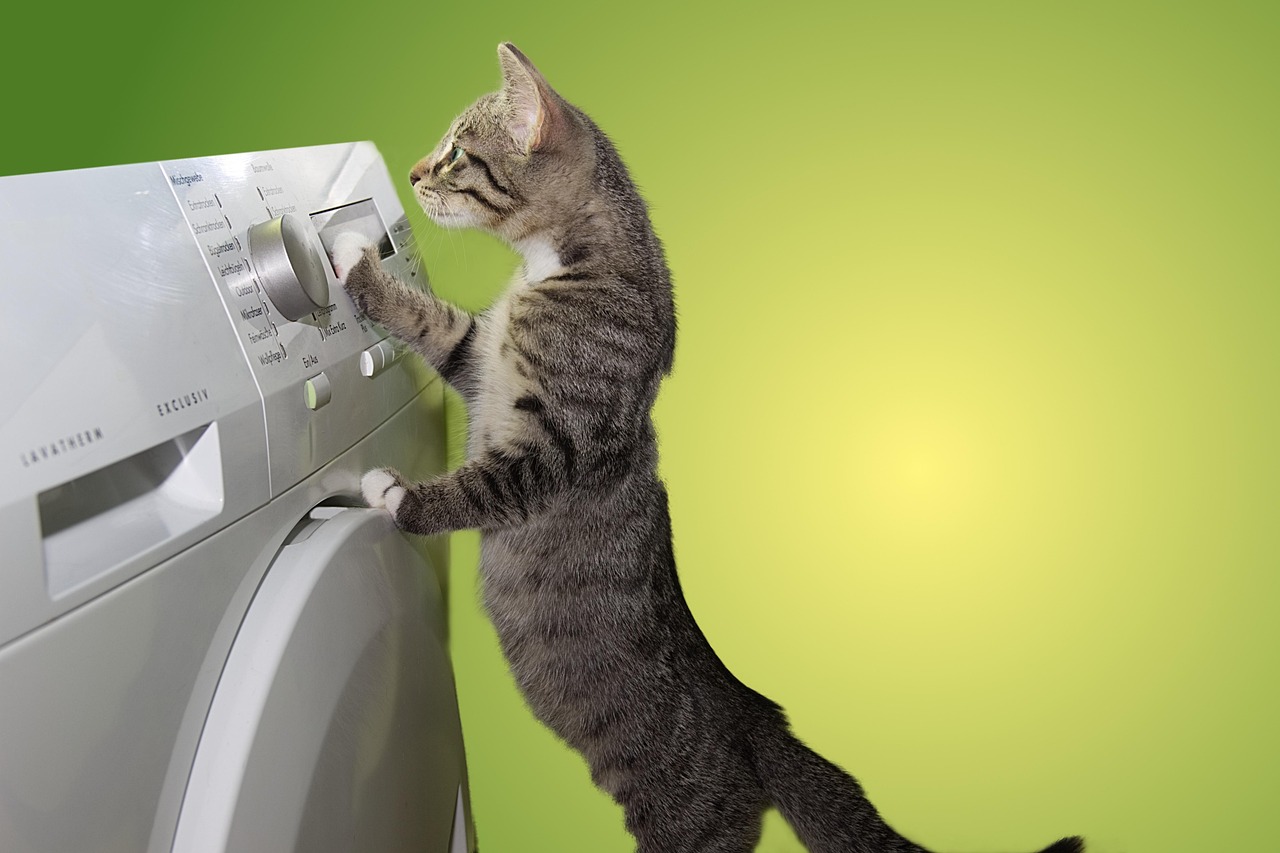

Most pet owners already know to keep chocolate off the counter and toxic plants out of the garden. What gets overlooked far more often are the cleaning products, garage staples, and laundry supplies sitting in plain view every single day. These aren’t rare or exotic hazards. They’re the ordinary chemicals that share a home with millions of pets across the country.
In 2024, the ASPCA Poison Control responded to more than 451,000 calls related to toxic substance, plant, and poison exposures in animals, representing a nearly four percent increase in calls compared to the year prior. A significant portion of those calls traced back to substances people simply didn’t think twice about storing under the sink or in the garage. Knowing which chemicals carry the greatest risk is one of the most practical things a pet owner can do.
1. Bleach and Chlorine-Based Cleaners
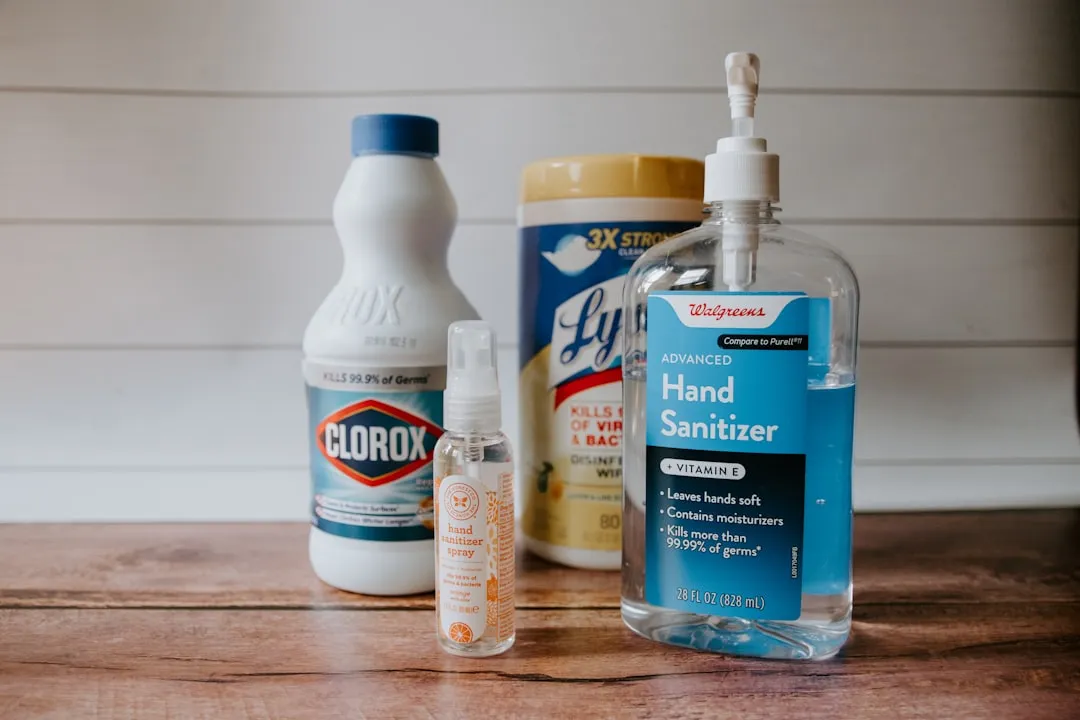
Many common household cleaning products contain chemicals that can seriously harm pets if licked, inhaled, ingested, or absorbed through the skin, and according to the ASPCA Animal Poison Control Center, 8.3% of pet poison calls involve household cleaning products. Bleach is one of the most frequent culprits in that category.
Exposure to undiluted chlorine bleach can result in gastrointestinal, dermal, and ocular irritation or ulceration as well as substantial respiratory irritation. If pets get hold of bleach-based products, they can experience stomach upset, drooling, vomiting, diarrhea, severe burns if swallowed, and respiratory tract irritation if inhaled in high enough concentration.
Bleach combined with an acidic cleaner is particularly dangerous, as it can create hypochlorous acid and chlorine gas, which is toxic if inhaled and can cause inflammation and irritation of the mouth, throat, and gastrointestinal tract. Dogs and cats who walk close to surfaces, lick their paws, or explore cleaning containers are especially vulnerable.
2. Ammonia-Based Products

Ammonia may appear in the ingredient list of drain cleaners, floor waxes, oven cleaners, and even window cleaners because it is an excellent sanitation agent. That same cleaning power makes it genuinely harmful to animals who encounter it unexpectedly.
Ammonia can cause damage to the eyes and skin if touched, to the lungs if inhaled, and to the digestive tract if ingested. Alkaline cleaning products that include ammonium hydroxide, such as household ammonia found in drain openers and similar products, can penetrate deeply into the tissues on contact and cause significant damage.
Unlike acidic products, pain from alkaline exposure is not immediate, so signs of an issue may not be obvious initially. Clinical signs of alkaline product ingestion include drooling, refusal to eat, fever, oral redness and ulcers, trouble swallowing, vomiting, belly pain, and dark tarry stools. That delayed reaction is part of what makes ammonia-based products so deceptive.
3. Laundry Detergent Pods and Fabric Softeners
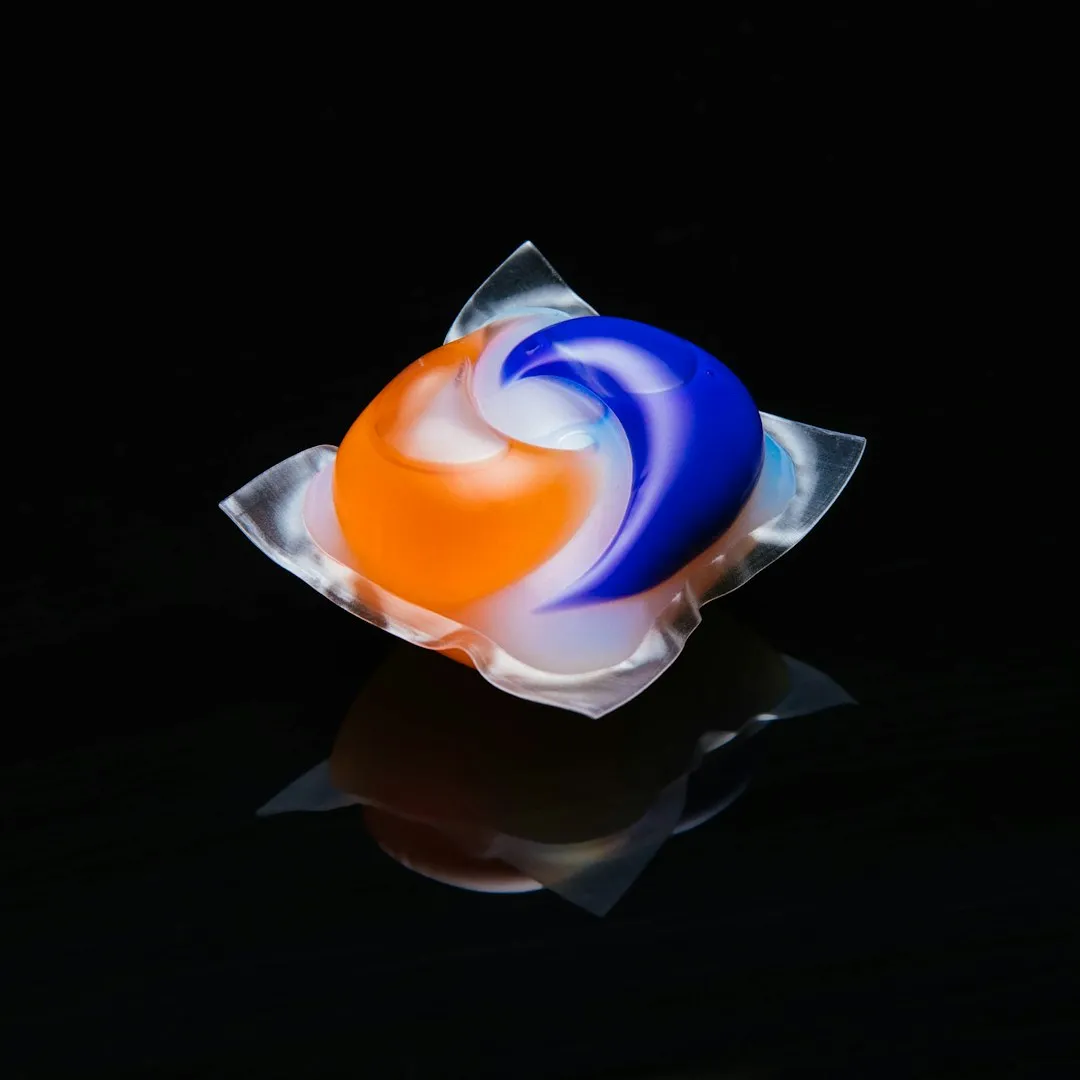
Products such as laundry detergent, softener, bleach, and dryer sheets all have the potential to cause significant irritation to a pet’s skin, eyes, oral, respiratory, and gastrointestinal tracts, and some products may also have the potential to cause corrosive injury to these physiological systems.
Laundry detergent is corrosive and can be deadly in small amounts, with a single detergent pod potentially enough to trigger toxicity signs including vomiting, lethargy, and in severe cases aspiration pneumonitis, where fluid accumulates in the lungs after something toxic is inhaled or ingested.
Laundry pods can also be harmful in more than one way. In addition to having gastrointestinal irritant potential, the fluid inside them is under pressure, and when bitten into, the contents often burst with force into the pet’s mouth, which can cause inhalation or aspiration to occur. Fabric softener sheets coated in cationic detergents can cause mucous membrane damage, mouth ulcers, and lung problems depending on the chemicals used and the quantity consumed.
4. Antifreeze (Ethylene Glycol)
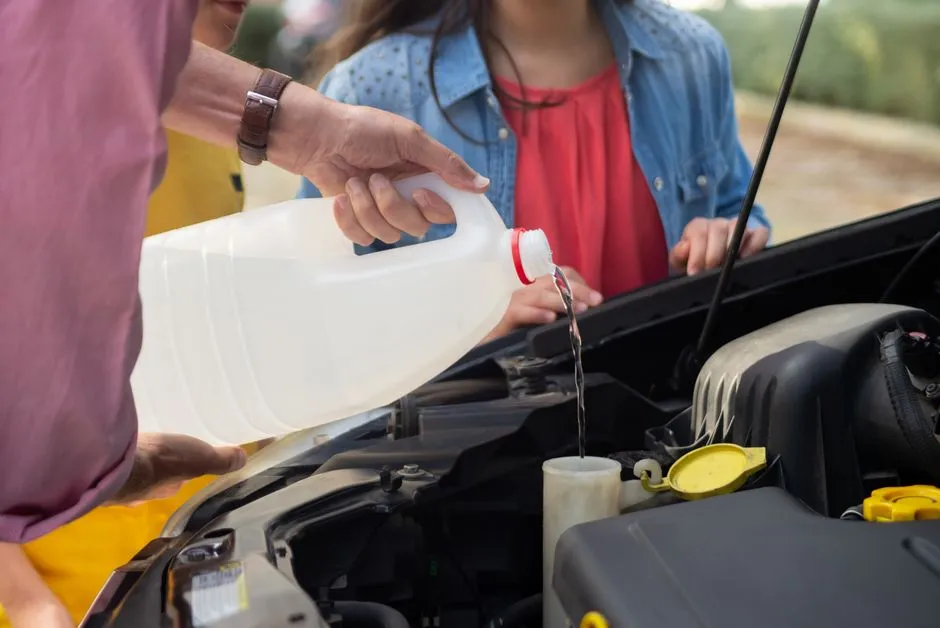
Ethylene glycol, found in antifreeze and some windshield de-icing products, is highly toxic to pets, causing kidney failure and death if ingested. What makes this chemical especially dangerous is that it doesn’t smell or taste threatening to animals.
Antifreeze is highly poisonous when ingested, even in microscopic quantities, and it is sweet-tasting and odorless. That sweetness actively attracts dogs and cats, which means a small puddle on a garage floor or driveway can turn into a life-threatening situation very quickly.
If antifreeze is kept in a garage, it should be stored so it is inaccessible to pets, and if ingestion of even a tiny amount is suspected, the animal should be taken to a veterinarian immediately, as antifreeze ingestion can cause kidney failure and be lethal. Speed of treatment is everything with ethylene glycol exposure.
5. Rodenticides (Rat and Mouse Poison)
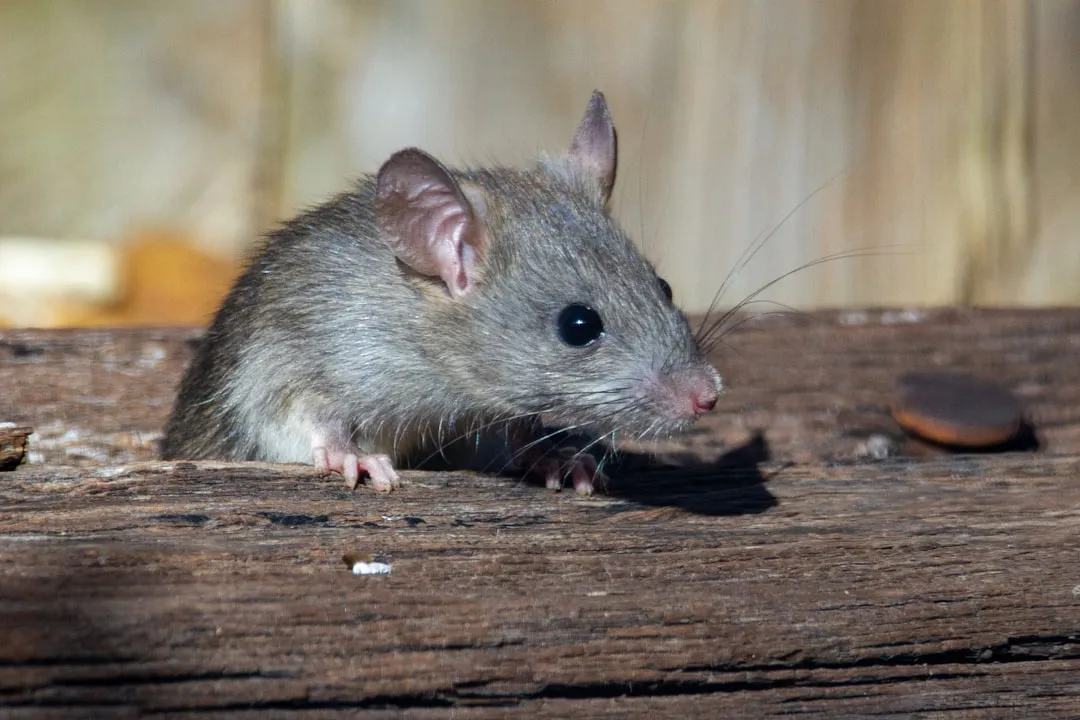
Rodenticides are one of the most frequent reasons dogs end up in emergency clinics. The cruel irony is that the same baits designed to attract and kill rodents are often just as appealing to curious household pets.
Products designed to kill rodents are particularly dangerous to pets, who may be tempted to eat the tasty bricks, granules, or pellets left out for mice and rats. Rodenticides kill rodents by causing internal bleeding, high calcium levels, brain swelling, or toxic gas production.
Rodenticides can be toxic to pets if ingested, with symptoms including lethargy, lack of appetite, vomiting, diarrhea, seizures, and internal bleeding. Immediate veterinary care should be sought if ingestion is suspected. According to the ASPCA, rodenticides covered 6.5% of all toxin exposures in the most recent reporting period, and safe placement of rodent bait is critically important in any household with pets.
What to Do If Your Pet Gets Exposed
Symptoms from household chemical exposure range from mild irritation to seizures or respiratory distress, and immediate veterinary guidance is critical if exposure is suspected. Don’t wait for symptoms to worsen before making that call.
The ASPCA Poison Control is available as a resource for any animal poison-related emergency, 24 hours a day, 365 days a year, and if a pet may have ingested a potentially poisonous substance, the hotline number is (888) 426-4435. Having that number saved in your phone before anything happens is one of the simplest precautions available.
If exposure is known or suspected, bringing the item or its packaging to the vet can help significantly, as timing matters enormously for treatment. The faster a veterinarian knows what the animal was exposed to, the faster appropriate care can begin.
How to Store Chemicals Safely Around Pets
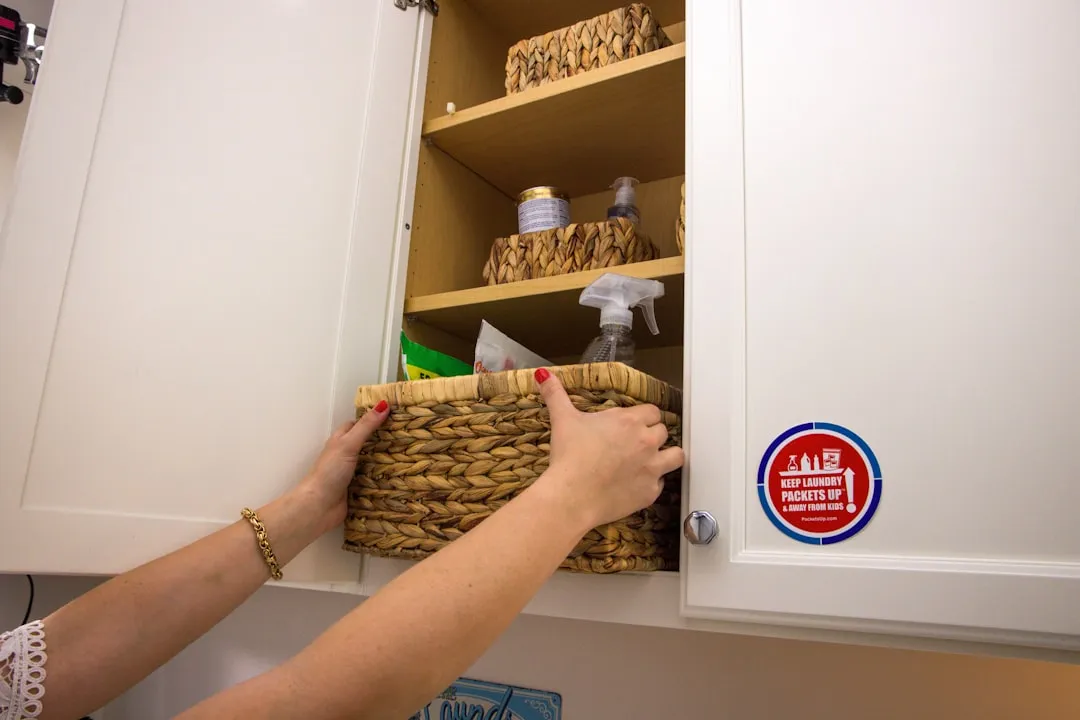
All cleaning supplies should be stored in locked cabinets or on high shelves, and pets should be kept out of the room while strong cleaners are in use, with surfaces fully dry and ventilated before allowing them back in.
Depending on the chemical, various toxic effects are possible, and when stored in utility rooms these products are often in their concentrated forms, making their toxic potential more significant than when diluted for use in the home. Concentrated products left under a sink or in an unlocked garage cabinet are among the easiest ways an accidental exposure happens.
Products that cannot be replaced with safer alternatives should be appropriately stored at all times. It’s also worth checking periodically for spills or leaks around storage areas, particularly under sinks and in garages, where containers are sometimes knocked over without anyone noticing.
Birds and Small Pets Face Extra Risk

Most cleaning products are safe to use around dogs and cats as long as they are used per labeled directions, but veterinary advice should be sought when using cleaning products around birds, as they are extremely sensitive to fumes. This is a detail that many bird owners simply aren’t warned about.
All pets, including birds, breathe the air inside homes, and most pets clean themselves or lick their paws, which means they can ingest harmful chemicals that way as well. As a result, pets are at risk of exposure to harmful chemicals regardless of whether they directly eat something or breathe in fumes.
The Sneaky Role of “Natural” or “Green” Cleaners

Cleaning products and disinfectants can contain harmful chemicals even when indicated as green or natural. This is a common blind spot, because the labeling creates a false sense of safety that doesn’t always match the actual ingredient list.
Some essential oils, including tea tree and eucalyptus, are also toxic to pets if applied topically or ingested. When using essential oils or diffusers, ensuring the room is well-ventilated and that the pet cannot access the oil directly is an important precaution.
The broader lesson here is straightforward: always read the ingredient list, not just the marketing language on the front of the bottle. What sounds harmless in a product name doesn’t always reflect what’s actually inside it.
Warning Signs of Chemical Poisoning in Pets

Symptoms to watch for include fever, diarrhea, vomiting, pale gums, lethargy, seizures, and difficulty breathing. These signs can appear quickly or, in the case of some alkaline products, take several hours to surface.
Injury from laundry and cleaning products is not always immediately evident, but those products with a more basic pH can cause serious and at times life-threatening injury that may not be seen until several hours or more after exposure. Delayed reactions make it tempting to assume everything is fine when it isn’t.
Any drooling, pawing at the mouth, or vomiting after exposure are signs to contact a vet right away. It’s always better to call and find out nothing is wrong than to wait and have a small window of treatment close.
Final Thoughts
The chemicals that pose the greatest risk to pets aren’t the ones people carefully seek out. They’re the ones sitting in ordinary spots around the house, stored without much thought precisely because they feel familiar. Bleach under the sink. Antifreeze in the garage. Rodent bait in the basement. The hazard isn’t dramatic. It’s mundane.
Pets are naturally curious. They investigate their environment through smell, touch, and taste in ways their owners can’t always anticipate or intercept. That’s not a flaw in their character. It simply means the responsibility to create a safe space falls entirely on the humans in the household.
A locked cabinet, a saved emergency number, and a habit of reading ingredient labels cost very little. What they protect is worth considerably more.
AI Disclaimer: This article was created with the assistance of AI tools and reviewed by a human editor.