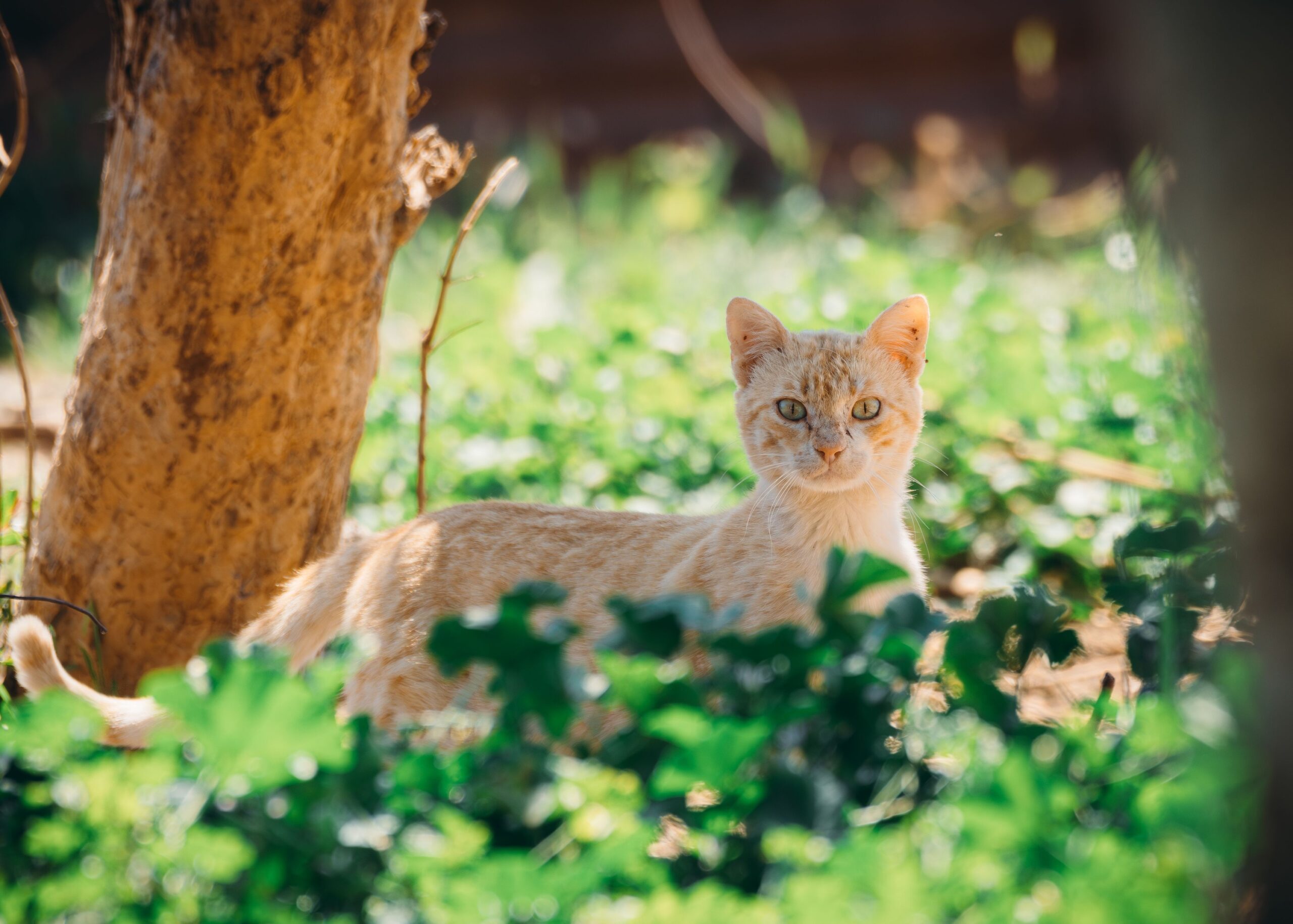

Most people don’t give their landscaping a second thought once it’s in the ground. Bright flowers, lush shrubs, attractive ornamental palms – they all just blend into the background of a well-kept yard. The problem is that several of the most popular backyard plants in North America are quietly dangerous to dogs and cats, and many pet owners have no idea until it’s far too late.
The ASPCA Animal Poison Control Center reported that in 2025, nearly eight percent of all calls were related to pets ingesting plants toxic to them, placing toxic plants sixth on the organization’s list of the top ten pet toxins. That’s a significant number of calls, most of which could have been avoided with a simple walk around the yard. Here are the five plants vets most urgently recommend removing from any outdoor space shared with animals.
1. Sago Palm: The Deadliest Ornamental in the Yard
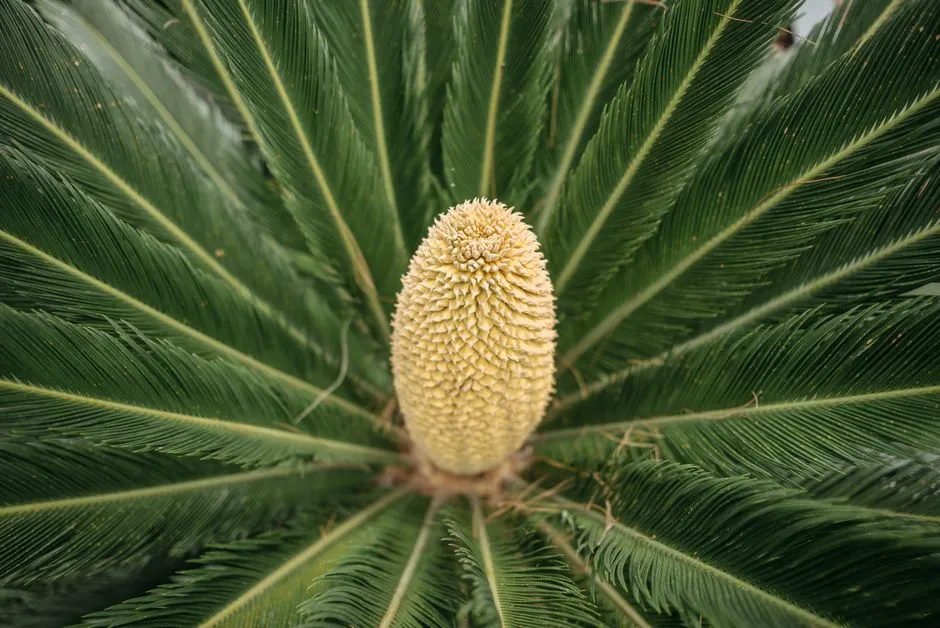
Sago palm, also known as coontie palm, cardboard palm, or Japanese cycad, may look elegant in landscaping, but it’s highly toxic to both dogs and cats. These evergreens are naturally occurring in warmer areas of the United States and are also sold as ornamental houseplants in cooler regions.
All parts of the sago palm are toxic, but the seeds are the most lethal. Ingesting as little as one seed can result in poisoning and even death in dogs. That’s not a figure to take lightly. A single seed, found on the ground after a palm drops it, is enough to trigger a life-threatening crisis.
According to records from the ASPCA Animal Poison Control, roughly half to three-quarters of sago palm ingestion cases result in death. The primary active toxic agent, cycasin, causes gastrointestinal signs and liver damage leading to liver failure, while another compound called BMAA is responsible for neurological signs such as seizures and coma.
Most dogs remain hospitalized for observation and treatment for a minimum of 48 to 72 hours after ingestion, though it may be longer depending on the degree of liver damage. Severely affected dogs may end up with permanent liver damage.
2. Oleander: A Beautiful Shrub With a Dangerous Secret
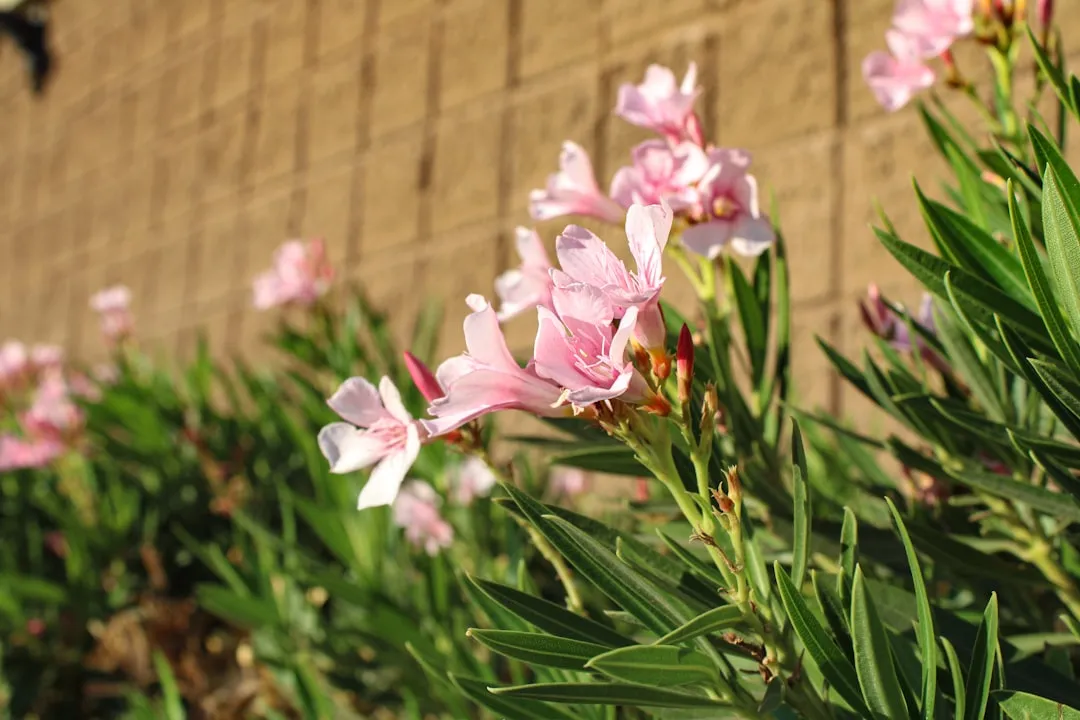
Oleander is a beautiful flowering shrub often used in landscaping, but for dogs, cats, and horses, it carries the risk of causing serious heart problems, including arrhythmias and low blood pressure, when ingested, which can be life-threatening.
Cardiac arrhythmias may be present with oleander ingestion, making it one of the more acutely dangerous plants from a cardiovascular standpoint. Oleander grows quickly, tolerates drought, and produces attractive blossoms. Those very qualities make it one of the most common backyard shrubs in warmer states – which is precisely why vets worry about it so much.
Oleander, along with lily of the valley, rosebay, foxglove, and kalanchoe, affects the cardiovascular system in pets, according to guidance from the ASPCA Animal Poison Control Center. The plant contains cardiac glycosides throughout all of its parts, meaning even clippings left on the ground after pruning remain dangerous.
Early clinical signs of toxicosis from oleander ingestion in dogs and cats can be nonspecific and may include vomiting, lethargy, anorexia, salivation, or diarrhea, making it easy to miss the cardiac danger before it escalates.
3. Azalea and Rhododendron: Toxic Spring Staples Found in Nearly Every Garden
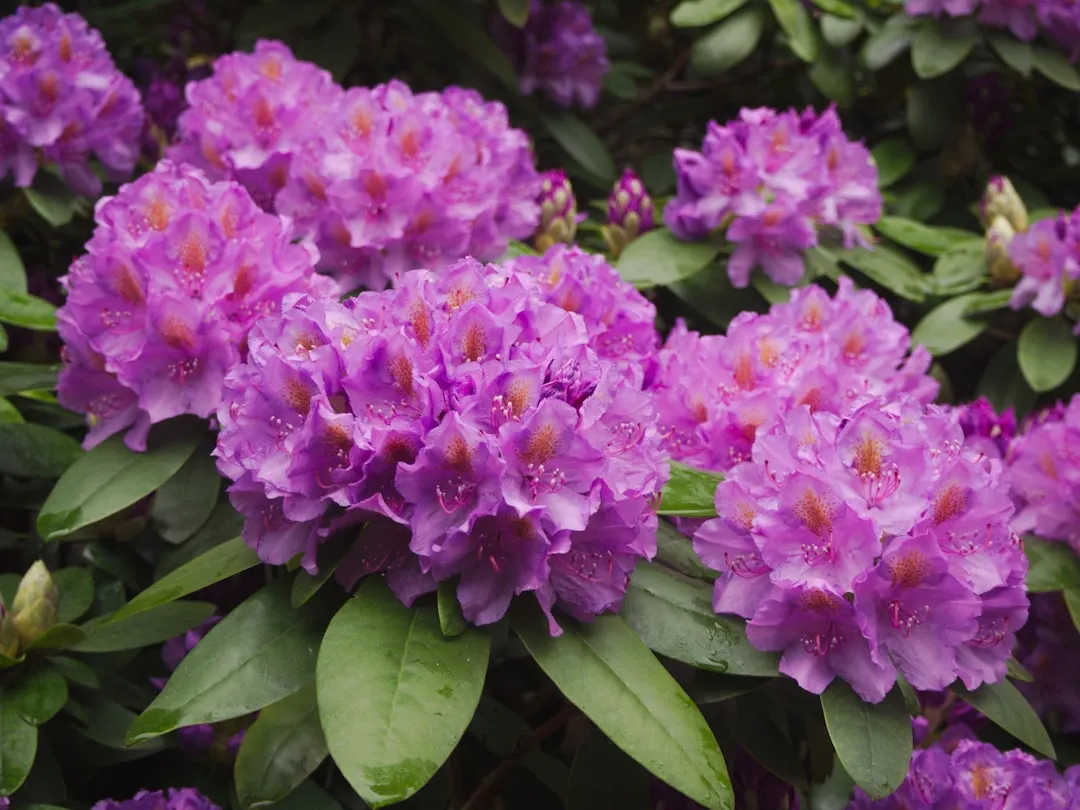
Rhododendron, often called azalea, is a flowering shrub seen in many backyards across the country. All parts of these plants contain grayanotoxin, and a pet’s reaction depends largely on how much they’ve eaten.
These plants are considered very poisonous to cats and dogs and can be fatal. If a pet eats them, getting to a vet as quickly as possible is essential. Their widespread use in residential gardens means exposure risk is unusually high, since they’re planted in both front and back yards across much of the country.
Based on ASPCA Poison Control records, azalea is among the most frequently reported poisonous plants causing serious systemic effects in companion animals, alongside lily, oleander, sago palm, castor bean, kalanchoe, and autumn crocus.
Rhododendron can cause vomiting, diarrhea, excessive salivation, weakness, and depression in dogs. Even seemingly small nibbles of leaves or petals can be enough to trigger a toxic response, particularly in smaller breeds.
4. Lilies: The Number One Threat to Cats
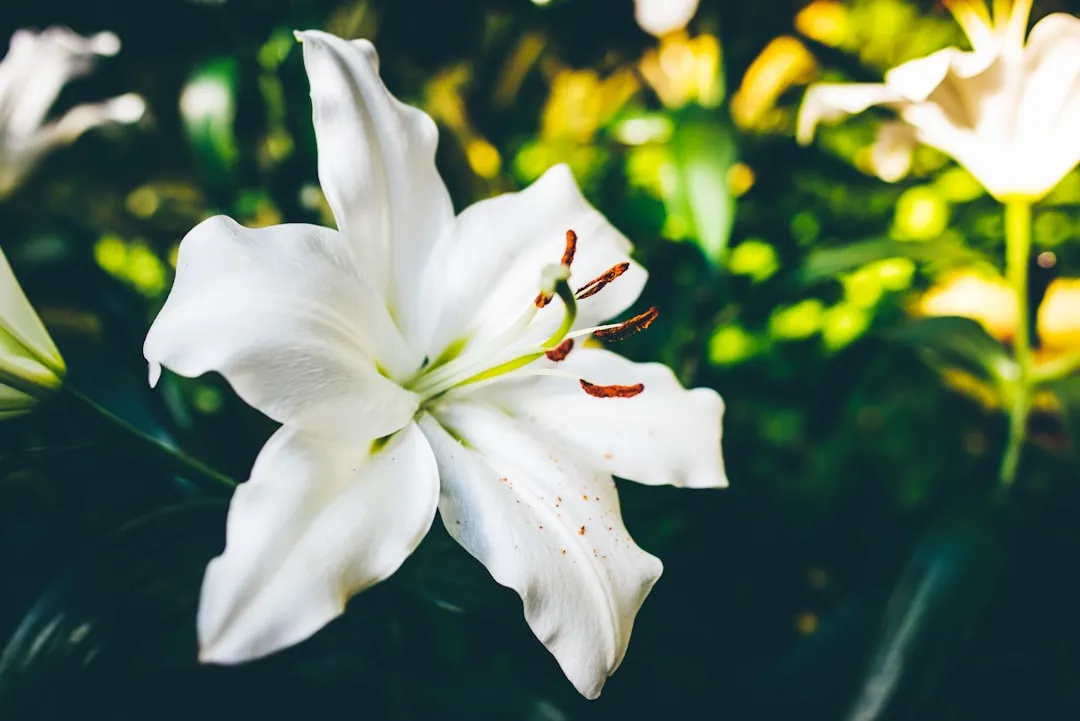
Lilies are the plant of most concern for cat owners. If a cat ingests any part of a lily, or even grooms lily pollen from their fur, it could cause serious damage to their kidneys and potentially death. The mechanism is particularly alarming because even indirect contact – not just eating the plant – can be enough to cause harm.
Both daylilies and Asiatic lilies have caused kidney failure in cats, so vets recommend keeping lilies entirely out of the home and washing hands after working with lilies in the garden if you have cats.
Members of the Lilium species family are considered highly toxic to cats, and even ingestion of very small amounts of the plant can cause severe kidney damage. For dogs, the effects tend to be less severe but are still concerning. Lilies, including Asiatic lilies and daylilies, can be toxic to both dogs and cats, though the effects are far more severe in cats. Signs in dogs tend to be limited to stomach upset, though ingested bulbs could potentially cause a stomach or intestinal blockage.
5. Lantana: The Colorful Shrub That Can Damage the Liver
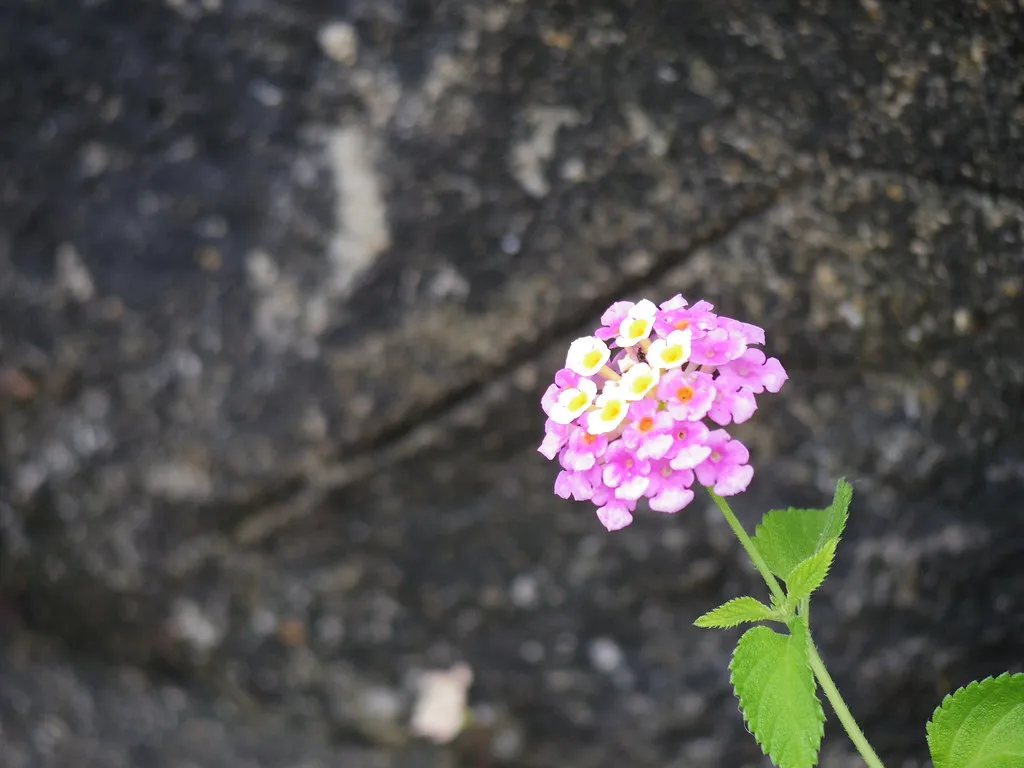
Lantana, also called Shrub Verbena, Yellow Sage, and Red Sage, is a perennial flowering plant commonly used in landscaping. Unfortunately, all parts of this plant are toxic to dogs, cats, rabbits, guinea pigs, cattle, sheep, goats, and horses. Its bright, multi-colored flower clusters make it a popular choice for decorative borders and garden beds, which is exactly where curious pets tend to explore.
Lantana camara is toxic to dogs, cats, horses, ruminants, and many other species. The active compounds are pentacyclic triterpenoids, with the foliage and ripe berries containing the highest quantity of toxins.
When ingested, clinical signs include depression, vomiting, diarrhea, weakness, and possible liver failure. If a dog eats unripe lantana berries, the effects can be severe. In very large ingestions, coma and death are possible. Ripe berries, on the other hand, typically cause vomiting and diarrhea.
Chances for a dog’s recovery are generally good if treated quickly. However, if treatment is not done before liver damage occurs, the chances are poor. Time genuinely matters with lantana poisoning, which makes early identification and removal of the plant from yards a priority.
What Vets Want Every Pet Owner to Know
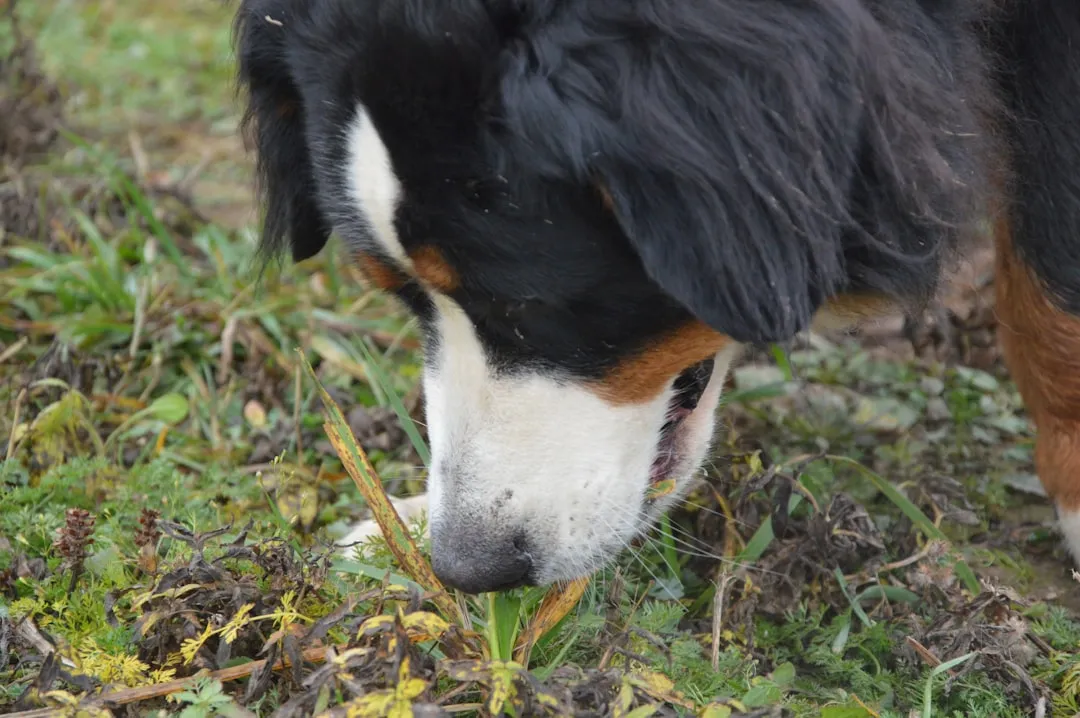
Young or new pets tend to nibble and taste plants as they explore and become familiar with their environment. Symptoms of plant toxicity may range from a mild upset stomach to a severe toxic response that can lead to death.
Generally, dogs will stay away from plants that will harm them, but sometimes curiosity and boredom get the better of them and they might nibble on your plants. If you suspect that your dog has ingested a toxic plant, take it to a vet immediately. If possible, bring a piece of the suspected plant with you to the vet.
If you believe that your animal is ill or may have ingested a poisonous substance, contact either your local veterinarian or the ASPCA Poison Control’s 24-hour emergency poison hotline at (888) 426-4435.
How to Pet-Proof Your Yard for Good
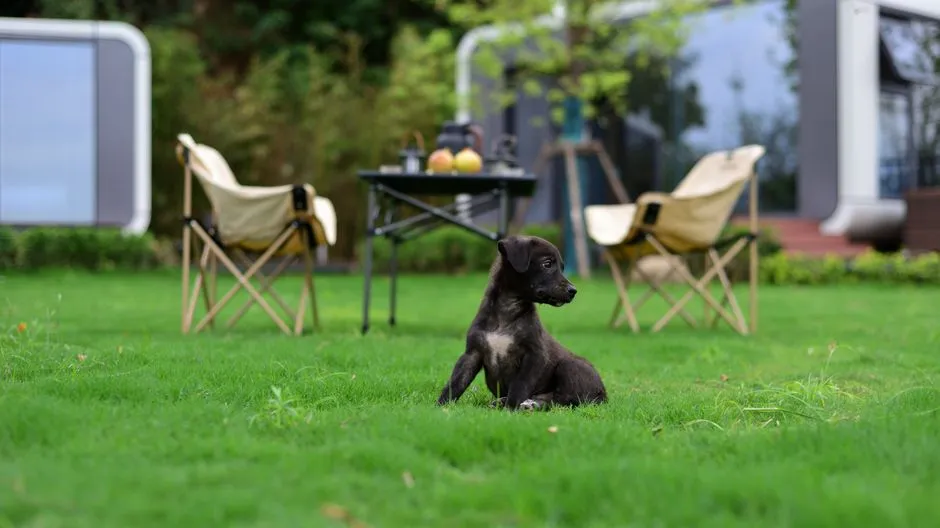
Choosing plants that are not toxic to pets, or using fencing to keep pets away from certain garden areas, are both practical approaches recommended by horticultural extension services. It doesn’t have to mean a bare or boring yard. Many equally beautiful, pet-safe alternatives exist for every one of the plants listed here.
There is no better cure than prevention. If you aren’t willing to part with certain plants, at least place them out of the animal’s reach and limit the animal’s access to areas outside where poisonous plants are growing.
A good starting point is the ASPCA’s comprehensive online toxic and non-toxic plant database at aspca.org, which covers dogs, cats, and horses and is regularly updated. Before adding any new plant to your outdoor space, it takes only a minute to check whether it belongs in a yard shared with pets.
The Takeaway
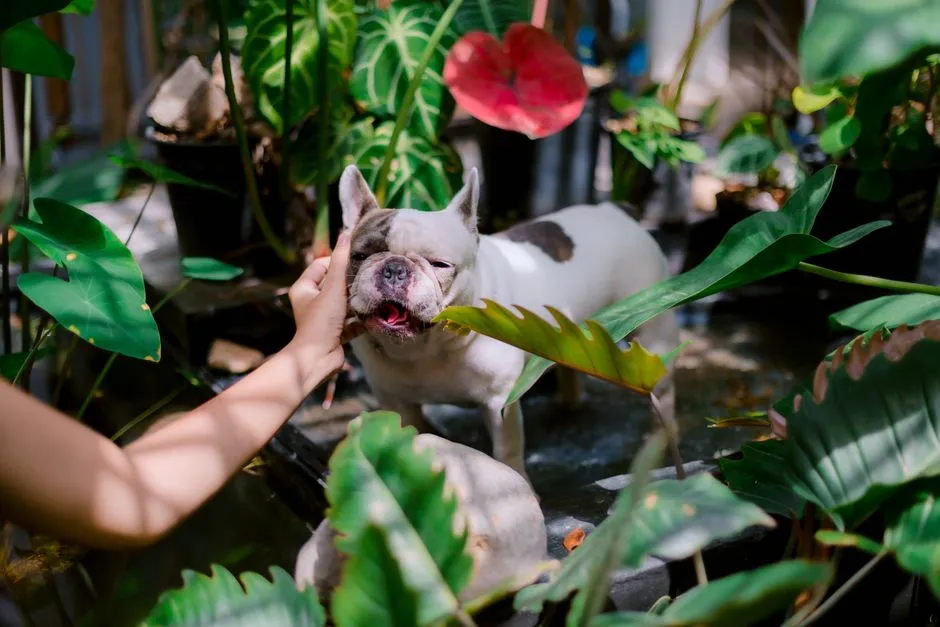
The five plants covered here are not obscure forest species. They’re sold at garden centers, planted by landscapers, and admired in neighborhood gardens every day. That’s what makes them genuinely risky: their familiarity breeds complacency.
Removing a plant from your yard is a small inconvenience. An emergency vet visit, or worse, is not. Walking through your outdoor space with a fresh set of eyes – and a quick cross-reference against a reliable plant toxicity list – is one of the simplest, most effective things a pet owner can do this season.
AI Disclaimer: This article was created with the assistance of AI tools and reviewed by a human editor.