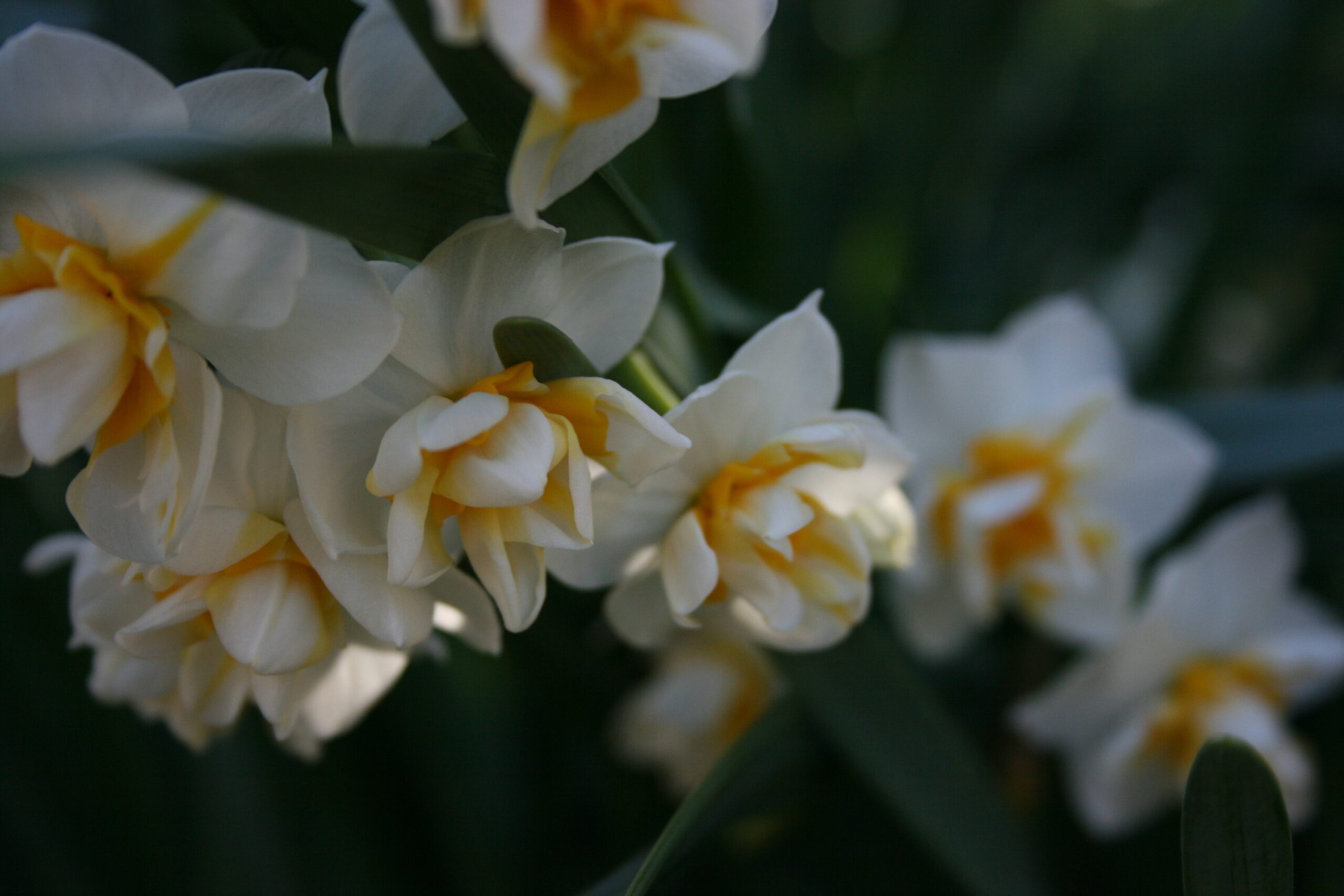

1. Daffodils (Narcissus): The Gold Standard of Naturalizing Bulbs
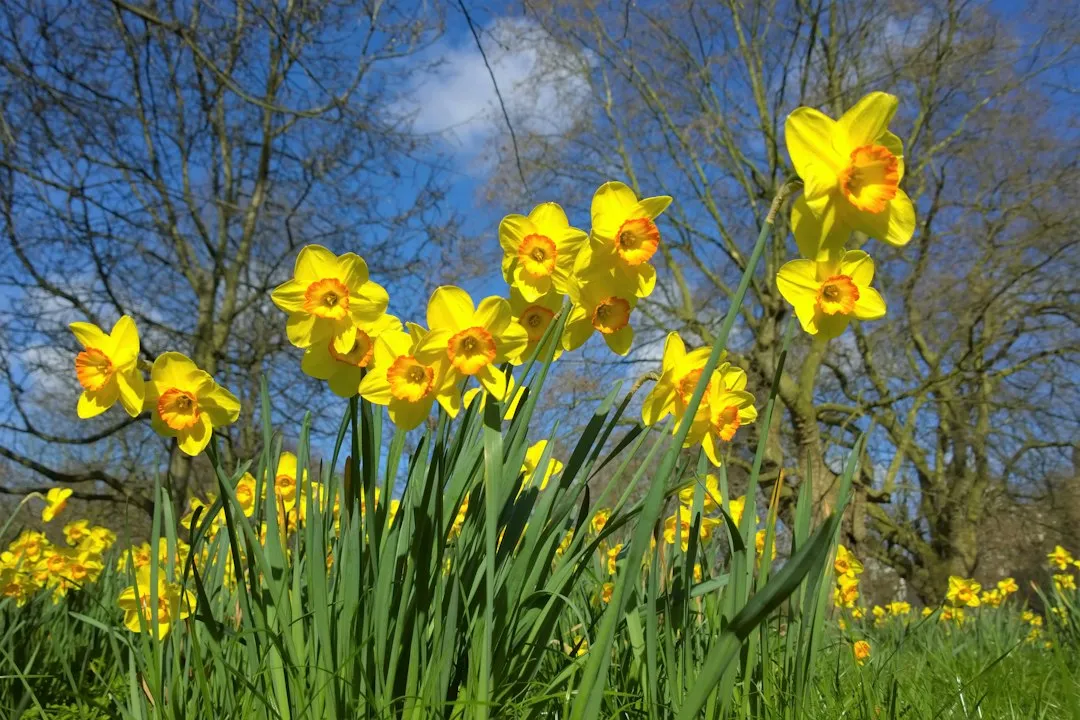
Daffodils are genuinely hard to beat when it comes to long-term garden performance. Daffodils are reliable perennial plants. Unlike some spring flowers that may fade after a season or two, daffodils are designed by nature to return year after year, often growing more vigorous and beautiful as time passes.
The mechanism behind their multiplication is elegant and straightforward. The most common way daffodils multiply in a home garden is through a process called asexual cloning, or bulb division. Every year, a healthy “mother” bulb produces smaller “daughter” bulbs, also called offsets, around its base. These offsets are genetically identical to the parent plant.
Under ideal conditions, most daffodil varieties will roughly double their numbers every two to three years. If you start by planting 10 bulbs this fall, you can expect to see 10 beautiful flowers next spring. By the third or fourth year, those 10 bulbs will likely have produced enough offsets to give you 20 to 30 flowers.
Daffodils contain a bitter-tasting alkaloid called lycorine. This substance is present in both the bulbs and the leaves, making them unappealing to almost every common garden critter. Because they aren’t being eaten, they have a much higher chance of surviving and multiplying year after year. That natural deer and rodent resistance is a genuine practical advantage, especially in suburban gardens where tulip bulbs routinely disappear overnight.
2. Crocus: The Tiny Powerhouse That Quietly Takes Over
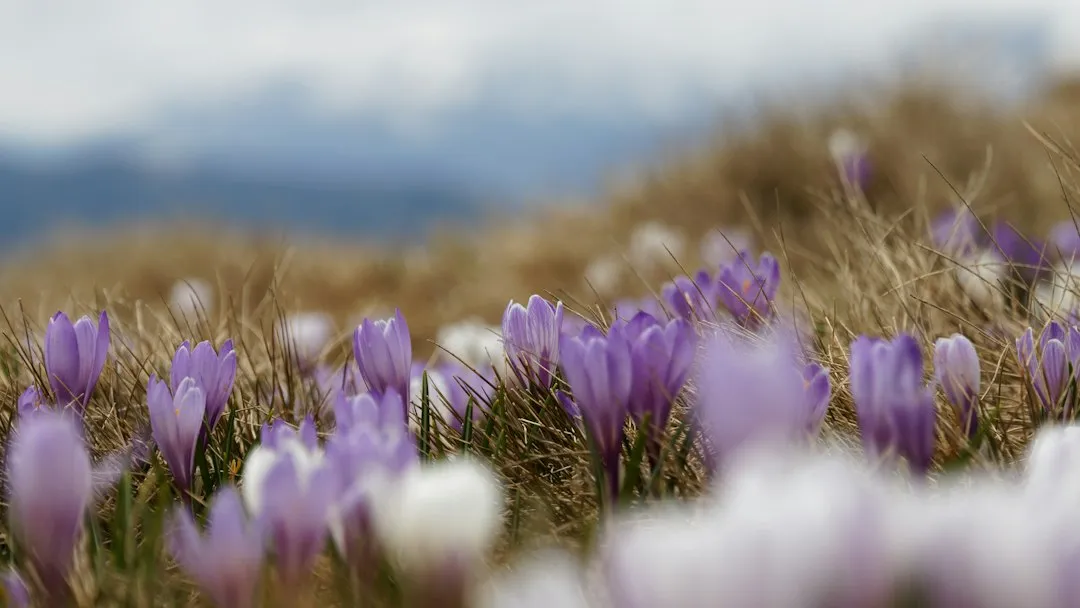
Don’t underestimate how fast a small cluster of crocus corms can become a sweeping carpet. Crocus bulbs are small, so you can plant a large number of them in a small space. Once established, they are easy to maintain. They naturalize easily and provide an excellent early nectar source for pollinators.
The spring flowering crocus is a symbol of hope and endurance. Seeing their adorable cup-shaped blooms bursting through the first spring thaw certainly fills gardeners with hope of a new and warmer season. They often line garden borders and walkways as a welcome banner into spring; some even plant them in their lawns for an early burst of colour.
Crocus corms can produce 4 to 12 flowers per corm in the first year. Some heirloom varieties have been garden favorites since 1600. The corms multiply rapidly and naturalize beautifully. Planted in drifts through a lawn, they create a pointillist sweep of purple, white, and gold that becomes denser and more impressive with every spring that passes.
3. Alliums (Ornamental Onion): Bold Globes That Keep Coming Back
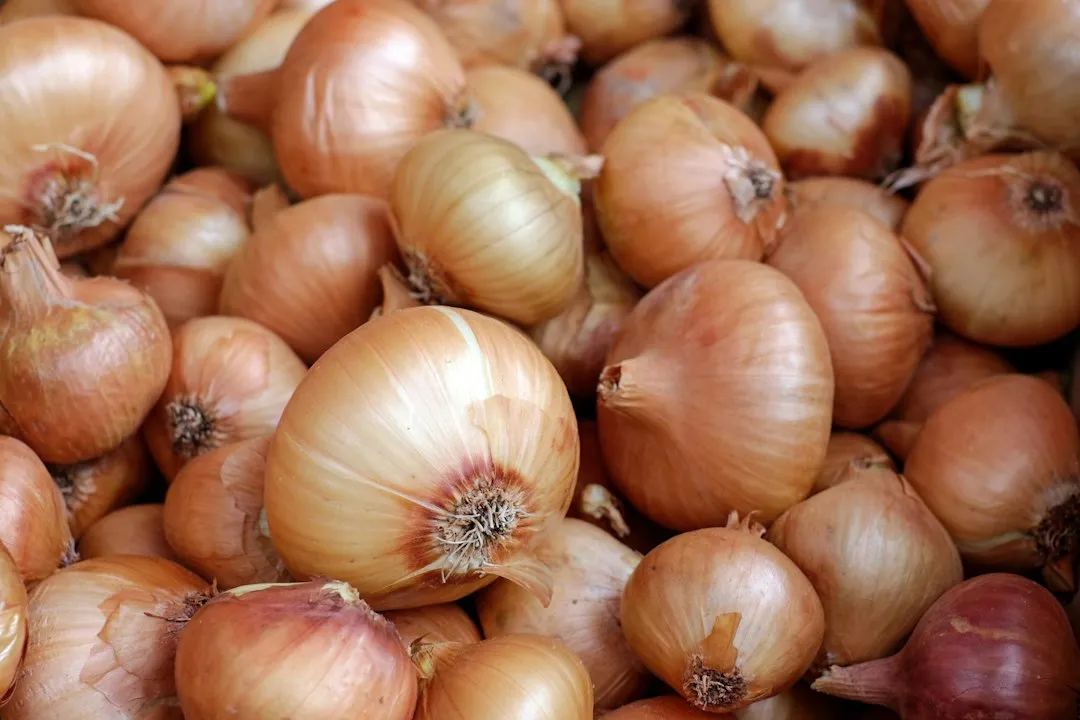
With their exquisite beauty, alliums are a must-have for perennial gardens. These easy-to-grow bulbs come in a wide range of colors, inflorescence types, heights, and bloom times, adding diversity and charm. They often bloom in early summer, bridging the gap between spring and summer.
Alliums are famous for their elegant, slender stems and large globe-shaped blooms comprised of hundreds of densely packed florets. Alliums are also a magnet for bees, butterflies, and other beneficial insects. That pollinator appeal makes them doubly useful in any garden aiming to support local wildlife.
Alliums typically flower a bit later in the season, making them an amazing addition to the backs and middle sections of sunny borders. Being a part of the onion and garlic family means that squirrels and other critters hate their taste and smell. That pest resistance is part of why established allium clumps tend to persist and grow for so many years without disturbance.
4. Grape Hyacinth (Muscari): A Carpet of Blue That Spreads Generously
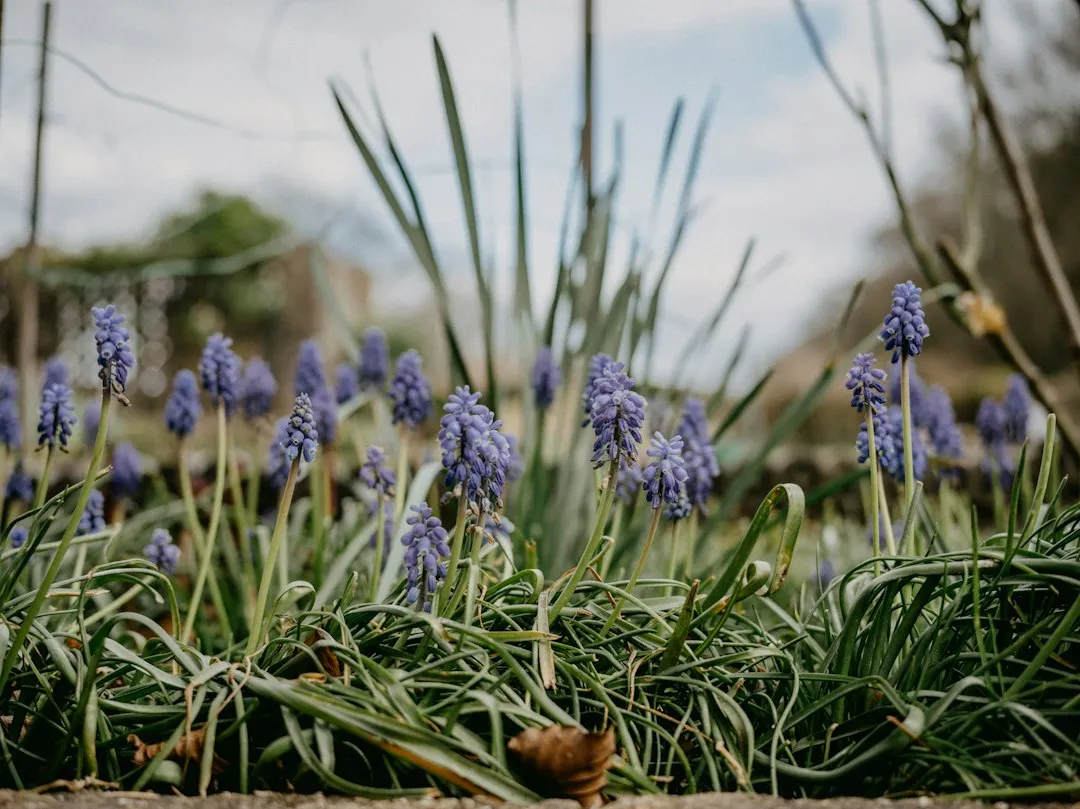
Grape hyacinths are one of those bulbs that reward patience in a very visible way. Muscari is a very popular spring flowering bulb. The name grape hyacinth refers to the flower’s shape, which looks like an upside-down bunch of grapes. Muscari require very little attention, are easy to naturalize, and will return year after year.
Muscari, commonly known as grape hyacinth, produces sweet little bulbs that bring a carpet of delicate blue, pink, or white blooms in early spring. The blue varieties, particularly Muscari armeniacum, are the ones most gardeners gravitate toward, and for good reason: they create a vivid undercarpet beneath tulips or between emerging perennials that looks intentional and lush even without any extra effort.
The small flower spikes of Muscari are covered in rounded florets that give them their “grape” namesake, available in shades of blue, purple, pink, and white. The grass-like green foliage is perfect for lining sunny borders or even adding into your lawn. Over several years, a handful of planted bulbs will become a dense, wide colony that needs little to no intervention.
5. Snowdrops (Galanthus): The Slow Builders Worth the Wait
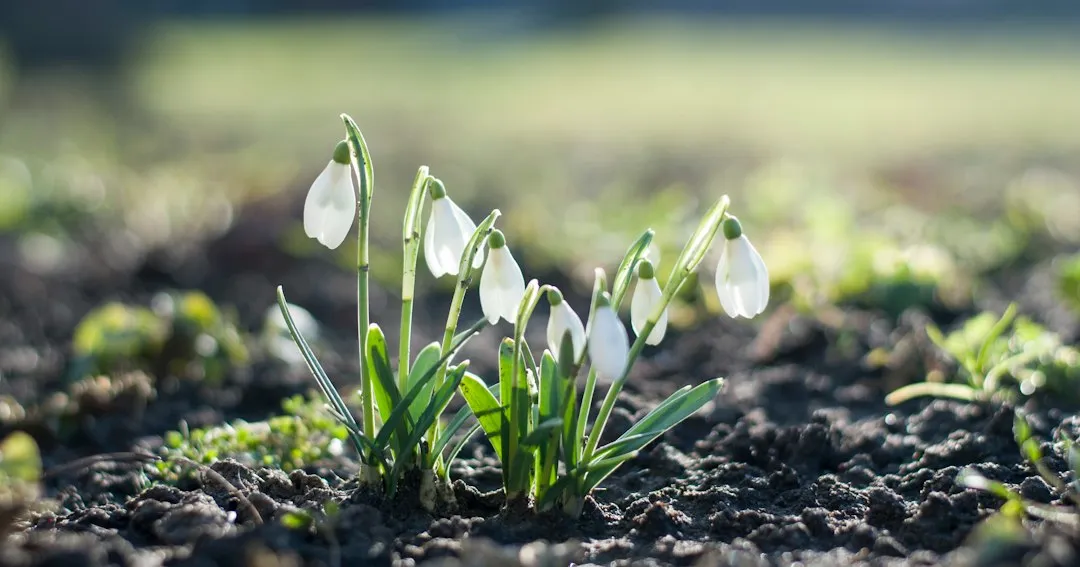
Snowdrops are a different kind of naturalizer. They move more slowly than daffodils or muscari, but what they build over time is genuinely remarkable. Perennial flower bulbs that multiply include serene snowdrops (Galanthus), colorful daffodils (Narcissus), blue-colored squills (Scilla), and fragrant spring snowflakes (Leucojum vernum).
Snowdrops have delicate, white nodding flowers that bloom before most other spring bulbs. They should be planted 3 inches deep and 3 inches apart, in partial to full shade in moist, well-drained soil. They are good for naturalizing.
When planted in autumn, naturalizing bulbs like snowdrops adapt to their environment, spreading informally through lawns, borders, and woodland edges. From early-blooming snowdrops and crocuses to long-lasting daffodils and ornamental alliums, these perennial bulbs reward gardeners year after year. Snowdrops tend to thrive most in dappled shade under deciduous trees, which makes them ideal for spots where other bulbs struggle. Their quiet persistence is part of their charm.
What “Naturalizing” Actually Means for Your Garden
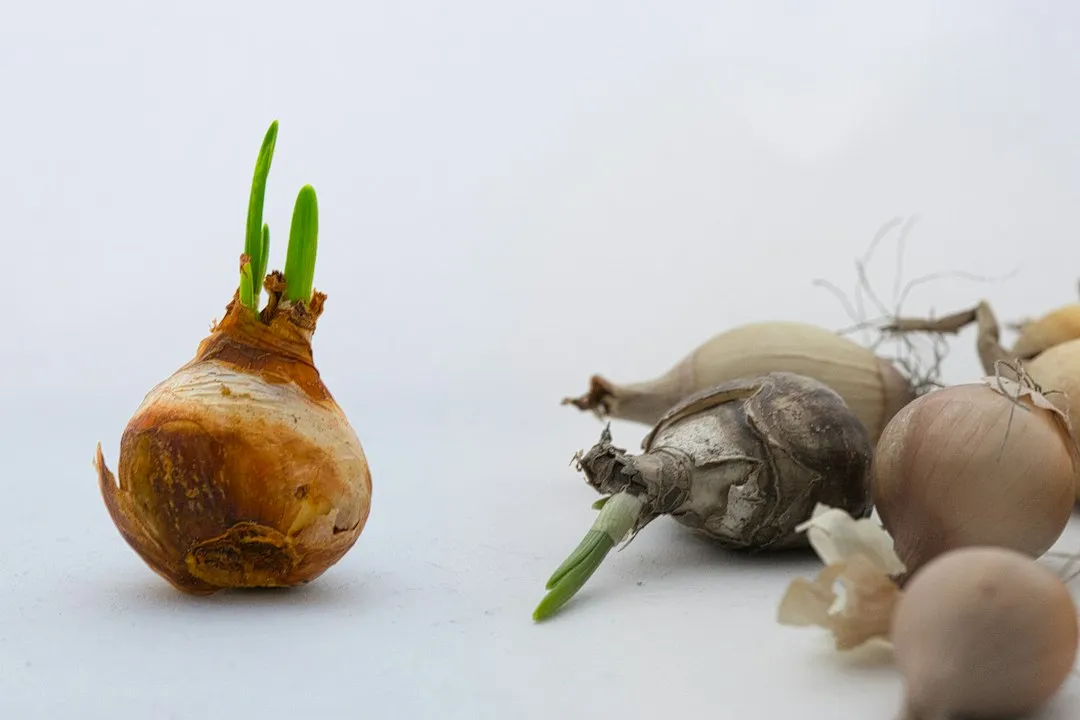
When you shop for bulbs, you’ll see some labeled as “good for naturalizing.” This means that they can be counted on to come up year after year and spread informally throughout your garden. It’s a designation worth paying attention to, since not all bulbs that return will also multiply.
Bulbs that naturalize contribute so much to the garden. Once planted, they produce more flowers every year. Even nicer, they also produce more bulbs. They generate new bulblets all on their own, and many kinds reproduce by seed.
How the Multiplication Timeline Actually Works
Understanding what to expect year by year helps you avoid the common mistake of digging up bulbs too soon, thinking they’ve failed. In the first year, the bulb focuses most of its energy on establishing a strong root system and producing its first bloom. You likely won’t see much multiplication above the ground yet, but the work is happening beneath the surface.
By the second and third spring, you will notice that the “clumps” are looking thicker. Instead of one stem per spot, you might see three or four. The daughter bulbs are now large enough to produce their own foliage and, eventually, their own flowers.
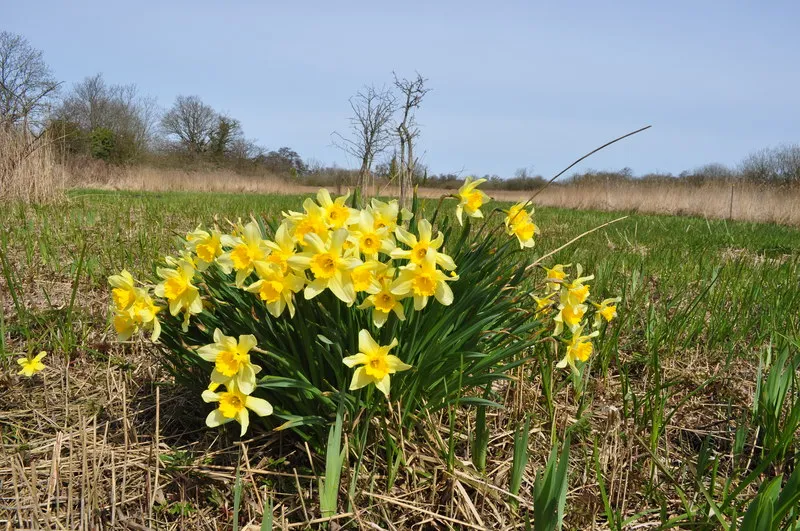
After five years, a well-sited daffodil bulb can easily turn into a large, productive cluster. This is the stage where “naturalizing” truly takes hold. If you planted your bulbs with adequate spacing, these clusters will now look like a deliberate, lush part of your landscape. The same general timeline applies to crocuses, alliums, and snowdrops, though the rate of spread varies by species and growing conditions.
The Foliage Rule: Why You Must Leave the Leaves Alone

One of the most common reasons naturalizing bulbs fail to multiply is also one of the most avoidable. Flower bulbs that bloom every year are called perennial flower bulbs. After they bloom, these flower bulbs should remain undisturbed in the ground so that their foliage is given the time to wither back and the bulbs under the ground can prepare for the next growing season. In other words, they follow the same growth cycle as perennials.
You don’t need to fertilize flowering bulbs. Healthy bulbs have everything they need stored inside and replenish through photosynthesis via their leaves each year. Cutting the foliage back too early interrupts that photosynthesis process and leaves the bulb undernourished heading into dormancy. The result is smaller, weaker performance the following spring.
Planting Depth and Spacing: Getting the Conditions Right
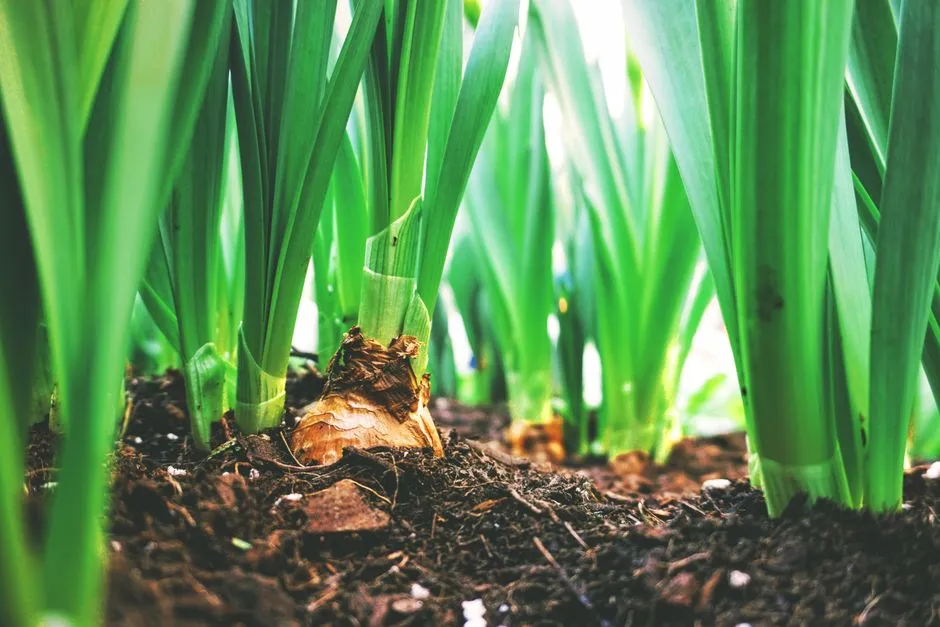
Even the most reliable naturalizing bulbs need a decent start. Depth and spacing matter more than many gardeners realize, particularly for long-term colony formation. Daffodils should be buried between four and six inches deep, spaced three to six inches apart. Daffodils thrive in full sun to partial shade and do best in well-drained soil.
Grape hyacinth bulbs should be planted 3 inches deep and 4 inches apart in early fall. For crocuses and snowdrops, the planting depth sits around 3 inches, with spacing of roughly 3 to 4 inches apart. Giving each bulb just enough room initially means the expanding clumps will fill in naturally over the years without overcrowding too quickly.
Well-drained soil is a consistent requirement across all five bulb types featured here. Waterlogged ground through winter is the single most reliable way to rot a bulb that would otherwise have thrived for decades.
When to Divide Your Clumps
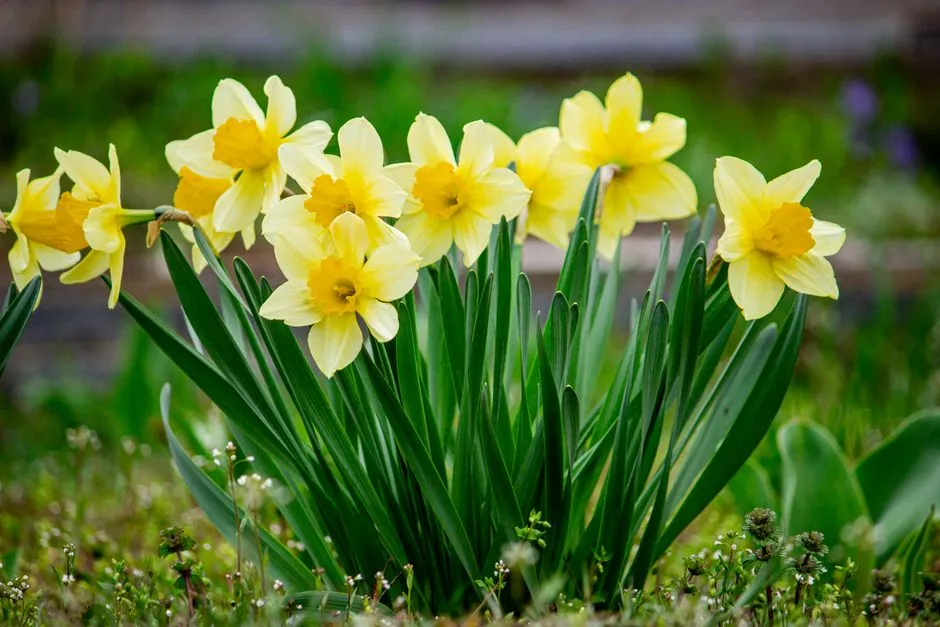
There does come a point, usually after many years, when even the most enthusiastic naturalizers start to bloom less vigorously. This happens when clumps become too dense and the bulbs compete with each other for nutrients. When daffodils naturalize, they are spreading on their own without much help. In the right spot, a dozen bulbs planted this year can become a massive drift of hundreds over a decade. That kind of growth, while impressive, eventually calls for some splitting.
The process is straightforward: dig the clump after flowering, separate the bulbs, and replant them with fresh spacing. This refreshes the colony, improves bloom quality, and lets you extend the display into new areas of the garden without spending a cent on new stock. For snowdrops especially, dividing clumps right after flowering while the foliage is still green is the most effective approach.
The Takeaway
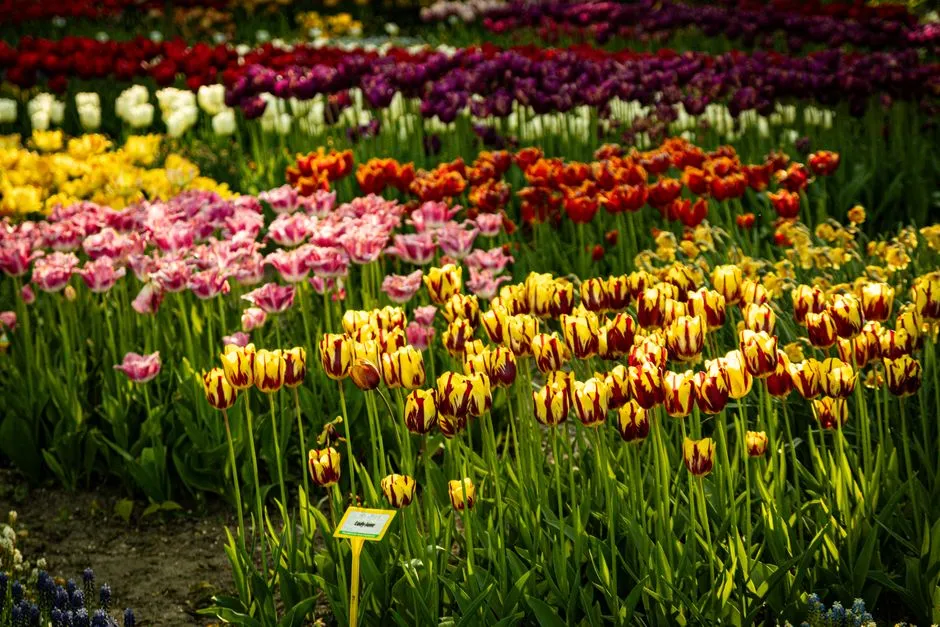
The five bulbs covered here, daffodils, crocuses, alliums, grape hyacinths, and snowdrops, share one genuinely useful trait. They are perennials and very reliable about returning year after year. In fact, they often naturalize, which means they will multiply and spread over time, creating larger and more impressive clumps of flowers with each passing season. With minimal care, a single planting can last for decades.
That long-term value is the real argument for choosing naturalizing bulbs over fancier, fussier alternatives. Plant them once in the right spot, leave the foliage alone after bloom, and the garden does the rest. Few investments in the garden pay off quite as reliably, or as quietly, as a well-chosen bulb left undisturbed to do what it does naturally.
AI Disclaimer: This article was created with the assistance of AI tools and reviewed by a human editor.