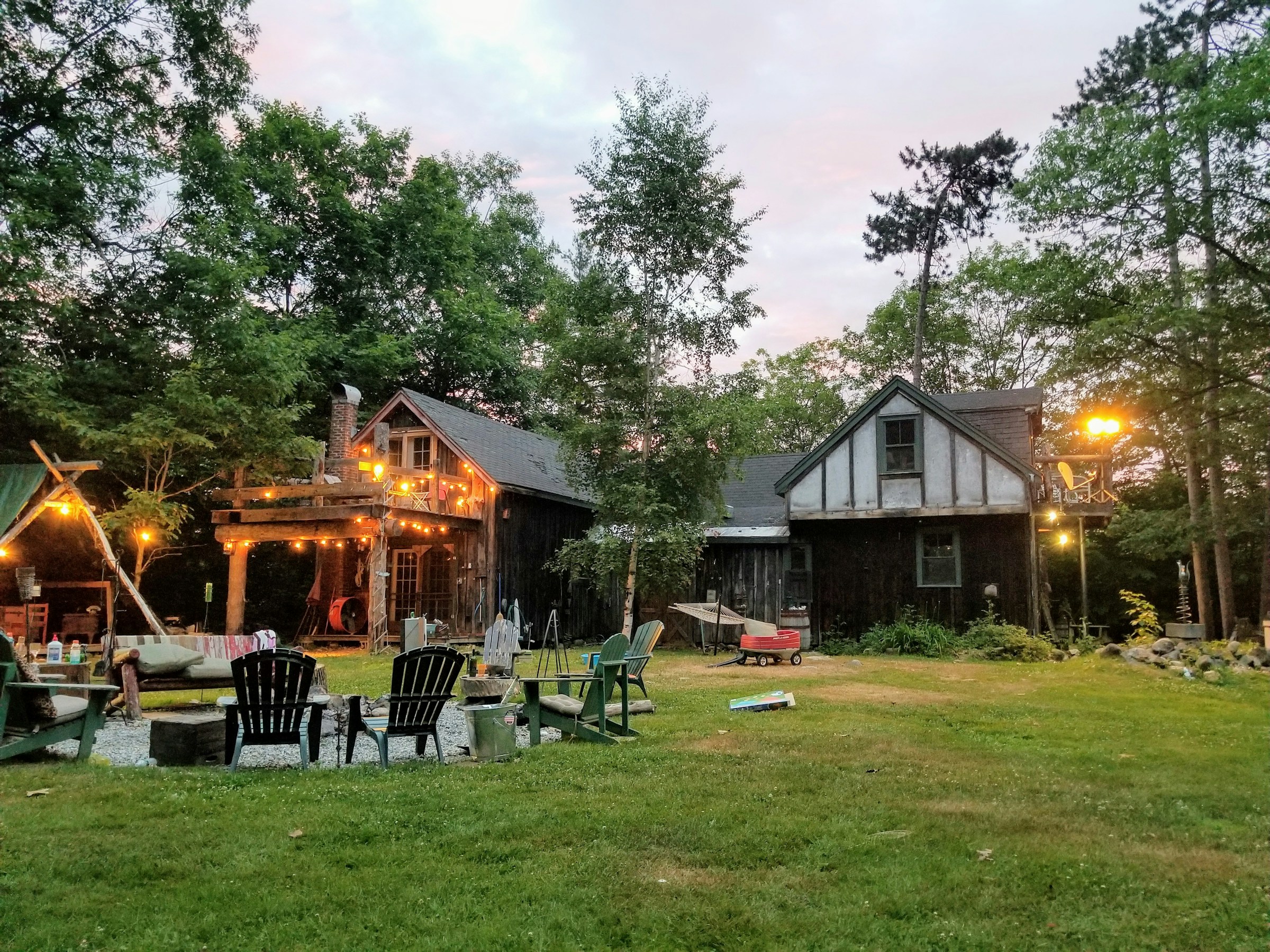

The backyard has quietly become one of the most financially significant parts of a home. Buyers in 2025 and 2026 are treating outdoor space as a genuine extension of the living area, not just a plot of grass with a lawn chair. Sellers who invest thoughtfully in their backyards are seeing real returns at closing.
The challenge is knowing where to put the money. Not every upgrade pays off equally, and some popular projects can actually disappoint when the final sale figures come in. These five upgrades are grounded in the latest data, real estate research, and consistent buyer behavior patterns.
1. A Well-Built Deck or Patio
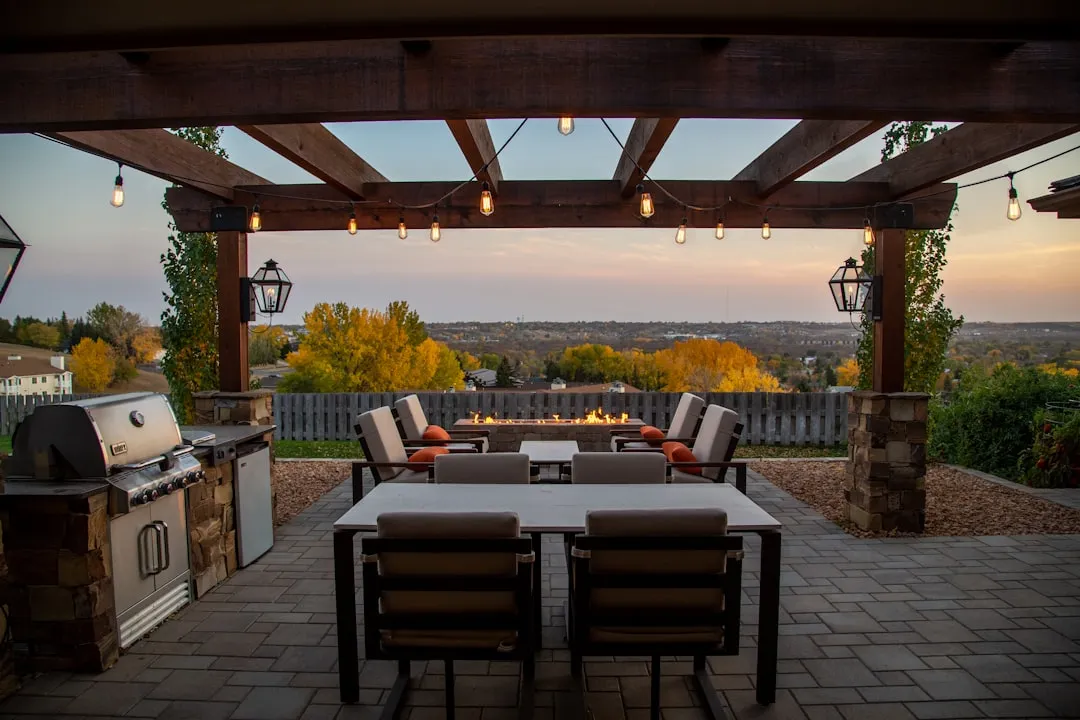
Decks and patios remain some of the most reliably rewarded backyard upgrades in the country. According to the 2024 Cost vs. Value Report, a wood deck addition costing around $17,600 recoups roughly 83% of its cost at resale. That’s a strong return for a project that also adds years of daily enjoyment before any sale happens.
A new patio, such as a concrete, stone, or paver addition with proper drainage, can recover close to the full project cost, coming in around 95% cost recovery. These numbers make hardscape additions one of the most dependable investments in the outdoor space category.
One thing worth noting: buyer preferences are shifting toward lower maintenance. Real estate professionals report that today’s buyers strongly value building materials that require little to no upkeep. A composite deck costs more upfront but can be a better selling story for buyers who don’t want a weekend maintenance project.
2. An Outdoor Kitchen
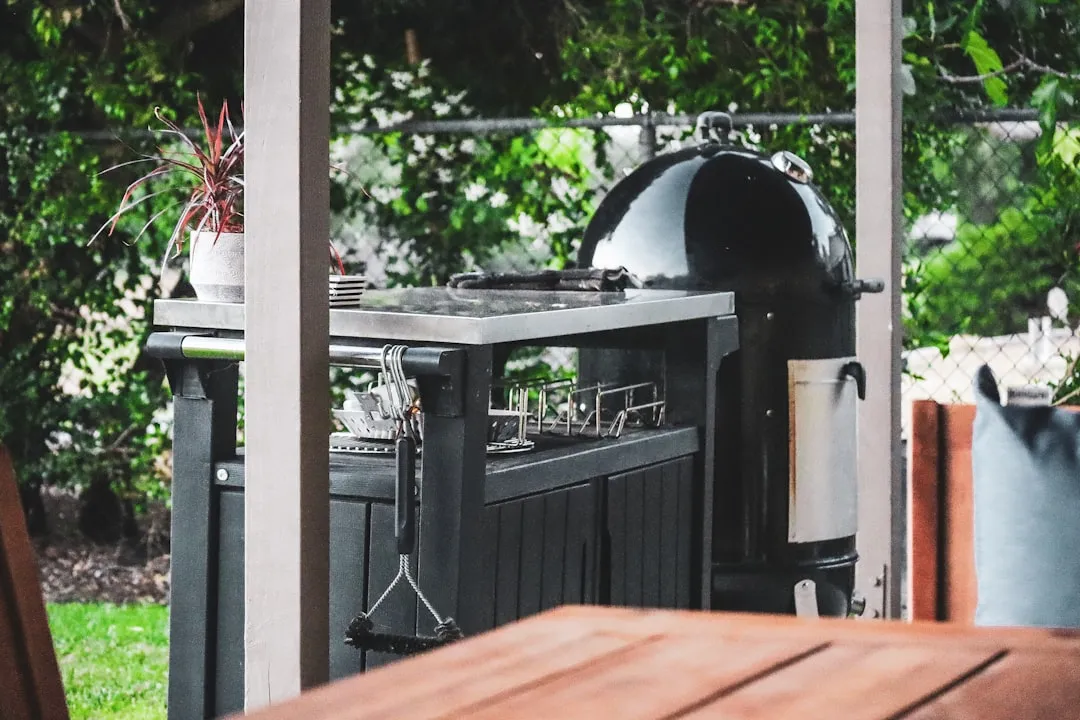
Outdoor kitchens have moved well past the “luxury add-on” stage. Outdoor kitchens have gone from a high-end feature to an expected element in modern homes, and according to a 2024 Houzz study, over 60% of homeowners remodeling their kitchens also consider outdoor cooking areas.
A Zillow analysis of more than 2 million home sales in 2024 found that listings featuring outdoor amenities such as an outdoor kitchen, shower, or TV sold for 3.1% more than expected. That kind of premium, applied to a mid-priced home, can translate into meaningful real dollars at closing.
In 2025, the ROI for outdoor kitchens remains promising, with homeowners able to expect to recoup anywhere from 55% to 200% of their investment, depending on several factors. Climate and quality of materials matter a great deal. In the Sun Belt, for instance, average outdoor kitchen ROI runs around 120%, meaning a $20,000 build can add roughly $24,000 to home value.
3. Professional Landscaping and Lawn Care

This one surprises people. Landscaping feels basic, even obvious, but the data behind it is some of the most impressive in the home improvement world. NAR’s Remodeling Impact Report consistently pegs standard lawn care and basic landscaping at near or above 100% cost recovery, one of the highest ratios of any home project.
A Virginia Tech Extension landscape value study found that upgrading landscaping from average to excellent can increase perceived home value by 10% to 12%, which on a $400,000 home translates to roughly $40,000 to $48,000. Those numbers are hard to ignore.
A well-maintained, attractive lawn can deliver a return on investment of up to 217%, and routine lawn maintenance such as edging and mulching can provide an ROI of over 100%. Simple interventions often outperform elaborate ones, which is part of what makes this category so accessible to homeowners at every budget level.
A landscaping upgrade can add over $9,000 to a home’s value, according to research. Consistent upkeep, mature trees, defined garden beds, and fresh mulch communicate to buyers that the home has been genuinely cared for.
4. A Fire Pit with a Defined Seating Area

Fire pits have become a staple of buyer wishlists, particularly as people increasingly want outdoor spaces that are usable beyond summer. Fire features extend outdoor enjoyment into cooler months and appeal to buyers seeking year-round outdoor living. That’s a specific kind of utility that photographs well and registers immediately during home tours.
Fire pits offer an average ROI of 78% and can rise to over 80% with thoughtful material selection and added features, and connecting the fire pit to natural gas can add extra value, as can built-in seating, wood holders, and lighting features.
Homeowners who install an outdoor fire pit can realize around a 67% return on investment; fire features with a gas burner and a 10-foot-diameter flagstone patio surround cost an average of $9,000 to construct, with approximately $5,000 recovered at sale, according to the NAR and National Association of Landscape Professionals. The lifestyle value during ownership is also significant, which makes a fire pit a dual-purpose investment worth considering.
5. A Pergola or Shade Structure
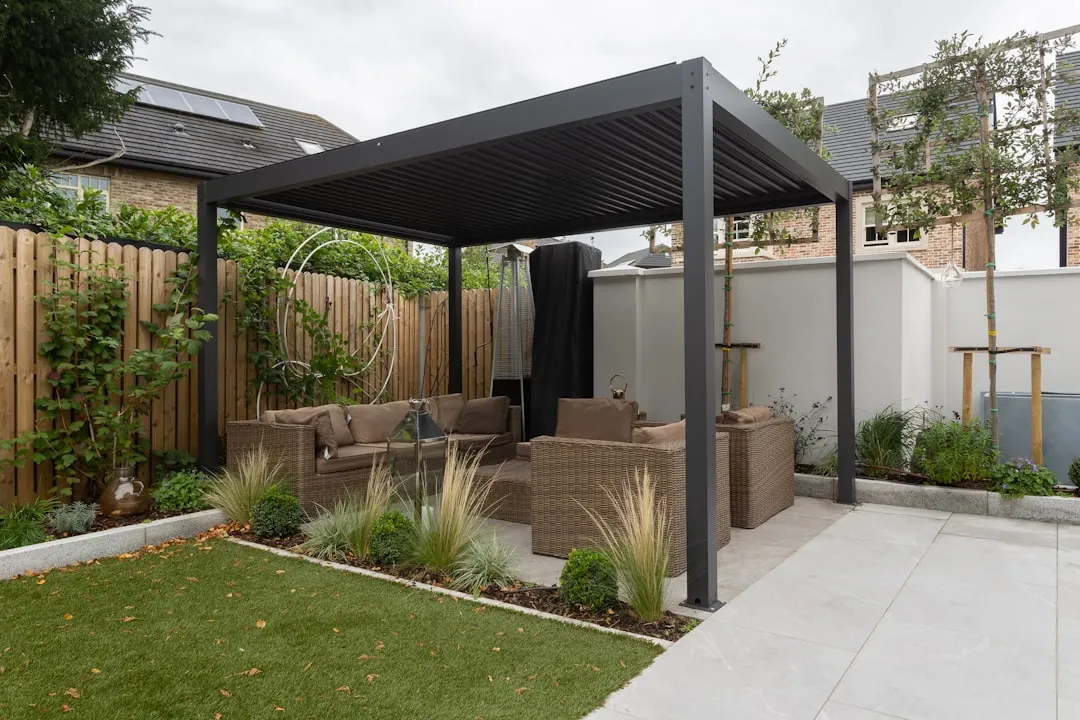
A pergola does something that most backyard additions cannot do on their own: it gives a yard a sense of purpose. It defines the space, creates a visual anchor, and makes the outdoors feel like an actual room. According to Zillow, outdoor upgrades such as adding a pergola can increase perceived home value by 10% to 20% when designed and installed well.
A well-built pergola typically returns 50% to 80% of its cost at resale, and it often helps homes move faster in markets where outdoor living drives buyer decisions. The structure itself signals to buyers that the backyard was planned with intention, which carries a subtle but real appraisal benefit.
Pergolas and roof overhangs provide much-needed shade and weather protection while integrating seamlessly with existing structures, and they add architectural interest that can transform a simple patio or deck into a stylish outdoor living space, though the style of the pergola or overhang should match the home’s aesthetics to enhance overall appeal. Material choice matters too: aluminum pergolas are increasingly preferred because they require minimal upkeep and hold their structural integrity for decades.
The Irrigation System: An Underrated Performer

Mention irrigation and most people think practical, not valuable. The numbers tell a different story. Installing an irrigation system can be a value-adding upgrade, and according to the National Association of Realtors, this outdoor project boasts an 83% cost recovery. That places it in surprisingly strong company among home improvement projects.
Homebuyers will pay more for a home that already has a system that takes care of the lawn with minimal maintenance, and a high-quality irrigation system can bring a potential ROI on home resale value of 85% to 90%. Buyers are increasingly drawn to low-maintenance properties, and an automated irrigation system is one of the clearest signals that a yard largely takes care of itself.
Remote smartphone control makes adjustments easy, and for potential buyers, that kind of hands-off maintenance is a valuable selling point, signaling that the beautiful yard essentially takes care of itself. In a competitive market, that kind of built-in convenience can tip a purchase decision.
Privacy Fencing: Quiet Value with Practical Appeal
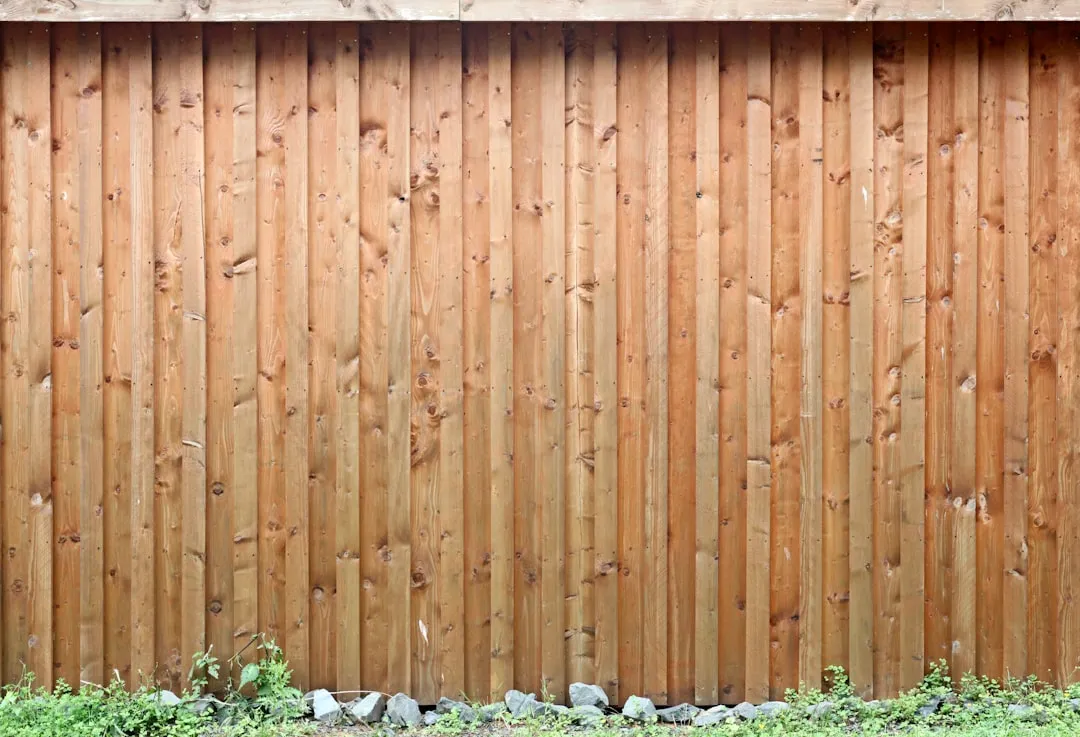
A privacy fence won’t win awards for glamour, but it consistently comes up in buyer conversations. While less exciting than an outdoor kitchen, a privacy fence provides practical benefits including defining property lines, keeping kids and pets safe, discouraging passersby, and making the outdoor space more attractive.
In today’s market of high home prices and interest rates, an unfenced property might be a dealbreaker for some buyers, particularly those with children or pets, since the hassle and expense of installing a fence after moving in can be a deterrent. Framing a fence this way, as a buyer-retention tool rather than a pure value add, often makes more financial sense.
Professional installation of a privacy fence typically runs between $3,000 and $7,000, depending on the length and materials chosen. Choosing durable, low-maintenance materials that complement the home’s style tends to maximize the return on that spend.
Outdoor Lighting: Small Investment, Outsized Impact
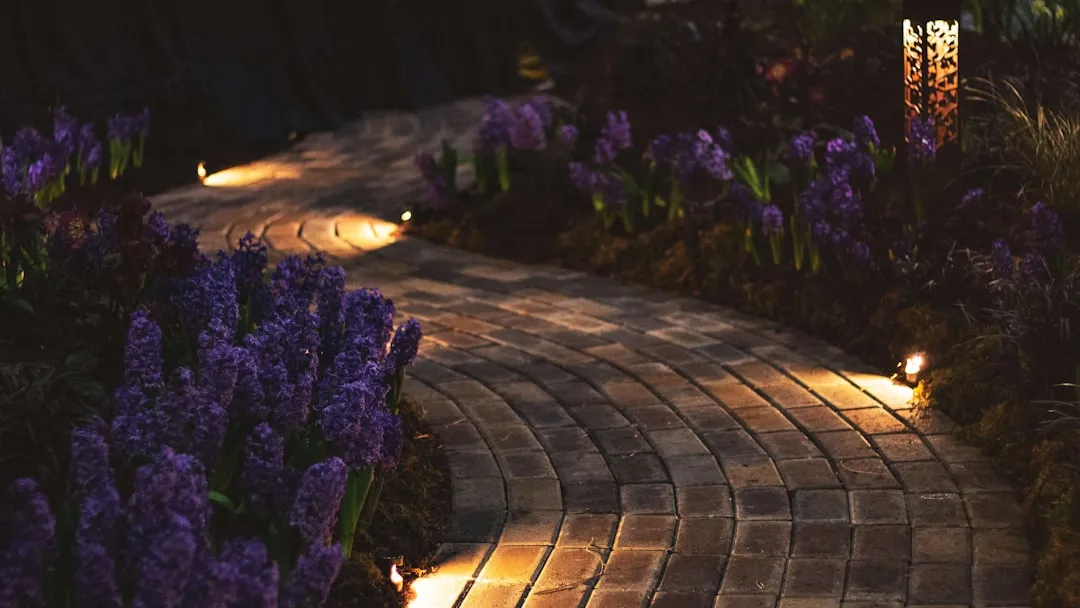
Exterior lighting is one of the most underestimated backyard upgrades. It changes how a property is experienced after dark, which matters more than most homeowners realize. Most showings happen in the evening, and an unlit backyard simply disappears. Outdoor lighting deters burglars and creates atmosphere in the yard, while stylish exterior lighting such as motion lights or low-voltage landscape lighting can significantly improve curb appeal.
Thoughtfully placed uplights and pathway lights not only improve safety but also showcase architectural plants and hardscape features after dark, and this upgrade typically recoups over 100% of its cost by extending usable hours and enhancing curb appeal. When lighting is well done, it adds a dimension to the property that daylight alone cannot provide.
Landscape lighting, including path lights, uplights, and accent lighting, carries a cost recovery of around 59%, and while the direct ROI is lower than some other upgrades, the curb appeal contribution to evening showings is significant. Think of it as set design for the outdoor space: it tells the story of a home at its best.
The Landscaping Upgrade: More Than Just Plants
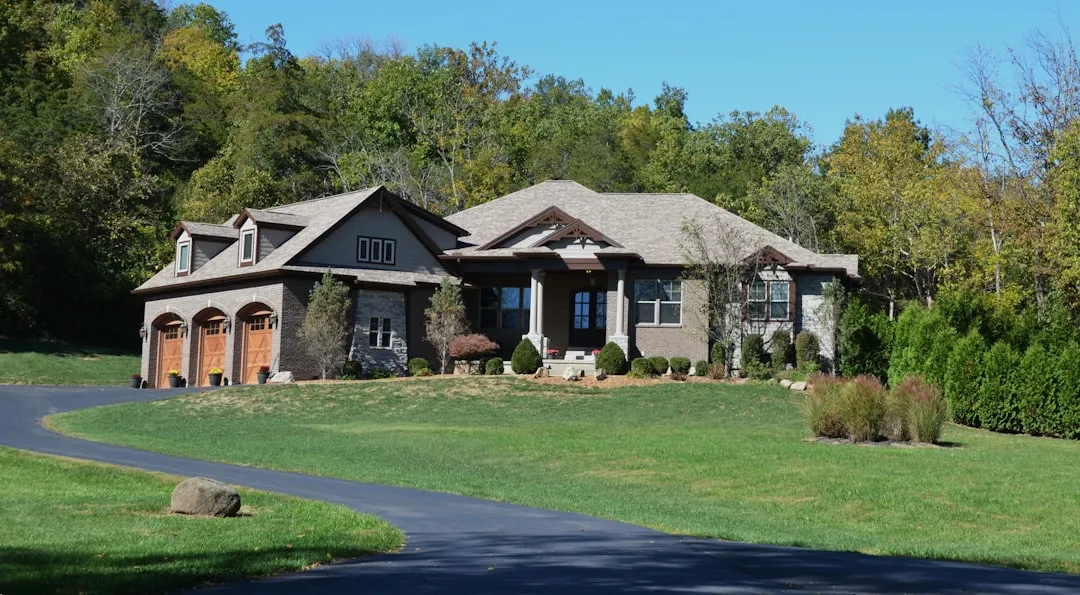
A “landscape upgrade” sounds vague, but the NAR has defined it precisely, and the returns are concrete. According to the NAR and National Association of Landscape Professionals, a comprehensive outdoor makeover could net a 100% return on investment, defined as installing a natural flagstone walkway, adding stone planters, mulching, and planting flowering shrubs and a sizable tree, all for an average cost of around $9,000.
The American Society of Landscape Architects estimates that professional landscaping services can add 15% to 20% to home value. That is a significant lift for a category of investment that can begin at a relatively accessible price point. The key is cohesion and quality, not volume.
Most of the landscape ROI comes in the first ten seconds of a buyer’s drive-by, and real estate research consistently shows that buyers form a price-anchor opinion before they walk through the door, with curb appeal setting that anchor. A home that looks well-tended from the street earns more goodwill in the first thirty seconds than a great kitchen can recover in an entire showing.
What to Prioritize and What to Skip
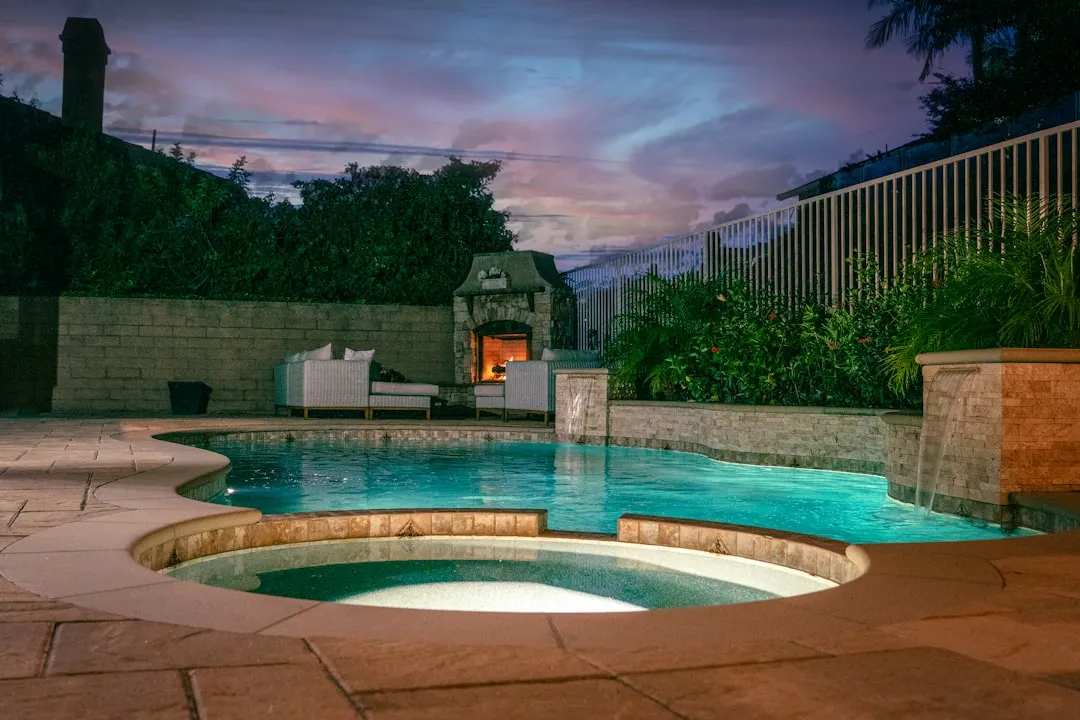
Not every backyard project makes the same financial case. Pools, for example, carry a cautionary note in most markets. Some estimates suggest an in-ground pool can have an ROI as low as 7%, making it a notably poor performer compared to outdoor kitchens and other additions. That figure changes regionally, but it is a useful reality check for anyone considering a major pool installation.
The most consistent theme across the data is proportionality. Upgrades that match the home’s existing price range and neighborhood norms tend to recover their costs. Luxury upgrades that are out of step with other homes in the area may price a property out of the local range. Choosing upgrades that signal care and usability, rather than extravagance, is almost always the smarter play.
According to Zillow’s 2024 Consumer Housing Trends Report, nearly three quarters of sellers took on at least one home improvement project to prepare their home for sale. The competition is real, and a well-planned backyard can be a meaningful differentiator in a crowded market.
The Takeaway
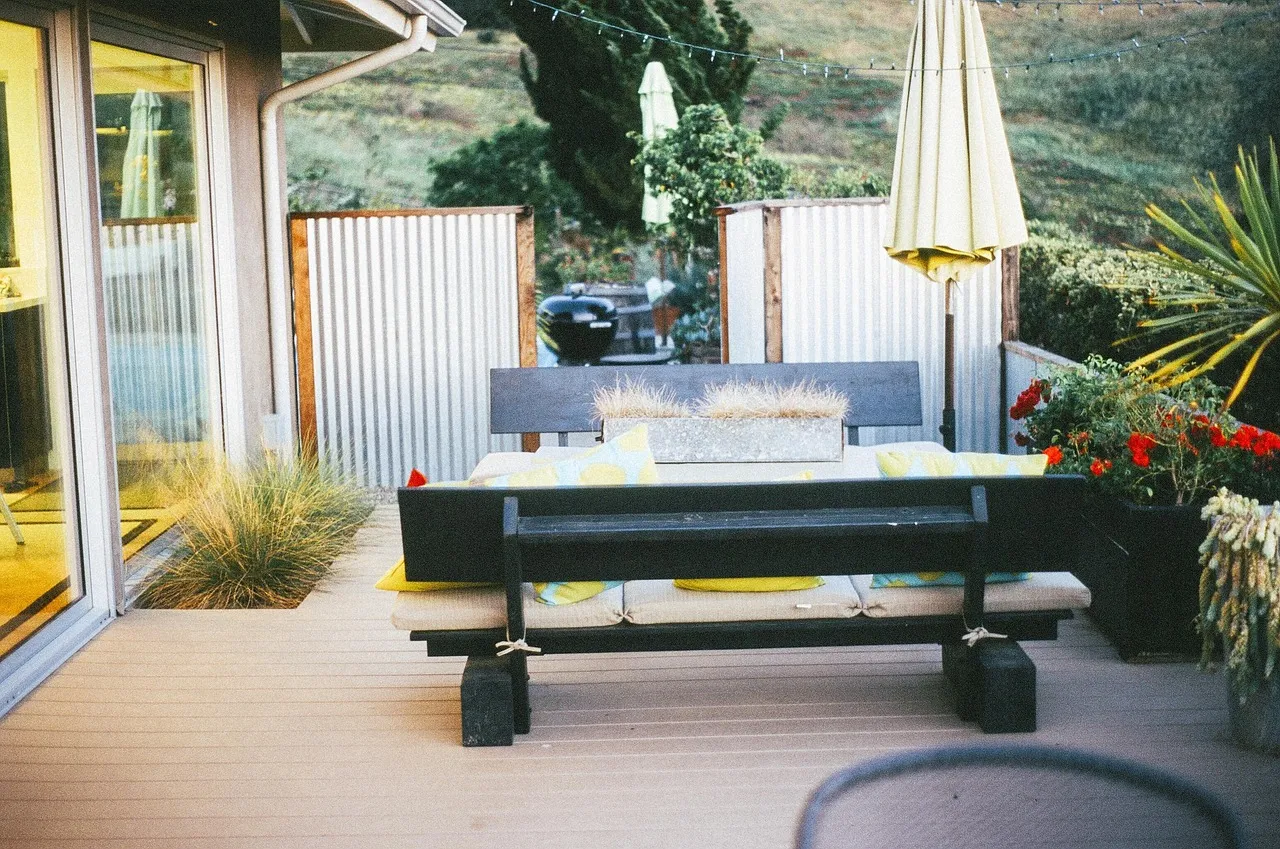
The backyard has genuinely become a financial asset, not just a personal one. The five core upgrades covered here, decks and patios, outdoor kitchens, professional landscaping, fire features, and pergolas, all carry real evidence behind them. Each one addresses something buyers consistently say they want: usable outdoor space, low maintenance, and a sense that the property has been thoughtfully cared for.
The smartest approach is to think of the backyard as a room, because buyers increasingly do. A space that looks planned, functional, and livable will outperform one that looks like an afterthought, regardless of what’s happening inside the house.
Spend where it shows. Invest where buyers look first. The data strongly suggests the backyard is exactly that place.
AI Disclaimer: This article was created with the assistance of AI tools and reviewed by a human editor.