

Most people who sit down to write a will are thinking about the obvious things: the house, the car, the savings account. Those feel like the “real” assets, the ones worth planning for. What tends to slip through are the less visible pieces of a person’s financial and personal life, and some of them carry significant value.
Only about a quarter of Americans had a will in 2025, down from roughly a third in 2024. In total, roughly 55% of Americans have no estate plan at all, leaving their wishes and their loved ones unprotected. For the people who do get around to writing one, the document is often incomplete in ways they don’t realize until it’s too late to fix anything. Here’s a closer look at the five assets most commonly left off the list, and why each one matters.
1. Digital Assets and Online Accounts

In today’s digital world, failing to account for digital assets can create significant problems for heirs. Digital assets include everything from online bank accounts and cryptocurrency wallets to social media profiles and email accounts. These aren’t fringe concerns anymore. They represent a meaningful portion of many people’s financial and personal lives.
Password-locked accounts, cryptocurrency wallets, and online-only assets often have no access instructions anywhere in a will, leaving an executor locked out of something with real value and no legal key to get in. A password remembered only by the person who has died is, for practical purposes, gone with them.
According to the Bryn Mawr Trust 2024 Digital Assets Survey, Americans overwhelmingly report owning digital assets, yet only 29% feel knowledgeable about them. That gap between ownership and understanding is exactly where estate planning problems start. Experts recommend including usernames and account locations in estate documents, but never writing passwords directly in a will, since wills become public records through probate.
2. Cryptocurrency

As cryptocurrency like Bitcoin, Ethereum, and other digital assets have become more popular, it’s more important than ever to ensure an estate plan includes a strategy for passing cryptocurrency to intended beneficiaries. In 2024, approximately 6.8% of the global population invested in some form of cryptocurrency, representing over 562 million people worldwide, a 33% increase compared to 2023. That’s a lot of potential value sitting without any estate instructions.
Unlike traditional financial assets such as stocks and bonds, cryptocurrency doesn’t have a physical currency record like a bank account or brokerage account. Unlike real estate, it doesn’t require the transfer of a deed. Instead, cryptocurrency lives on the blockchain, where access is everything.
If a person passes away and their loved ones can’t access their digital wallet or private keys, those crypto assets could be permanently lost. Most crypto exchanges do not let account holders select beneficiaries, meaning these accounts will pass through probate or through a trust. Without explicit planning, crypto can simply vanish into an inaccessible wallet forever.
3. Retirement Accounts and Beneficiary Designations

While many people focus on drafting a will, they often forget that certain assets, such as life insurance policies, retirement accounts, and payable-on-death accounts, pass directly to named beneficiaries. This is a fundamentally different legal mechanism than what a will controls, and many people don’t know it.
Retirement accounts and life insurance policies pass according to their own beneficiary designation forms, filed separately with the account provider, and those forms override whatever the will says every single time there is a conflict. So a person could spend significant time updating their will after a divorce, remarriage, or the birth of a child, and still have their retirement savings go to the wrong person entirely.
A person who updates their will after a major life change but forgets to update an old beneficiary form from years earlier can end up unintentionally leaving a retirement account to an ex-spouse or a person no longer part of their life. In 2026, with the federal estate tax exemption at $15 million per individual, the focus shouldn’t just be on taxes; it must be on the precise flow of assets to the right people.
4. Intellectual Property and Creative Works

Writers, musicians, photographers, designers, and even hobbyist bloggers often overlook the fact that their creative output has legal standing as property. Copyrights, royalties, patents, and licensing agreements don’t simply expire when a person dies. They can continue generating income for decades after death, and without proper estate planning, that income stream may end up in legal limbo.
While most people remember to address major assets like homes and financial accounts, certain important provisions are frequently overlooked, and these forgotten elements can create unnecessary stress, conflict, and expenses for loved ones after they’re gone. Intellectual property fits squarely in this category. A novel, a music catalog, a software patent, or even a monetized YouTube channel can carry genuine financial value that heirs never see if the will doesn’t address it.
If digital assets hold financial value, such as domain names, blogs, or monetized social media channels, beneficiaries need to be correctly designated. The same principle applies to traditional intellectual property. An estate attorney can help structure these assets so the income they produce flows cleanly to the intended recipients rather than getting tangled in prolonged legal disputes.
5. Pets

It may feel strange to list a pet alongside financial assets, but from a legal standpoint, that’s exactly what they are. Pets are family members, yet they’re legally considered property. Without specific provisions, beloved animals may not get the care the owner would want them to have, or may even end up in shelters or with people who don’t understand their needs.
When crafting an estate plan, it’s important to include not only who should take in your pets but also funds for their care. A pet trust, which is a legally recognized arrangement in all 50 U.S. states, can specify both the caretaker and the financial resources set aside for ongoing veterinary bills, food, and other needs. Simply naming a person informally, without legal backing, leaves no enforceable obligation.
The oversight is surprisingly common, even among people who would describe their pets as among their most important considerations. Good intentions without formal documentation don’t hold up when an estate enters probate. A few paragraphs in a will, or a dedicated pet trust, can make the difference between an animal landing somewhere safe and one that doesn’t.
Why People Keep Missing These Assets

Over a third of U.S. adults say they or someone they know have experienced familial conflict because of a lack of estate planning. Yet the planning still doesn’t happen for most people. In the 2024 Caring.com wills survey, 43% of respondents without a will said they “just haven’t gotten around to it.”
Among those without a will, 13% say it is too expensive to write one, 23% say they won’t ever make one, and 43% say they will wait until there’s a health crisis. That last number is telling. Waiting for a diagnosis or a medical scare to initiate estate planning is a common pattern, but it’s also a risky one, since serious illness can limit the cognitive and logistical capacity to do the planning well.
Probate expenses can cost up to 10% of a person’s estate and can take months or even years to complete. Roughly a third of people say leaving loved ones without enough money is the most damaging result of a poorly planned estate strategy. The irony is that the assets most likely to be forgotten, digital holdings, crypto, retirement accounts with outdated beneficiaries, are often the ones that compound these financial losses the most.
How Often Wills Get Updated (or Don’t)

Many Americans don’t update their wills. In the 2024 survey, 43% of respondents without a will said they “just haven’t gotten around to it,” and fewer people were getting around to it than in prior years. Creating a will and keeping it current are two separate challenges, and most people struggle with both.
Estate planning experts recommend reviewing your plan annually as part of a general review, and especially after major life events such as marriage, divorce, birth of a child, death of a beneficiary, or changes in financial circumstances, as well as when you acquire new significant digital assets. That kind of regular maintenance is what catches the gaps before they become costly problems.
The Gap Between Knowing and Doing

Roughly two thirds of people surveyed said having a will is very or somewhat important, yet only 32% had one as of 2024, a 6% decrease from 2023. That gap between recognition and action is a defining feature of estate planning in the United States, and it shows no sign of closing on its own.
There’s a common misconception that estate planning is only for the wealthy. In reality, estate planning can benefit people across the economic spectrum, since it involves more than passing on wealth and also encompasses planning for aging, illnesses, or injuries, which can be unpredictable.
American retirees expect to transfer more than $36 trillion to their families, friends, nonprofits, and additional beneficiaries over the next 30 years. The scale of what’s at stake is enormous. Whether someone’s estate consists of a modest collection of accounts and personal belongings, or significant property and investments, the assets that slip off the will are the ones that create the most lasting difficulty for the people left behind.
What to Do Right Now
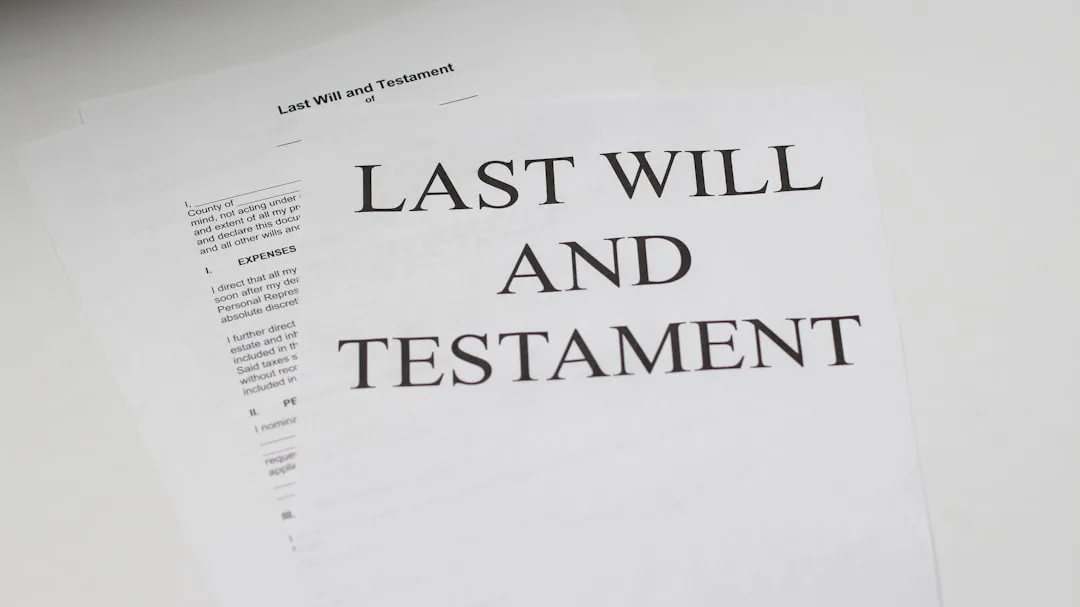
The most practical starting point isn’t a legal appointment, it’s a personal inventory. Walk through every asset category: financial accounts, retirement accounts, life insurance policies, digital platforms, cryptocurrency, creative works, and pets. Note which ones have beneficiary designations and when those designations were last reviewed.
Once that inventory exists, share it with a trusted person and, if possible, an estate attorney. The RUFADAA framework grants loved ones the legal authority to access and manage digital records in an emergency, but only if estate documents explicitly authorize it. Simply owning a digital asset doesn’t mean heirs can legally reach it without the right paperwork in place.
Only 46% of will executors were even aware a will existed in the estates they were responsible for managing. Telling your executor where to find your documents, including digital asset instructions and beneficiary designation records, is as important as the documents themselves.
A Measured Closing Thought

Writing a will is often treated as a single task to check off a list. The reality is that it’s more like maintaining a household: something that needs occasional attention as life changes around it. The five asset categories covered here, digital accounts, cryptocurrency, retirement accounts, intellectual property, and pets, all share one thing in common. They tend to grow in complexity over time while remaining invisible in estate documents written years or even decades earlier.
The cost of ignoring them isn’t always financial. Sometimes it’s a beloved animal ending up in a shelter, a creative body of work disappearing into legal uncertainty, or a family fractured over an account that could have been handled clearly and cleanly. Getting specific about the overlooked things is where estate planning actually does its most important work.
AI Disclaimer: This article was created with the assistance of AI tools and reviewed by a human editor.