

Most gardeners reach for a spray bottle long before they reach for a phone call to a pest control service. There’s something satisfying about mixing up a solution from your own kitchen shelf and watching it actually work. The good news is, some of the most effective plant protection sprays don’t require a trip to the garden center at all.
DIY homemade garden sprays are a natural and cost-effective way to protect your plants from pests and diseases. The four sprays covered here are among the most widely documented, and each one targets a different threat. Understanding how they work, when to use them, and how to apply them correctly makes all the difference.
Spray 1: Neem Oil Spray

Neem oil is a naturally occurring pesticide found in seeds from the neem tree, and it has been used for centuries to control pests and diseases. Homemade neem oil spray acts as an insecticide, repellent, and agent that prevents insects from feeding, and insects never develop any resistance to it.
It’s most effective against soft-bodied pests like aphids, caterpillars, leafhoppers, mealybugs, thrips, spider mites, and whiteflies. Neem oil is also fungicidal and can control blackspot on roses, powdery mildew, and rust diseases.
It works by disrupting insect hormone systems and repels insects from feeding. To mix it, combine one teaspoon of cold-pressed neem oil with 32 ounces of warm water, then add half a teaspoon of liquid soap as an emulsifier. Apply only during early morning or evening to avoid harming pollinators or burning leaves.
Why Neem Oil Stands Apart from Other Organic Options
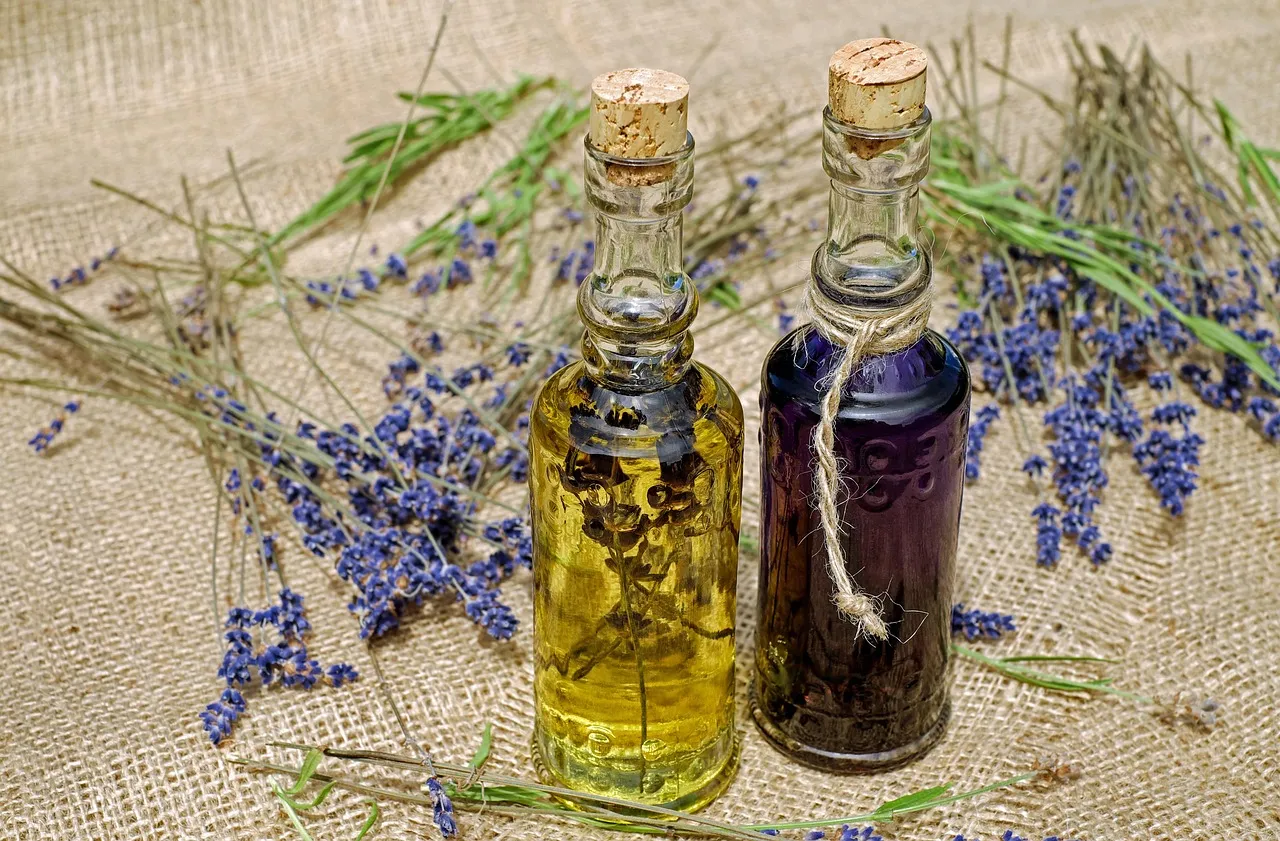
A significant benefit of using neem oil over other pesticides is that it doesn’t harm birds, pets, or beneficial insects. This is because neem oil gets absorbed into the plant’s tissue rather than just sitting on the surface, so it only affects insects that ingest the plant.
Neem oil disrupts insect feeding and reproduction, and it’s effective against aphids, beetles, thrips, whiteflies, and caterpillars. Applying it weekly targets all life stages of common pests.
Neem oil also has antifungal and antibacterial properties, which makes it unusually versatile for a single homemade spray. Few kitchen-cabinet solutions can claim to handle both insects and fungi with the same bottle.
Spray 2: Garlic Spray
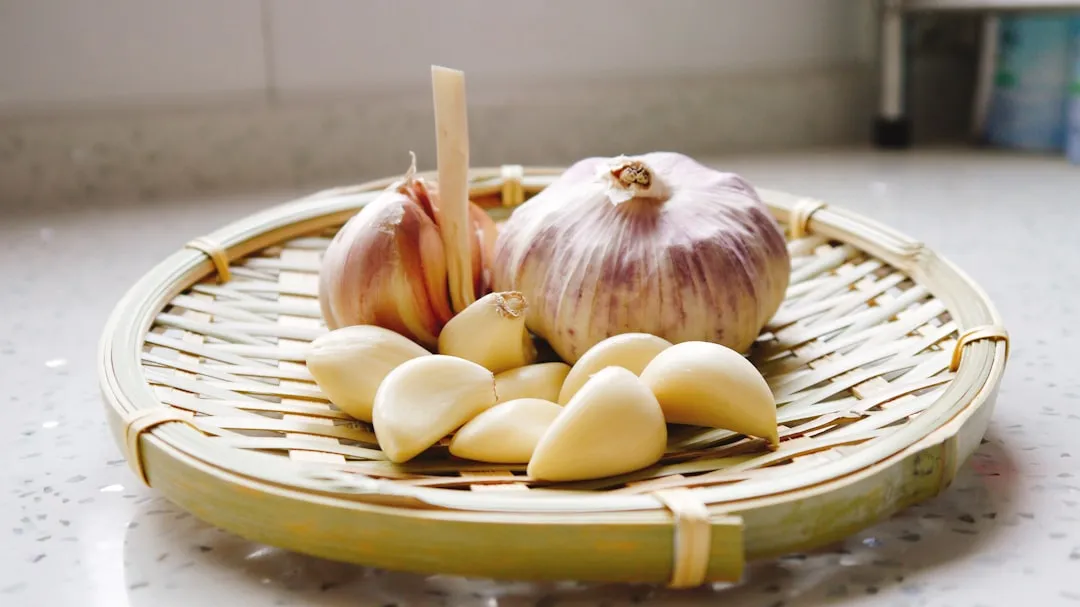
To make a garlic spray, blend three to four cloves of fresh garlic with one quart of water, let the mixture sit for at least 24 hours to allow the allicin to fully dissolve, then strain before applying to your plants.
Garlic spray repels aphids, whiteflies, and spider mites for five to seven days. When using it, mix according to the recommended dilution ratio and avoid spraying during peak sun hours to prevent burning your plants’ leaves.
Garlic is a natural insect repellent thanks to its strong odor and the allicin compounds it contains. You can also add neem oil or a few drops of liquid soap to enhance its effectiveness. Reapplying after rain keeps the protection consistent, since water washes the residue off fairly quickly.
The Science Behind Garlic as a Repellent
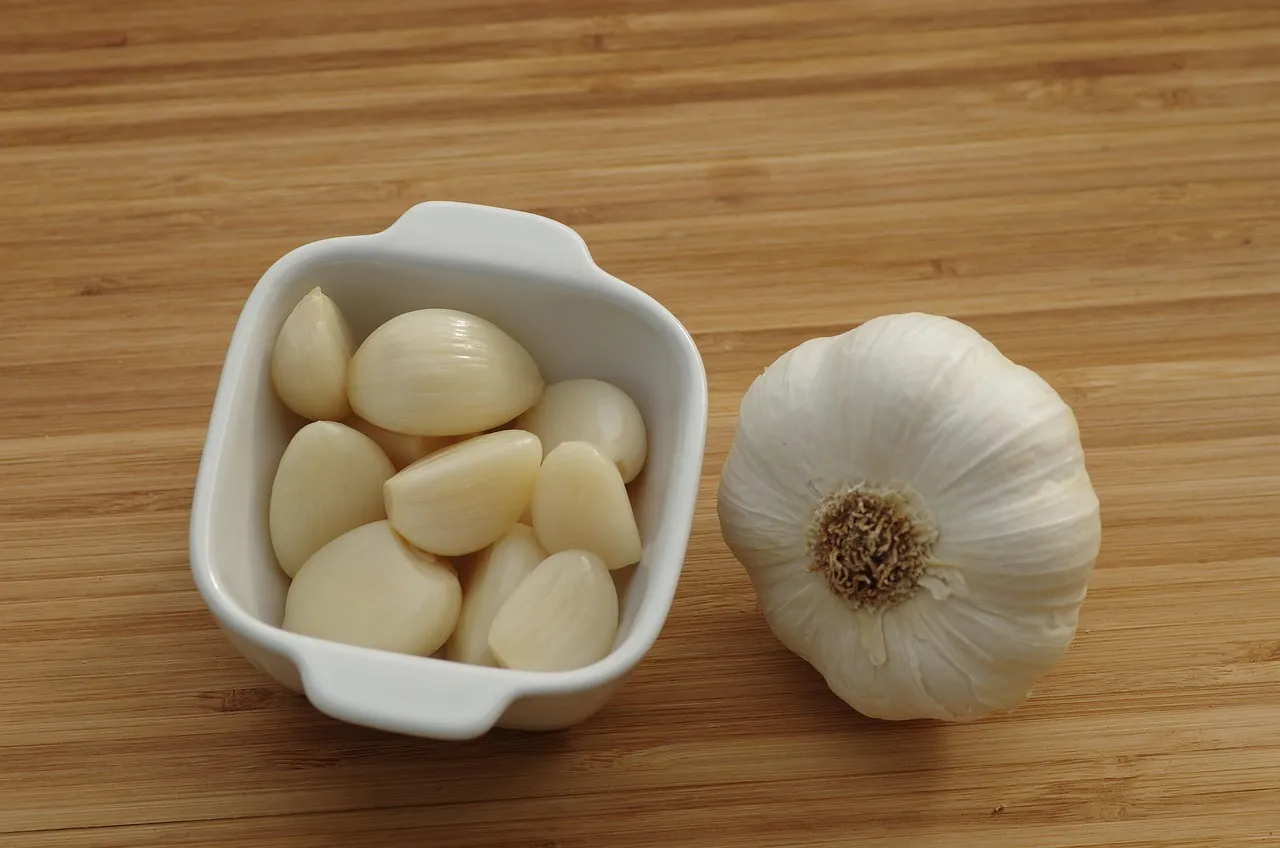
Capsaicin and allicin act as strong repellents and irritants for a broad range of insects. In garlic specifically, allicin is the compound responsible for that sharp, sulfurous smell that makes treated plants far less appealing to feeding insects.
Avoid spraying on very hot days, as garlic can cause leaf scorch. Always test the spray on a few leaves before wide application to check for plant sensitivity. This two-minute patch test saves you from accidentally doing more damage than the pests themselves.
A garlic-based mixture is especially effective on brassicas and leafy greens, making it a smart first choice for vegetable gardeners dealing with early-season infestations on kale, cabbage, or broccoli.
Spray 3: Castile Soap (Insecticidal Soap) Spray
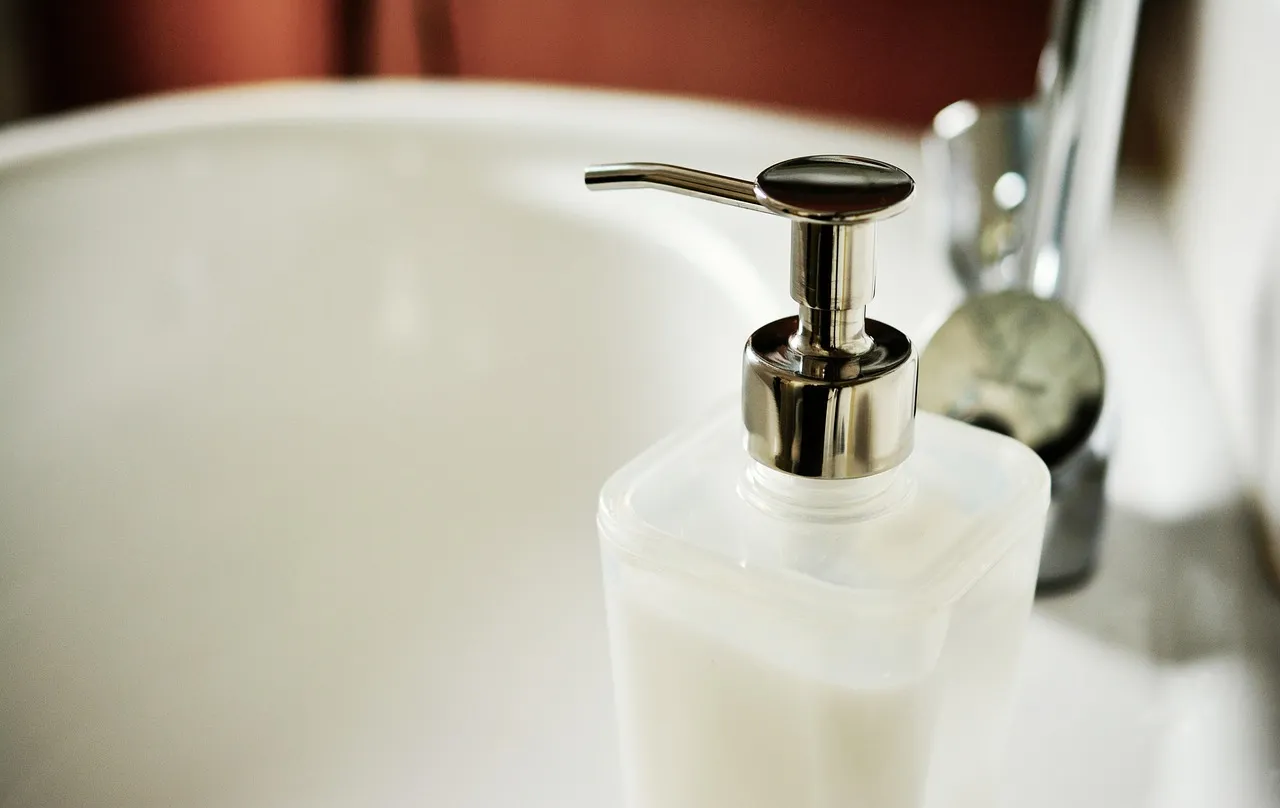
Insecticidal soap is a type of pesticide that uses the fatty acids in soap to target and eliminate soft-bodied insects. Unlike chemical pesticides, it is biodegradable and generally safe for humans and pets when used as directed. It works by breaking down the protective outer layer of insects, causing them to dehydrate and die.
To make it, fill a clean spray bottle or garden sprayer with one quart of water, add one to two tablespoons of pure liquid soap such as Castile soap, then add one to two tablespoons of vegetable oil to help the solution stick to plants longer.
It’s not recommended to use dish detergent like Dawn, laundry detergent, or hand soap, since these contain abrasive ingredients that could harm your plants. For DIY insecticide, organic pure Castile liquid soap is the best solution since it’s all natural and highly effective.
How Insecticidal Soap Works on Contact
Insecticidal soaps only work when sprayed directly on the pests, and they are only effective for as long as they remain wet. Dry soap does nothing. This matters a lot in practice: thorough, direct coverage is essential, especially on the undersides of leaves where many pests hide.
The active ingredients are potassium salts of fatty acids, created when alkali mixes with the fatty acids found in natural oils. The resulting mixture kills soft-bodied garden pests such as aphids, mites, and mealybugs on contact, without leaving toxic residue in the soil.
Phytotoxicity may occur if applied during hot days, so avoid spraying if temperatures are above 32 degrees Celsius. Even organic insecticidal soaps can harm beneficial insects or plants that are susceptible to phytotoxicity. Plants susceptible to damage from soap sprays include beans, impatiens, cucumbers, ferns, sweet peas, and Japanese maple.
Spray 4: Baking Soda Fungicide Spray
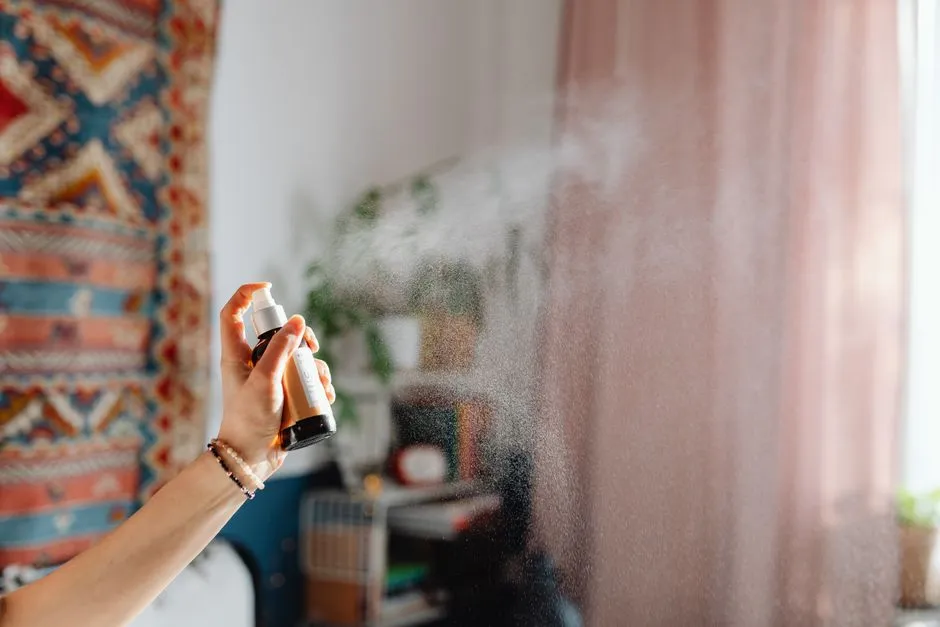
The use of baking soda as a fungicide is not new and has long been utilized by gardeners to protect their plants. Scientifically known as sodium bicarbonate, it has been an effective and safe fungicide for the treatment of various fungal diseases such as powdery mildew. It is also effective at eliminating the effects of fungal diseases on common vegetable plants.
When sprayed on plants, it disrupts the ion balance of fungal cells, which causes them to collapse. Fungal spores are eliminated because the baking soda leaves alkaline residues on the surface of plants, preventing the formation of spores that cause diseases.
A reliable recipe uses one tablespoon of baking soda per gallon of water plus one to two teaspoons of horticultural oil or neem oil for adhesion, with a few optional drops of gentle liquid soap to help emulsify and ensure even spray coverage.
What Research Says About Baking Soda Sprays
Various concentrations of baking soda alone or mixed with other ingredients like horticultural oil have proved effective, and based on this research, some commercial baking soda products are now available for use as organic fungicides.
Although studies indicate that baking soda alone is not all that effective, when combined with horticultural grade or dormant oil and liquid soap, efficacy is very good if applied in the early stages or before an outbreak occurs. Early intervention really is the key here.
Baking soda solutions typically offer protection for seven to fourteen days, with rain or irrigation requiring reapplication. The effect is contact-only, meaning missed spots remain vulnerable. It is also not systemic, making it best suited for surface pathogens like blight, mildew, and powdery fungi.
Cayenne Pepper Spray: A Bonus Option Worth Knowing

Hot pepper spray works because capsaicin, the compound that causes the heat in hot peppers, is just as irritating to insects as it is to us. The mixture also helps repel whiteflies, but may need to be reapplied when pests return.
Research has shown that cayenne pepper was one of the only pepper types with any effect on spider mites. Studies have also determined that using hot peppers in repellents can deter the onion fly from laying eggs and can reduce growth of the spiny bollworm and repel cotton pests.
To prepare it, bring one quart of water to a boil, add either one tablespoon of red pepper flakes or one chopped hot pepper, and let steep for about 15 minutes. Then filter the solution and mix in one teaspoon of gentle dish soap. Once applied to your plants, the spicy residue will prevent pests from eating. Be cautious when working with it, as capsaicin can irritate the skin.
General Tips for Applying Homemade Sprays Effectively
Natural sprays are designed to repel or kill harmful insects using botanical and food-based ingredients. These solutions break down quickly, making them safer for humans, pets, and beneficial insects when used correctly.
Natural sprays are most effective as part of an integrated pest management strategy, which includes companion planting, decoy crops, and manual control methods. To get the best results, timing, dilution, and technique are key.
Reapply after it rains and every seven to ten days for ongoing effectiveness. Many home gardeners today are trying to avoid adding chemicals to their landscapes that can get into the groundwater and contaminate the ecosystem or harm other beneficial insects. Homemade sprays offer a practical, low-cost way to do exactly that.
When Homemade Sprays Work Best and When They Don’t
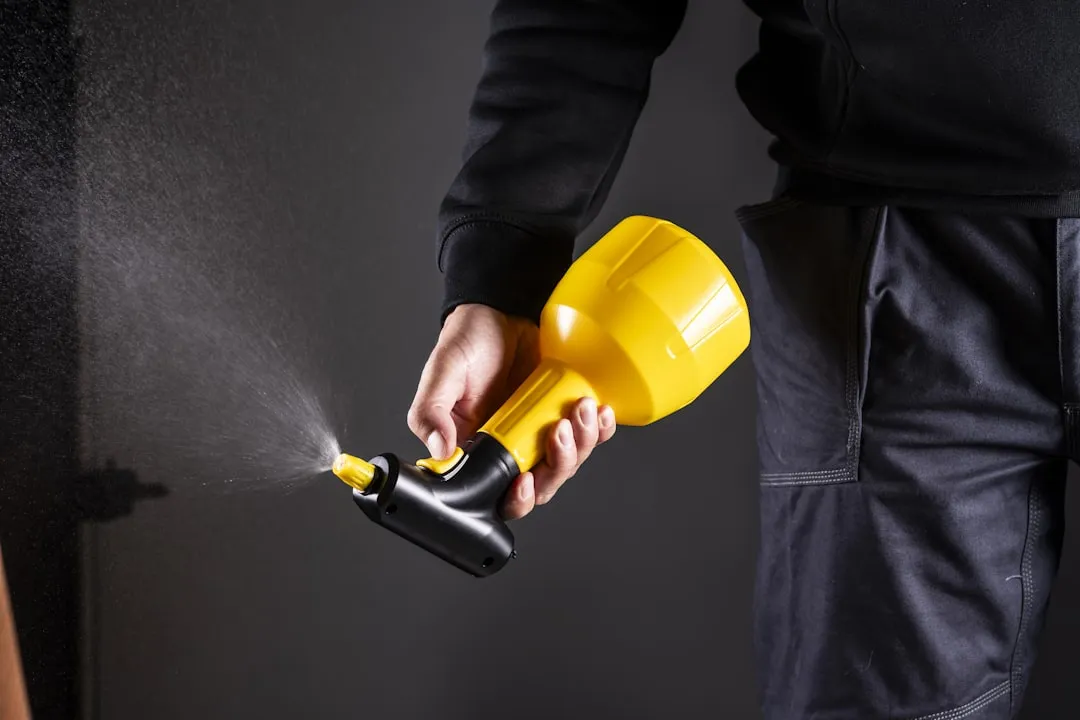
Beetles and caterpillars won’t be fazed by insecticidal soap, so if you are experiencing issues with these chewing insects, you’ll want to consider other options. Similarly, neem oil and garlic sprays tend to work best on smaller, softer-bodied insects rather than larger chewing pests.
Baking soda works best as a preventative or early-intervention remedy. For severe infections, combining it with other cultural and organic management strategies is advisable. Think of these sprays as your first line of defense, not a last resort.
Homemade organic sprays must be applied regularly, and overuse or too high a concentration might stress delicate plants. Keeping notes on what you sprayed, when, and how plants responded helps refine your approach over a season or two.
Conclusion: Protecting Your Plants the Simple Way
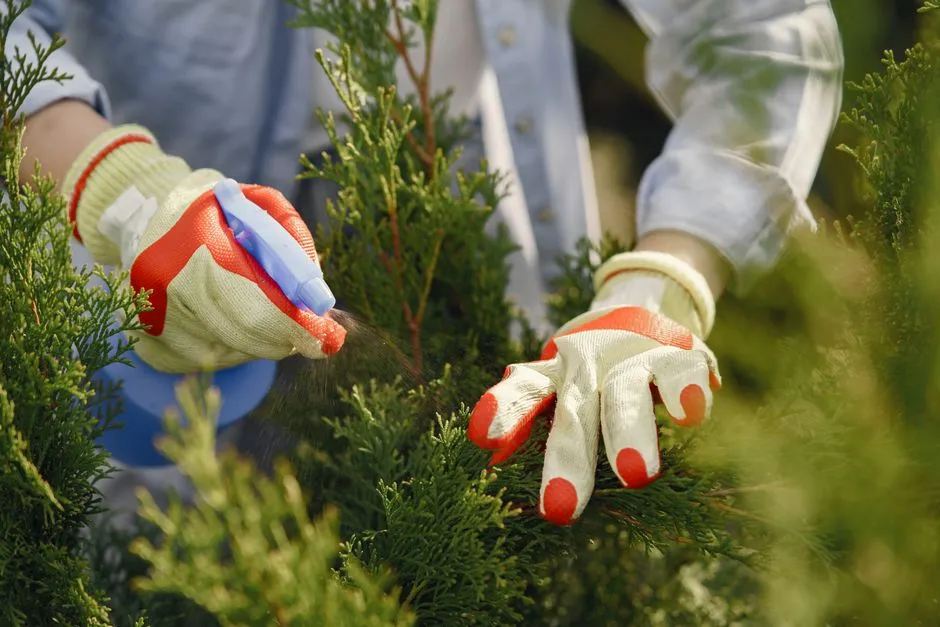
The four sprays covered here, neem oil, garlic, Castile soap, and baking soda, cover most of the common challenges a home gardener will face. Pests, fungal diseases, and chewing insects each have a natural countermeasure that can be mixed in minutes. None of them require specialized equipment or a background in chemistry.
What they do require is consistency. Most of these sprays need weekly reapplication and direct contact with the problem to be effective. That’s actually a good thing: it keeps you checking on your plants regularly, catching problems early when they’re far easier to manage.
Homemade organic sprays won’t replace every tool in a gardener’s kit, but they’re a smart, low-cost starting point. Sometimes the most effective solution really is already sitting in your kitchen cabinet.
AI Disclaimer: This article was created with the assistance of AI tools and reviewed by a human editor.