
There’s a certain quiet pleasure in having something green and living in your home. A plant on the windowsill, a trailing vine on a shelf – it changes the feel of a room in a way that furniture simply can’t. The catch, of course, is keeping them alive.
Indoor plants bring life to any space, but if you don’t have a green thumb, keeping them alive can feel impossible. Some plants require constant care, while others thrive on neglect. The key is choosing plants that fit your lifestyle and environment. The four below do exactly that.
Pothos: The Plant That Practically Raises Itself
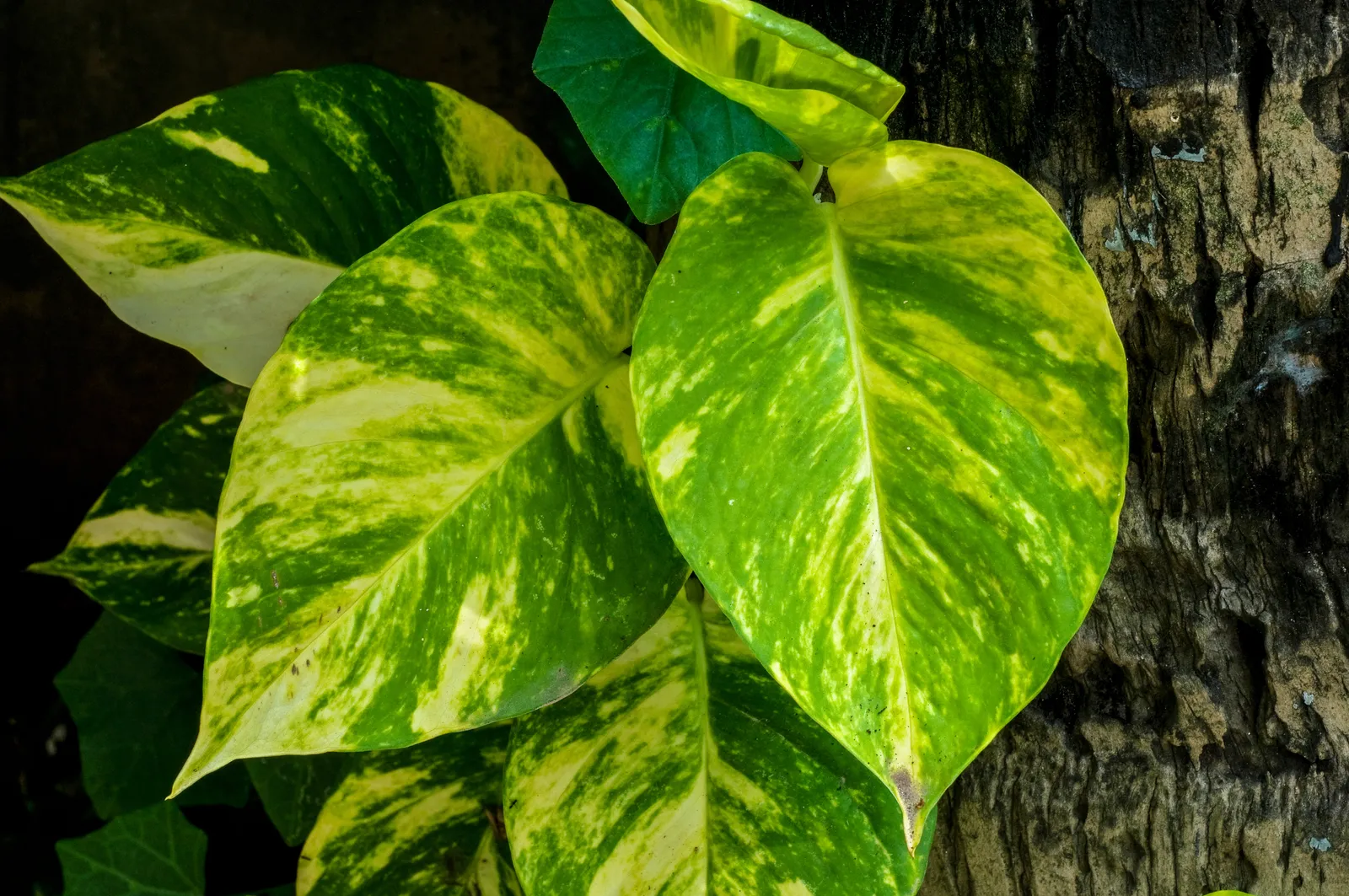
The pothos plant is one of the simplest houseplants to own. It’s a popular trailing vine plant with heart-shaped leaves whose cascading vines can grow quite long if given the opportunity. Pothos leaves come in various shades of green, with some varieties having patches or streaks of yellow or white.
There are over a dozen types of pothos ranging in color and variegation. Some can be more difficult to care for, but the more common varieties are generally very low maintenance. Some of the easier varieties are Golden Pothos, Neon Pothos, and Marble Queen.
This is a trailing houseplant, meaning it will cascade out of its pot towards the floor. You can also grow it in an upright fashion using a moss pole and plant clips. Pothos is by far the fastest grower among low-maintenance options. In good conditions it can add several feet of new vine in a single growing season. Trailing stems make it perfect for high shelves, hanging baskets, or climbing a moss pole. It fills a space quickly and can be pruned regularly to keep it tidy or to propagate new plants in water.
Pothos plants prefer slightly moist soil but can tolerate some drying out between waterings. The plant will start to droop when it needs water. Black spots on the leaves indicate that the soil has been kept too wet, while dry brown edges mean the plant was kept too dry for too long. Worth keeping in mind, but none of that is hard to manage once you’ve seen it once.
Snake Plant: A Modern Classic for a Reason
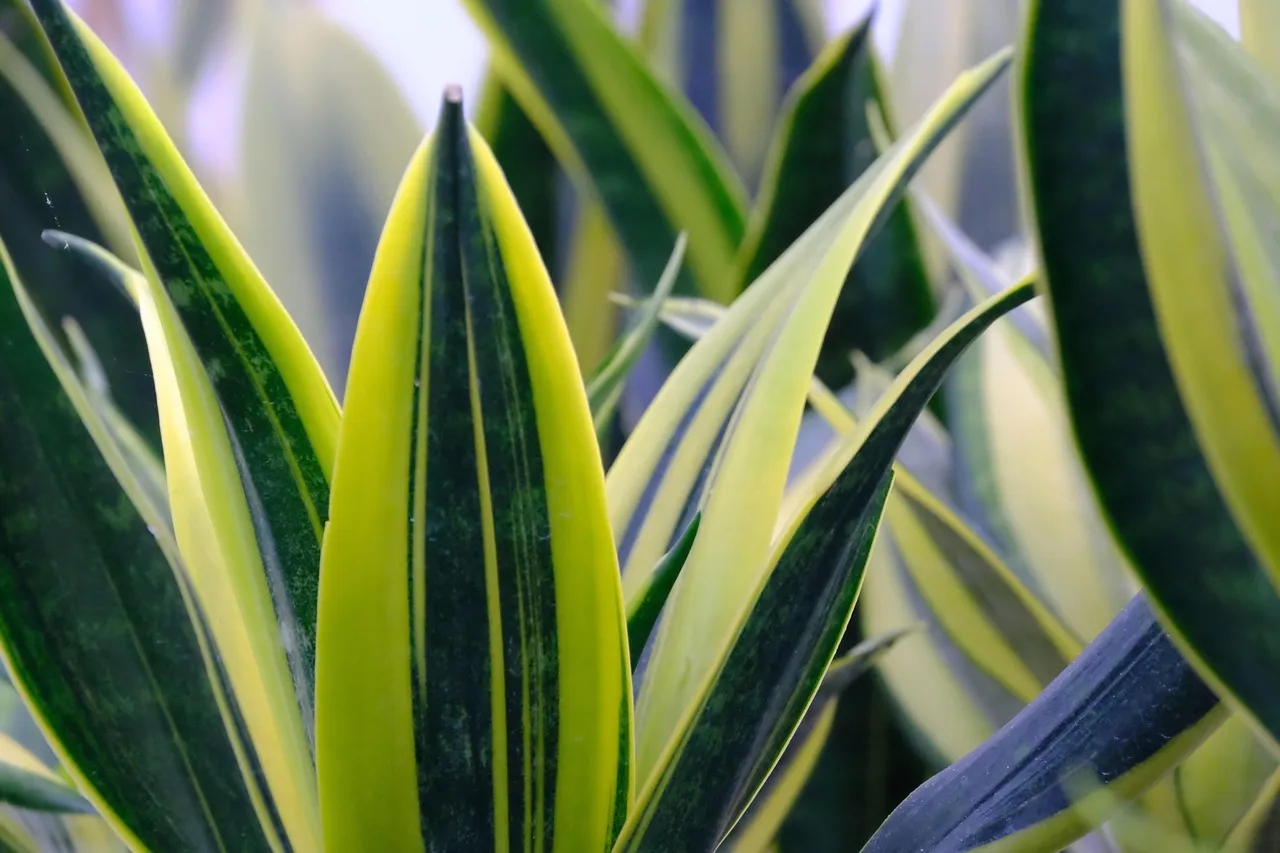
The snake plant is the ultimate beginner plant. Known for its striking upright leaves, this plant is as hearty as it looks. It’s a favorite among busy people and anyone new to growing plants.
The snake plant is one of the most low-maintenance plants you can own. Its upright, sword-like leaves thrive in low light or bright, indirect sunlight, and it only needs watering once every two to three weeks. Because it stores water in its thick leaves, it’s incredibly drought-tolerant. Even if you forget about it for a month, it will still survive.
It’s a stylish houseplant with vertical sword-like leaves. The foliage is often variegated with streaks or stripes of silver, cream, or white. Some varieties, such as ‘Black Gold’, have golden-yellow edges. That visual variety means you can actually match one to your space rather than just tolerating whatever looks greenest at the garden center.
A lesser-known fact about snake plants is that they can actually bloom. Happy snake plants will send out long bloom spikes with whitish flowers. The main feature of these blooms is the fragrance – it’s a wonderful scent that will fill your home. This phenomenon is somewhat rare for snake plants kept indoors, but it’s a fun goal for those just getting into houseplants.
ZZ Plant: The One That Thrives on Being Ignored
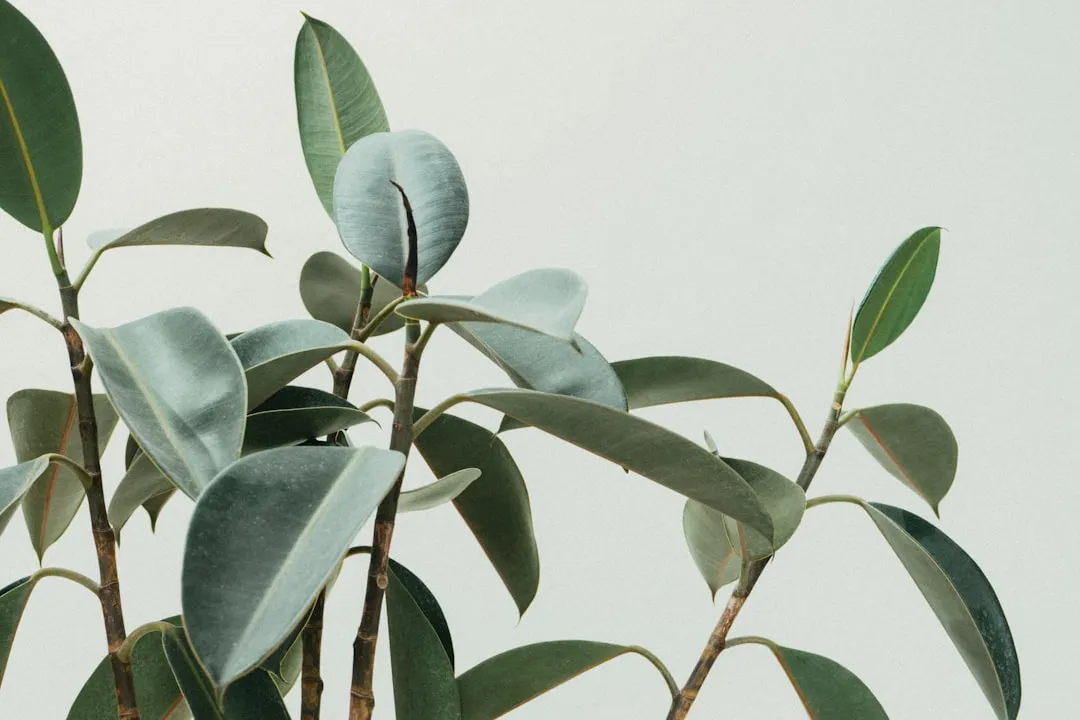
The ZZ plant is known for its waxy, dark green leaves and its ability to thrive on almost complete neglect. ZZ plants are upright plants that grow from a rhizome, similar to ginger, which can store water for periods of drought. They are a slow-growing houseplant, but a mature ZZ plant can grow to be five feet tall. There are a few different varieties of the ZZ plant, including the striking, nearly black, Raven ZZ plant. This means you’ll be able to find one that perfectly suits your décor.
One of the benefits of the ZZ plant is that it can thrive in many lighting conditions, including low natural light, making them ideal for offices or rooms with few windows. If you forget to water this plant, there’s no need to worry, as these plants grow from rhizomes that help them store water under the soil. Allow the soil to dry out between waterings, usually once every two weeks, and thoroughly wet until the water runs out of your pot’s drainage hole. Get rid of any excess water to prevent root rot.
The ZZ plant has the edge for pure survivability among the most popular low-maintenance options. Its rhizomes store water and nutrients for remarkably long periods, and it tolerates neglect, including low light and infrequent watering, better than most alternatives. If you’ve killed everything else you’ve ever owned, this is your plant.
Spider Plant: Easygoing, Generous, and Hard to Mess Up
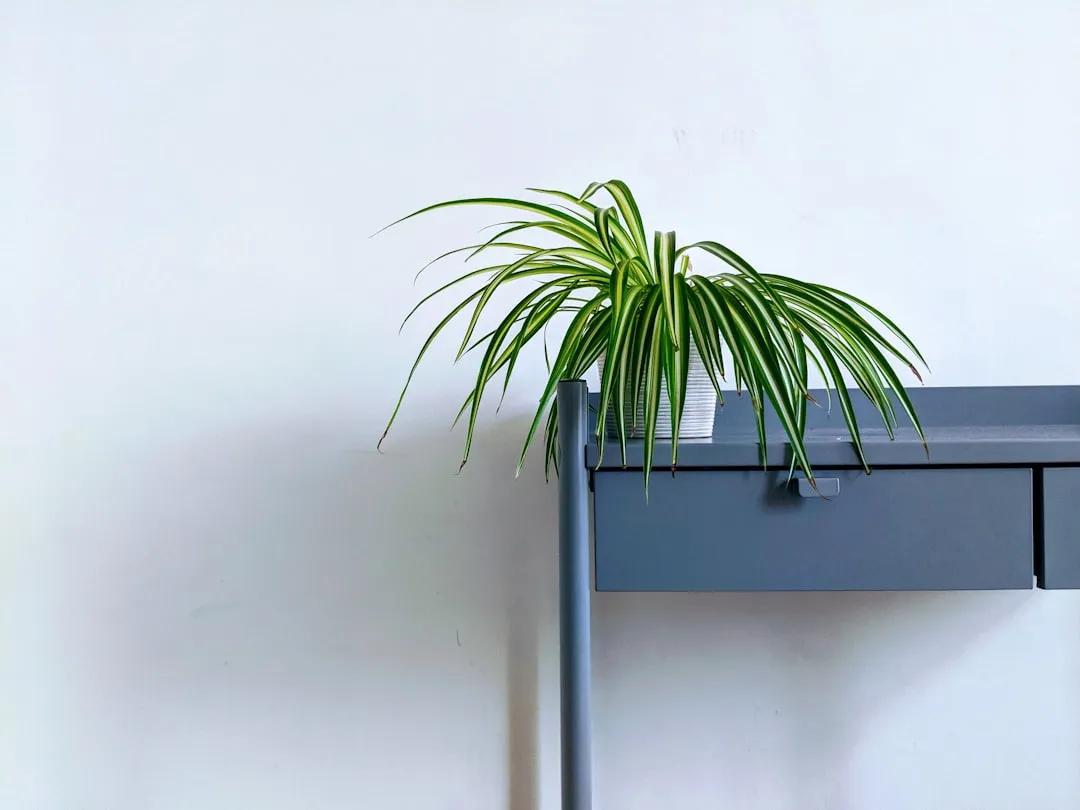
These popular fast-growing plants produce rosettes that grow into arching leaves, also called ribbons, that reach over a foot long. The leaves are typically green, but some varieties have white or cream stripes running along the edges or down the center. Spider plants produce long stems that bear small plantlets, or “spiderettes,” at their tips. These plantlets eventually develop roots and can be separated to grow new plants.
The spider plant does best and grows fastest in a bright spot, but is tolerant of medium and low light. It doesn’t even need a window, and is as happy when lit by fluorescent lights as by the sun. Its thick roots store water too, so if you go on vacation or get too busy to water, it’ll survive.
Spider plants don’t require much care. They prefer warm, humid rooms and thrive in spots that receive indirect light. For a happy plant, keep the soil slightly moist but never soggy. The spider plant is also known for reducing indoor air pollution, though it’s worth knowing that the overall effect in a typical home is modest at best.
Spider plants have a fun, grassy look and produce baby plants on long shoots that arch out from the plant. These little plants can be potted up and shared. There’s something genuinely satisfying about passing a cutting along to a friend who thinks they can’t keep plants alive. More often than not, the spider plant proves them wrong.
A Few Things Worth Knowing Before You Start
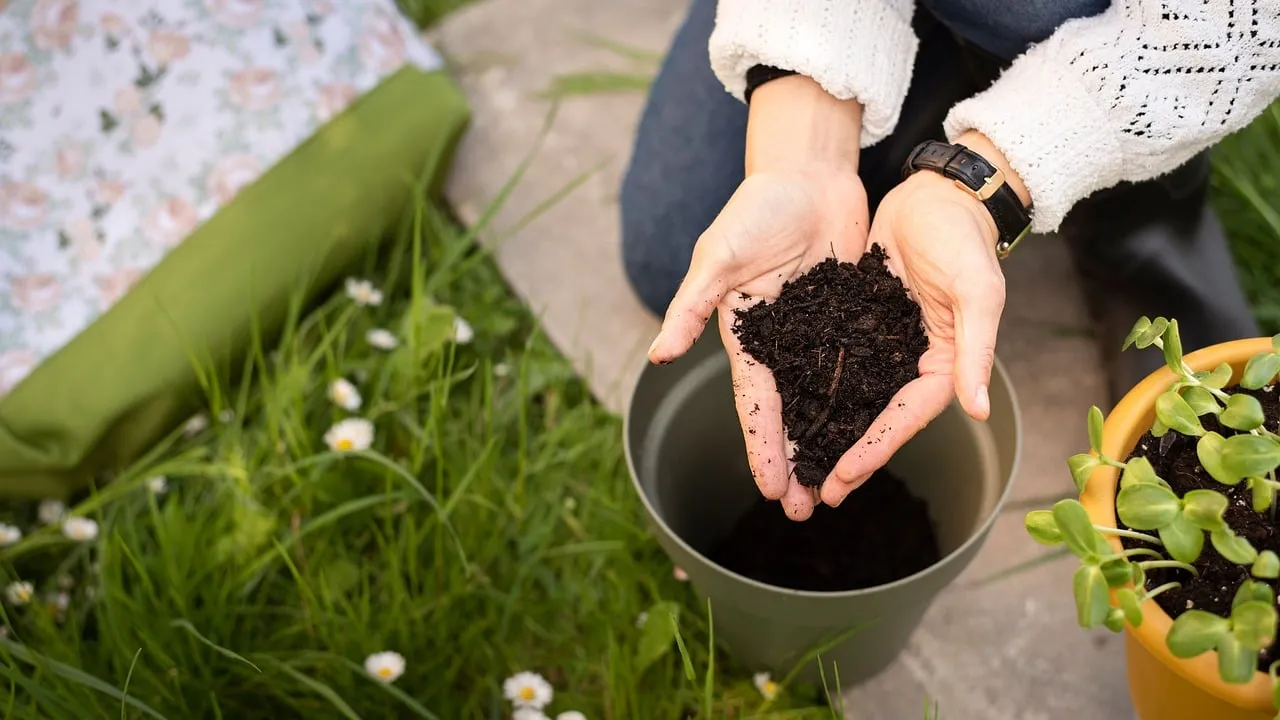
Overwatering is the number one houseplant killer. All four plants on this list are forgiving, but they share one common vulnerability: sitting in waterlogged soil. Always check soil moisture before watering to avoid overwatering.
Many beginner plants like pothos, snake plant, and ZZ plant are toxic if ingested by pets. If you’re looking for pet-safe options, consider spider plants, Boston ferns, or Calathea varieties, but always confirm toxicity with reputable sources before purchasing.
A mix of potting soil and material like perlite can help with drainage for your plant while keeping it nourished. It’s a small detail that makes a real difference, especially for plants sitting in decorative pots without drainage holes.
The Bigger Picture
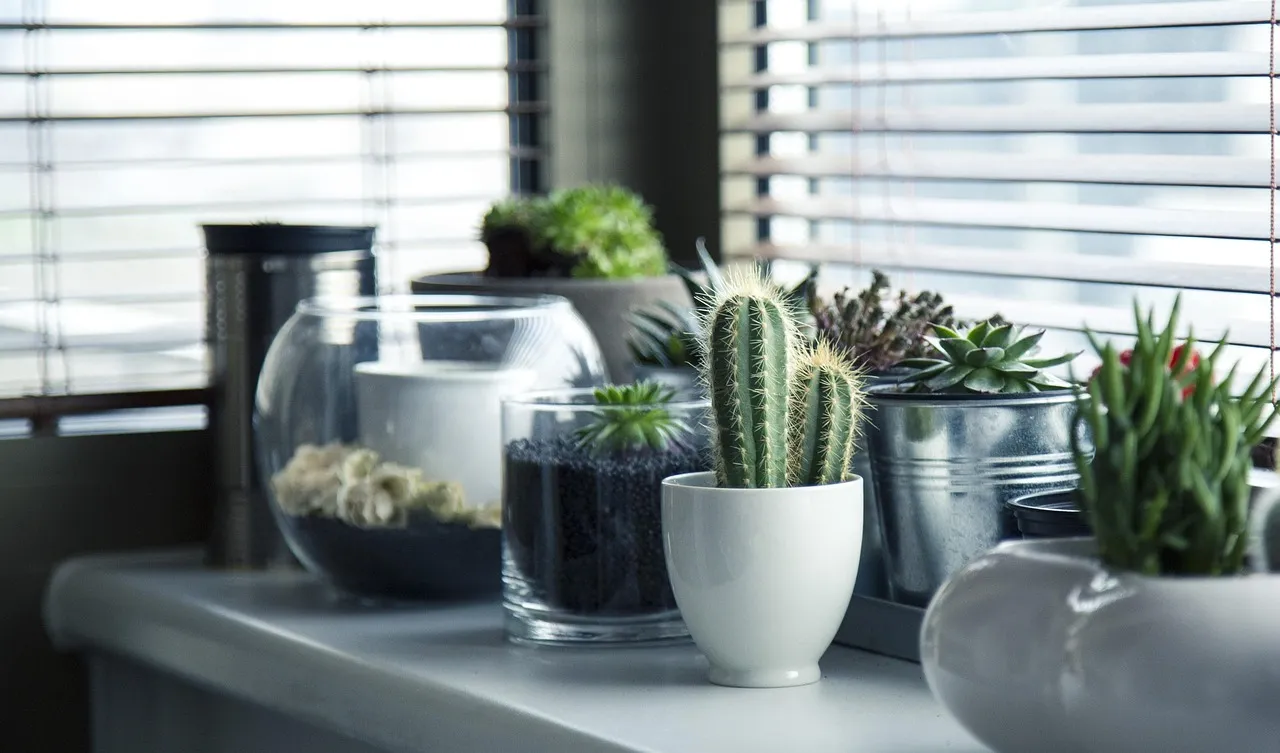
None of these plants ask much from you. They don’t need a perfectly sunny apartment, a precise watering schedule, or expensive fertilizers. These easy indoor houseplants tend to thrive in low light and moderate temperatures, and most of them can survive without much care or watering.
Bringing nature into our homes is a design trend that’s held strong. Indoor plants may help reduce anxiety and stress, sharpen attention, boost productivity, and make any space more inviting. Starting with one of these four means you get all of that without the anxiety of keeping something fragile alive.
The best houseplant is ultimately the one you’ll still have in six months. Any of these four fit that description without much argument.
AI Disclaimer: This article was created with the assistance of AI tools and reviewed by a human editor.