


There’s something almost stubborn about wisdom that refuses to go out of style. The habits that kept families fed and financially intact during one of history’s darkest economic chapters, the Great Depression from 1929 to 1939, weren’t built on trends. They were built on necessity, ingenuity, and a bone-deep understanding that nothing should be wasted.
The Great Depression, which lasted from 1929 to 1939, was the gravest economic downturn in U.S. history. The stock market crashed, the unemployment rate reached new heights, and industrial production was severely impacted. During the 1930s, American families learned to make do with what they had, repurpose items, and find creative ways to save. What’s surprising, even a little humbling, is how urgently those same lessons apply right now. Here are four core Depression-era tricks your grandma likely lived by, explored across ten angles that show exactly why they still hold up today.
1. Use It Up Before You Throw It Away: The Zero-Waste Kitchen Mindset
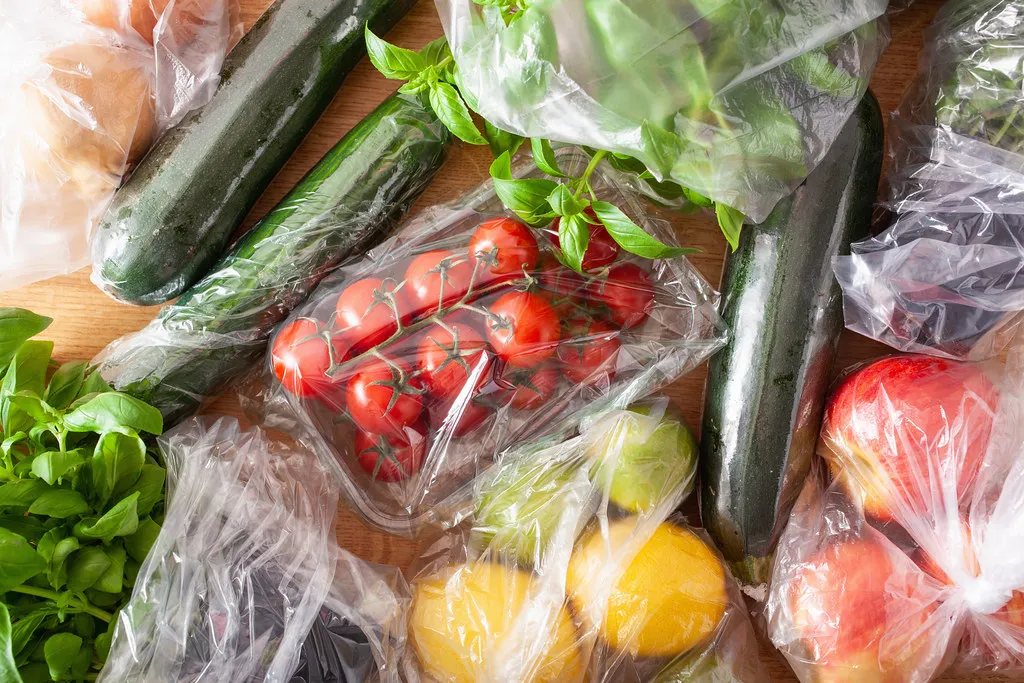
Back then, the Depression-era motto was, “Use it up, wear it out, make do or do without.” This wasn’t a catchy slogan. It was a survival code. Every carrot top, every chicken carcass, every stale heel of bread had a second life waiting.
Saving vegetable scraps, bones, and meat trimmings to make your own broth was standard practice. Simmering them in water with herbs produced a flavorful base for soups and stews. Today we’d call this stock-making or “bone broth,” and it’s practically trendy. The Depression-era version just skipped the fancy label.
From a grandmother’s perspective, old bread without mold is perfectly good chopped up for homemade croutons and breadcrumbs. That kind of second-use thinking costs nothing and wastes nothing. It’s also the exact habit that modern food-waste researchers are now pleading with households to rediscover.
The Alarming Numbers Behind Modern Food Waste
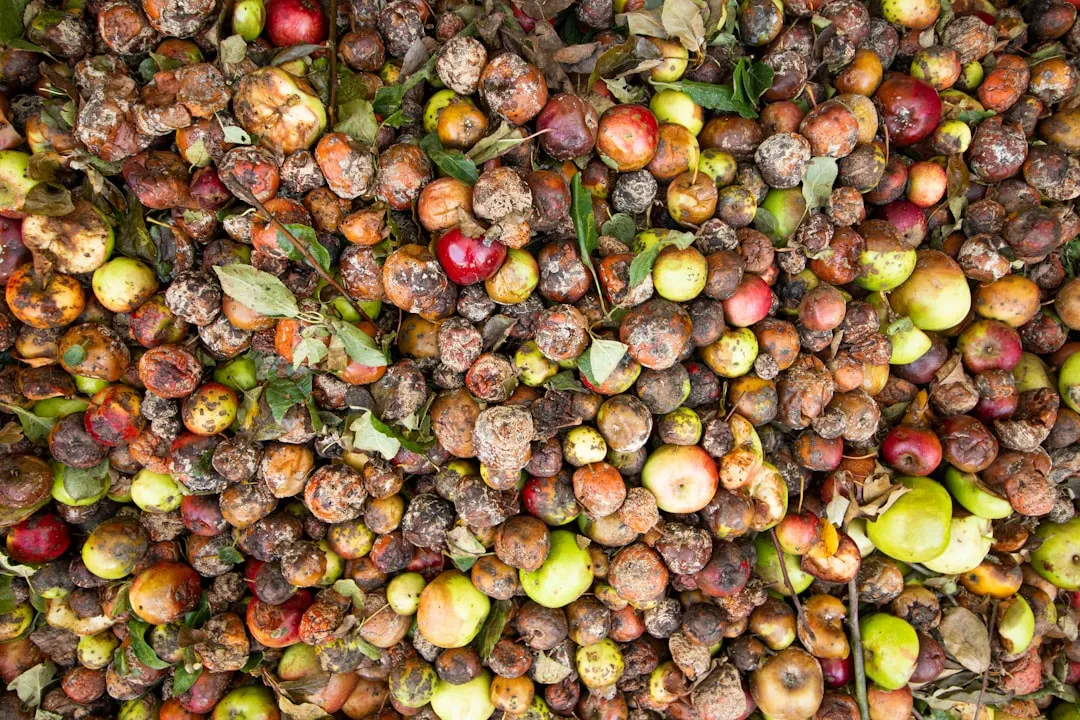
A family of four wastes nearly $3,000 worth of food every year. That figure, released in an April 2025 U.S. Environmental Protection Agency report, nearly doubles the previous federal estimate of $1,500, a number that had been cited for over a decade but was based on 2010 grocery prices.
Food prices have risen more than 50% since that original calculation. The EPA report breaks it down to $728 per person annually, or about $14 per week. Grandma wasn’t throwing $14 a week in the trash. She literally could not afford to.
The root of food waste is complex and multifaceted, with waste coming first from America’s homes, accounting for roughly 43 percent, and restaurants, grocery stores and food service companies contributing about 40 percent. The household share is the one each family can actually control, and it’s the share Depression-era habits directly targeted.
2. Cook From What You Have, Not What You Want

During the Depression, pre-packaged foods were a luxury most couldn’t afford. Families relied on simple, homemade meals made from scratch. Today, cooking at home is still one of the easiest ways to save money. The mechanics haven’t changed, just the temptation to order takeout instead.
One simple frugal living idea from the Depression is to check out your pantry first. See what you have, and try to come up with a meal with those ingredients. This single habit, boring as it sounds, cuts grocery runs and prevents duplicate purchases piling up in cabinets until they expire.
Families using strategic meal planning reduce food waste by 43% and grocery bills by $125 monthly, according to the Natural Resources Defense Council’s 2025 food waste study. That’s a meaningful saving that comes entirely from a habit your grandmother practiced out of necessity every single week.
Buying in Bulk and Shopping With a List
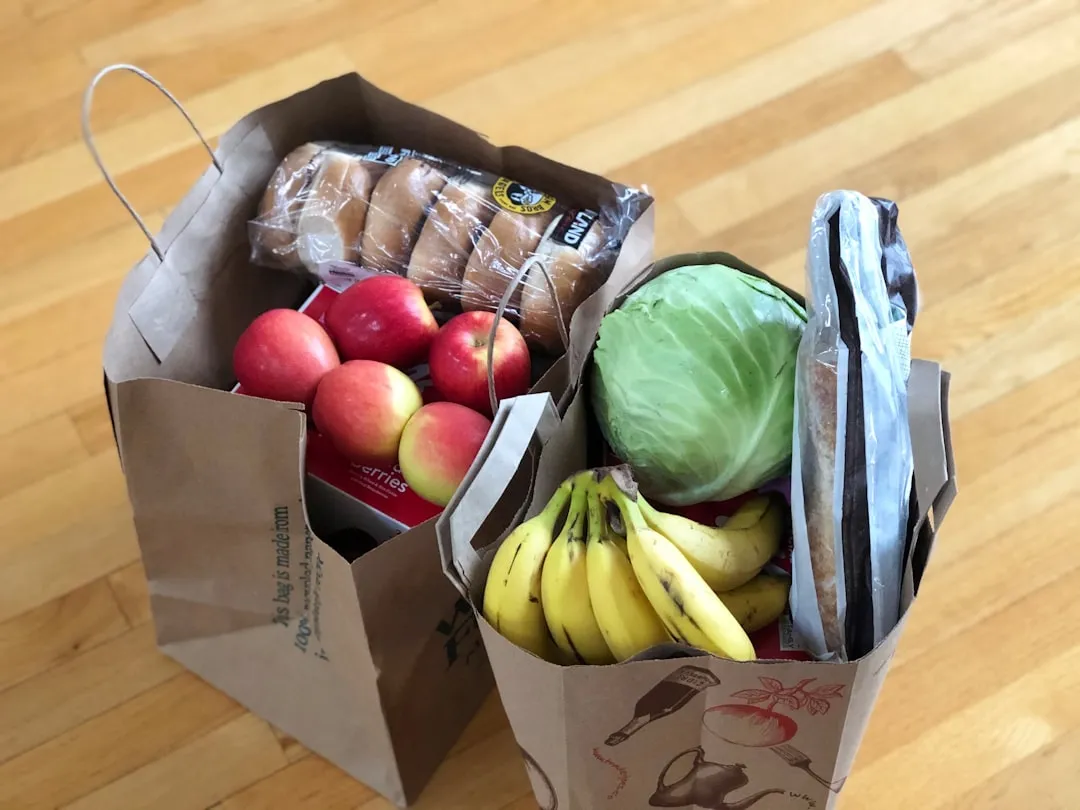
Buying in bulk goes back to the Great Depression, an era of “feast or famine” in which planning ahead was essential. Even today, money experts say it’s a “recession-proof” idea. Nothing about that has changed. The principle is identical; only the store is bigger.
The Depression-era savings approach helps eliminate food waste and shrinks your grocery bill. A written list, matched to what’s already in the house, means fewer impulse buys and fewer forgotten items that slowly spoil in the back of the fridge. Simple, effective, and completely free to implement.
3. Grow Something, Even If It’s Small

Gardening was a staple of the Great Depression era. If you had space, you were wise to have a garden. Money was tight so fresh produce from the market was out of reach for many. Gardening, on the other hand, was something you could start inexpensively. Seeds were cheap, labor was free, and the return was real.
According to the National Gardening Association, the average home garden yields a return of $600 or more in produce per season, on an initial investment of as little as $70. That ratio holds up well against almost any other household investment you could make in a year.
Even small spaces can produce meaningful results. Container gardening on patios or balconies can yield impressive harvests, proving that you don’t need acres of land to see financial benefits. Even a few pots of herbs on a sunny windowsill can replace a surprising number of store trips over the course of a season.
What Growing Your Own Food Actually Saves
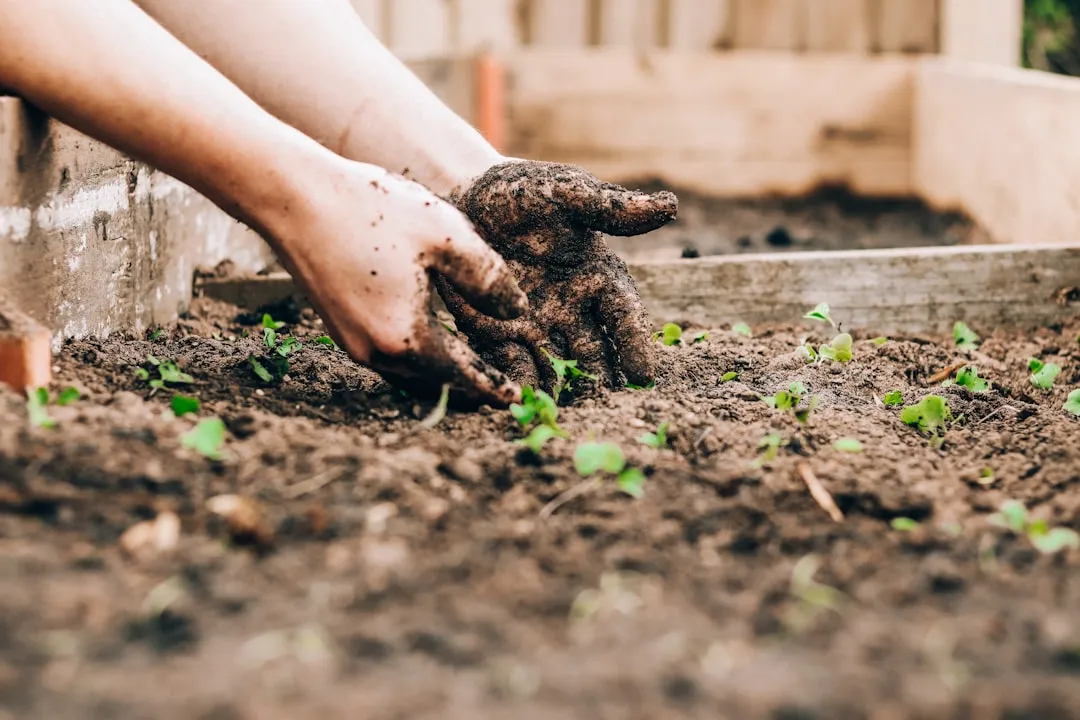
In 2025, grocery store prices are higher than ever, and the value of growing your own food has never been clearer. While gardening offers many benefits including freshness, flavor, and sustainability, one of the most measurable is financial savings.
Research shows home vegetable gardens often yield hundreds of dollars’ worth of produce above what people spend on seeds, soil, and supplies. Even after factoring in costs, many gardeners report net savings, or at least reduced dependence on store-bought produce, which can fluctuate in price.
Gardening isn’t just about food or savings. There’s strong scientific evidence that it supports mental health. Spending regular time outside, connecting with soil and plants, and seeing something grow lowers stress and anxiety, boosts mood, improves sleep, and enhances life satisfaction. Your grandma probably knew this without ever needing a study to confirm it.
4. Make Your Own Cleaning Products

Depression-era families saved up to 70% on household expenses by creating homemade cleaning products and personal care items. Today’s families can achieve similar savings by replacing store-bought products with DIY alternatives that cost 80 to 90 percent less to make.
You don’t need the expensive bottle of earth-friendly all-natural household cleaner. You can get the same results with plain old vinegar and hot water. A 50/50 mixture of vinegar and hot water with a splash of lemon juice makes a powerful cleaner for countertops, sinks, floors, and more.
The average American household spends $768 annually on cleaning products, according to the American Cleaning Institute’s 2025 Consumer Usage Study. Simple homemade alternatives can reduce this expense to under $150 per year while eliminating harsh chemicals from your home. Grandma wasn’t being quaint. She was being smart.
Mend It, Repurpose It, Don’t Replace It

The Depression era was all about making things last. Clothing, furniture, and household items were repaired, repurposed, or reused until they couldn’t be salvaged anymore. There was no “toss out and buy new” mentality during this time.
The Depression era mindset was about finding ways to use things repeatedly. People often purchased their clothes used, even after the Depression was over. Today we call that thrifting. Back then it was just common sense.
Frugality does not mean purchasing the cheapest item. You can spend a few more dollars and have better quality items that stand the test of time, saving you money. We get what we pay for when we use cheap items made of cheap materials that fall apart quickly. Spending money on a higher-quality item and taking good care of it can stretch your dollars further in the long run.
Free Entertainment Was Never a Compromise

Entertainment doesn’t have to cost a fortune. Depression-era families found joy in simple, free activities. Board games, shared meals, community gatherings, and storytelling were the social fabric. None of it required a subscription.
According to the Bureau of Labor Statistics, the average American household spends more than $3,000 a year on eating out. Cutting even a portion of that spending by cooking at home and finding low-cost entertainment would have felt almost unimaginably wasteful to someone who lived through the 1930s.
Libraries are a free resource for books, movies, and even community events. Enjoying nature by taking a walk or packing a simple picnic to enjoy at a local park costs nothing. These things still exist. They’re simply easy to overlook when convenience is always one click away.
The Cash-First Mindset: Spend Only What You Have

Nothing is further from the frugal Depression-era mindset than debt. They paid for things in cash. If they didn’t have the cash, then they didn’t get the item. That discipline is harder now, with credit products marketed at every turn, but the underlying logic is sound as ever.
Your grandparents’ frugal secrets are still valid today despite the vast technological changes since then. These thrifty tips don’t require you to live a life of deprivation and mostly involve small changes to your routine. Knowing the difference between a want and a need was perhaps the most durable skill of the entire era.
Depression-era families made the most of every single resource, wasting nothing, and were the ultimate pioneers in waste management before the green movement was cool. We can learn so much from what those who lived through the Great Depression did. In that sense, their frugality was ahead of its time in more ways than one.
The Takeaway

None of these habits require hardship to practice. They just require a small shift in default behavior, checking the pantry before the grocery app, patching before replacing, planting something even if it’s just a pot of basil.
Depression-era families stretched every dollar, used up every scrap, and found creative ways to survive on almost nothing. The good news is that their hard-won wisdom is just as useful today. The context is different; the principles are the same.
Grandma wasn’t holding on to old habits out of stubbornness. She understood something that took the rest of us generations to start relearning: that simplicity, care, and intentionality are not sacrifices. They’re the whole point.
AI Disclaimer: This article was created with the assistance of AI tools and reviewed by a human editor.