
Dandelion (Taraxacum officinale): The Deep-Soil Nutrient Elevator

The dandelion is a well-known perennial herb characterized by its deep taproot, which can penetrate compacted clay soils, typically reaching depths of 15 to 45 cm (roughly 6 to 18 inches), though it can extend deeper under optimal conditions. That reach is what makes it valuable. While shallow-rooted grasses and ornamentals scratch the surface layer, dandelions go far deeper.
Deep roots allow dandelions to reach nutrients that are inaccessible to shallower-rooted plants. They can pull minerals like calcium, potassium, and phosphorus from lower soil layers, effectively mining these nutrients. This mineral-lifting role is one the plant performs without any prompting from the gardener.
When dandelions die and decompose, these nutrients are released back into the upper soil layers, making them available to other plants. This process acts like a slow-release fertilizer, enriching the soil over time. That’s a remarkably efficient cycle – no amendments, no digging, no cost.
Dandelions have deep taproots that can penetrate compacted soil, improving soil structure and aeration. This allows water and nutrients to reach deeper into the soil, benefiting other plants as well. In clay-heavy yards where drainage is poor, this benefit is especially noticeable over time.
Dandelion as a Living Soil Indicator
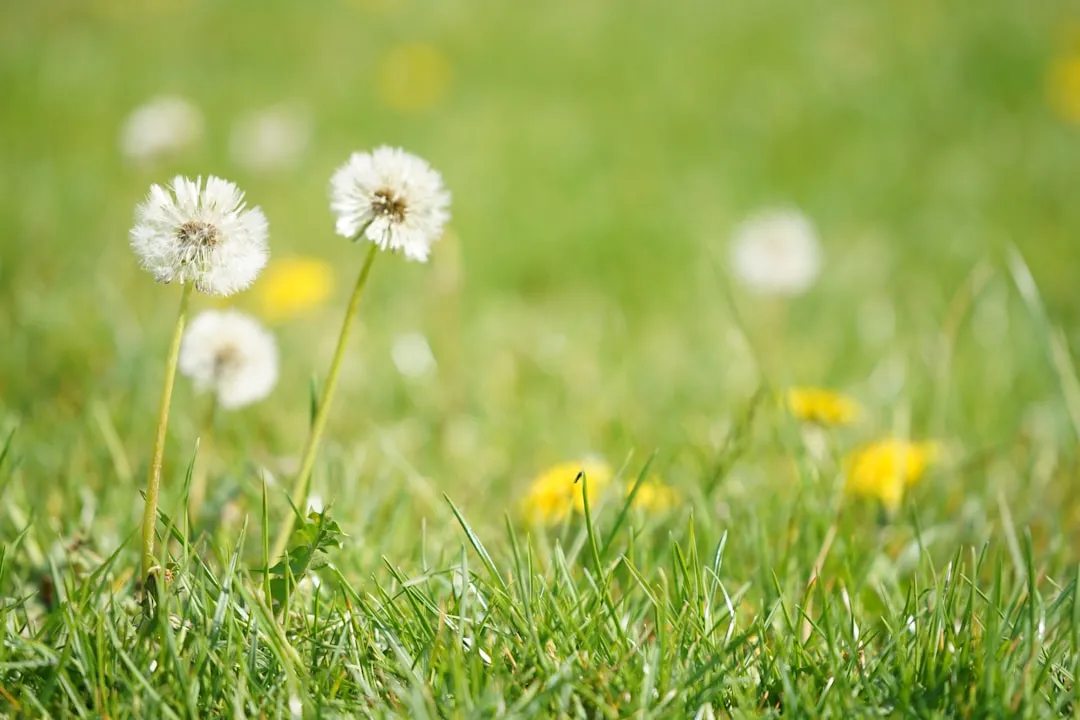
Dandelions generally indicate poor soil that is low in calcium and compacted. The dandelions’ taproots, however, are doing the job of breaking up that soil. They arrive precisely where they’re needed most, which is a pattern worth paying attention to.
Dandelion is found in heavy, clay, compacted, acidic soil, but also grows in fertile well-drained soil. Its taproots bring up calcium, iron, and a host of other minerals from the deep soil. The decomposing roots of dandelions produce humus. Humus is one of the most valuable components of healthy soil, improving its texture, water retention, and biological activity all at once.
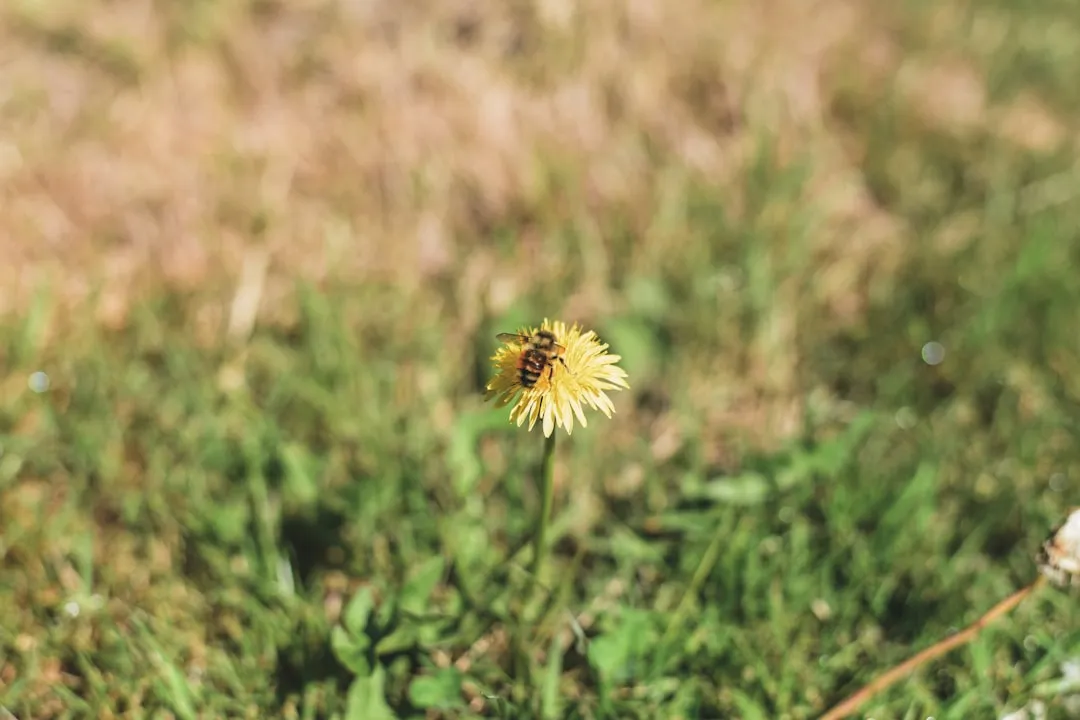
Flowering dandelions provide early spring pollen that attracts ladybugs and other beneficial insects to the garden. That dual role – soil builder and pollinator support – makes dandelions more useful than almost any plant gardeners typically purchase and install intentionally.
Clover (Trifolium spp.): The Nitrogen Factory You Didn’t Plant

The clover plant can fix nitrogen from the atmosphere and convert it into an available form to the plant in the soil. Nitrogen fixation is the process whereby white clover can fix nitrogen from the atmosphere and make it available for plant growth through biological nitrogen fixation. Rhizobia bacteria live in nodules on the roots of the clover plant and exist in a symbiotic relationship with the clover, fixing nitrogen and making it available for plant growth using energy provided by the clover through photosynthesis.
Research shows real numbers on this benefit. Clover fixes between 100 to 150 pounds of nitrogen per acre each year. That equals roughly $60 to $90 worth of fertilizer you never have to buy. For home gardeners, that’s a meaningful offset, especially across several growing seasons.
When those nodulated roots break down, they leave behind nitrogen-rich organic matter that feeds everything else in the soil. So clover doesn’t just deliver nitrogen while it’s alive – it continues contributing after it dies and decomposes, building the soil’s long-term fertility.
Weeds like clover can act as living mulch, covering the soil and preventing erosion. They help retain moisture, regulate soil temperature, and reduce the growth of less desirable weeds. These are benefits that most commercial mulches try to replicate – and clover delivers them for free.
Clover’s Soil pH Connection and Practical Limits
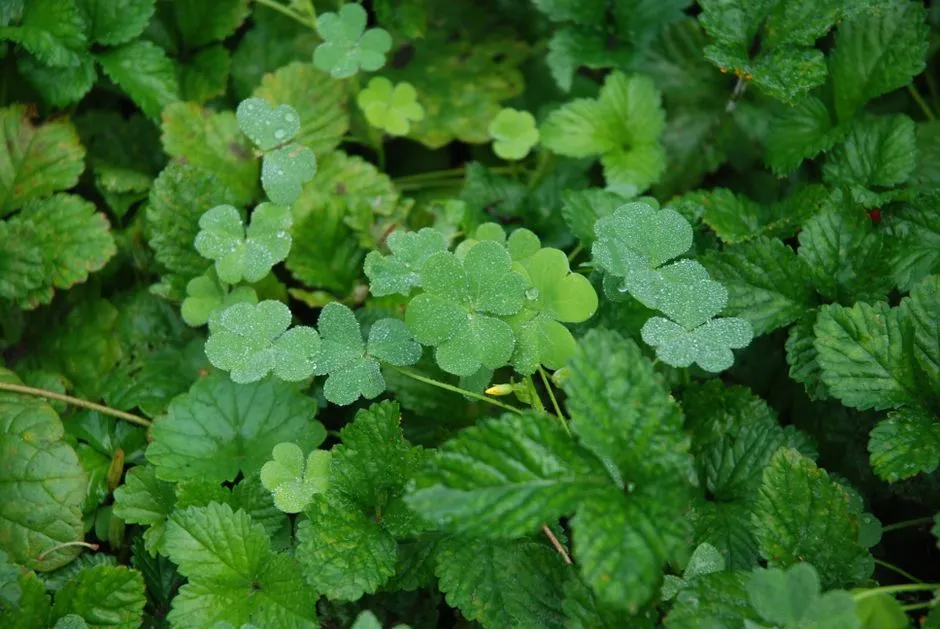
Your soil pH needs to be at 6.0 or higher for best results. The bacteria that fix nitrogen need these conditions to thrive. Without the right pH level, clover will grow but produce much less nitrogen. This is an important detail. Clover’s nitrogen-fixing power isn’t automatic – the soil chemistry has to be reasonably cooperative.
Clover indicates low fertility soil, low in nitrogen. Like other legumes, clover obtains nitrogen from the air and fixes it into the soil when tilled under. So its very presence is a signal about what your soil is missing – and simultaneously, a solution to the problem it’s pointing at.
Research conducted at Moorepark found that clover has the potential to reduce nitrous oxide emissions by roughly 40% on swards with 20 to 25% clover present, as a result of the reduced levels of chemical nitrogen required. That finding carries environmental weight well beyond the backyard garden.
Purslane (Portulaca oleracea): The Overlooked Omega-3 Accumulator
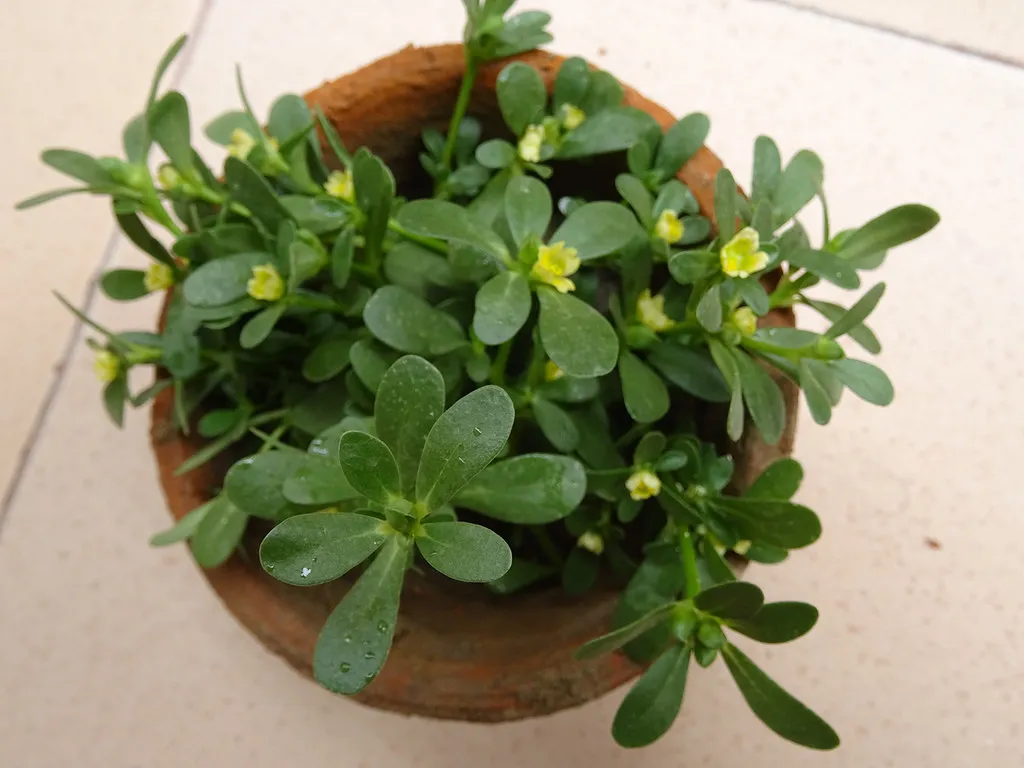
Purslane is a low-growing “weed” found in shady areas and moist garden beds. Its fat, succulent leaves and stems are edible, raw or cooked. It’s a nutritional powerhouse – loaded with iron, vitamins B, C, and E, and beta-carotene, and it is one of the highest vegetable sources for heart-healthy omega-3 fatty acids.
Purslane can be used as a soil amendment due to its high nutrient content and ability to act as a nutrient accumulator. The plant’s leaves and stems are rich in nutrients, including nitrogen, phosphorus, and potassium, making it an excellent addition to compost piles or as a green manure. Chopping it into the soil or the compost bin rather than discarding it transfers those nutrients right back into the growing system.
Purslane prefers rich soil and is an indicator of high phosphorus. Like dandelion, its location tells you something. Where purslane thrives, phosphorus levels are likely healthy – a useful piece of information before you reach for amendments.
What Purslane Research Reveals About Soil Nutrition
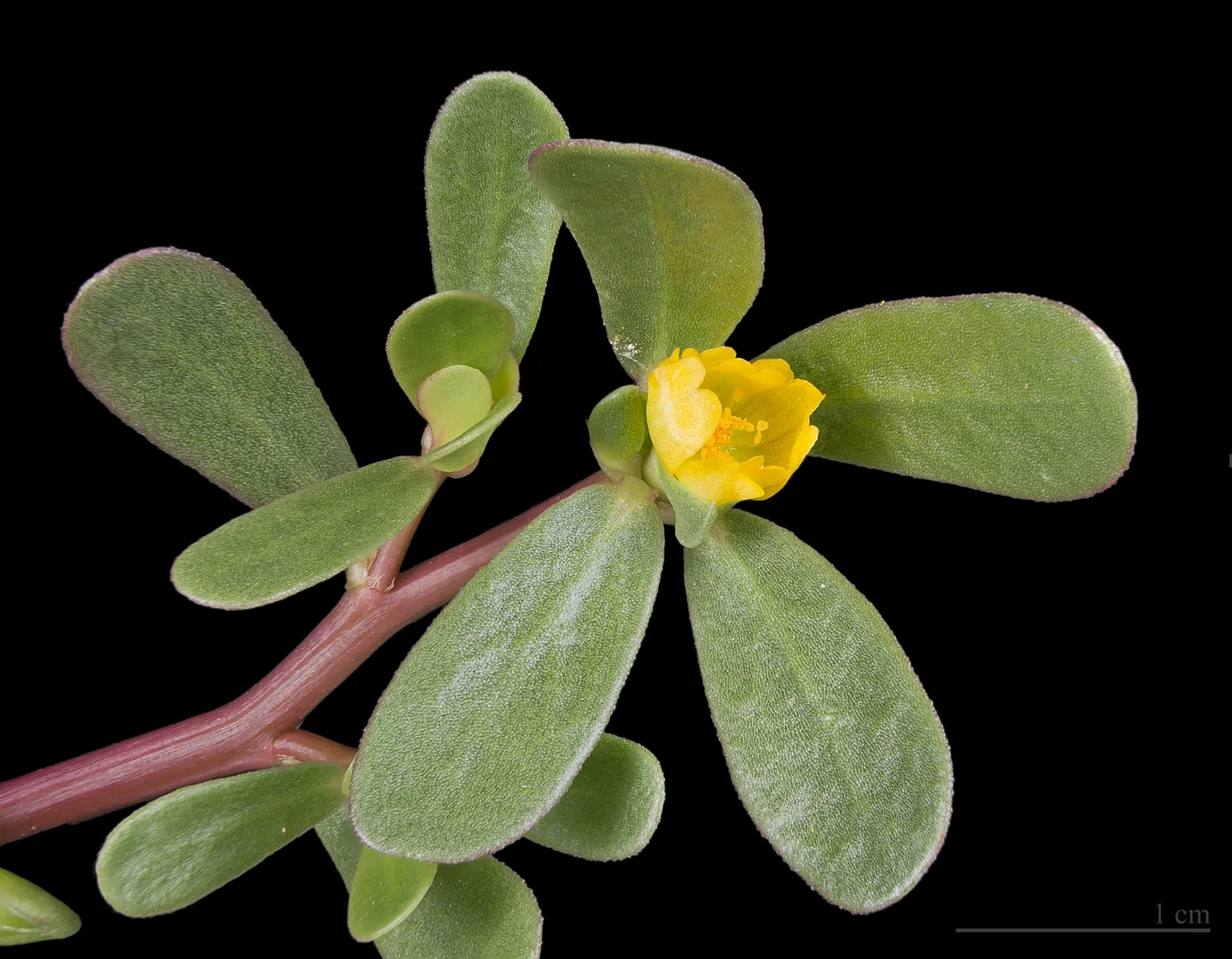
Purslane is a common weed that attracts research and agricultural attention because of its significant nutritional value. A 2024 study published in the journal Horticulturae examined nitrogen levels in hydroponically grown purslane and found measurable differences in plant development across nitrogen concentrations, supporting what gardeners have long noticed: purslane responds well to nutrient-rich growing conditions.
Organic matter improves soil structure, moisture retention, and nutrient availability. Research shows that higher organic matter content is associated with improved germination, plant development, and yield in purslane cultivation. This creates a useful feedback loop – healthy soil grows better purslane, and better purslane returns more organic matter to the soil.
A comprehensive review of purslane’s medicinal uses in 30 countries was conducted by Iranshahy et al. in 2017. The findings of the review unveiled an extensive list of diseases treated with purslane. As a result, purslane is not only acknowledged as a culinary delight but is also embraced for its medicinal properties, contributing to its status as a valued vegetable in many regions across the globe.
Chickweed (Stellaria media): The Potassium and Phosphorus Returner
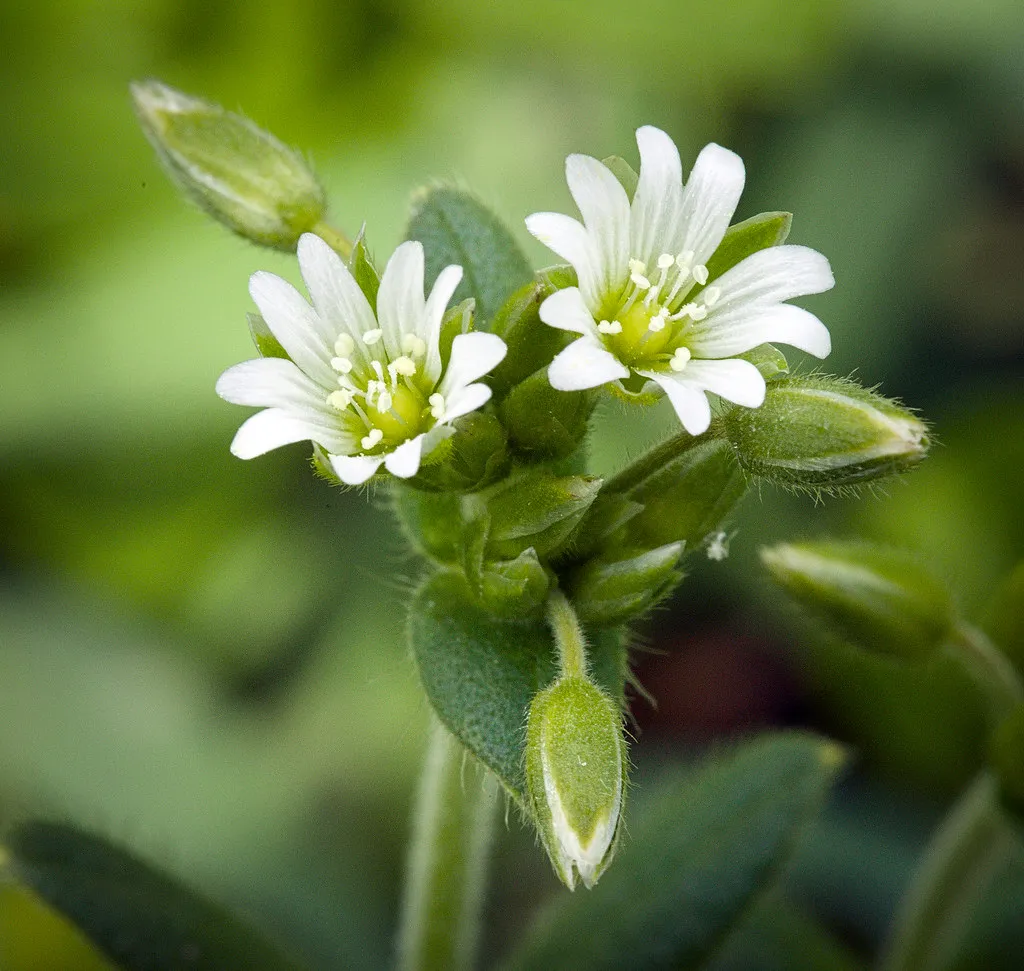
Chickweed accumulates potassium, phosphorus, and manganese, which are released into the soil when it decomposes. That makes it a natural recycler in the truest sense – gathering up nutrients that might otherwise be locked away and returning them in a plant-accessible form as it breaks down.
When healthy, chickweed indicates tilled, fertile, nitrogen-rich soil. Chickweed often grows where the soil is cool and moist. If chickweed is thriving in your beds, it’s actually a sign of reasonably good fertility – not a problem to solve, but a condition to appreciate.
Chickweed is sometimes used in salads. It is a source of vitamin C, B vitamins, and minerals. Its edibility is a bonus for gardeners willing to experiment, though its soil contribution alone makes it worth reconsidering before pulling.
Chickweed is a favorite in permaculture. It has leaves full of nutrients. Permaculture practitioners have long recognized what conventional gardening culture tends to dismiss – that certain weeds are actively improving the system they grow in, season after season, without being asked.
How Chickweed Works as a Living Mulch
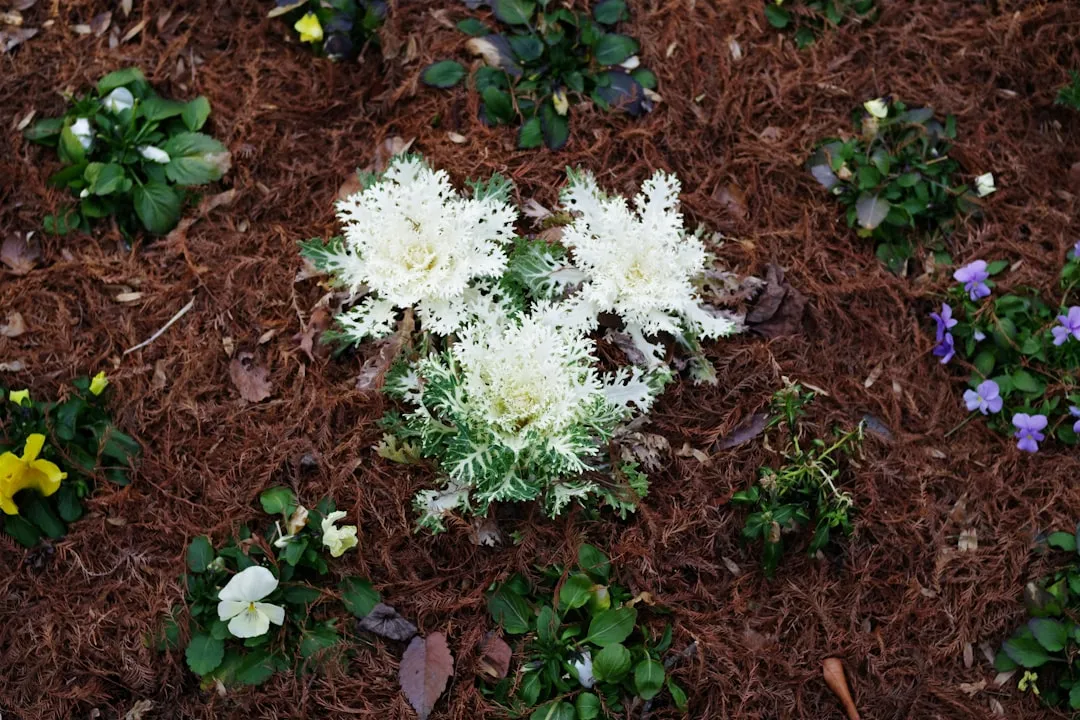
Beneficial weeds like chickweed can act as living mulch, covering the soil and preventing erosion. They help retain moisture, regulate soil temperature, and reduce the growth of less desirable weeds. This is a practical, observable benefit any gardener can test simply by leaving a patch in place over winter or early spring.
Where chickweed or nettles thrive, the soil is likely high in nitrogen – good for lettuce, broccoli, cabbage, and other brassicas. That’s actionable gardening intelligence. Before buying a soil test, a careful look at which weeds are thriving can point you toward useful conclusions about what to plant nearby.
Chickweed dies back naturally in warm weather, and that timing is well-suited to gardens. It covers and protects soil during the cooler months, then retreats when garden crops need the space. This pattern makes it a genuinely cooperative plant rather than a competitive one in most settings.
The Chop-and-Drop Method: Putting Weeds to Work
Certain beneficial weeds have deep roots that draw up nutrients from the soil. You can chop and drop these plants to decompose and provide a natural fertilizer for your crops. This technique, widely used in permaculture and regenerative gardening, costs nothing and requires no equipment beyond a pair of garden shears.
Dynamic accumulators are great at concentrating minerals and nutrients that are hard to find in the topsoil. They act like miners, pulling out calcium, magnesium, phosphorus, potassium, and trace minerals. When they break down, they leave these nutrients on the surface for other plants to use. This makes the soil richer in nutrients.
The principle applies directly to all four weeds in this article. Rather than bagging dandelion leaves, chickweed mats, clover cuttings, or purslane stems and sending them off with the green waste, laying them on the soil surface starts the nutrient return cycle immediately. It’s low effort and measurably effective over a season or two.
Reading Your Weeds as a Soil Diagnostic Tool
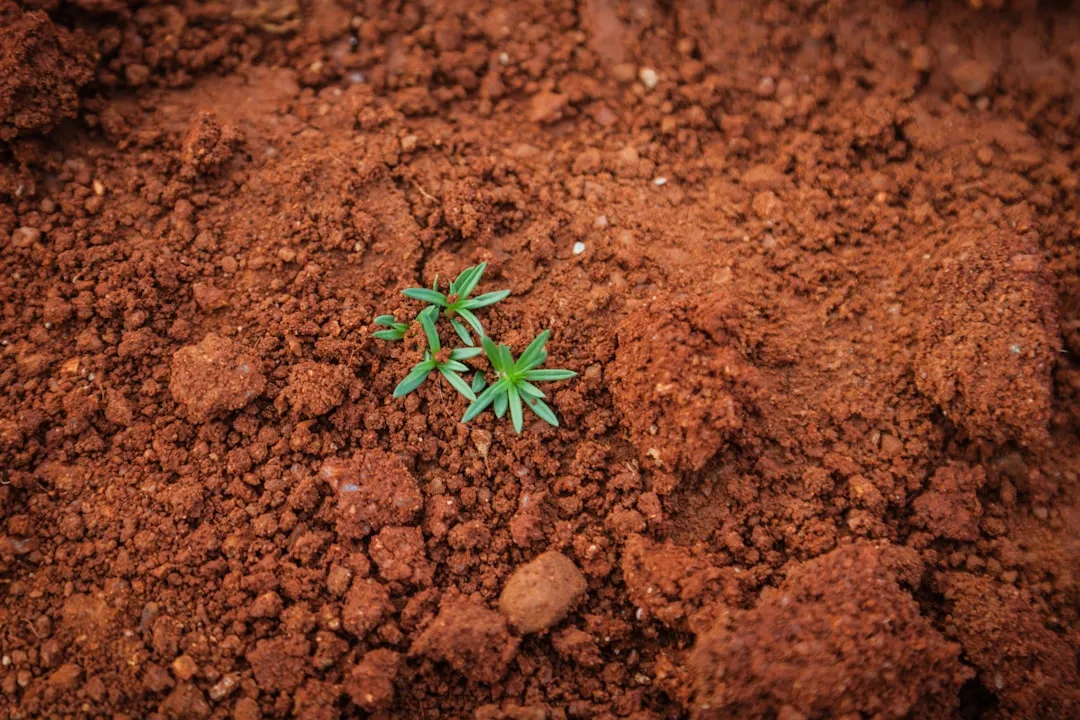
Weeds indicate the soil health – whether it is acidic, alkaline, compacted, or fertile. By looking at the kinds of weeds in your garden, you can determine nutrient deficiencies and the general health of the soil. This is one of the most practical and underused skills in home gardening.
Reading the weeds can help determine soil conditions, then cultivate plants that grow well in that kind of soil. Where you find sheep’s sorrel or plantain – weeds that grow in compacted, acidic soil – plant parsley, potatoes, berries, or other acid-loving plants. The same logic applies across the board. Each weed is reporting on a specific condition.
Never eat weeds from herbicide-treated lawns or contaminated soil. This is an important caveat for anyone harvesting these plants for culinary or compost use. Knowing your soil’s history matters before you rely on any weed for food or soil amendment purposes.
A Different Way to Manage the Weedy Backyard
The shift in perspective this article is proposing isn’t radical. It doesn’t mean abandoning garden management or letting every weed run unchecked. It means slowing down the reflex to pull everything and asking whether a given plant is actually doing harm – or something useful instead.
Control spread by removing seed heads before maturity – especially for purslane, chickweed, and dandelion. Boost your garden by letting clover and chickweed act as living mulch and using dandelion and plantain as soil health indicators. That’s a practical, balanced approach that works with plant behavior rather than against it.
If your weeds are healthy, you will likely grow good vegetables. That sentence, from BC Farms and Food, holds up as a genuinely useful rule of thumb. A garden with thriving weeds is a garden with active, living soil – and that’s a foundation worth building on, not ripping out.
Final Thoughts

The four weeds covered here – dandelion, clover, purslane, and chickweed – are not exotic rarities. They’re growing in almost every backyard right now, in most climates across North America and beyond. The research supporting their soil contributions is solid and consistent across horticultural, agricultural, and ecological sources.
What changes when you understand their role isn’t the garden itself. It’s the decision-making around it. Some patches stay. Some get chopped and dropped. Some get harvested. The sprayer stays in the shed a little longer, and the soil gets a little richer for it.
Weeds are rarely the problem. More often, they’re the answer the soil is already writing – if you take the time to read it.
AI Disclaimer: This article was created with the assistance of AI tools and reviewed by a human editor.