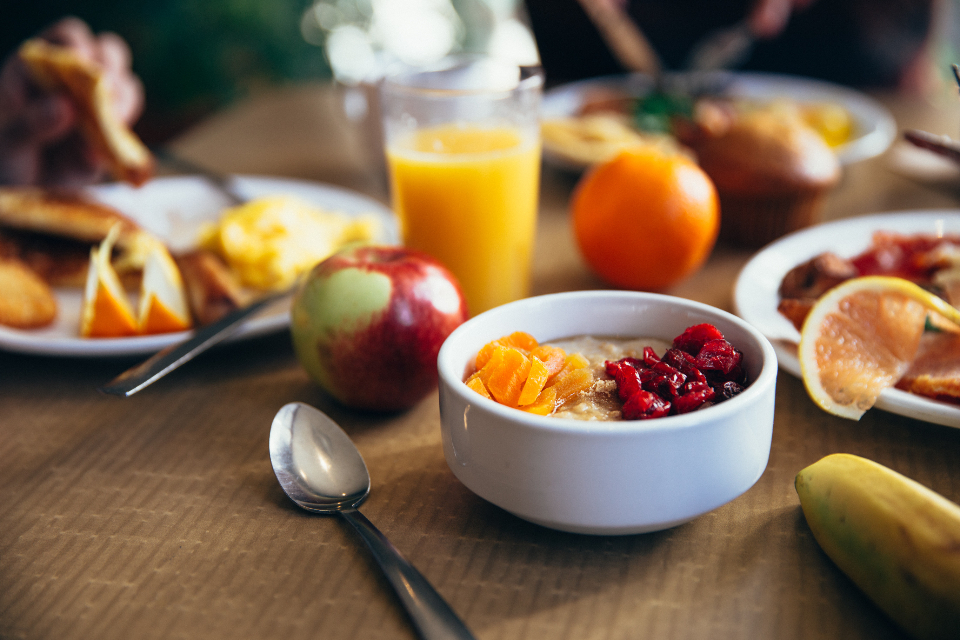

Most people give their morning meal about as much thought as their commute. Grab something quick, pour some coffee, and move on. The problem is that what lands on your plate in the first hour of the day sets up a cascade of metabolic responses that affects your energy, hunger, and long-term health far more than most people realize.
What you eat for breakfast can set the rest of your day up for success, or result in sluggishness, headaches, and hunger by 11 a.m. Medical professionals tend to be thoughtful about this. They’ve seen the clinical consequences of poor nutrition up close, and their own breakfast choices reflect that. Here’s what the evidence actually shows.
Why Breakfast Quality Matters More Than You Think
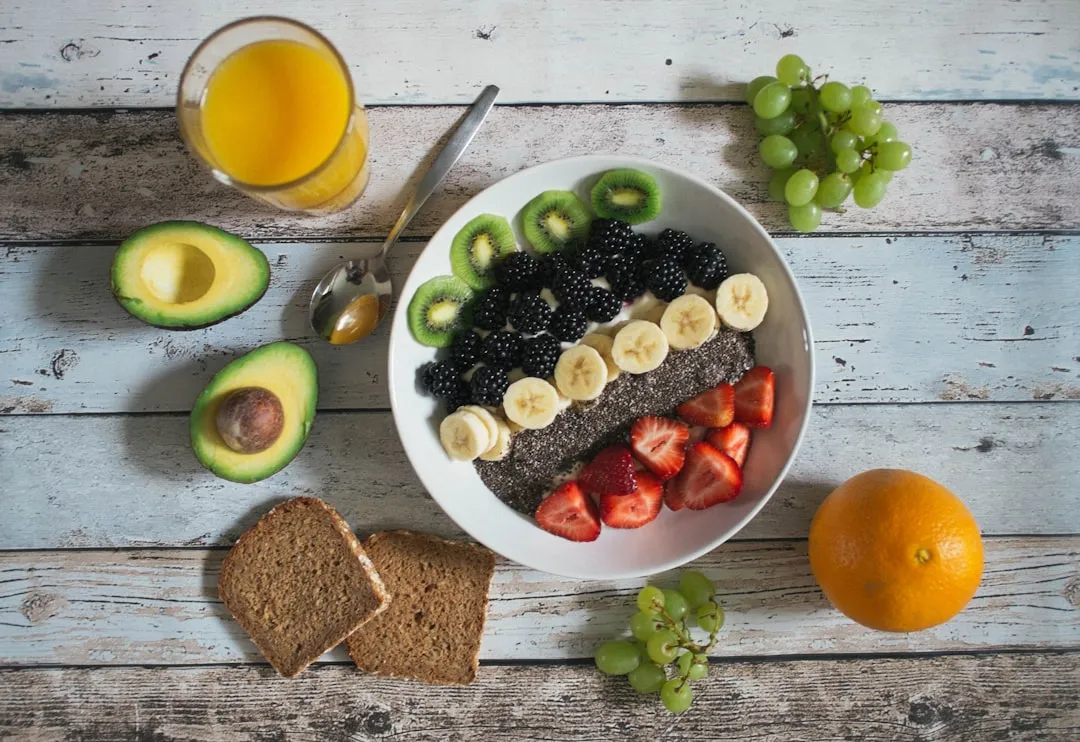
The type of food you eat in the morning goes beyond just fueling your body. Morning is when your body is most insulin-sensitive, meaning carbohydrates and fiber are utilized more effectively. That’s a meaningful biological window, and what you put into it genuinely matters.
Individuals who ate a moderate-sized breakfast, roughly about a quarter of their daily food, tended to have better long-term health outcomes. Those who ate very small or very large breakfasts often experienced more weight gain, larger waistlines, and less healthy cholesterol levels.
Research shows that breakfast eaters are more likely to meet daily recommendations for essential nutrients like fiber, calcium, and vitamins. Skipping breakfast can create nutrient gaps that are difficult to fill later in the day.
Breakfast #1 Doctors Love: Steel-Cut Oats
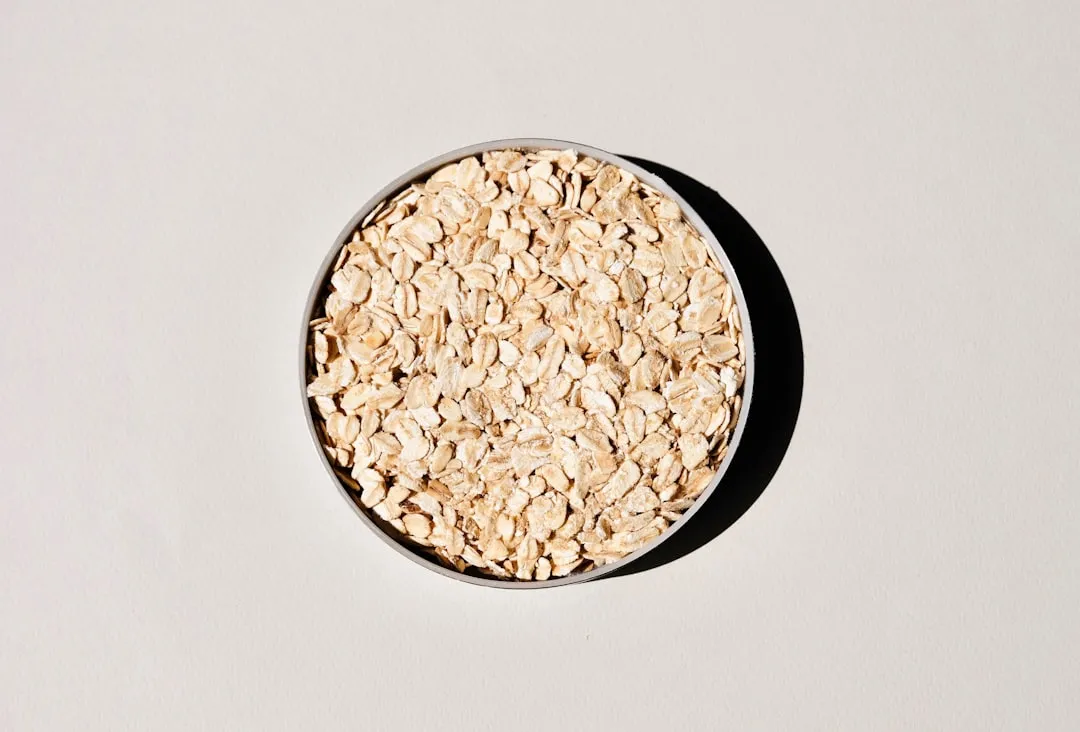
When TODAY.com spoke to 17 medical professionals in different specialties, many of them said they ate the same thing for breakfast: oatmeal. They prefer steel-cut oats, which are “high in fiber, including the soluble fiber beta-glucan,” according to gastroenterologist Dr. Wendy Ho, a health sciences clinical professor at the UCLA David Geffen School of Medicine.
Beta-glucan, the soluble fiber from oatmeal, has physiological and bioactive properties that may help improve blood lipid levels, postprandial insulin levels, glucose responses, and subjective measures of satiety. The FDA has authorized a health claim for oats stating that consuming 3 grams or more per day of beta-glucan from oats or barley may reduce the risk of coronary heart disease.
Oatmeal is an ideal choice because this whole grain helps lower harmful LDL cholesterol. Skip the individual instant oatmeal packets, which are often loaded with sugar. Steel-cut or rolled oats prepared at home give you full control over what goes in.
Breakfast #2 Doctors Love: Eggs

Eggs are described as “super nutritious” by medical experts. They are one of the best sources of high-quality protein and contain all the essential amino acids that cannot be produced by the body on its own.
Older published studies suggested that eggs were harmful to heart health due to their high cholesterol content. However, newer evidence has shown that eating eggs offers more benefits to health than harm. The science here has genuinely shifted in recent years, and the medical consensus has followed.
Protein is essential in the morning because it stabilizes blood sugar, keeps you full, and provides long-lasting energy. A single egg contains about 6 grams of high-quality protein, so a two-egg breakfast gives you around 12 grams. Paired with vegetables or whole-grain toast, eggs make a genuinely complete morning meal.
Breakfast #3 Doctors Love: Greek Yogurt with Berries

Greek yogurt is made by straining whey and other liquid from milk curds, producing a creamy product higher in protein than regular yogurt. Plain fat-free Greek yogurt is also lower in calories than many other protein sources.
A meal combining plain yogurt with berries “provides great protein, it’s low in sugar, and the berries also have antioxidant properties,” according to Dr. Elizabeth Comen, a medical oncologist at Memorial Sloan Kettering Cancer Center. That’s not a trivial combination of benefits.
Greek yogurt also contains calcium and probiotics that help support gut and immune system function. People can pair this low-fat, high-protein food with other foods such as berries or nut butter. Many experts opt for plain yogurt to avoid unnecessary added sugar and instead add sweetness and flavor through fruit, like berries.
Breakfast #4 Doctors Love: Whole Grain Toast with Avocado or Nut Butter
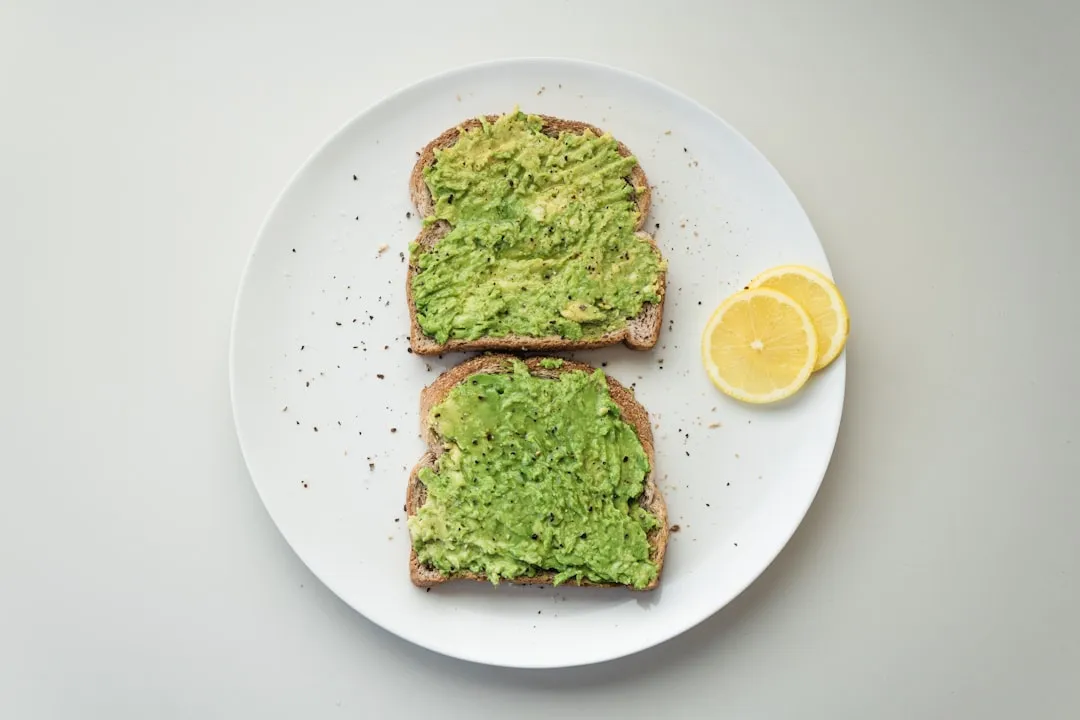
While oatmeal may be the most popular healthy breakfast among the doctors surveyed, other nutritious options came up frequently, including whole-grain toast topped with avocado or peanut butter. Simple, quick, and easy to customize for different preferences.
Fiber slows digestion, stabilizes blood sugar, and supports gut health. Aiming for 5 to 10 grams of fiber at breakfast through whole grains, fruits, or vegetables is recommended. Adding unsaturated fats through avocado, nuts and seeds, nut butters, or olive oil further supports satiety.
The key is in the ingredients. Whole-grain bread provides fiber and complex carbohydrates, while avocado contributes heart-healthy monounsaturated fats. Nut butters add protein. Together, they hit several nutritional targets in one practical, low-effort meal.
The Muscle and Metabolic Case for a Protein-Rich Morning

A review of multiple studies reveals that consuming protein in the morning can significantly benefit muscle health. Five studies involving elderly individuals and two studies including middle-aged women and young men highlighted that prioritizing protein at breakfast could help increase muscle mass.
These studies suggest that evenly distributing protein intake throughout the day, starting with a protein-rich breakfast, may be key to achieving better muscle synthesis. Middle-aged women and younger men also showed improved muscle mass when protein was incorporated into their first meal of the day, suggesting that these benefits extend across different age groups.
This is one reason doctors tend to build their breakfasts around protein sources rather than refined carbohydrates. A protein dose of 25 to 35 grams at breakfast, from sources like eggs, Greek yogurt with nuts, or a protein shake with milk and fruit, delivers meaningful appetite control benefits according to research.
How Breakfast Affects Your Brain and Focus

Research involving a sample of over 800 nurses showed that frequency of breakfast consumption was associated with lower stress, fewer cognitive failures, and fewer injuries and accidents at work. In contrast, snacking on crisps, chocolate, and biscuits was associated with higher stress, more cognitive failures, and more injuries outside of work.
The implication is that the quality and consistency of breakfast choices reach beyond physical health into cognitive performance. What you eat in the morning influences how clearly you think by mid-morning. That’s a straightforward argument for choosing deliberately.
Breakfast to Avoid #1: Sugary Cereals and Packaged Pastries
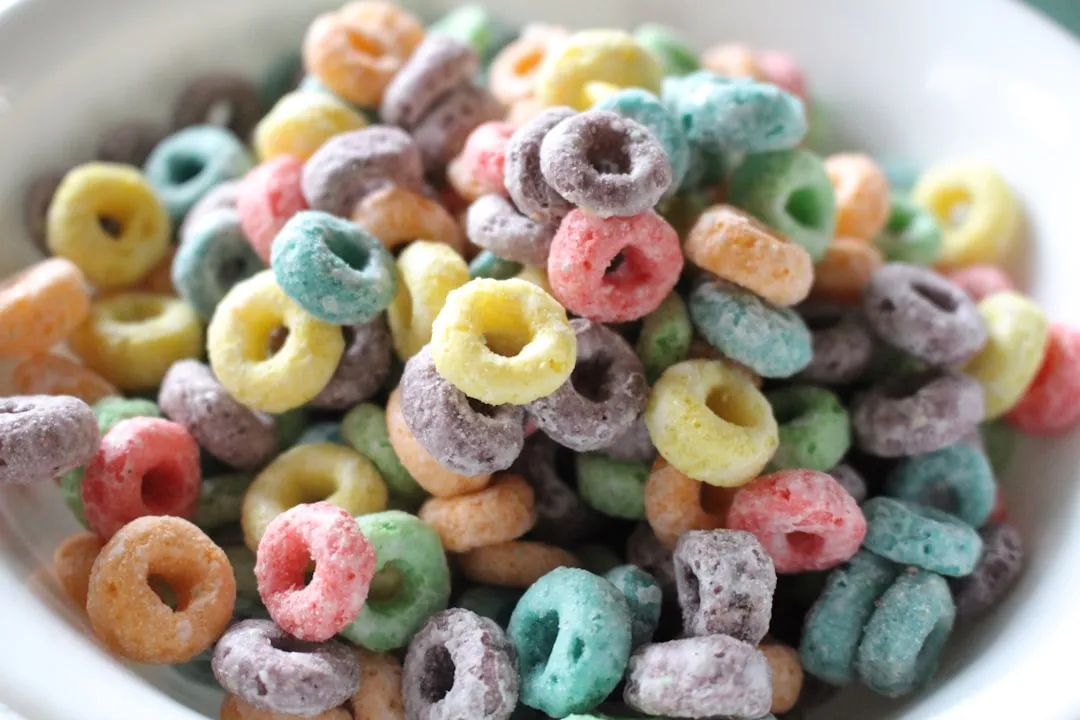
Sugary breakfast cereals hit your bloodstream fast. That spike can leave you hungry, irritable, and craving more within hours. Many brands add refined grains, artificial colors, and candy-like pieces that don’t belong in a regular morning routine.
Dozens of studies have provided evidence suggesting that high ultra-processed food consumption is associated with a range of adverse health outcomes, including obesity, metabolic syndrome, heart disease, and cancer. A 2024 review of 45 meta-analyses, covering nearly 10 million study participants, found “convincing” evidence linking ultra-processed foods to these risks.
Packaged pastries combine refined flour, added sugars, and oils that spike and crash energy, tempting you to reach for another shortly after. Many include trans fat sources or emulsifiers that are not friendly to metabolic health. The morning is not the time to run that kind of experiment on your blood sugar.
Breakfast to Avoid #2: Processed Breakfast Meats

Typical breakfast meats such as sausages, bacon, and ham are heavily processed and associated with adverse health outcomes. Many are loaded with preservatives, sodium, and nitrosamines. These aren’t minor concerns.
Researchers concluded that regularly consuming even small amounts of processed meat is linked to a higher risk of developing type 2 diabetes, ischemic heart disease, and colorectal cancer. Data showed that people who ate just one hot dog per day had an 11 percent greater risk of type 2 diabetes and a 7 percent higher risk of colorectal cancer compared to those who did not eat processed meat.
Sugar-sweetened beverages and processed meats were identified as the main contributors to health risk in ultra-processed food research. When those two categories were excluded, the increased risk associated with consuming ultra-processed foods mostly disappeared. The signal around processed breakfast meats in particular is consistent and hard to dismiss.
What the Evidence Actually Tells Us
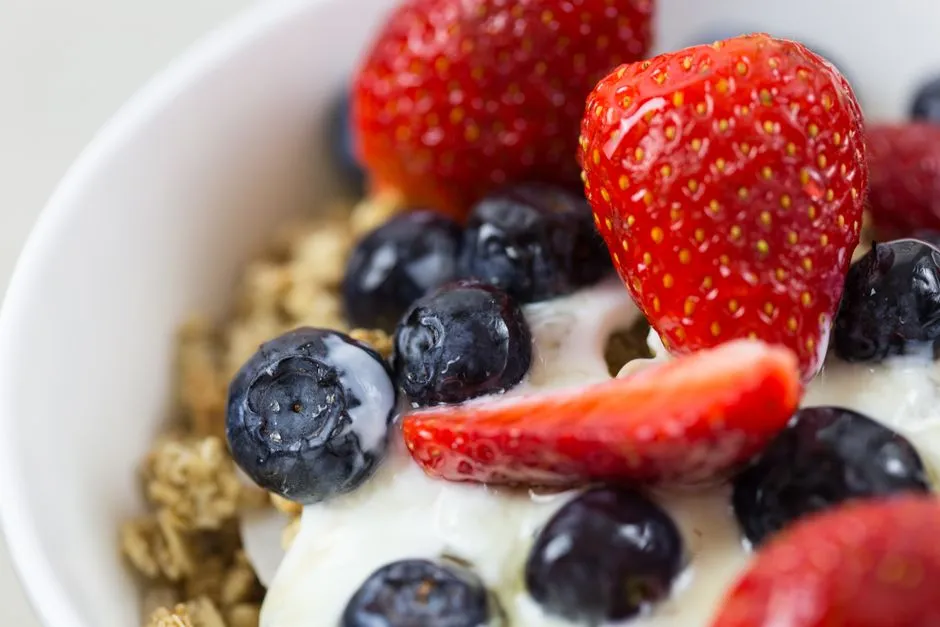
Across the research and clinical consensus, a clear picture emerges. Whole, minimally processed foods that combine protein, fiber, and healthy fats form the backbone of breakfasts that doctors actually choose. A balanced breakfast that combines fiber, protein, and healthy fats helps you stay full, focused, and energized.
Ultra-processed breakfast options have been linked to a variety of health problems, including obesity, diabetes, cardiovascular disease, and cancer. As one Stanford research dietitian put it, “it’s not just about what’s added to these foods; it’s what’s missing.” That framing is useful: nutrient density matters as much as what you’re actively avoiding.
The Takeaway

The four breakfasts doctors reach for consistently, steel-cut oats, eggs, Greek yogurt with berries, and whole-grain toast with avocado or nut butter, share a common logic. They’re high in protein and fiber, low in added sugar, and built from minimally processed ingredients. The two they tend to avoid, sugary cereals and processed breakfast meats, share an opposite profile.
None of this requires a dramatic overhaul. A bowl of rolled oats with berries, or two eggs with whole-grain toast, takes less time than most people assume. Small, consistent changes at breakfast tend to compound over months and years in ways that are genuinely meaningful. That’s a quiet argument for taking your first meal a little more seriously.
AI Disclaimer: This article was created with the assistance of AI tools and reviewed by a human editor.