

As a gardener who’s faced the frustrations of seasonal transitions, I know all too well how disheartening it can be when your favorite blooms vanish with a change in weather or when pests disrupt your carefully nurtured oasis. It’s such a bummer when your garden doesn’t thrive in every season—but with the right selections, you can enjoy a vibrant, balanced landscape no matter the time of year. In this article, I’m excited to introduce you to 30 plants that are not only resilient but also offer unique benefits like attracting beneficial insects, providing micro-nesting spots, and maintaining a natural charm with minimal invasiveness.
Throughout my gardening journey, I’ve discovered that a truly all-year thriving garden is built on diversity and careful selection of species adapted to various climates and conditions. Each plant below comes with its own fascinating story—from its native roots to its growth habits—and is presented in a random order to keep things fresh and unpredictable, much like nature itself!
Marigold
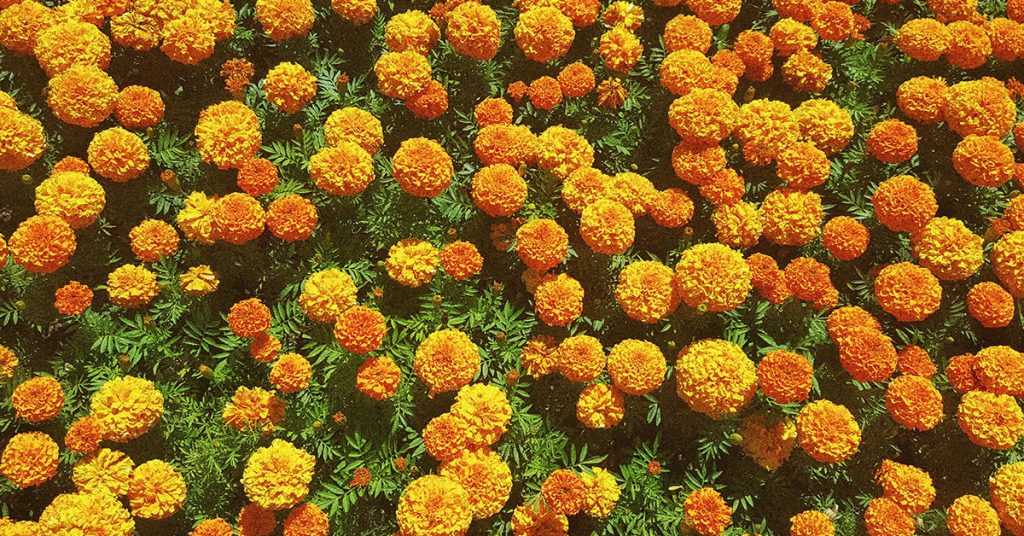
Marigold is a bright, cheerful annual that brings a burst of sunny color to any garden. Native to the Americas, marigolds thrive in full sun and well-drained soil, offering a natural defense against pests thanks to their pungent aroma that many insects find unappealing. I’ve seen these radiant blooms attract beneficial insects such as ladybugs, which help keep aphids in check, making them a practical yet delightful addition to any garden.
Not only do marigolds add visual appeal, but they also serve as a natural pest deterrent, reducing the need for chemical controls. Their easy, non-invasive growth habit means they can be planted among vegetables or borders without overwhelming other species. Their cheerful nature and constant bloom throughout the summer remind me of sunny days in my own garden, filling the space with warmth and positivity!
Hosta
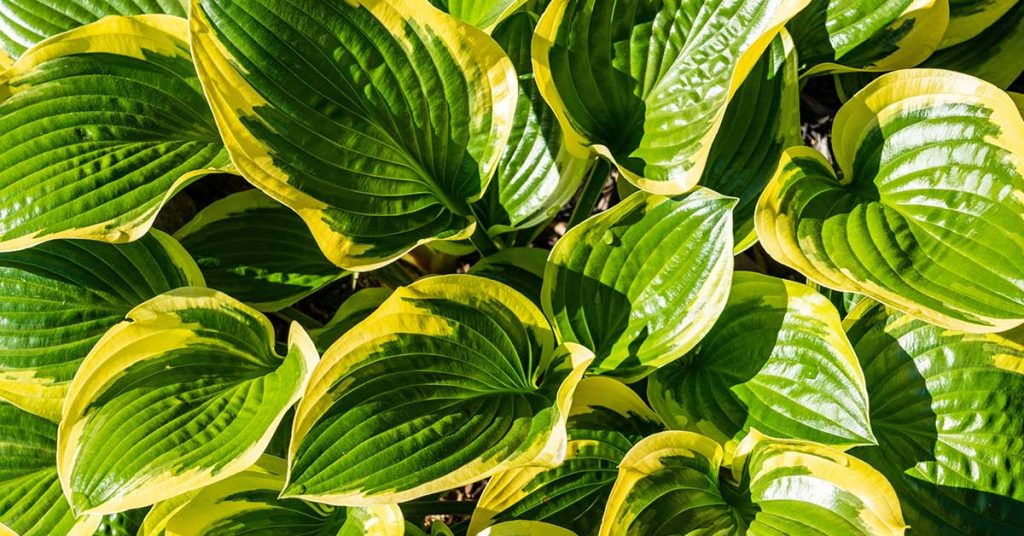
Hostas are a perennial favorite for shady gardens, offering lush, textured foliage that thrives under the canopy of trees. Native to Japan, China, and Korea, these plants flourish in low-light conditions and help soften the hard edges of rock or tree bases. I love how hostas attract beneficial ground insects that naturally patrol the garden floor, sometimes even finding hidden spots among the leaves to rest or nest!
Their non-invasive clumping habit makes hostas an excellent choice for naturalizing under trees or along garden borders. With a range of leaf colors from deep greens to variegated patterns, they provide a cool, serene backdrop to your garden’s more vibrant blooms. For those days when the sun hides behind clouds, hostas remind us that even in the shade, nature can be wonderfully captivating!
Rosemary
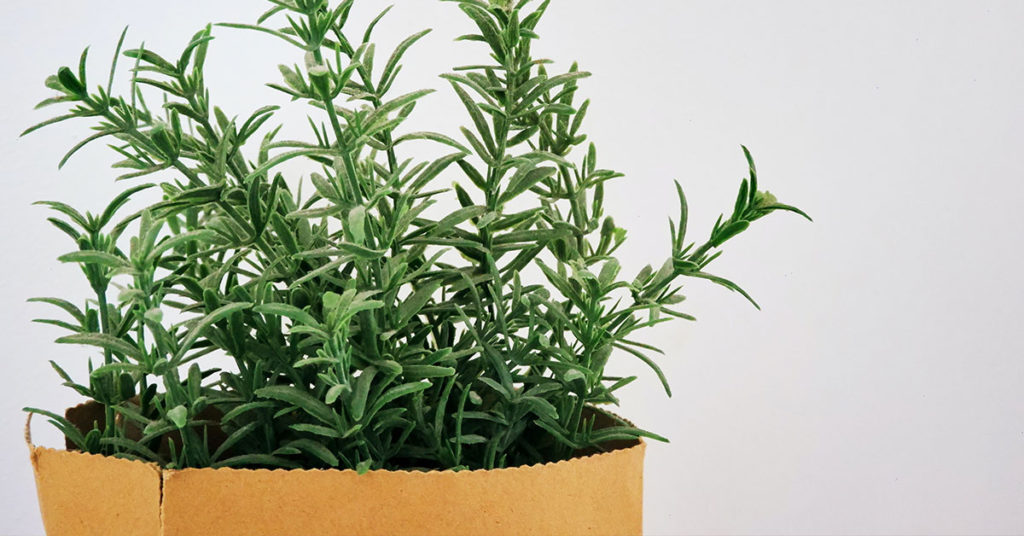
Rosemary is a fragrant, evergreen herb that not only spices up your kitchen but also makes a striking addition to an all-year garden. Native to the Mediterranean, this woody shrub thrives in full sun and well-drained, rocky soils that mimic its natural habitat. Its needle-like leaves release aromatic oils that naturally repel pests, while also attracting pollinators like bees and butterflies, which sometimes use its crevices for brief shelter.
Its compact, non-invasive growth makes rosemary a practical companion in mixed borders or container gardens. I’ve always been impressed by how its robust structure and subtle, savory scent add both functionality and charm to an outdoor space. For any garden seeking year-round resilience combined with culinary appeal, rosemary stands out as an indispensable, ever-fragrant treasure!
Lavender

Lavender is an iconic perennial that graces gardens with its silvery foliage and soothing purple spikes. Native to the Mediterranean region, lavender thrives in hot, sunny, and well-drained conditions, and its aromatic oils work wonders at repelling pests while attracting beneficial bees. I’m consistently amazed by how its calming scent creates a natural, stress-relieving ambiance that transforms any garden into a peaceful retreat.
Its low-maintenance, non-invasive growth habit makes lavender perfect for borders, rock gardens, or container displays. The natural beauty and therapeutic properties of lavender remind me that nature offers simple yet profound ways to nurture both our gardens and our well-being. Whether used in bouquets or essential oils, lavender is a timeless favorite that anchors an all-year thriving garden with style and grace!
Sedum
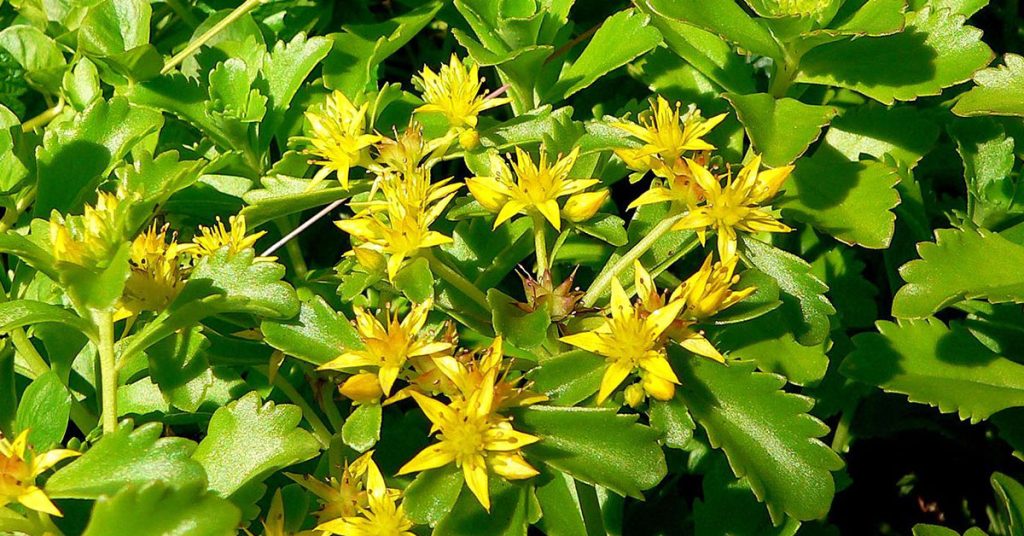
Sedum, or Stonecrop, is a succulent that brings textural interest and hardy beauty to any garden setting. Native to various temperate regions worldwide, sedum thrives in full sun and well-drained soil, making it incredibly drought-tolerant and ideal for rock gardens or low-maintenance landscapes. Its fleshy leaves store water and often attract small beneficial insects like bees that sip from its tiny flowers, contributing to a natural, balanced ecosystem.
Its non-invasive nature and sprawling habit allow sedum to form attractive ground covers without overtaking other plants. I appreciate how these charming succulents provide a striking contrast to more delicate blooms, making them a versatile choice for all seasons. Sedum’s resilience and understated elegance make it a go-to plant for gardeners looking to create a textured, year-round display that stands up to harsh conditions with ease!
Japanese Painted Fern

Japanese Painted Fern is an exquisite perennial that enchants with its silvery-green fronds accented by burgundy and cream hues. Native to Japan, these ferns thrive in moist, shaded environments, and they work beautifully as an understory plant in an all-year garden. I love how their delicate, lacy leaves create a soft, almost ethereal layer that can even attract beneficial invertebrates looking for cool, sheltered spots to rest or forage.
Their non-invasive clumping habit makes them ideal for filling in shaded areas without competing with more vigorous species. Japanese Painted Fern not only adds texture and color to your garden but also contributes to soil moisture retention and overall garden health. For those seeking a touch of elegance and subtle beauty in low-light conditions, these ferns are a delightful, long-lasting option that embodies the quiet charm of nature.
Impatiens
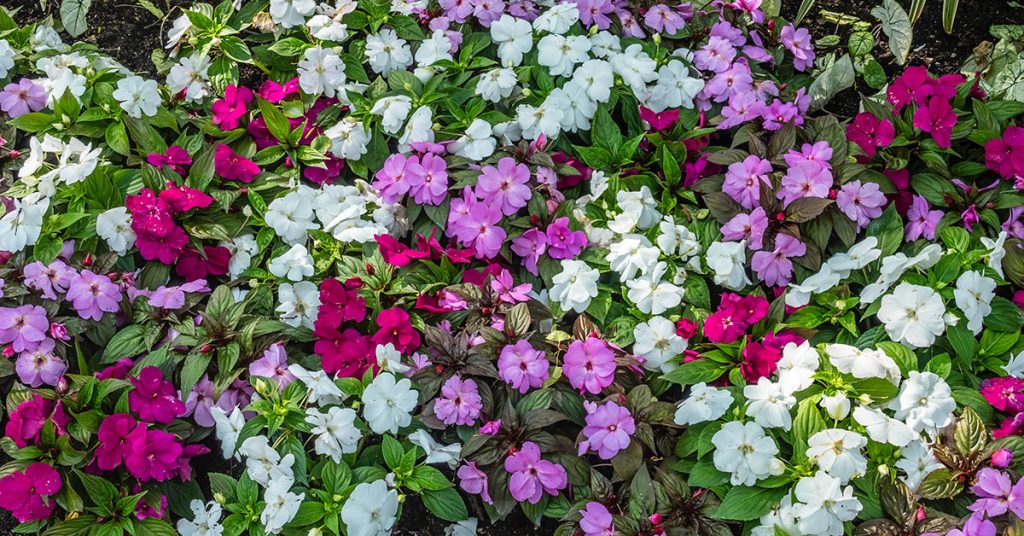
Impatiens are a cheerful annual that burst into an array of colors, perfect for brightening up shady spots in your garden. Native to tropical regions of Asia and Africa, these plants prefer moist, well-drained soils and filtered light, making them a superb choice for areas beneath trees. I’m always excited to see how their prolific blooms attract a variety of beneficial insects, including small bees and butterflies, that often visit and sometimes even use the dense clusters as temporary nesting sites!
Their non-invasive nature and rapid growth ensure that impatiens cover bare spots quickly, adding instant charm without overtaking your space. With vibrant hues ranging from pinks and reds to oranges and whites, they provide a striking contrast against darker, leafy backgrounds. For gardeners who want an easy burst of color in areas where the sun doesn’t shine all day, impatiens are a bright, happy solution that brings life and movement to the garden!
Geranium
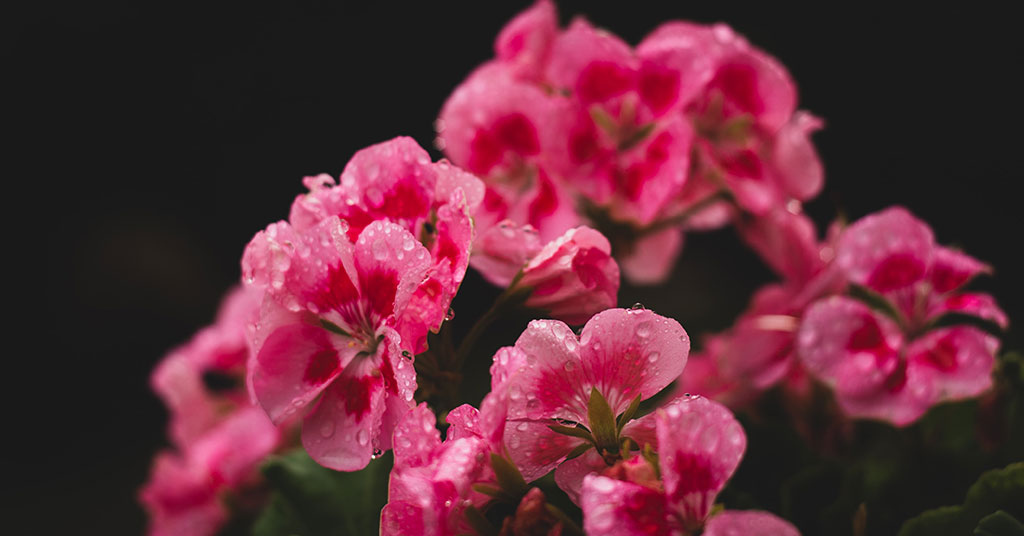
Geranium, particularly the scented varieties, is a versatile perennial that brings both visual appeal and a delightful fragrance to your garden. Native to South Africa, these plants thrive in full sun to partial shade and well-drained soils, offering clusters of vivid blooms that attract beneficial insects such as bees and butterflies. I love how their robust, bushy habit provides a natural, textured backdrop that can sometimes serve as a haven for small critters looking for a cozy spot to rest or even briefly nest!
Their easy, non-invasive growth makes geraniums ideal for container gardens, borders, or mixed beds where they add splashes of red, pink, or white without overwhelming other plants. The natural pest-repelling qualities of their aromatic foliage are an added bonus that has helped me create a more balanced, eco-friendly garden. For anyone seeking a perennial that combines beauty, scent, and practicality, geranium is an enduring favorite that brightens any landscape all year long!
Peony
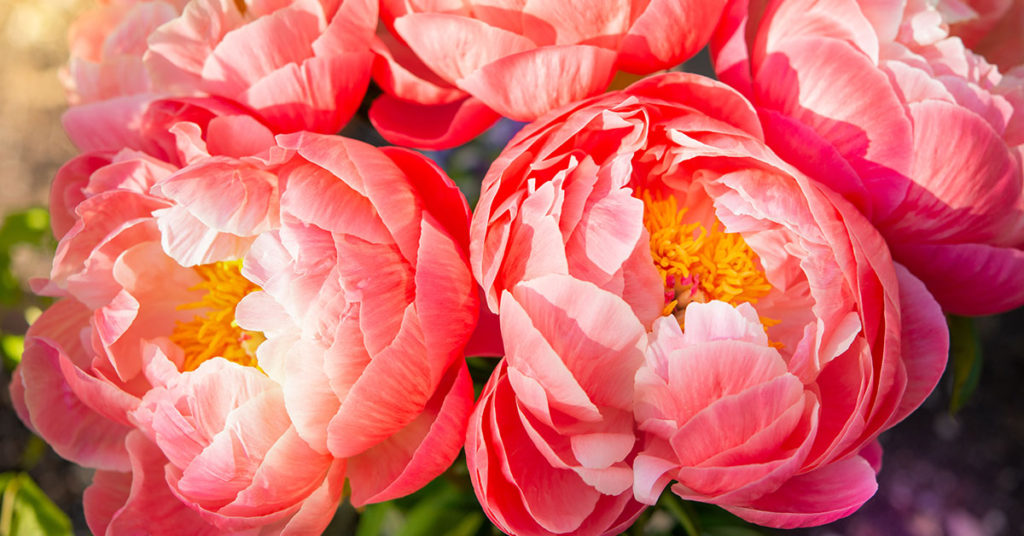
Peony is a perennial treasure famed for its large, ruffled blooms and intoxicating fragrance that signal the arrival of spring. Native to Europe and Asia, peonies thrive in full sun to partial shade and well-drained soils, and their lush, romantic blossoms attract beneficial insects like bees and butterflies that often use the thick foliage for temporary refuge. I’m always in awe of how these majestic flowers create an opulent display that not only enhances your garden’s beauty but also fosters a dynamic ecosystem beneath their broad leaves!
Despite their grand presence, peonies are non-invasive and take time to establish, making them a rewarding investment for patient gardeners. Their storied history and timeless charm have made them a centerpiece in gardens around the world, offering bursts of color that transition gracefully with the seasons. For those who dream of a garden that exudes elegance and enduring beauty, peonies are an exceptional choice that continues to impress year after year!
Hydrangea
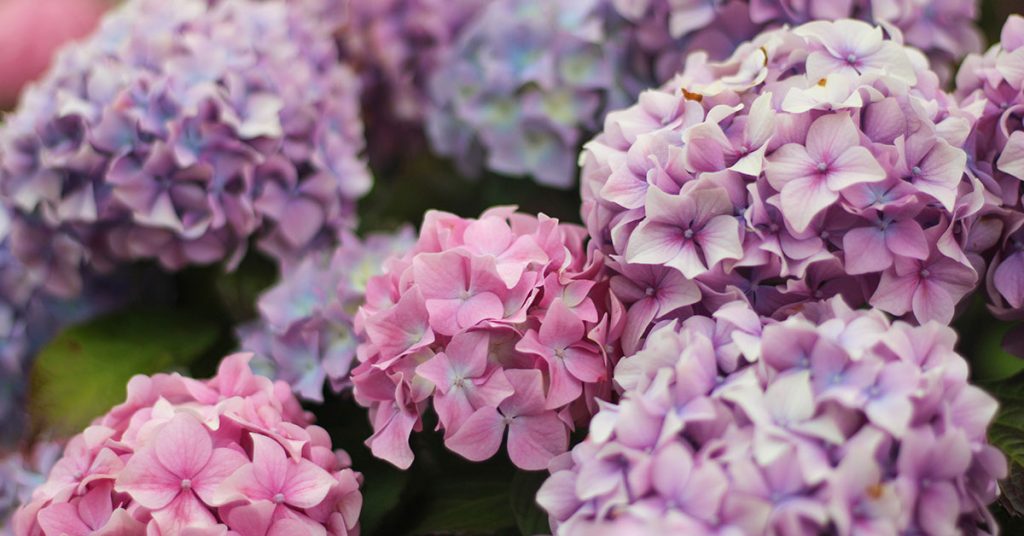
Hydrangea is a magnificent shrub that delivers a dramatic display of voluminous blooms, creating a lush focal point in any garden. Native to Asia and the Americas, hydrangeas flourish in moist, well-drained soils and partial shade, making them an excellent option for regions with variable sunlight. I’ve often been mesmerized by how their large, rounded clusters attract a host of beneficial pollinators, such as bees and butterflies, some of which even find refuge in the soft, overlapping petals during cooler periods!
Their non-invasive growth and versatile care requirements allow hydrangeas to adapt beautifully to different garden styles, from formal landscapes to wild, cottage gardens. The enchanting color variations—from pastel pinks to deep blues—can be influenced by soil pH, adding an interactive element to your gardening experience. For gardeners seeking a perennial that offers both visual drama and ecological benefits, hydrangeas are a superb, all-year treasure that transforms any space into a blooming wonderland!
Boxwood

Boxwood is a classic evergreen shrub prized for its dense, sculptural foliage and timeless appeal in garden design. Native to parts of Europe, North Africa, and Asia, boxwood thrives in full sun to partial shade and well-drained soils, making it ideal for creating structured hedges and topiaries. I’m always impressed by its ability to attract beneficial insects, such as ladybugs, which sometimes find the tight, rounded foliage a perfect spot to rest and even nest during mild weather!
Its slow, non-invasive growth habit makes boxwood a reliable choice for formal gardens or as a natural frame for more colorful plantings. The rich, dark green leaves provide a versatile backdrop that accentuates the seasonal blooms of nearby plants. For anyone looking to add a touch of refined structure and lasting greenery to their garden, boxwood is a perennial favorite that offers both beauty and practicality throughout the year!
Fuchsia

Fuchsia is a striking, shade-loving plant that brings an exotic touch and a cascade of pendulous, vibrant blooms to any garden space. Native to Central and South America, fuchsias thrive in partial shade and well-drained soils, offering a dynamic interplay of color that attracts hummingbirds and butterflies—some of which even explore its draping flowers for a cozy resting spot! I’m always delighted by how these charming blossoms add a whimsical, fairy-tale quality to the understory of a garden.
Their non-invasive growth habit makes fuchsias ideal for container planting or as an accent in shaded garden beds. With a bit of regular pruning to encourage fuller growth, they continuously refresh your outdoor space with a touch of tropical elegance. For gardeners eager to add a playful yet refined element to their landscape, fuchsia is a must-have that infuses every corner with color and life!
Pansy
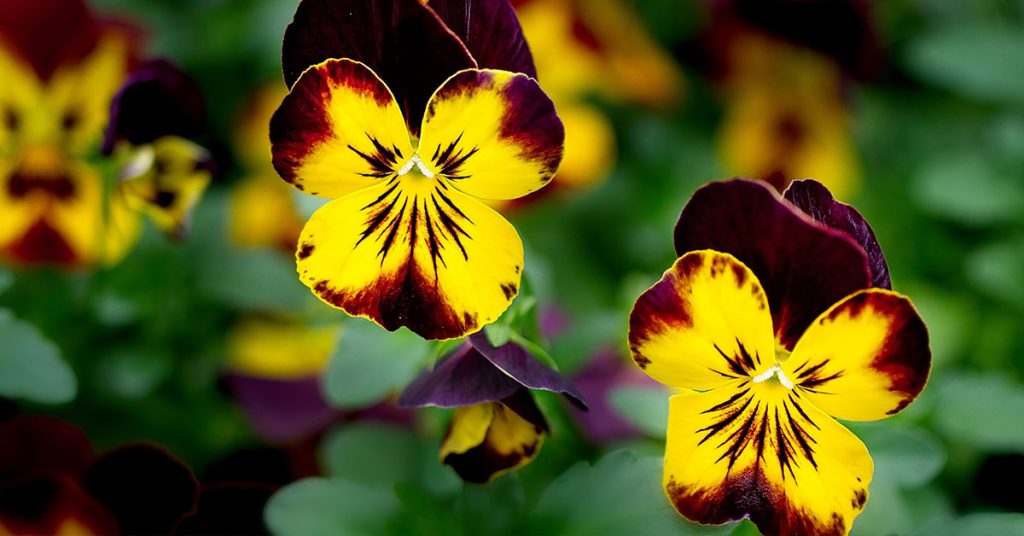
Pansies are cool-weather wonders that brighten up shaded areas with their velvety, expressive blooms. Native to Europe, these hardy annuals thrive in mild conditions with well-drained soil, providing a burst of color during the early spring and fall seasons. I find it delightful how their charming faces attract small bees and other beneficial insects, which sometimes use the clusters as a brief nesting site during brisk mornings!
Their non-invasive nature and compact growth make pansies perfect for underplanting trees or filling in garden borders. The soft, rich hues of their petals add a delicate, artistic touch that transforms any patch of shade into a cheerful retreat. For anyone who’s ever felt the disappointment of a dull garden in cooler months, pansies offer an instant lift and a gentle reminder that beauty can flourish even in the chill!
Creeping Jenny

Creeping Jenny is a vibrant groundcover that brings a splash of bright, chartreuse color to areas under trees or along borders. Native to Europe, this fast-spreading plant thrives in moist, well-drained soils and partial shade, making it a perfect option for filling in gaps and softening hard edges in your garden. I’ve noticed that its trailing habit not only provides visual interest but also attracts tiny beneficial insects that find the low-lying foliage a welcoming haven for foraging or even brief nesting!
Though it can be vigorous, Creeping Jenny is non-invasive when regularly pruned and contained, ensuring that it complements rather than overwhelms other plants. Its cheerful, spreading nature makes it an excellent living mulch that helps retain soil moisture and suppress weeds. For gardeners looking for a groundcover that adds both beauty and function, Creeping Jenny is a fantastic choice that livens up any under-tree space!
Salvia
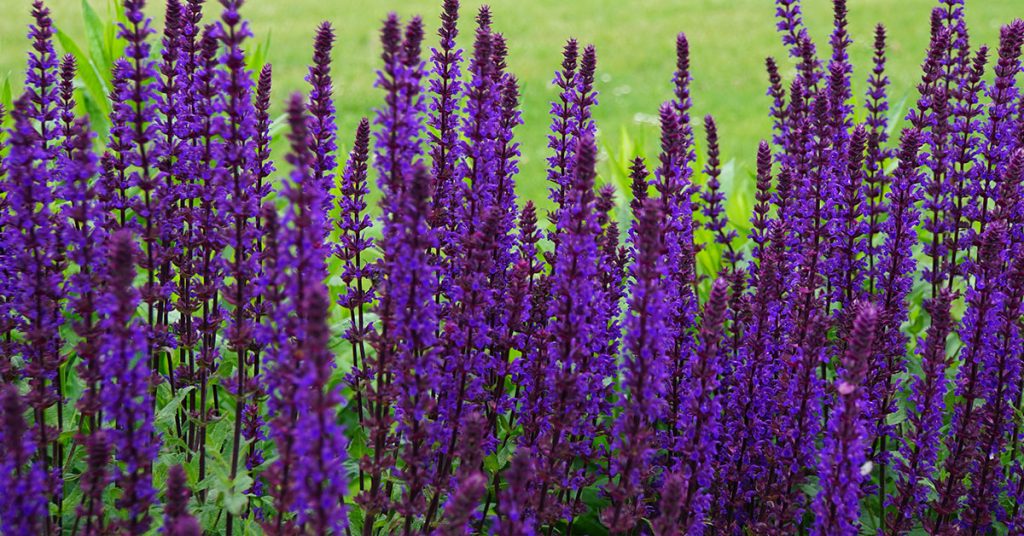
Salvia is a versatile perennial that delivers spiky, vibrant flower clusters and aromatic foliage—a dynamic addition to an all-year garden. Native to regions ranging from the Mediterranean to Central Asia, salvia thrives in full sun and well-drained soils, attracting beneficial pollinators like bees and hummingbirds that sometimes explore its flower spikes for nectar. I’m always inspired by how its bold color and distinctive form add a dash of drama to garden beds and borders!
Its non-invasive growth and relatively low maintenance make salvia an ideal candidate for creating seasonal interest while supporting a natural ecosystem. With a variety of hues available—from deep blues to bright reds—salvia offers a striking contrast to more subdued plants. For gardeners eager to make a statement with their plantings while inviting nature’s little helpers, salvia is an indispensable, all-year beauty!
Hellebore
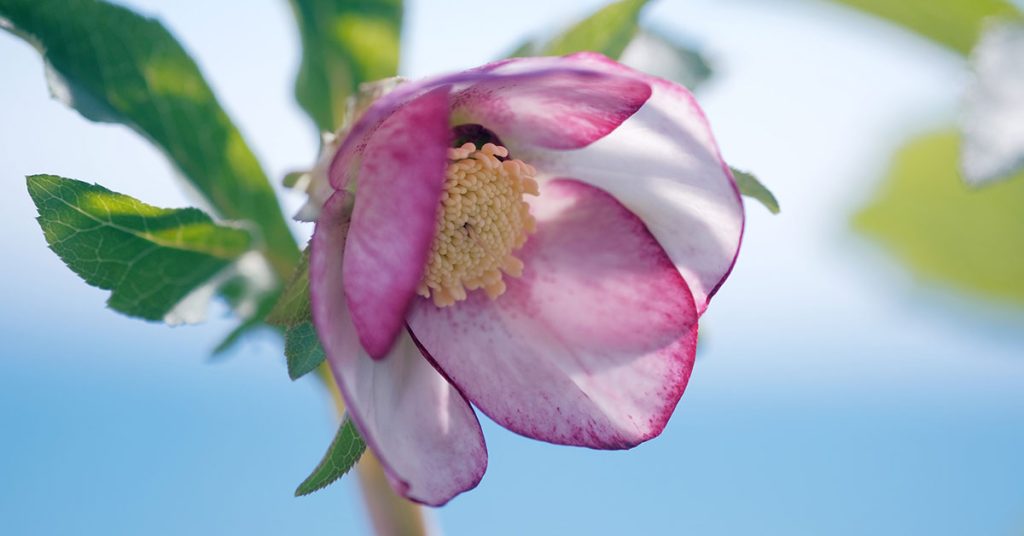
Hellebore, often known as the Lenten Rose, is a winter-blooming perennial that adds unexpected color and elegance to a garden when most plants are still dormant. Native to central and southern Europe and parts of Asia, hellebore thrives in moist, well-drained soils with filtered light, making it a perfect understory plant under trees. Its unique, often muted blossoms attract early pollinators like bees, which sometimes use its evergreen foliage for shelter during chilly days!
Despite its understated beauty, hellebore is non-invasive and offers a reliable splash of color in late winter or early spring. Its ability to flourish in low-light conditions and cool temperatures makes it a dependable choice for gardeners battling harsh winter climates. For anyone who dreams of a garden that remains enchanting even during the cold months, hellebore is a timeless choice that brings resilience and delicate charm to every season!
Sweet Alyssum
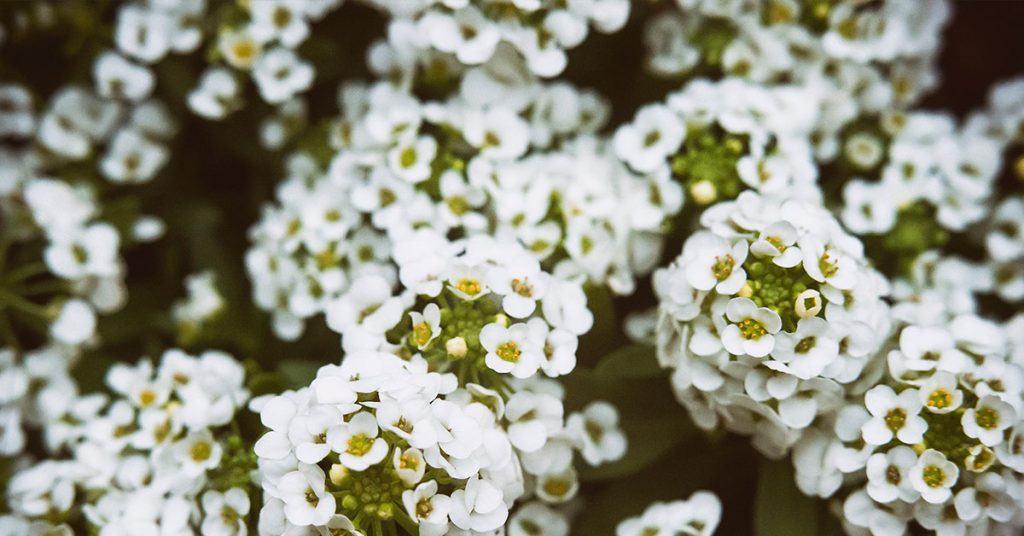
Sweet Alyssum is a fragrant, low-growing annual that forms a delicate carpet of tiny blooms, ideal for brightening up borders and filling gaps under trees. Native to Europe, this plant thrives in full sun to partial shade and well-drained soils, releasing a sweet, honey-like aroma that attracts beneficial insects such as bees and hoverflies. I’ve always been charmed by its ability to create a soft, inviting groundcover that naturally deters pests and supports a thriving microhabitat for nature’s little helpers!
Its non-invasive, spreading habit ensures that Sweet Alyssum complements larger plants without competing for resources. The gentle, continuous bloom cycle makes it a wonderful seasonal accent that adds both color and fragrance to your garden all year round. For any plant parent who appreciates subtle beauty and natural pest control, Sweet Alyssum is a delightful addition that enhances the overall ambiance of the landscape!
Daylily
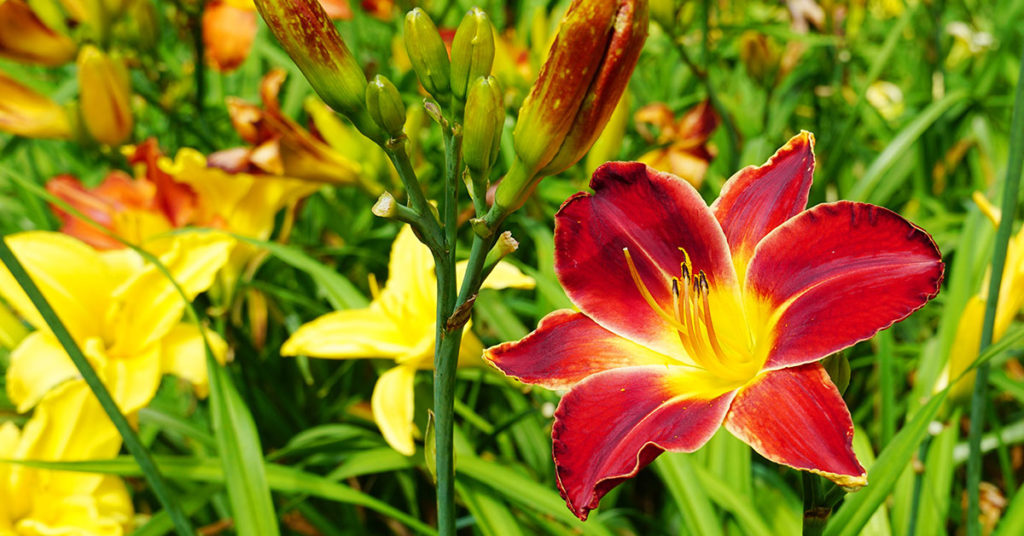
Daylily is a hardy perennial celebrated for its cheerful, trumpet-shaped flowers that bloom prolifically throughout the summer. Native to various regions in Asia, daylilies thrive in full sun and adaptable soils, providing a vibrant display that attracts butterflies and bees—some of which even use the plant’s clumps for temporary nesting during warm evenings! I’m always excited to see their bold colors brighten up garden beds, serving as a reliable source of seasonal charm and ecological support.
Their non-invasive nature and clump-forming growth habit make daylilies perfect for naturalizing large areas without overwhelming the landscape. With minimal care required and an ability to tolerate a range of conditions, daylilies are a practical and beautiful choice for gardeners of all experience levels. They truly embody the spirit of an all-year thriving garden, filling every corner with warmth, movement, and a touch of wild energy!
Daffodil
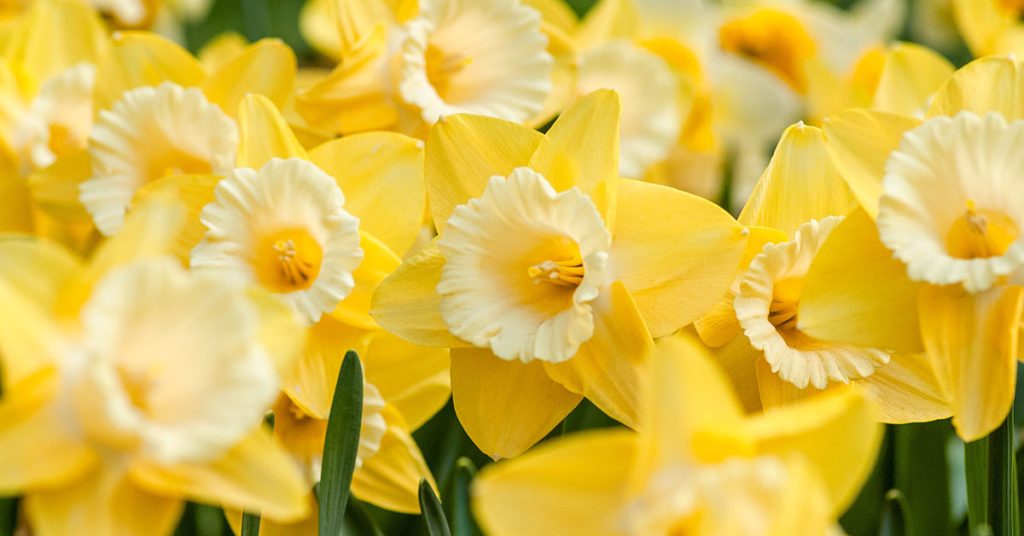
Daffodil is a beloved spring bulb that heralds the arrival of a new season with its bright, trumpet-like blooms and vibrant yellow hues. Native to Europe and North Africa, daffodils thrive in full sun and well-drained soils, often naturalizing in large clumps that attract early pollinators like bees and butterflies. I’ve always found it uplifting how these cheerful flowers bring a burst of sunshine to even the gloomiest winter remnants, and they sometimes create a mini habitat for beneficial insects that use the clustered foliage as a brief resting spot!
Their non-invasive, naturalizing habit ensures that daffodils continue to reappear year after year, making them a reliable cornerstone of any perennial garden. With minimal maintenance and an ability to flourish in a variety of conditions, daffodils offer both aesthetic delight and ecological benefits. For gardeners who crave a classic, resilient touch of spring each year, daffodils are a timeless choice that never fails to brighten the landscape!
Tulip
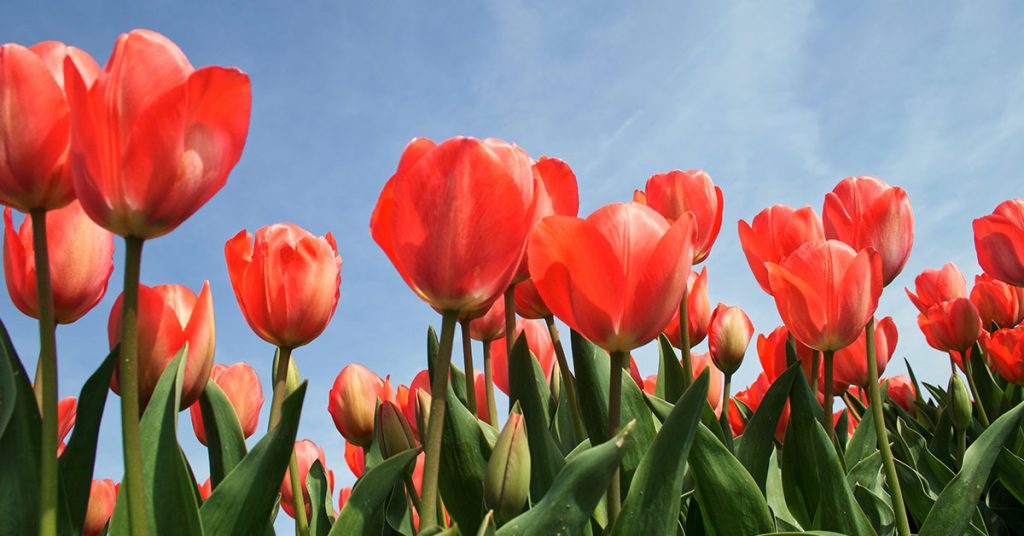
Tulips are iconic spring bulbs that deliver an instant burst of color and elegance to any garden, transforming dull spaces into vibrant displays of nature’s artistry. Native to Central Asia, tulips thrive in full sun and well-drained soils, and their distinctive cup-shaped blooms attract early-season pollinators such as bees, which sometimes use the dense clumps for brief shelter. I’m always inspired by how tulips can create a stunning, coordinated effect while inviting a subtle ecosystem of beneficial insects to join in the celebration of spring!
Their non-invasive growth and seasonal resurgence make tulips a dependable addition to an all-year thriving garden, as they reappear each spring with renewed vigor. Whether planted en masse for dramatic effect or used as a refined accent, tulips offer both beauty and a nod to the natural cycles that keep our gardens alive. For anyone eager to welcome the essence of spring indoors or in outdoor borders, tulips are a classic and reliable choice that exude both charm and resilience!
Ornamental Grass
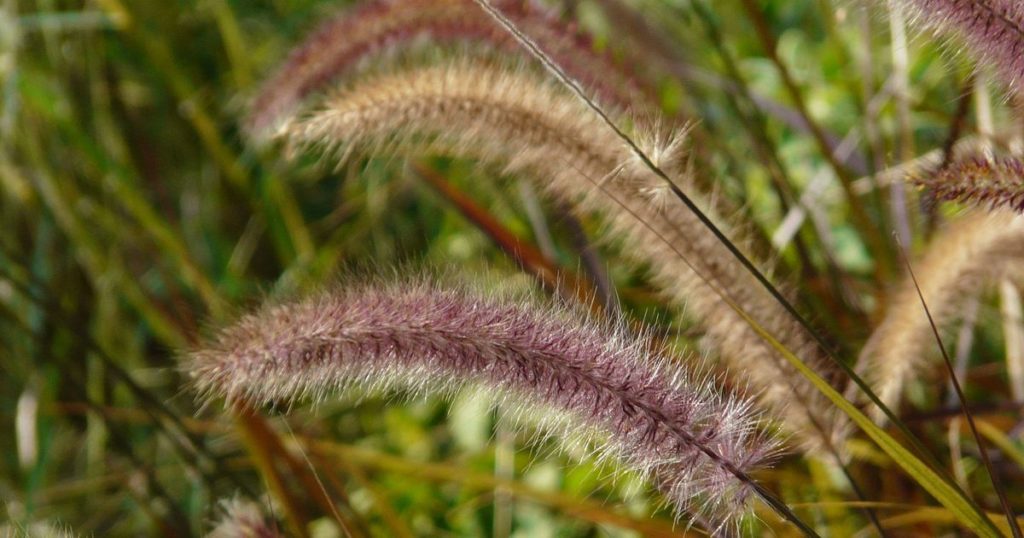
Ornamental Grasses are versatile additions that provide texture, movement, and a sense of wild elegance to your garden throughout the year. Native to various regions around the globe, these grasses thrive in full sun and well-drained soils, and their flowing, airy plumes often attract beneficial insects like ladybugs and ground beetles, which sometimes use the soft clumps as temporary nesting sites. I love how ornamental grasses lend a dynamic, almost sculptural quality to garden beds, softening the landscape with their gentle sway in the breeze!
Their non-invasive, clumping growth habit makes them ideal for creating natural borders or background layers without overwhelming other plantings. With seasonal variations in color and form, ornamental grasses add a subtle yet continuous interest to any garden design. For gardeners looking for a low-maintenance yet striking element that endures all year, ornamental grasses are a perfect choice that brings both texture and timeless beauty to the landscape!
Coneflower

Coneflower, or Echinacea, is a robust perennial that dazzles with its spiky central cone and vibrant, daisy-like petals. Native to North America, coneflowers thrive in full sun and well-drained soils, attracting a wide array of beneficial insects such as bees and butterflies that often use the dense flower heads for shelter and occasional nesting. I’ve always admired how their sturdy form and bold colors create an energetic focal point that energizes any garden, even during the hottest months of summer!
Their non-invasive nature and easy propagation make coneflowers an excellent choice for naturalizing wildflower meadows or mixed borders. With minimal care and a proven ability to thrive under a variety of conditions, they offer both visual appeal and ecological benefits. For anyone dreaming of a garden that bursts with color and supports a thriving pollinator community, coneflowers are an inspiring, all-year asset that truly embody the spirit of resilience!
Black-eyed Susan

Black-eyed Susan is a cheerful perennial that brings warm, golden hues and a touch of rustic charm to any garden. Native to North America, these plants thrive in full sun and well-drained soils, producing bright, daisy-like blooms with a characteristic dark center that attracts beneficial insects such as bees and butterflies—some of which even use the foliage for short-term shelter. I always enjoy how their sunny disposition brightens up garden beds and creates a welcoming microenvironment for a variety of helpful critters!
Their natural, non-invasive growth habit makes Black-eyed Susans a practical choice for borders or wildflower meadows where they can self-seed without overtaking other species. With their robust resilience and minimal maintenance needs, these flowers add both color and ecological value to a thriving garden all year long. For gardeners seeking a reliable, uplifting perennial that supports nature’s busy little workers, Black-eyed Susan is a vibrant and enduring favorite!
Borage

Borage is a charming herbaceous annual known for its star-shaped, sky-blue flowers and fuzzy foliage that make a delightful addition to any garden. Native to the Mediterranean region, borage thrives in full sun and well-drained soil, and its abundant blossoms attract beneficial pollinators like bees and butterflies—some of which might use its soft, hairy leaves as a transient resting or nesting spot! I’m always amazed by how borage not only enhances the beauty of a garden but also improves soil health by drawing nutrients from deep within the earth.
Its non-invasive nature and rapid growth make borage an excellent companion in mixed borders or herb gardens, adding both visual appeal and practical benefits. Whether used to make refreshing teas or simply enjoyed for its vibrant display, borage is a plant that contributes to a balanced, thriving garden all year round. For those looking to mix functionality with flair, borage is an inspiring choice that nourishes both body and garden!
Coreopsis
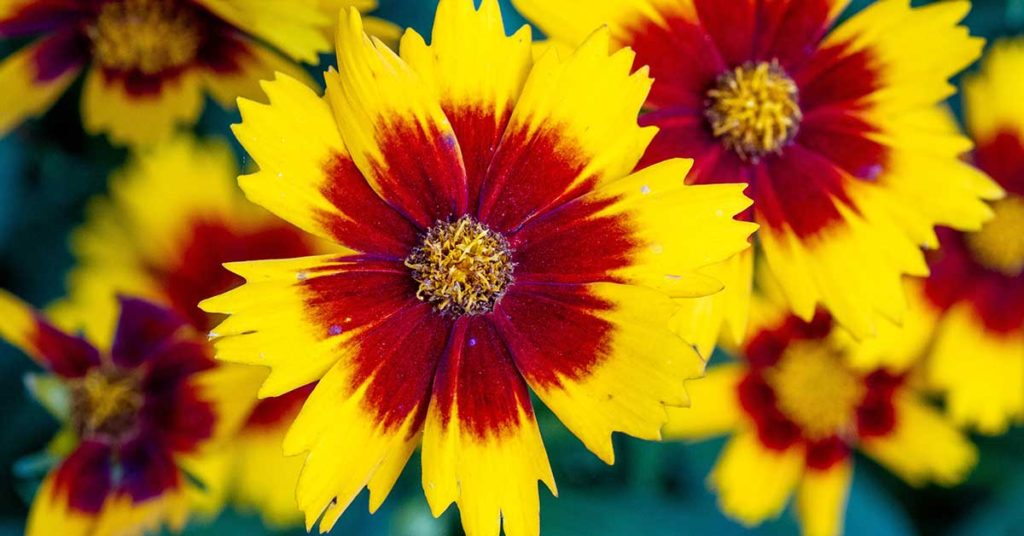
Coreopsis, or Tickseed, is a vibrant perennial celebrated for its bright, daisy-like flowers and cheerful presence throughout the growing season. Native to North America, Coreopsis thrives in full sun and well-drained soils, and its clusters of blossoms attract a host of beneficial insects such as bees and butterflies that sometimes use the dense flower heads as temporary nesting areas. I love how its warm hues of yellow and orange bring an uplifting burst of color to garden beds, even on overcast days!
Its easy, non-invasive growth habit makes Coreopsis an excellent choice for borders, meadows, or container gardens. With minimal maintenance required, this resilient plant continuously rewards gardeners with an abundant, sunlit display that enhances the natural beauty of any landscape. For anyone seeking a low-fuss yet impactful addition to an all-year thriving garden, Coreopsis is a delightful option that truly brightens the space!
Bee Balm

Bee Balm (Monarda) is a captivating perennial that not only adds a splash of vibrant color with its rich red, pink, or purple blooms but also attracts an abundance of pollinators to your garden. Native to North America, bee balm thrives in full sun and well-drained soils, where its fragrant, tubular flowers lure bees, butterflies, and hummingbirds that sometimes use the plant’s dense foliage as a nesting haven. I’m continually inspired by its ability to create a lively, buzzing ecosystem that turns any garden into a dynamic hub of activity!
Its non-invasive, clump-forming habit makes bee balm ideal for mixed borders or as a striking centerpiece in perennial beds. With its natural pest-repelling properties and vibrant display, it enhances both the visual and ecological aspects of an all-year garden. For gardeners looking to invite nature’s little helpers while enjoying a riot of color, bee balm is an outstanding choice that truly celebrates the spirit of outdoor life!
Zinnia
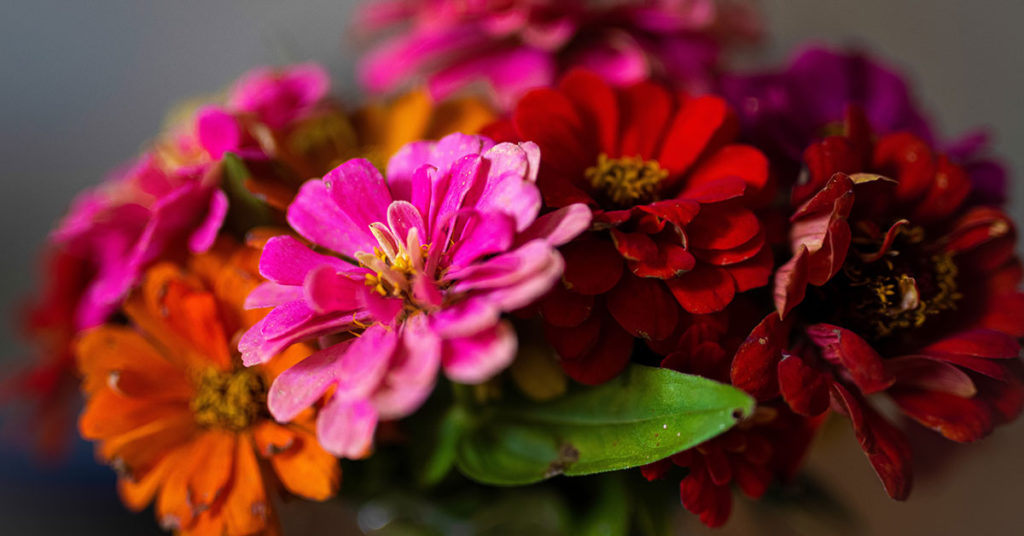
Zinnia is a bold, sun-loving annual that fills garden spaces with a dazzling array of colors and a cheerful energy that lasts all summer long. Native to Mexico, these vibrant flowers thrive in full sun and well-drained soils, and their brilliant blooms attract beneficial insects such as butterflies and bees—some of which occasionally use the dense clusters as a spot for short-term refuge. I’m always excited to see how zinnias transform even the simplest garden patch into a festive celebration of life and color!
Their non-invasive growth and rapid blooming cycle make zinnias perfect for adding instant visual impact to garden beds, borders, or containers. With minimal care, these energetic flowers continually renew themselves, offering a reliable burst of beauty and ecological support. For anyone who craves a garden that exudes vivacity and warmth throughout the season, zinnia is an irresistible and dynamic addition that never fails to impress!
Snapdragon
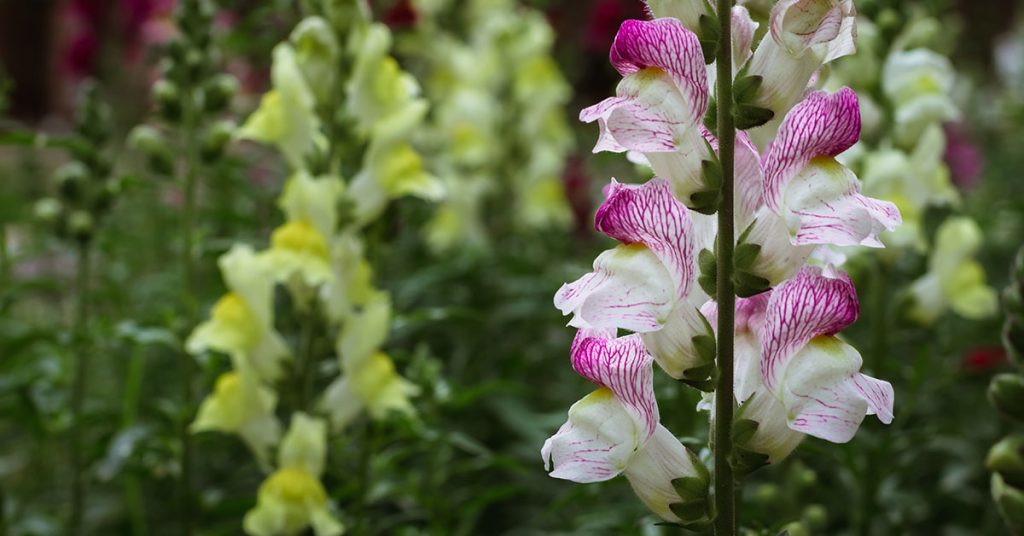
Snapdragon is a delightful annual that captivates with its whimsical, dragon-shaped blooms and elegant, upright form—perfect for adding vertical interest to your garden. Native to Europe, snapdragons thrive in full sun and well-drained soils, and their unique, tubular flowers attract a variety of beneficial insects like bees and small butterflies, some of which even explore the flower clusters as potential nesting sites! I find that their playful shapes and bright colors bring a touch of fairy-tale charm to any garden space.
Their easy, non-invasive nature means snapdragons can be interplanted with other species without overcrowding, making them an excellent choice for vibrant mixed borders. With a bit of regular deadheading and care, snapdragons offer continuous seasonal interest and a dynamic interplay of form and function. For gardeners seeking an imaginative, uplifting addition that sparks conversation and ecological balance, snapdragons are an enchanting and reliable option!
Ivy

Ivy is a versatile, trailing climber that can soften the hard edges of walls, fences, or even serve as a lush groundcover beneath trees. Native to Europe and Western Asia, ivy thrives in partial to full shade and adapts well to various soil conditions, often attracting beneficial insects like ladybugs and small bees that use its dense, evergreen foliage for shelter. I’m always captivated by its ability to transform a stark surface into a living tapestry of green, adding a timeless elegance to any garden!
Its non-invasive varieties, when properly managed, offer a low-maintenance solution for filling gaps and enhancing the overall look of your outdoor space. Ivy’s natural ability to purify the air and stabilize soil makes it a practical addition to an all-year thriving garden. For those looking for a plant that blends beauty with ecological functionality, ivy is a classic choice that never goes out of style!
Chrysanthemum

Chrysanthemum is a classic fall-blooming perennial that adds a burst of color and a touch of tradition to your garden as the seasons change. Native to East Asia, chrysanthemums flourish in full sun and well-drained soils, and their layered, daisy-like blooms attract beneficial insects such as bees and butterflies—some of which even use the abundant flower clusters as brief nesting spots during cooler days! I’ve always been impressed by how these hearty flowers bring warmth and vibrancy to a garden in autumn, serving as a natural celebration of the season.
Their non-invasive, clumping habit makes chrysanthemums an excellent choice for creating natural borders or mixed perennial beds that thrive year after year. With a diverse palette of colors ranging from deep reds to soft pastels, they offer both aesthetic charm and ecological benefits, enriching your garden with a continuous cycle of beauty and renewal. For gardeners who cherish a seasonal spectacle that lasts well into the fall, chrysanthemums are a timeless and practical choice that brightens every corner of your outdoor space!