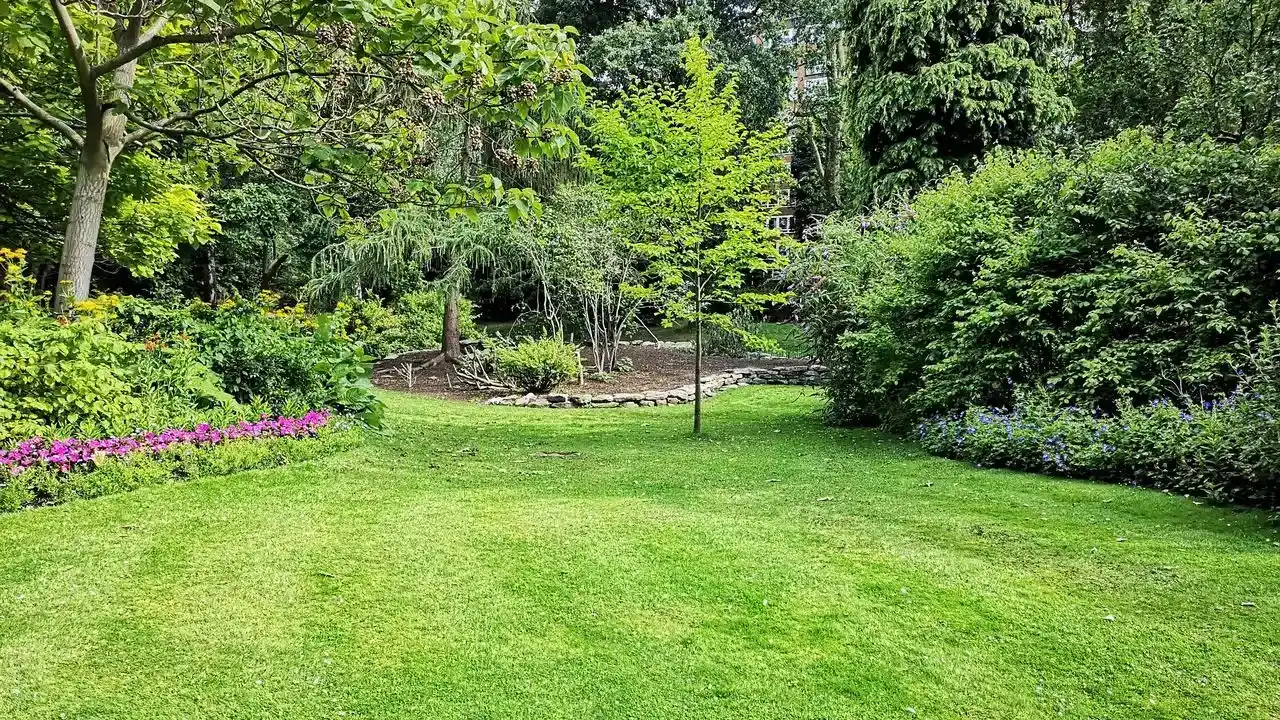

Gardens created by everyday readers continue to demonstrate that distinctive outdoor spaces can emerge from modest resources and personal ingenuity. Three separate examples stand out for their use of creative containers, colorful coneflowers, and a welcoming backyard retreat, each adapted to different home settings and maintenance levels. These projects underscore how targeted choices in planting and arrangement can deliver visual interest and usability without requiring large expenditures or professional crews.
Creative Containers Expand Planting Options
Containers allow gardeners to introduce plants in areas where in-ground beds are impractical or where soil conditions need improvement. Readers have repurposed everyday items such as wooden crates, metal buckets, and ceramic pots to hold a mix of annuals, herbs, and small shrubs. This approach supports mobility, letting owners rearrange displays seasonally or move plants to follow sunlight patterns throughout the day.
The method also simplifies soil management. By filling containers with custom blends, gardeners can match specific plant needs more precisely than is often possible in native soil. Several readers noted that starting with a few well-chosen containers produced immediate results while keeping initial costs low and allowing gradual expansion as time and budget permit.
Coneflowers Deliver Reliable Color and Wildlife Support
Coneflowers remain a popular choice in reader gardens because they provide extended blooms from midsummer into fall with relatively little intervention. Their daisy-like flowers in shades of purple, pink, and white attract pollinators and add vertical interest among lower-growing companions. Once established, the plants tolerate a range of soil types and require only occasional deadheading to maintain appearance.
Readers have integrated coneflowers into both container groupings and border plantings, often pairing them with ornamental grasses or other perennials for textural contrast. The flowers also serve as a low-maintenance backbone that continues to perform even during periods of irregular watering, making them suitable for gardeners balancing outdoor projects with other responsibilities.
Cozy Backyard Retreats Turn Small Spaces into Daily Destinations
A dedicated seating area transforms an ordinary yard into a functional extension of the home. Readers have created these retreats using simple additions such as benches, small tables, and string lighting arranged around existing plantings. The goal is often to establish a quiet spot for morning coffee or evening relaxation without extensive construction.
Placement near the containers and coneflower beds ties the retreat visually to the rest of the garden. Some gardeners added gravel or stepping stones to define paths leading to the seating, while others relied on existing lawn edges. The result is a layered space that feels intentional yet remains easy to maintain over time.
Practical Lessons from the Three Examples
Across the three gardens, a common thread is the emphasis on starting small and building outward. Each gardener selected one or two signature elements, containers in one case, coneflowers in another, and a seating area in the third, then refined the surrounding plantings to complement those features. This incremental method reduces the risk of overwhelm and allows adjustments based on what performs well in a given location.
The projects also illustrate the value of observing local conditions before committing to larger changes. Readers reported monitoring sunlight, drainage, and wind patterns for a full season before finalizing layouts. Such observation helps ensure that creative choices remain sustainable rather than requiring constant correction.
Looking Ahead for Home Gardeners
These reader examples suggest that meaningful garden updates can occur within a single growing season when focus stays on a few high-impact elements. Homeowners interested in similar results can begin by assessing available containers, selecting a few coneflower varieties suited to their climate, and identifying a potential spot for seating. Over time, the combination of these features tends to create a cohesive and personal outdoor environment that continues to evolve with minimal additional investment.
AI Disclaimer: This article was created with the assistance of AI tools and reviewed by a human editor.