

Gardening is a delightful journey filled with experimentation and discovery—and nothing excites me more than learning how plants can work together to enhance growth, flavor, and beauty in our gardens! Over the years, I’ve learned that companion planting isn’t just about aesthetics; it’s about creating balanced ecosystems that repel pests, attract beneficial insects, and boost yields naturally. In this guide, I’m thrilled to share 26 amazing companion planting pairs that have transformed my garden into a thriving, productive sanctuary.
I know how disheartening it can be when pests invade your garden or when your favorite plants seem to struggle in isolation. Trust me—I’ve experienced the frustration of wilting leaves and disappointing harvests! That’s why I’ve compiled these pairs, complete with details on their native origins, behaviors like attracting pollinators and even offering nesting spots, and notes on their invasive tendencies (or lack thereof).
Tomatoes & Basil

Tomatoes and basil are a classic duo, celebrated for their mutual benefits in flavor and pest control. Native to South America (tomatoes) and India (basil), these plants thrive together by repelling common pests like aphids and whiteflies while enhancing the taste of one another! I’ve seen my tomato plants flourish with basil nestled nearby, as the aromatic leaves seem to mask the scent of the fruit, confusing pests and even attracting beneficial insects to the garden.
In addition to their practical benefits, this pairing creates a sensory delight—imagine the scent of basil wafting through the air as you tend to your ripening tomatoes! Both plants are non-invasive when grown in well-managed gardens, making them an excellent choice for container or raised-bed gardening. Their cooperative behavior not only improves overall plant health but also transforms your garden into a vibrant, inviting space that feels like a culinary paradise!
Carrots & Onions

Carrots and onions form a wonderful alliance that benefits both root and bulb crops by deterring pests and enhancing flavor. Carrots, native to Central Asia, and onions, with origins in Central Asia and Iran, share a symbiotic relationship where the strong aroma of onions repels carrot flies while the natural sweetness of carrots may even enhance the flavor of onions! I’ve always been fascinated by how these two humble vegetables complement each other so well, creating a balanced underground ecosystem.
When planted together, these crops create a natural barrier against soil-borne pests and can even attract beneficial insects that help keep the garden thriving. They are non-invasive in most garden settings, making them ideal for home gardeners who appreciate a low-maintenance yet productive plot. Embracing the carrot-onion duo has saved me countless times from pest-related headaches and has helped build a robust, resilient garden environment!
Beans & Corn
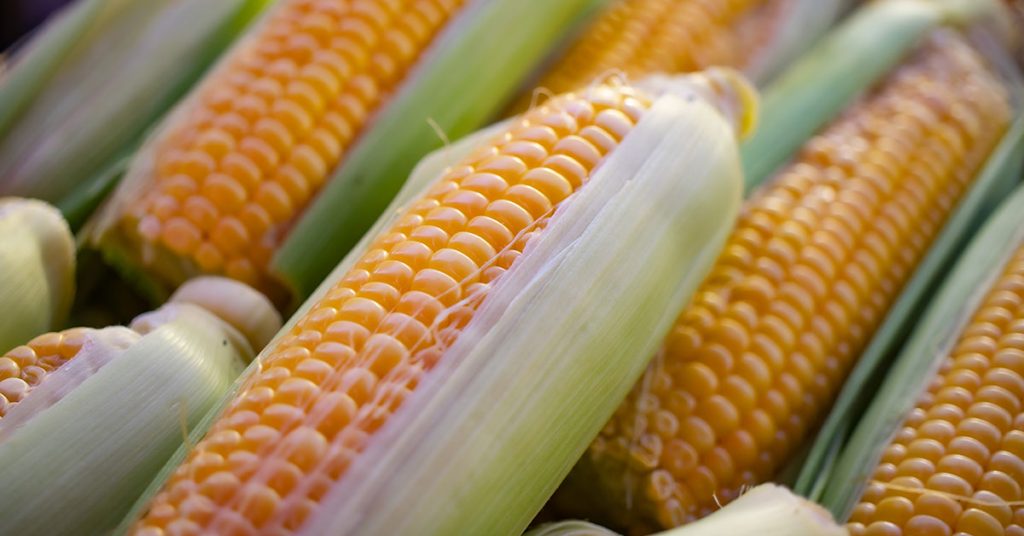
The “Three Sisters” concept is beautifully exemplified by the pairing of beans and corn, where each plant supports the other’s growth. Beans, native to the Americas, fix nitrogen in the soil, enriching the nutrient content, while corn provides sturdy stalks for climbing bean vines. I love how this dynamic duo creates a mini-ecosystem where the corn stands tall and proud, inviting beneficial insects and even offering a perch for nesting bees, while the beans weave their way upward in a natural embrace!
Both corn and beans are well-adapted to thriving together without becoming invasive when properly managed. Their cooperative growth not only maximizes space but also enhances the productivity of your garden by sharing essential nutrients. This symbiotic relationship reminds me that when plants work together, the whole is truly greater than the sum of its parts—a lesson that resonates in both nature and life!
Lettuce & Radishes

Lettuce and radishes are an excellent pairing for gardeners who desire a quick harvest and natural pest control. Lettuce, native to the Mediterranean region, thrives in cool conditions, while radishes, with origins in Southeast Asia and Europe, mature rapidly, breaking up the soil and improving aeration around their leafy neighbor. I find it delightful to plant these together, as the radishes’ spicy bite seems to ward off pests that might otherwise target the delicate lettuce leaves!
This duo not only boosts productivity by maximizing garden space but also attracts beneficial insects that enjoy the varied textures and scents. Both lettuce and radishes remain non-invasive, making them perfect for container gardens or small raised beds. Their combined beauty and practicality bring a refreshing burst of color and flavor to any salad bowl, proving that nature’s little collaborations can be both delicious and effective!
Cabbage & Dill
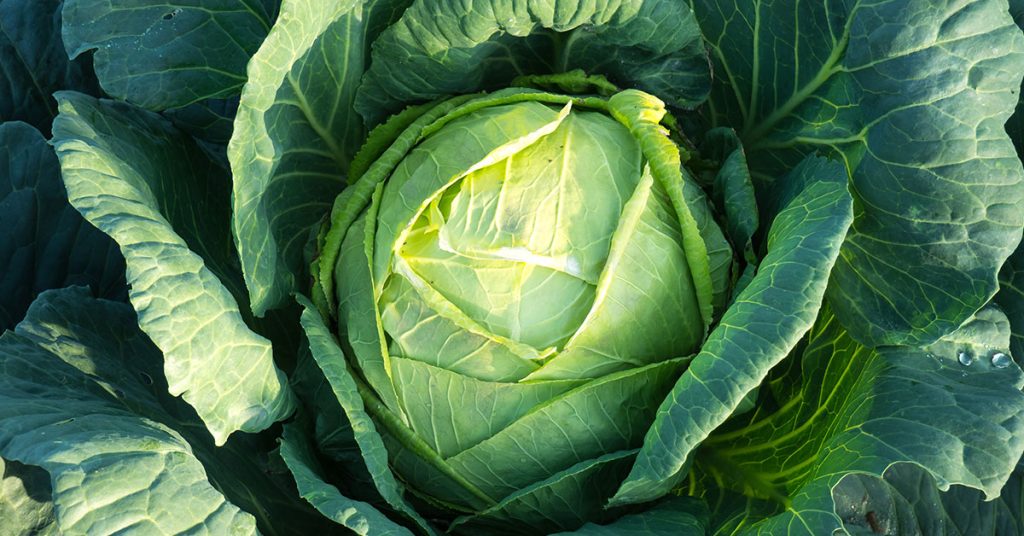
Cabbage and dill form a unique partnership that works wonders in deterring common cabbage pests. Cabbage, native to Europe, benefits greatly from dill’s aromatic presence, which repels cabbage worms and attracts predatory insects like ladybugs. I’ve always been impressed by how dill’s feathery, delicate fronds create a natural barrier around the cabbage, offering not only a visual contrast but also an inviting habitat for beneficial critters!
Dill, which hails from the Mediterranean and Southwest Asia, remains non-invasive and thrives alongside the robust growth of cabbage. This pairing not only enhances the overall health of your garden by improving pest resistance but also contributes to soil quality and biodiversity. With a little care and attention, cabbage and dill work in harmony to create a productive, pest-resistant garden that’s as beautiful as it is bountiful!
Cucumbers & Nasturtiums

Cucumbers and nasturtiums are a vibrant pairing that brings both beauty and practicality to the garden. Cucumbers, native to South Asia, flourish when given a supportive environment, and nasturtiums, native to South America, provide natural pest control by attracting aphids away from their cucumber companions! I love watching nasturtiums cascade around cucumber trellises, their bright, peppery blooms adding a touch of whimsy and a natural charm that brightens the garden.
Nasturtiums also serve as a magnet for beneficial insects, sometimes even offering tiny nesting spots along their trailing vines, which further enhances the garden’s ecosystem. Both plants are non-invasive when grown in the proper space, making them ideal for home gardeners seeking a low-maintenance yet productive garden. Together, they create a living tapestry of color and function—a true testament to the magic of companion planting!
Peppers & Marigolds

Peppers and marigolds make a dynamic duo that is as attractive as it is functional. Peppers, native to Central and South America, thrive in warm, sunny conditions, while marigolds, originally from the Americas, emit a strong scent that repels nematodes and other pests. I always enjoy the vibrant contrast between the glossy, colorful peppers and the bright, cheerful marigolds that border them—a delightful mix that seems to invite beneficial insects and even occasional nesting bees!
Marigolds’ pest-repelling properties and non-invasive nature make them a popular choice for companion planting. Their robust blooms add a festive ambiance to the garden, and their aromatic leaves help maintain a balanced ecosystem. This pairing not only enhances the flavor and yield of your pepper plants but also turns your garden into a lively, colorful retreat that feels welcoming every single day!
Spinach & Strawberries
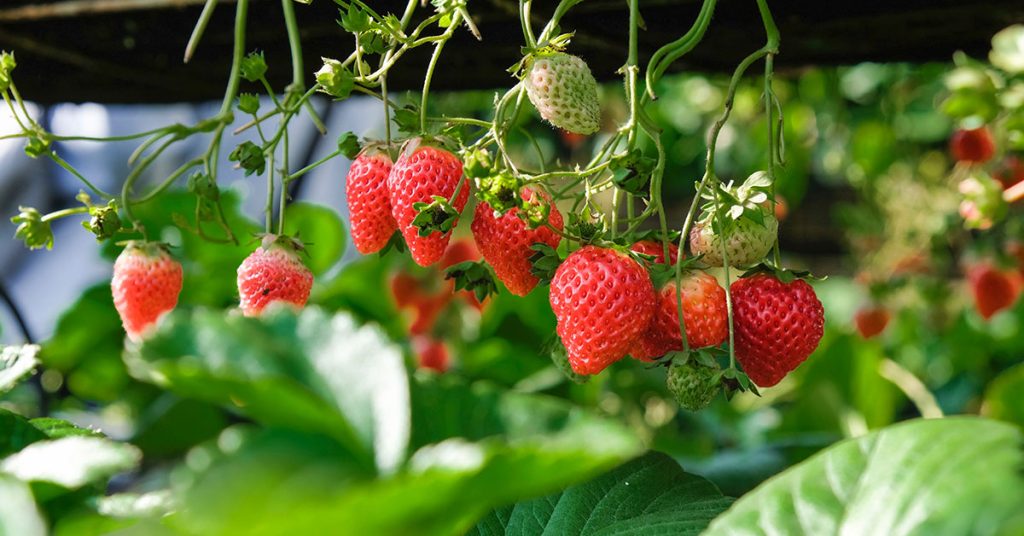
Spinach and strawberries are a surprisingly harmonious pairing that brings together nutritional greens and juicy, sweet fruits. Spinach, native to Central and Western Asia, thrives in cool, moist conditions, while strawberries, with origins in Europe and North America, add a splash of red that is reminiscent of summer roses! I’ve seen how the dense, leafy cover of spinach can protect delicate strawberry plants from pests, while strawberries contribute to a naturally diverse microhabitat that attracts beneficial insects.
This combination is not only aesthetically pleasing but also highly productive—both plants remain non-invasive when managed in container gardens or raised beds. The presence of spinach can help suppress weeds, while strawberries provide ground cover, resulting in a symbiotic relationship that boosts overall garden health. Together, they create an edible tapestry that nourishes both body and soul, proving that nature’s partnerships are often as delicious as they are ingenious!
Broccoli & Sage
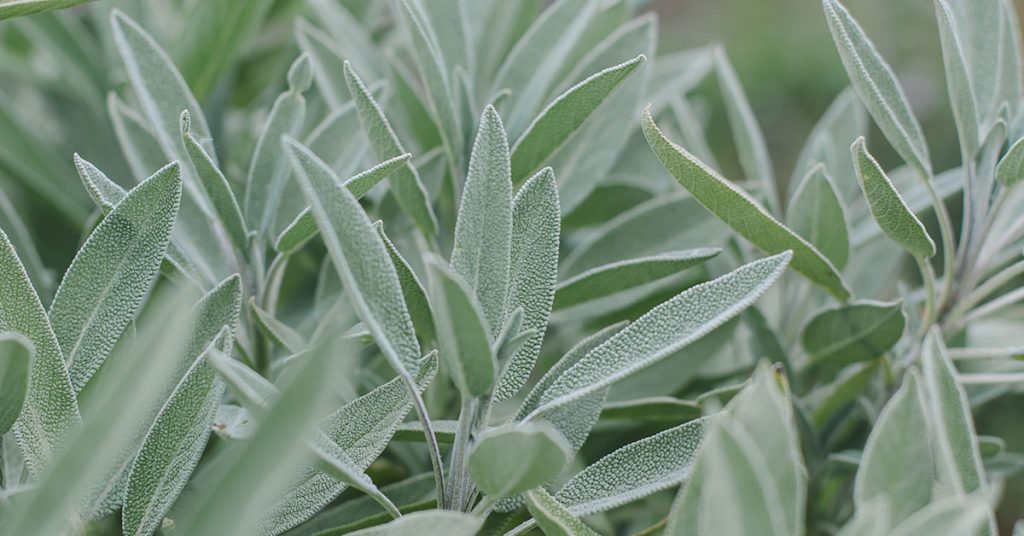
Broccoli and sage might seem like an unexpected pair, yet their union brings together robust flavor and practical benefits. Broccoli, native to the Mediterranean region, thrives in cooler climates and is known for its nutrient-dense heads, while sage, with origins in the Mediterranean, offers a strong, earthy aroma that repels cabbage moths and other pests. I’m always impressed by how sage’s silvery-green leaves add a touch of rustic elegance to broccoli beds, while also attracting small, beneficial insects that help maintain a balanced garden ecosystem!
This pairing is non-invasive and easy to manage in home gardens, where broccoli benefits from the pest-deterring properties of sage. Sage not only enhances the flavor profile of nearby crops but also contributes to improved soil health through its natural, aromatic oils. Their combined behavior results in a productive, sustainable garden where every plant plays a vital role—making broccoli and sage a perfect example of nature’s clever, cooperative design!
Garlic & Roses

Garlic and roses may seem like an unusual combination, but they work beautifully together by enhancing each other’s natural defenses. Garlic, native to Central Asia, has long been valued for its potent aroma and pest-repelling properties, while roses, with a rich heritage across Asia and Europe, add timeless beauty and a hint of romance to the garden! I’ve often planted garlic cloves around my rose bushes and witnessed how the strong scent deters aphids and other pests, allowing the roses to flourish in a safer, healthier environment.
This complementary pairing not only boosts the resilience of your garden but also creates a sensory delight with the mingling of robust garlic notes and delicate rose fragrances. Both plants are non-invasive when cultivated properly in home gardens, ensuring that their benefits are enjoyed without overwhelming your space. With minimal care, garlic and roses combine to offer a natural pest control solution and a burst of classic beauty that transforms any garden into a haven of harmony!
Eggplant & Oregano
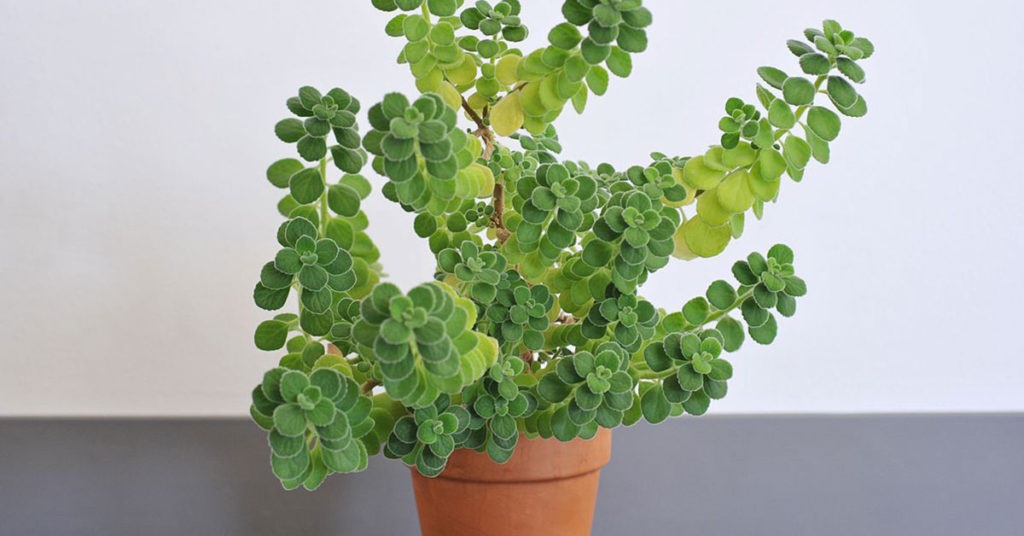
Eggplant and oregano form a robust partnership that enhances both flavor and garden health. Eggplant, native to the Indian subcontinent, thrives in warm climates and produces deep, glossy fruits, while oregano, originating from the Mediterranean, adds a fragrant, peppery note that deters various pests. I’m constantly amazed at how these plants, when grown together, create a micro-ecosystem where the aromatic oregano not only boosts the flavor of the eggplant but also attracts beneficial insects like bees and predatory wasps!
Both eggplant and oregano are non-invasive when managed in container or raised-bed gardens, making them perfect for urban gardeners seeking productive yet low-maintenance crops. Their companion planting creates a harmonious balance in the garden, where each plant supports the other’s growth and contributes to healthier soil. This pairing is a delightful reminder that nature’s synergies can elevate both your culinary endeavors and your gardening success—truly a match made in heaven!
Zucchini & Borage

Zucchini and borage make a playful and productive duo that can transform your garden into a bountiful paradise. Zucchini, native to the Americas, is prized for its prolific yield and versatile culinary use, while borage, with origins in the Mediterranean, sports striking, star-shaped blooms that attract pollinators like bees and butterflies! I find borage’s vibrant blue flowers to be an enchanting complement to the deep green of zucchini, and its presence has often led to improved fruit set and overall garden health.
This partnership is particularly appealing because borage is non-invasive and can be easily interplanted among sprawling zucchini vines, providing natural support and pest deterrence. Borage’s ability to enhance soil nutrients and attract beneficial insects creates an environment where zucchini thrives with minimal intervention. The combination of zucchini and borage brings both practical benefits and aesthetic joy to your garden—a true celebration of nature’s resourcefulness and beauty!
Peas & Mint
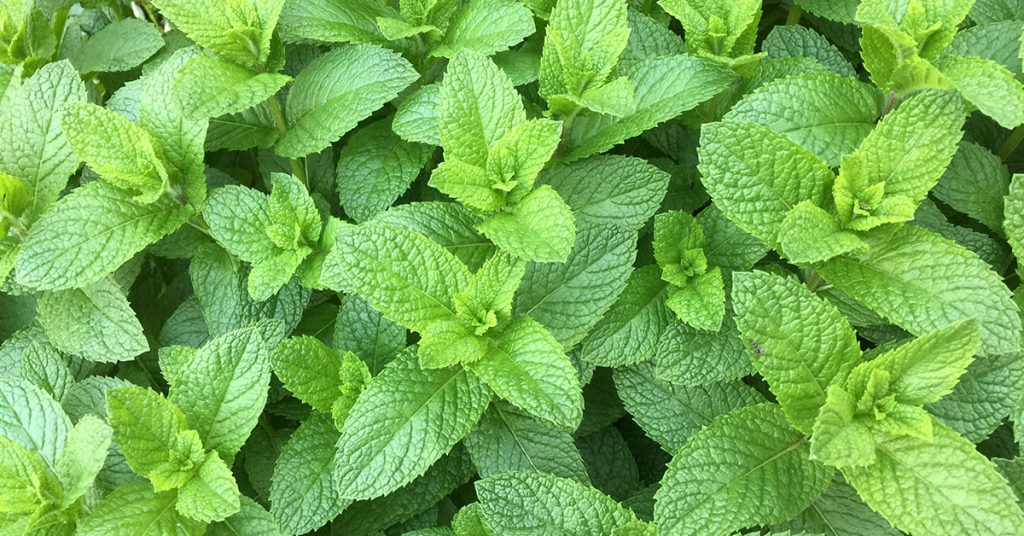
Peas and mint create a refreshing, aromatic pairing that enlivens your garden with both flavor and fragrance. Peas, native to the Mediterranean and Middle Eastern regions, add a delicate sweetness to your harvests, while mint, originally from Europe and Asia, infuses the air with a cool, invigorating scent that repels unwanted pests. I’m always excited by the way mint’s trailing habit weaves around pea vines, occasionally providing tiny hideaways for beneficial insects that contribute to a balanced ecosystem!
Though mint is notorious for its vigorous spread outdoors, when grown in containers or confined garden beds it remains non-invasive and a true asset for companion planting. The natural cooling properties of mint complement the tender growth of peas, ensuring a microclimate that benefits both plants. This duo not only enhances the flavor of your dishes but also turns your garden into a sensory delight, where every breath is filled with the promise of fresh, delightful harvests!
Potatoes & Horseradish
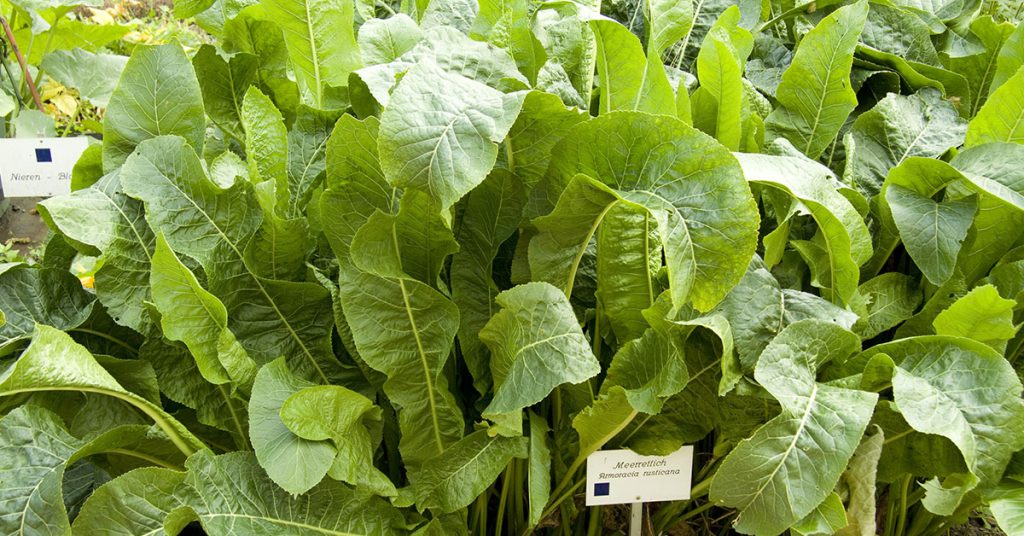
Potatoes and horseradish might seem like an unlikely pair, yet they combine to create a powerful underground alliance. Potatoes, native to the Andes in South America, flourish in loose, fertile soil, while horseradish, with origins in Eastern Europe and Western Asia, is renowned for its pungent aroma that repels a host of soil-borne pests. I’ve often planted horseradish near my potato beds and marveled at how its robust flavor and protective qualities create a natural barrier against common garden nuisances!
This pairing is especially beneficial because both plants remain non-invasive when cultivated in well-managed garden beds. Horseradish’s vigorous growth, when kept in check, not only deters pests but also enhances soil structure, allowing potatoes to develop strong, healthy tubers. Together, they form a subterranean symphony of flavor and defense that transforms your garden into a fortress of productivity—making every harvest a triumph of natural ingenuity!
Squash & Sunflowers

Squash and sunflowers create a dynamic duo that brings both beauty and practicality to the garden. Squash, native to the Americas, is cherished for its sprawling vines and abundant fruit, while sunflowers, with origins in North America, stand tall and proud, attracting pollinators like bees and birds with their radiant, golden heads! I delight in how sunflowers not only provide natural support for climbing squash vines but also create a sunny backdrop that enhances the garden’s overall vibrancy.
This companion pairing is particularly effective because both plants are non-invasive and thrive in similar conditions, making them ideal for larger garden beds. Sunflowers offer a natural windbreak and create microhabitats that encourage beneficial insects, while squash acts as a living mulch, suppressing weeds and retaining moisture. The synergy between squash and sunflowers turns your garden into a colorful, productive haven—a true celebration of nature’s collaborative spirit!
Beets & Chard
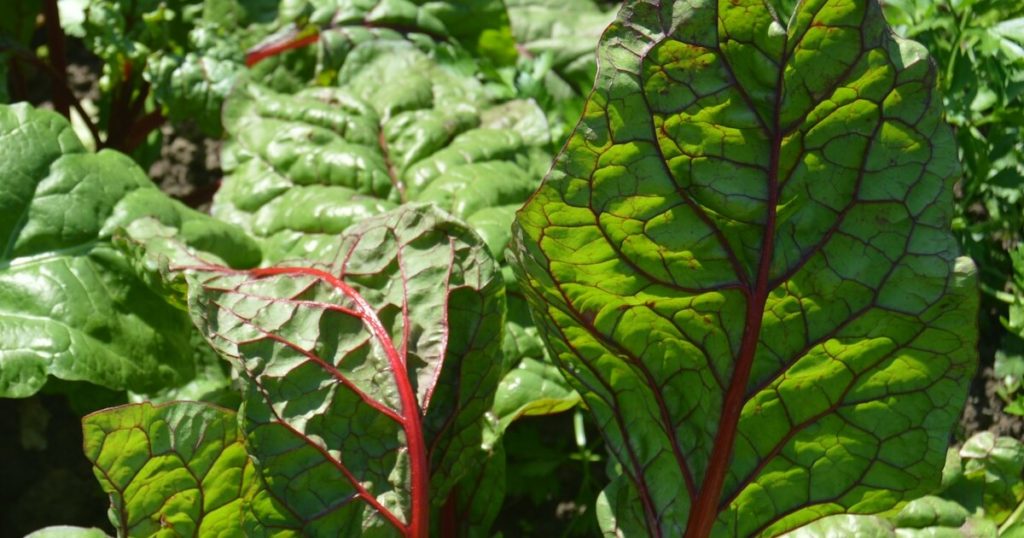
Beets and chard form a harmonious pairing that boosts both yield and visual appeal. Beets, native to the Mediterranean region, are valued for their edible roots and nutrient-rich greens, while Swiss chard, with a history rooted in the Mediterranean as well, brings vibrant, multicolored stems that contrast beautifully with beet leaves! I’m always amazed by how these two vegetables complement each other—the chard’s large leaves provide partial shade for the beet roots, while beets help break up the soil, allowing for better air and water circulation.
Their cooperative growth makes this pairing ideal for smaller garden spaces, as both plants remain non-invasive and productive when grown together in raised beds or containers. The visual appeal and nutritional benefits of beets and chard not only enhance your table but also attract beneficial insects that contribute to a balanced garden ecosystem. Together, they create a living mosaic that nourishes both body and soul, proving that nature’s most colorful partnerships are also the most productive!
Parsley & Asparagus

Parsley and asparagus form a delightful partnership that marries the delicate flavors of herbaceous greens with the robust vitality of a perennial vegetable. Parsley, native to the Mediterranean, thrives in cool, moist conditions and offers a burst of fresh, herbaceous aroma, while asparagus, with origins in Europe and Asia, brings a stately, feathery appearance that attracts small pollinators! I’ve enjoyed watching parsley act as a natural ground cover around asparagus, providing a protective, nutrient-rich layer that enhances growth and deters pests.
Both plants are non-invasive when managed in home gardens, making them a practical and attractive choice for companion planting. Their complementary behaviors create a balanced ecosystem where parsley benefits from the microclimate created by taller asparagus, while asparagus enjoys improved soil quality and reduced weed competition. This pairing embodies the spirit of mutual support in nature, ensuring that your garden remains both productive and full of life, even on the busiest days!
Celery & Leeks

Celery and leeks form a robust duo that enhances flavor and fortifies the garden’s natural defenses. Celery, native to the Mediterranean region, is valued for its crisp texture and delicate, herbaceous flavor, while leeks, with origins in Europe and Asia, add a mild, onion-like note that helps deter pests. I find it inspiring how these two vegetables complement each other in both the kitchen and the garden—the leeks’ towering green stalks provide a natural windbreak for celery, fostering a microenvironment that attracts beneficial insects and supports healthy growth!
When grown together in container gardens or raised beds, celery and leeks remain non-invasive and highly productive. Their symbiotic relationship not only improves soil moisture retention but also enhances the flavor profile of each crop, making your harvests truly exceptional. This delightful pairing transforms your garden into a thriving community where every plant plays a role, ensuring that even on hectic days, your vegetables flourish with minimal fuss!
Kohlrabi & Chamomile

Kohlrabi and chamomile create an unexpected yet charming pairing that brings together nutrient-dense brassicas and delicate, soothing herbs. Kohlrabi, native to Europe, offers a crisp, slightly sweet taste and a unique, bulbous structure, while chamomile, with origins in Europe and Western Asia, graces the garden with its small, daisy-like blooms that attract beneficial pollinators! I’m always impressed by how chamomile’s gentle aroma and vibrant appearance can enhance the microclimate around kohlrabi, encouraging robust growth and a natural pest deterrence.
Both kohlrabi and chamomile are non-invasive when grown in home gardens, making them an excellent choice for sustainable, low-maintenance planting. Chamomile’s soothing presence not only helps purify the air but also provides tiny nesting spots for beneficial insects that contribute to a balanced ecosystem. This pairing is a delightful fusion of flavor, function, and beauty—a true celebration of nature’s capacity to combine the unexpected into a productive, harmonious garden!
Swiss Chard & Cilantro
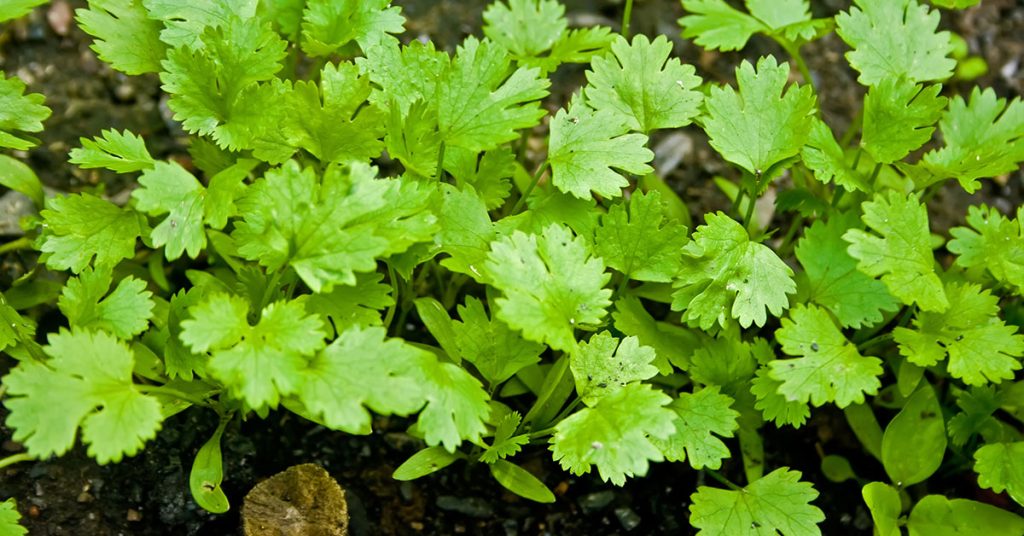
Swiss chard and cilantro join forces to create a lively, colorful pairing that enhances both nutrition and garden aesthetics. Swiss chard, native to the Mediterranean region, is prized for its vibrant, multicolored stems and hearty leaves, while cilantro, with origins in regions stretching from Southern Europe to Southwestern Asia, offers a fresh, citrusy flavor that naturally attracts pollinators! I’ve seen cilantro’s feathery foliage dance around the robust leaves of chard, creating a living mosaic that not only pleases the eye but also promotes a healthy garden microenvironment.
When planted together, these two remain non-invasive and add substantial nutritional value to your harvest. The deep, earthy flavor of Swiss chard is beautifully complemented by the bright, aromatic cilantro, resulting in a pairing that enhances both soil health and culinary creativity. This duo is perfect for container gardens and raised beds, where their cooperative behavior draws in beneficial insects and creates a vibrant, sustainable oasis that truly embodies the spirit of companion planting!
Radicchio & Thyme
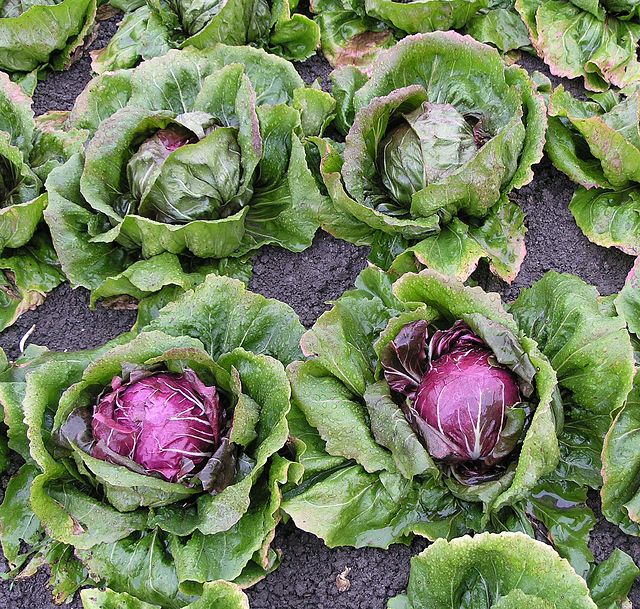
Radicchio and thyme make an intriguing pairing that blends the bold, bitter flavors of a leafy chicory with the aromatic, herbaceous notes of thyme. Radicchio, native to the Mediterranean, offers striking burgundy leaves that are as decorative as they are flavorful, while thyme, with a long history in Mediterranean gardens, provides a subtle, savory accent that attracts small pollinators! I always enjoy the way thyme’s tiny blossoms add a delicate counterpoint to radicchio’s robust foliage, resulting in a garden display that is both visually stunning and functionally beneficial.
This combination works exceptionally well in small garden plots, as both radicchio and thyme are non-invasive and thrive in similar growing conditions. Thyme not only enhances the flavor of radicchio when used in cooking but also contributes to improved soil health by attracting beneficial insects. Together, they create a dynamic interplay of taste and texture that transforms your garden into a vibrant, culinary-inspired retreat—a true testament to the art of companion planting!
Fennel & Coriander
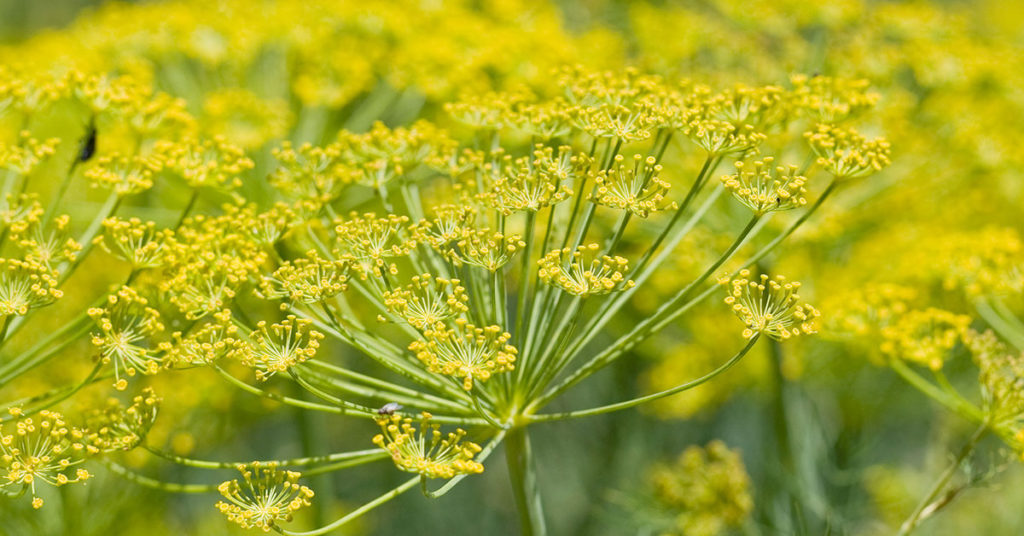
Fennel and coriander form a distinctive pairing that, while requiring a bit of caution, can be both striking and productive in the garden. Fennel, native to the Mediterranean and Southwest Asia, is celebrated for its feathery foliage and aromatic seeds, though it is known for its allelopathic tendencies if not managed properly. Coriander, also known as cilantro, hails from regions spanning Southern Europe to Central Asia and brings a bright, citrusy flavor along with tiny, delicate flowers that attract beneficial insects! I’ve learned to plant coriander at a respectful distance from fennel to ensure that each plant can shine without overshadowing the other.
When managed carefully in a controlled garden environment, this pairing can yield both flavorful herbs and a visually intriguing display. Fennel’s graceful, lacy fronds and coriander’s airy structure create microhabitats that invite pollinators and other beneficial critters. With proper spacing and care, fennel and coriander can coexist harmoniously, offering gardeners a unique opportunity to explore the interplay of flavors and natural pest control in one innovative duo!
Arugula & Mustard
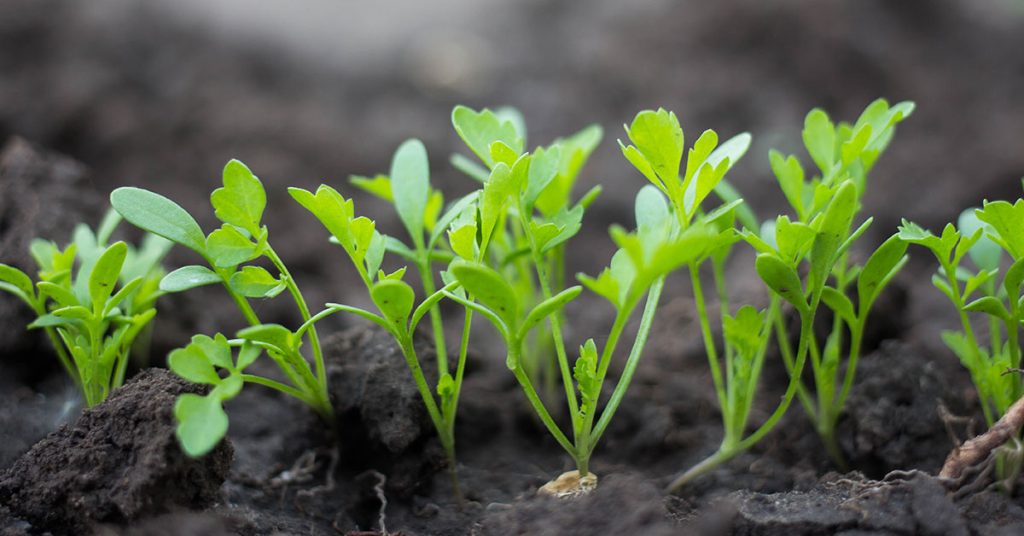
Arugula and mustard form a zesty, peppery pairing that packs a flavorful punch while attracting beneficial insects. Arugula, native to the Mediterranean, is known for its spicy, nutty leaves and rapid growth, while mustard, with origins in Europe and Asia, produces bright yellow flowers that act as a natural insect attractant! I love the invigorating aroma these two create together, making every salad and garden walk feel like a celebration of bold, vibrant flavors and natural synergy.
This duo is particularly well-suited for home gardens as both arugula and mustard remain non-invasive when managed in small plots or containers. Their dynamic interplay not only enhances the flavor of your dishes but also supports a healthy garden ecosystem by drawing in predators that control pest populations. Arugula and mustard together offer a delightful balance of spice and color, turning your garden into a culinary and ecological delight that thrives with minimal fuss!
Watermelon & Basil
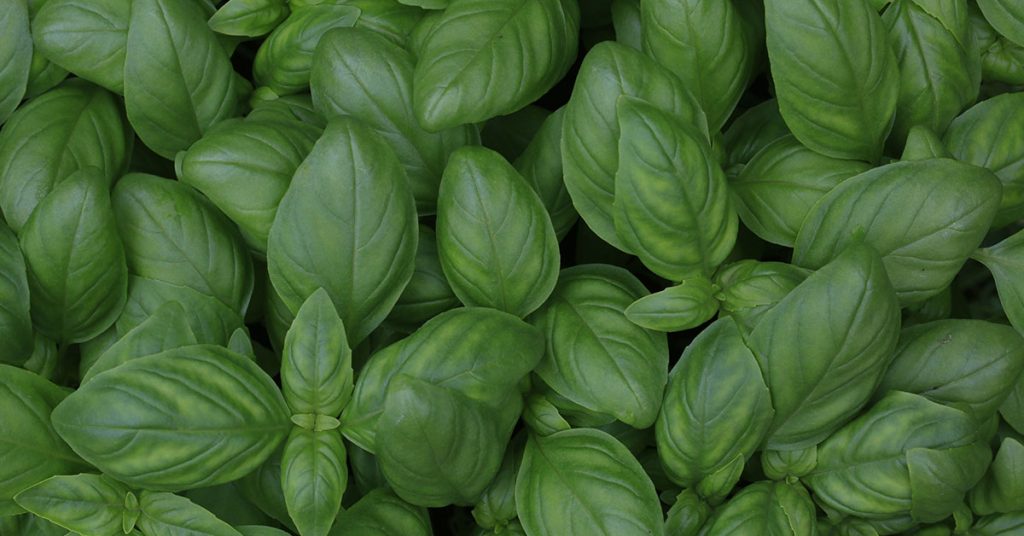
Watermelon and basil may seem unconventional, yet they create a surprising and productive partnership that enhances both growth and flavor. Watermelon, native to Africa, thrives in warm, sunny conditions and produces juicy, sweet fruit, while basil, originating from India, adds a robust, aromatic quality that naturally repels pests and attracts pollinators! I’ve been delighted to see basil’s fragrant leaves intertwined around watermelon vines, creating a natural barrier that promotes healthier fruit development and deters common pests.
Both plants remain non-invasive when cultivated in well-managed garden beds, making this pairing ideal for those with limited space. The mutual benefits are evident: basil improves the flavor of the watermelon while contributing to improved soil health, and watermelon offers ample shade and moisture retention for its leafy partner. This partnership is a testament to how creative companion planting can yield unexpected rewards, turning your garden into a haven of taste, aroma, and sustainability!
Melons & Dill
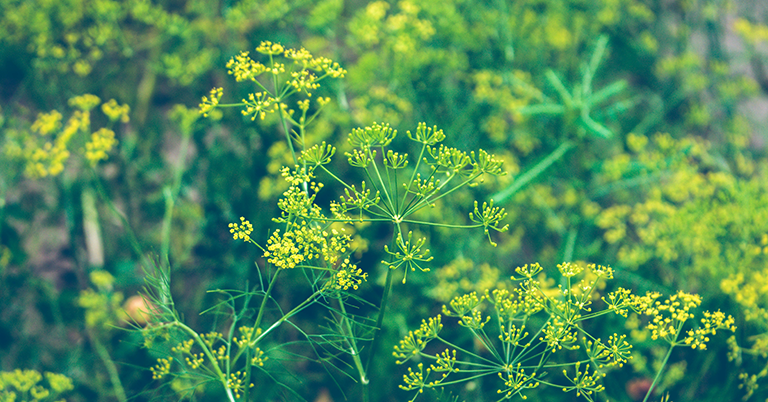
Melons and dill form an unexpected duo that enhances the natural sweetness of the fruit while providing natural pest control. Melons, native to Africa and popular throughout the Americas, flourish in warm climates and produce succulent, flavorful fruits, while dill, with roots in the Mediterranean and Central Asia, offers feathery foliage that attracts beneficial insects and repels aphids! I’ve witnessed dill’s delicate fronds adding a fresh, herbaceous note around sprawling melon vines—a beautiful interplay of flavor, color, and ecological balance.
This pairing is particularly effective in container or raised-bed gardens where both plants remain non-invasive and easy to manage. Dill’s ability to naturally deter pests and promote pollination enhances the overall productivity of your melon crop, while the sprawling growth of melons provides a supportive microhabitat for the herb. Together, they create a garden environment that is both bountiful and sustainable—a perfect blend of culinary delight and natural efficiency!
Cucumber & Mint
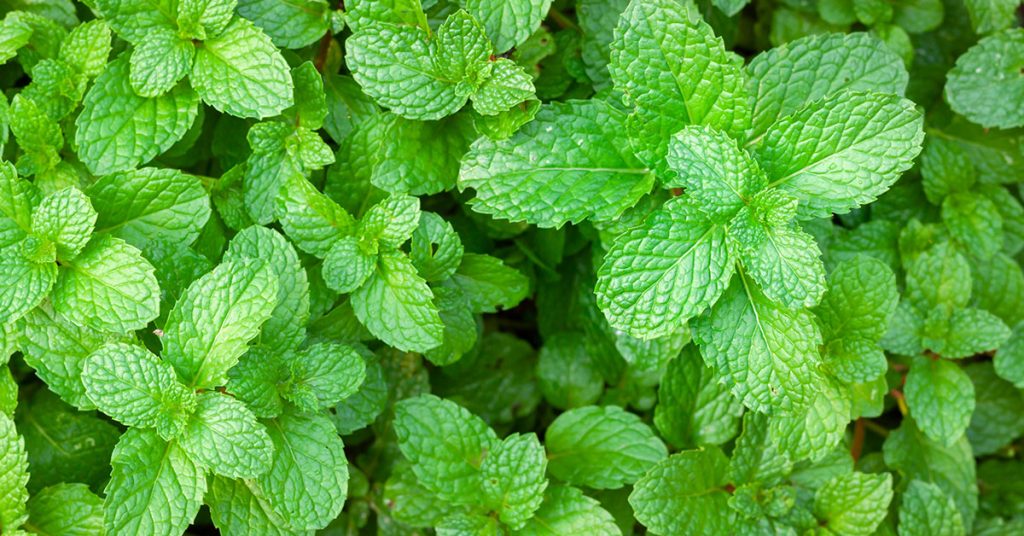
Cucumber and mint come together to form a refreshing and productive partnership that livens up any garden space. Cucumbers, native to South Asia, are celebrated for their crisp, hydrating fruits, while mint, with origins in Europe and Asia, offers an invigorating aroma that naturally deters pests and attracts beneficial pollinators! I find it wonderful how mint’s trailing habit can weave around cucumber vines, providing natural pest control and a burst of fragrance that turns your garden into a sensory delight.
Although mint is known for its vigorous growth outdoors, when cultivated in a container or controlled garden bed, it remains non-invasive and highly beneficial. Its cooling scent and vibrant green foliage not only enhance the appearance of the cucumber plants but also contribute to a healthier microclimate for growth. This dynamic duo of cucumber and mint exemplifies the magic of companion planting—a testament to how thoughtful pairings can elevate both productivity and garden joy!