
Indoor gardening is one of life’s greatest pleasures—an opportunity to create a sanctuary that thrives with minimal fuss, even on those days when you’re not feeling 100%. As a dedicated gardener who’s weathered many a missed watering and occasional pest invasion, I’m excited to share 25 amazing plants that practically take care of themselves! These resilient beauties not only purify the air and brighten up your home but also attract friendly pollinators and sometimes even provide cozy hideaways for tiny critters.
I know how disheartening it can be when your busy schedule or an unexpected mishap leaves your garden neglected. Trust me, I’ve been there—witnessing the heartbreak of wilting leaves and the frustration of invasive species overrunning your green space. That’s why each plant featured here is chosen for its ease of care, natural hardiness, and unique charm.
Chinese Evergreen
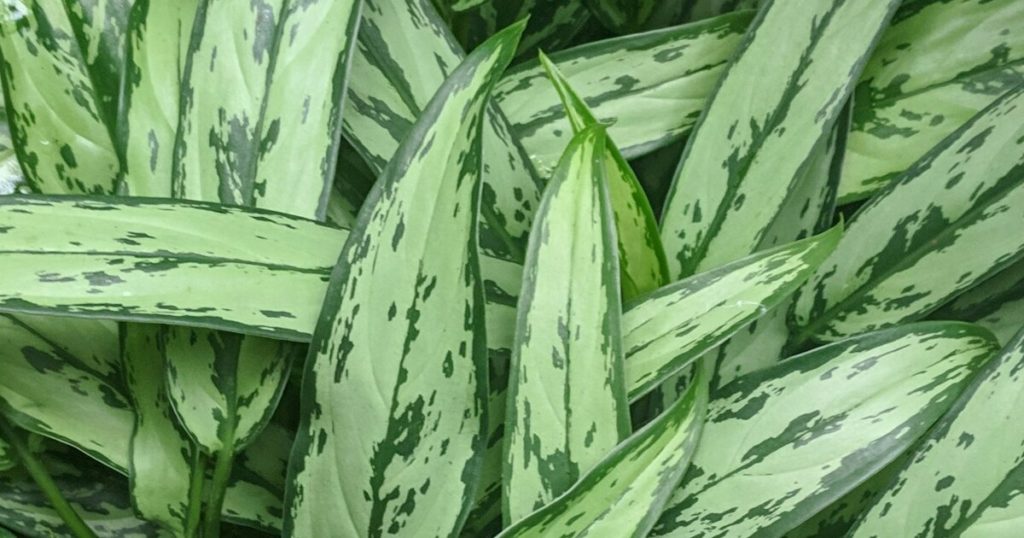
Chinese Evergreen is a stalwart indoor plant known for its striking variegated leaves and effortless charm. Native to tropical regions of Asia and the Solomon Islands, it adapts beautifully to low-light conditions while quietly purifying the air. I always appreciate how its broad, patterned leaves provide little hideaways for beneficial insects, occasionally attracting small pollinators that help keep your indoor ecosystem lively!
This forgiving plant is renowned for being non-invasive and thriving even in less-than-ideal conditions. With minimal care, Chinese Evergreen transforms any corner into a lush, vibrant retreat, making it an excellent choice for both seasoned and budding gardeners alike! Its resilience and graceful behavior make every day a little brighter—even when you’re too busy to fuss over it.
Christmas Cactus

The Christmas Cactus brings festive cheer all year round with its cascading segments and clusters of vibrant blooms. Native to the coastal mountains of Brazil, this succulent marvel is not only easy to care for but also delights in attracting curious pollinators who explore its tubular flowers. I love how its cascading branches provide unique perching spots, creating a mini habitat that seems to celebrate every holiday season indoors!
Known for its well-behaved growth indoors, Christmas Cactus rarely becomes invasive despite its vigorous display during the blooming period. Its ability to thrive with minimal attention is a huge bonus for those hectic days when you can’t be in the garden every moment. The cheerful burst of color and low-maintenance nature make it a true indoor treasure that endures with or without you!
Bird’s Nest Fern

Bird’s Nest Fern offers a lush, tropical vibe with its broad, wavy fronds that gracefully arch from a central rosette. Native to the tropical rainforests of Southeast Asia and Australia, its unique foliage not only creates an inviting atmosphere but also provides subtle microhabitats where tiny creatures sometimes seek refuge. I find its soft, undulating leaves absolutely enchanting—they evoke memories of a secret garden hidden in plain sight!
This fern is incredibly hardy and non-invasive, making it a perfect candidate for those who occasionally forget a watering schedule. Its air-purifying properties and low maintenance needs have saved my indoor garden more than once, proving that even on your busiest days, nature finds a way to flourish. Embracing the Bird’s Nest Fern is like inviting a bit of the rainforest into your home—a lush, vibrant escape that thrives with minimal care!
Dracaena marginata
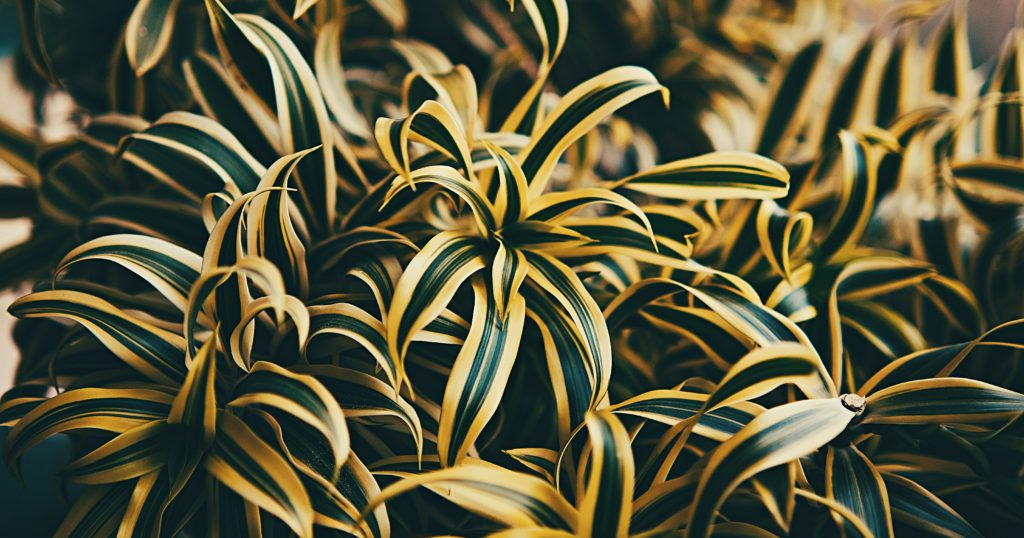
Dracaena marginata, with its slender, arching leaves edged in red, adds a dramatic flair to any indoor space. Native to Madagascar, this hardy plant is celebrated for its resilience and ability to thrive under a range of lighting conditions, often attracting small pollinators that find shelter among its spiky foliage. I’m always thrilled by how its architectural form transforms an ordinary room into a modern, tropical retreat!
This plant is known for its low-maintenance and non-invasive growth, making it a reliable companion even when your attention is elsewhere. Its upright habit and striking colors not only enhance your décor but also contribute to cleaner indoor air—proving that beauty and functionality can indeed go hand in hand. Dracaena marginata is a true testament to the magic of easy-care plants that flourish regardless of how much time you spend in their care!
Snake Plant
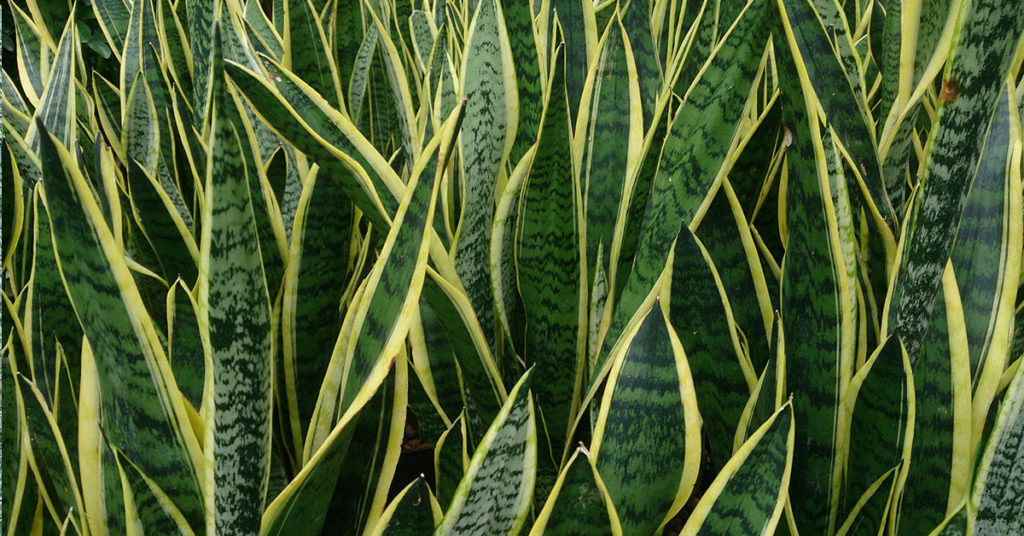
Snake Plant, also known as Mother-in-Law’s Tongue, is perhaps the poster child of resilient indoor greenery. Native to West Africa, its stiff, sword-like leaves and variegated patterns effortlessly purify the air and attract a host of beneficial microbes and the occasional tiny pollinator. I’ve often marveled at how its upright, architectural form adds an element of modern sophistication while requiring almost zero fuss—truly a plant that survives with or without you!
Even in low-light conditions, Snake Plant continues to thrive, making it one of the most forgiving options for busy or novice gardeners. Its non-invasive nature and robust air-cleaning abilities ensure that it remains a cherished centerpiece in any home. Whether you’re rushing out the door or spending an extra day in bed, this hardy green companion stands as a reminder that resilience can be beautiful!
Jade Plant
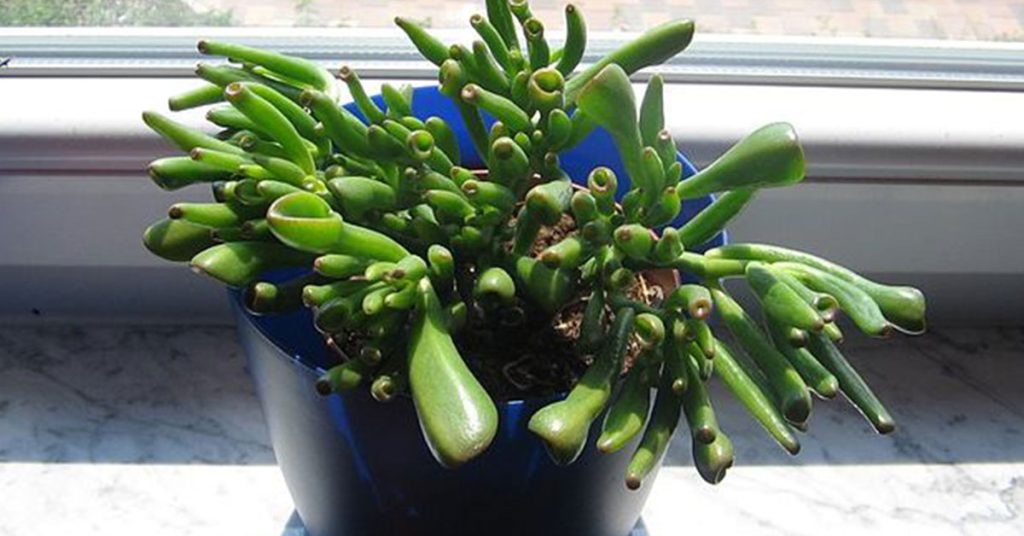
Jade Plant is a succulent superstar prized for its thick, glossy leaves and tree-like form that symbolizes good fortune. Native to South Africa and China, it not only requires minimal care but also attracts small insects that help pollinate its clusters of subtle white or pink blooms. I find its almost meditative presence in my home incredibly comforting—it’s a living reminder that beauty endures even with the simplest of care routines!
Renowned for being non-invasive and adaptable, the Jade Plant is perfect for both low-light corners and sunny window sills. Its robust nature and slow growth mean that even if you forget a watering now and then, it will still thrive, purifying the air as it matures. The Jade Plant is a delightful fusion of tradition and modern ease, a true gem in any indoor garden!
Hoya

Hoya, affectionately known as the Wax Plant, dazzles with its clusters of star-shaped, fragrant blooms and thick, waxy leaves. Native to regions of Asia and Australia, this charming vine not only purifies your indoor air but also attracts bees and tiny insects that sometimes use its dense foliage as a temporary nesting spot. I love the whimsical way its blooms seem to sparkle in the light—it’s like having a little party in your living room!
Hoya’s reputation as an easy-care plant is well-deserved; it thrives in moderate light and requires only occasional watering. Its non-invasive nature means it won’t take over your space, making it a friendly companion even for those with busy lifestyles. With its captivating beauty and low-maintenance demands, Hoya truly embodies the spirit of plants that flourish with or without your constant attention!
Rubber Plant
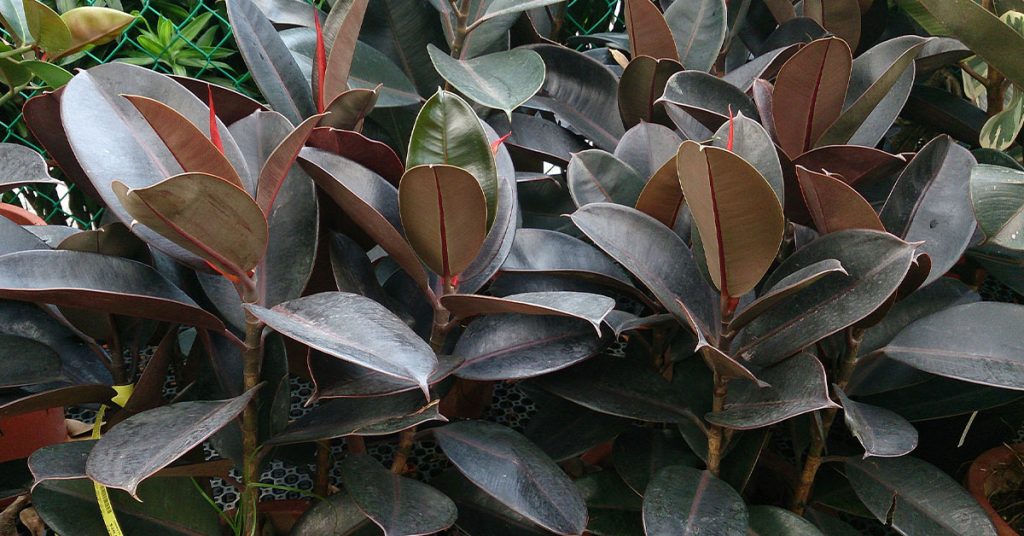
The Rubber Plant, or Ficus elastica, brings a bold, glossy presence to any indoor environment with its large, dark green leaves that seem to shimmer with vitality. Native to Southeast Asia and parts of India, this robust beauty is celebrated for its air-purifying prowess and its gentle allure that attracts curious insects to its smooth surfaces. I’ve always admired how it stands tall and proud, adding a touch of modern elegance while quietly cleaning the air around it!
Despite its stately appearance, the Rubber Plant is remarkably low-maintenance and non-invasive when kept in controlled indoor conditions. Its broad leaves create subtle microhabitats for beneficial insects, which sometimes perch on its edges, contributing to a balanced indoor ecosystem. Whether you’re an experienced green thumb or new to gardening, the Rubber Plant is a dependable choice that will reward you with lasting beauty and healthy air!
Pothos
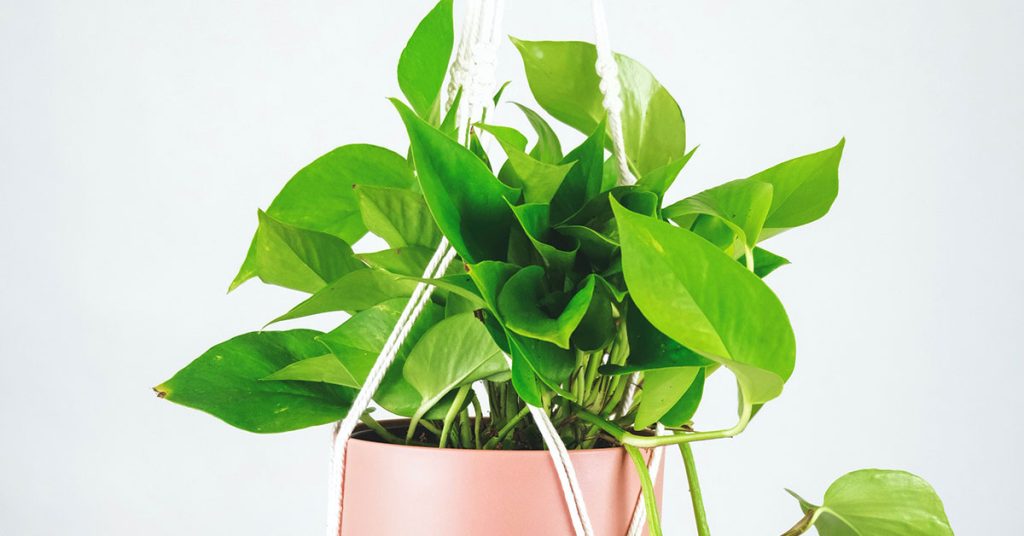
Pothos is a versatile, trailing vine known for its heart-shaped, variegated leaves that can brighten even the dullest indoor corner. Native to the Solomon Islands, this plant is celebrated for its ability to purify the air and its adaptability to low-light conditions, drawing in small pollinators that are enticed by its gentle blossoms. I love watching its vines cascade from shelves and hanging baskets—each leaf a little masterpiece of nature’s artistry!
Easily controlled in a pot, Pothos remains non-invasive and requires minimal attention, making it ideal for those hectic days when you’re on the run. Its vigorous growth and forgiving nature mean that even if you occasionally forget a watering, it will continue to thrive and transform your space into a lush, welcoming retreat. Pothos is a true indoor champion that adapts beautifully to any environment with minimal fuss!
Kalanchoe blossfeldiana
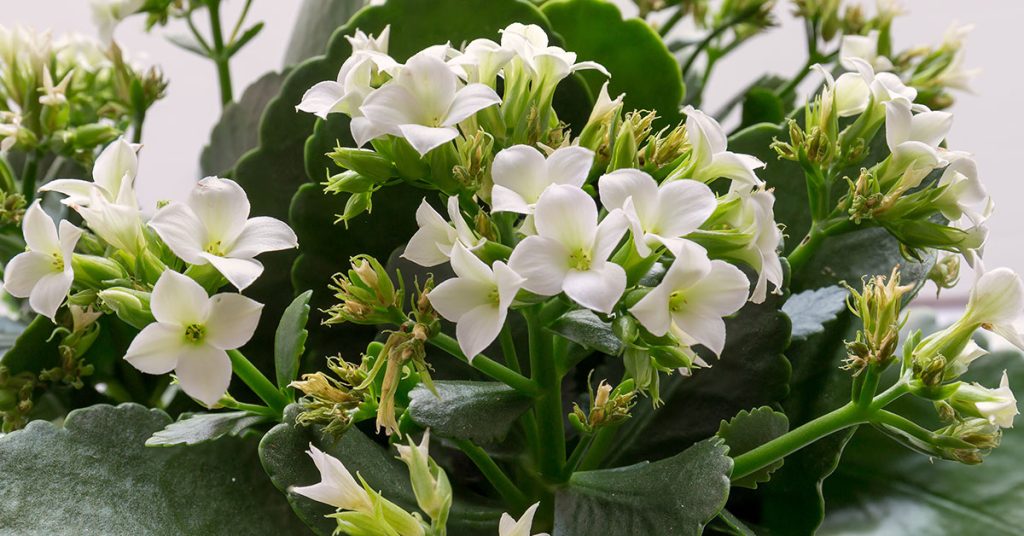
Kalanchoe blossfeldiana offers an explosion of color with its clusters of small, vibrant flowers that bloom throughout the year. Native to Madagascar, this succulent is well-known for its ease of care and ability to attract tiny pollinators, which sometimes find refuge in its thick, fleshy leaves. I always enjoy the cheerful energy it brings to my home, a constant burst of color that seems to defy the need for constant upkeep!
Despite its rapid flowering, Kalanchoe remains non-invasive when grown in pots indoors. Its robust yet compact form makes it an excellent choice for busy gardeners who appreciate beauty without the burden of intensive maintenance. With its eye-catching blossoms and minimal care requirements, Kalanchoe blossfeldiana is a delightful testament to the fact that vibrant life can flourish effortlessly—even on your busiest days!
Boston Fern
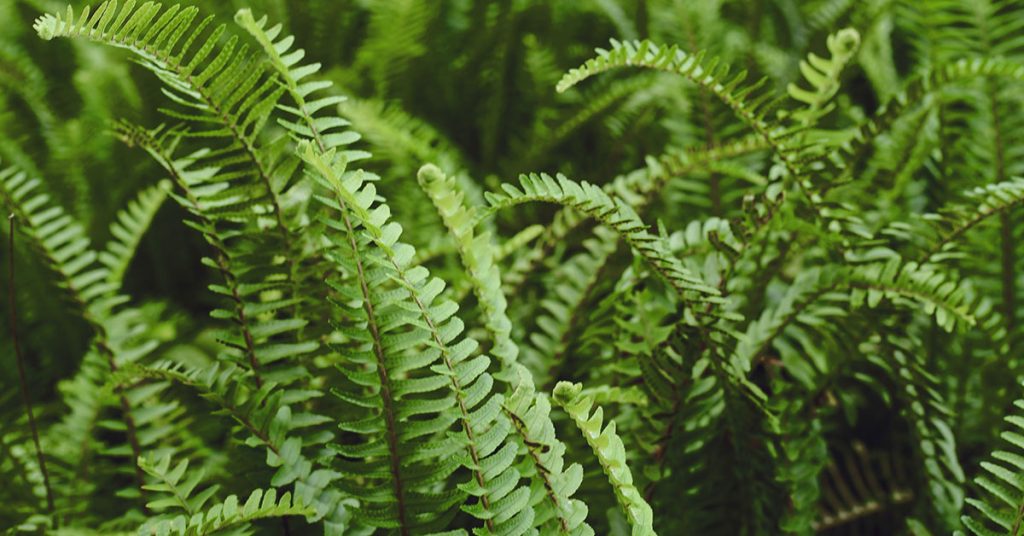
Boston Fern is a classic indoor favorite that enchants with its arching, feathery fronds and lush green color. Native to tropical regions such as Central America, this fern is celebrated for its air-purifying qualities and its capacity to create a cooling, inviting atmosphere. I’m always charmed by how its delicate fronds form natural, shaded nooks where tiny critters sometimes find a temporary haven!
Highly adaptable to indoor conditions, Boston Fern is non-invasive when given the right humidity and care. Its vibrant foliage not only enhances your décor but also contributes to a naturally balanced indoor environment. Even if life gets hectic and regular maintenance slips your mind, Boston Fern remains a steadfast symbol of effortless beauty and resilience!
Ponytail Palm
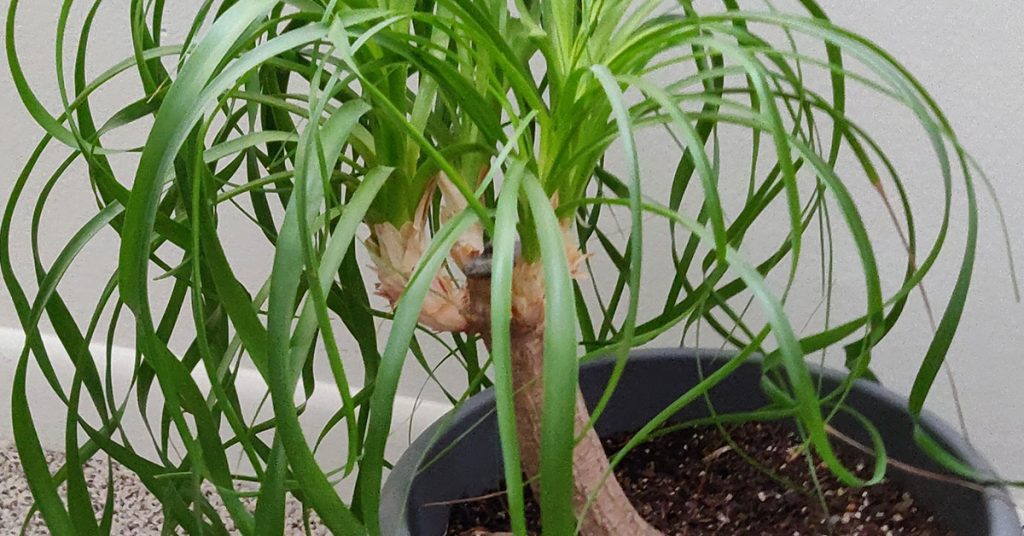
Ponytail Palm, despite its name, is not actually a palm but a succulent with a unique, bulbous trunk and cascading, grass-like leaves. Native to the arid regions of Mexico and Central America, its striking appearance and air-purifying abilities have made it a favorite among indoor gardeners. I’m fascinated by how its long, flowing leaves create a natural canopy that sometimes attracts small pollinators looking for a cool retreat on hot days!
This hardy plant is remarkably low-maintenance and non-invasive, thriving with minimal water and care. Its whimsical structure and unexpected charm add an element of fun to any living space, proving that even the most unconventional plants can bring beauty and balance to your home. With a personality as vibrant as its look, the Ponytail Palm is a perfect companion for those who appreciate nature’s playful side!
Spider Plant
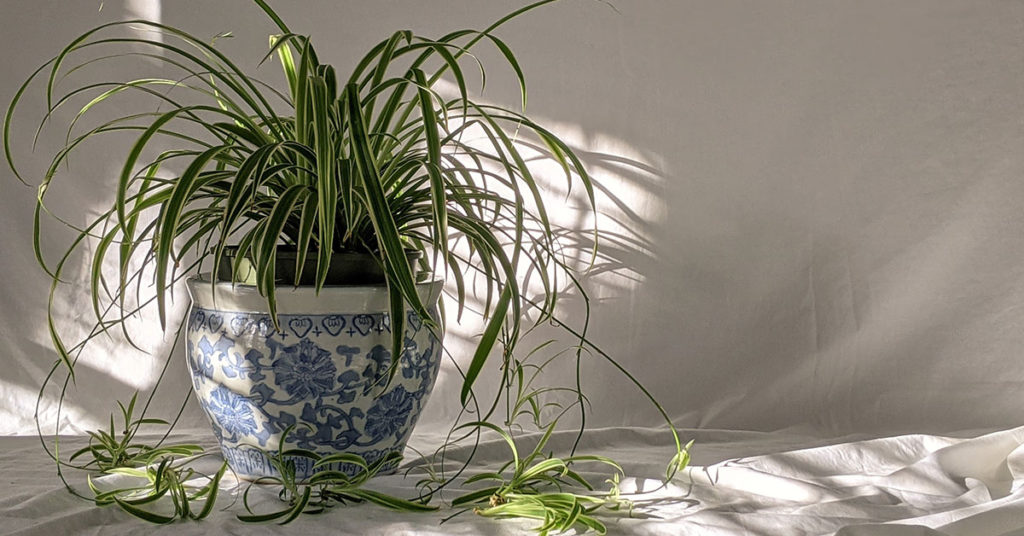
Spider Plant is an adaptable, trailing beauty known for its narrow, arching leaves and small offshoots that dangle like little spiders on silk threads. Native to South Africa, this plant effortlessly purifies indoor air and attracts a range of tiny pollinators that sometimes find the plant’s airy structure an ideal resting spot. I adore how its cascading foliage adds movement and life to any room, creating a dynamic, natural display that never ceases to amaze!
Its reputation as a nearly indestructible houseplant is well-earned, as Spider Plant is both non-invasive and incredibly forgiving. Even if you miss a watering or two, it bounces back with renewed vigor, making it perfect for busy or forgetful gardeners. With its effortless charm and resilient nature, Spider Plant stands as a friendly reminder that nature endures beautifully—even when you’re not around!
Parlor Palm

Parlor Palm, or Chamaedorea elegans, graces indoor spaces with its feathery fronds and delicate, arching leaves that evoke a serene, tropical ambiance. Native to the rainforests of Central America, this palm not only purifies the air but also provides a gentle microhabitat for small insects that occasionally nest among its soft fronds. I’m always delighted by its understated elegance—an effortless splash of the tropics that brings calm and beauty to any room!
Famous for its ease of care, the Parlor Palm remains non-invasive even in low-light conditions, making it an ideal choice for offices and living rooms alike. Its compact growth habit and graceful presence mean that you can enjoy a touch of the exotic without the hassle of constant maintenance. For those seeking a touch of refined greenery that flourishes regardless of attention, the Parlor Palm is simply perfect!
Succulent (Echeveria)

Echeveria, one of the most popular succulents, captivates with its rosette of plump, pastel-hued leaves and occasional clusters of delicate flowers. Native to semi-desert regions of Central America, this plant is engineered for survival—thriving in minimal water and often attracting tiny pollinators that are drawn to its subtle blossoms. I love how its geometric beauty and low-maintenance nature add a modern, sculptural element to any indoor setting!
Thanks to its drought-tolerant design, Echeveria remains non-invasive and continues to thrive even if you occasionally forget to water it. Its natural ability to store water and sustain itself makes it a perfect candidate for busy lifestyles or those just beginning their indoor gardening journey. With its enchanting form and resilience, Echeveria is a stunning testament to the power of simplicity in nature!
ZZ Plant
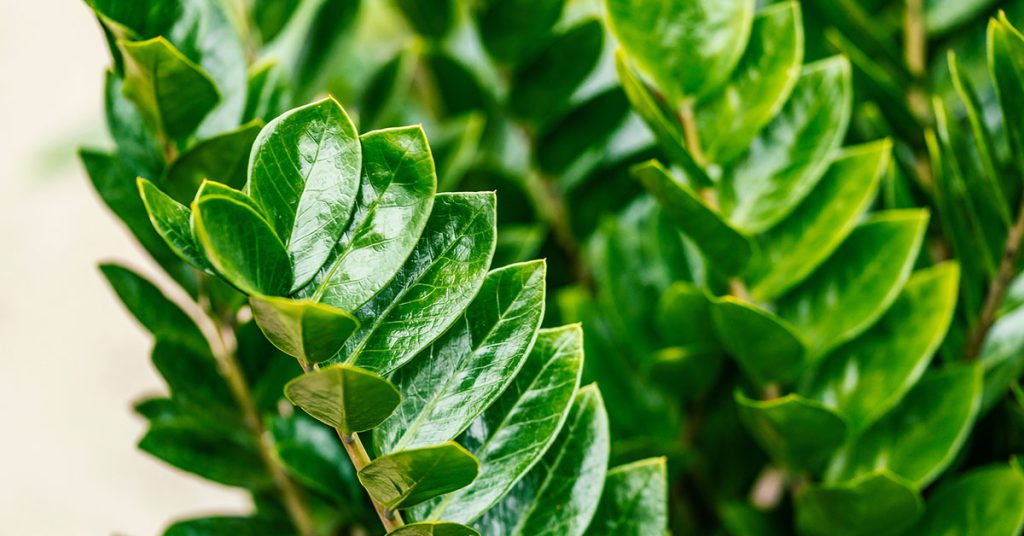
ZZ Plant (Zamioculcas zamiifolia) is the epitome of effortless beauty, boasting glossy, hearty leaves that can brighten any indoor corner. Native to Eastern Africa and southern Asia, it’s celebrated for its ability to survive in low-light conditions while naturally purifying the air. I’m constantly impressed by how this plant attracts curious insects that sometimes find refuge among its thick, waxy leaves—a subtle reminder that nature adapts in the most unexpected ways!
One of the reasons I’m so fond of the ZZ Plant is its incredibly low-maintenance and non-invasive nature. Even during those hectic weeks when self-care is all you have time for, this stalwart companion remains vibrant and undemanding. Its robust character and enduring charm make the ZZ Plant an ideal addition for any indoor garden—proof that some plants truly thrive with or without you!
Cast Iron Plant
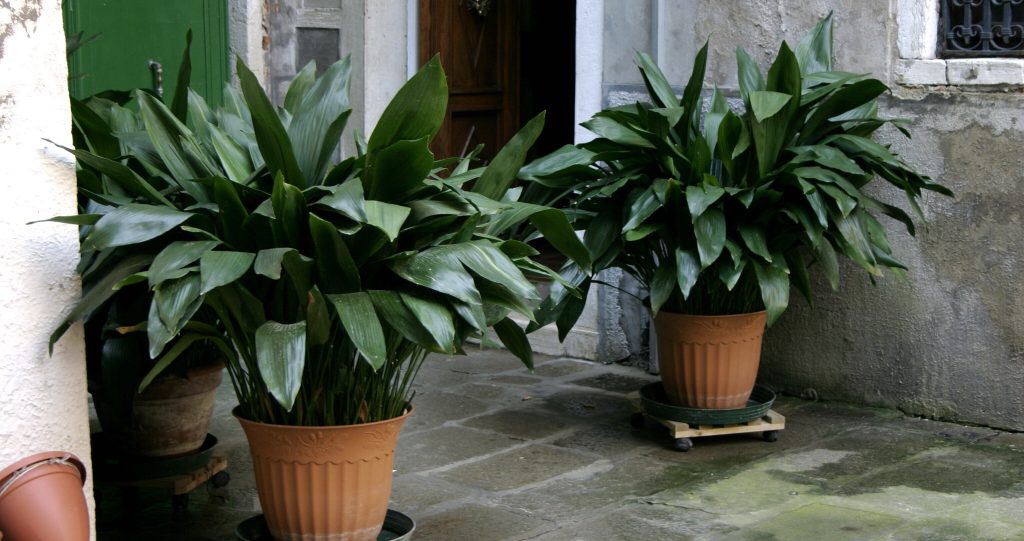
Cast Iron Plant, or Aspidistra elatior, is renowned for its robust foliage and remarkable tolerance for neglect, making it a favorite among busy gardeners. Native to the understory of China and Japan’s forests, its broad, dark leaves not only purify indoor air but also provide natural shelter for tiny beneficial insects. I always appreciate its unwavering resilience—a true champion that stands strong in dim corners and low-light settings!
Its non-invasive growth and minimal care requirements make the Cast Iron Plant a perfect choice for those who may not have a green thumb. With its enduring beauty and hardy nature, it transforms any room into a serene oasis, proving that even the simplest plants can bring comfort and vitality to your home. It’s a reminder that sometimes the most unassuming plants are the ones that truly last!
Aloe Vera
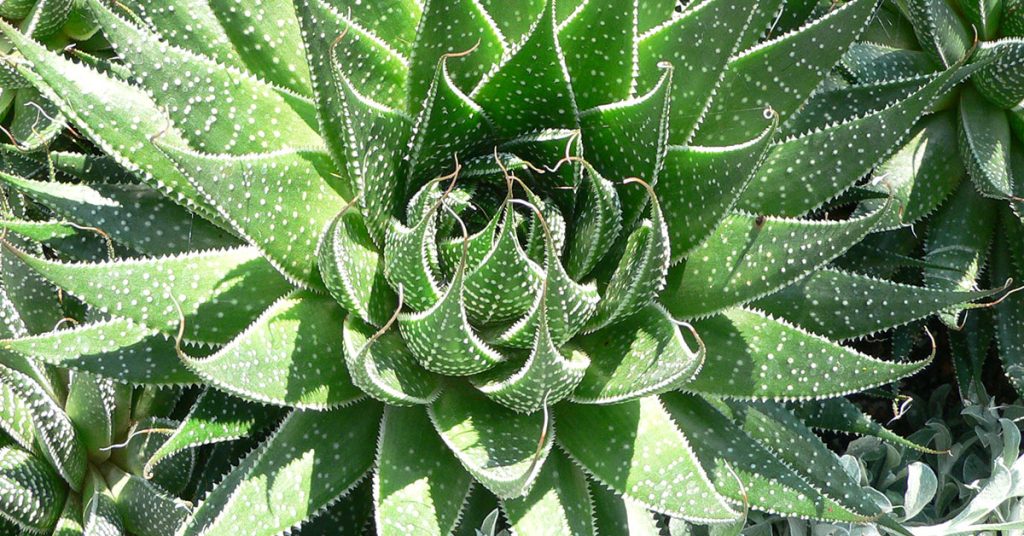
Aloe Vera is a succulent superstar famous for its thick, fleshy leaves that store moisture and boast natural healing properties. Native to arid regions of the Arabian Peninsula, this versatile plant not only purifies the air but also occasionally attracts small pollinators that appreciate the delicate flowers it produces on rare occasions. I find its soothing, spiky presence to be a refreshing reminder that nature offers both beauty and practical benefits—even indoors!
Easy to care for and non-invasive when grown in pots, Aloe Vera thrives on minimal water and plenty of sunlight. Its robust nature means it can easily survive those busy days when attention is scarce, while its air-cleaning abilities add an extra layer of health to your living space. Aloe Vera is truly an indispensable ally in any indoor garden, blending natural resilience with a touch of medicinal charm!
Peace Lily
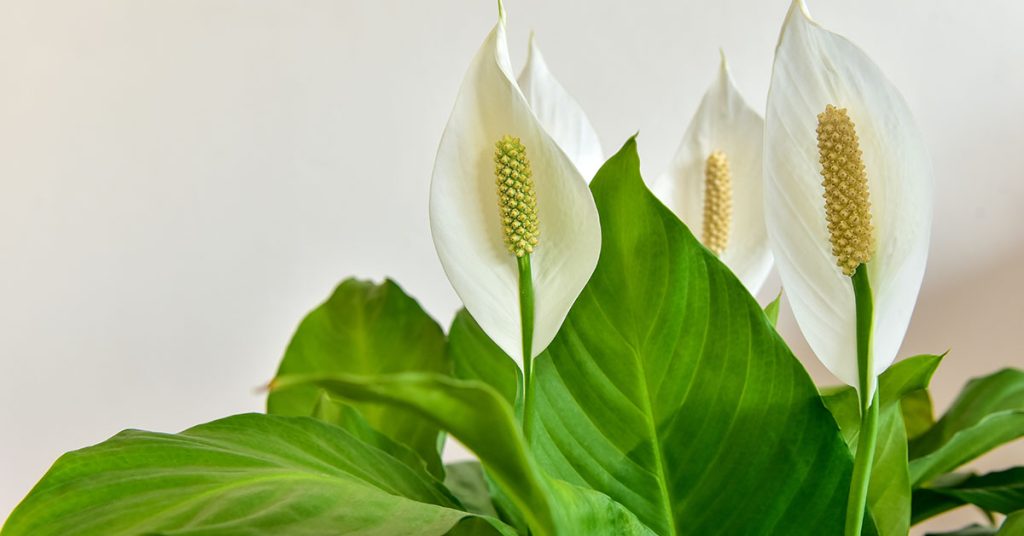
Peace Lily (Spathiphyllum) enchants with its glossy green leaves and elegant white blooms that seem to float effortlessly in the air. Native to the tropical regions of the Americas and southeastern Asia, it not only cleanses indoor air but also creates inviting spaces for small beneficial insects to rest upon its broad foliage. I’ve always admired how its serene beauty brings calm to hectic spaces and offers a gentle invitation to nature’s small wonders!
With a reputation for being exceptionally low-maintenance, Peace Lily remains non-invasive and thrives in moderate light, making it perfect for those who occasionally forget to water. Its ability to signal when it needs a little extra care is a bonus for busy gardeners. For anyone seeking a peaceful, vibrant presence that endures even when you’re away, the Peace Lily is an indoor gem that truly stands the test of time!
Rhipsalis

Rhipsalis, often known as the Mistletoe Cactus, is an unusual succulent that brings a unique, cascading charm to any indoor setting. Native to the tropical forests of Central and South America, its delicate, trailing stems and small, subtle flowers attract tiny pollinators and create a whimsical atmosphere that sparks curiosity. I’m always delighted by how this intriguing plant seems to float gracefully from hanging baskets, adding an unexpected twist to your decor!
Known for its minimal water requirements and non-invasive nature, Rhipsalis is an ideal candidate for those who appreciate a low-fuss, creative aesthetic. Its airy, vine-like habit not only purifies the air but also provides little refuges for beneficial insects on warm, sunny days. Embracing Rhipsalis in your indoor garden is like welcoming a piece of the tropical rainforest into your home—effortless, captivating, and resilient!
Lucky Bamboo

Lucky Bamboo is not truly bamboo but a striking member of the Dracaena family, celebrated for its graceful, segmented stalks and delicate leaves that exude an aura of serenity. Native to the rainforests of Africa and Asia, this plant is revered for its air-purifying qualities and its subtle appeal to small pollinators that appreciate its minimalist charm. I love how its slender, polished stalks bring a sense of calm and positive energy to any room—truly a beacon of good fortune!
This hardy plant is incredibly forgiving, remaining non-invasive and thriving even with minimal attention. Its adaptable nature makes it perfect for office desks and low-light corners alike, offering both aesthetic appeal and a boost to indoor air quality. Lucky Bamboo is a testament to the fact that with a little care, even the simplest plants can transform your environment into a haven of balance and beauty!
Schefflera

Schefflera, often called the Umbrella Tree, impresses with its glossy, hand-shaped leaves that unfurl like miniature umbrellas, providing a tropical flair to your home. Native to the rainforests of Taiwan and surrounding areas, this plant not only beautifies indoor spaces but also attracts small pollinators that find comfort under its broad, protective leaves. I’m continually amazed at how this robust plant manages to add both structure and a burst of nature’s vibrancy to any room!
Cherished for its ease of care and non-invasive growth, Schefflera adapts well to a range of indoor lighting conditions. Its striking foliage and air-cleaning properties make it a reliable companion for even the busiest of gardeners. With its tropical appeal and effortless charm, Schefflera is a true indoor stalwart that thrives with little effort—just the way we all wish our plants could!
English Ivy

English Ivy is a versatile climber celebrated for its trailing vines and classic, lobed leaves that add an air of timeless elegance to any indoor space. Native to Europe and Western Asia, it’s prized for its ability to purify the air and subtly attract beneficial insects that appreciate its intricate structure. I’ve often found that its cascading foliage not only enhances décor but also creates secret corners for tiny creatures to explore and nest!
When grown indoors in a controlled environment, English Ivy remains non-invasive and easy to manage, making it an excellent choice for both walls and hanging baskets. Its adaptable nature and classic beauty make it a delightful addition to any home, even when you’re too busy to fuss over every detail. English Ivy is a proven testament that simplicity and grace can go hand in hand, effortlessly enhancing your living space with natural charm!
Peperomia

Peperomia is a compact, charming herbaceous plant known for its thick, textured leaves and subtle, trailing habit that fits perfectly on desks and shelves. Native to tropical regions of South America, this delightful plant is both an air purifier and a magnet for tiny beneficial insects that occasionally use its dense foliage as a cozy retreat. I’m constantly impressed by its diverse leaf shapes and colors, which add a splash of understated elegance to any indoor setting!
Its low-maintenance, non-invasive nature makes Peperomia an ideal choice for those who want a bit of greenery without a lot of fuss. Even if you’re away on vacation or simply caught up in life’s busy moments, this resilient little plant continues to thrive and purify the air around it. For anyone seeking a petite yet impactful addition to their indoor garden, Peperomia is a true gem that endures with minimal care!
Money Tree

Money Tree (Pachira aquatica) is a symbol of prosperity with its braided trunk and lush, hand-shaped leaves that bring a tropical energy to your home. Native to Central and South America, it not only enhances indoor air quality but also attracts curious insects that occasionally explore its dense foliage in search of shelter. I love the positive energy it radiates—it’s a vibrant reminder that a little care can yield abundant rewards in both nature and life!
Celebrated for its ease of care and non-invasive nature, Money Tree thrives with moderate light and minimal watering. Its striking presence and symbolic value make it a favorite among those looking to combine beauty with a touch of good fortune. Whether you’re an experienced gardener or a beginner, the Money Tree stands as a resilient, enchanting companion that truly survives with or without you!