
If you’ve ever wished for a garden that buzzes with life and harmony—where every plant complements the other while adding bursts of flavor, color, and function—you’re in for a real treat. There’s something truly magical about planting side-by-side, as each species not only enhances your garden’s aesthetic appeal but also creates a balanced ecosystem. I know how frustrating it is when pests take over or when plants simply don’t get along in a cramped space, so I’m excited to share 21 fantastic plants that work beautifully together, supporting one another’s growth while attracting beneficial insects and even providing cozy nesting spots for small critters!
In this article, I’ll guide you through a diverse selection of companion plants—ranging from robust vegetables and aromatic herbs to cheerful flowers—that are known for thriving side-by-side. Each plant’s section delves into its native origins, unique growth behaviors, and whether it poses any invasive concerns. With thoughtful pairing, you can create a garden that’s both productive and visually stunning, ensuring that every inch of your yard contributes to a thriving, balanced ecosystem.
Tomatoes
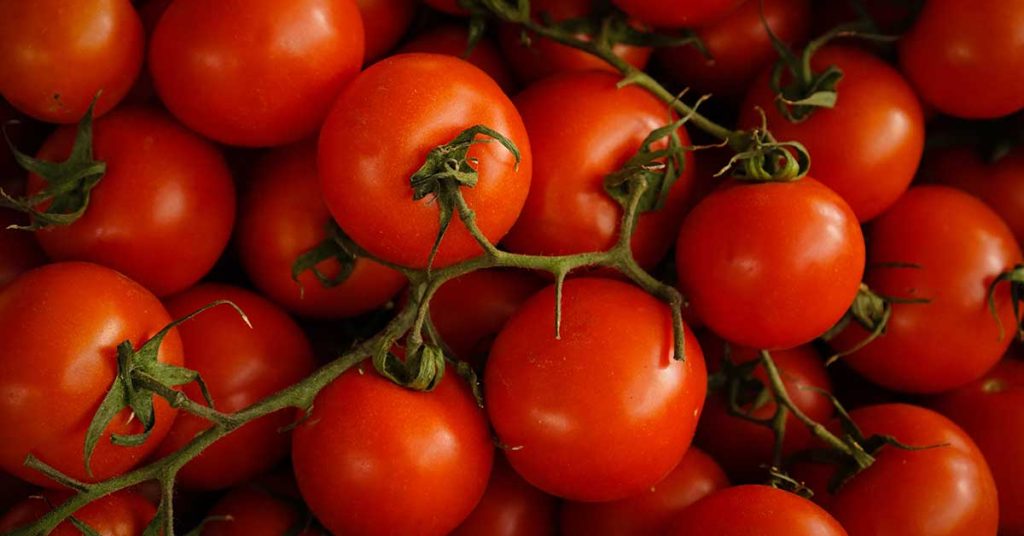
Tomatoes, native to western South America, are a cornerstone of any edible garden and flourish when planted alongside supportive companions. Their lush, red fruits not only bring culinary delight but also provide a striking visual centerpiece that attracts pollinators like bees and butterflies. In my experience, tomatoes thrive when paired with companion plants such as basil and marigolds, which help repel pests and enhance overall growth. Although cultivated tomatoes are carefully managed to be non-invasive, they require ample space and sunlight to produce their best yield!
In addition to their delectable fruit, tomatoes create a microhabitat that benefits many beneficial organisms. Their dense foliage offers shelter for small insects and even serves as a temporary nesting site for some pollinators. This natural synergy between tomatoes and their neighbors boosts soil fertility and promotes a balanced ecosystem. For any gardener frustrated by poor fruit set or pest invasions, planting tomatoes with complementary species is a surefire way to cultivate a robust, productive garden!
Basil
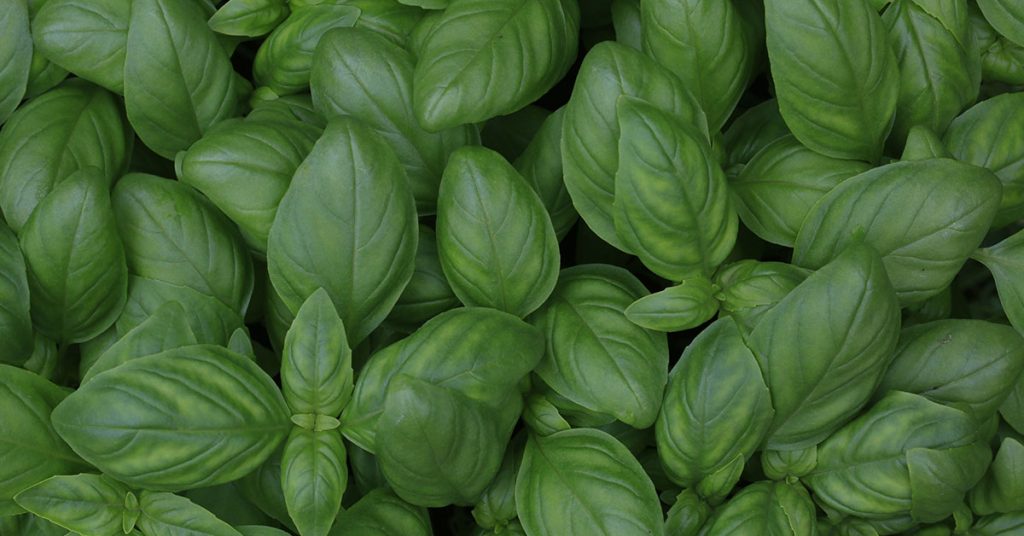
Basil is a beloved herb native to tropical regions of Africa and Asia, renowned for its aromatic leaves and culinary versatility. When grown side-by-side with tomatoes, basil not only enhances flavor but also acts as a natural pest deterrent, repelling insects that might otherwise damage your prized produce. I’ve witnessed firsthand how regular harvesting and companion planting with basil result in bushier, more vigorous growth. Its non-invasive nature makes it an ideal candidate for mixed garden beds, ensuring a harmonious blend of fragrance and function!
Beyond its role in the kitchen, basil attracts beneficial pollinators such as bees, which help improve fruit set in nearby plants. The dense foliage of basil creates a microhabitat that supports a myriad of soil organisms, enhancing nutrient cycling and overall garden health. Its vibrant green leaves and spicy aroma add a refreshing burst of life to any planting scheme, making basil a must-have for gardeners who appreciate both taste and ecological balance!
Marigolds
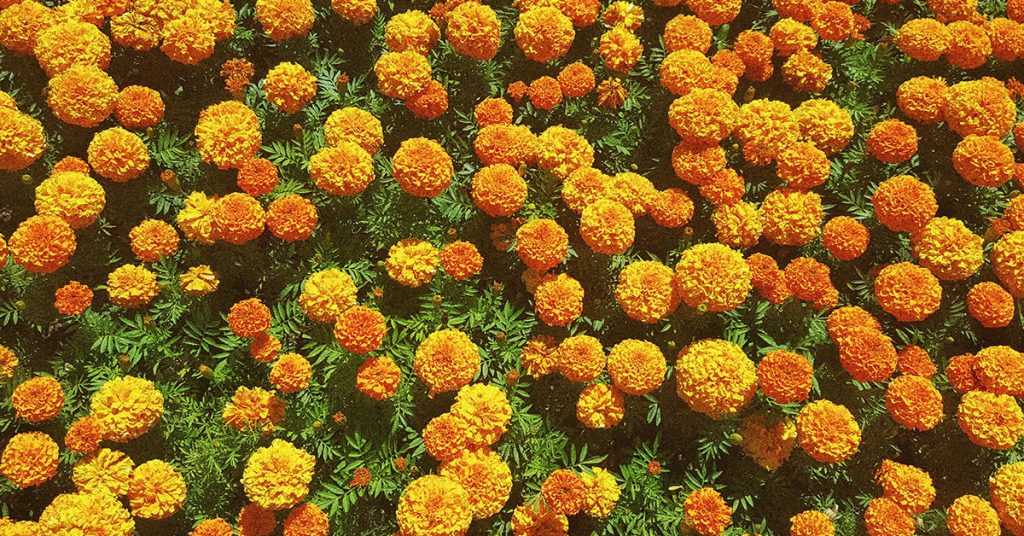
Marigolds, native to the Americas, are known for their bright, fiery blooms that bring a cheerful burst of color to any garden. These annuals are excellent companions to vegetables like tomatoes and peppers, as their strong scent naturally repels pests such as aphids and nematodes. I’ve found that planting marigolds among your crops not only enhances visual appeal but also acts as a natural defense system—a truly delightful bonus for any gardener! Although marigolds can self-seed, in cultivated gardens they remain non-invasive and easy to manage.
Beyond their pest-repelling properties, marigolds attract beneficial pollinators like bees and butterflies, which help ensure a steady fruit set for nearby plants. Their dense, layered blooms create mini microhabitats that support diverse soil microbes and small invertebrates. With minimal care and a burst of vibrant color, marigolds add both beauty and functionality to your garden, making them a reliable ally for any companion planting strategy.
Bee Balm

Bee Balm, also known as Monarda, is a striking perennial native to North America that adds both beauty and ecological benefits to your garden. Its vibrant, tubular flowers in shades of red, pink, and purple not only create a stunning visual display but also attract a multitude of pollinators such as bees, butterflies, and hummingbirds. I’ve always been impressed by how Bee Balm’s clusters form a natural magnet for beneficial insects, contributing to a lively, balanced microhabitat! While in the wild it can spread somewhat aggressively, cultivated varieties in a garden are usually well-behaved and non-invasive.
In addition to its ornamental and ecological appeal, Bee Balm has a history of medicinal use and is often associated with natural healing properties. Its aromatic foliage and robust blooms support a diverse community of soil microbes, which in turn enhance overall garden health. Planting Bee Balm alongside vegetables and other flowering plants creates a synergistic effect that boosts pollination and enriches the garden’s biodiversity. It’s a wonderful way to celebrate nature’s ability to heal and nurture, right in your own backyard!
Lavender

Lavender, native to the Mediterranean, is a fragrant perennial that brings both visual beauty and functional benefits to any garden. Its soft purple blooms and silvery-green foliage are not only stunning to behold but also serve as a natural repellent for pests. I’ve found that lavender thrives when grown alongside vegetables and other herbs, attracting bees and butterflies while repelling aphids and moths. Cultivated lavender is non-invasive in garden settings, making it a perfect companion plant that adds a touch of rustic charm to your landscape!
Beyond its delightful fragrance and color, lavender contributes to a balanced ecosystem by creating microhabitats that support beneficial insects. The plant’s aromatic oils and nectar-rich flowers draw in pollinators, enhancing natural pest control and promoting a healthy garden environment. In its native, sun-drenched habitats, lavender plays a crucial role in sustaining biodiversity, and when grown in your garden, it replicates this natural synergy. Its ease of care and enduring beauty make lavender an essential addition to any side-by-side planting scheme.
Nasturtiums
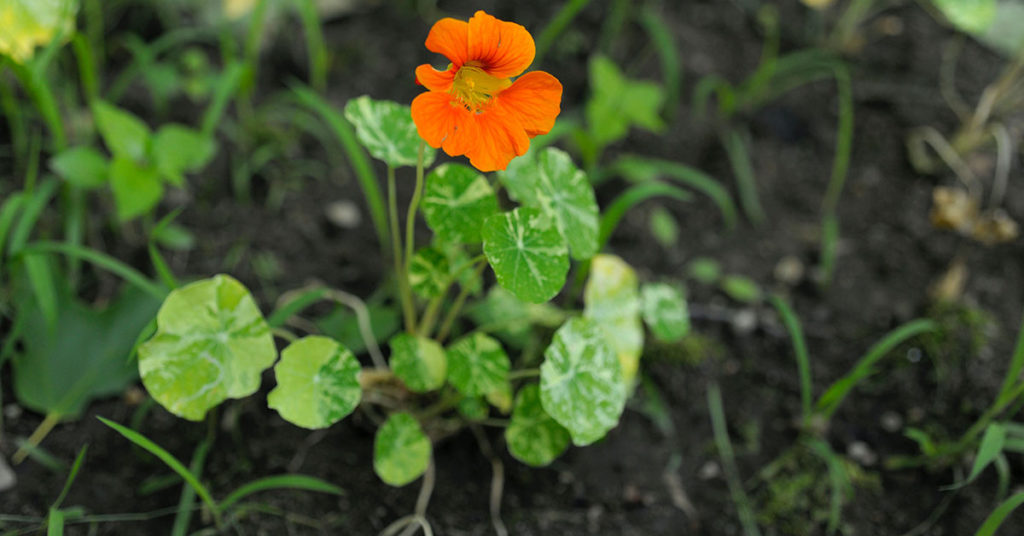
Nasturtiums, native to the Andes in South America, are as practical as they are beautiful. These annuals produce bright, cheerful flowers in shades of red, orange, and yellow, while their edible leaves and flowers add a peppery zest to salads and other dishes. I love how nasturtiums naturally attract beneficial pollinators like bees and butterflies, making them a perfect companion for vegetables and herbs in the garden! Though they spread readily in wild settings, when cultivated in a garden they remain non-invasive and help create a natural barrier against pests.
In addition to their culinary and decorative benefits, nasturtiums create a natural microhabitat that supports beneficial insects. Their sprawling growth habit and vibrant blooms offer shelter and food for small invertebrates, enhancing the overall biodiversity of your garden. Growing nasturtiums side-by-side with other crops not only boosts your harvest but also contributes to natural pest control. They’re a vivid reminder that beauty and functionality can go hand-in-hand in a sustainable garden!
Zinnias
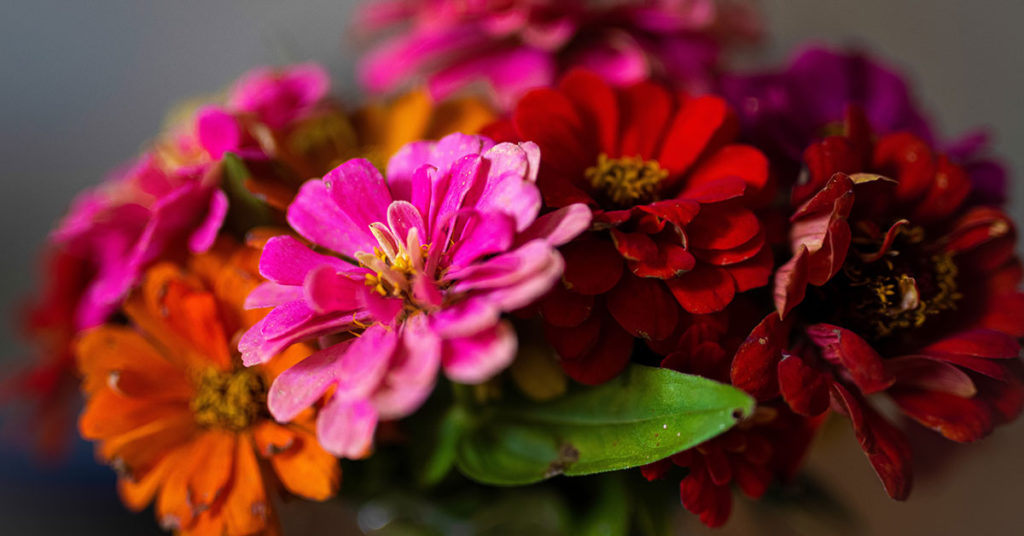
Zinnias, native to Mexico and the southwestern United States, are fast-growing annuals renowned for their dazzling array of colors and bold, daisy-like blooms. Their vibrant petals and striking forms can transform any garden into a festival of light and color, attracting a plethora of beneficial pollinators such as bees and butterflies. I’ve always been thrilled by the way zinnias bring life and energy to a garden, creating an open microhabitat that invites natural interactions and even offers temporary nesting spots for small insects! Although zinnias are prolific self-seeders in the wild, in a controlled garden they remain non-invasive and beautifully contained.
Beyond their visual appeal, zinnias play an essential role in supporting biodiversity by providing an abundant nectar source. Their open, inviting flowers help sustain pollinator populations, which in turn enhance the productivity of nearby crops. Growing zinnias alongside other companion plants creates a dynamic and balanced ecosystem that thrives on mutual support and natural beauty. They’re an exuberant burst of summer joy that reminds us that even the simplest blooms can make a huge impact!
Carrots

Carrots, with their crisp, sweet roots, are a staple vegetable native to Central Asia and the Mediterranean region that can be perfectly paired with other plants in a small garden. Their vibrant orange color and delicate, feathery greens add both nutritional value and visual interest to any planting scheme. I’ve found that carrots do exceptionally well when grown alongside leafy greens and aromatic herbs, as their differing growth habits complement each other and enhance the overall soil structure. While wild carrots can sometimes be invasive, the cultivated varieties grown in gardens remain well-behaved and non-invasive, making them ideal for side-by-side planting!
In addition to their culinary and decorative benefits, carrots contribute to a dynamic microhabitat by encouraging the proliferation of beneficial soil microbes and invertebrates. Their long taproots help aerate the soil, mimicking natural processes found in their native environments. When paired with companion plants, carrots help create a balanced ecosystem that supports natural nutrient cycling and pest control. Their delightful crunch and rich flavor make carrots a practical yet enchanting addition to any urban garden!
Lettuce
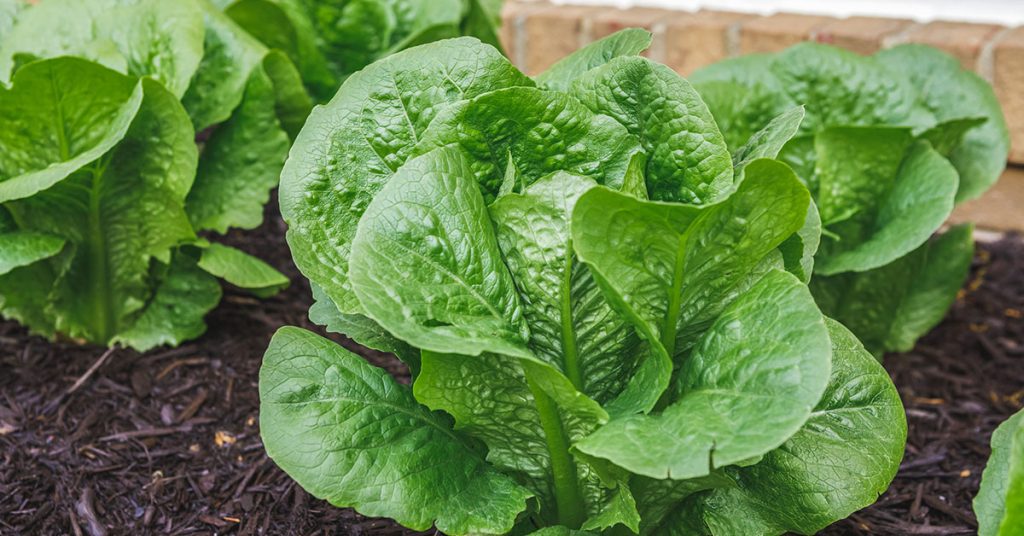
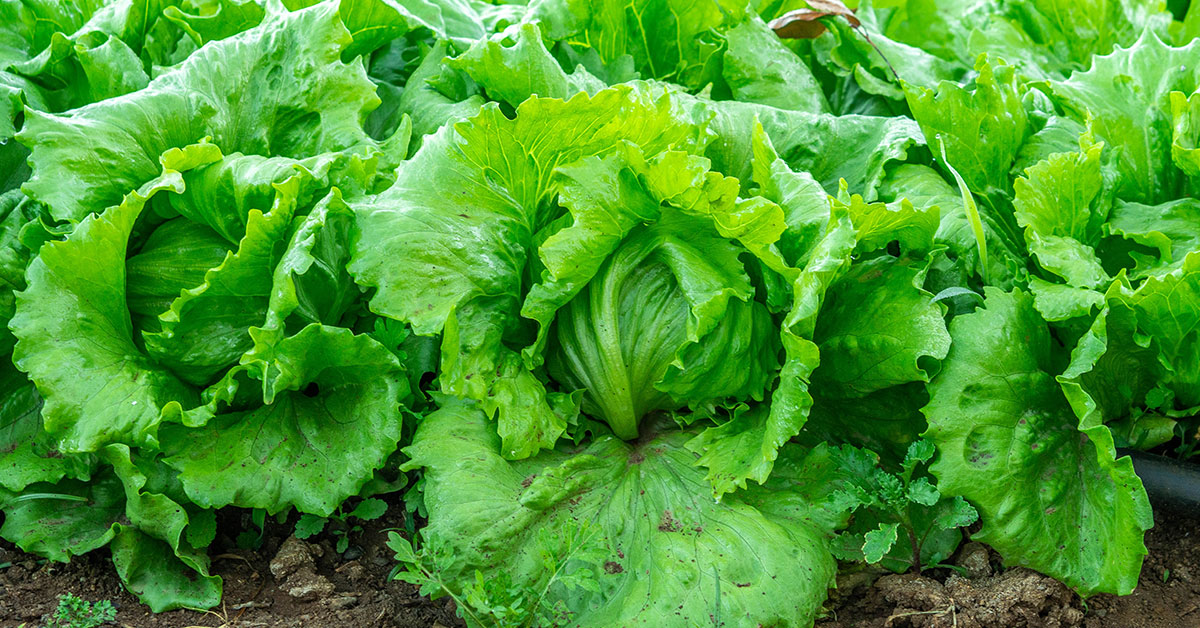
Lettuce, native to the Mediterranean, is a cool-season vegetable that thrives when planted alongside complementary herbs and vegetables. Its tender, crisp leaves offer a refreshing taste that is perfect for salads and wraps, and its rapid growth makes it a favorite for urban gardeners with limited space. I love how lettuce forms a delicate, green canopy that not only brightens up your garden but also provides a protective cover that attracts beneficial soil organisms and small pollinators. Cultivated lettuce remains non-invasive and is easy to maintain, making it an excellent choice for side-by-side planting in container gardens!
Moreover, lettuce enhances your garden’s microhabitat by contributing to natural moisture retention and weed suppression. Its soft, leafy texture creates a natural mulch that enriches the soil as it decomposes, fostering a healthy environment for other plants. Growing lettuce with complementary species like carrots and basil can lead to a synergistic effect that maximizes space and boosts flavor. It’s a versatile and rewarding plant that proves even the simplest greens can transform your garden into a lush, vibrant oasis!
Spinach
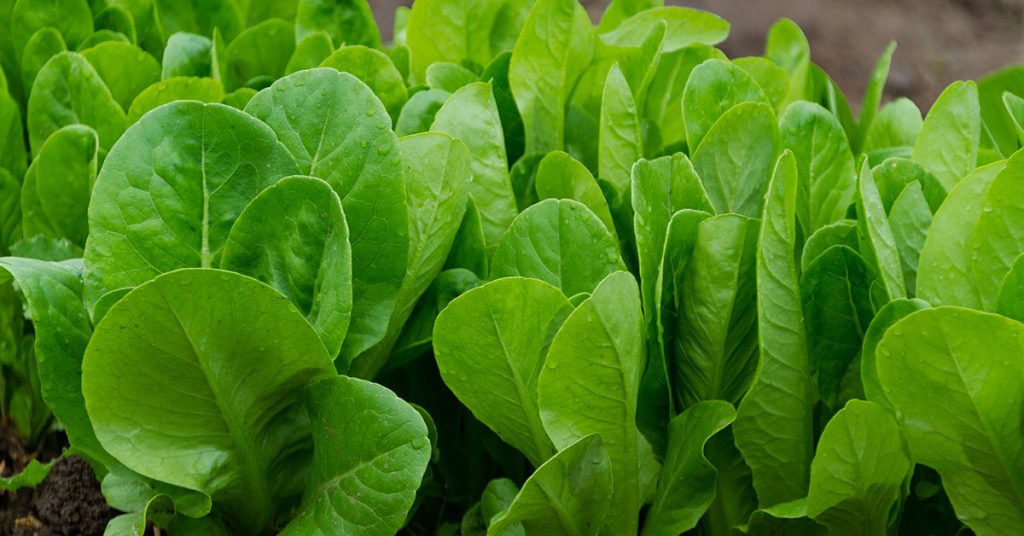
Spinach, a nutrient-rich leafy green native to Central Asia, is an excellent choice for a side-by-side planting scheme that thrives in cooler conditions. Its tender, dark green leaves not only pack a nutritional punch but also create an attractive, low-growing carpet that can intersperse beautifully with taller vegetables. I’ve seen spinach flourish in small garden beds and containers, where its rapid growth and non-invasive habit make it an ideal companion for other edible plants. With its mild flavor and versatility in the kitchen, spinach is a delightful addition to any sustainable garden!
Beyond its culinary uses, spinach contributes to the creation of a balanced microhabitat by attracting beneficial soil microbes and small invertebrates that help improve nutrient cycling. In its native environment, spinach thrives in well-drained, nutrient-rich soils, and when grown in a garden, it enhances the overall soil structure and moisture retention. Regular harvesting encourages continuous growth, ensuring you have a steady supply of fresh greens all season long. Spinach is a must-have for any urban gardener looking to boost both their diet and the health of their garden!
Peppers
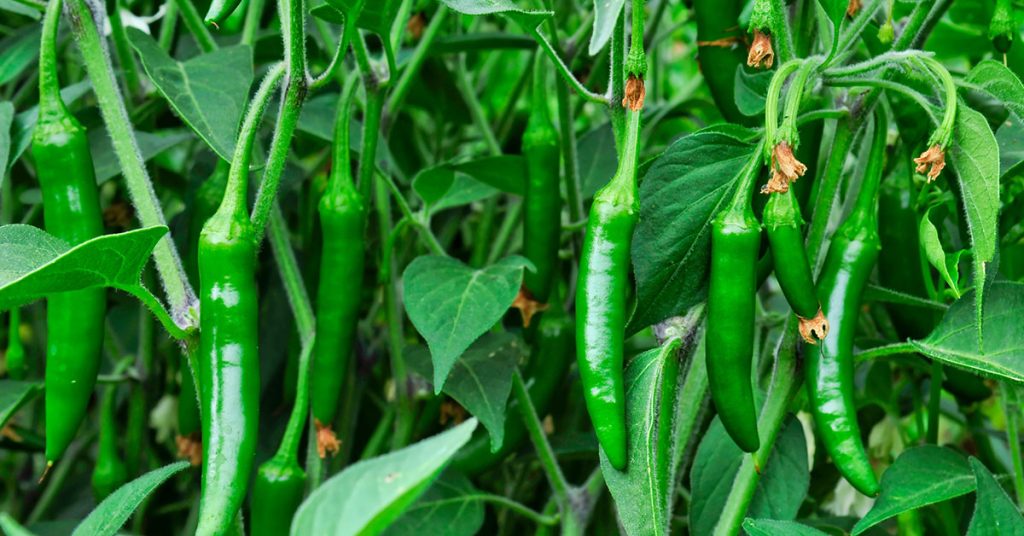
Peppers, native to Central and South America, bring a burst of color, spice, and vitality to any garden when grown side-by-side with complementary plants. Their glossy, vibrant fruits come in a variety of hues—from fiery reds to sunny yellows—and add both visual appeal and culinary zest to your harvest. I’ve found that peppers thrive when planted near tomatoes and basil, as this natural pairing enhances growth, improves flavor, and deters pests. Cultivated peppers are typically non-invasive, making them ideal for container or small garden settings where space is precious!
In addition to their delicious fruit, peppers attract a variety of beneficial pollinators such as bees and butterflies, which help ensure optimal fruit set and create a lively microhabitat. Their thick, waxy leaves provide shelter for small invertebrates and contribute to overall soil health by retaining moisture and fostering microbial activity. With consistent care, peppers can flourish and deliver an abundant harvest, transforming your garden into a vibrant, flavorful oasis. They’re a testament to the power of companion planting, where each species enhances the next!
Bush Beans
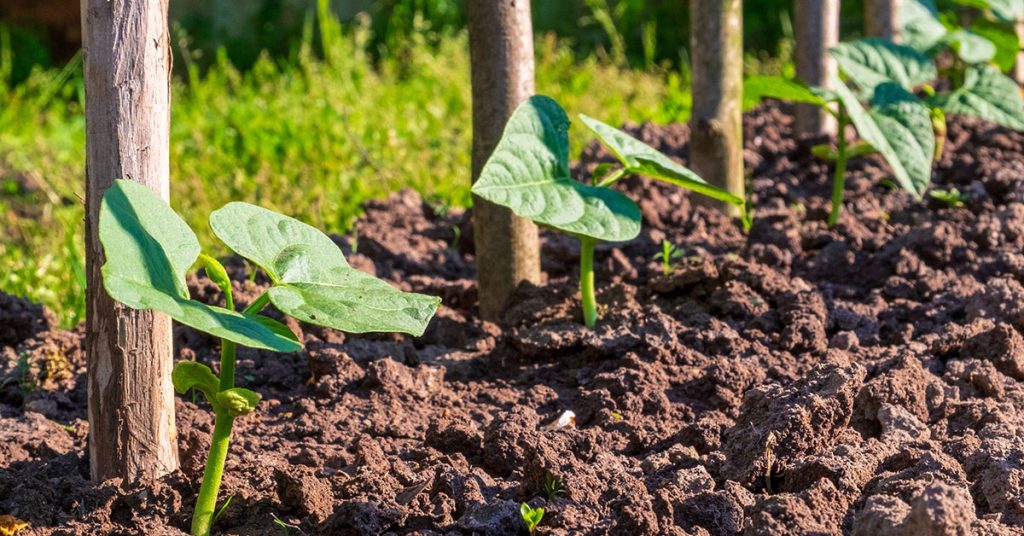
Bush Beans are a fantastic nitrogen-fixing vegetable native to the Americas that add both productivity and ecological benefits to your garden. Their compact, self-supporting growth habit makes them ideal for growing side-by-side with taller plants like tomatoes, where they enrich the soil while providing a delicious, protein-rich harvest. I’ve seen how the vibrant green foliage of bush beans creates a natural microhabitat that attracts beneficial pollinators such as bees, ensuring a healthy cycle of growth and natural pest control. Cultivated varieties are non-invasive and can be easily maintained in container gardens or small plots!
In addition to improving soil fertility, bush beans contribute to a balanced ecosystem by providing shelter for beneficial insects and even offering temporary nesting sites for small birds. Their natural tendency to fix nitrogen in the soil mirrors the processes found in their native habitats, resulting in a garden that is both sustainable and productive. Regular harvesting and support structures can help bush beans flourish side-by-side with other complementary plants, creating a symbiotic relationship that benefits every element of your garden. They’re a delicious and ecological win for any urban gardener!
Oregano
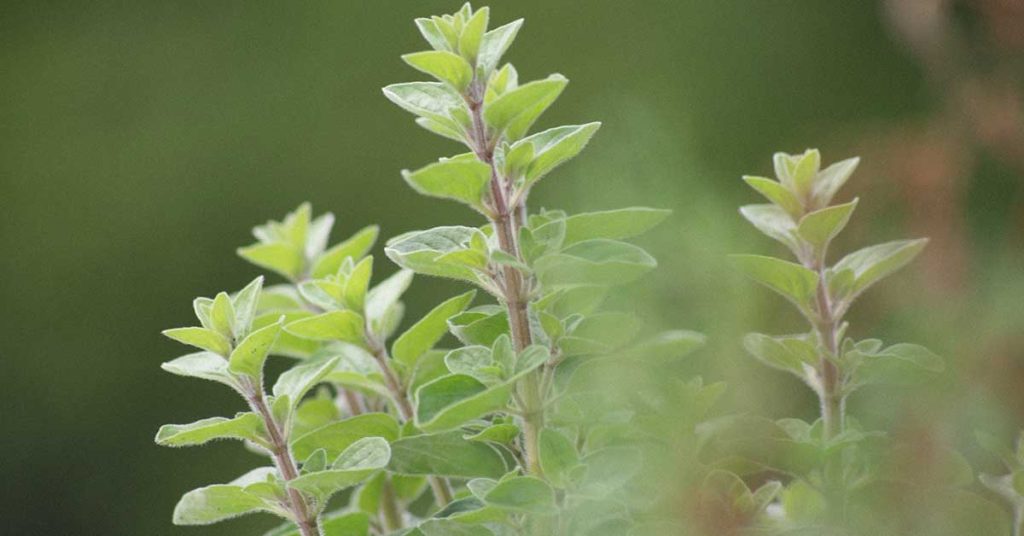
Oregano, native to the Mediterranean, is a hardy, aromatic herb that’s perfect for interplanting with vegetables and other companion species. Its robust, peppery leaves add flavor to countless dishes, while its natural oils act as a deterrent to common garden pests. I’ve enjoyed growing oregano in mixed beds alongside tomatoes, peppers, and basil—its non-invasive growth habit and low maintenance requirements make it a reliable addition that enhances both flavor and garden health! Its dense, mat-forming habit creates a natural mulch that helps retain moisture and suppress weeds, making your garden more efficient and sustainable.
In addition to its culinary benefits, oregano attracts beneficial pollinators like bees and butterflies with its subtle, yet enticing, fragrance. Its vibrant green foliage provides a microhabitat that supports soil microbes and small invertebrates, contributing to a balanced ecosystem. In nature, oregano thrives in rocky, sun-drenched environments, and when grown in a garden, it retains that rugged charm while complementing its neighbors. Oregano is a true testament to how a simple herb can elevate your garden’s biodiversity and flavor profile simultaneously!
Rosemary

Rosemary, a perennial herb native to the Mediterranean, is a fantastic companion plant known for its fragrant, needle-like leaves and vibrant blue flowers. It pairs beautifully with vegetables such as tomatoes, eggplants, and peppers, naturally repelling pests while attracting beneficial pollinators like bees. I love how rosemary’s aromatic presence transforms any garden into a sensory haven—it fills the air with a woodsy, invigorating scent that is both calming and energizing! Cultivated rosemary remains non-invasive in managed gardens and is celebrated for its hardiness and low water requirements.
Beyond its culinary and aromatic appeal, rosemary contributes to a balanced microhabitat by providing a natural shelter for small birds and beneficial insects. Its robust structure supports soil health and helps regulate moisture levels, much like its native Mediterranean habitat. Growing rosemary alongside complementary plants not only enhances the overall flavor of your garden but also creates a dynamic ecosystem where every plant benefits from natural pest control. It’s a timeless herb that combines beauty, functionality, and sustainability in one delightful package!
Thyme
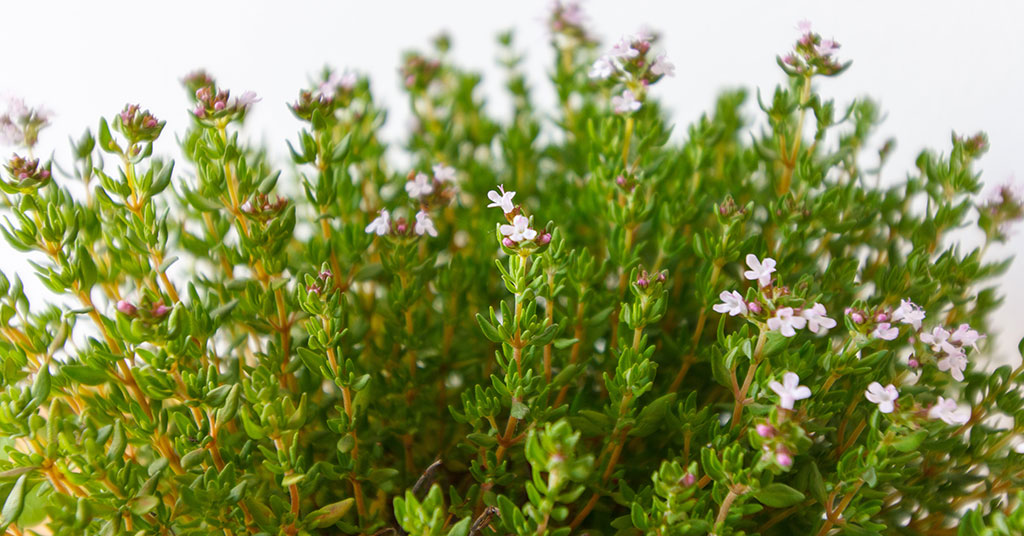
Thyme is a small yet mighty herb native to the Mediterranean, known for its potent aroma and culinary versatility. Its low-growing, spreading habit makes it an excellent ground cover that fills garden gaps and pairs wonderfully with vegetables like tomatoes, carrots, and peppers. I’ve been impressed by thyme’s ability to thrive in minimal soil and under indirect sunlight, creating a natural mulch that conserves moisture and suppresses weeds. Cultivated thyme remains non-invasive and manageable, making it a perfect addition to a tightly integrated, companion-planted garden!
In addition to its culinary charm, thyme plays an important role in attracting beneficial pollinators, including bees and small butterflies. Its tiny, delicate blossoms provide a nourishing source of nectar, fostering a vibrant microhabitat that supports natural pest control and improves soil fertility. Growing thyme alongside other compatible plants results in a synergistic relationship where each species contributes to the garden’s overall health and productivity. Its resilience and aromatic appeal make thyme a must-have for any gardener looking to create a dynamic, sustainable ecosystem!
Parsley
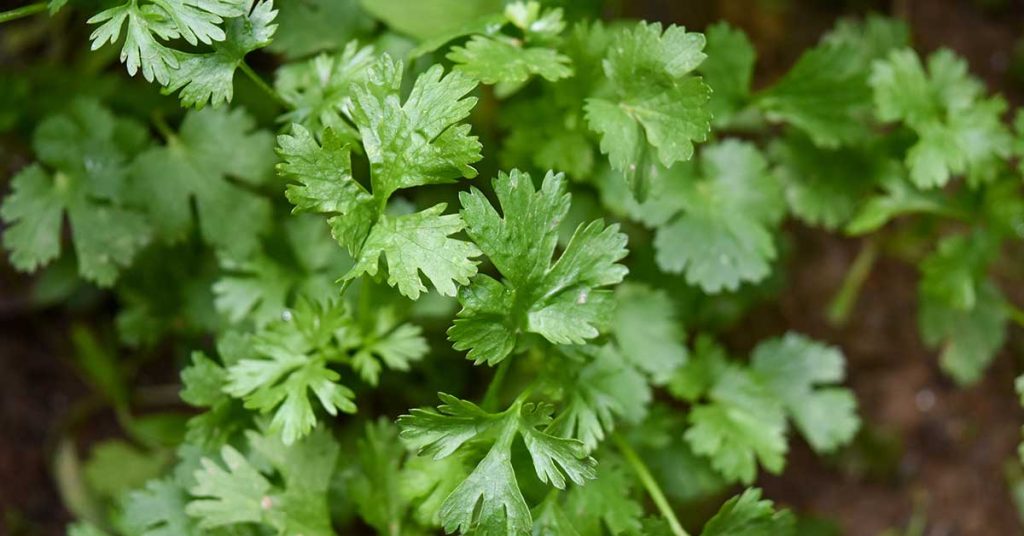
Parsley, a robust biennial herb native to the Mediterranean region, is celebrated for its lush, curly leaves and fresh, vibrant flavor. It works beautifully as a companion plant, enhancing the growth of neighboring vegetables such as carrots and tomatoes by attracting beneficial pollinators like bees. I love how parsley’s dense foliage not only adds a splash of green but also creates a natural mulch that improves soil moisture retention and discourages weed growth. Cultivated parsley remains non-invasive, making it a reliable and attractive addition to any mixed garden bed!
In addition to its culinary and ornamental value, parsley contributes significantly to soil health by fostering beneficial microbial activity. Its continuous growth cycle provides a steady supply of organic matter as leaves decompose, enriching the soil and supporting other plants. By interplanting parsley with complementary species, you can create a dynamic microhabitat that benefits from natural pest control and enhanced pollination. Its enduring versatility makes parsley a cherished herb for both the kitchen and the garden!
Mint
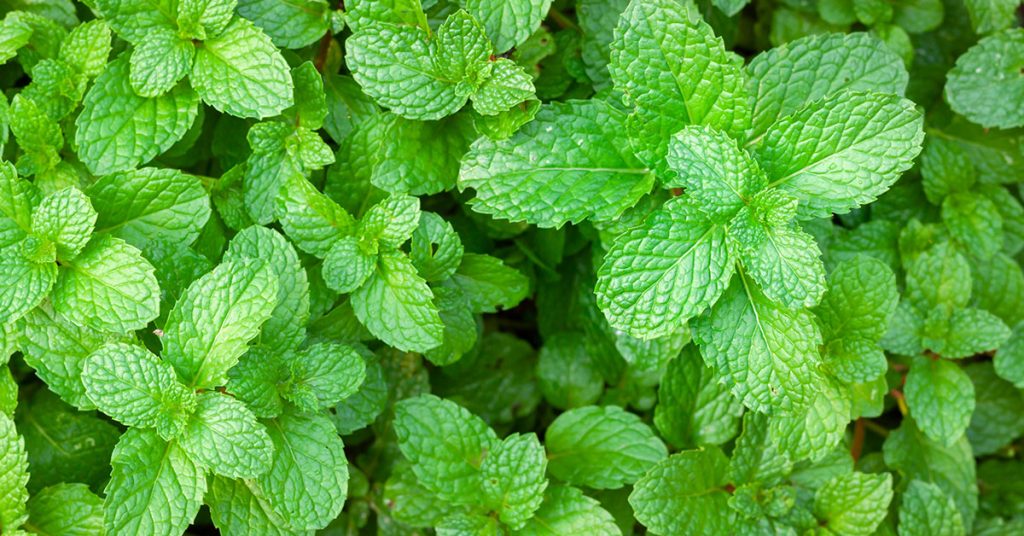
Mint, native to Europe and Asia, is a vigorous herb known for its refreshing aroma and rapid growth habit. Its sprawling, aromatic foliage makes it a wonderful companion for a variety of vegetables, adding a natural pest-repellent quality to your garden. I’ve always been excited by mint’s ability to transform even the smallest garden patch into a lush, fragrant carpet that attracts beneficial insects like bees and butterflies! Although mint can be invasive in the wild, when grown in containers or designated beds it remains well-controlled and non-disruptive.
Beyond its culinary and aromatic appeal, mint creates an ideal microhabitat by providing shelter and food for various beneficial soil microorganisms. Its dense growth habit helps to retain moisture and suppress weeds, contributing to a balanced and healthy ecosystem. The invigorating scent of mint not only uplifts your garden’s ambiance but also helps keep pests at bay naturally. With regular pruning to maintain its shape, mint is an indispensable herb that brings both beauty and functionality to your garden!
Sage
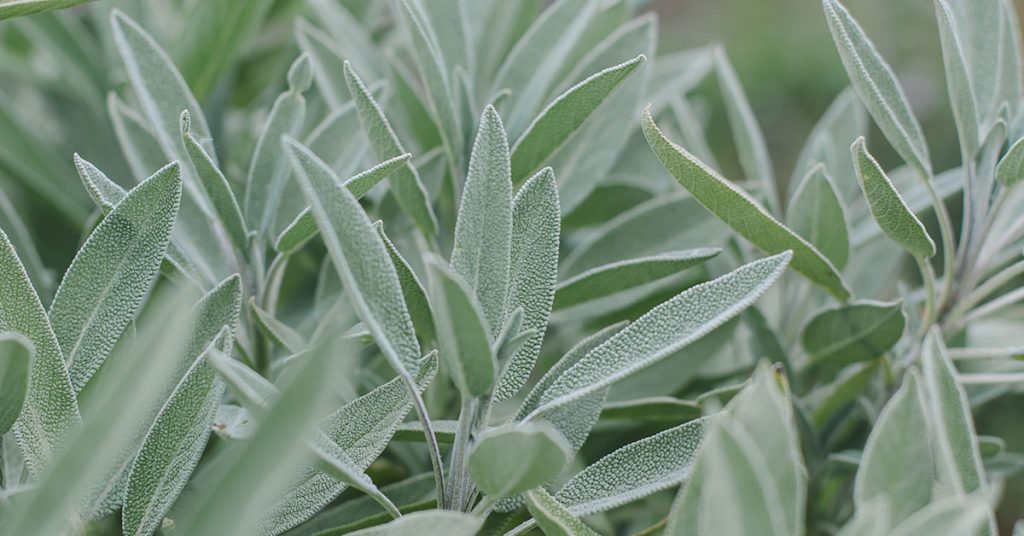
Sage, native to the Mediterranean, is a robust herb celebrated for its earthy flavor and silvery-green leaves. When grown side-by-side with vegetables like tomatoes and carrots, sage helps repel pests and attracts beneficial insects such as bees and ladybugs. I love how sage’s aromatic, textured foliage adds depth and character to the garden, creating a natural, harmonious microhabitat that supports overall plant health. Cultivated sage is non-invasive and requires minimal care, making it an ideal companion for a sustainable, interplanted garden!
In addition to its culinary uses, sage contributes to a balanced ecosystem by fostering the growth of beneficial soil microbes. Its hardy nature and drought-tolerant qualities make it perfectly suited for garden beds that experience fluctuating weather conditions. The subtle, earthy aroma of sage not only enhances your dishes but also provides a natural defense against common garden pests. Its enduring resilience and aromatic appeal make sage a timeless favorite for any gardener seeking to enrich their landscape with both flavor and ecological benefits!
Sunflowers

Sunflowers, native to North America, are a dazzling addition to any garden with their towering, radiant blooms that capture the essence of summer. These magnificent plants are known for their heliotropic behavior, where young blossoms follow the sun across the sky—an awe-inspiring natural dance that attracts a multitude of pollinators, including bees and butterflies. I’ve always been inspired by how sunflowers create a vibrant microhabitat, offering shelter and food for various insects and even small birds that nest among their robust branches! While sunflowers can self-seed in the wild, in cultivated gardens they remain non-invasive and manageable with proper care.
Beyond their striking visual appeal, sunflowers contribute significantly to soil health through their deep root systems, which improve aeration and nutrient cycling. Their large, open flower heads not only mesmerize with their brilliance but also serve as natural beacons for pollinators, ensuring that your garden thrives with life. The structural support provided by sunflowers can even be used to interplant climbers, creating a layered, biodiverse garden environment. Their enduring beauty and ecological benefits make sunflowers a beloved centerpiece in any well-designed garden!
Calendula

Calendula, commonly known as pot marigold, is a vibrant annual native to the Mediterranean that brings a splash of sunshine to any garden. Its bright orange and yellow petals create a cheerful display that attracts beneficial pollinators, such as bees and butterflies, while adding a pop of color to the landscape. I’ve seen how calendula thrives when planted alongside vegetables and herbs, enhancing natural pest control and creating a balanced, non-invasive microhabitat. Its ease of care and continuous blooming throughout the summer make it a favorite among gardeners who love vibrant, low-maintenance plants!
In addition to its ornamental beauty, calendula has a rich history of medicinal and culinary use, making it a multi-functional plant in the garden. The natural compounds in its petals not only deter pests but also promote a healthy soil ecosystem by encouraging the growth of beneficial microbes. When grown side-by-side with other companion plants, calendula helps create a harmonious environment that supports natural pollination and biodiversity. Its bright, sunny blooms are a delightful reminder that nature’s simplest flowers can yield a wealth of benefits for both your garden and your well-being!
Dill
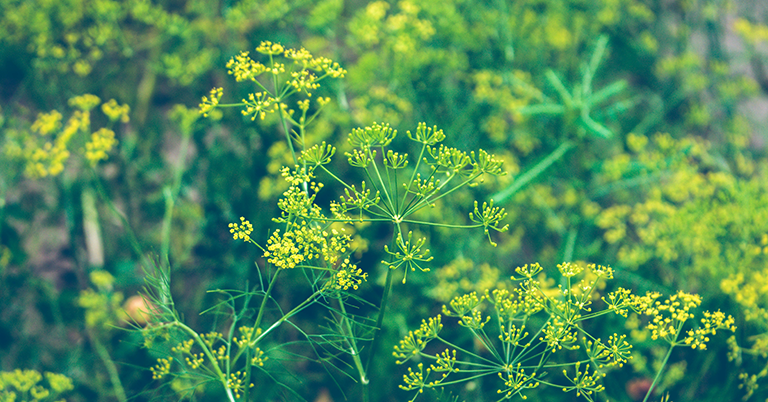
Dill, native to Europe and Western Asia, is a charming annual herb that adds a delicate, feathery texture and a unique flavor to the garden. Its airy, lacy foliage and small, yellowish flowers create an attractive display that pairs well with vegetables like cucumbers and tomatoes. I love how dill’s rapid growth and non-invasive nature make it a perfect companion for side-by-side planting, where it can attract beneficial insects such as ladybugs and parasitic wasps that help control pests! Dill’s natural, herbaceous aroma also enhances the overall sensory experience of your garden, adding both flavor and beauty to your outdoor space.
In addition to its culinary benefits, dill plays a significant role in fostering a balanced microhabitat. Its delicate blooms provide an inviting landing platform for pollinators, ensuring that nearby plants receive optimal natural fertilization. The light, feathery structure of dill creates a natural mulch that helps maintain soil moisture and deter weeds. With minimal care and plenty of light, dill is a wonderful addition to any companion planting scheme, enriching your garden with its vibrant presence and subtle, uplifting aroma.