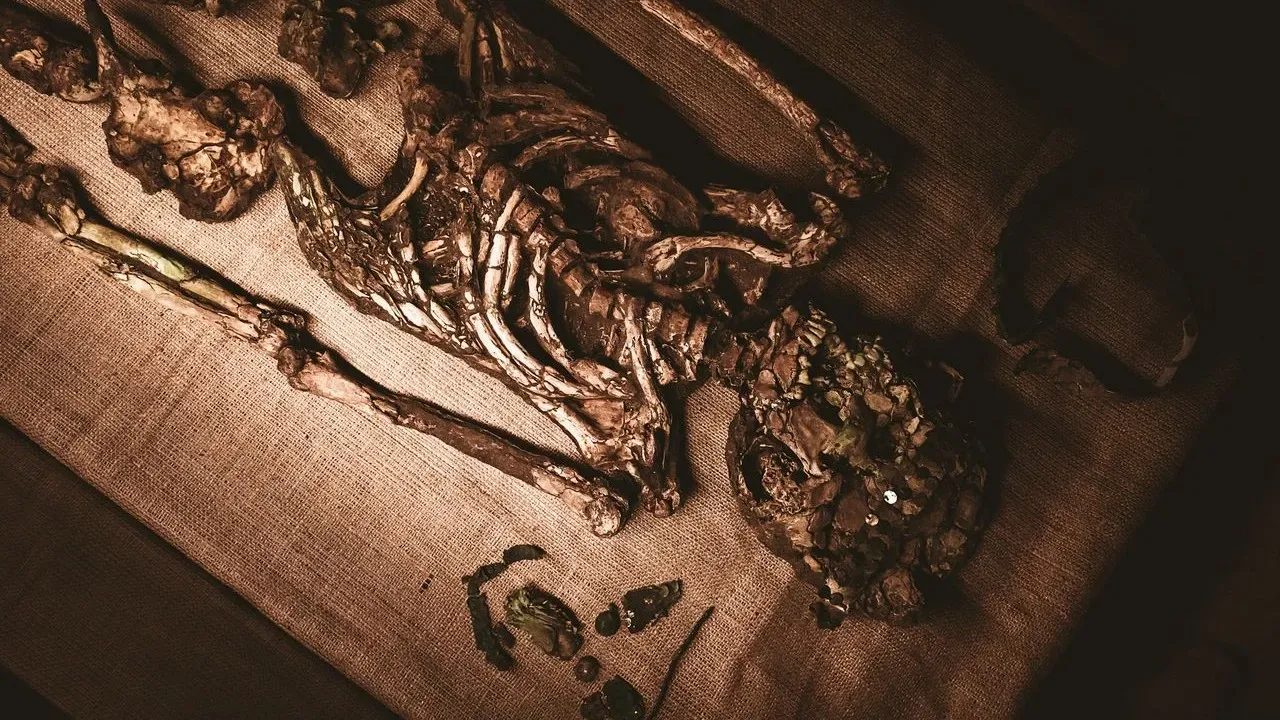

The remains of a newborn from roughly two centuries ago were uncovered in a crypt, with preservation so intact that researchers describe the find as exceptionally rare. This level of survival over such a long span stands out against the typical decay expected in most burial settings. The discovery has prompted closer study of the conditions that allowed the body to endure.
Unexpected Survival Over Two Centuries
Burial sites from the early nineteenth century usually leave little trace of infant remains due to natural decomposition processes. In this case, the crypt environment appears to have created a protective setting that limited exposure to moisture, air, and biological activity. Such outcomes remain uncommon even among well-documented historical interments. The find underscores how specific microclimates within older structures can occasionally halt the breakdown of organic material. Researchers note that infant remains are particularly vulnerable because of their smaller size and less developed bone structure. The current example therefore offers a narrow window into preservation factors that rarely align.
Why the Condition Matters to Science
Dr. Nataša Šarkić told Newsweek the “remarkable preservation is what makes the discovery so unusual and scientifically important.” This assessment points to opportunities for examining tissue or skeletal details that are seldom available from that era. Analysis could clarify aspects of infant health, nutrition, or early medical practices during the period. Still, experts caution that one specimen provides limited data. Broader conclusions require additional comparable finds or supporting records from the same time and region. The current case serves mainly as a prompt for refined methods in future crypt or vault investigations.
Questions That Remain Open
Details such as the precise location of the crypt and the exact cause of death have not been widely released. Without those elements, interpretations stay provisional. Ongoing work may eventually place the remains within a clearer historical context. The discovery also raises interest in how similar sites elsewhere might hold comparable material. Systematic surveys of historic crypts could increase the chances of locating other well-preserved examples. At present, the case stands as an isolated but instructive instance of long-term survival.
AI Disclaimer: This article was created with the assistance of AI tools and reviewed by a human editor.