
Gardening in partial shade can be a delightful challenge—one that transforms even the less-sunny corners of your yard into thriving, nutritious oases. As a dedicated gardener who’s experienced the frustrations of battling pests in shady spots and the disappointment of low yields, I know how encouraging it is to discover vegetables that flourish without full sun. Over the years, I’ve learned that many super-productive crops not only tolerate partial shade but also attract beneficial insects and create microhabitats for nature’s little helpers, making your garden both bountiful and ecologically balanced!
In this article, I’m excited to share 20 vegetables that thrive in partial shade, each with its own unique story of native origins, growth habits, and practical tips to avoid invasiveness. From tender leafy greens to hearty root crops and even a few brassicas, these plants have been my reliable allies in creating a lush garden that delivers delicious produce—even when the sun is scarce!
Lettuce
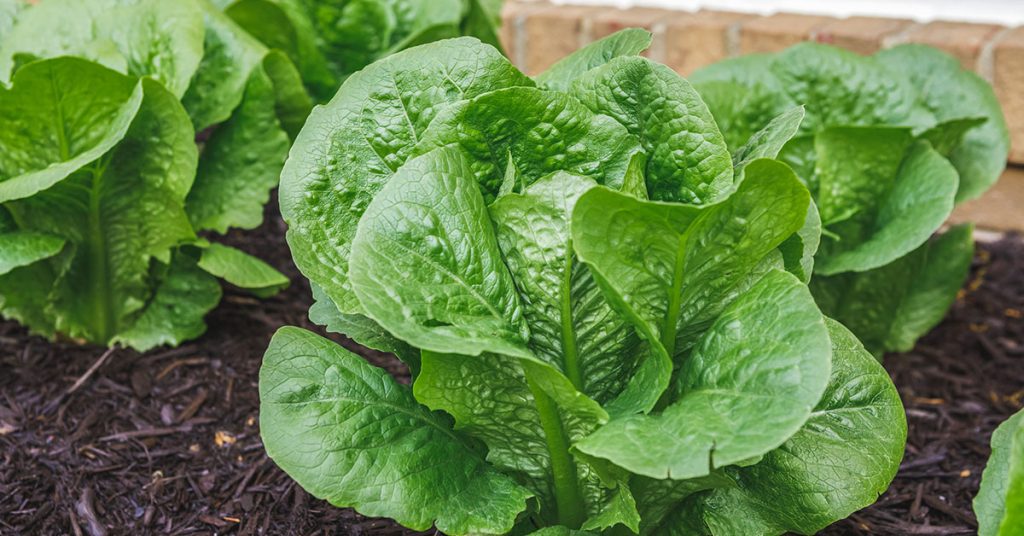
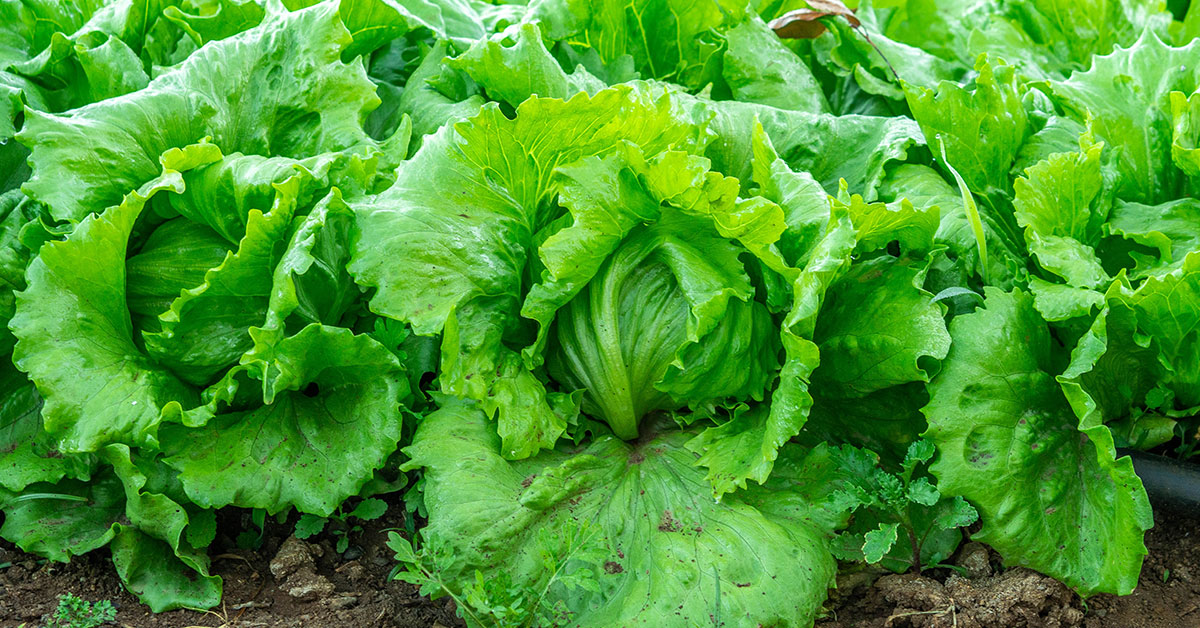
Lettuce is a quintessential leafy green that flourishes in partial shade, making it an ideal choice for gardeners struggling with limited sunlight. Native to the Mediterranean region, this cool-weather vegetable has been cultivated for thousands of years and comes in an array of crisp, colorful varieties. In my garden, lettuce not only provides fresh, crunchy leaves for salads but also attracts a variety of beneficial insects like tiny bees and hoverflies that help pollinate surrounding plants. Its gentle growth habit makes it perfect for container gardens or intercropping with taller plants.
Despite its delicate appearance, lettuce is non-invasive and can be easily managed with regular watering and light fertilization. Its rapid growth means you can enjoy multiple harvests throughout the season, even in partly shaded areas. Every time I harvest a crisp head of lettuce, it’s a reminder that even modest light can yield abundant freshness and a delightful garden experience!
Spinach
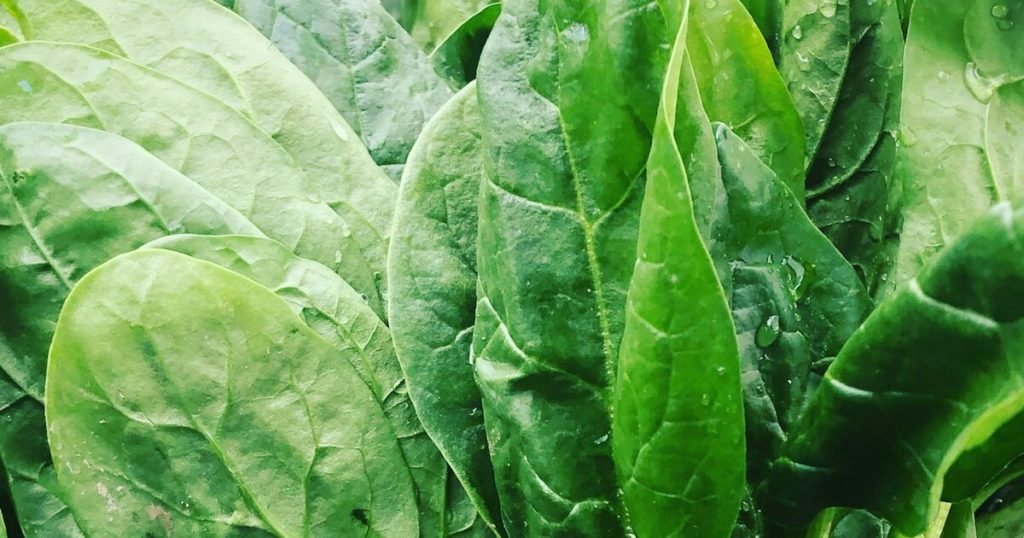
Spinach thrives in partial shade, especially during warmer months when full sun can sometimes cause it to bolt. Native to Persia, this super green is prized for its high iron and vitamin content and its tender, slightly sweet leaves. In my garden, spinach is a magnet for beneficial insects such as small bees and aphids’ natural predators, which help maintain a balanced ecosystem. Its cool-weather nature means it can often be planted in spots where sunlight is filtered, ensuring a steady crop of nutrient-rich leaves.
Thanks to its non-invasive habit and quick growth, spinach is an excellent choice for beginners who want an easy-to-grow superfood. With just the right amount of moisture and some organic compost mixed into the soil, spinach yields bountiful harvests that can be enjoyed fresh or used in smoothies, salads, and sautés. Every time I scoop up a handful of spinach, I’m reminded that even in partial shade, nature can provide a robust, healthful bounty!
Arugula
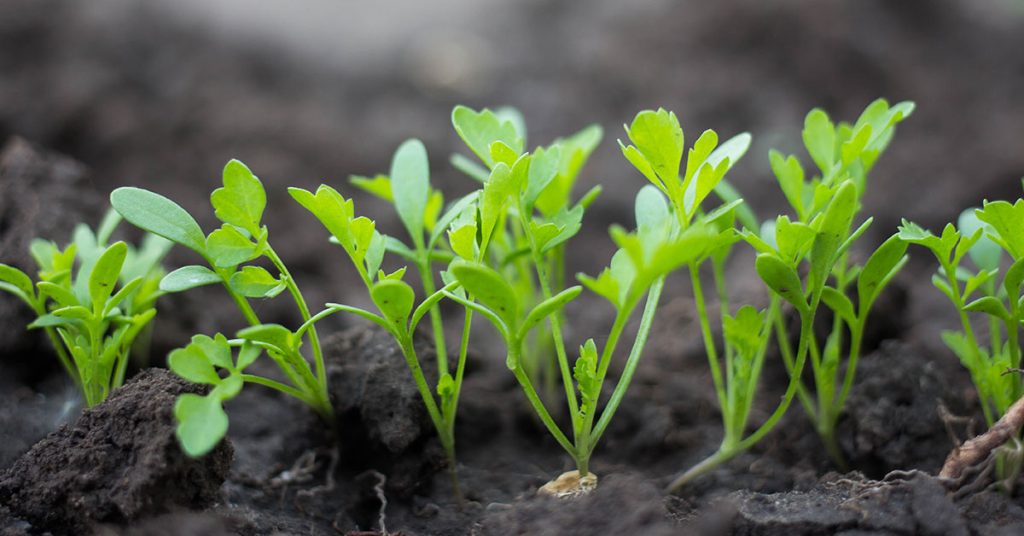
Arugula is a zesty, peppery green that performs exceptionally well in partial shade, making it a favorite for gardeners who want a quick, flavorful harvest. Native to the Mediterranean, this leafy vegetable is not only nutritious but also incredibly attractive to beneficial insects such as bees and small butterflies that help with pollination. I love how arugula’s frilly, dark green leaves create a striking contrast against lighter garden backdrops, adding both visual appeal and a spicy kick to my salads.
Its non-invasive nature means arugula won’t overrun your garden, even when planted in containers or raised beds with limited sunlight. With minimal care beyond regular watering and occasional thinning, arugula provides a continuous harvest throughout the cooler months. Every time I pluck a fresh leaf, it’s a burst of flavor and a vibrant reminder that even partial sunlight can yield exciting, nutritious results!
Kale
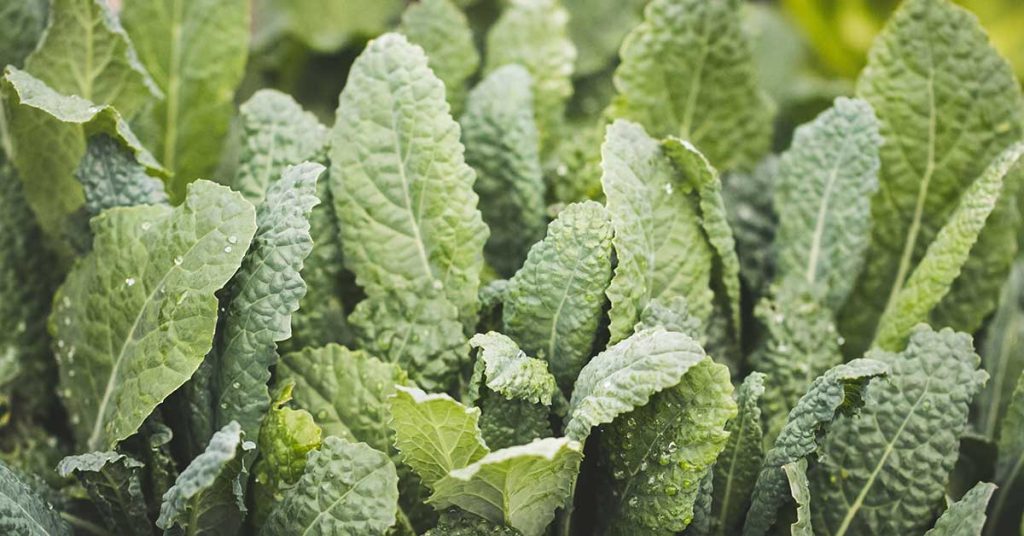
Kale is a powerhouse leafy green that adapts beautifully to partial shade, offering a nutrient-dense harvest even when sunlight is limited. Native to the Eastern Mediterranean, kale has become a staple in gardens around the world due to its robust nature and impressive vitamin content. In my garden, kale’s hearty, ruffled leaves attract bees and other beneficial insects, which help maintain a healthy growing environment and even occasionally serve as perching spots for small birds.
This versatile vegetable is remarkably non-invasive, thriving in both container gardens and traditional beds without overwhelming the space. With regular watering and a bit of organic matter in the soil, kale provides a continuous supply of nutritious leaves that can be used in salads, soups, or smoothies. Every time I harvest a bundle of kale, I feel the rewarding satisfaction of nurturing a superfood that thrives, even in the gentler light of partial shade!
Swiss Chard
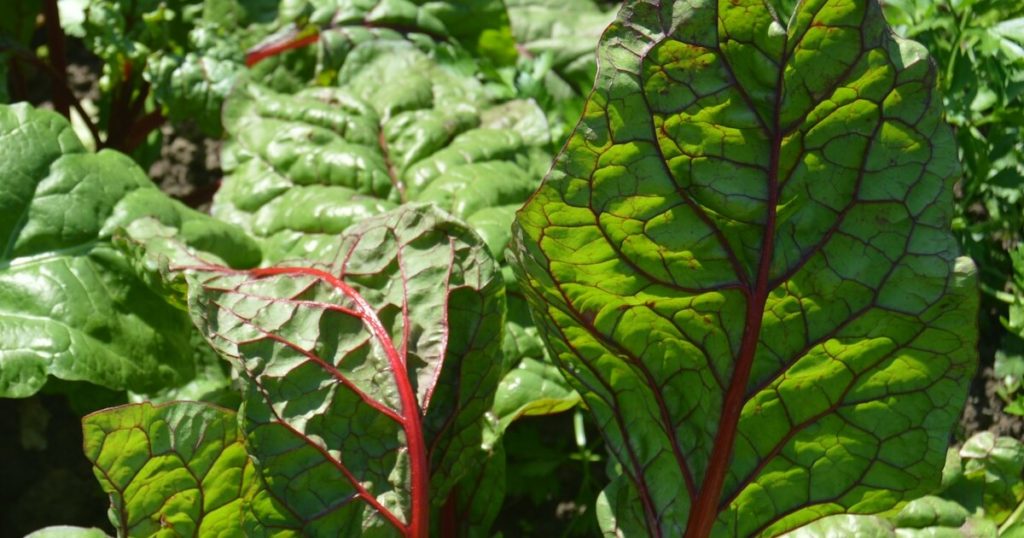
Swiss Chard is a colorful, nutrient-packed vegetable that loves partial shade, adding both visual vibrancy and health benefits to your garden. Native to the Mediterranean region, Swiss Chard is renowned for its glossy, multi-colored stems and tender leaves that attract a host of beneficial insects—bees and butterflies often frequent its delicate blossoms. In my own garden, Swiss Chard is a constant source of inspiration, its rainbow hues brightening even the shadier corners of my outdoor space.
This leafy green is wonderfully non-invasive, making it a perfect choice for gardeners with limited space. With minimal care, just regular watering and occasional feeding, Swiss Chard produces continuous, bountiful harvests throughout the growing season. Every time I see its vibrant leaves unfurl, I’m reminded that even in partial shade, nature can create a feast for both the eyes and the body!
Mustard Greens
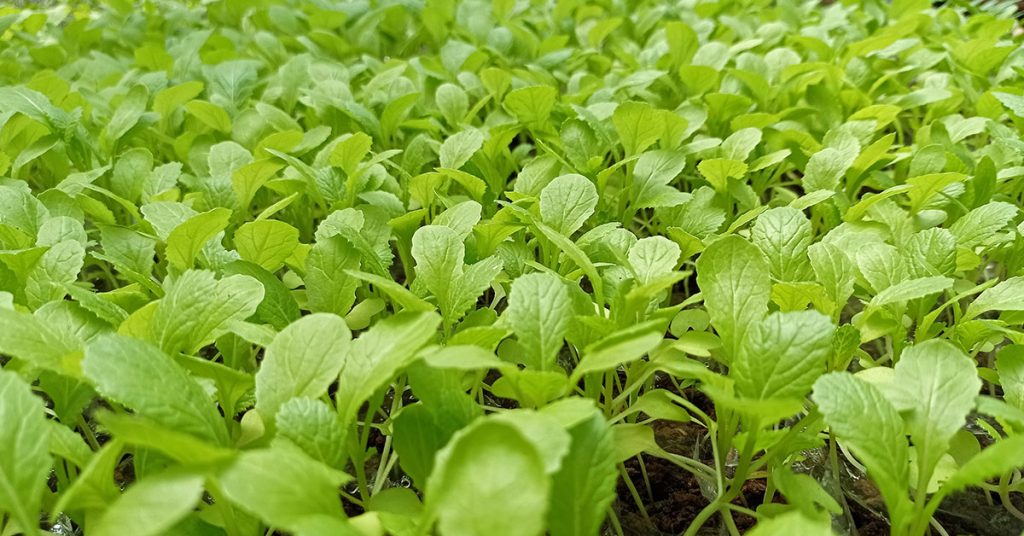
Mustard Greens are a spicy, fast-growing superfood that thrive in partial shade, making them ideal for cooler garden areas. Native to regions in Europe and Asia, these zesty greens pack a punch of flavor and nutrition while attracting beneficial insects such as small bees and ladybugs that help manage garden pests. In my garden, Mustard Greens add a dynamic element to mixed borders, their bold taste and vibrant color complementing other shade-loving vegetables perfectly.
Their non-invasive growth habit ensures that they remain contained even when interplanted with other crops, making them an excellent choice for beginners. With regular watering and a bit of organic compost, mustard greens yield a steady harvest that can be enjoyed in salads, stir-fries, or as a nutritious garnish. Every time I taste their peppery bite, I’m filled with the joy of knowing that even a little shade can yield a powerhouse of flavor and vitality!
Bok Choy
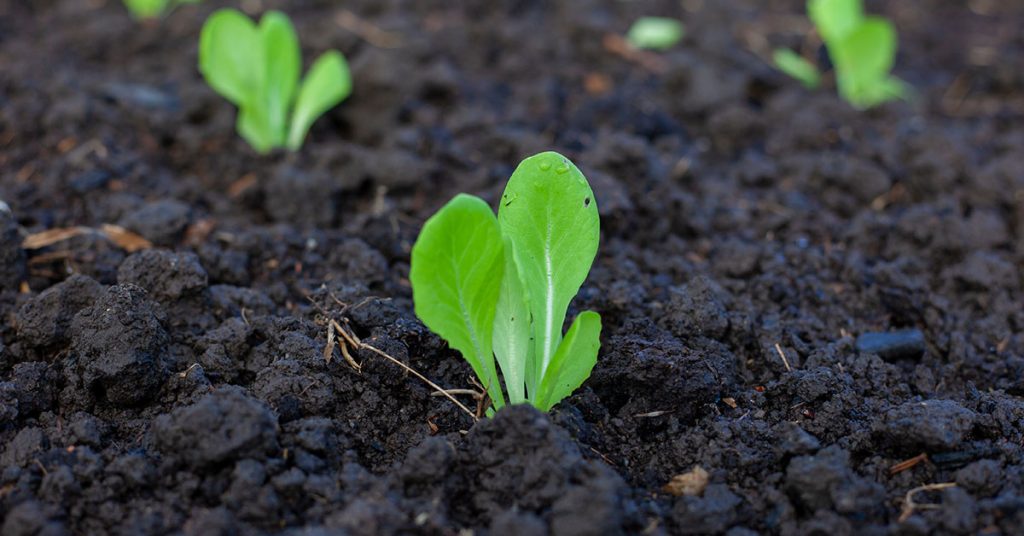
Bok Choy is a versatile, Asian leafy green that thrives in partial shade, offering a crisp, succulent texture that is both delicious and highly nutritious. Native to China, Bok Choy has been cultivated for centuries and is cherished for its mild, yet distinct flavor and its ability to attract a variety of beneficial insects that contribute to garden health. In my own garden, Bok Choy creates a cool, refreshing contrast among warmer vegetables and adds a touch of exotic charm that is perfect for the cottage garden aesthetic.
Its non-invasive nature and rapid growth make Bok Choy an ideal candidate for container gardens or small plots with limited sunlight. With just regular watering and the occasional feeding, this superfood provides multiple harvests throughout the growing season, ensuring that your kitchen is always stocked with fresh, crisp greens. Every time I harvest Bok Choy, I’m reminded that even partial shade can nurture a garden of diverse, flavorful bounty!
Broccoli
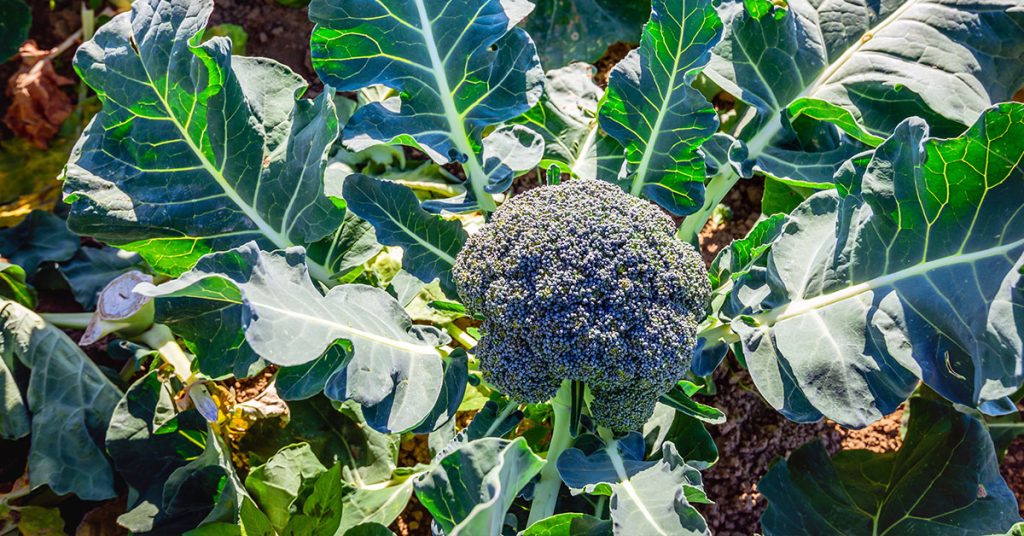
Broccoli is a nutrient-dense vegetable that can adapt to partial shade, making it a surprising yet rewarding choice for cooler or less sunny areas. Native to the Mediterranean region, broccoli has been cultivated for centuries and is valued for its high vitamin content and antioxidant properties. In my garden, broccoli’s dense, tree-like heads attract bees and other pollinators, while its sturdy structure sometimes offers refuge for small, beneficial insects seeking shelter from the heat.
Although broccoli typically prefers full sun, many varieties perform well in partial shade, particularly in warmer climates where some respite from direct sunlight prevents premature bolting. With careful spacing and regular watering, broccoli remains non-invasive and produces a consistent harvest that enriches both your meals and your garden’s ecosystem. Every time I see a healthy head of broccoli, it’s a reminder that even in shaded conditions, nature’s bounty can be both abundant and nutritious!
Cauliflower
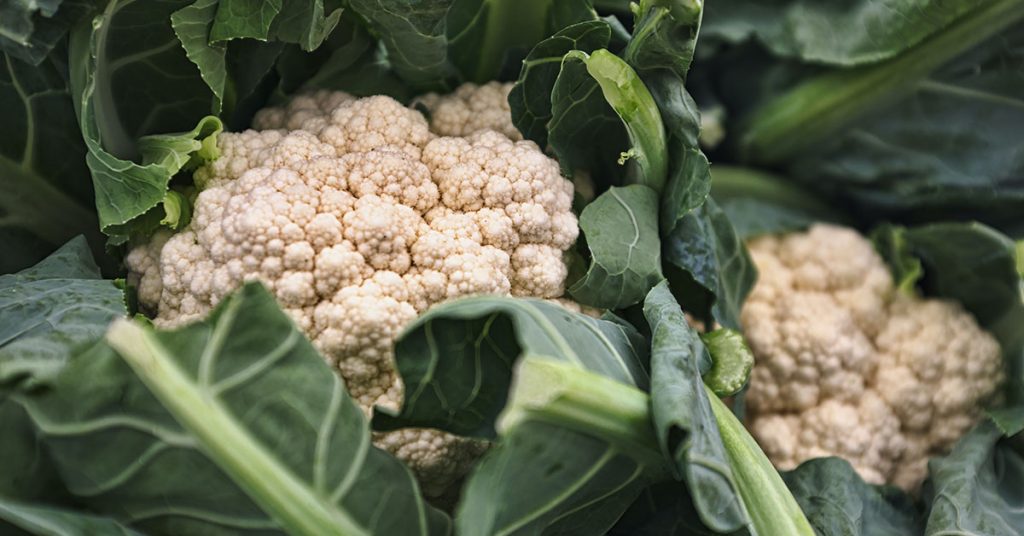
Cauliflower, a close relative of broccoli, is a cool-weather vegetable that can thrive in partial shade, offering a unique, milky head packed with vitamins and minerals. Native to the Mediterranean, cauliflower has been a favored crop in many gardens due to its versatility and subtle, nutty flavor. I enjoy watching its gentle white curds form under the filtered light, while its delicate flowers attract a small yet steady stream of pollinators, contributing to a balanced garden ecosystem.
When grown in partial shade, cauliflower tends to develop more slowly, which can actually enhance its flavor and texture. This vegetable is non-invasive and performs well in cooler, less sun-drenched areas, making it perfect for gardeners who face seasonal heat challenges. Every time I harvest a beautifully formed head of cauliflower, it’s a satisfying reminder that even in the gentler glow of partial shade, your garden can yield crops that are both delicious and nutritious!
Collard Greens
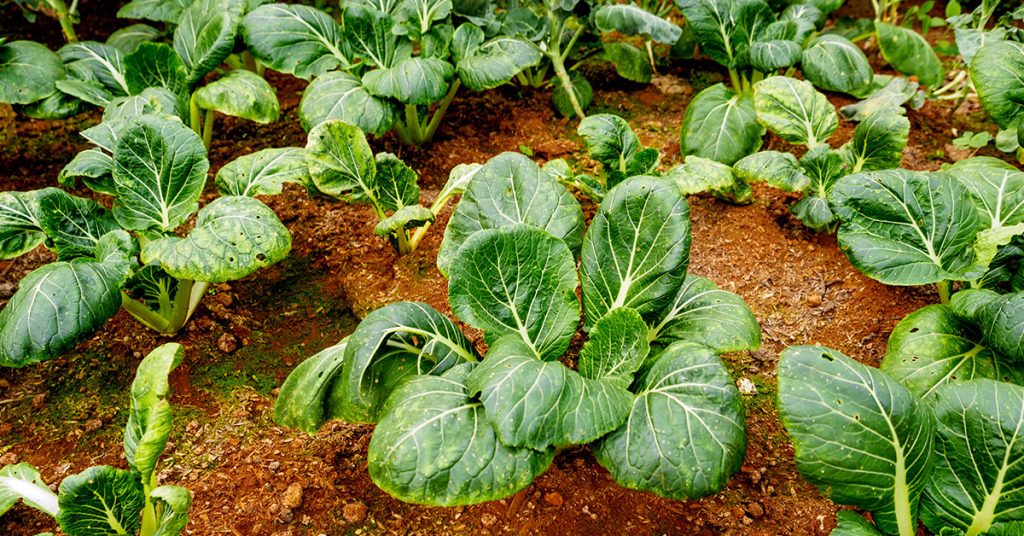
Collard Greens are a robust, nutritious leafy vegetable that adapt well to partial shade, making them a dependable superfood for any garden. Native to the Eastern Mediterranean and now popular throughout the American South, collards are prized for their high fiber and vitamin content. In my garden, collard greens form a lush, dark canopy that attracts beneficial insects like beetles and small bees, which help maintain a balanced ecosystem and occasionally perch on their sturdy leaves.
Their slow, steady growth and non-invasive nature mean that collard greens can be interplanted with other crops without worry, making them ideal for smaller gardens or container setups. With a bit of regular watering and rich, organic soil, these greens provide a continuous harvest that enhances both your culinary creations and your overall health. Every time I savor a fresh bunch of collards, I’m reminded that even in partial shade, resilient and nutritious vegetables can flourish with minimal fuss!
Cabbage
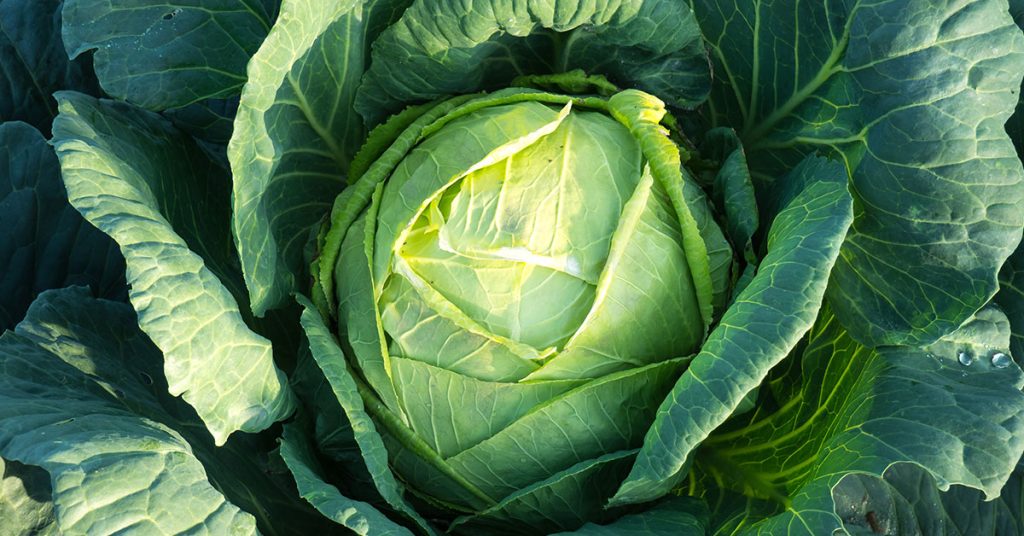
Cabbage is a classic cool-weather vegetable that can thrive in partial shade, providing crisp, layered heads that are both versatile and highly nutritious. Native to Europe, cabbage has been cultivated for centuries and is celebrated for its high vitamin content and fiber-rich leaves. In my garden, I love watching cabbage heads form slowly under filtered sunlight, while their broad leaves occasionally attract beneficial insects like ladybugs, which help keep common pests in check.
Despite its sizable appearance, cabbage remains non-invasive when given adequate space and proper care. It is particularly well-suited for partial shade in warmer climates, where too much sun can cause bolting or premature leaf drop. Every time I harvest a firm, well-formed cabbage, it’s a gratifying reminder that even in less-than-ideal light, nature provides hearty, flavorful produce that elevates every meal!
Peas

Peas, particularly snap and snow peas, are a delightful addition to a partially shaded garden, thriving even in cooler, less sun-drenched conditions. Native to the temperate regions of Europe and Asia, these climbing vegetables are known for their sweet, crisp pods and their ability to attract a flurry of beneficial insects, such as small bees and hoverflies, that aid in pollination. In my garden, peas climb gracefully along trellises, creating a charming, vertical display that adds both beauty and productivity.
Their non-invasive growth habit and relatively low maintenance make peas a perfect candidate for beginners. With regular watering and a little support, these vegetables provide a continuous, delicious harvest throughout the growing season. Every time I snap a fresh pod, I’m reminded that even in partial shade, nature’s bounty can be both abundant and heartwarming—a true testament to the resilience of the garden!
Radishes

Radishes are a quick-growing root vegetable that flourish in partial shade, offering a crisp, peppery crunch that’s both refreshing and nutritious. Native to parts of Asia and the Mediterranean, radishes have been a staple in gardens for centuries due to their rapid maturity and low-maintenance nature. I enjoy how their bright red or white roots emerge in just a few weeks, while their delicate blossoms attract bees and other small pollinators, which contribute to a lively, balanced garden ecosystem.
Their compact, non-invasive habit makes radishes ideal for interplanting with other vegetables in small spaces. With consistent watering and proper soil preparation, radishes provide an almost instant harvest that delights both the palate and the eye. Every time I pull a radish from the ground, it’s a small celebration of nature’s efficiency—a reminder that even in partial shade, quick and tasty rewards await!
Carrots

Carrots are a nutritious root vegetable that can perform surprisingly well in partial shade, particularly in warmer climates where too much sun might cause them to become overly fibrous. Native to regions spanning from Central Asia to Europe, carrots have been cultivated for centuries and are renowned for their sweet, earthy flavor. In my garden, I find that partial shade helps maintain a tender texture in carrots while attracting beneficial soil organisms that contribute to a healthy growing environment.
Their non-invasive nature and relatively compact growth make carrots an excellent choice for small garden beds or container setups. With a bit of consistent moisture and well-tilled, loose soil, carrots produce an abundant harvest that is as delightful to dig up as it is to eat. Every time I enjoy a crisp, freshly harvested carrot, it’s a reminder that even in the gentle glow of partial shade, nature’s treasures are ripe for the picking!
Beets
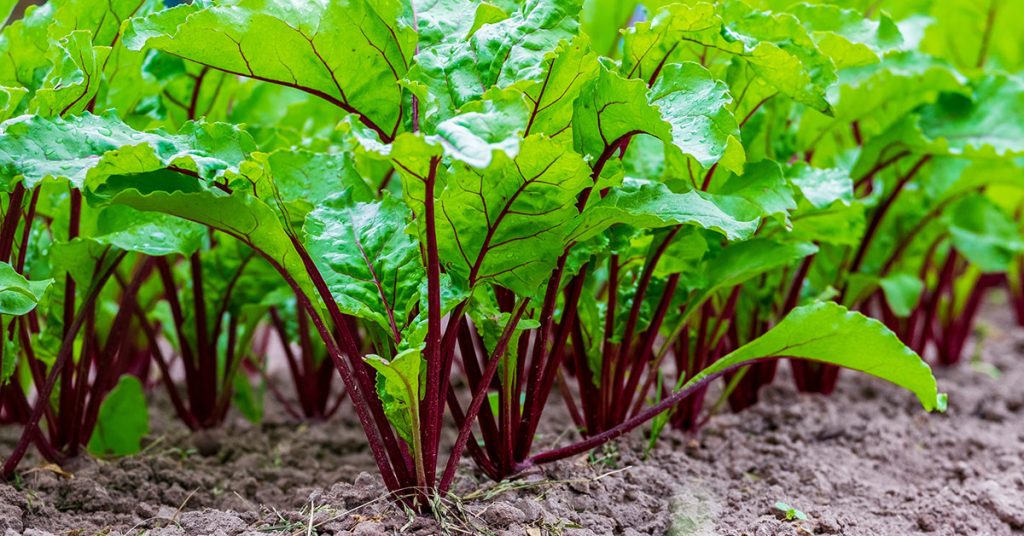
Beets are a versatile root vegetable that thrive in partial shade, delivering both sweet, earthy roots and nutrient-rich greens that are a superfood delight. Native to the Mediterranean region, beets have been grown for centuries and are known for their deep, ruby-red hue and subtle, pleasant flavor. In my garden, beets are a joy to watch as they slowly push through the soil, attracting beneficial insects that help aerate the ground and occasionally serve as a feast for small, harmless critters.
Their non-invasive growth habit means that beets can be planted in tighter spaces without overwhelming your garden layout. With proper watering and rich, well-drained soil, these humble roots produce a continuous, bountiful harvest that is both visually striking and deliciously nutritious. Every time I pull up a batch of beets, I’m reminded that even in partial shade, the garden has an abundance of hidden treasures waiting to be discovered!
Turnips
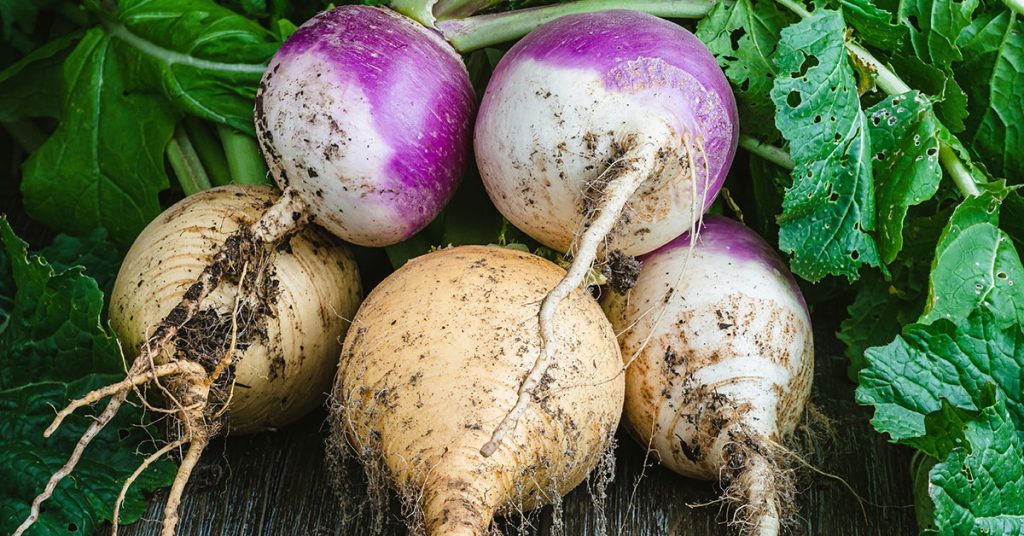
Turnips are a hardy, nutrient-dense root vegetable that adapt well to partial shade, offering both tender greens and crisp, earthy roots. Native to Europe and parts of Asia, turnips have been a garden staple for centuries and are celebrated for their versatility in both raw and cooked dishes. In my garden, turnips add a rustic charm, attracting small pollinators to their modest white or purple blossoms while providing a steady, reliable crop for hearty stews and salads.
Their compact, non-invasive growth means that turnips can be interplanted with other shade-tolerant vegetables without fear of overcrowding. With regular care and consistent moisture, turnips flourish even in less-than-ideal light, offering a continual harvest that nourishes both body and spirit. Every time I see a well-formed turnip emerging from the soil, it’s a small victory—a sign that even the gentlest of light can yield robust, earthy delights!
Green Onions
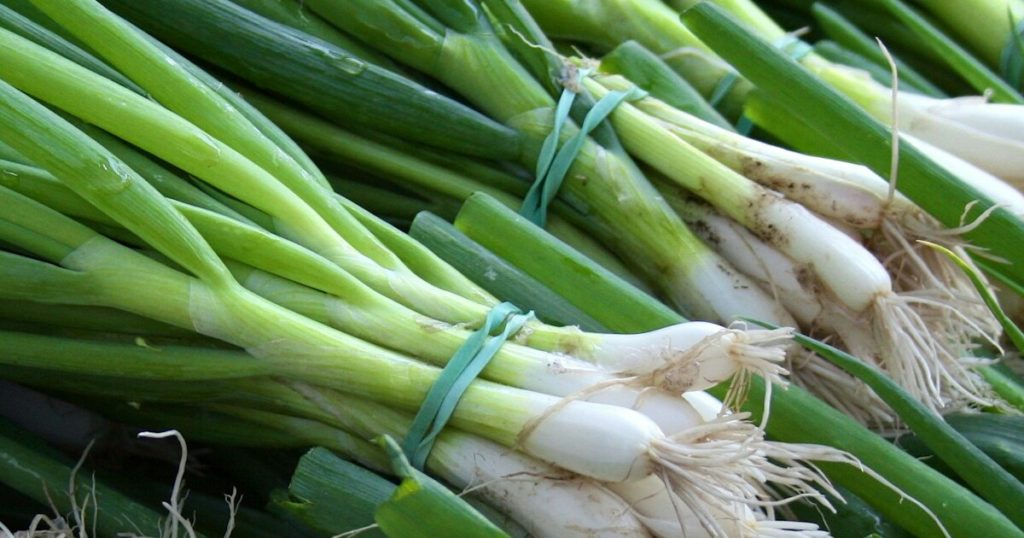
Green Onions, or scallions, are an easy-to-grow vegetable that perform admirably in partial shade, offering a mild, fresh flavor that enhances countless dishes. Native to Central Asia, these slender, versatile greens attract a variety of beneficial insects, including small bees and hoverflies, that contribute to a balanced garden ecosystem. In my garden, I love how green onions sprout quickly and remain non-invasive, making them perfect for container gardening or intercropping with other shade-loving crops.
Their minimal maintenance and rapid growth mean you can enjoy a continuous harvest throughout the season. With just a bit of regular watering and organic matter in the soil, green onions provide a steady supply of crisp, flavorful shoots that brighten your culinary creations and your garden alike. Every time I snip a few green onions for a fresh salad, it feels like a tiny celebration of nature’s simplicity and resilience in partial shade!
Edamame
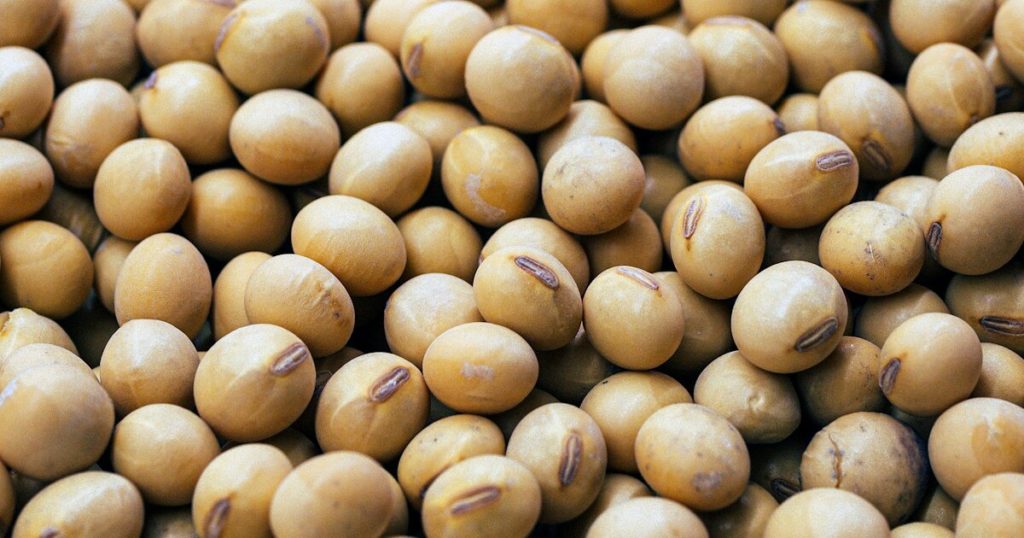
Edamame, the young green soybeans, are a protein-rich vegetable that surprisingly tolerate partial shade, making them a fun addition to a less-sunny garden. Native to East Asia, these compact plants produce clusters of tender pods that attract bees and small butterflies, contributing to a lively garden atmosphere. In my garden, edamame not only add a vibrant touch of green but also serve as a delicious superfood that can be enjoyed fresh or steamed—a versatile snack that nourishes both body and soul.
Their non-invasive growth makes edamame suitable for container gardens and small plots where space is at a premium. With consistent care, including regular watering and rich soil, these plants yield a generous harvest of protein-packed beans that are perfect for salads, stir-fries, or just a healthy snack. Every time I harvest edamame, I’m reminded that even in partial shade, innovative superfoods can thrive, offering a sustainable and satisfying source of nourishment!
Potatoes
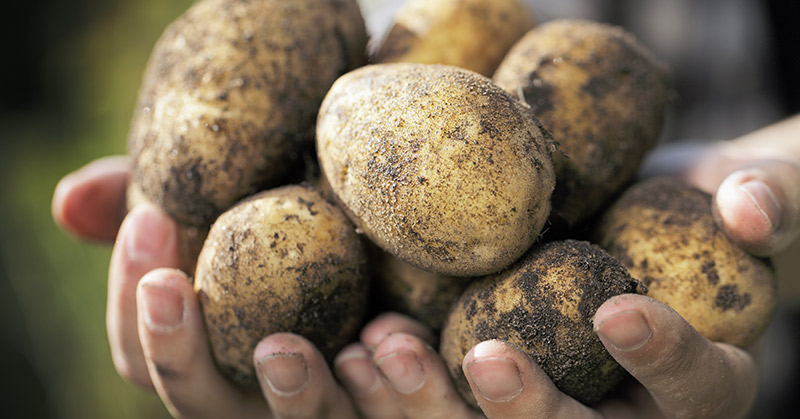
Potatoes are a hearty, versatile vegetable that can thrive in partial shade, especially in regions where too much sun can lead to wilting or scorching. Native to the Andean regions of South America, potatoes have been a staple food for centuries and are prized for their adaptability and high nutritional content. In my garden, I love how potatoes form underground, creating a hidden treasure trove that attracts beneficial soil organisms and even small, foraging critters that help aerate the earth as they search for morsels.
Their non-invasive nature makes them an excellent choice for container gardening or designated garden beds where their sprawling vines can be managed with minimal effort. With regular watering and loose, well-drained soil, potatoes produce a rewarding harvest that is both delicious and satisfying. Every time I dig up a batch of potatoes, it’s a gratifying moment—a tangible reminder that even in the gentle light of partial shade, nature’s bounty is both abundant and humble!
Celery

Celery is a crisp, nutritious vegetable that surprisingly adapts well to partial shade, providing a refreshing crunch and a subtle, aromatic flavor that enhances any dish. Native to the Mediterranean, celery thrives in cooler conditions, making it ideal for gardens that receive filtered sunlight rather than intense, direct rays. In my garden, I enjoy how celery’s long, fibrous stalks attract small beneficial insects that contribute to a balanced ecosystem, sometimes even offering nesting spots for tiny critters that find refuge in its dense foliage.
Its controlled, non-invasive growth makes celery an excellent candidate for container gardens and small plots, where it can be cultivated alongside other shade-tolerant crops. With careful watering and regular feeding, celery produces a continuous harvest that adds both nutrition and a touch of elegance to your table. Every time I crunch into a fresh stalk of celery, I’m reminded that even in partial shade, every garden can yield a rich tapestry of flavors and textures that nourish both body and spirit!