

There’s nothing more enchanting than a garden that seems plucked straight from a storybook—a rustic haven where wild, natural blooms create a warm, cottagecore atmosphere. As a passionate gardener who’s weathered both delightful surprises and frustrating setbacks (I know how disheartening it is when pests overrun your favorite patch!), I’ve spent countless seasons curating a collection of flowers that not only captivate the eye but also evoke a sense of nostalgia and simple rural charm. In my own garden, I’ve discovered that the right mix of native treasures and timeless classics can transform any outdoor space into a serene retreat reminiscent of a bygone era.
Each flower in this collection has been handpicked for its rugged beauty, unique behavior, and the way it naturally attracts pollinators and small creatures that might even nest among its branches. From the sun-drenched meadows of North America to the windswept fields of Europe and Asia, these 20 rustic blooms bring their own stories and heritage to the table—without overwhelming your garden with invasive growth.
Poppy
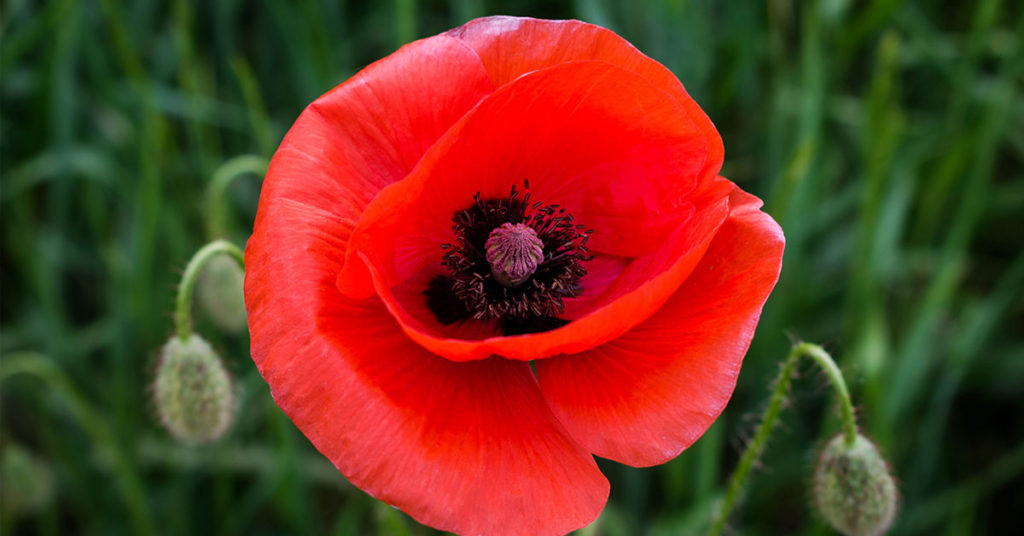
Poppies, with their vivid, crinkled petals and delicate, papery texture, evoke the spirit of rustic meadows and open fields. Native to the Mediterranean and widely naturalized across Europe and North America, these annuals add a burst of passionate red or soft orange to any garden bed. I’m continually charmed by how Poppies attract a lively array of bees and butterflies, turning each blossom into a mini sanctuary where nature’s tiny workers buzz about, gathering nectar and even finding safe spots for a brief rest.
Despite their wild, free-spirited appearance, Poppies are surprisingly non-invasive when properly maintained in well-drained soil and ample sunlight. Their ephemeral nature and self-seeding habit ensure a continuous, if unpredictable, display of color every season without overtaking the landscape. Every time I see a field of Poppies swaying gently in the breeze, it reminds me of carefree summer days and the rustic simplicity that makes cottagecore gardening so utterly irresistible!
Wild Bergamot

Wild Bergamot, or Monarda fistulosa, is a native North American wildflower that brings a burst of rustic charm and a spicy, herbal fragrance to the garden. Its clusters of lavender to pink blossoms not only dazzle with their vibrant hues but also attract a host of beneficial pollinators—bees, butterflies, and even hummingbirds are drawn to its nectar-rich flowers, which sometimes double as nesting spots for tiny insects. I find that Wild Bergamot transforms any garden space into a living, breathing mosaic of color and life.
This resilient plant is non-invasive and thrives in sunny, well-drained areas, making it perfect for a cottagecore garden where simplicity and beauty go hand in hand. Its natural, untamed habit and continuous blooming period ensure that your garden remains a dynamic haven throughout the season. Every time I wander past a patch of Wild Bergamot, I’m filled with the kind of rustic joy that only nature can inspire—a true celebration of wild, unspoiled beauty!
Foxglove
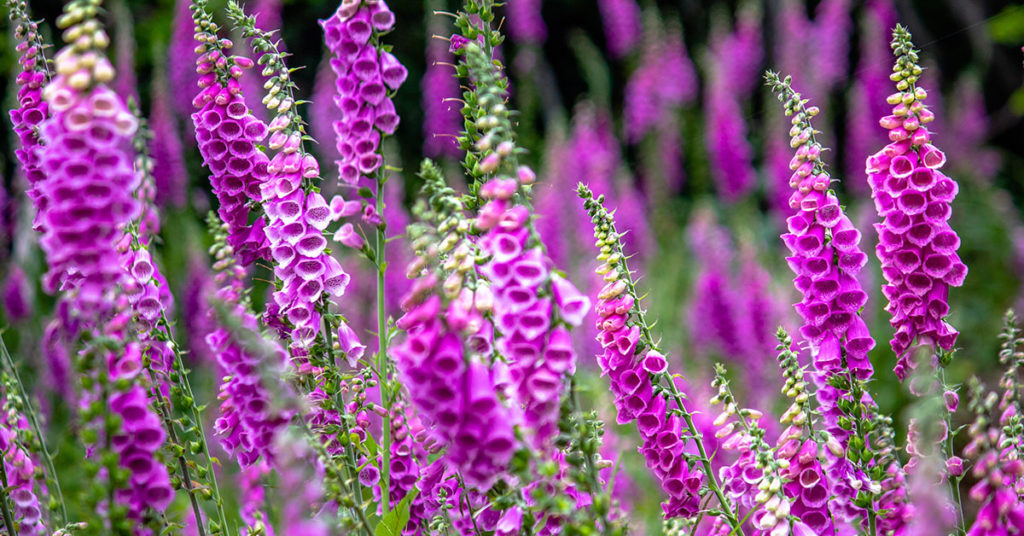
Foxglove (Digitalis purpurea) is a stately annual that lends an air of fairy-tale magic to any cottage garden with its tall spikes of tubular, bell-shaped blooms. Native to Europe, this flower is celebrated for its striking, pastel shades and gentle fragrance that not only attracts bees but also provides a discreet perch for small, beneficial insects. In my garden, Foxglove is like a living piece of art, effortlessly adding vertical interest and a touch of mystique to shaded corners.
Though its appearance is almost ethereal, Foxglove remains non-invasive when grown in well-prepared soil with partial shade, ensuring that it fits perfectly into a rustic setting without overwhelming other plants. Its graceful, drooping flowers often create a natural, cascading effect that enhances the cottagecore vibe, while also serving as a gentle reminder of nature’s fragile beauty. Every time I see Foxglove swaying in the breeze, it’s as if the garden whispers timeless secrets of romance and wild wonder!
Lavender

Lavender (Lavandula angustifolia) is the quintessential cottagecore flower, celebrated for its silvery-green foliage and aromatic spikes of purple blooms that instantly soothe the senses. Native to the Mediterranean, this perennial not only exudes a calming, herbaceous fragrance but also attracts bees and butterflies—making it a darling in my garden for both its beauty and its practicality. I love how its robust, non-invasive nature makes it perfect for borders, rock gardens, or even container plantings in a rustic setting.
Its versatility and drought tolerance mean that once established, Lavender requires minimal maintenance while providing continuous sensory delight. The gentle hum of pollinators around a lavender patch always fills me with a sense of peace, as if time slows down in the presence of its soft, perfumed charm. Every time I pass by my Lavender beds, I’m reminded that true beauty lies in simplicity and that nature’s fragrance can be the ultimate remedy for a hectic world!
Oxeye Daisy
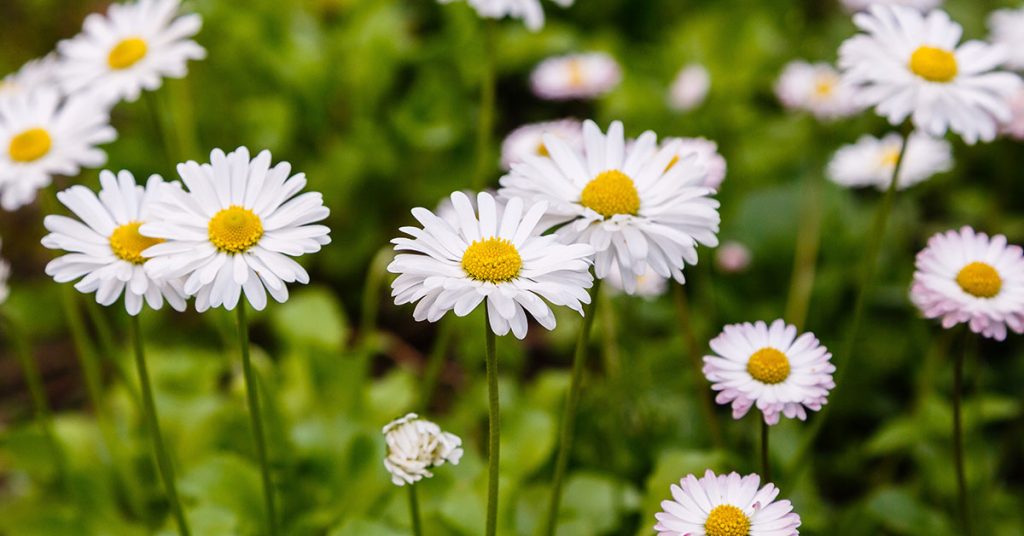
Oxeye Daisy (Leucanthemum vulgare) is a classic wildflower that brings a fresh, bucolic feel to any garden with its bright white petals and sunny yellow centers. Native to Europe and naturalized in many parts of North America, these cheerful blooms are a staple of rustic landscapes and cottage gardens alike. I’ve always been enchanted by how Oxeye Daisies seem to spread effortlessly, creating a natural, meadow-like carpet that attracts butterflies, bees, and even small birds seeking shelter among their sturdy stems.
Their non-invasive nature and ease of growth make Oxeye Daisies an ideal choice for filling in gaps in your garden, adding a touch of pastoral charm without overwhelming the space. With minimal care beyond occasional watering and deadheading, these daisies reward you with a continuous display of simplicity and cheer that embodies the spirit of rustic beauty. Every time I see them dancing in the breeze, I feel as if I’ve stepped into a timeless, idyllic scene straight from a countryside postcard!
Black-Eyed Susan
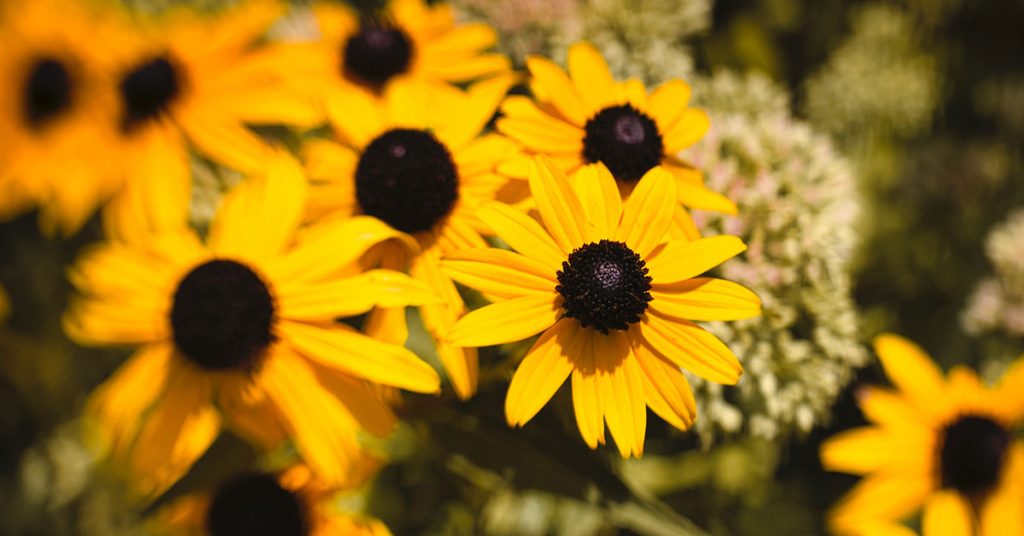
Black-Eyed Susan (Rudbeckia hirta) is a rugged, sun-loving annual that lends a burst of golden warmth and rustic charm to any cottage garden. Native to North America, these cheerful flowers are renowned for their bold, daisy-like appearance with dark, striking centers that contrast beautifully with their vibrant yellow petals. In my garden, Black-Eyed Susans serve as a natural magnet for bees and butterflies, who find both nectar and a safe landing spot amidst the robust blooms.
Despite their vigorous nature, Black-Eyed Susans remain non-invasive when given sufficient space and proper care, making them perfect for informal, wildflower-inspired plantings. Their enduring presence and minimal maintenance requirements have made them a beloved choice for gardeners seeking to capture the carefree essence of rural landscapes. Every time I catch a glimpse of these sunny blooms swaying in the wind, I’m reminded that sometimes the simplest flowers can create the most striking, heartfelt impressions!
Prairie Smoke
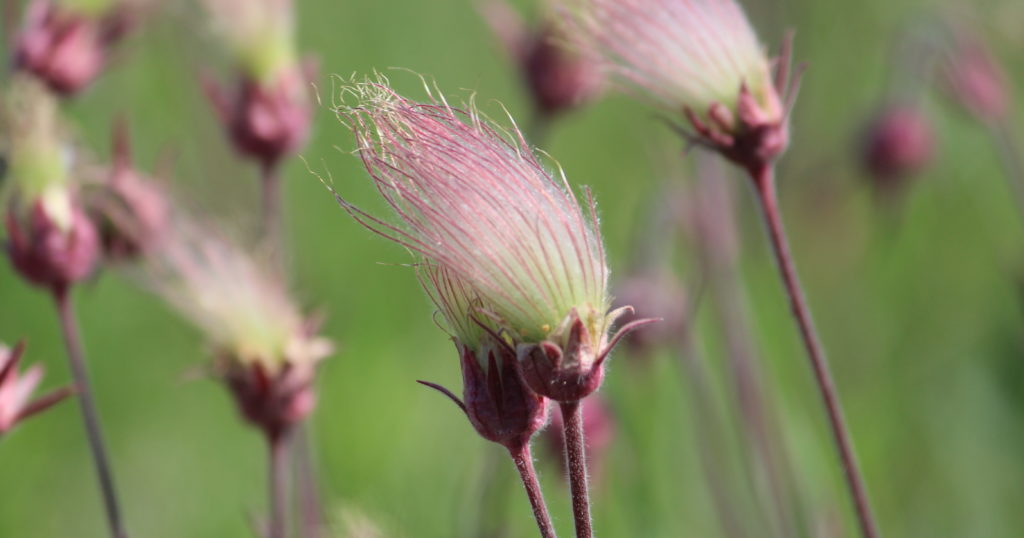
Prairie Smoke (Geum triflorum) is a unique, ethereal flower that truly embodies the rustic spirit with its wispy, smoky seed heads and soft, delicate blooms. Native to the prairies and meadows of North America, this perennial adds an unexpected, almost surreal quality to the garden, drawing in curious bees and butterflies that are enchanted by its unusual form. I love how Prairie Smoke seems to capture the fleeting beauty of a misty morning, evoking a sense of nostalgia and gentle mystery that is perfect for a cottagecore setting.
Despite its delicate appearance, Prairie Smoke is remarkably resilient and non-invasive, thriving in well-drained soil and full sun with little fuss. Its airy, translucent seed heads create a captivating contrast against the more robust plants in the garden, inviting a natural, free-spirited vibe that feels both timeless and raw. Every time I encounter Prairie Smoke, it fills me with a sense of quiet wonder—a reminder that true beauty often lies in nature’s most subtle, understated details!
Zinnia
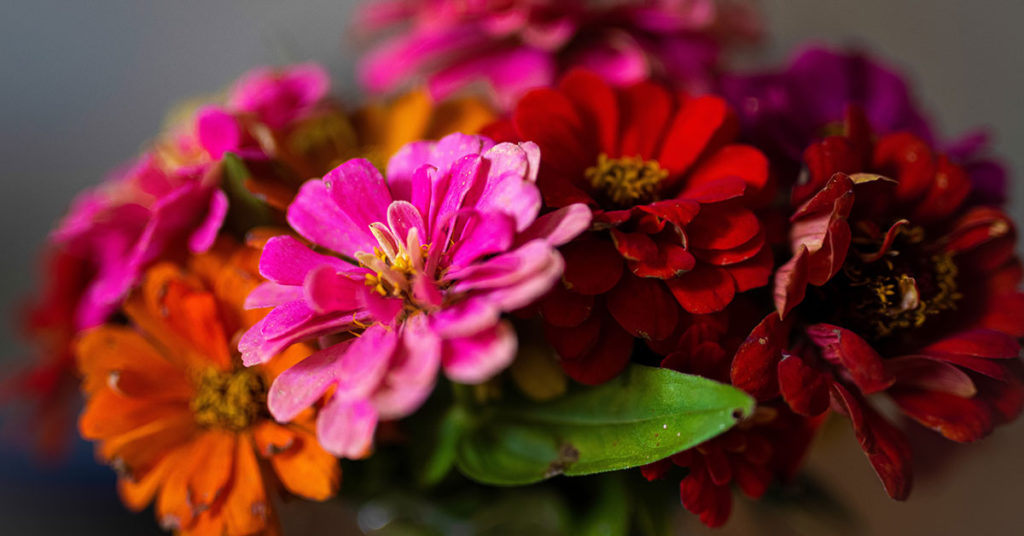
Zinnia is a vibrant annual that brings an explosion of color and rustic exuberance to any cottage garden. Native to the arid regions of Mexico and South America, these cheerful blooms come in a dazzling array of hues—from fiery reds and oranges to soft pinks and purples—and are renowned for their ability to attract a swarm of butterflies and buzzing bees. In my garden, Zinnias create a dynamic, high-energy display that transforms even the most modest patch into a lively celebration of summer’s warmth and vibrancy.
Their hardy, non-invasive nature makes Zinnias a reliable choice for gardeners who crave instant impact without a lot of fuss. With minimal maintenance beyond regular watering and deadheading, these flowers reward you with continuous blooms that seem to dance in the sunlight. Every time I see Zinnias flourishing in my garden, I’m reminded of the joyous, rustic spirit of cottage living—a burst of color and life that brightens both the landscape and the soul!
Coneflower

Coneflower (Echinacea purpurea) is a rustic, resilient perennial that not only dazzles with its bold, purple petals but also supports a thriving ecosystem in your garden. Native to North America, this hardy flower is famed for its prominent central cone that attracts bees, butterflies, and even hummingbirds, serving as a vital nectar source. I love how Coneflower creates a natural focal point that exudes both strength and subtle elegance—a true symbol of the rugged beauty found in cottage gardens.
Despite its robust appearance, Coneflower is wonderfully non-invasive and easy to grow, thriving in full sun and well-drained soil. Its long blooming season and minimal care requirements make it an excellent choice for gardeners who desire both beauty and practicality. Every time I see Coneflower swaying gently in the breeze, I feel a surge of rustic pride—a reminder that nature’s most enduring wonders are often the simplest to nurture!
Wild Rose

Wild Rose, with its soft, delicate petals and a subtle, enchanting fragrance, embodies the timeless allure of rustic romance. Native to various regions across Europe and North America, Wild Roses have a natural, unrefined beauty that transforms any garden into a cottagecore haven. In my own garden, these untamed blooms attract bees, butterflies, and even small birds that find refuge amidst their thorny stems, adding layers of life and movement to the landscape.
Their natural, non-invasive growth makes Wild Roses an ideal choice for creating informal hedges or charming borders that evoke the spirit of the countryside. With a little patience and minimal pruning, these roses reward you with a continuous, wistful display of color and scent that feels like a gentle nod to nature’s wild, enduring beauty. Every time I pass by a blooming Wild Rose, it’s like stepping back in time to a simpler, more heartfelt era of rustic charm!
Queen Anne’s Lace

Queen Anne’s Lace (Daucus carota) is a delicate wildflower that brings a touch of ethereal beauty and rustic charm to any cottage garden. Native to Europe and Western Asia, this plant is known for its intricate, lacy white clusters that create a soft, cloud-like effect across garden beds. I’m always enchanted by how Queen Anne’s Lace attracts a variety of beneficial insects—from tiny bees to fluttering butterflies—that seem to treat its airy blossoms as a mini sanctuary for rest and nourishment.
Despite its wild appearance, Queen Anne’s Lace is remarkably non-invasive when maintained in a well-tended garden, and its natural self-seeding habit adds to the rustic, carefree vibe. Its gentle, unobtrusive beauty and subtle fragrance make it an ideal companion for more robust blooms, creating a balanced, layered look that is quintessentially cottagecore. Every time I see its delicate flowers swaying in the wind, I’m reminded of the timeless simplicity that makes a garden feel like a true rustic retreat!
Yarrow

Yarrow (Achillea millefolium) is a hardy perennial that brings a rustic, sun-dappled charm to any garden with its feathery foliage and flat-topped clusters of blooms. Native to temperate regions of the Northern Hemisphere, Yarrow is cherished for its ability to thrive in less-than-perfect soil and its knack for attracting an array of beneficial insects, including ladybugs and butterflies that help keep garden pests in check. I find that its subtle, spicy fragrance adds a layer of complexity to the garden’s aroma, enhancing the overall sensory experience.
Its natural, non-invasive growth makes Yarrow an ideal choice for adding texture and movement to cottagecore landscapes without overwhelming other plants. With its long blooming period and minimal maintenance requirements, Yarrow rewards you with a persistent display of rustic beauty that seems to capture the very essence of the countryside. Every time I see a patch of Yarrow, it fills me with the confidence that even the toughest of plants can create a soft, inviting sanctuary in your garden!
Coreopsis
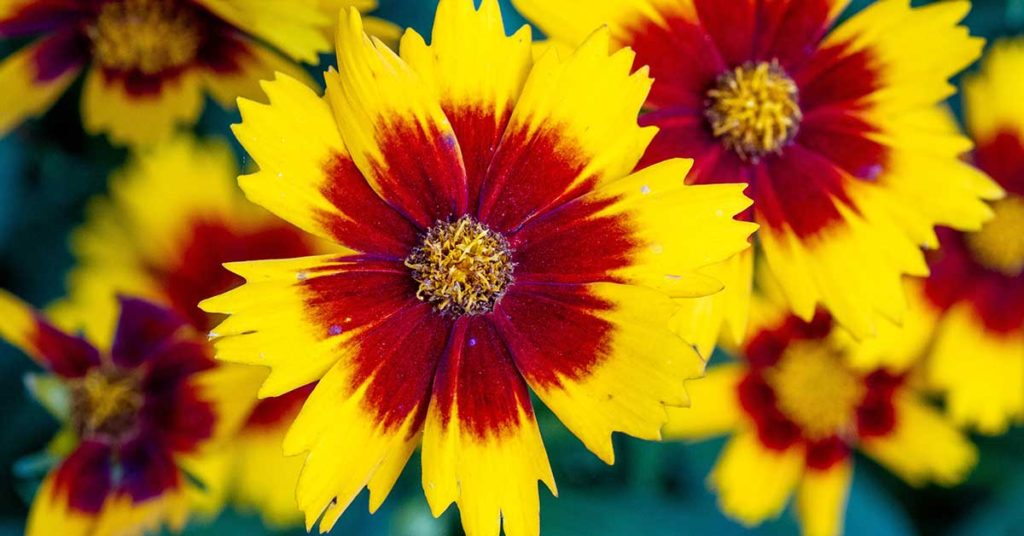
Coreopsis is a radiant annual that lights up the garden with its sunny, daisy-like blossoms and a gentle, sweet fragrance that evokes the warmth of a summer day. Native to North America, this cheerful flower is known for its long blooming season and its ability to attract a host of pollinators, including bees and butterflies, which help maintain a balanced, lively ecosystem. I’m always delighted by how Coreopsis adds a vibrant splash of color and rustic charm to my cottagecore garden, making every corner burst with life.
Its non-invasive nature and adaptability to various soil types make Coreopsis an excellent choice for gardeners looking for low-maintenance, high-impact blooms. With regular watering and a sunny spot, these flowers create a natural carpet of brightness that invites both admiration and the gentle hum of nature’s tiny workers. Every time I see Coreopsis dancing in the breeze, it’s a joyful reminder that simplicity and color can transform your garden into a living celebration of rustic beauty!
Sweet William
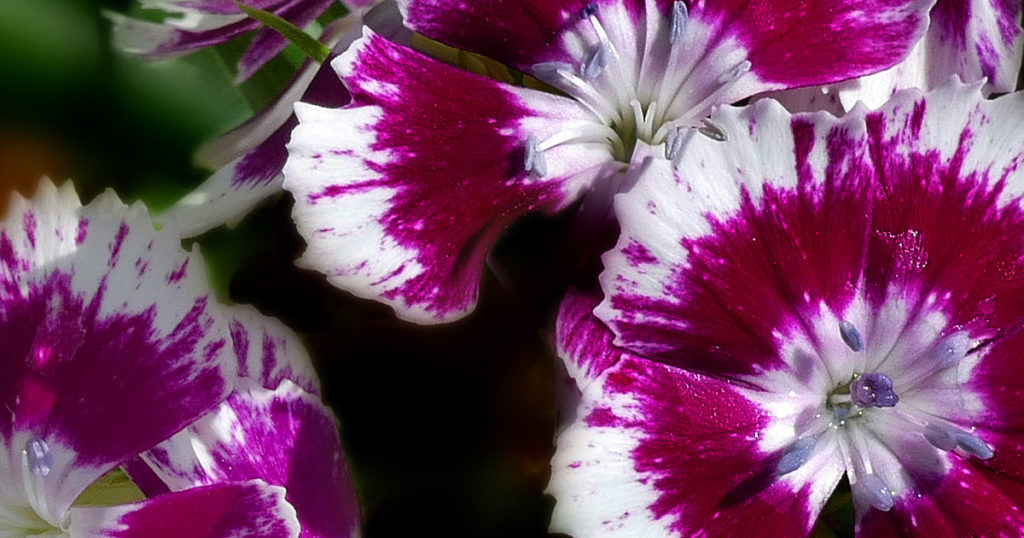
Sweet William (Dianthus barbatus) is a classic cottage garden perennial renowned for its fragrant clusters of small, ruffled blooms in a palette of soft pinks, reds, and whites. Native to Europe, this flower has been a symbol of enduring affection and rustic elegance for centuries. In my garden, Sweet William creates a nostalgic, almost storybook-like atmosphere, attracting bees and butterflies with its spicy, clove-like scent that lingers on warm summer days.
Its compact, non-invasive growth habit makes Sweet William perfect for borders and mixed beds, where it adds both texture and a gentle burst of color. With just a little care—regular watering and occasional deadheading—these blooms flourish and create an ambiance of timeless romance. Every time I stroll through my garden and catch a whiff of Sweet William, I’m reminded that the simplest, most heartfelt flowers can make even the smallest space feel like a romantic countryside escape!
Cornflower
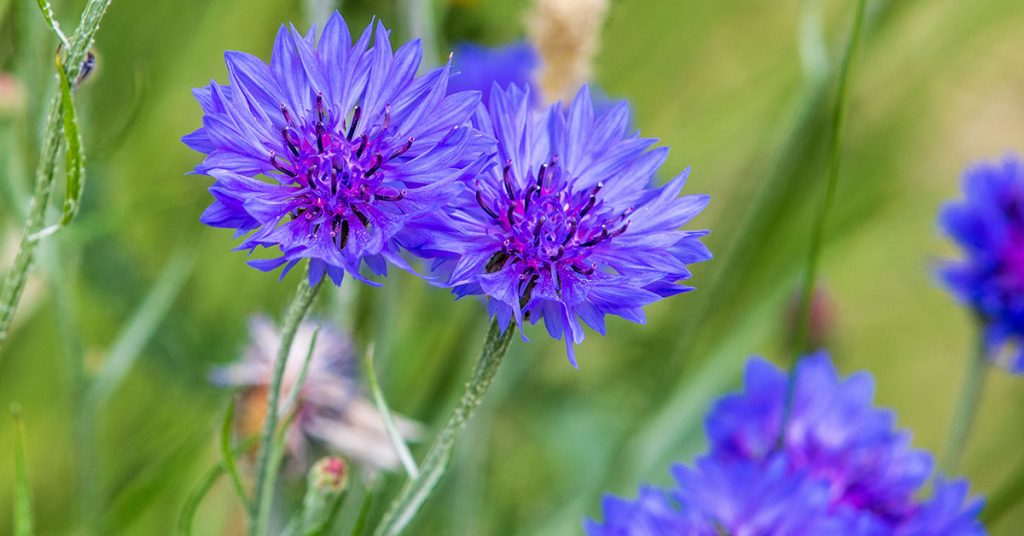
Cornflower (Centaurea cyanus), also known as Bachelor’s Button, is a vibrant annual that infuses the garden with a burst of deep blue hues and a rustic, carefree spirit. Native to Europe, this charming flower has long been admired for its striking color and delicate form, which attract an array of pollinators such as bees and butterflies that contribute to a lively garden ecosystem. I love how Cornflower’s soft, ruffled petals and contrasting dark centers add a touch of vintage elegance to any cottage garden setting.
Its non-invasive nature and ability to thrive in poor, well-drained soils make Cornflower an ideal choice for adding a pop of color to borders or wildflower meadows. With minimal care, these delightful blooms can self-seed gently from season to season, ensuring a continuous display of rustic beauty. Every time I see a field of Cornflowers, it fills me with the simple joy of knowing that nature’s most charming details can effortlessly brighten up your garden!
Blanket Flower
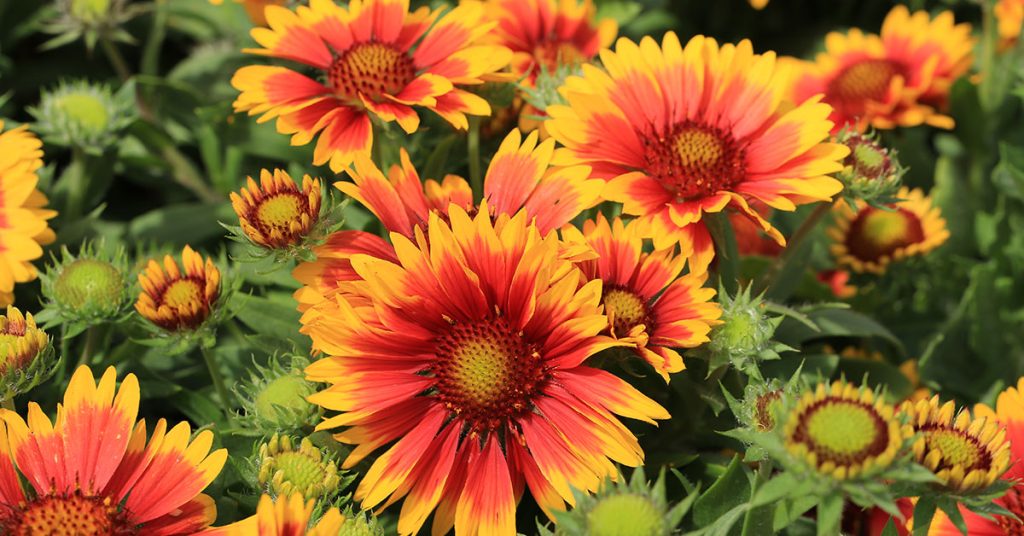
Blanket Flower (Gaillardia pulchella) is a sun-drenched annual that dazzles with its fiery red, orange, and yellow blossoms, evoking the vibrant energy of a rustic prairie. Native to North America, these hardy blooms are celebrated for their long blooming season and their ability to attract butterflies, bees, and other beneficial insects that find refuge and nectar within their bold petals. In my garden, Blanket Flower serves as a stunning focal point that radiates warmth and a wild, untamed spirit reminiscent of open country living.
This flower is non-invasive and remarkably easy to care for, thriving in full sun and well-drained soil with minimal maintenance. Its vigorous growth and cheerful, long-lasting blooms transform even a modest garden into a lively, rustic retreat where nature’s exuberance is on full display. Every time I see Blanket Flower waving in the breeze, it feels like a burst of summer joy—a reminder that the heart of a cottagecore garden beats with passion and rustic charm!
Scabiosa
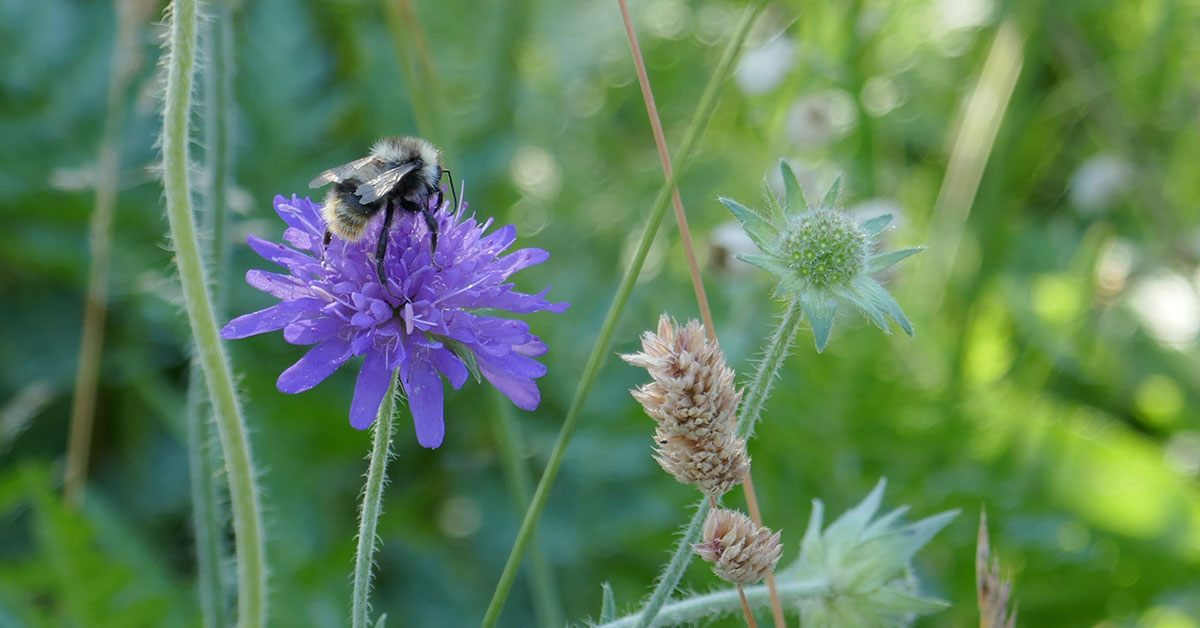
Scabiosa, commonly known as the Pincushion Flower, enchants with its unique, textured blooms and soft, sweet fragrance that adds an air of whimsy to any garden. Native to the Mediterranean and parts of Africa, these delicate annuals have an unusual, almost tactile quality that invites both admiration and gentle handling by visiting butterflies and bees. I’m always amazed at how Scabiosa’s rounded, plush blossoms create a charming contrast against more structured plants, lending a dreamy quality to the rustic landscape.
Its non-invasive growth habit makes Scabiosa an ideal choice for rock gardens, borders, or container displays where its intricate form can truly shine. With just a bit of regular watering and sun exposure, these flowers produce a long-lasting display that transforms your garden into a soft, romantic retreat. Every time I see Scabiosa in bloom, it reminds me that even the smallest details in nature can evoke profound beauty and a sense of gentle nostalgia!
Wild Pansy
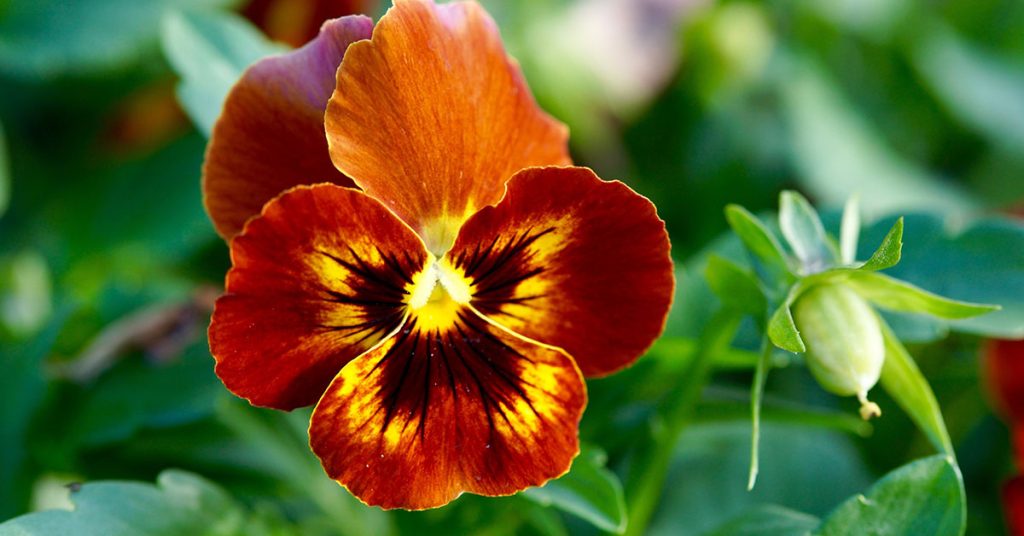
Wild Pansy (Viola tricolor) is a delightful annual that brings an eclectic mix of colors and a gentle, peppery fragrance to the cottage garden. Native to Europe, these charming blooms are known for their “faces” that seem to express a range of emotions, and they effortlessly attract a host of beneficial insects, including bees and small butterflies, who find shelter among their velvety petals. I love how Wild Pansies add a touch of playful elegance to garden borders, creating an informal yet striking display of natural beauty.
Their non-invasive nature and ability to thrive in a variety of soil types make Wild Pansies a perfect addition to cottagecore landscapes, where they help maintain a relaxed, unpretentious vibe. With minimal maintenance beyond occasional watering, these flowers fill the garden with soft, cheerful hues that brighten even the cloudiest days. Every time I see a cluster of Wild Pansies, I’m reminded that true beauty often lies in the spontaneous, unrefined charm of nature’s own artistry!
Sunflower
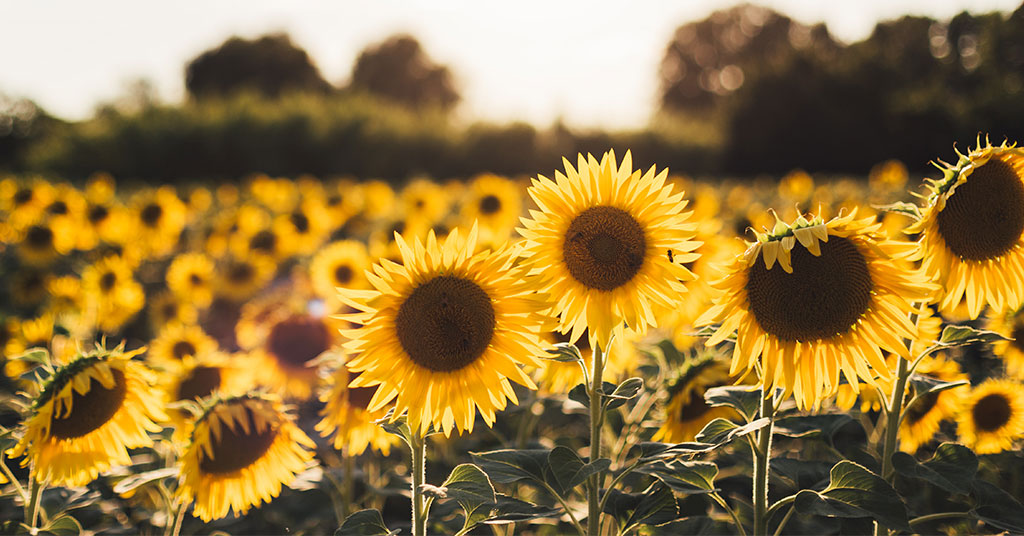
Sunflower (Helianthus annuus) is an iconic annual that brings a burst of rustic warmth and grandeur to any garden with its towering stems and radiant, golden blooms. Native to North America, these majestic flowers are celebrated for their ability to track the sun, creating a dynamic display of light and life that naturally attracts bees, butterflies, and even small birds that perch along their sturdy stalks. I find that Sunflowers not only serve as a dramatic focal point in a cottagecore garden but also evoke the carefree, sunlit spirit of the countryside.
Despite their impressive stature, Sunflowers are non-invasive when planted in dedicated garden beds where they can stretch towards the sky. Their vigorous growth and minimal care requirements make them an excellent choice for gardeners looking to add both height and a touch of rustic elegance to their outdoor space. Every time I stand beneath a row of Sunflowers, I feel a surge of optimism and energy—a living testament to nature’s ability to brighten even the simplest of days with its golden embrace!
Dianthus

Dianthus, commonly known as Pinks or Carnations, is a timeless annual that infuses the garden with a spicy, clove-like fragrance and delicate, fringed blooms. Native to Europe and parts of Asia, these enchanting flowers have long been cherished for their vintage appeal and the romantic nostalgia they evoke. In my garden, Dianthus adds a refined, old-world charm that effortlessly draws in bees and butterflies, creating an intimate, bustling microcosm of nature’s quiet celebrations.
Their non-invasive growth and compact habit make Dianthus an ideal choice for borders, rock gardens, or container plantings where every blossom seems to whisper secrets of romance. With just a bit of regular deadheading and proper sunlight, these flowers produce a sustained, elegant display that enriches the garden with color and fragrance. Every time I see Dianthus swaying in a gentle breeze, it reminds me that romance can bloom in even the smallest, most unassuming details—making every moment in the garden feel like a cherished memory!