
There’s a special magic that happens when you grow plants side-by-side, as they not only complement each other’s beauty but also work together to create a thriving, balanced ecosystem. I know how discouraging it is when pests overrun your garden or when some plants simply don’t get along, so I’m excited to share 20 fantastic plant pairings that work in unison to attract beneficial pollinators, provide natural nesting sites, and enrich your soil—without being invasive!
In this article, we’ll explore a diverse selection of plants, each with its own unique native origins and fascinating behaviors, that you should consider growing together in your garden. From hearty vegetables that support nitrogen fixation to aromatic herbs that naturally repel pests, these combinations are designed to maximize productivity and beauty while fostering a healthy microhabitat. Whether you’re an experienced green thumb or just starting out, these 20 plant suggestions will inspire you to create a garden that’s vibrant, resilient, and full of life!
Tomatoes

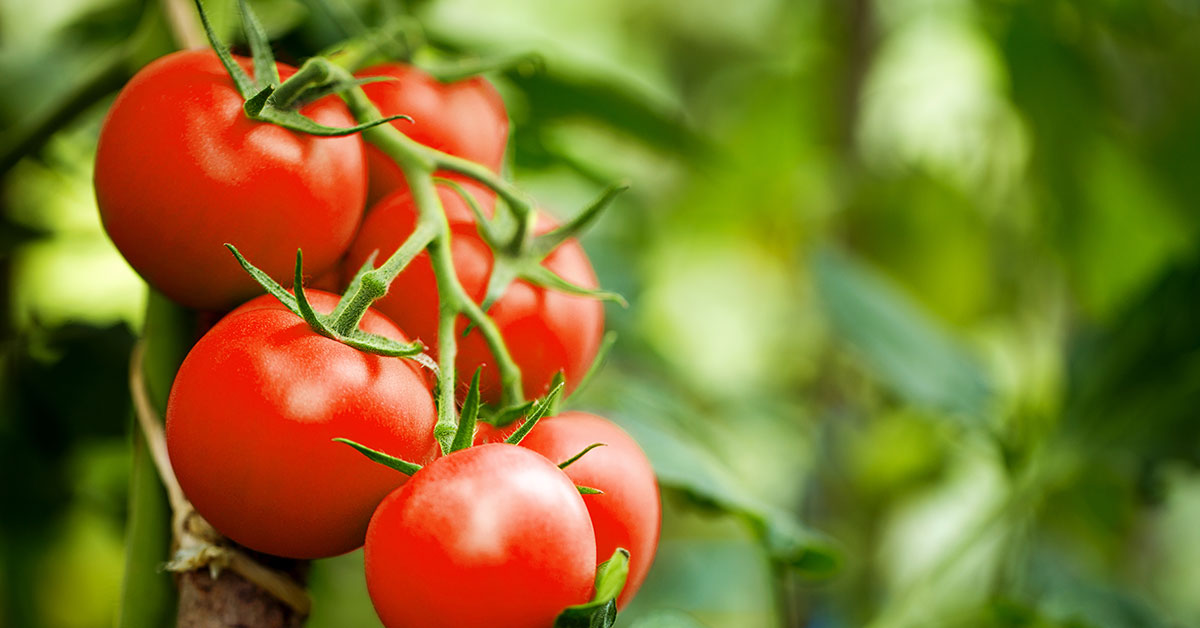
Tomatoes, native to western South America, are a cornerstone of any fruitful garden. Their lush, red fruits not only provide delicious produce but also create a natural focal point that draws pollinators like bees and butterflies. When grown alongside complementary companions like basil and marigold, tomatoes thrive, benefiting from mutual pest-repelling properties and improved pollination! Although cultivated varieties are carefully managed to remain non-invasive, tomatoes in the wild can sometimes spread aggressively—so it’s best to keep them well-pruned and contained in your garden.
In addition to their culinary appeal, tomatoes contribute to a dynamic microhabitat by creating dense foliage that offers shelter for beneficial insects and even small birds. Their robust growth habit and high water requirements, when met with proper care, result in vigorous plants that not only beautify your space but also support a thriving garden ecosystem. Growing tomatoes side-by-side with other compatible species enhances soil fertility and encourages a balanced interplay of natural elements—a true celebration of nature’s bounty!
Basil
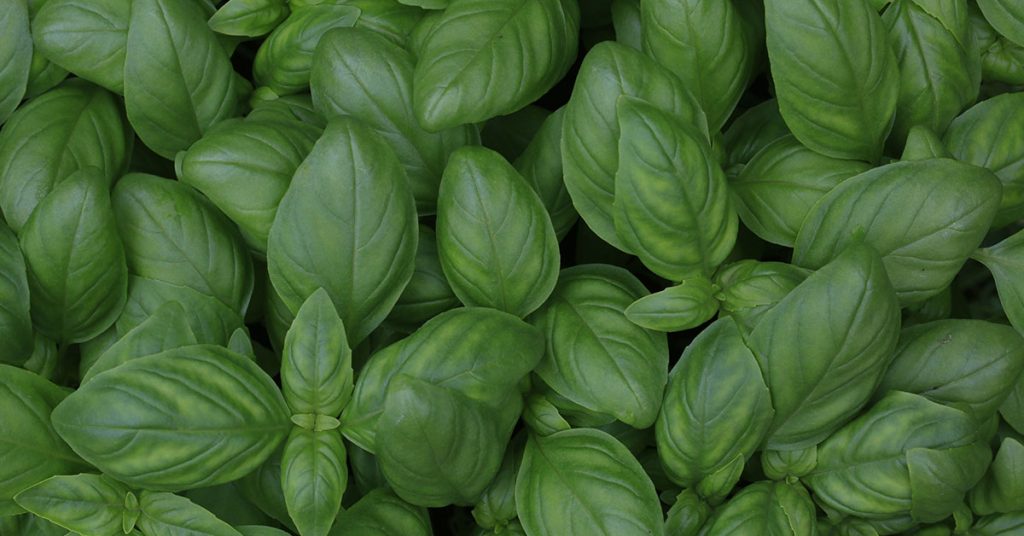
Basil is a beloved herb native to tropical regions of Africa and Asia, and it’s a perfect companion for tomatoes and other vegetables. Its aromatic leaves not only add a delightful flavor to your dishes but also help deter pests, naturally repelling insects like aphids. I’ve witnessed basil’s ability to thrive in close proximity to tomatoes, enhancing both plants’ growth and creating a harmonious microhabitat that attracts bees and other pollinators! Cultivated basil is non-invasive, making it an excellent addition to any mixed planting scheme.
Beyond its culinary and pest-repelling benefits, basil contributes to a vibrant garden ecosystem by encouraging beneficial insects and enhancing soil health through its dense, lush growth. Its natural behavior in tropical environments often includes rapid regrowth after grazing, and when grown in your garden, regular harvesting and pruning result in a fuller, bushier plant. By planting basil side-by-side with its complementary neighbors, you create a natural synergy that elevates the overall productivity and aesthetic appeal of your garden.
Marigold
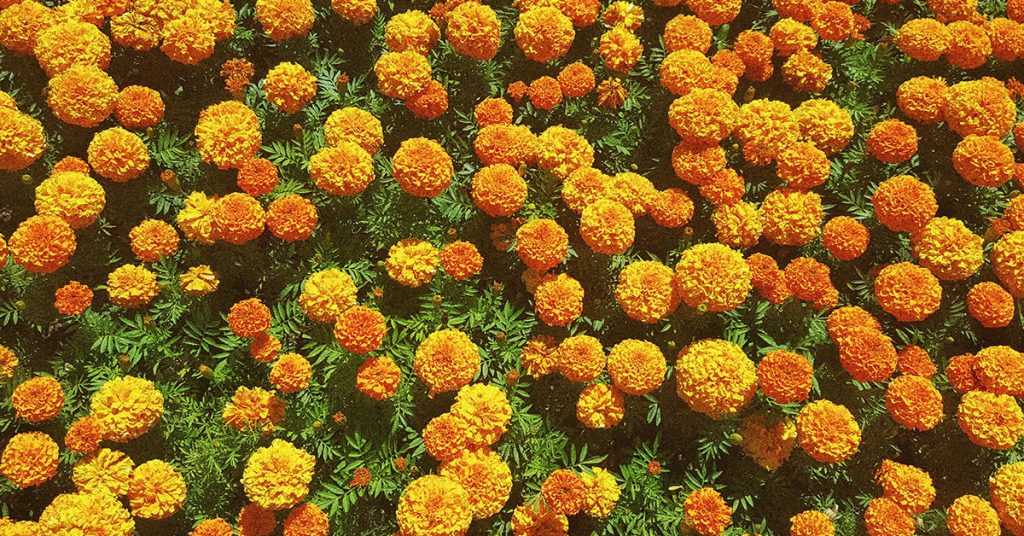
Marigolds, native to the Americas, are known for their fiery orange and yellow blooms that add an instant burst of color to any garden. Their vibrant flowers not only brighten up your landscape but also play a crucial role in repelling pests naturally, as their strong scent deters aphids, nematodes, and other harmful insects. I’ve found that marigolds make excellent companions for vegetables like tomatoes and beans, creating a natural barrier that protects your crops while enhancing visual appeal! Though marigolds can self-seed in wild settings, cultivated varieties in a garden are generally non-invasive and manageable.
In addition to their pest-repelling properties, marigolds attract beneficial pollinators such as bees and butterflies, which help with fruit set and overall plant health. Their dense, layered blooms create microhabitats that encourage a diverse range of small insects, further contributing to a balanced ecosystem. The combination of beauty, functionality, and ease of care makes marigolds an indispensable plant for side-by-side garden arrangements that flourish throughout the growing season.
Nasturtium
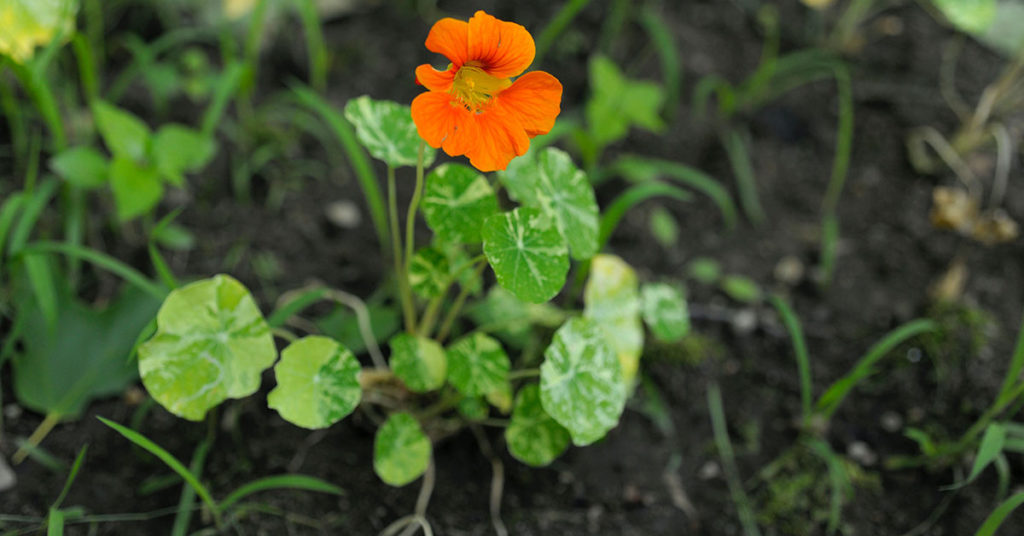
Nasturtiums are a delightful, edible annual native to South America that add a splash of vibrant red, orange, or yellow to your garden. Their trailing habit makes them ideal for ground cover or hanging over the edges of containers, and their peppery-tasting leaves and flowers are a bonus in the kitchen. I’ve seen nasturtiums work wonders when planted alongside cucumbers and tomatoes, as their natural pest-repellent properties help protect neighboring crops from aphids and whiteflies! While nasturtiums can spread readily, they remain non-invasive when properly managed, ensuring a harmonious balance in your garden.
Beyond their ornamental and culinary appeal, nasturtiums create a nurturing microhabitat that attracts beneficial pollinators. Their open, vibrant blossoms provide a perfect landing pad for bees and butterflies, enhancing natural pollination and ensuring healthy growth. In their native environment, these plants thrive in well-drained soils and sunny conditions, and when grown together with other complementary species, they contribute to a diverse, resilient garden ecosystem. Nasturtiums are truly a multi-functional marvel that brings beauty, flavor, and ecological benefits to your side-by-side plantings.
Bush Beans
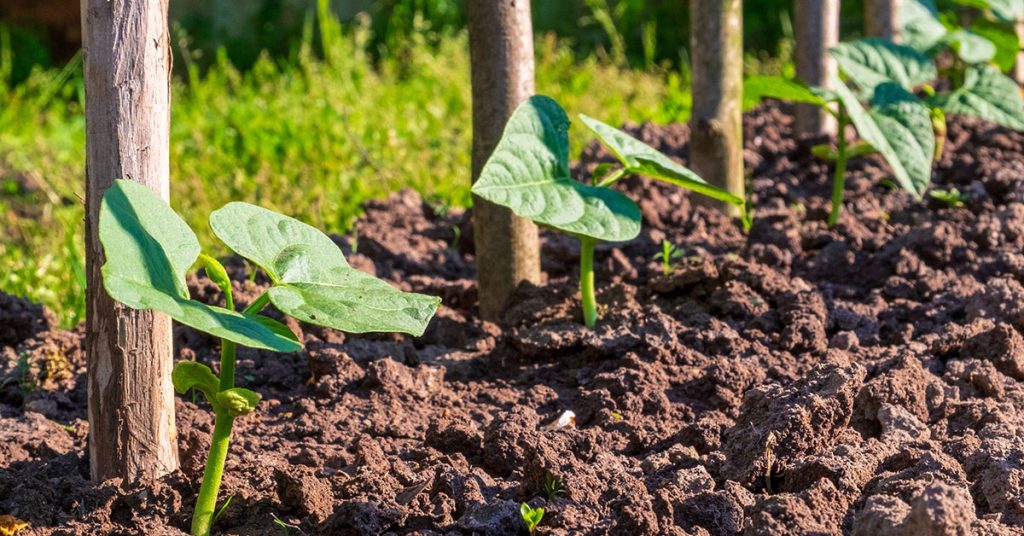
Bush Beans, native to the Americas, are a versatile vegetable that enriches your garden by fixing nitrogen in the soil. Their compact growth habit makes them perfect for growing side-by-side with taller plants like corn or tomatoes, providing natural fertilizer while producing a bountiful harvest of tender beans. I love watching bush beans in action, as their climbing nature and delicate foliage create a microhabitat that attracts beneficial pollinators and even small nesting insects! They are non-invasive in cultivated settings, making them a safe and valuable addition to companion planting schemes.
In addition to their nitrogen-fixing abilities, bush beans support a balanced ecosystem by attracting a variety of helpful insects that contribute to natural pest control. Their fast-growing vines and abundant blooms invite bees, which help with pollination, and create an environment where beneficial soil microbes can thrive. Growing bush beans alongside other complementary plants not only boosts your yield but also enhances the overall health of your garden. They’re a wonderful, sustainable choice for urban gardeners looking to maximize the potential of side-by-side planting.
Carrots

Carrots, with their crunchy, sweet roots, are a time-honored crop native to Persia and the Mediterranean region. These root vegetables are excellent companions in mixed gardens, as their deep taproots help break up the soil, improving aeration and drainage for nearby plants. I’ve had great success growing carrots alongside leafy greens and herbs, where their different growth habits complement each other perfectly—carrots remain non-invasive and neatly tucked away, contributing to a vibrant, multi-layered garden! Their modest size makes them an ideal choice for side-by-side planting, ensuring every inch of your garden is utilized efficiently.
In addition to their culinary versatility, carrots create a subtle microhabitat that attracts beneficial soil organisms like earthworms and microbes, which enhance soil fertility and structure. Their rapid growth and underground development help maintain a balanced ecosystem by improving nutrient cycling in the garden. Growing carrots together with other shallow-rooted plants creates a dynamic interaction that benefits all involved, resulting in a lush, productive garden. Their sweet flavor and natural resilience make carrots a must-have for any sustainable, companion-planted garden.
Lettuce
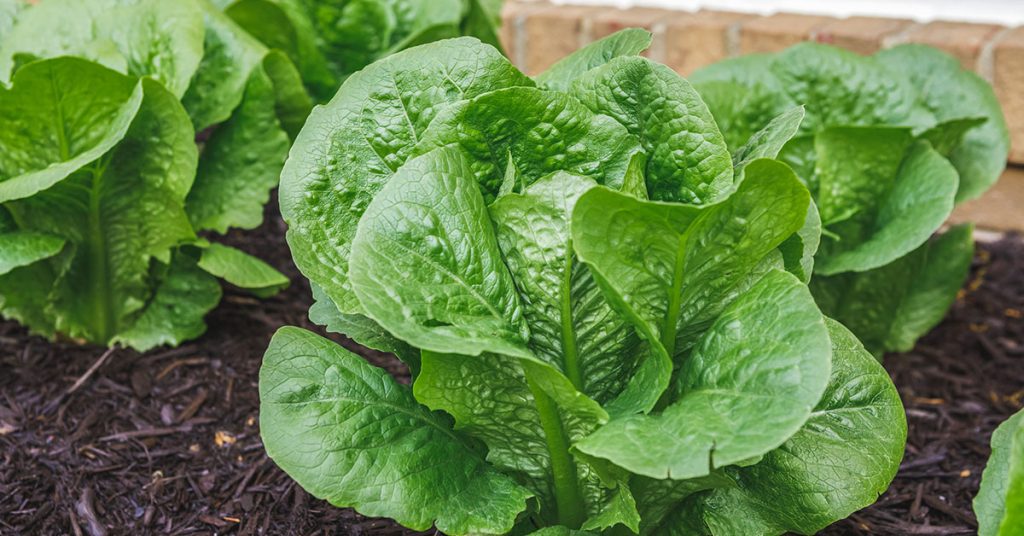
Lettuce, native to the Mediterranean region, is a cool-season leafy green that thrives in side-by-side planting arrangements. Its soft, crisp leaves are not only a healthy addition to your diet but also create a delicate, layered canopy that attracts beneficial soil organisms and even small pollinators. I love how lettuce can be interplanted with carrots and radishes, where each plant’s unique growth pattern enhances the overall texture and biodiversity of your garden! This non-invasive crop is perfect for urban gardens, offering continuous harvests and a refreshing burst of green in every bite.
Beyond its culinary appeal, lettuce contributes to a balanced microhabitat by providing a protective cover that helps retain soil moisture and suppress weeds. The gentle, spreading nature of lettuce creates a natural mulch that nurtures beneficial insects and microorganisms, ensuring your garden remains healthy and vibrant. Growing lettuce side-by-side with complementary species is a great way to maximize space and enhance the flavor of your meals. It’s a versatile, low-maintenance crop that truly brightens up any garden layout!
Spinach
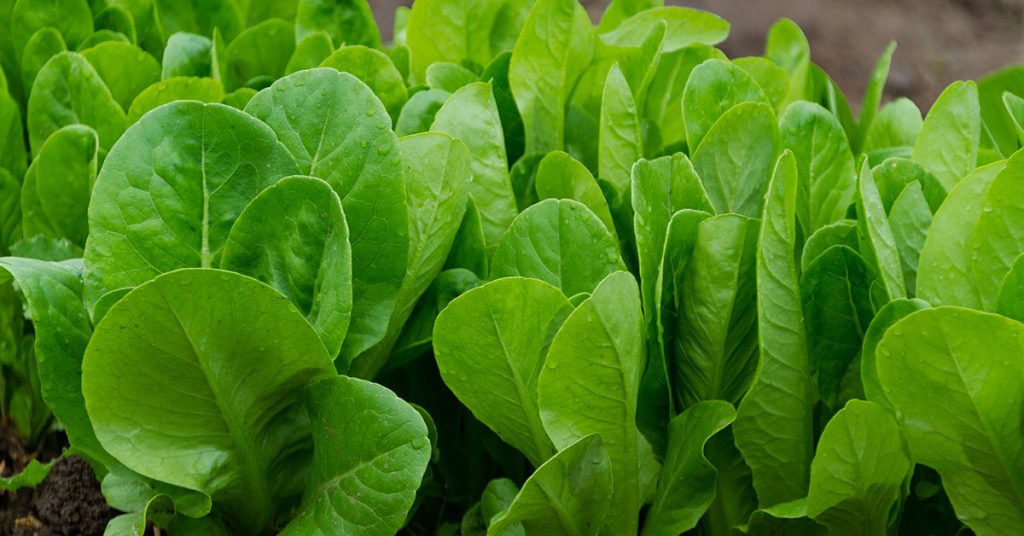
Spinach is a nutrient-rich leafy green native to Central Asia that thrives in cool, shaded areas and makes an excellent companion in mixed gardens. Its tender, vibrant leaves provide a delightful burst of color and flavor to your meals, while its rapid growth ensures a continuous harvest throughout the season. I’ve planted spinach alongside other leafy greens like lettuce and kale, where each plant contributes to a dynamic, non-invasive microhabitat that supports beneficial insects and soil health! Its adaptability to various conditions makes it an ideal candidate for side-by-side planting in a sustainable garden.
The soft foliage of spinach not only pleases the eye but also creates a microenvironment that encourages the growth of beneficial microbes and small invertebrates. In its native habitat, spinach thrives in well-draining, fertile soils, and when grown together with other greens, it enhances the overall diversity and productivity of the garden. Spinach’s ease of care and high nutritional value make it a perfect addition for anyone looking to boost both their health and their garden’s biodiversity. It’s a vibrant, fast-growing wonder that brings a wealth of goodness to every harvest!
Radishes

Radishes, native to the Mediterranean region and parts of Asia, are a fast-growing and flavorful root vegetable that adds a pop of color and spice to your garden. Their bright, crunchy roots mature in a matter of weeks, making them an ideal companion for quicker-growing plants like lettuce or spinach. I love how radishes create a natural contrast with their vibrant hues, and their short life cycle means you can enjoy multiple harvests in one growing season! Although radishes are non-invasive, their quick growth contributes to a dynamic microhabitat that supports beneficial soil organisms and enhances overall garden health.
In addition to their culinary versatility, radishes attract beneficial insects by providing an abundant nectar source when they flower. Their dense, green foliage creates mini microhabitats where tiny invertebrates can take shelter, mirroring the natural processes of nutrient cycling found in their native fields. Growing radishes side-by-side with other vegetables not only optimizes your garden space but also promotes a balanced ecosystem that benefits every plant. They’re a zesty, refreshing crop that brings both flavor and ecological benefits to your garden!
Cucumbers
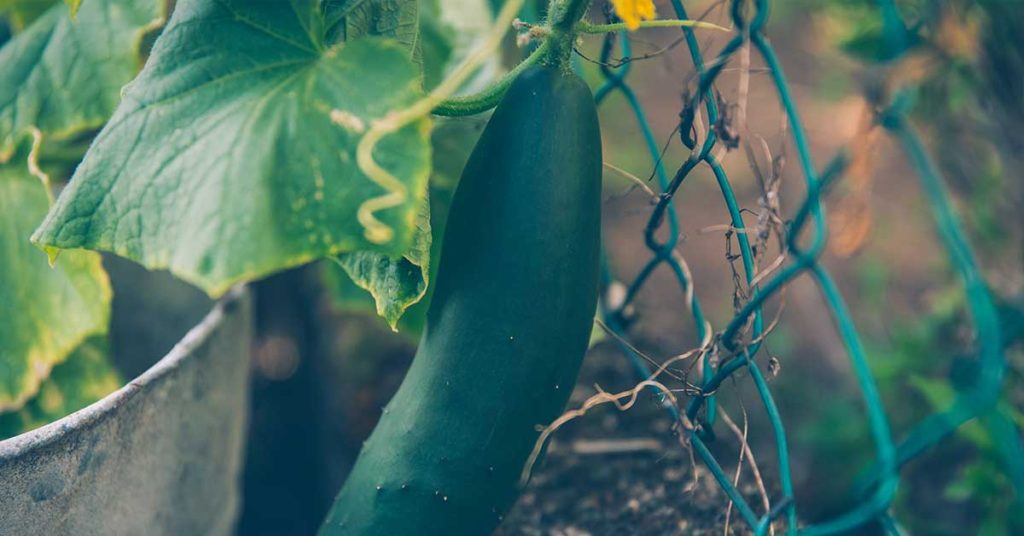
Cucumbers, native to South Asia, are a refreshing addition to any garden with their crisp, cool fruit and climbing habit. These vigorous vines are perfect for growing alongside other vegetables, as they can be trained on trellises to save space while providing a natural, lush backdrop of greenery. I’ve found that cucumbers not only yield a bountiful harvest but also attract beneficial pollinators like bees, which are drawn to their delicate blossoms and help ensure a steady crop! Although wild cucumbers can sometimes be invasive, the cultivated varieties used in gardens are well-managed and remain non-invasive when given proper support.
The trailing vines of cucumbers create a natural microhabitat that benefits other plants by providing shade and moisture retention. Their large leaves form an organic curtain that shelters the soil, allowing beneficial insects and soil microbes to flourish. Growing cucumbers side-by-side with complementary crops like tomatoes and basil creates a symbiotic garden where each plant supports the other’s growth. With consistent care and regular pruning, cucumbers will reward you with crisp, delicious fruit all season long!
Eggplant
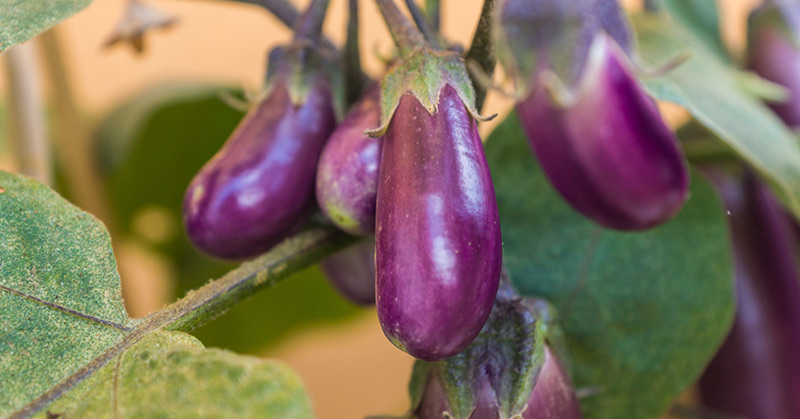
Eggplant, native to the tropical regions of Asia, is a versatile vegetable that adds both ornamental charm and culinary value to your garden. Its glossy, deep purple fruits and striking, large leaves create an exotic display that pairs well with other warm-season crops. I’ve always been intrigued by how eggplant thrives when grown next to tomatoes and peppers, forming a vibrant tapestry of colors that attract bees and butterflies essential for pollination! Cultivated eggplant varieties are generally non-invasive and adapt well to container or garden bed settings, making them ideal for companion planting.
In addition to their visual and culinary appeal, eggplants contribute to a robust garden ecosystem by providing a natural shelter for beneficial insects. Their broad leaves offer a microhabitat that supports soil health and encourages a balanced mix of pollinators and natural predators. With proper watering and occasional pruning, eggplants grow into large, bushy plants that not only yield delicious fruit but also add a touch of tropical drama to your garden. Their versatility and ease of care make them a wonderful addition for any home garden seeking an exotic twist!
Peppers
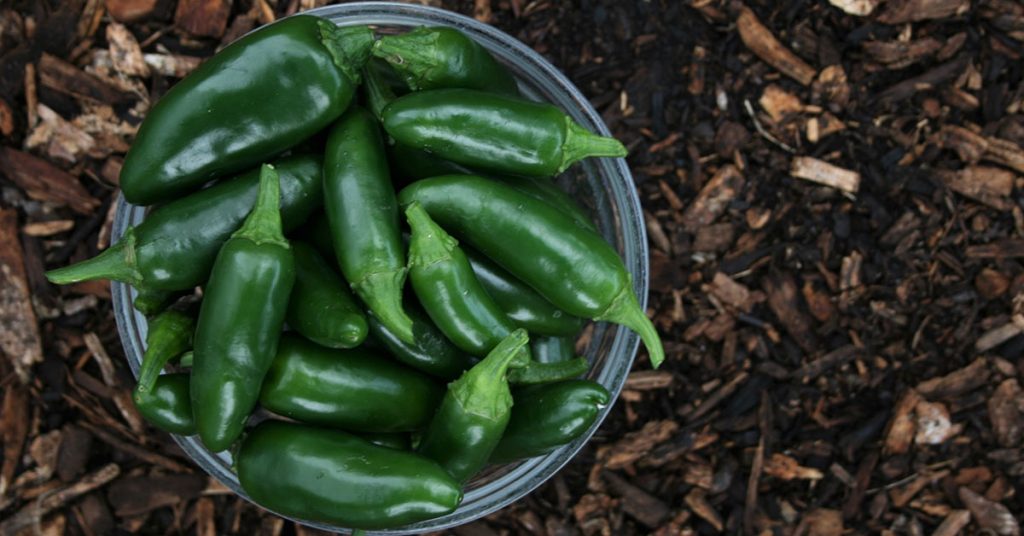
Peppers, both sweet and spicy, are a dynamic addition to any garden and are native to Central and South America. These versatile plants produce an array of fruits in various colors—from vibrant reds to sunny yellows—and are celebrated for their rich flavor and nutritional benefits. I’ve found that when peppers are grown side-by-side with tomatoes and basil, they create a synergistic effect that boosts growth and naturally repels pests. Cultivated pepper varieties are typically non-invasive, making them a safe and productive choice for urban gardens!
Beyond their culinary appeal, peppers are excellent at attracting beneficial pollinators like bees, which help with fruit set and overall garden health. Their glossy foliage and brightly colored fruits provide a natural microhabitat that supports a diverse array of insects and even offers nesting spots for small birds in larger gardens. With regular watering, proper sunlight, and the occasional pruning, peppers can thrive and offer a continuous harvest throughout the growing season. They’re a perfect way to add both spice and vibrancy to your garden’s palette!
Oregano
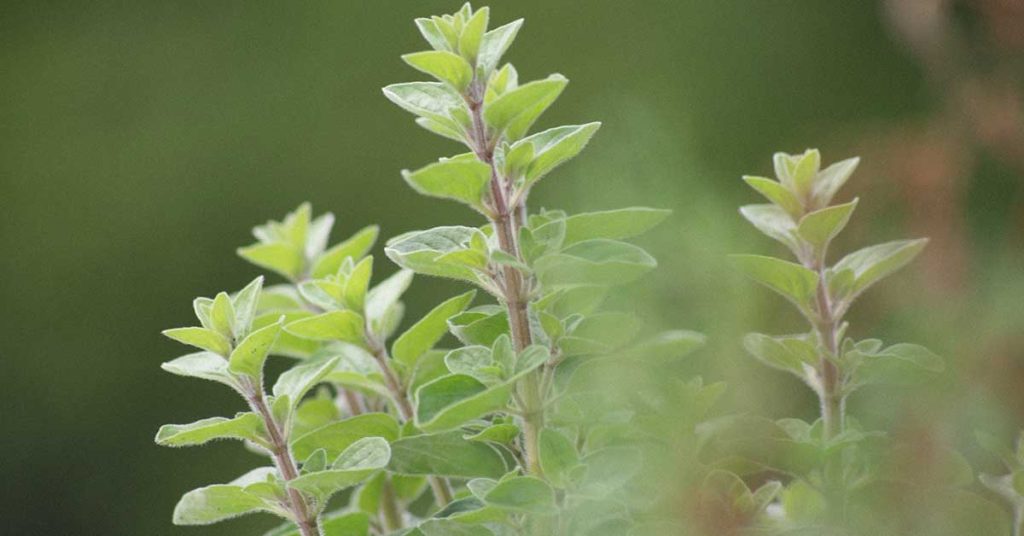
Oregano is a hardy herb native to the Mediterranean region, renowned for its robust flavor and aromatic leaves. Its compact growth habit makes it a superb companion for vegetables like tomatoes and peppers, providing natural pest repellence and enhancing the flavor of neighboring plants. I love how oregano’s silvery-green foliage not only adds a rustic touch to your garden but also attracts beneficial insects like bees and predatory wasps, which help maintain a healthy ecosystem! Though oregano can spread moderately in the wild, cultivated varieties in your garden remain non-invasive and perfectly manageable.
In addition to its culinary and aromatic benefits, oregano creates a microhabitat that encourages the growth of beneficial soil microorganisms. Its low-maintenance nature means it thrives with minimal care, making it an excellent addition for gardeners seeking a sustainable, companion plant. Oregano’s natural ability to repel pests without the need for chemicals makes it an indispensable ally in a diverse garden setting. It’s a vibrant, versatile herb that enriches both your cooking and your garden’s ecological balance!
Dill
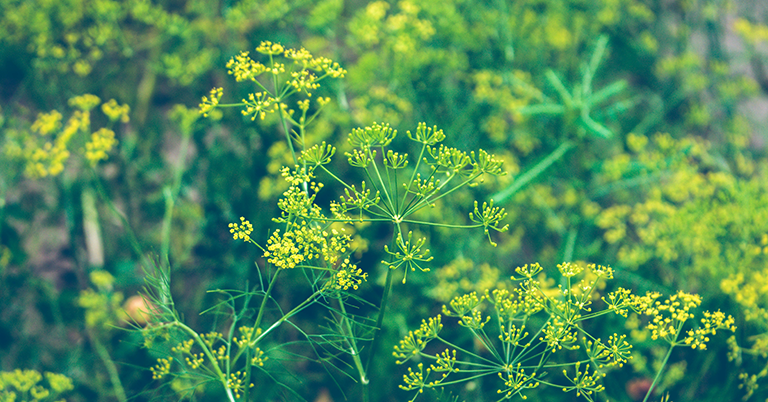
Dill is a charming herb native to Europe and Asia, prized for its delicate, feathery foliage and distinctive flavor. This versatile plant pairs wonderfully with vegetables like cucumbers and tomatoes, adding both culinary zest and a natural pest deterrent to your garden. I’ve seen how dill’s airy, light structure not only brightens up garden beds but also attracts beneficial insects such as ladybugs and parasitic wasps, which are essential for keeping pest populations under control! While dill is known for its rapid growth and non-invasive habit, it creates a dynamic microhabitat that supports a balanced ecosystem.
Beyond its use in the kitchen, dill plays a key role in enhancing garden biodiversity. Its small, yellowish flowers form clusters that attract pollinators, ensuring natural fertilization for adjacent plants. In its native environments, dill thrives in well-drained soils and open, sunny spaces, and when grown in your garden, it continues to support a vibrant microhabitat. Its ease of cultivation and multipurpose nature make dill a delightful addition for anyone looking to optimize their garden’s productivity and ecological health.
Rosemary
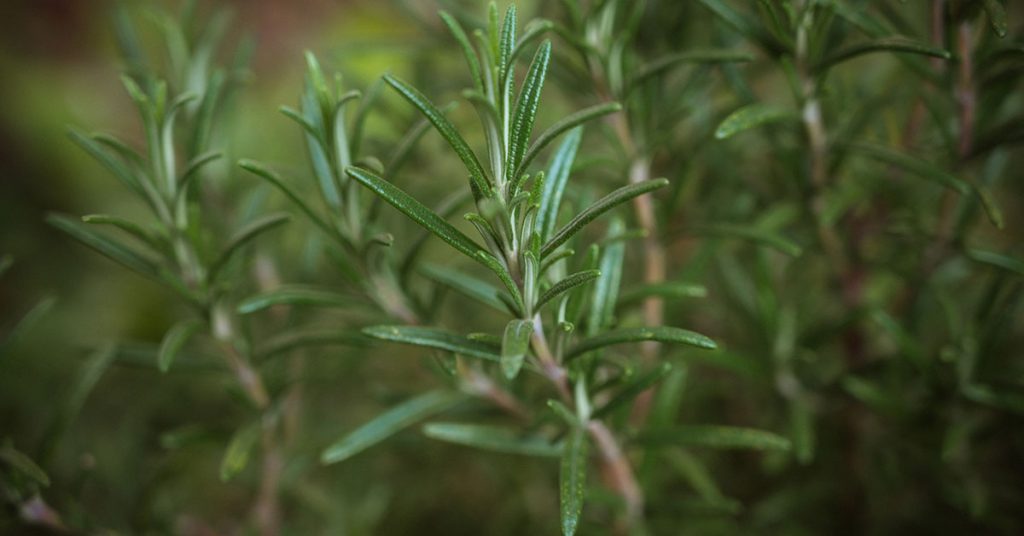
Rosemary, a fragrant herb native to the Mediterranean, is celebrated for its needle-like leaves and woodsy aroma that enhances both culinary dishes and garden aesthetics. This versatile plant pairs beautifully with vegetables like tomatoes and eggplants, providing natural pest deterrence while attracting beneficial pollinators such as bees. I’ve always admired rosemary’s ability to thrive in dry, sunny conditions, and when grown side-by-side with other Mediterranean natives, it creates a cohesive, aromatic landscape that’s both soothing and invigorating! Though wild rosemary can sometimes spread, cultivated varieties in gardens are typically non-invasive and easy to manage.
In addition to its culinary and aromatic benefits, rosemary contributes to a vibrant garden ecosystem by creating microhabitats that support beneficial soil microbes and insects. Its evergreen nature ensures that your garden remains lush and fragrant year-round, even in cooler seasons. The dense, woody structure of rosemary also provides a natural shelter for small birds and beneficial invertebrates, further enhancing the overall biodiversity of your garden. Its enduring beauty and low-maintenance care make rosemary an indispensable companion for any thriving, companion-planted garden!
Mint
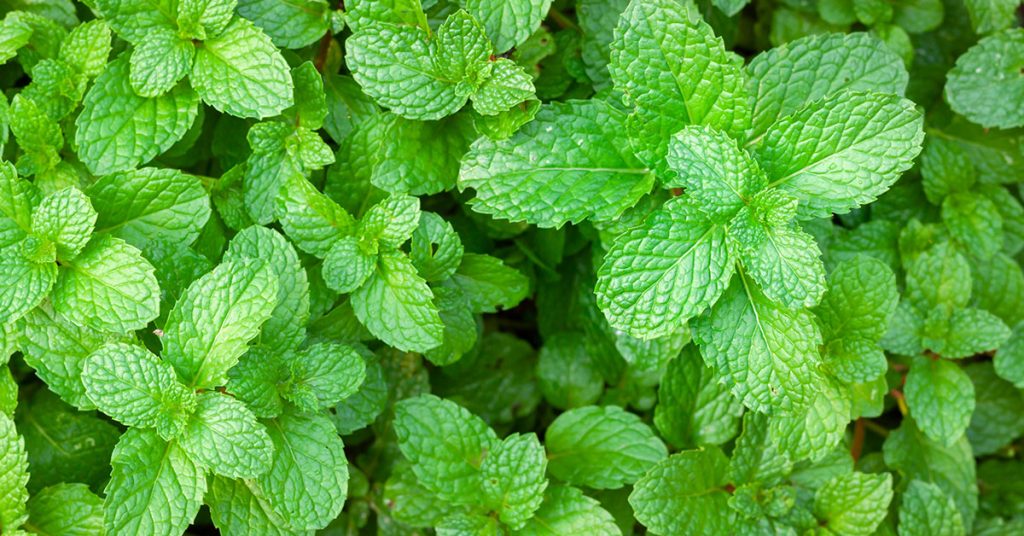
Mint is an incredibly vigorous herb native to Europe and Asia that offers a refreshing burst of flavor and a natural cooling effect in your garden. Its rapid growth and trailing habit make it an excellent companion for a wide variety of plants, though it’s best grown in a confined space because it can be invasive outdoors. I’ve often used mint as a living mulch in container gardens, where its aromatic leaves repel pests and attract beneficial pollinators like bees and butterflies. Its lively, sprawling nature adds a dynamic, green carpet to your garden that’s as functional as it is beautiful!
Despite its reputation for aggressive growth in the wild, mint remains manageable when planted in a container alongside other companion plants. Its strong fragrance not only deters unwanted pests but also creates a pleasant atmosphere that uplifts the entire garden space. In addition, mint’s dense foliage provides microhabitats for tiny beneficial insects that help with natural pest control, making it an ecological boon. With regular pruning to keep it in check, mint is a delightful and versatile herb that enriches both your culinary creations and your garden’s biodiversity!
Sage
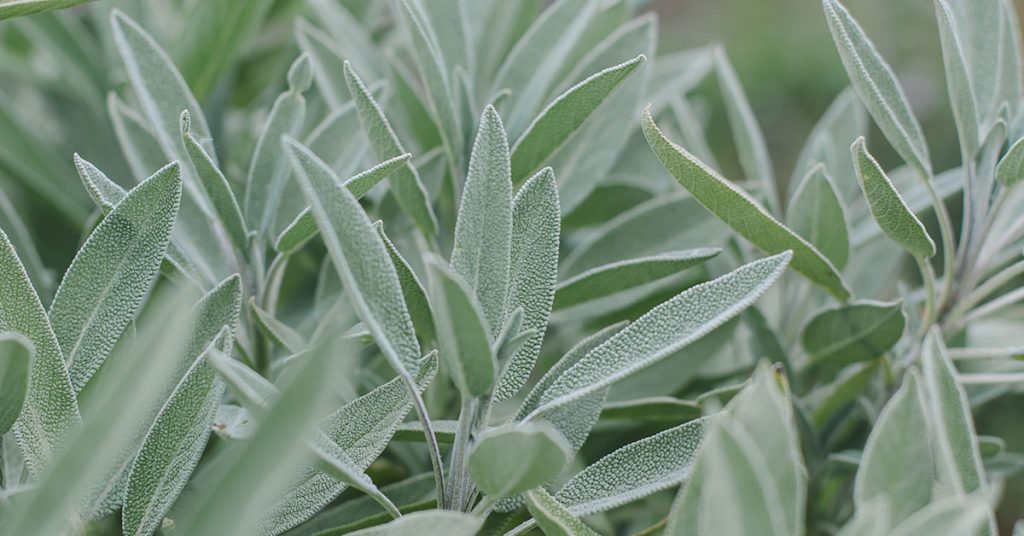
Sage is a hardy herb native to the Mediterranean that is revered for its earthy, robust flavor and silvery-green leaves. It pairs exceptionally well with other vegetables such as tomatoes, peppers, and carrots, enhancing their growth while repelling common pests with its potent aroma. I love how sage adds a touch of rustic charm to any garden, providing both culinary benefits and ecological support—its foliage attracts bees and other beneficial insects that help maintain a balanced microhabitat! Sage is non-invasive when grown in a managed garden, making it an excellent companion for side-by-side planting with a variety of crops.
Beyond its flavor and pest-repelling qualities, sage contributes to soil health by attracting beneficial microorganisms and providing natural mulch as its leaves decompose. In its native environment, sage thrives in well-drained soils and hot, sunny conditions, and when grown in your garden, it adapts beautifully while offering long-lasting, aromatic foliage. Its timeless appeal and ease of care make sage a perfect addition to any vegetable garden designed for both productivity and natural beauty. The synergy created by planting sage alongside complementary species is a testament to nature’s intricate balance and the power of companion planting!
Thyme
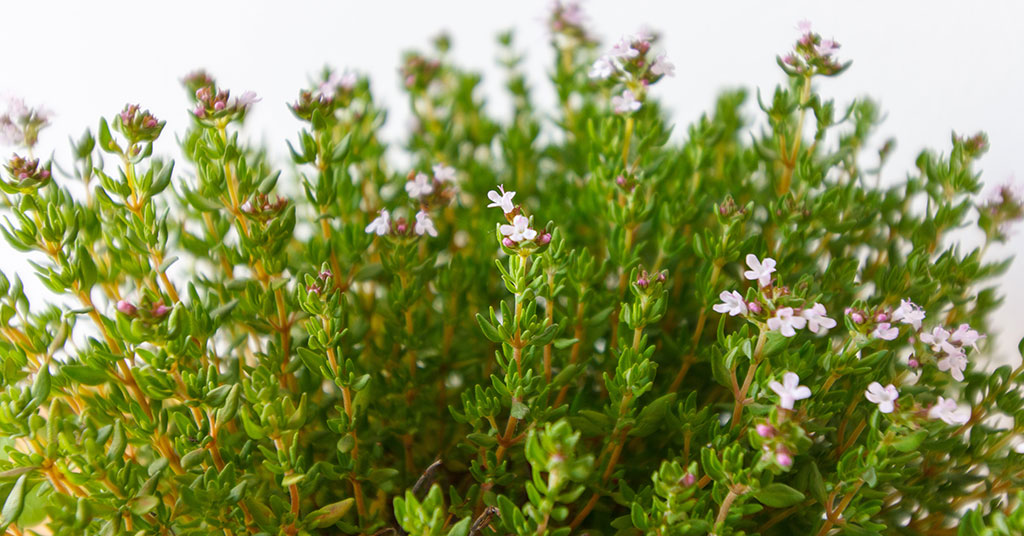
Thyme, native to the Mediterranean, is a versatile herb prized for its culinary flavor and robust fragrance. Its low-growing, spreading habit makes it an excellent ground cover that can be planted side-by-side with vegetables like tomatoes and carrots to enhance their flavor and deter pests naturally. I’ve experienced firsthand how thyme’s aromatic leaves not only elevate dishes but also create a natural microhabitat that attracts beneficial insects, such as bees and predatory wasps! When managed properly, thyme is non-invasive and helps fill in garden gaps with its delicate yet persistent growth.
In addition to its culinary and pest-repelling properties, thyme contributes to a healthier garden ecosystem by promoting beneficial soil microbial activity. Its ability to thrive in poor, well-draining soils mirrors its native habitat in rocky, sun-drenched regions of the Mediterranean, and when planted alongside other species, it enhances overall garden diversity. Thyme’s natural charm and low-maintenance nature make it an ideal companion plant, ensuring that your garden remains both flavorful and ecologically balanced throughout the growing season!
Cilantro
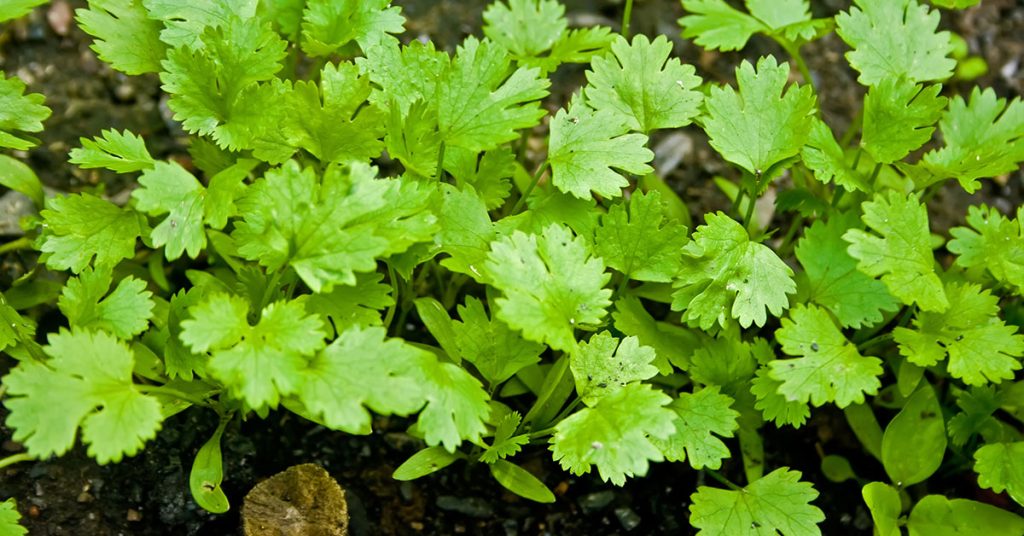
Cilantro, also known as coriander, is a fast-growing herb native to regions spanning from Southern Europe to Western Asia. Its delicate, lacy leaves and tiny white flowers add a burst of freshness to any garden, and it pairs beautifully with vegetables like tomatoes and peppers. I’m always delighted by cilantro’s ability to flourish in a side-by-side planting arrangement—its gentle aroma attracts beneficial pollinators like bees and flies, which help enhance the overall health of the garden! Although cilantro tends to bolt in warm weather, it remains non-invasive when grown in managed containers, making it a versatile addition for urban gardeners.
Besides its culinary uses, cilantro plays an important role in creating a dynamic microhabitat by attracting a variety of beneficial insects. Its small blossoms and feathery leaves offer shelter to helpful organisms that contribute to soil health and natural pest control. In its native environments, cilantro grows in a diverse ecosystem where every plant supports the next, and when cultivated in your garden, it continues this natural cycle of renewal. With consistent watering and proper light, cilantro will reward you with a continuous harvest and a refreshing burst of flavor, making it an indispensable herb for any well-planned garden!
Parsley
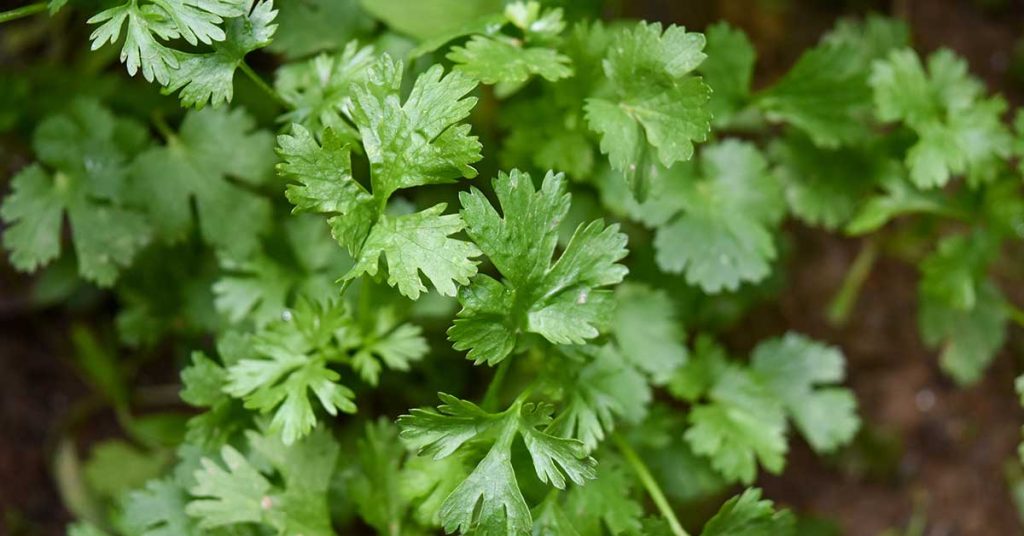
Parsley is a robust, biennial herb native to the Mediterranean region, treasured for its lush, curly leaves and bright, refreshing flavor. It thrives when planted alongside a variety of vegetables, enhancing both the aesthetic appeal and the flavor profile of your garden. I love how parsley’s rich, green foliage creates a natural, inviting microhabitat that attracts beneficial insects like bees and ladybugs, which help with natural pest control and pollination. Cultivated parsley remains non-invasive and is a wonderful companion plant, offering both culinary and ornamental benefits!
Moreover, parsley contributes to the overall health of your garden by enriching the soil with organic matter as its leaves decompose. Its steady growth habit and adaptability to different light conditions make it an ideal candidate for side-by-side planting with other complementary species. In its native habitat, parsley thrives in well-drained, fertile soils, and this legacy of resilience continues when grown in your garden. With a bit of regular care and harvesting, parsley will provide you with a continuous supply of vibrant, nutrient-rich greens, making it a versatile and indispensable herb in your garden.
Parsley is a robust biennial herb native to the Mediterranean, celebrated for its vibrant, curly leaves and fresh flavor. It pairs beautifully with a variety of vegetables and other herbs, creating a diverse, interwoven garden that thrives on mutual support. I love how parsley’s rich green foliage acts as a natural ground cover, helping to suppress weeds and maintain soil moisture. It also attracts beneficial pollinators like bees, contributing to a balanced microhabitat that enhances the overall health of your garden!