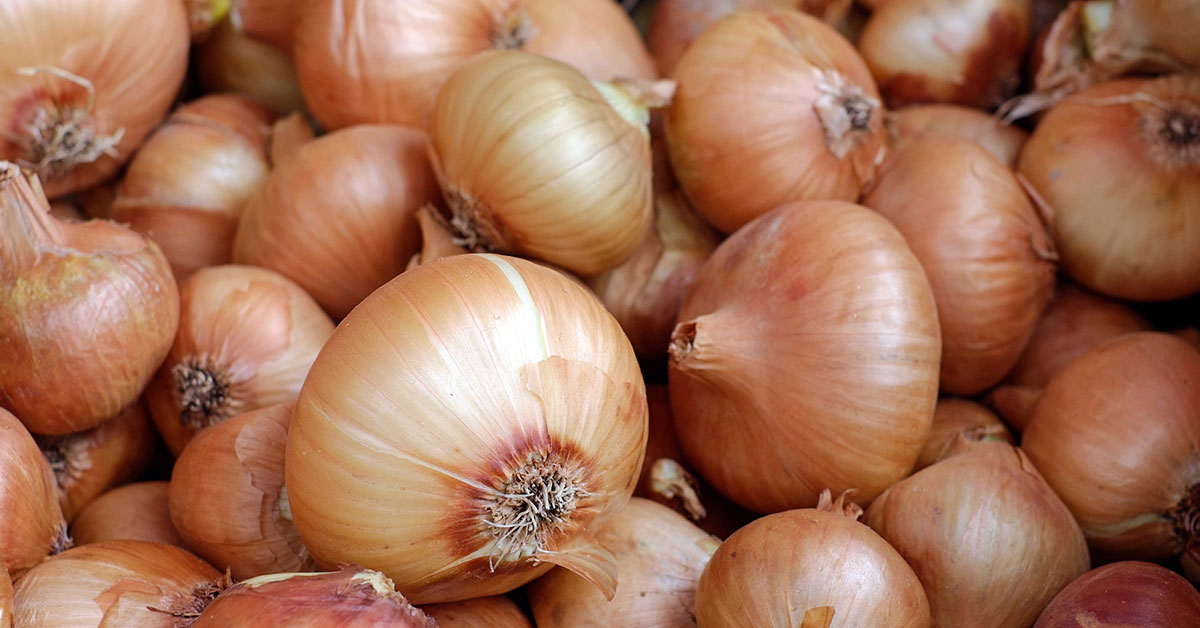

Gardening is an exciting journey, full of discoveries that make our outdoor spaces thrive! I know how challenging it can be when pests invade your garden or when your plants just don’t seem to cooperate. That’s why I’m thrilled to share these 20 fantastic onion companion plants with you – each one carefully chosen for its unique benefits, from attracting beneficial insects to providing natural pest control. This guide is a celebration of nature’s teamwork, where each plant plays a role in creating a resilient, vibrant garden ecosystem!
As a gardener who’s been through both the joys and frustrations of cultivating a thriving garden, I understand your quest for companions that not only beautify your space but also support your onions in every way possible. From the native origins of these plants to their sometimes unruly tendencies in the wild, I’ve packed this article with details that will help you decide which plants fit best in your garden.
Calendula

Calendula, commonly known as pot marigold, is a vibrant addition to any onion garden that brings both beauty and functionality. Native to southwestern Asia and the Mediterranean, this cheerful annual produces bright, sunny blooms that attract beneficial insects like bees and hoverflies. Its eye-catching presence not only adds color to your garden but also serves as a natural trap crop for aphids, luring pests away from your precious onions!
The behavior of Calendula is truly fascinating – its blossoms provide perfect landing spots for pollinators and even small insects that assist in natural pest control. It’s a delight to see how these insects use Calendula as a temporary nesting site or resting place during their busy foraging journeys! Fortunately, Calendula is not considered invasive, making it a safe and delightful addition to your carefully balanced garden ecosystem.
Carrot

Carrots offer more than just a culinary treat; they are excellent companions for onions due to their complementary growth patterns and pest-deterrent qualities. Originating from Europe and southwestern Asia, wild carrots have a long history of enriching garden soils with their deep, penetrating roots, which help improve soil structure and aeration. I’ve witnessed how the feathery foliage of carrots creates a dynamic microhabitat that welcomes ladybugs and parasitic wasps, all of which contribute to controlling pests naturally around your onions!
Beyond their underground contributions, carrots are known for their ability to support a buzzing garden ecosystem. The delicate blossoms of carrot plants invite a host of pollinators, turning your garden into a mini haven of activity where beneficial insects find both food and shelter. They aren’t invasive, but they do require some thoughtful spacing to ensure every plant has room to flourish. This harmonious pairing is a win for both your harvest and your garden’s overall health!
Mint
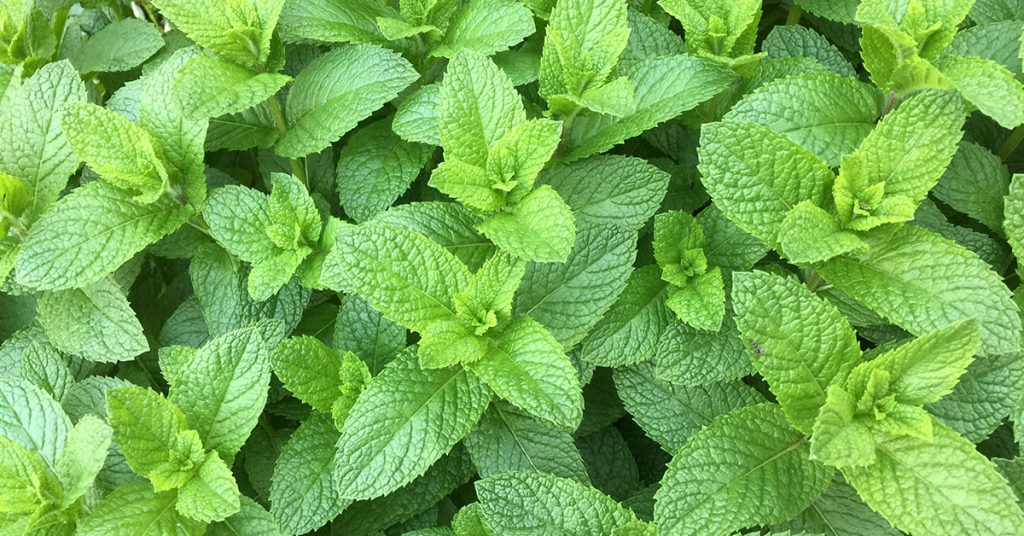
Mint is a refreshing and robust perennial that can bring a burst of aroma and vitality to your onion patch. Native to temperate regions across Europe, Asia, and Africa, mint has a notorious reputation for spreading quickly, and yes, it can be invasive if not contained properly! Its vigorous nature makes it an excellent ground cover that naturally repels pests, providing a shield around your onions from unwelcome insects that could wreak havoc on your crop.
One of the things I adore about mint is its ability to attract a diverse range of pollinators and predatory insects, including bees and wasps, which are indispensable for a thriving garden. Its dense growth offers tiny insects a safe haven to nest and prosper, turning your garden into a lively, buzzing ecosystem! Just be sure to plant mint in a controlled area or container so that its exuberance remains a benefit rather than a burden.
Basil
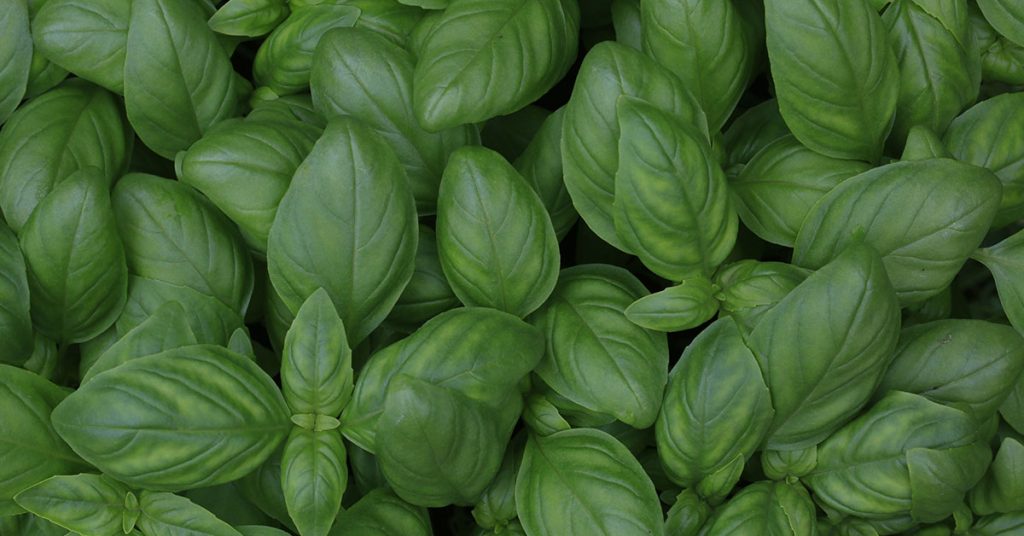
Basil is a culinary and garden superstar that perfectly complements onions with its aromatic leaves and pest-repelling capabilities. Native to tropical regions ranging from central Africa to Southeast Asia, basil is celebrated for its warm, spicy scent that fills the garden with an inviting atmosphere. I always find it uplifting to see basil thriving among my onions, its leaves dancing in the breeze and its presence naturally deterring common pests that can trouble a garden!
This herb also works wonders by attracting beneficial insects such as bees and butterflies, which use basil as a reliable landing spot and occasional nesting site. Its dense foliage creates a microhabitat where these tiny gardeners can thrive, ensuring a balanced ecosystem that benefits your entire garden. Managed properly, basil is not invasive, making it a friendly, versatile addition that enhances both the flavor of your dishes and the health of your outdoor sanctuary!
Chamomile
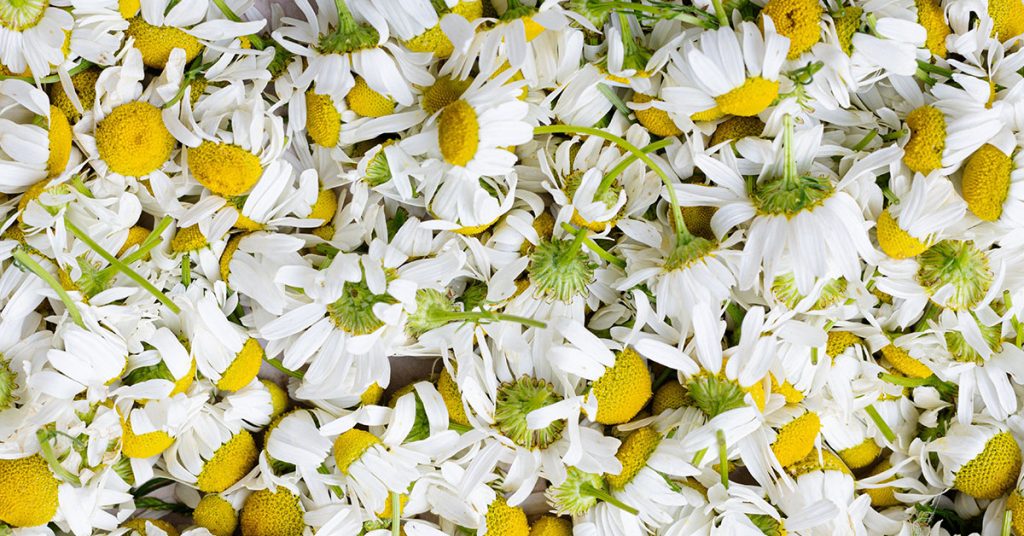
Chamomile, often dubbed the “tea plant,” is a gentle yet effective companion that pairs wonderfully with onions. Native to Europe and parts of Asia, chamomile has been treasured for centuries for its soothing properties and its ability to attract hoverflies and ladybugs. In my garden, the soft, star-shaped blooms of chamomile bring a touch of calm and charm, creating a serene environment that is as functional as it is beautiful!
Beyond its visual appeal, chamomile’s delicate blossoms provide ideal resting spots for beneficial insects, encouraging them to settle in and offer natural pest control. Its nurturing presence is like a warm embrace for the garden, ensuring that every inch of your space contributes to a harmonious ecosystem. And the best part? Chamomile isn’t invasive, which means you can enjoy its benefits without worrying about it overtaking your carefully planned layout!
Cilantro
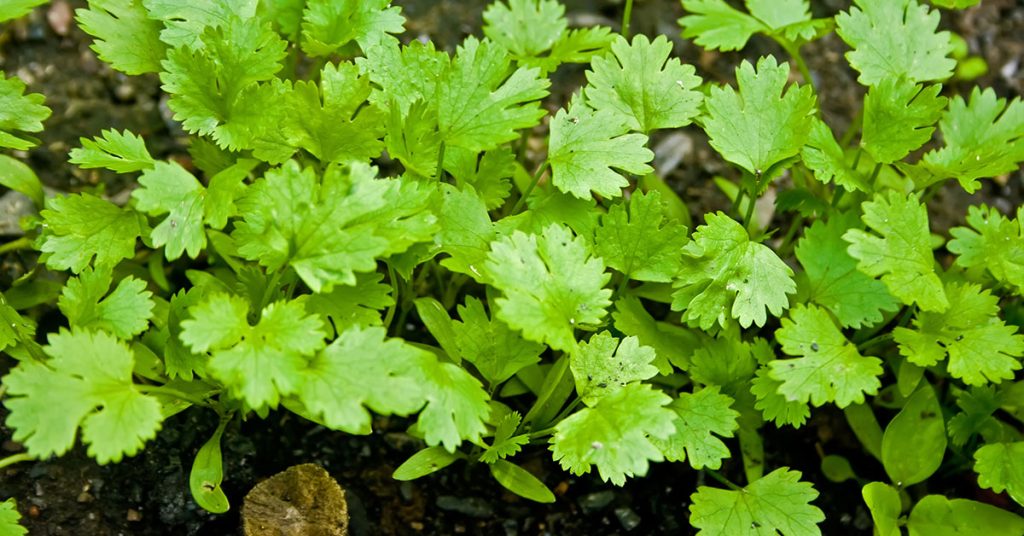
Cilantro, also known as coriander, is a lively herb that enhances the garden with both flavor and functionality when grown alongside onions. Native to regions spanning Southern Europe and Northern Africa, cilantro boasts delicate, lacy leaves and tiny blossoms that are irresistible to beneficial insects such as parasitic wasps and predatory beetles. In my garden, cilantro adds an intriguing texture and a burst of activity, inviting insects that help keep pest populations under control!
The flowers of cilantro serve as charming landing pads for pollinators, while the plant’s overall structure offers shelter and nesting spots for smaller insects. It’s amazing to see how these tiny creatures work together in the ecosystem, ensuring that every plant has the support it needs to flourish! Cilantro is not considered invasive, so you can confidently incorporate it into your garden knowing that its benefits will far outweigh any concerns about overgrowth.
Fennel
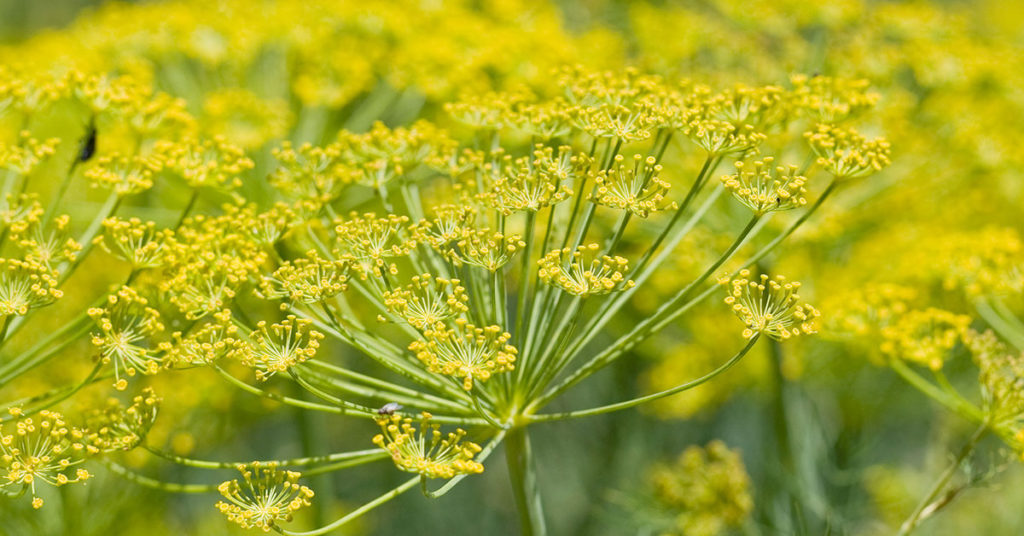
Fennel is a striking herb known for its feathery foliage and distinct flavor that brings both aesthetic appeal and ecological benefits to your garden. Native to the Mediterranean region, fennel attracts an array of beneficial insects, including ladybugs and parasitic wasps, which are vital in keeping garden pests in check. In my experience, fennel’s tall, graceful stalks provide a natural habitat for these tiny allies, creating a bustling environment where each plant supports the other!
However, it’s important to note that fennel can be quite vigorous and is known for its invasive tendencies in some areas. Its robust growth demands a bit of extra attention – I often opt to plant it in a contained space or a dedicated bed to ensure it doesn’t overshadow its neighbors. Despite its challenges, the rewards of having fennel in your garden are immense: a dynamic, interactive plant that enriches the ecosystem and provides natural pest control!
Lavender

Lavender is a perennial favorite that not only enchants with its soothing scent but also acts as a steadfast guardian for your onions. Native to the Mediterranean, this herb is well-known for attracting bees, butterflies, and other pollinators with its vibrant purple blooms. In my garden, lavender is a symbol of tranquility and productivity, offering both visual delight and practical benefits by warding off pests such as moths and fleas that might harm your onions!
The deep-rooted structure of lavender helps stabilize the soil while providing a natural nesting ground for beneficial insects. Its presence is a comforting reminder that every plant has a role in maintaining a balanced ecosystem. Best of all, lavender is not considered invasive, so its manageable growth makes it a perfect companion for your garden, adding a touch of elegance and efficiency to your onion bed!
Lemon Balm
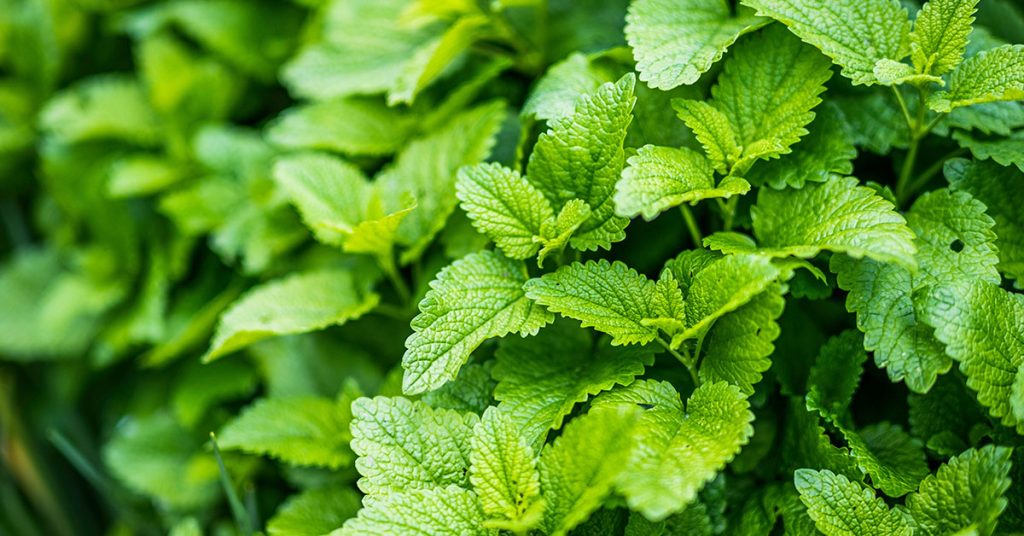
Lemon balm is a cheerful herb that brings a burst of citrusy freshness to your garden alongside onions. Native to Europe, this perennial herb is celebrated for its soothing fragrance and its ability to attract a variety of pollinators, including bees and butterflies. I find that lemon balm creates a lively atmosphere in my garden, with its sprawling habit offering an inviting space for beneficial insects to nest and thrive!
Its leaves, which emit a gentle lemon scent, naturally repel certain pests, giving your onions a better chance to grow undisturbed. Although lemon balm can grow vigorously, it isn’t typically invasive if pruned regularly. Its charming presence and practical benefits make lemon balm a delightful addition to any garden, ensuring that your onion patch not only survives but thrives with a natural boost of aromatic energy!
Marigold
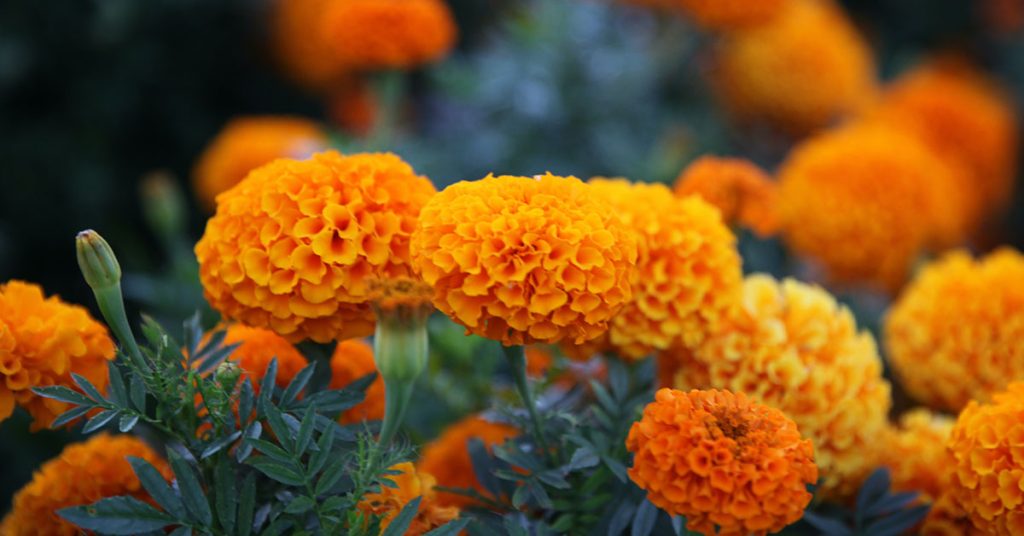
Marigold is a radiant annual that injects a burst of energy into your onion garden with its bold orange and yellow blooms. Native to the Americas, marigolds have long been recognized for their natural ability to repel nematodes and aphids, which are notorious for causing havoc in vegetable gardens. I’m always delighted by the way marigolds transform my garden into a vibrant, pest-resistant haven, all while adding an unmistakable splash of color!
In addition to their pest-deterring qualities, marigolds create an ideal microenvironment for beneficial insects. Their dense, bushy growth offers protective cover and nesting spaces for small pollinators that help keep the ecosystem in balance. Since marigolds are not considered invasive, you can confidently use them to safeguard your onions while elevating the overall aesthetic of your garden. What a wonderful way to combine beauty with natural defense!
Nasturtium

Nasturtium is a lively annual that offers both visual appeal and practical benefits when planted with onions. Native to the Andes of South America, nasturtiums are cherished for their vibrant, edible flowers that not only decorate your garden but also attract beneficial insects like aphid-eating ladybugs and predatory beetles. I find it incredibly satisfying to watch nasturtiums in action, drawing pests away from my onions while adding a playful burst of color to the garden!
Their sprawling growth habit creates natural nesting sites for various small insects, enhancing the overall biodiversity of your garden. This dual role as both a decorative and protective plant makes nasturtium a favorite in my gardening repertoire. Best of all, nasturtium is not invasive, so you can enjoy its benefits without worrying about it overtaking your carefully planned layout. It’s a true win-win for both beauty and function!
Oregano
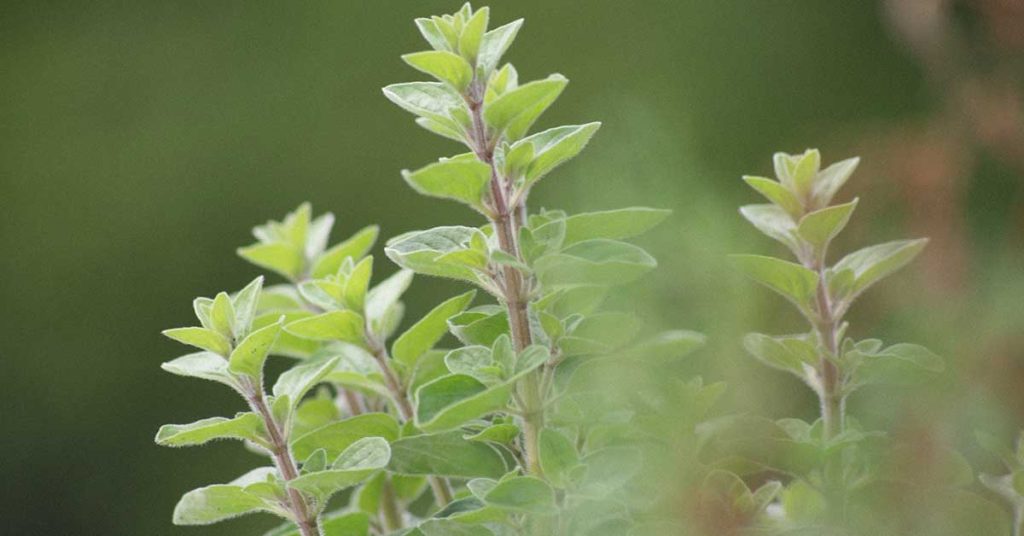
Oregano is a robust herb that infuses your garden with a touch of Mediterranean magic and excellent pest control capabilities. Native to the Mediterranean region, oregano is prized for its aromatic, oil-rich leaves that attract bees and other beneficial insects, ensuring your onion bed receives plenty of natural pollination. I always marvel at oregano’s ability to create a dense, protective mat that not only enhances soil moisture but also provides shelter for tiny, helpful critters!
Its low-growing habit is perfect for creating a natural barrier against weeds, while its subtle fragrance acts as a repellent for various pests. Oregano is delightfully non-invasive, making it a reliable companion that supports your garden’s overall health. Integrating oregano into your planting scheme means adding both flavor to your dishes and a natural defense system to your outdoor sanctuary!
Parsley
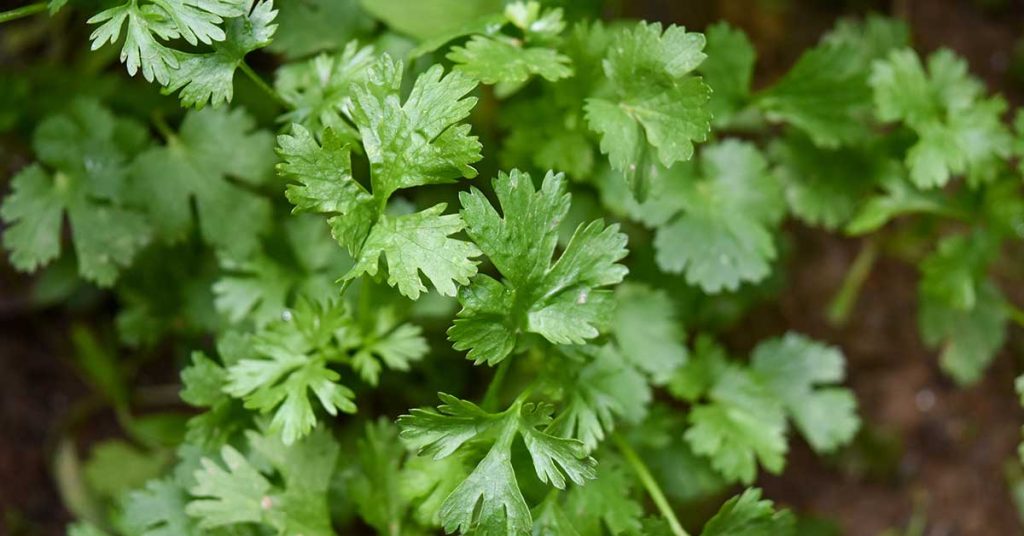
Parsley is a versatile herb that doubles as a nutritious garnish and a steadfast garden ally, particularly when grown with onions. Native to the Mediterranean region, parsley is celebrated for its lush, bright leaves and its ability to attract beneficial insects such as hoverflies and parasitic wasps. In my garden, parsley is a constant reminder that even the most humble plant can have a significant impact, enriching the ecosystem and supporting my onions against pest invasions!
The dense foliage of parsley not only enhances visual appeal but also offers protective cover and nesting sites for a variety of small pollinators. It’s such a relief to see nature’s little helpers thriving under the shelter provided by parsley, contributing to natural pest control without any need for harsh chemicals. Parsley is non-invasive, so it maintains a gentle balance in the garden, making it a delightful and practical addition to your onion companion collection!
Rosemary
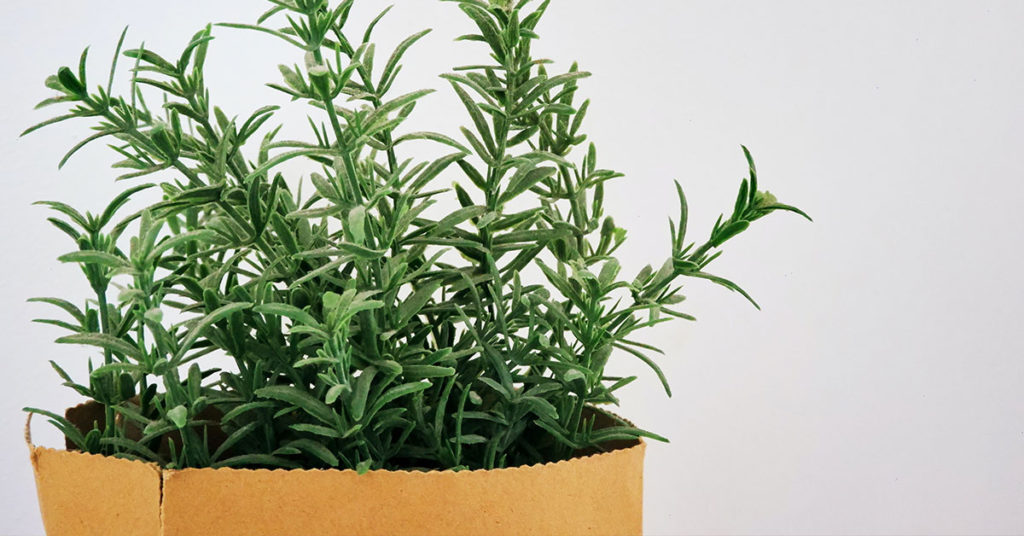
Rosemary is a classic herb that seamlessly marries culinary charm with garden utility, making it a stellar companion for onions. Native to the Mediterranean, rosemary thrives in sunny, well-drained soils and brings an invigorating, pine-like aroma to your garden. In my own gardening adventures, the presence of rosemary has always signaled a healthy ecosystem, as its needle-like leaves help deter pests such as cabbage moths and other intruders that might threaten my onions!
Additionally, rosemary’s delicate flowers are magnets for beneficial pollinators like bees and butterflies, which play a crucial role in sustaining the overall health of the garden. Its bushy structure offers small insects a place to nest and seek refuge, thereby enhancing the natural balance of your garden. Rosemary is not considered invasive, so you can enjoy its robust benefits without any worry about it overtaking other plants. It’s a delightful herb that brings both flavor and function to your garden!
Sage
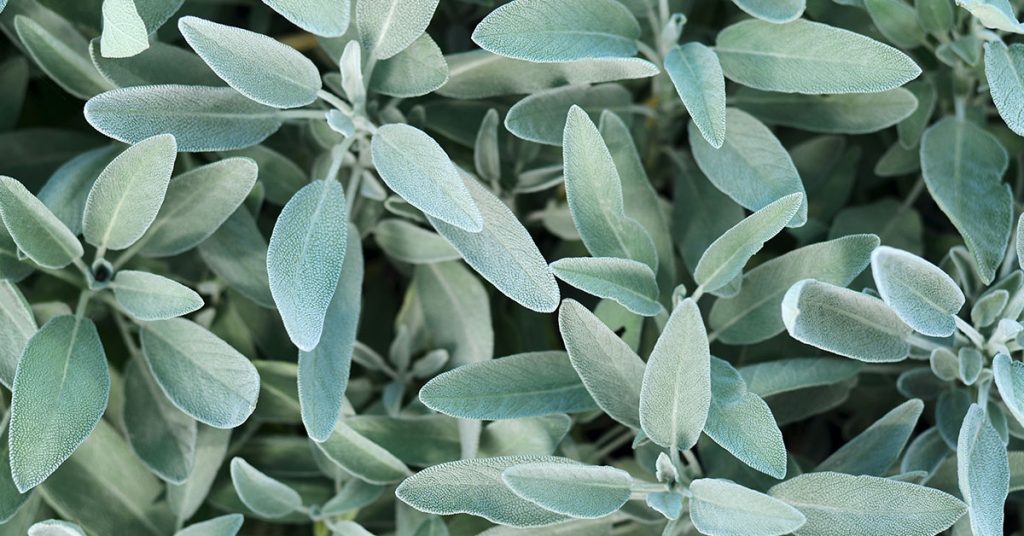
Sage, with its distinctive silvery-green leaves and robust aroma, is an exceptional herb that pairs beautifully with onions in any garden setting. Native to the Mediterranean, sage has been prized for centuries not only for its culinary use but also for its natural pest-repellent qualities. I always admire how sage fills my garden with a sense of calm while its strong fragrance works to deter unwanted insects, creating a secure environment for my onions to flourish!
Moreover, sage’s bushy, textured growth provides an excellent shelter for beneficial insects, offering them a safe place to nest and thrive. Its deep-rooted resilience helps stabilize the soil, ensuring a nourishing habitat for all your plants. Sage is not invasive, which makes it a trustworthy and manageable addition to any garden bed. With its multi-layered benefits, sage truly stands out as a guardian and enhancer of garden vitality!
Sunflower

Sunflowers are a striking and energetic addition to any garden, lending both height and vibrancy when grown alongside onions. Native to North America, these radiant giants are celebrated for their large, pollen-rich blooms that attract bees, butterflies, and even birds! I always feel a surge of joy when sunflowers tower over my onion patch, creating a dynamic interplay of light, shade, and natural pest control as these busy pollinators make their way from bloom to bloom.
Their towering presence not only adds visual drama but also offers natural nesting sites for various beneficial insects. The robust growth of sunflowers fosters a microclimate that supports a diverse array of garden inhabitants, ensuring a balanced and thriving ecosystem. Sunflowers are generally non-invasive, though their size requires some planning to ensure they harmonize with the more delicate onions. Embrace their radiant energy and let sunflowers turn your garden into a lively, interconnected haven!
Thyme
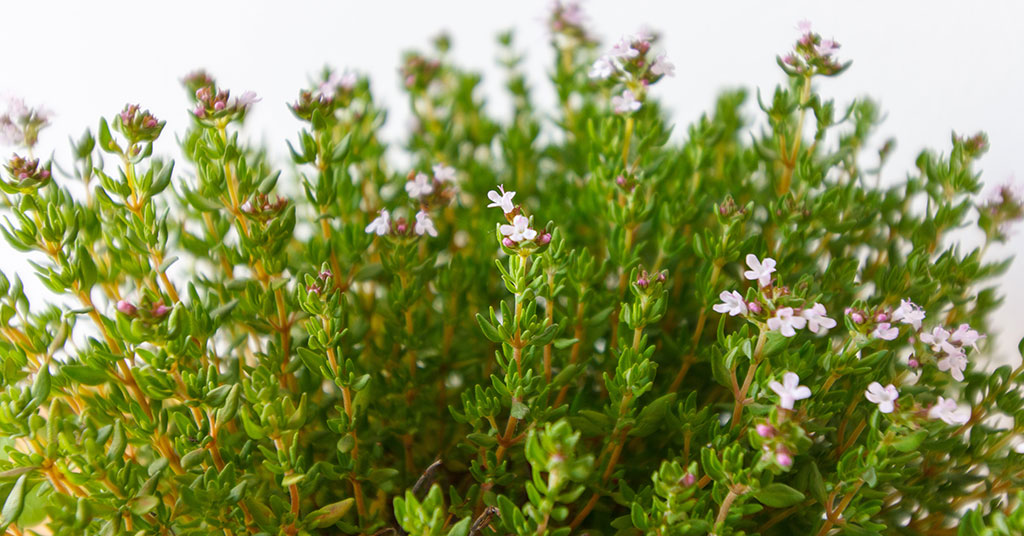
Thyme is a modest yet mighty herb that enhances your garden with its subtle charm and practical benefits as a companion for onions. Native to the Mediterranean region, thyme is renowned for its hardy nature and its ability to thrive in dry, well-drained soils. In my garden, thyme’s low-growing, creeping habit forms a protective mat that not only helps conserve moisture but also provides a cozy nesting spot for small, beneficial insects. Its gentle aroma is a constant reminder of sunlit fields and vibrant harvests!
This unassuming herb contributes significantly to natural pest control by attracting pollinators and offering shelter to predators of common garden nuisances. Its dense foliage suppresses weeds and creates a balanced microenvironment that supports the growth of your onions. Thyme is not invasive, making it a dependable and friendly addition to any garden bed. I truly appreciate how such a humble plant can deliver so many benefits, enhancing both flavor and function in your outdoor oasis!
Dill
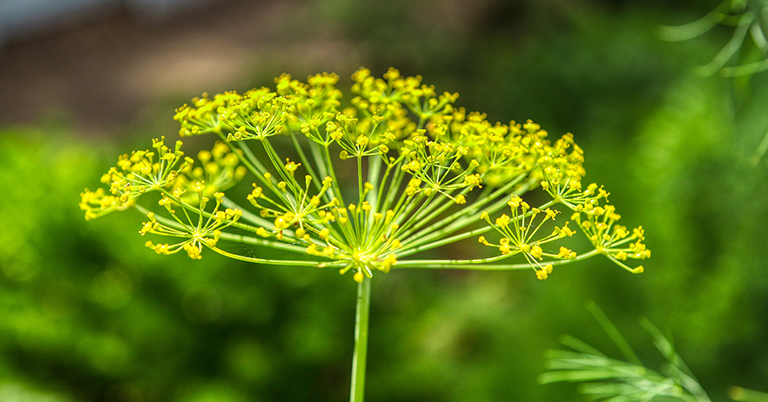
Dill is an enchanting herb that captivates with its feathery foliage and delicate, umbrella-like blossoms, making it a great companion for onions. Native to regions of the Mediterranean and West Asia, dill has a long-standing reputation as a magnet for beneficial insects, including predatory wasps and ladybugs. I’m always delighted when dill graces my garden – its airy structure creates a dynamic landing pad for pollinators that help keep pesky insects at bay, benefiting the overall health of the onion bed!
Moreover, dill’s tall, slender growth adds an unexpected vertical element to the garden, providing additional nesting and sheltering opportunities for small insects. Its presence encourages a buzzing ecosystem where each plant supports the next in a natural cycle of mutual benefit. Dill is not known to be invasive, ensuring that its elegant charm complements rather than competes with your other plants. It’s a true testament to nature’s ability to harmonize beauty with practicality!
Chives
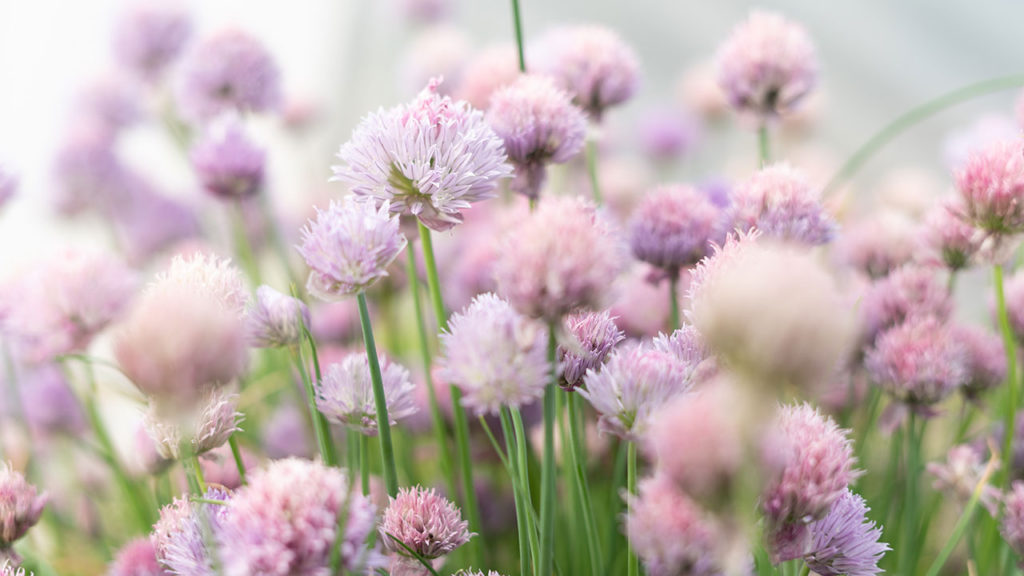
Chives are a perennial favorite that make a subtle yet effective companion for onions with their delicate, grassy blades and mild, onion-like flavor. Native to Asia, chives have been a part of culinary and medicinal traditions for centuries, and they also play an important role in the garden by attracting beneficial pollinators. I love how chives enhance the overall look of my onion patch, providing not only a burst of green but also a natural pest-repelling quality that helps keep unwanted insects away!
The clumping growth habit of chives creates a natural cushion that provides shelter for small insects, fostering a balanced microecosystem around your onions. Their gentle presence can regulate soil temperature and moisture, making them a supportive ally during the heat of summer and the chill of early spring. Importantly, chives are non-invasive, which means they integrate seamlessly into your garden without overwhelming their neighbors. Their understated charm is a constant reminder of the beauty of simplicity in nature!
Borage

Borage is a delightful herb celebrated for its star-shaped blue flowers and multifaceted role as an onion companion. Native to the Mediterranean region, borage has been used for centuries to attract a host of beneficial insects, particularly bees and predatory wasps that are crucial for natural pest control. I’m always excited to see borage in bloom, its vivid blue petals creating a striking contrast against the green backdrop of the garden, and its ability to nurture an active pollinator community is simply outstanding!
In addition to its aesthetic appeal, borage’s soft, hairy leaves offer an inviting nesting ground for tiny insects, helping to bolster the ecosystem’s natural balance. This remarkable herb works quietly in the background to enhance soil fertility and support the overall health of your garden. Fortunately, borage is not considered invasive, which means you can enjoy its numerous benefits without the worry of it overtaking your carefully curated space. It’s a charming and practical companion that truly embodies the spirit of organic gardening!