

Indoor gardening is such an adventure—a chance to bring the vivid beauty of nature into our living spaces and create a sanctuary full of life and color. As a passionate gardener who’s spent years experimenting with various species, I understand the joy (and occasional challenges!) of nurturing plants indoors. In this article, I’ll share twenty flowering indoor plants that have transformed my home into a vibrant oasis. You’ll find each section brimming with insights on where these plants hail from, their behaviors such as attracting pollinators or even offering nesting spots, and tips on ensuring they remain non-invasive!
I know how disheartening it can be when pests invade or when a plant just doesn’t perform as expected—trust me, I’ve been there! That’s why I’m excited to introduce these remarkable indoor blooms, each with its own unique charm and practical benefits. Whether you’re looking to brighten up a dull corner or create a living, breathing masterpiece that complements your lifestyle, this guide is here to inspire and empower your indoor gardening journey!
Bougainvillea
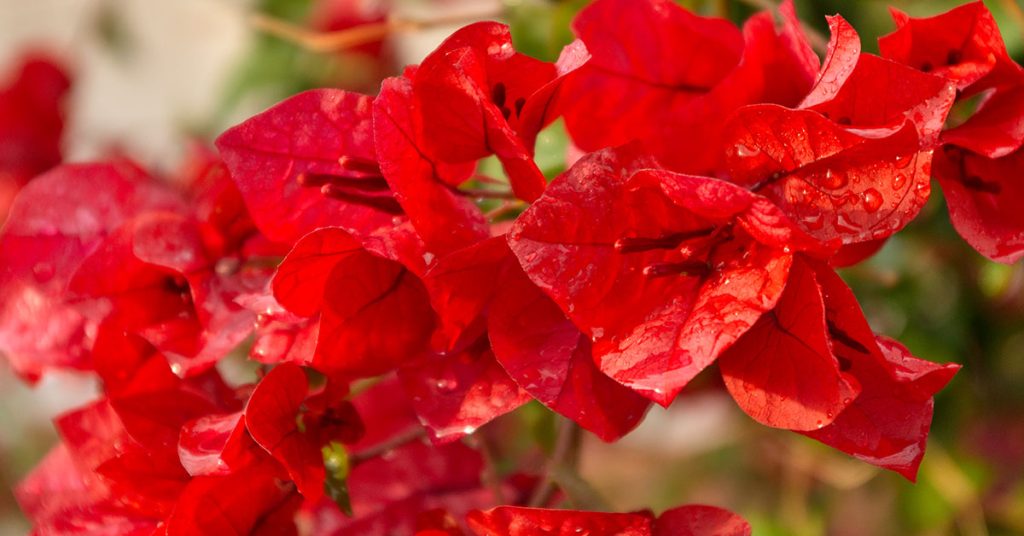
Bougainvillea is a showstopper that can transform any indoor space into a tropical retreat with its profuse bracts in dazzling hues. This vivacious plant, native to South America, surprises many with its ability to thrive indoors under the right light conditions, and its cascade of colors often acts as a natural magnet for hummingbirds and small pollinators! In my own home, the bougainvillea has become a centerpiece, with its lively displays sparking conversation and filling the room with an unmistakable festive spirit.
While bougainvillea is renowned for its ornamental appeal, it’s important to note that in its native habitat it can become quite vigorous. However, when cultivated indoors with proper care and controlled conditions, it rarely exhibits invasive tendencies. Its adaptability and exuberant behavior—often encouraging pollinators to visit and even perch on its delicate branches—make it an ideal candidate for gardeners seeking a burst of tropical flair indoors!
African Violet
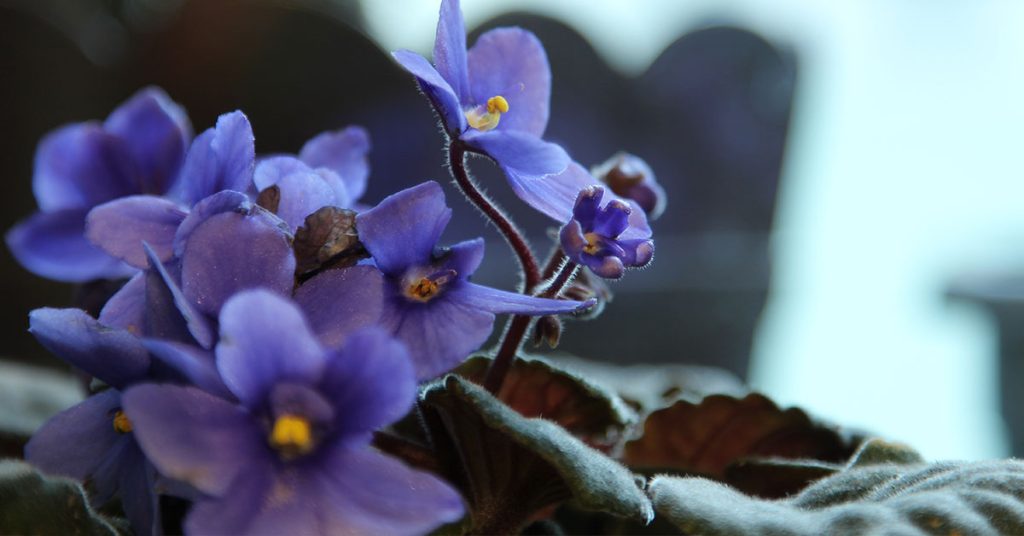
African violets bring a touch of delicate charm to any interior space with their soft, velvety leaves and charming clusters of blooms. Native to the tropical regions of Eastern Africa, these dainty beauties are celebrated for their gentle, pastel colors that can effortlessly uplift a room’s mood. I’ve always been impressed by how they seem to quietly beckon beneficial insects, turning even a small windowsill into a mini haven for tiny pollinators!
Despite their gentle appearance, African violets are hardy indoor companions when given the right care. They are non-invasive and thrive in controlled indoor conditions, making them a favorite among gardeners who desire a low-maintenance yet visually appealing plant. Their behavior—encouraging visits from small insects and adding a soft, calming texture to your home—is a delightful bonus that brings nature a little closer to your everyday life!
Orchid Cactus
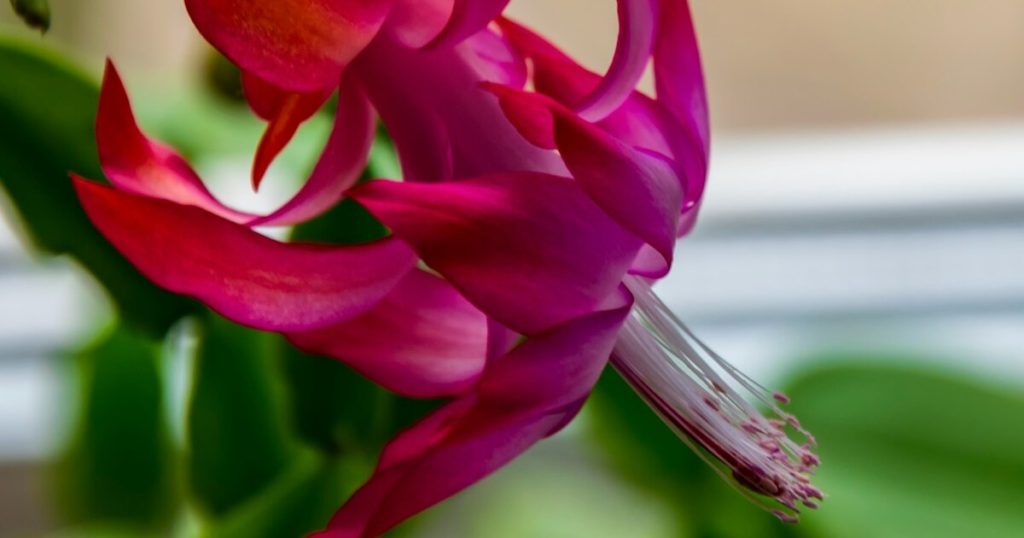
The orchid cactus is a fascinating hybrid that marries the delicate elegance of orchids with the quirky charm of cacti. Native to the tropical rainforests of Central and South America, this intriguing plant offers uniquely shaped blooms that attract a variety of indoor pollinators, making it a delightful conversation piece in any room! Its sprawling, segmented stems provide unexpected nesting sites for small insects, adding an extra layer of ecological interest to your home garden.
Growing the orchid cactus indoors is a treat for any gardener seeking a blend of unusual beauty and low-maintenance care. It adapts well to indoor light and humidity conditions and is not known for being invasive when provided with appropriate space. The plant’s engaging behavior and the way it invites nature indoors are just a few of the reasons why it’s become a beloved addition to my collection!
Amaryllis
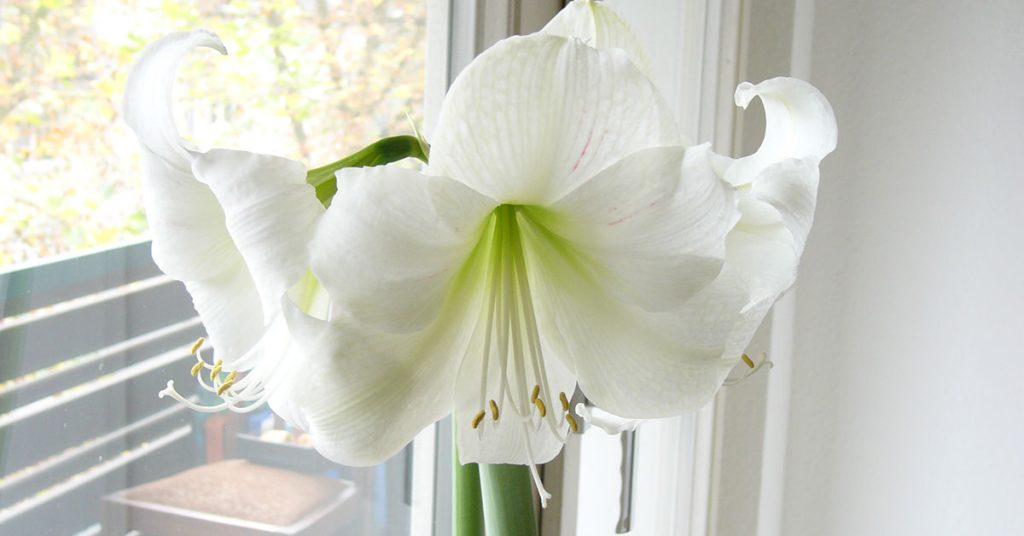
Amaryllis belladonna brings bold, trumpet-shaped flowers that exude elegance and command attention in any indoor setting. Native to South Africa, this stately plant bursts into bloom with large, vibrant petals that not only uplift your space but also draw in inquisitive pollinators. I’ve experienced firsthand how the striking blossoms of amaryllis can light up a room, creating a festive ambiance that feels both luxurious and welcoming!
Although amaryllis is often associated with outdoor gardens in warmer climates, its controlled indoor cultivation means it remains well-behaved and non-invasive. The robust nature of this plant allows it to create a mini habitat for beneficial insects, which sometimes find cozy spots among its sturdy leaves. Its blend of dramatic aesthetics and practical behavior makes amaryllis an exceptional indoor companion for those looking to add a dash of grandeur to their home!
Hoya (Wax Plant)

Hoya, affectionately known as the wax plant, captivates with its star-shaped clusters of fragrant, waxy flowers that brighten any indoor space. Native to the tropical forests of Asia and Australia, hoya offers a charming display that attracts a flurry of bees and tiny insects, eager to investigate its nectar-rich blooms. Every time I see its shimmering clusters, I’m reminded of the magic that happens when nature and home life intertwine!
One of the many reasons I cherish hoya is its ability to thrive without becoming overly aggressive. This plant is non-invasive and fits comfortably into indoor settings, often utilizing its trailing vines to create a lush, cascading effect. Its behavior—ranging from inviting pollinators to occasionally offering shelter in its dense clusters—adds both beauty and ecological value, making it a truly rewarding addition to any colorful home!
Anthurium

Anthuriums, with their glossy, heart-shaped spathes and vibrant colors, add a dash of tropical luxury to indoor environments. Native to the rainforests of Central and South America, these striking plants are not only visually appealing but also serve as a beacon for hummingbirds and small insects that are drawn to their unique structures. I’ve found that the dynamic allure of anthuriums can completely transform a room into a mini tropical paradise!
Cultivated indoors under well-regulated conditions, anthuriums remain remarkably manageable and are not considered invasive. Their robust nature encourages the establishment of beneficial insects, which sometimes find refuge among the lush foliage, thereby enriching your indoor ecosystem. Their captivating behavior and long-lasting blooms make anthuriums an irresistible choice for gardeners who want to add a splash of exotic flair to their colorful home!
Gerbera Daisy
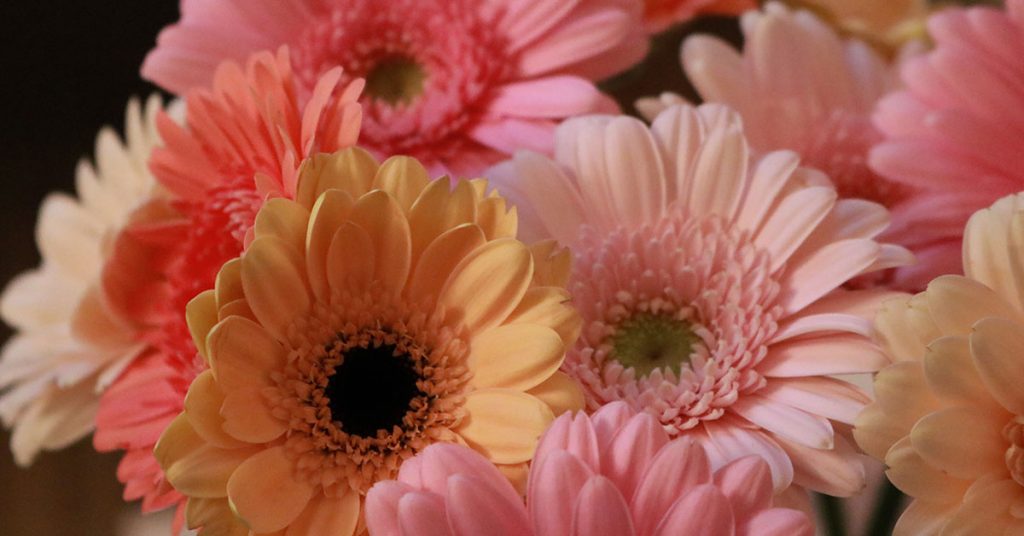
Gerbera daisies burst forth with radiant, cheerful blooms that can instantly lift the spirit of any indoor space. Originally from the tropical regions of South Africa, these vibrant flowers have a way of drawing in curious pollinators, transforming even a modest corner into a lively haven of color and movement. The vivid petals of gerbera daisies have always been a source of joy for me, and they never fail to spark smiles among visitors!
When grown indoors, gerbera daisies are typically well-behaved and non-invasive, provided they receive adequate light and care. Their bright presence often attracts a variety of small insects, which occasionally use the plant’s sturdy structure for nesting and shelter. With their energetic character and magnetic allure, gerbera daisies make an excellent addition to any home that craves a touch of natural exuberance and heartfelt beauty!
Lipstick Plant (Aeschynanthus)

The lipstick plant dazzles with its tubular, vividly colored flowers that seem to pout cheekily at onlookers. Native to the tropical forests of Southeast Asia, this plant offers a unique ornamental twist that’s perfect for indoor settings, inviting not only admiration but also a small cadre of buzzing pollinators! In my experience, the lipstick plant’s playful blooms add a fun and unexpected burst of personality to any room, making it a true conversation starter.
Remarkably, the lipstick plant is non-invasive when nurtured indoors, thriving in warm, humid conditions while remaining contained. Its behavior is fascinating—its delicate, pendulous flowers often attract tiny insects that use the crevices for temporary shelter, contributing to a balanced indoor ecosystem. This delightful plant is a must-have for anyone looking to add a splash of whimsical charm and dynamic energy to their indoor garden!
Clivia miniata

Clivia miniata, or the Kaffir lily, enchants with its cluster of vibrant orange flowers that can light up even the gloomiest indoor corner. Native to the woodlands of South Africa, Clivia is prized for its long-lasting blooms and the gentle way it attracts small pollinators, including bees and butterflies that seek out its nectar! I’ve noticed that its warm, glowing presence creates an inviting atmosphere that transforms a simple room into a cheerful retreat.
Despite its robust appearance, Clivia miniata is remarkably well-behaved indoors and is not regarded as invasive. It prefers low to moderate light, making it an ideal choice for spaces that might not bask in direct sunlight. Its unique structure offers occasional hideaways for small insects, contributing to a balanced indoor ecosystem while simultaneously adding a refined touch of color and elegance to your home!
Christmas Cactus

The Christmas cactus brings seasonal cheer with its cascading clusters of vibrant blooms that often light up the holiday season indoors. Native to the coastal mountains of Brazil, this succulent delight is renowned for its festive display that attracts a host of indoor pollinators eager to explore its bright, tubular flowers! I always marvel at how the Christmas cactus transforms my living room into a winter wonderland filled with unexpected bursts of color!
Unlike some plants that may become unruly, the Christmas cactus is notably non-invasive when grown indoors. It thrives under controlled conditions and its sprawling habit provides ample opportunities for beneficial insects to use its structure for brief nesting visits. Its resilience and seasonal charm make the Christmas cactus an essential part of my indoor collection, offering both beauty and practical benefits during the cooler months!
Primrose
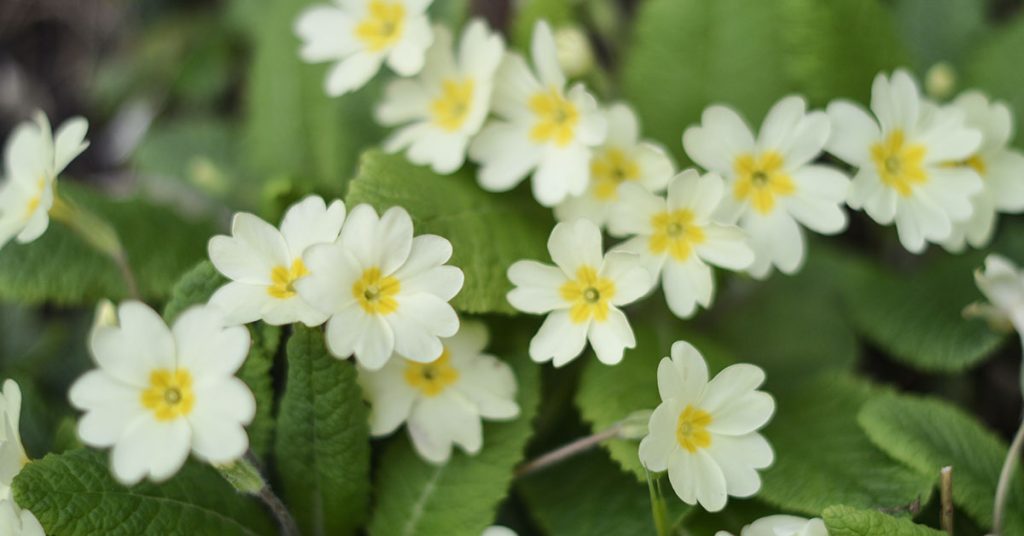
Primroses add a splash of early-spring vibrancy to your indoor garden with their cheerful, multi-hued blossoms. Native to parts of Europe and Asia, these flowers are celebrated for their ability to brighten even the dimmest indoor spaces, drawing in curious pollinators that occasionally find the perfect nook among the foliage! I find primroses particularly delightful for their gentle energy and the way they invite a sense of renewal and optimism into my home.
When cultivated indoors, primroses tend to be well-behaved and are not known for any invasive tendencies. Their compact growth habit makes them ideal for tabletops or window sills, where they create small havens for beneficial insects to visit and sometimes even seek refuge. The combination of their radiant colors and supportive role in fostering a micro-ecosystem makes primroses a truly uplifting addition to any colorful indoor garden!
Bromeliad (Guzmania)

Bromeliads, especially varieties like Guzmania, are a vibrant testament to tropical elegance that effortlessly thrive indoors. Native to the rainforests of Central and South America, these captivating plants display an array of brilliant colors and intricate leaf patterns that attract a diverse group of pollinators. I’ve always been fascinated by how a single bromeliad can become a mini ecosystem, with its central cup sometimes even serving as a temporary nesting spot for small insects!
Cultivated under the warm, humid conditions that mimic their native habitat, bromeliads remain non-invasive and well-suited for indoor living. Their unique architectural form not only provides a feast for the eyes but also supports a delicate balance by inviting beneficial creatures into your home. With their striking presence and functional beauty, bromeliads like Guzmania are an exciting way to infuse a tropical flair into your indoor garden!
Poinsettia

Poinsettias are synonymous with festive cheer, their bright red and green foliage instantly evoking a sense of celebration. Native to Mexico, these iconic plants have been cherished for centuries and now make a delightful indoor appearance that attracts an array of curious pollinators. In my own home, the poinsettia has been a seasonal star, adding a burst of color that not only elevates the décor but also creates a welcoming habitat for small insects during the winter months!
While poinsettias can sometimes have a wild reputation outdoors, their indoor cultivation ensures they remain well-behaved and non-invasive. They thrive in controlled environments where their vibrant display acts as both a visual delight and a subtle lure for beneficial indoor critters. The poinsettia’s festive energy and graceful behavior make it a treasured component of any indoor garden designed to celebrate the spirit of the season!
Phalaenopsis Orchid
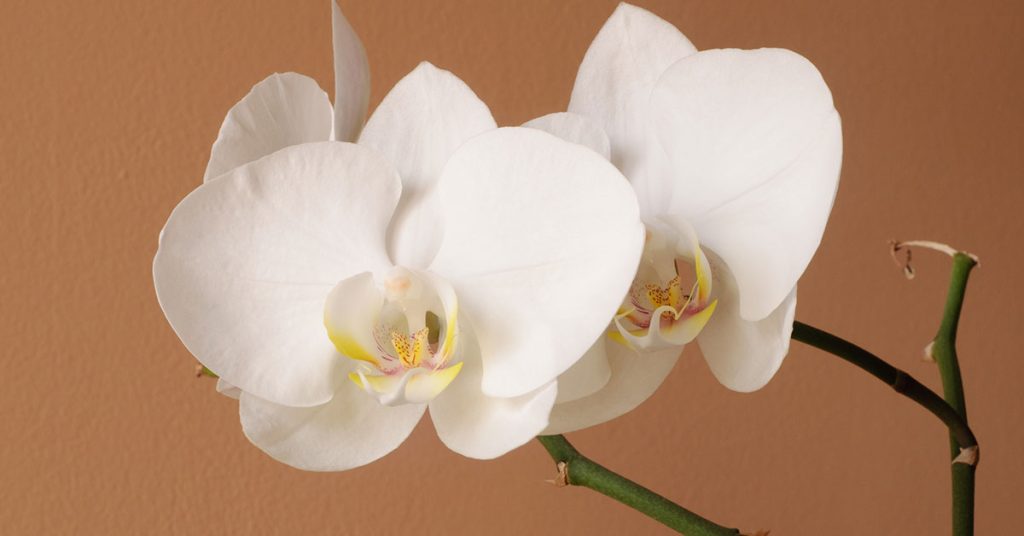
Phalaenopsis orchids, often known as moth orchids, enchant with their elegant, long-lasting blooms that seem to float effortlessly against a backdrop of lush green leaves. Native to Southeast Asia, these orchids are celebrated for their delicate appearance and subtle fragrance, which often draws in gentle pollinators looking for a quiet corner to rest! I find that their ethereal beauty not only elevates the ambiance of any room but also provides an intriguing microhabitat that occasionally attracts tiny beneficial insects.
Grown under the careful attention that indoor environments provide, phalaenopsis orchids are well-behaved and do not exhibit invasive tendencies. Their refined structure creates natural perches for small creatures, fostering a balanced indoor ecosystem. For gardeners seeking a blend of sophistication and practical benefits, the moth orchid remains a perennial favorite, offering a touch of serene elegance alongside a whisper of natural intrigue!
Peace Lily (Spathiphyllum)
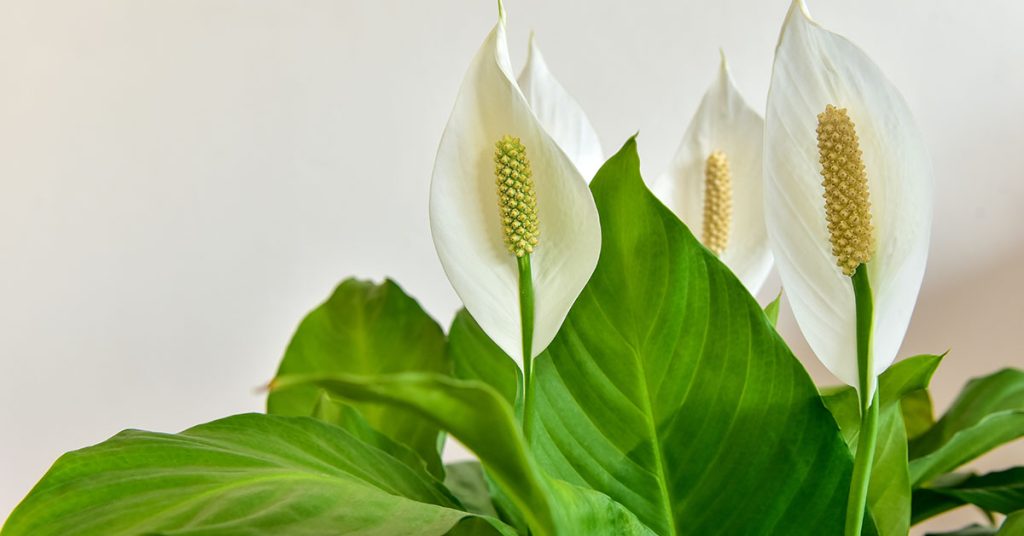
The peace lily is a timeless indoor classic, its pure white blooms and glossy foliage bringing a sense of calm and serenity to any room. Native to the tropical regions of the Americas and southeastern Asia, this gentle plant not only elevates your home’s aesthetic but also acts as a subtle attractor for small indoor pollinators. I always appreciate how the peace lily transforms a space, offering both beauty and a nurturing microenvironment that sometimes even serves as a temporary nesting area for beneficial insects!
Peace lilies thrive in low to moderate light and are remarkably non-invasive when maintained indoors. Their capacity to purify indoor air is well-known, and their behavior—inviting curious insects while remaining contained—ensures that they add practical benefits as well as visual appeal. With their graceful form and supportive role in indoor ecosystems, peace lilies are a must-have for anyone looking to create a balanced and colorful home garden!
Kalanchoe blossfeldiana
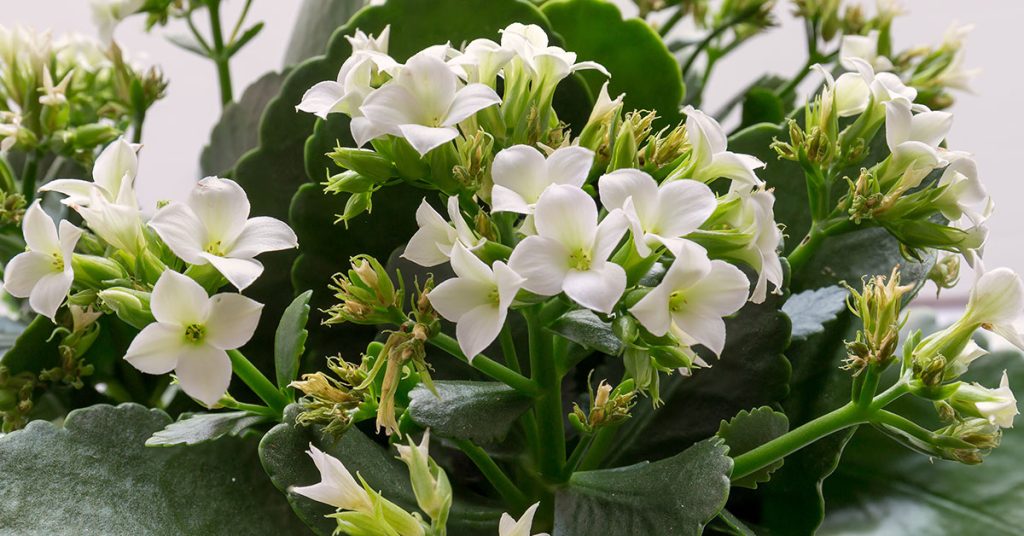
Kalanchoe blossfeldiana brings a cheerful burst of small, clustered flowers that can brighten up any indoor setting. Native to Madagascar, this succulent plant offers a vivid display of colors that attracts tiny pollinators eager to explore its nectar-filled blossoms. I find its energetic vibe absolutely contagious—its compact growth and vibrant flowers have added a delightful spark to my indoor garden that never fails to put a smile on my face!
One of the many perks of growing kalanchoe indoors is its non-invasive nature; when cared for properly, it remains a tidy, well-behaved companion. Its robust leaves and clustered blooms often become a magnet for beneficial insects, which sometimes take advantage of the sheltered spaces between the succulent foliage. For those seeking a plant that’s as practical as it is pretty, kalanchoe blossfeldiana offers an irresistible combination of color, charm, and manageable care!
Begonia
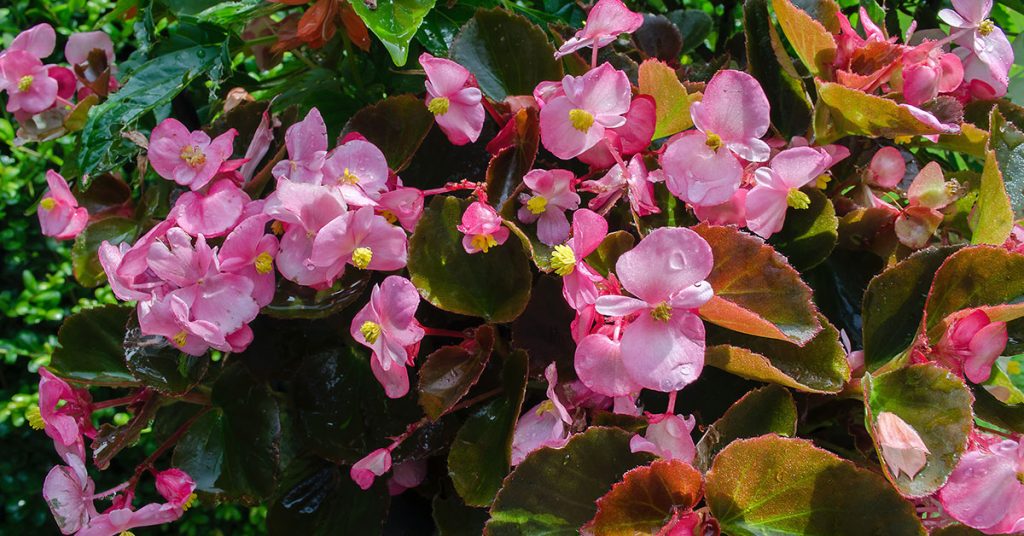
Begonias are a diverse and captivating group of indoor flowering plants, renowned for their striking blooms and lush, textured foliage. Native to tropical and subtropical regions around the world, begonias infuse any indoor space with an eclectic mix of colors and shapes that effortlessly attract a variety of small pollinators. I’ve always admired how begonias create a dynamic, almost painterly effect in my home, inviting insects to flutter about and occasionally use the leaves as a safe resting spot!
Despite their exuberant display, begonias are known for their well-behaved growth indoors and are not generally considered invasive. Their varied forms—ranging from delicate, trailing varieties to more robust, upright types—allow them to fit seamlessly into different décor styles while supporting a balanced microhabitat for beneficial insects. With their striking appeal and functional benefits, begonias are an excellent choice for gardeners eager to blend artistic flair with practical indoor gardening!
Cyclamen

Cyclamen bring a unique elegance to indoor spaces with their upswept petals and intricately patterned foliage. Native to the Mediterranean region, these charming plants have a storied history of brightening winter days with their unexpected bursts of color. I find cyclamen particularly fascinating because their low-growing habit and delicate blooms invite small pollinators to investigate, sometimes even offering a discreet nook for transient nesting!
Grown under the calm, controlled conditions of indoor environments, cyclamen remain non-invasive and easy to manage. Their graceful presence and gentle fragrance create a soothing ambiance that not only pleases the eye but also contributes to a subtle, balanced ecosystem. For anyone looking to add a touch of refined beauty and natural charm to their home, cyclamen offers an exquisite blend of artful design and ecological practicality!
Indoor Jasmine
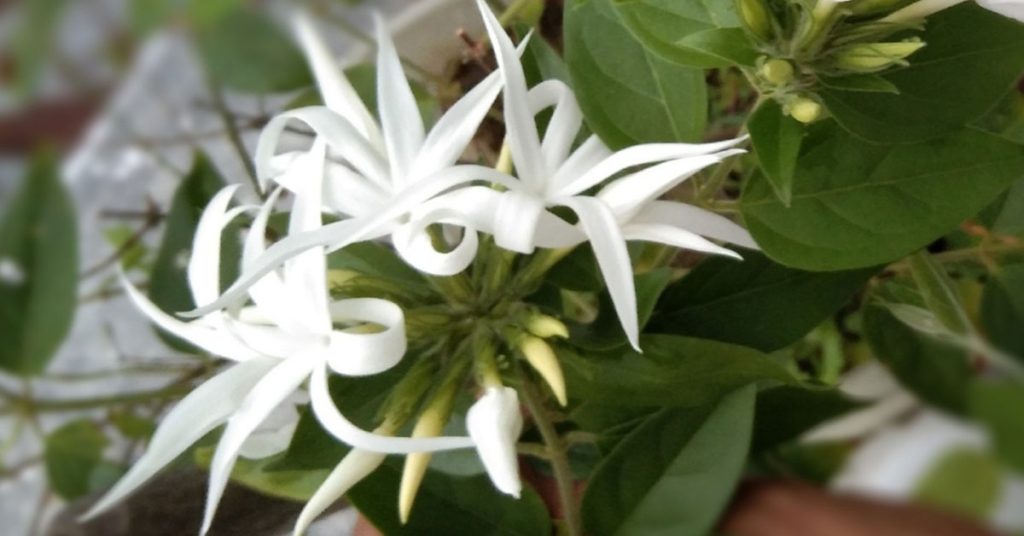
Indoor jasmine fills a home with a sweet, intoxicating fragrance that has the power to transform even the most ordinary room into a sanctuary of scent and color. Native to regions of South Asia, jasmine’s delicate, star-shaped flowers exude a warm aroma that attracts a host of tiny pollinators, making it a living, breathing centerpiece of indoor nature. I’m constantly delighted by how its gentle blooms seem to invite not just admiration but also nature’s little helpers, creating a symbiotic indoor retreat!
When cultivated with care, indoor jasmine remains a friendly and non-invasive companion, perfectly suited for apartments and well-lit living spaces. Its climbing or bushy growth habits provide natural hideaways for small insects, ensuring that the plant supports a balanced microecosystem. For those who cherish the allure of natural fragrances and the subtle magic of indoor pollination, jasmine is a must-have addition to your colorful home!
Miniature Rose
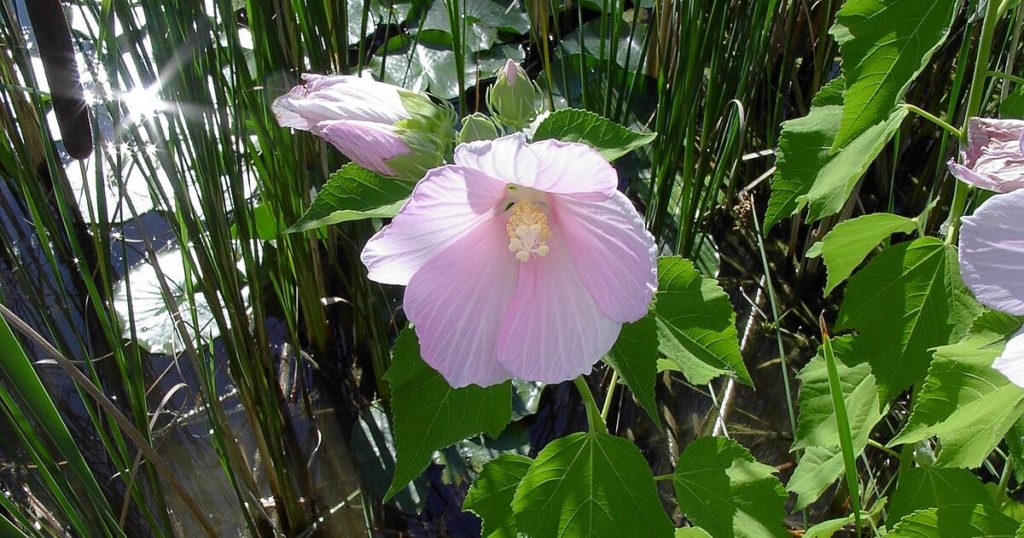
Miniature roses are a timeless indoor treasure, offering the classic beauty of full-sized roses in a compact, manageable form. Hailing originally from regions of Asia and the Mediterranean, these petite blooms exude a romantic charm that not only captivates the eye but also attracts bees and small insects seeking a taste of their sweet nectar. I’ve found that their delicate petals and gentle fragrance add an air of refined elegance to any indoor space, making them a true delight for flower enthusiasts!
Despite their enchanting allure, miniature roses are well-behaved when grown indoors and do not exhibit invasive tendencies. Their compact habit makes them ideal for window boxes or tabletops, where they often provide natural perching spots for beneficial insects. With their classic beauty, engaging fragrance, and practical growth habits, miniature roses are the perfect embodiment of indoor floral sophistication that brings timeless joy into your home!