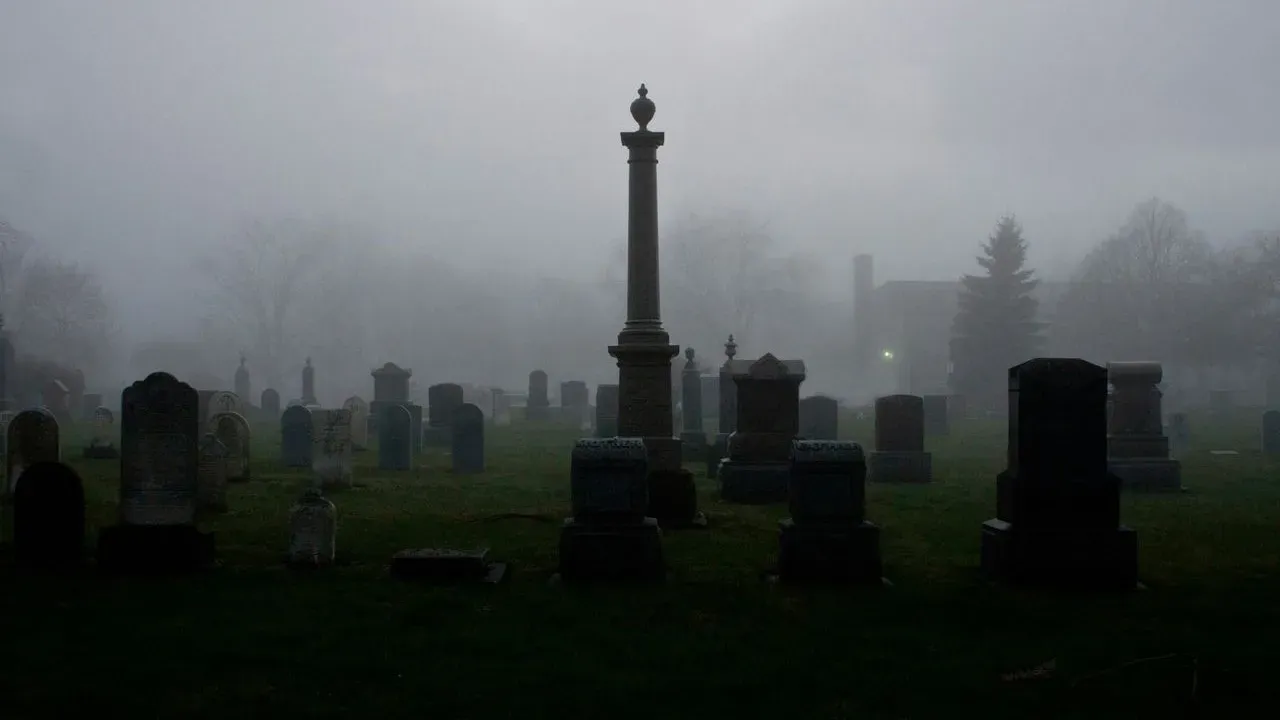

In Hickman County, Tennessee, a 19th-century cemetery has been leveled by heavy equipment, leaving families who trace their roots to the site without any visible markers for their ancestors. The remains of those buried there appear to have been disturbed during the work, and the headstones were later located scattered in nearby wooded areas. Local residents learned of the destruction only after the fact, prompting immediate questions about how such an event could occur without prior notice or authorization.
The Sequence of Events
The cemetery, which dates to the 1800s, stood as a quiet record of early settlement in the county until the bulldozing took place. Equipment operators cleared the ground, removing or damaging grave markers in the process. Once the work was complete, the headstones were not left in place or properly relocated but instead carried off and abandoned among the trees.
Discovery came when family members visited the location and found the site unrecognizable. They then searched the surrounding woods and recovered the displaced stones. The timeline remains unclear, as no public records or advance warnings appear to have accompanied the activity.
Impact on Descendants
Multiple families with direct connections to the burials have expressed deep distress over the loss of a tangible link to their past. For them, the cemetery represented more than land; it held the only physical evidence of relatives who lived and died generations earlier. The sudden erasure of those markers has compounded the sense of violation.
Relatives describe the practical difficulties that now arise when trying to locate or honor specific graves. Without the headstones in their original positions, identification of individual plots becomes far more difficult. The emotional weight falls heaviest on those who had planned future visits or relied on the site for genealogical continuity.
Historical Context of the Site
Cemeteries from the 19th century in rural Tennessee counties often contain the earliest documented burials for pioneer families. These locations serve as primary sources for local history, recording names, dates, and sometimes causes of death that official archives may lack. Their preservation helps maintain an unbroken chain of community memory.
The Hickman County example fits this pattern, holding remains that predate modern record-keeping systems. Destruction of such a site removes not only personal memorials but also a resource for historians and descendants researching settlement patterns in the region.
Unanswered Questions and Next Steps
Authorities have not yet identified who authorized or carried out the bulldozing. Families are seeking clarity on whether the work stemmed from a property dispute, development plan, or simple error in location. The absence of visible permits or notifications has added to the confusion.
Recovery of the headstones offers one avenue for partial restoration, though returning them to precise original spots will require careful documentation. County officials and affected families are expected to discuss options for protecting any remaining evidence and preventing similar incidents at other historic burial grounds.
Broader Implications for Preservation
Incidents like this highlight the vulnerability of small, unmarked or lightly documented cemeteries on private land. Without regular monitoring or legal safeguards, these sites can disappear quickly when land use changes. The Hickman County case illustrates how quickly generations of history can be altered by a single decision.
Stakeholders now face the task of balancing development needs with respect for the dead. Clearer mapping of historic cemeteries and stronger notification requirements could reduce the risk of future losses, though implementation would require coordination among property owners, local government, and historical societies.
AI Disclaimer: This article was created with the assistance of AI tools and reviewed by a human editor.