

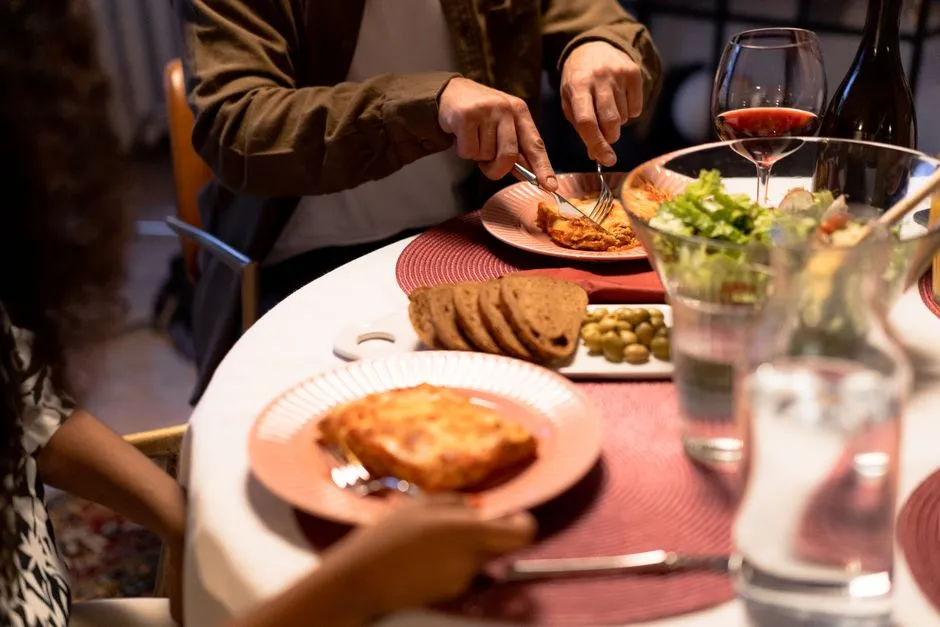
There is a strange thing happening in living rooms across the country right now. People say they miss the dinner party, the real one, with real plates and real conversation, yet fewer of them are actually throwing one. A recent NPR segment on the topic pointed out that dinner parties are just not happening as much as they used to, something one host admitted she was part of, having never hosted a dinner party at her own house. At the same time, surveys suggest people still crave the format. A 2025 survey found that a whopping 72% of Americans prefer a night in with friends rather than a night out, and booking data backs that up, since bookings for dinner parties on Peerspace grew 14% in 2025 compared to 2024.
Part of the problem seems to be pressure, not lack of interest. One host interviewed on NPR complained that modern entertaining culture pretends everything should be effortless, then guests see a polished thirty second clip online and try to recreate it, and after consuming little clips that turn into a gorgeous dinner party, when it takes $250 and all day plus cleanup, people wonder who has time for that. Oddly enough, the decade most associated with rigid, exhausting hosting standards, the 1950s, might hold the answer to that exact problem. Its rules were strict, yes, but they were also clear, and clarity tends to lower stress rather than raise it.
Curate the Guest List With Real Intention
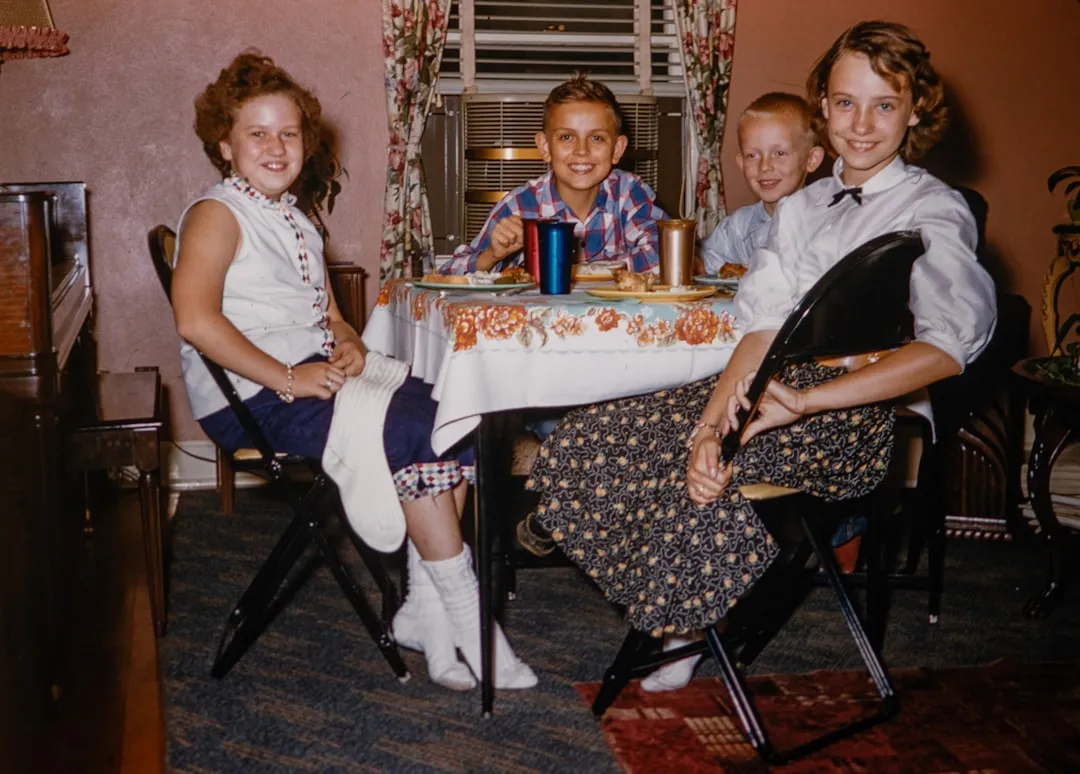
A 1950s hostess did not simply invite whoever came to mind and hope for the best. She thought carefully about how personalities would mix at the table, since hostesses carefully considered how guests would mix, avoiding people with conflicting political views or known feuds, assembling guests almost like casting a play. That level of care sounds old fashioned, yet anyone who has sat through a tense modern dinner because two guests could not stand each other knows exactly why it mattered. Applying even a fraction of that thoughtfulness today, just pausing to consider who actually gets along, would quietly solve one of the most common reasons dinner parties fall flat.
Put Fresh Flowers on the Table, Always
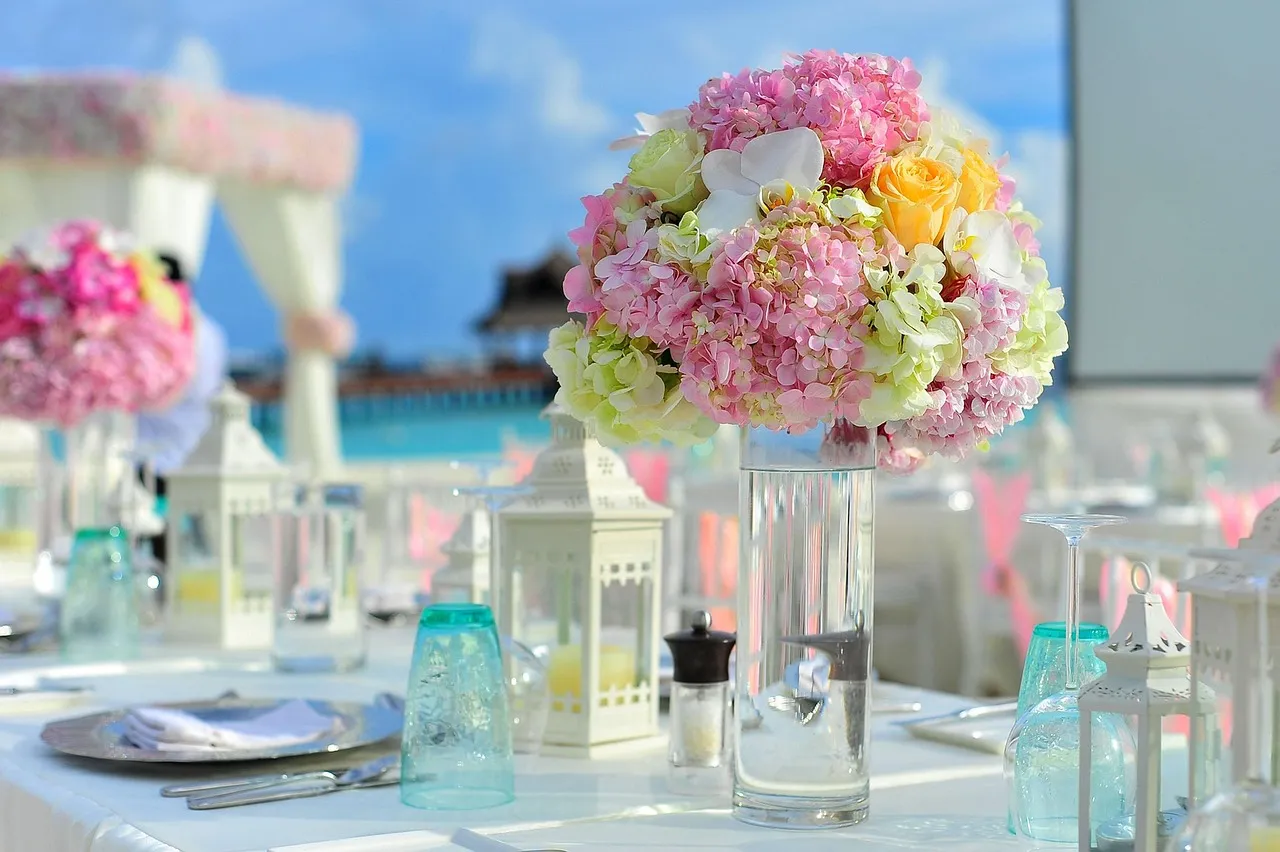
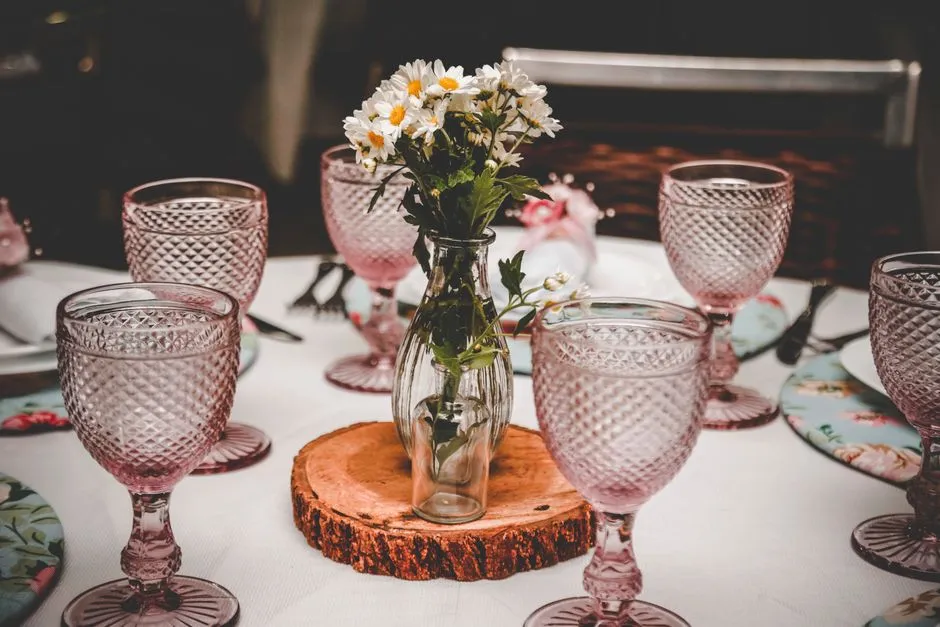
No 1950s dinner party happened without flowers, and the rule was specific: no hostess served a dinner party without fresh flowers on the table, since artificial flowers were considered tacky and no flowers at all seemed bare, with the arrangement needing to be seasonal and tasteful. Modern hosts often skip this entirely, treating flowers as an optional flourish rather than a basic signal of effort. A simple bunch from a grocery store, arranged with a little care, still does more to set a warm tone than almost anything else on the table. It costs little and communicates a lot, which is probably why the instinct has survived in some form even as other rules faded.
Bring Back a Proper Cocktail Hour
Before the main meal, 1950s hosts treated the pre-dinner stretch as its own event rather than an afterthought. The spread was substantial, since the pre-dinner appetizer spread was deviled eggs, cheese straws, stuffed celery, canapes and more, and serving too few or running out before dinner made you look unprepared, meaning the cocktail hour needed its own full menu.
Interestingly, this idea is resurfacing on its own. Retro styling has genuinely come back into fashion, with hosts bringing back classic party dishes like devilled eggs, prawn cocktails, vol au vents and showstopping desserts, described as statement bites that feel fancy but can be prepped ahead, which is exactly the kind of low stress abundance the 1950s got right.
Let the Invitation Set the Dress Code

Ambiguity about what to wear is a small but real source of modern party anxiety, and the 1950s eliminated it outright. Back then, invitations specified attire, whether formal, semi formal or casual, and guests were expected to comply, with men wearing suits at minimum and women wearing dresses and appropriate jewelry, since showing up underdressed was insulting to the hostess and other guests. Nobody needs black tie for a Tuesday dinner in 2026. Still, a simple line on the invite, something like smart casual or come as you are, removes an entire category of pre party stress that today’s hosts often leave unresolved.
Take Charge of the Conversation, Gently
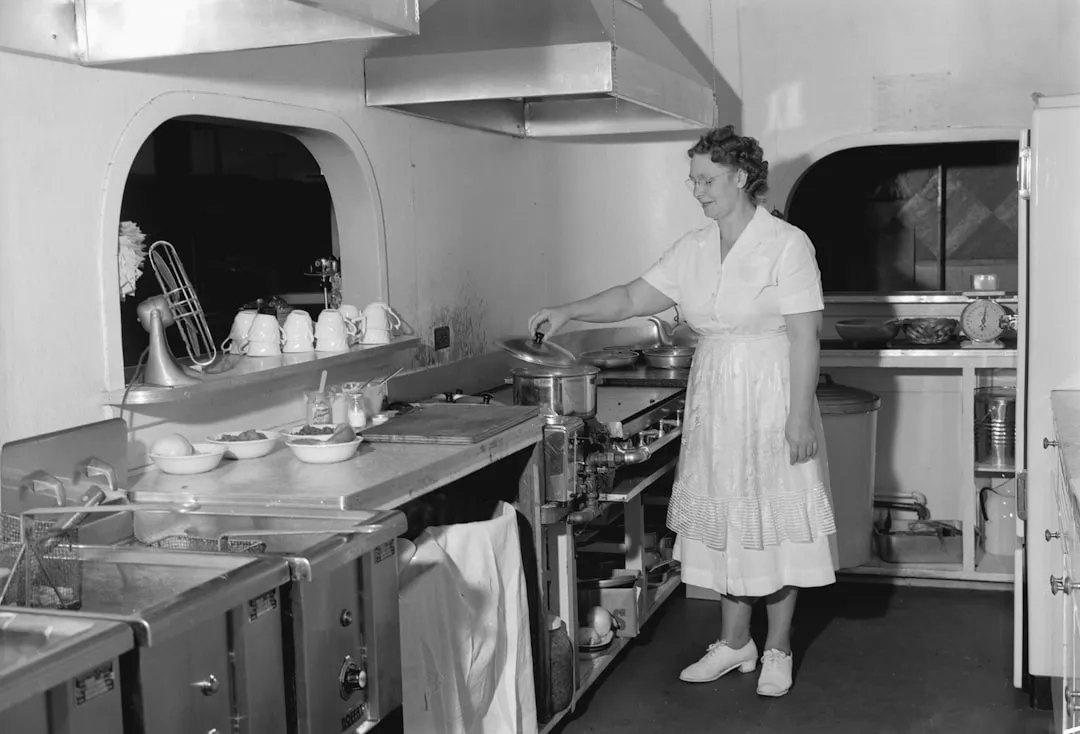
A good 1950s hostess did not just seat people and hope for the best. She actively steered the evening, since a skilled hostess guided conversation, changed topics when things lagged, and drew out quiet guests while subtly managing those who dominated. This is a skill many modern hosts abandon entirely, assuming the group will manage itself. It rarely does. A host who checks in on a quiet corner of the table or redirects a conversation that has stalled is doing real, valuable work, even if it looks effortless from the outside.
Check the Bathroom Before Anyone Arrives
This one sounds almost comically basic, yet it is frequently the first thing forgotten in the rush of last minute cooking. The standard was strict for a reason, since clean bathrooms, fresh hand towels, full soap dispensers and extra toilet paper were checked by the hostess before guests arrived, because guests would notice a dirty bathroom or empty soap dispenser and it reflected on the entire household. Nothing derails a carefully planned evening quite like a guest discovering there is no soap. It takes two minutes and it is one of the easiest rules on this list to actually follow tonight.
Treat Music as Background, Not the Show
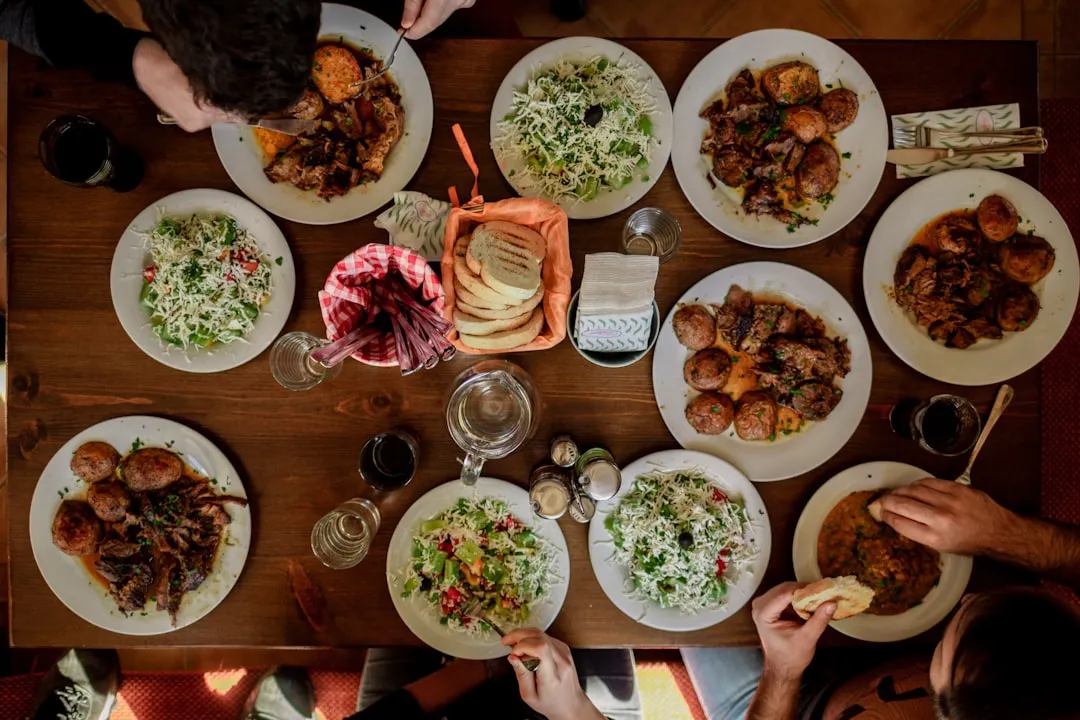
Modern parties often default to a loud playlist or, worse, no thought about sound at all. The 1950s approach was more deliberate, with records played quietly enough for conversation but loud enough to fill awkward silences, using music that was usually instrumental or easy listening, nothing controversial or distracting, because dead silence felt uncomfortable but music competing with conversation was equally problematic. That balance is easy to forget when a host is distracted by cooking, yet it shapes the entire mood of the room. Turning the volume down two notches during dinner itself is a small fix with an outsized effect.
Make Everything Fresh for the Occasion

The 1950s rule here was uncompromising: serving leftovers from a previous meal or party was unthinkable, and every dish needed to be freshly prepared for the occasion, since using up leftovers was fine for family meals but not when entertaining guests. Today’s advice often runs the opposite direction, encouraging potlucks and pizza to reduce host burden, and there is real wisdom in that too.
Still, the underlying 1950s instinct, that a dinner party should feel distinct from an ordinary weeknight meal, is worth holding onto even if the execution gets simplified. A single homemade dish alongside store bought sides can strike that balance without demanding a full day in the kitchen.
Send a Thank You Note Afterward

Gratitude used to be a formal, expected gesture rather than a quick text. In that era, the practice of sending thank you notes extended to nearly every form of hospitality including dinners and parties, and failing to send a handwritten note was considered rude and could seriously damage social relations. Few people expect a handwritten card in 2026, but the underlying gesture still lands. A short, specific message the next day, mentioning something particular about the evening, does more for a friendship than most hosts realize, and it costs almost nothing to send.
Serve With a Little Ceremony
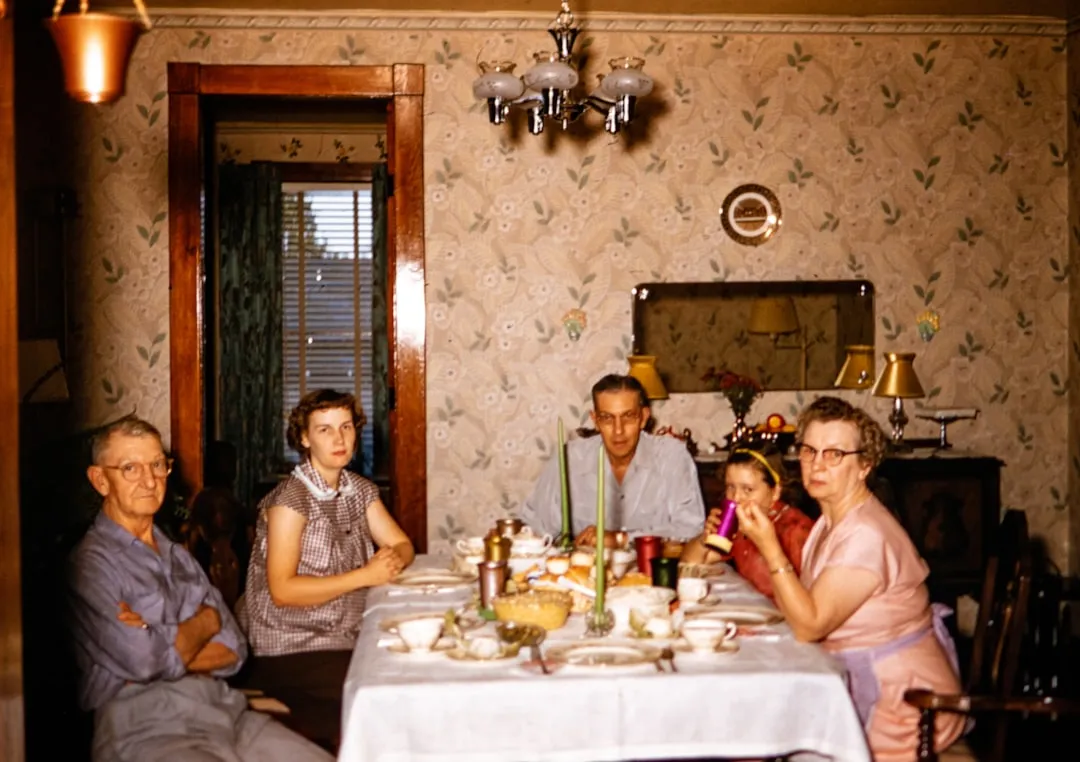
Formal 1950s dinners followed small rituals that gave the meal structure and made guests feel genuinely looked after. Dishes followed a set order, since dishes were presented from the left side and removed from the right, a rule that came from formal service traditions, and doing it backwards confused guests familiar with proper etiquette, while no one was expected to eat until everyone was seated and the hostess signaled it was time.
Nobody needs to memorize which side to serve from, but the underlying idea, that a meal has a beginning everyone shares together rather than people picking at food whenever it arrives, still makes a gathering feel intentional. That small pause before the first bite is a low effort way to make an ordinary dinner feel like an occasion.
What the Old Rules Get Right
None of this means dragging back gloves, hats, or the idea that only women should manage a household’s social calendar. Plenty of 1950s expectations were rigid in ways nobody misses, and the decade’s own manuals acknowledged the culture was already loosening compared to what came before it, since the 1950s had seen a great relaxation of many social rules that had governed earlier society, though a certain amount of social norms remained.
What holds up, though, is the underlying philosophy: a party runs better when a host thinks ahead about small details rather than winging the whole evening. Modern hosts do not need a formal cocktail hour or a strict dress code to borrow that same instinct, just a bit more intention behind the parts of hosting that quietly make people feel cared for.
AI Disclaimer: This article was created with the assistance of AI tools and reviewed by a human editor.