
As a devoted gardener and nature enthusiast, I’m excited to share with you 18 remarkable flowers and plants that not only beautify your yard but also provide a nourishing feast for local birds! I understand the challenges of designing a garden that meets both our aesthetic desires and the needs of our feathered friends—especially when pests and unsuitable conditions threaten our green sanctuary. In this article, I’ll share my personal experiences and expert tips on choosing plants that attract birds, offer nutritious food, and even encourage nesting behaviors!
Every plant featured here comes with a rich story of its native origins and unique growth habits. From bushes that yield delectable berries to blooms that produce nectar favorite to hummingbirds, these selections—native to varied regions around the globe—demonstrate nature’s remarkable diversity. So, let’s dive in with enthusiasm and discover how each of these species can transform your garden into a safe, vibrant haven for both you and the birds that visit!
Winterberry

Winterberry (Ilex verticillata) is a deciduous holly native to North America, cherished for its brilliant red berries that brighten winter landscapes. These shrubs provide not just visual appeal but also vital nutrition for local birds such as robins and waxwings during the colder months when food is scarce. Although winterberry is non-invasive, its spreading habit makes it excellent for covering large areas without overwhelming other plants.
In my garden, winterberry serves as a natural beacon for birdlife, attracting species looking for a reliable winter snack. The low branches create cozy perching spots where birds sometimes nest or rest between feeding sessions! I always ensure that the soil remains well-drained and slightly acidic, mirroring its native conditions and encouraging even more vibrant berry production.
Purple Coneflower
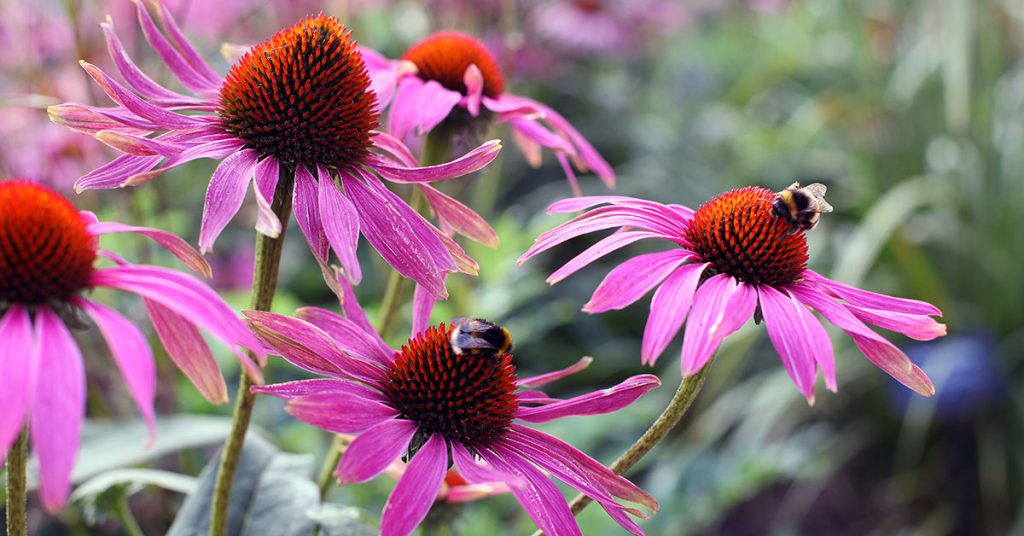
The striking purple coneflower (Echinacea purpurea) boasts a long history of use in North American gardens, where its daisy-like appearance and cone-shaped center offer a visual delight along with nutritious seed heads for birds. Native to the prairies, these perennials have a reputation for being hardy and low-maintenance. They are not invasive but naturalize readily, forming clumps that become a beacon for local seed-eating birds such as finches.
I’ve found that placing purple coneflowers in a sunny border not only radiates beauty but also invites a flurry of activity among visiting birds. Their blooming season coincides with peak bird activity, and the plants’ sturdy structure provides discreet shelter for nesting in the gaps between flower heads! The seeds left behind after the bloom are a natural treat that supports the local ecosystem, making each coneflower a dual-purpose garden gem.
Trumpet Honeysuckle
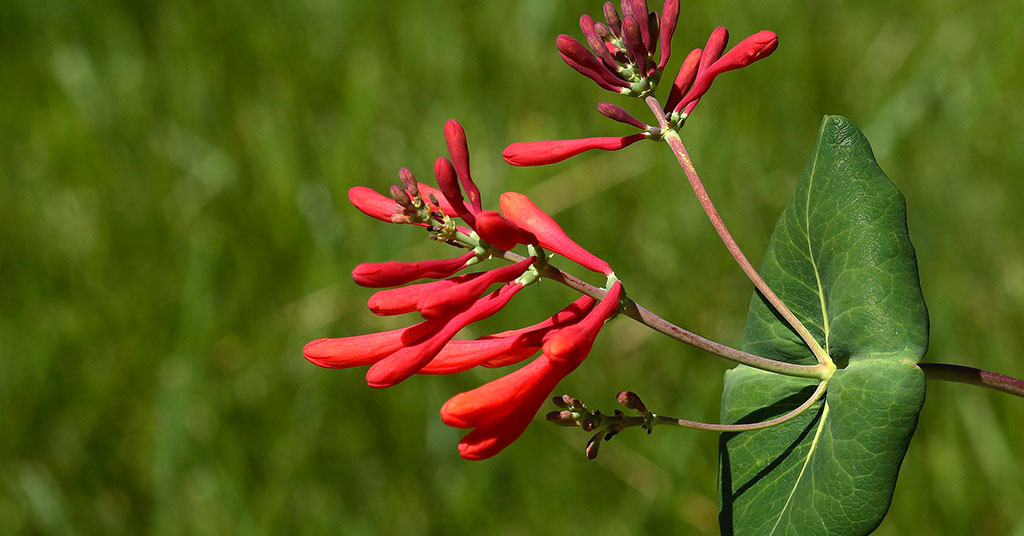
Trumpet honeysuckle (Lonicera sempervirens) is a native vine with tubular, nectar-rich flowers that attract hummingbirds and other local avian species. Unlike many ornamental honeysuckles that are invasive, trumpet honeysuckle is prized for its non-aggressive growth and its ability to deliver abundant nectar without overtaking garden spaces. Its origins in eastern North America ensure that it thrives in local climates with proper support and care.
Every spring, I train trumpet honeysuckle along a trellis where its bright, trumpet-shaped blossoms set the stage for energetic hummingbirds to dart about in search of nectar. Their feeding behavior not only encourages pollination across the garden but also often results in birds nesting in the protected corners of the vine’s dense foliage! It’s an absolute treat to see nature’s interactions unfold right in front of your eyes.
Crabapple Trees

Crabapple trees (Malus spp.) are ornamental and fruit-bearing trees with a heritage rooted in Europe and North America. They are celebrated for their delicate blossoms in the spring and their tiny, yet tart, apples in the fall, which become a favorite food source for many local birds, including thrushes and sparrows. These trees generally maintain a non-invasive habit, making them ideal additions to gardens seeking both beauty and utility.
In my own yard, crabapple trees have been instrumental in creating a layered ecosystem. The spring blooms attract pollinators, while the seasonal fruit provides sustenance during the colder months. I cherish the moments when birds flutter between the branches to forage or even use the foliage as safe spots for nesting, truly making these trees the cornerstone of a bird-friendly garden!
American Beautyberry

American beautyberry (Callicarpa americana) produces clusters of vibrant purple berries that add a unique burst of color and nutrition to any landscape. Native to the southeastern United States, this deciduous shrub is a favorite of local birds, which delight in its nutrient-rich fruits. Its moderate growth is non-invasive and manageable with a little pruning, which I appreciate as it fits perfectly into a mixed planting scheme.
When I first introduced American beautyberry to my garden, I was thrilled to see how quickly it became a magnet for birds, especially during the fruiting season. The dense clusters of berries are irresistible to species like vireos and bluebirds, which also tend to use the thick branches as a refuge for nesting! This plant not only rewards you with its stunning berries but also enhances the overall biodiversity of your outdoor space.
Serviceberry

Serviceberry (Amelanchier spp.) is a multi-stemmed shrub or small tree native to North America, renowned for its early spring blossoms and sweet, edible berries. These berries serve as an important food resource for birds like waxwings and thrushes in the transitional seasons when other food sources are sparse. Serviceberry has a gentle growth habit that rarely becomes invasive, making it an ideal candidate for home gardens aiming to support local wildlife.
I enjoy the natural rhythm that serviceberry introduces to my garden, as it marks the season’s change with a burst of white flowers followed by a profusion of berries. The plant’s open structure permits birds to easily navigate and nest within its branches, offering both food and shelter! Its ability to thrive in a variety of soils and light conditions makes serviceberry a versatile and rewarding choice for any bird-friendly landscape.
Fuchsia

Fuchsia plants, known for their pendulous, vividly colored blooms, offer a unique treat for both gardeners and local birds. Although many fuchsias are cultivated for their ornamental value, some varieties produce nectar that attracts hummingbirds and even small songbirds. Native to Central and South America, these plants are typically non-invasive when cared for properly in a container or sheltered garden nook.
I’ve found that hanging fuchsia baskets near a patio or garden bench creates a charming scene where birds can feast on their nectar while occasionally seeking nesting spots in nearby shrubs. Their cascading flowers not only serve as an eye-catching decoration but also contribute to a continuous cycle of pollination and seed dispersal in the yard! With fuchsias adding a touch of exotic flair, every day in the garden feels like a mini tropical escape.
Elderberry
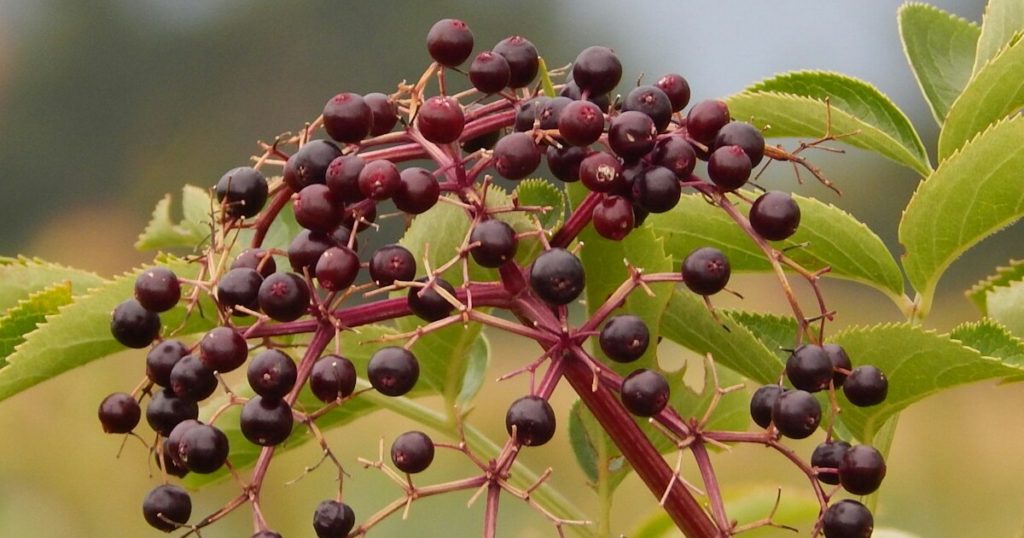
Elderberry (Sambucus canadensis) is a versatile shrub native to much of North America that boasts clusters of fragrant white flowers in the spring and dark, berry-laden clusters in the summer. These berries are a prized food source for many local birds, from small songbirds to robust thrushes, and the plant’s natural growth habit ensures it stays manageable in most gardens without becoming invasive. Its presence is a sure sign of a thriving, balanced ecosystem.
In my experience, elderberry is one of those plants that transforms a garden into a bustling bird haven! The blossoms attract pollinators early in the season, while the subsequent berry crop provides a feast during the leaner months. I love watching birds flit from branch to branch, their chirps harmonizing with the rustling of leaves, as they take advantage of this nutritious resource and even settle for a cozy nesting among the boughs.
Wild Strawberry
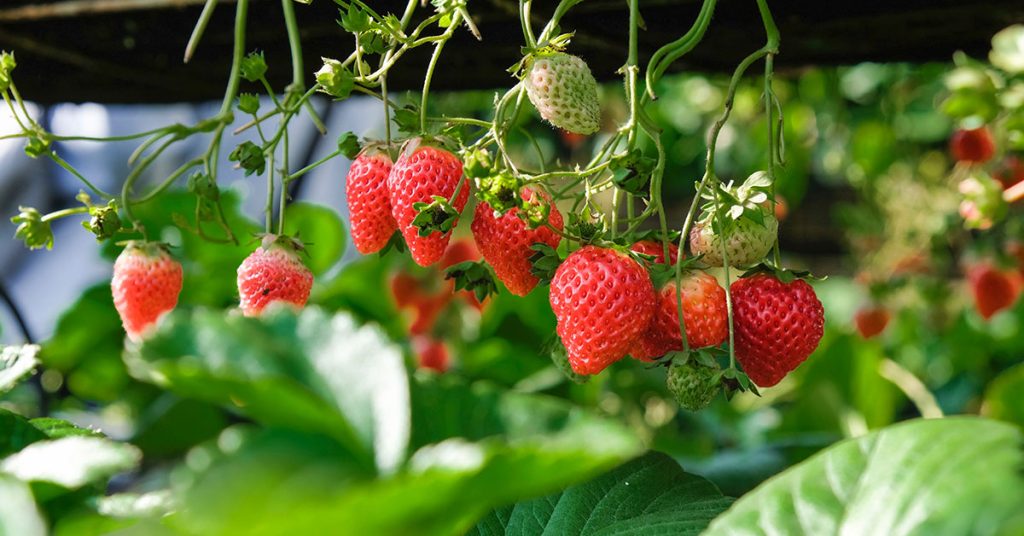
Wild strawberry (Fragaria vesca) is a low-growing perennial with tiny, sweet fruits that are relished by birds and humans alike. Native to temperate regions across Europe, Asia, and North America, this delightful groundcover isn’t invasive and spreads in a controlled, natural manner. Its delicate white blooms evolve into red, juicy berries that can attract a variety of species, from finches to sparrows, adding both beauty and sustenance to your garden floor.
In my garden, wild strawberry patches not only provide an edible treat for birds but also serve as a living carpet that softens the landscape and suppresses weeds. The easy-to-care-for nature of wild strawberries means they require minimal maintenance while offering maximum rewards in terms of wildlife attraction and seasonal interest! I love strolling through my garden and witnessing the tiny berries being pecked at by inquisitive birds that sometimes even nest nearby in the low, dense cover.
Goldenrod
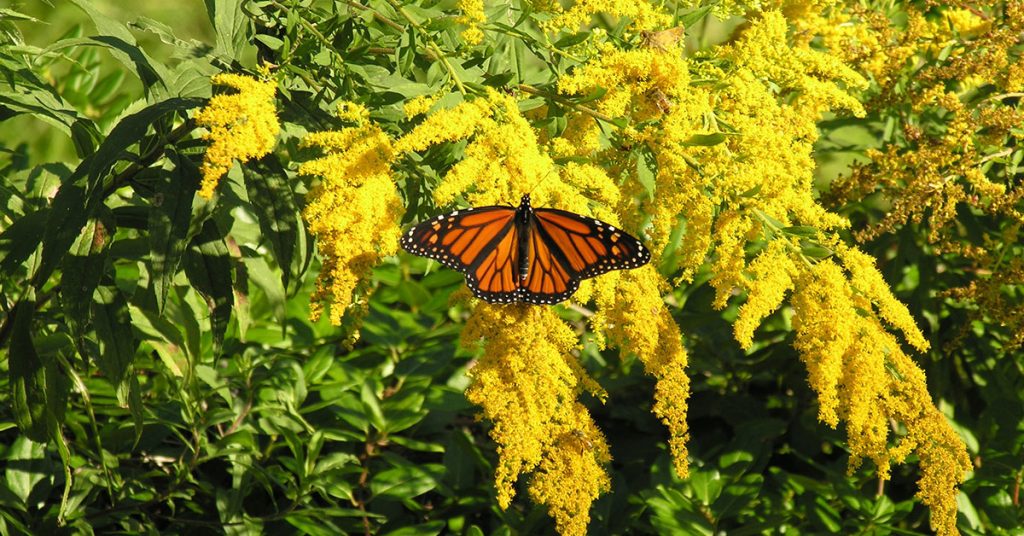
Goldenrod (Solidago spp.) is a cheerful perennial native to North America, celebrated for its cascading clusters of yellow flowers that feed many local bird species. Its seeds and nectar are particularly attractive to finches and sparrows, and while goldenrod is not invasive, it forms well-behaved clumps that enhance garden structure. The plant’s rich heritage in native prairies makes it a wonderful addition to bird-friendly landscapes.
In my outdoor haven, goldenrod marks the late summer with an explosion of sunshine-like blooms that not only uplift the garden’s mood but also serve as a vital food source. I’ve noticed that birds often flit among the stalks, gathering seeds and even using the dense clumps as refuge when resting between foraging bouts! With its robust yet manageable growth, goldenrod embodies the spirit of natural resilience and seasonal abundance that every gardener treasures.
Blueberry Bushes
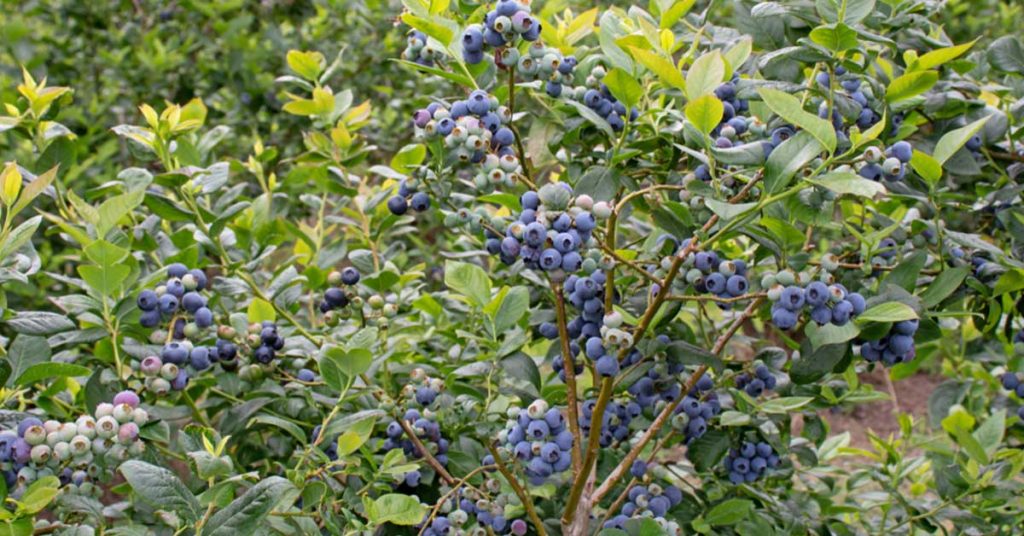
Blueberry bushes (Vaccinium spp.) are a quintessential feature of North American gardens, producing clusters of delicious, antioxidant-rich berries that local birds adore. Native to various parts of North America, these shrubs are non-invasive when properly maintained, and they contribute both visually and nutritionally to a vibrant garden ecosystem. Their early spring blossoms attract pollinators, setting the stage for a fruitful summer.
In my own garden, blueberry bushes are a source of endless delight; I’ve seen finches, sparrows, and even small mammals visit the bushes for a taste of the sweet berries! Their dense, rounded canopies provide not only food but also shady nooks perfect for nesting and roosting. I always recommend them to fellow gardeners who want a dual-purpose plant that yields both ornamental charm and practical benefits for local wildlife.
Smooth Sumac
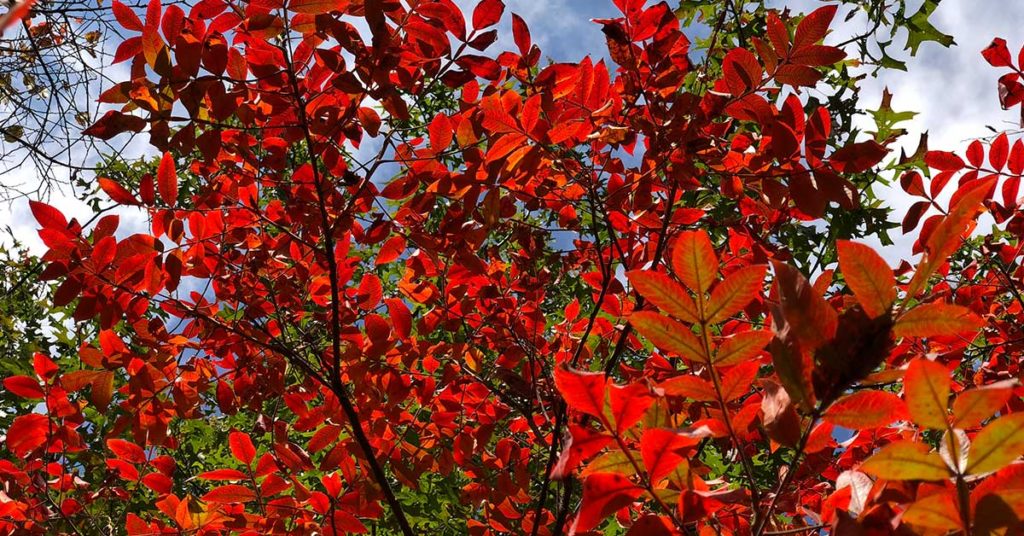
Smooth sumac (Rhus glabra) is a native shrub that bursts into clusters of red berries, feeding birds such as cedar waxwings and grosbeaks with its tangy fruit. It thrives in open, sunny areas and is well-suited to sandy or rocky soils, making it a hardy addition to many gardens. Although it spreads through suckers, smooth sumac is not considered invasive and maintains a natural, well-behaved presence in the landscape.
I’ve often marveled at the way smooth sumac transforms an ordinary corner of the garden into a vibrant feeding station for birds. Its bright, clustered berries not only attract a variety of species but also lend a distinctive splash of autumnal color to the yard! The dense branches provide a secure spot for birds to perch and even nest, making smooth sumac a plant that contributes to both the aesthetic and the ecological balance of any garden.
Salvia
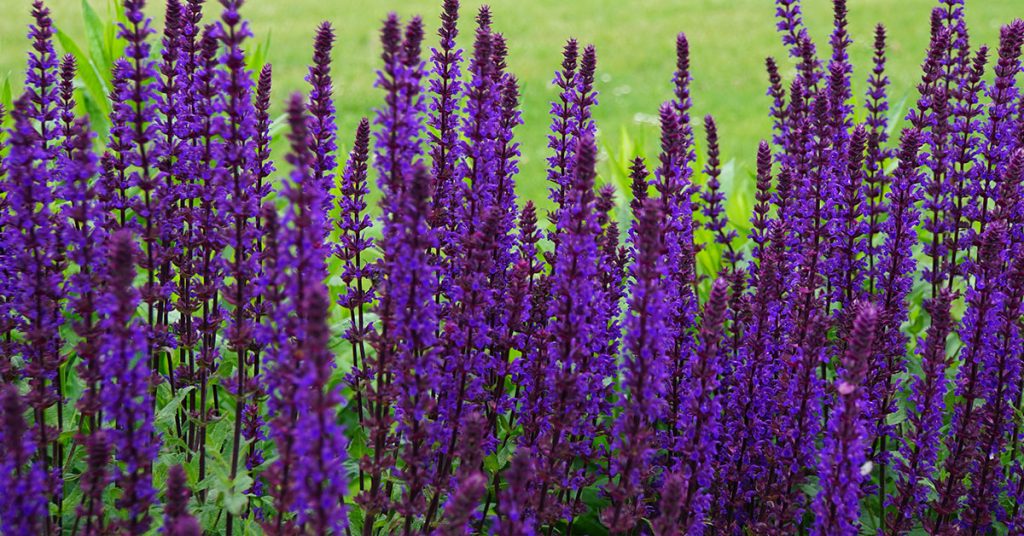
Salvia, with its spiky blooms and rich nectar, is a magnet for hummingbirds and other local avian pollinators. Native to various regions including North and South America, different species of salvia thrive in sunny, well-drained conditions while rarely becoming invasive. Their aromatic flowers and long blooming periods provide a continuous source of food that keeps birds returning throughout the season.
In my garden, I’ve learned that salvia is a real crowd-pleaser—not only does it add a dash of color, but its nectar-rich spikes are a veritable banquet for pollinators. Birds visiting salvia often create a lively, animated display, flitting between blooms with a joyful energy! I appreciate how this plant’s effortless charm and practicality combine to create a thriving ecosystem that welcomes birds and enhances garden beauty simultaneously.
Black-eyed Susan
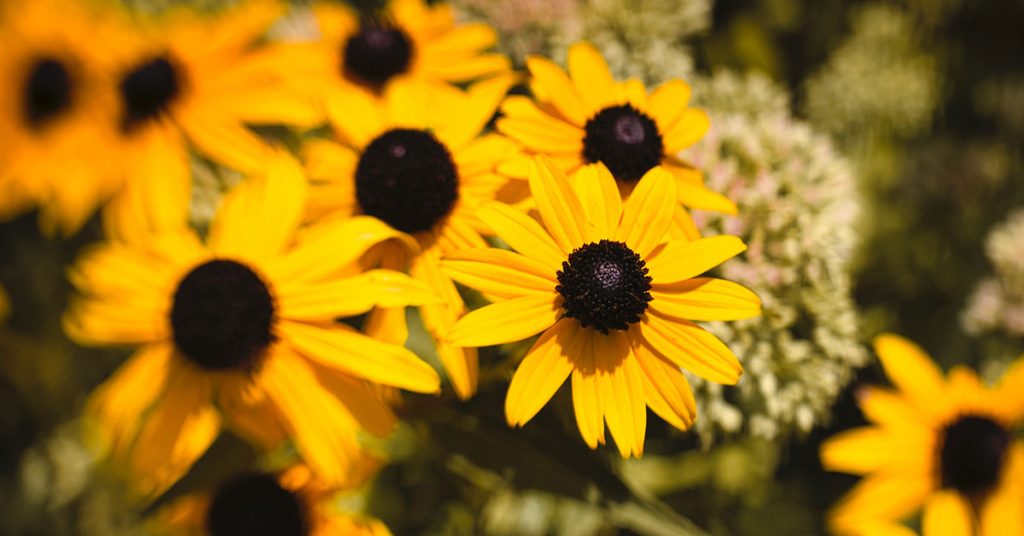
Black-eyed Susan (Rudbeckia hirta) is an energetic wildflower native to North America that offers both vibrant, golden blooms and a nutritious supply of seeds for birds. Its cheerful appearance and hardy growth pattern mean that it naturalizes readily without spreading uncontrollably, making it a favorite for both ornamental gardens and naturalized meadows. Local birds love the seeds, and the plant’s structure provides secure perching areas for foraging and nesting.
In my own planting schemes, black-eyed Susan always brings a sense of rustic charm and vitality. I’ve watched as small songbirds dart between the sturdy stalks, gathering seeds left behind after the brilliant yellow blooms fade. The experience fills me with delight, knowing that these plants not only beautify the garden but also actively contribute to a robust, bird-friendly habitat!
Redbud
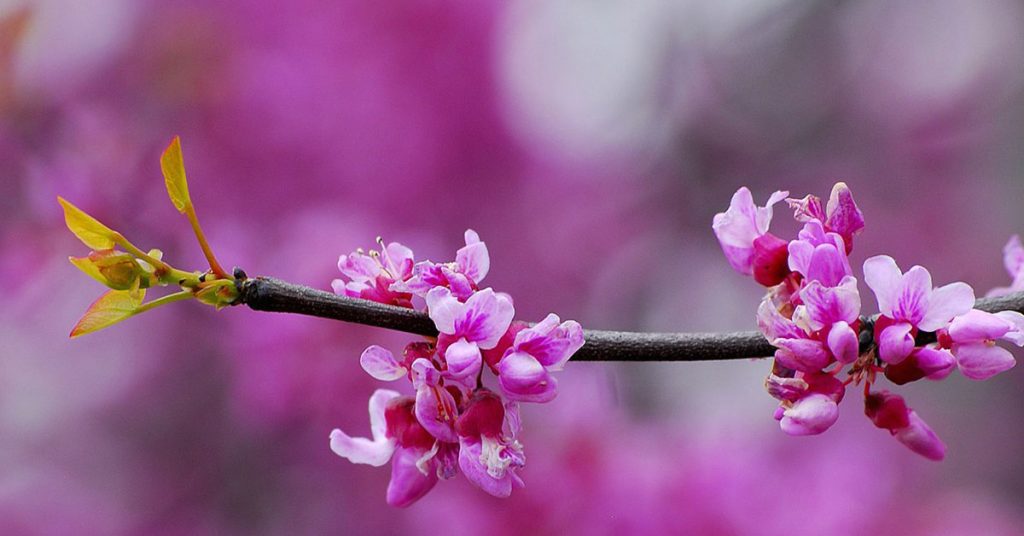
Redbud (Cercis canadensis) is a beloved native tree known for its early spring display of rosy blossoms and its tender seed pods that attract a variety of local birds. While primarily admired for its ornamental value, redbud also provides both food and shelter in a gentle, non-invasive manner. Its distinctive heart-shaped leaves and gradual growth make it a delightful centerpiece in any garden designed to support wildlife.
Every time redbud trees burst into bloom, my garden feels like it’s being transformed into a natural sanctuary. Birds such as finches and warblers take particular interest in the leftover seed pods, while others nest among the branches sheltered by its lovely canopy! There’s a special magic in witnessing nature’s cycle as redbud supports both the visual and nutritional needs of our feathered neighbors.
Cardinal Flower
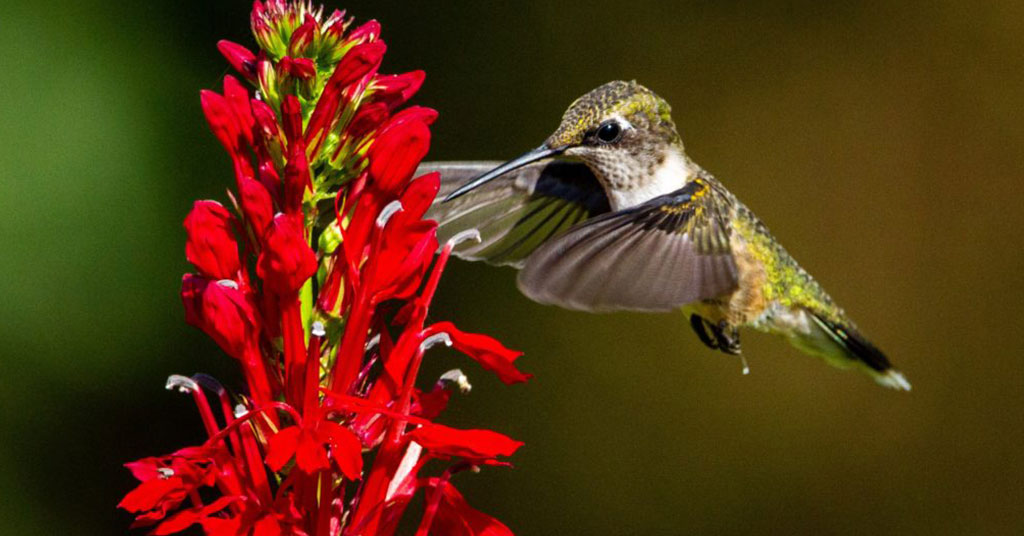
Cardinal flower (Lobelia cardinalis) is famed for its vivid red tubular blooms that attract hummingbirds and other nectar-seeking birds. Native to the wetlands of eastern North America, this plant thrives in moist soil and partial shade, offering a burst of color alongside a vital food source. Though it spreads gradually, cardinal flower is non-invasive and easily contained within garden borders.
In my own experience, cardinal flower is a showstopper—its bright red hues ignite the garden with energy and draw in an impressive array of hummingbirds, which in turn facilitate natural pollination. The plant’s structure makes it an inviting spot for nesting, as birds often appreciate the safe, damp conditions it prefers! Watching these tiny acrobats hovering around the blossoms is a constant reminder of the delightful surprises a well-planned garden can bring.
Butterfly Weed
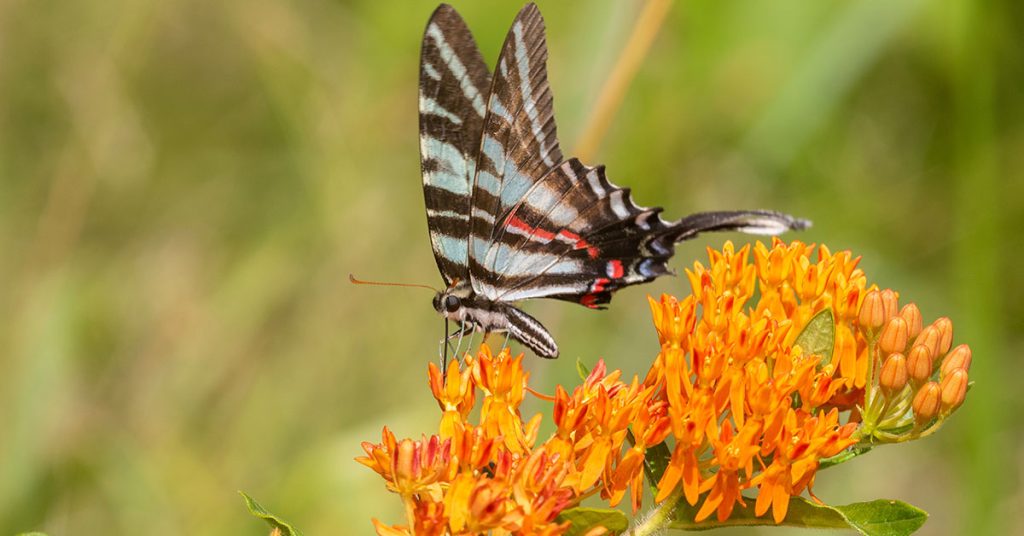
Butterfly weed (Asclepias tuberosa) is an essential nectar source, beloved by butterflies as well as by certain bird species that forage for insects attracted to its blossoms. Native to the prairies of North America, this low-maintenance perennial forms bright clusters of orange or red flowers that are non-invasive and perfectly suited for wildflower gardens. Its presence encourages a healthy ecosystem where birds can indirectly benefit from the insect populations it attracts.
I have always admired how butterfly weed adds not only a flash of color but also a dynamic element to garden interactions. Birds, especially small songbirds, are often seen flitting around these blooms in search of insects or even the nectar itself! The vigorous growth and easy care make butterfly weed an ideal addition to any garden that aims to support local wildlife, creating a balanced environment that thrives on the natural interplay of plants and birds.
Coreopsis
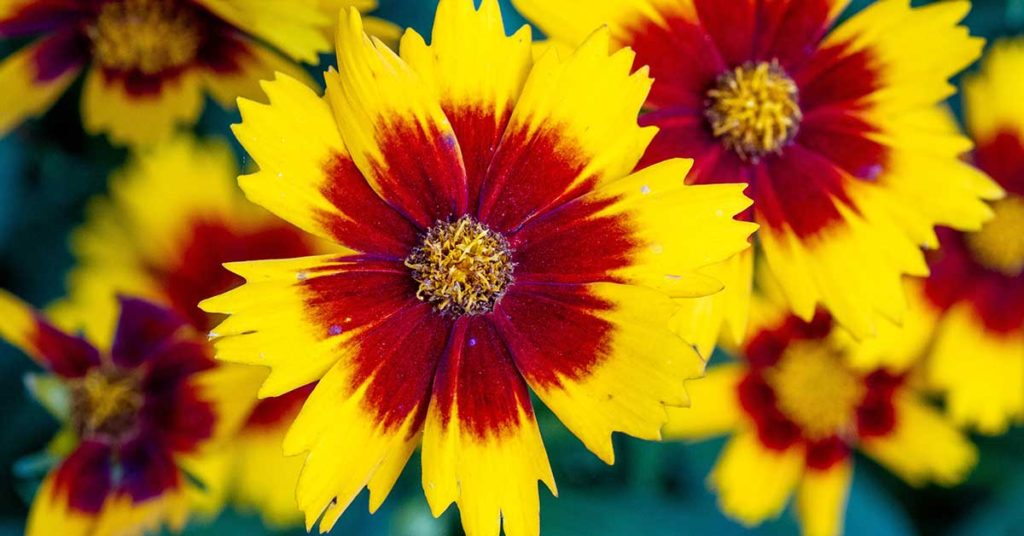
Coreopsis, commonly known as tickseed, is a cheerful perennial native to North America that produces abundant, daisy-like blooms and a nutritious bounty of seeds for birds. This plant is valued for its ease of cultivation and its non-invasive nature, forming tidy clumps that brighten up any landscape. Local bird species are naturally drawn to its seed heads, making coreopsis an excellent choice for a feeding station that benefits the entire garden ecosystem.
In my garden, I’ve come to rely on coreopsis for its persistent summer display and the natural food source it offers to finches and sparrows alike. Its vibrant, sunny blossoms create an atmosphere of perpetual optimism, and I always appreciate how the seeds serve as a small but mighty nourishment source for birds! The plant’s low maintenance needs and remarkable ability to attract wildlife make it a cornerstone of any bird-friendly garden design.