
There’s a remarkable array of wild plants that not only add flavor and nutrition to your table but also enhance your garden’s biodiversity. I know how discouraging it can be when your garden is overrun by pests or when space feels too limited to cultivate a thriving edible landscape. That’s why I’m excited to share these 18 edible wild plants that you can grow side-by-side in your garden—each one bringing its own unique benefits, native charm, and fascinating natural behaviors to create a living, sustainable tapestry!
In the following sections, we’ll explore plants that hail from diverse regions—from the sunlit meadows of North America to the lush woodlands of Europe—and discover how they attract beneficial insects, support soil health, and sometimes even provide shelter for nesting birds and invertebrates. Whether you’re a seasoned forager or just beginning your journey into wild edibles, these selections are sure to inspire you with their robust flavors and resilient nature.
Wild Blueberries
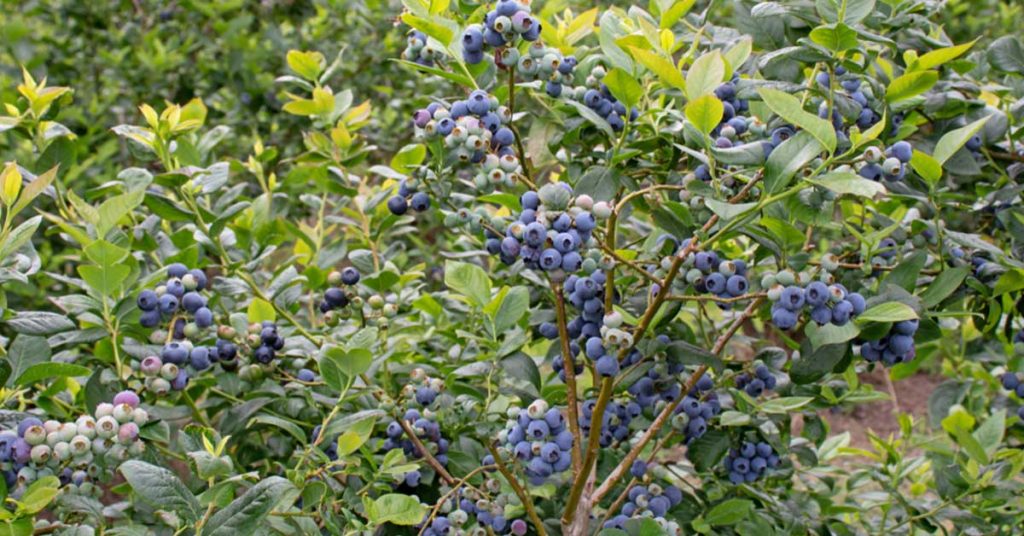
Wild Blueberries, native to the cool, acidic soils of North America, are a delicious treasure for any garden. Their delicate blue fruits, bursting with antioxidants and natural sweetness, can be enjoyed fresh or used in a variety of recipes. I’ve found that wild blueberries thrive in well-drained, acidic soil conditions, and when grown in mixed borders, they create a charming, low-maintenance display that attracts beneficial pollinators like bees and butterflies! While wild blueberries are naturally prolific, they are generally non-invasive when managed in a garden setting.
In addition to their edible allure, these blueberries contribute to a vibrant microhabitat by encouraging a diverse community of soil organisms. Their compact growth and intermingling with other native species help create a balanced ecosystem where every bloom and berry plays a role. By planting wild blueberries side-by-side with complementary plants, you not only boost your fruit harvest but also support local biodiversity. Their enduring flavor and natural charm make them a must-have for any edible garden!
Dandelion
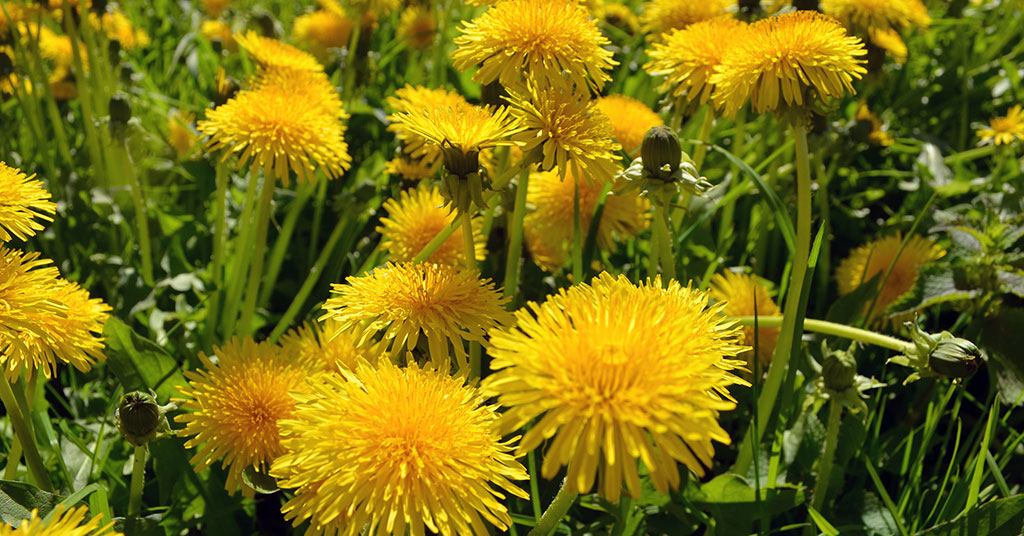
Dandelions (Taraxacum officinale) are often overlooked, yet these cheerful yellow blooms are a powerhouse of nutrition and resilience. Native to Eurasia and now naturalized around the globe, dandelions offer edible greens, roots, and even flowers that can be transformed into tea. I’ve always been amazed by their hardiness—they can thrive in a range of conditions and, when planted in a managed garden, remain non-invasive while adding a burst of sunshine to your landscape! Their bright blooms are a magnet for pollinators, drawing in bees and butterflies that support a healthy garden ecosystem.
Moreover, dandelions play a crucial role in improving soil health. Their deep taproots help break up compacted soil and bring essential nutrients to the surface, which benefits neighboring plants. In natural settings, dandelions often provide a safe nesting area for tiny invertebrates and serve as an early-season food source for birds. Growing them side-by-side with other edible plants creates a dynamic microhabitat where nature’s cycles work in harmony. They’re not only delicious but also an ecological boon for your garden!
Wild Mint
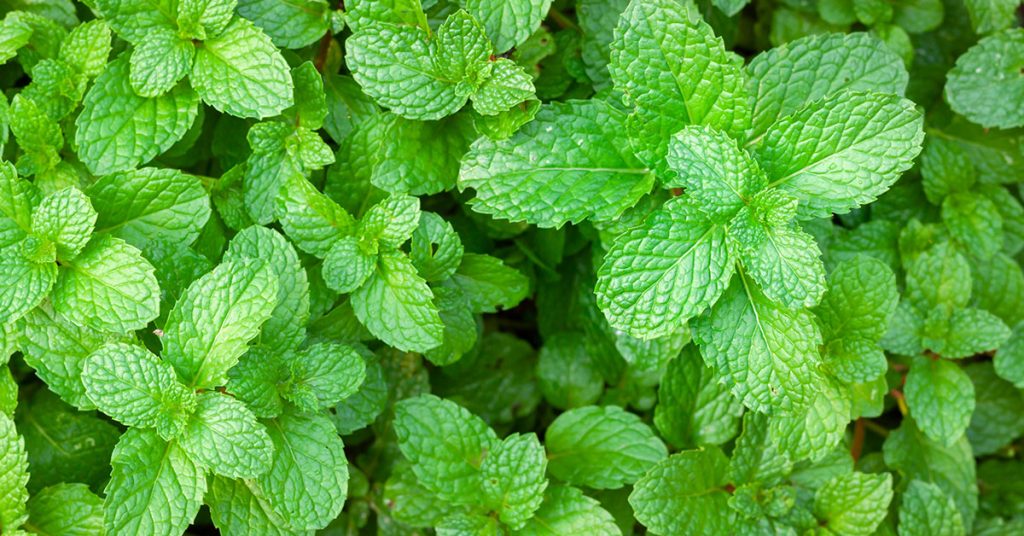
Wild Mint, native to Europe and Asia, is a wonderfully aromatic herb that offers a refreshing burst of flavor and a delightful fragrance. Its vigorous, spreading habit makes it an excellent companion plant, especially when grown alongside vegetables and other herbs that benefit from its natural pest-repellent properties. I love the way wild mint fills the air with its invigorating scent, naturally attracting bees and other beneficial insects that help maintain a balanced microhabitat! Though mint can be invasive in the wild, when grown in containers or controlled garden beds, it remains beautifully contained and non-disruptive.
The cascading, cool-green foliage of wild mint also provides an inviting microenvironment for small soil organisms, which in turn enrich the nutrient cycle in your garden. Its tendency to spread creates a living carpet that not only adds visual interest but also suppresses weed growth naturally. Whether you’re using it for culinary purposes or simply to enjoy its refreshing aroma, wild mint is an essential addition to any garden that values both flavor and ecological balance.
Elderberries
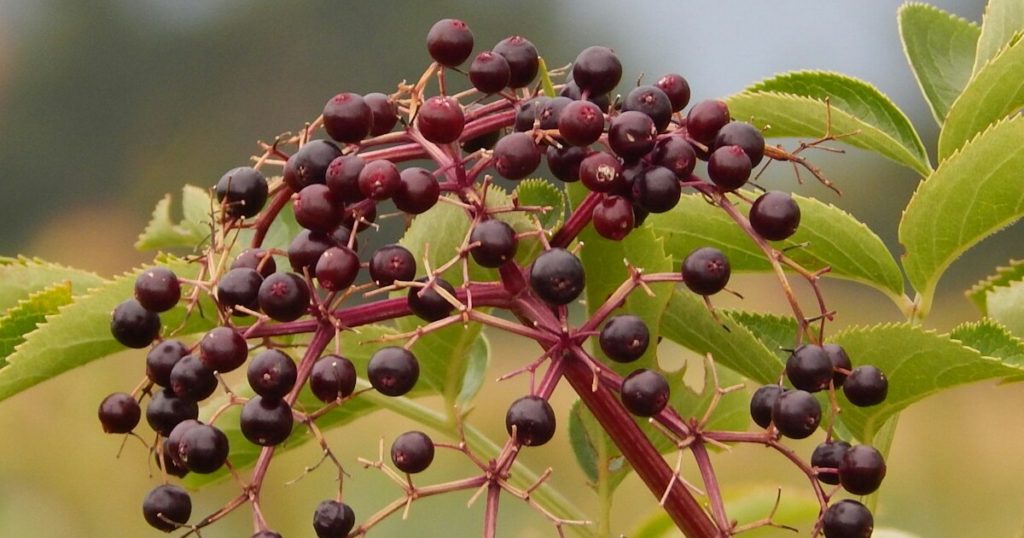
Elderberries, belonging to the Sambucus genus and native to Europe, North America, and parts of Asia, are celebrated for their dark, juicy berries and delicate clusters of white to cream-colored flowers. These versatile plants offer a bounty of fruit that can be used to make syrups, jams, or even nutritious teas. I’ve always been excited by how elderberries can transform a garden with their profuse flowering, which naturally attracts a myriad of pollinators such as bees and butterflies! Although wild elderberries can sometimes spread aggressively in unmanaged landscapes, cultivated varieties in a garden setting remain non-invasive and well-behaved.
Beyond their edible fruit, elderberries create a rich microhabitat for beneficial insects and birds. Their dense clusters of flowers and foliage provide natural nesting sites and foraging opportunities, supporting a balanced ecosystem. The plant’s role in traditional medicine and folklore adds to its allure, making it a multi-functional addition to your garden. Elderberries not only offer a delectable harvest but also enhance the overall biodiversity and health of your outdoor space.
Nettles
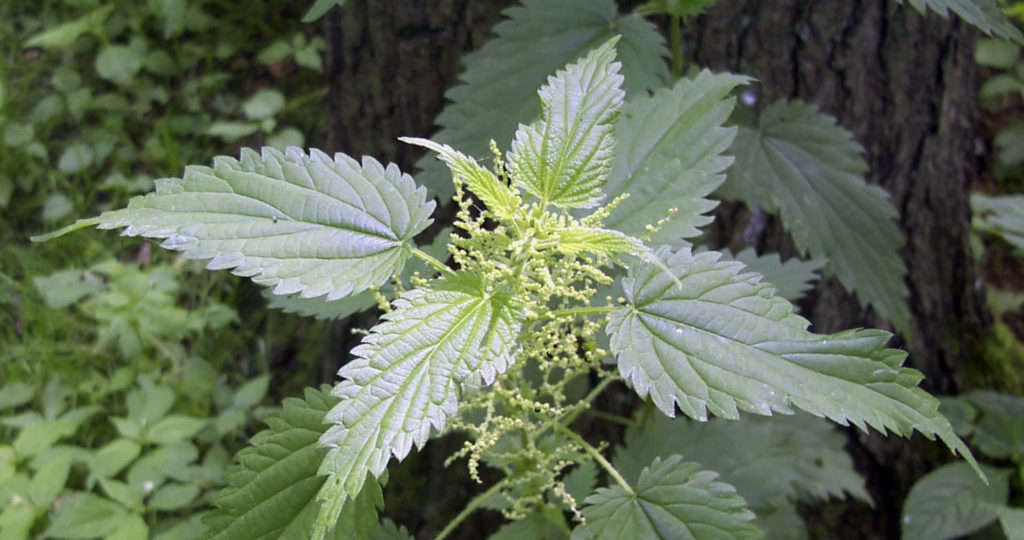
Nettles (Urtica dioica), native to Europe, Asia, and North America, are a wild plant with surprising culinary and medicinal benefits. Often regarded as a weed, nettles are rich in vitamins and minerals and can be used in soups, teas, and even pest control. I’ve found that when grown intentionally in a managed garden, nettles create an intriguing microhabitat that attracts beneficial insects while repelling unwanted pests with their natural chemical defenses. Although nettles have a reputation for stinging, they are non-invasive when controlled and can actually enrich your garden with their high nutrient content!
In addition to their edible properties, nettles support a diverse ecosystem by providing a habitat for a variety of beneficial organisms. Their dense growth and unique chemical profile attract pollinators and even serve as a food source for certain butterfly caterpillars. When incorporated alongside other edible wild plants, nettles contribute to soil fertility and promote natural pest control. They’re a perfect example of how even the most misunderstood plants can play a vital role in a thriving garden.
Lamb’s Quarters
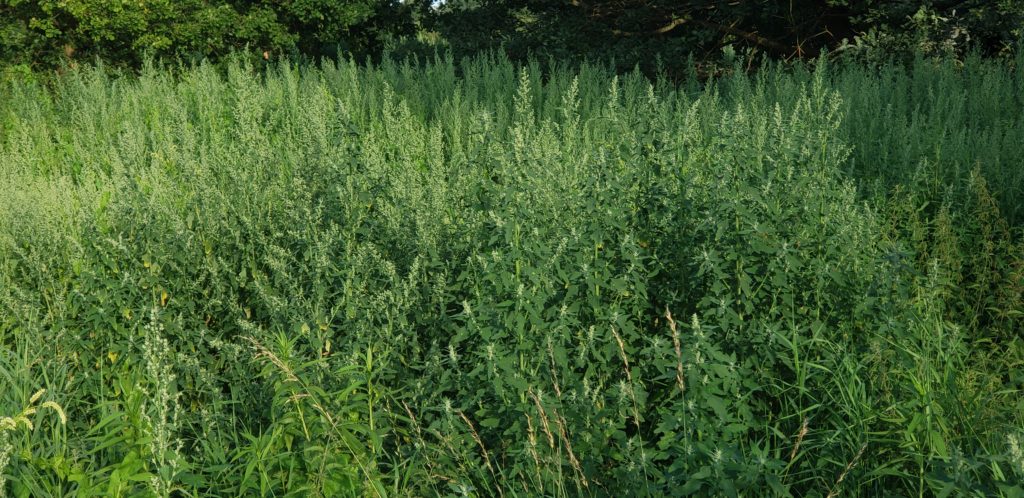
Lamb’s Quarters (Chenopodium album), a wild green native to Eurasia but now found worldwide, is a nutrient-dense leafy vegetable that’s often considered a weed—yet it’s truly a hidden gem. Its tender, slightly nutty leaves are edible and pack a nutritional punch, making them a fantastic addition to salads and sautés. I love how lamb’s quarters grow rapidly and abundantly, creating a lush green carpet that attracts beneficial insects such as bees and ladybugs! Although they can spread in wild settings, in a controlled garden they remain non-invasive and can be easily managed with regular harvesting.
These versatile greens not only enhance your culinary repertoire but also contribute to soil health by adding organic matter as they decompose. Their robust growth habit provides a natural microhabitat for various small invertebrates, which help maintain a balanced ecosystem. Lamb’s Quarters are a wonderful reminder that nature’s “weeds” can be both nutritious and ecologically valuable when grown side-by-side with other plants. They’re a true sustainable superfood that brightens up your garden and your plate!
Wild Mustard

Wild Mustard, belonging to the Brassica family and native to Europe and Asia, is a striking edible plant with a peppery flavor that can spice up your salads and stir-fries. Its bright yellow flowers bloom profusely throughout the growing season, attracting bees, butterflies, and other beneficial pollinators. I’ve found that when planted alongside other wild edibles, wild mustard not only enhances the color of your garden but also helps control pests with its natural repellent properties! While some wild mustard species can be invasive in certain regions, the cultivated varieties recommended for edible gardens are typically non-invasive and manageable.
In addition to its culinary and ornamental appeal, wild mustard creates a vibrant microhabitat that supports beneficial soil organisms and small insects. Its flowering cycle enriches the local ecosystem by providing a food source for pollinators, which in turn contribute to the health of neighboring plants. Growing wild mustard alongside complementary species results in a dynamic garden environment where every plant plays a role in maintaining natural balance. Its bold flavor and bright blooms make it a must-try for those who love to experiment with wild edibles!
Chickweed
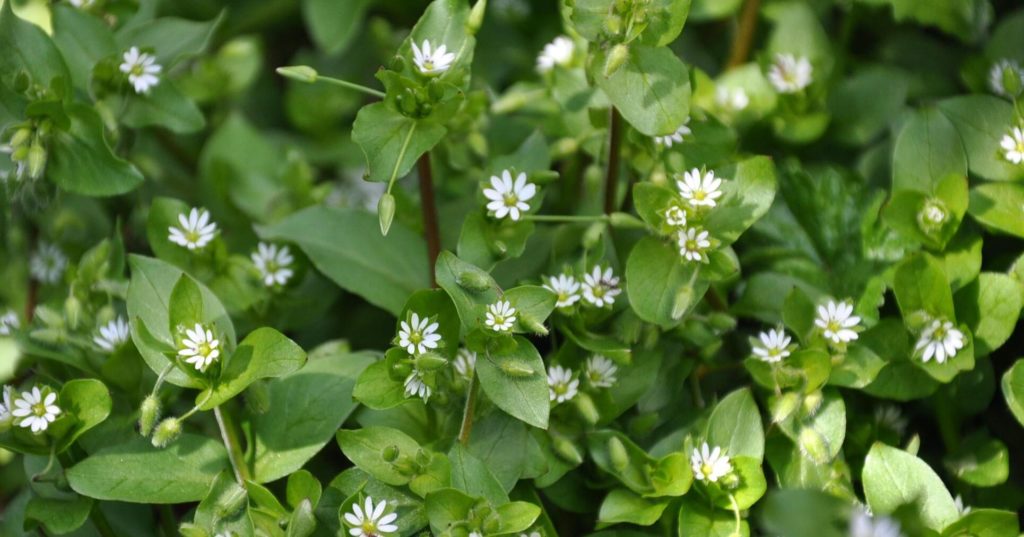
Chickweed (Stellaria media) is a common wild plant native to Europe and Asia that has been embraced as a nutritious edible green in many cultures. Its delicate, star-shaped white flowers and soft, tender leaves make it a versatile addition to salads and herbal teas. I’ve been pleasantly surprised by chickweed’s rapid growth and its ability to spread gently in the garden, creating a natural, low-growing carpet that attracts beneficial insects without overwhelming your other plants! Although considered a weed by some, chickweed is non-invasive when grown in controlled conditions and offers both culinary and ecological benefits.
Beyond its use in the kitchen, chickweed provides an excellent microhabitat for beneficial soil microbes and small invertebrates. Its soft, lush growth helps retain moisture and suppresses more aggressive weeds, contributing to a healthier garden ecosystem. The plant’s natural resilience and delicate beauty make it an ideal companion for other edible wild plants, ensuring a balanced mix of flavors and textures. It’s a charming reminder that even the most humble wild greens can enrich your garden and your diet!
Wild Garlic
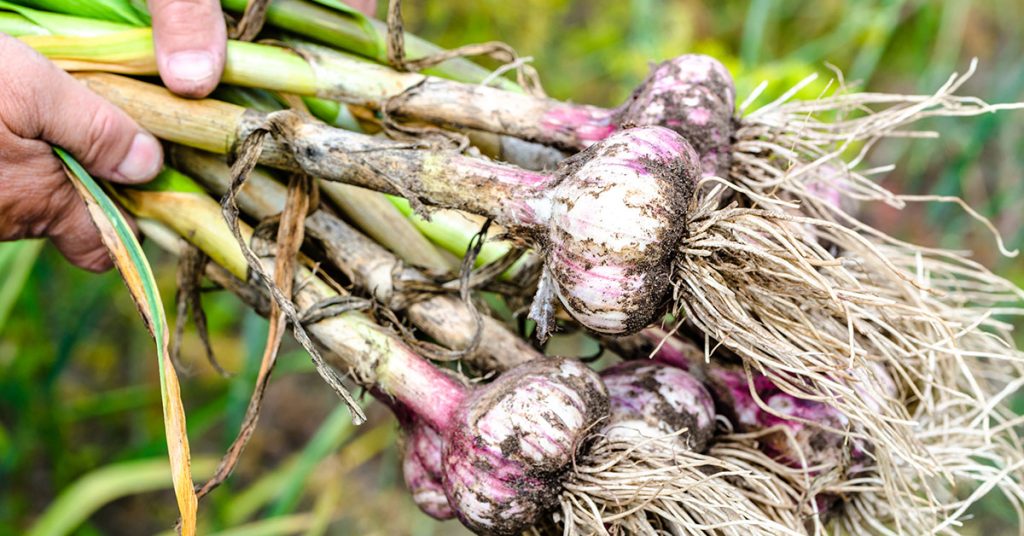
Wild Garlic (Allium ursinum), native to Europe and parts of Asia, is a delightful wild edible that offers a subtle garlic flavor without the pungent intensity of its cultivated counterpart. Its broad, glossy leaves and small white flowers create a striking display that attracts pollinators such as bees and butterflies. I’ve found that growing wild garlic side-by-side with other wild edibles not only adds a burst of flavor to your dishes but also enhances the overall aesthetic of your garden! While wild garlic can spread in natural settings, it remains non-invasive when managed carefully in a garden environment.
In addition to its culinary allure, wild garlic plays an important role in creating a vibrant microhabitat. The plant’s dense foliage provides shelter for beneficial soil organisms and small insects, contributing to a balanced ecosystem. Its gentle aroma helps repel certain pests, reducing the need for chemical interventions. Wild garlic is a true gift from nature, offering both delicious flavor and ecological benefits—a must-have for any garden dedicated to sustainable, wild edibles!
Wild Leeks (Ramps)

Wild Leeks, commonly known as ramps (Allium tricoccum), are a prized wild vegetable native to the deciduous forests of North America. Their unique, garlicky flavor and tender, wild leaves have made them a culinary favorite among foragers and chefs alike. I’ve had the pleasure of growing ramps in a shaded garden bed where their slow, graceful emergence creates a lush, green carpet that attracts pollinators like bees. Although wild ramps can be abundant in nature, they are non-invasive when cultivated responsibly in a controlled garden setting!
Beyond their culinary appeal, ramps create a rich microhabitat that supports beneficial soil microbes and small invertebrates. Their layered foliage and natural growth habit provide a cozy nesting area for tiny insects, which in turn help improve soil health and nutrient cycling. Growing wild leeks side-by-side with complementary woodland plants enhances the ecological balance of your garden while offering an exquisite taste of the forest floor. They’re a wonderful example of how wild edibles can bring both flavor and natural harmony to your outdoor space!
Sorrel
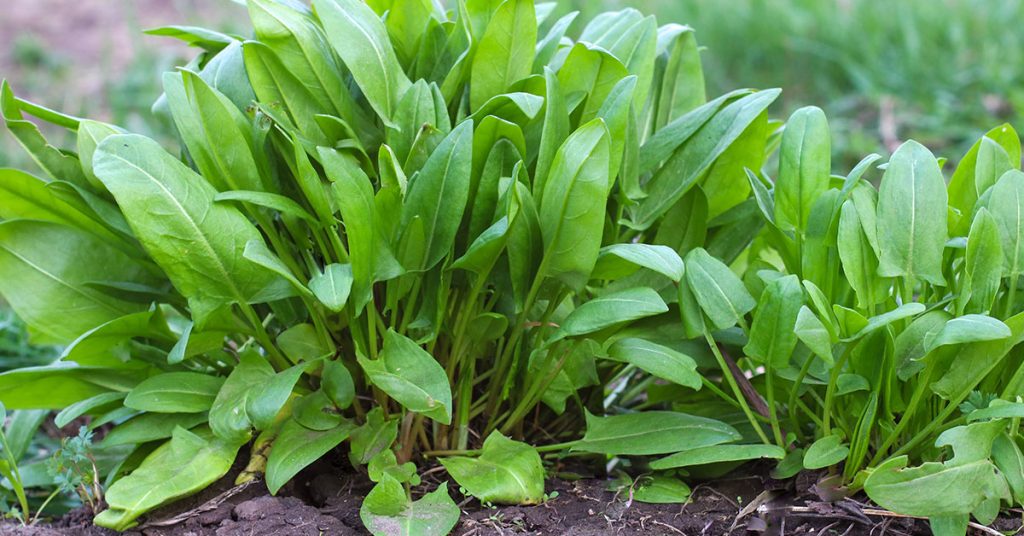
Sorrel (Rumex acetosa) is a tangy, refreshing herb native to Europe and parts of Asia that adds a burst of zest to salads and sauces. Its arrow-shaped leaves, which have a distinct, lemony flavor, are a staple in many traditional cuisines. I love how sorrel grows easily in garden beds and containers, forming a natural, low-spreading ground cover that is both decorative and edible! Although it can self-seed in the wild, sorrel remains non-invasive when managed properly, making it a perfect companion for other edible wild plants.
In addition to its culinary uses, sorrel attracts beneficial insects, including bees and butterflies, which are drawn to its small, delicate flowers. Its vibrant green foliage also creates a microhabitat that supports soil microbes and helps retain moisture in the garden. Sorrel’s refreshing taste and ease of care make it an excellent choice for gardeners looking to add a tangy twist to their wild edible collection. It’s a versatile plant that brings both flavor and natural balance to your garden!
Wood Sorrel

Wood Sorrel (Oxalis spp.) is a charming wild edible native to temperate regions of the world, known for its clover-like leaves and subtle, lemony flavor. This perennial plant thrives in shaded areas, making it an ideal candidate for the undergrowth of a woodland-inspired garden. I’ve always been delighted by the way wood sorrel creates a natural carpet of delicate, trifoliate leaves that not only enhance the visual appeal of your garden but also attract beneficial pollinators! Although in some regions it can spread moderately, careful management keeps it non-invasive and perfectly balanced with its neighboring plants.
Wood sorrel’s unique foliage creates microhabitats that support various small insects and soil microorganisms, contributing to overall garden health. In its native settings, this plant plays an important role in the forest floor ecosystem, providing natural cover and moisture retention. Its tangy flavor and graceful form make it a delightful addition to salads and as a garnish, proving that even the simplest wild edibles can offer a burst of flavor and ecological value. It’s a lovely reminder of nature’s understated beauty and resilience!
Wild Strawberries
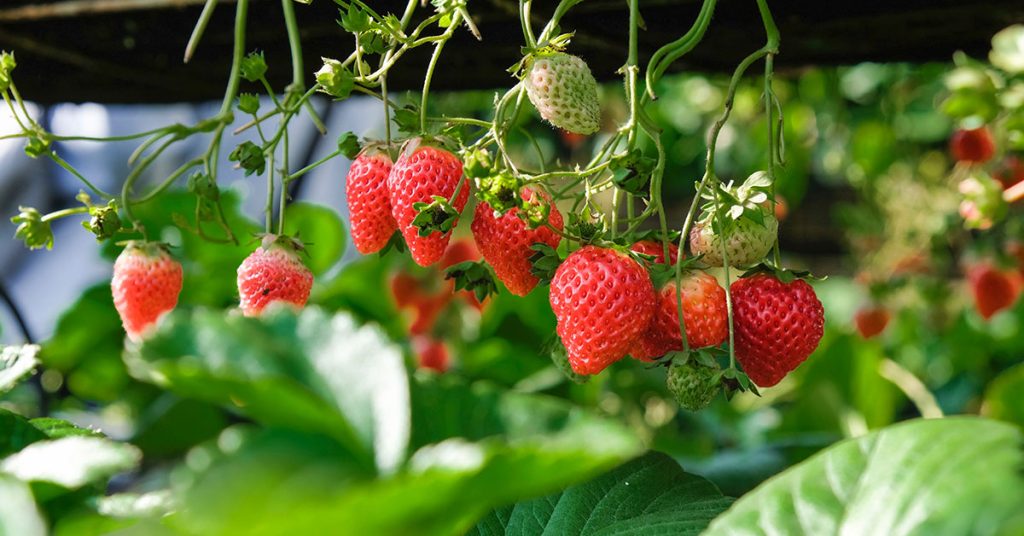
Wild Strawberries (Fragaria vesca) are a delectable treat native to temperate regions of Europe and North America, known for their small, intensely flavored berries and delicate, trailing runners. These charming plants bring a burst of sweetness to any garden, and their natural ability to propagate through runners makes them ideal for filling in small spaces without becoming invasive. I’ve experienced the joy of harvesting wild strawberries from a garden bed, where their lush, green leaves create a miniature, natural tapestry that attracts pollinators like bees and butterflies! Their delightful flavor and vibrant appearance make them a cherished addition to any edible landscape.
In addition to their culinary appeal, wild strawberries help create a rich microhabitat that supports beneficial soil organisms and small insects. Their runners form a natural, sprawling network that not only ensures continuous propagation but also offers shelter for tiny creatures that contribute to a balanced ecosystem. Growing wild strawberries side-by-side with other complementary plants enriches your garden with color, flavor, and biodiversity. They’re a perfect example of how wild edibles can transform your garden into a living, thriving mosaic of natural abundance!
Blackberries

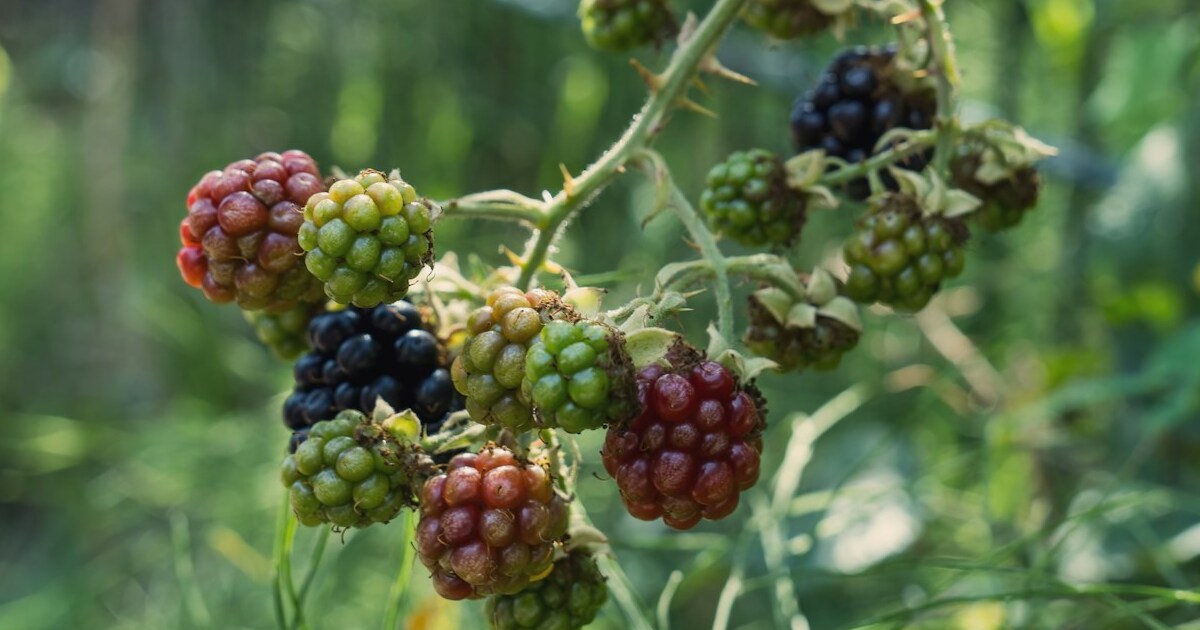
Blackberries, native to temperate regions of North America, are a robust and versatile fruit that can be grown in a managed garden with great success. Their thorny vines produce clusters of deep, luscious berries that are perfect for jams, pies, or simply snacking. I’ve found that blackberries, when grown alongside supportive companion plants, create a striking vertical display that attracts a multitude of pollinators, including bees and butterflies. Although wild blackberries can sometimes be invasive, cultivated varieties in controlled gardens are easily managed and remain non-invasive, offering a reliable, bountiful harvest!
Beyond their rich, sweet fruit, blackberries provide an excellent microhabitat for wildlife. Their dense, sprawling canes create natural nesting sites for small birds and shelter for beneficial insects, contributing to a balanced ecosystem. This natural support structure not only enhances the visual appeal of your garden but also helps maintain soil health and biodiversity. With regular pruning and proper care, blackberries become a resilient, productive addition that fills your garden with both beauty and delicious rewards!
Wild Raspberries

Wild Raspberries, native to Europe and North America, are a delightful and nutritious addition to any edible garden. Their bright red, juicy fruits have been cherished for generations, and they grow well in a controlled garden environment where their sprawling vines can be easily managed. I love the way wild raspberries create a natural, cascading display of foliage and fruit that attracts pollinators like bees and butterflies—each bloom and berry contributing to a vibrant microhabitat! Though wild varieties can be vigorous, cultivated raspberries in your garden remain non-invasive when pruned and managed properly.
In addition to their delicious taste, wild raspberries play a crucial role in supporting local biodiversity. Their dense growth provides shelter for small beneficial insects and even serves as a nesting site for birds. This natural synergy not only enhances fruit production but also creates a balanced ecosystem that supports overall garden health. Wild raspberries are an excellent choice for gardeners seeking both a culinary harvest and a touch of natural beauty in their outdoor spaces!
Plantain (Broadleaf Plantain)

Plantain, or Broadleaf Plantain (Plantago major), is a common wild herb native to Europe and Asia that offers surprising culinary and medicinal benefits. Its broad, heart-shaped leaves are edible and can be used fresh in salads or cooked as a nutritious green, and it grows exceptionally well in a variety of conditions, including in less-than-ideal soils. I’ve been delighted to see plantain thrive when interplanted with other wild edibles, creating a natural, low-growing carpet that attracts beneficial insects and improves soil structure! Despite its vigorous nature in the wild, plantain remains non-invasive when cultivated in a managed garden.
In addition to its edible qualities, plantain plays a crucial role in fostering a healthy microhabitat. Its dense leaf cover provides shelter for beneficial insects and soil microbes, contributing to natural pest control and nutrient cycling. In its native habitat, plantain often grows as part of a diverse ecosystem, and when grown in your garden, it continues to support biodiversity and overall soil health. It’s a versatile, resilient plant that not only nourishes you but also enriches your garden’s ecosystem—truly a win-win for any urban gardener!
Currants
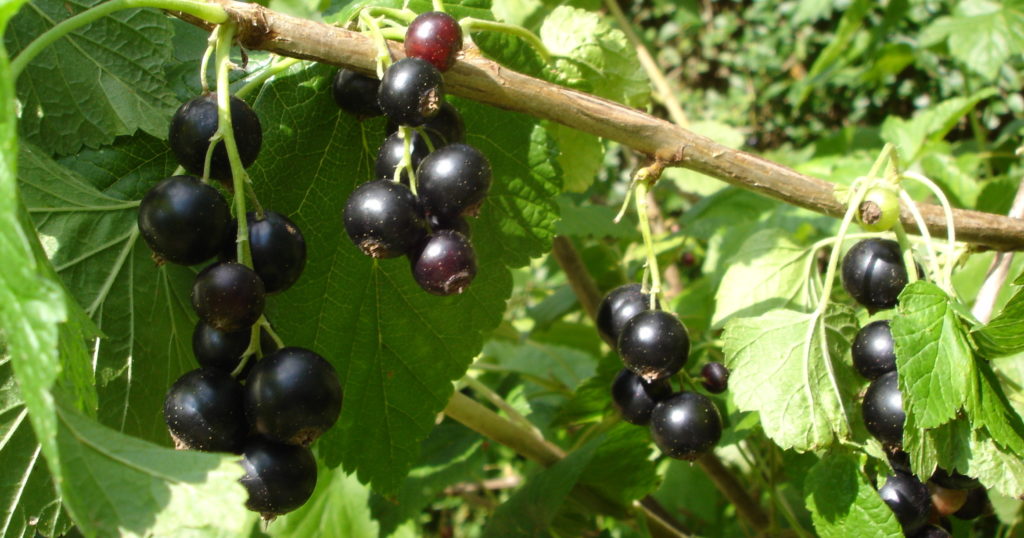
Currants, including both red and black varieties, are a small but mighty fruit crop native to Europe and parts of Asia. These deciduous shrubs produce clusters of tart, flavorful berries that are perfect for jams, jellies, and fresh eating. I’ve seen currants flourish in garden beds where they provide a burst of color and a unique, tangy flavor that’s hard to beat! When grown in a managed setting, currants remain non-invasive and offer a reliable, seasonal harvest that can be enjoyed in a variety of culinary creations.
In addition to their edible benefits, currant bushes attract a host of beneficial pollinators, such as bees and small butterflies, which help ensure optimal fruit set. Their dense foliage provides natural shelter for various small invertebrates, creating a microhabitat that supports overall garden health. The interplanting of currants with other wild edibles enriches the garden’s biodiversity and fosters a balanced ecosystem. With their tart, delicious berries and attractive appearance, currants are a valuable addition to any wild edible garden!
Wild Cherry
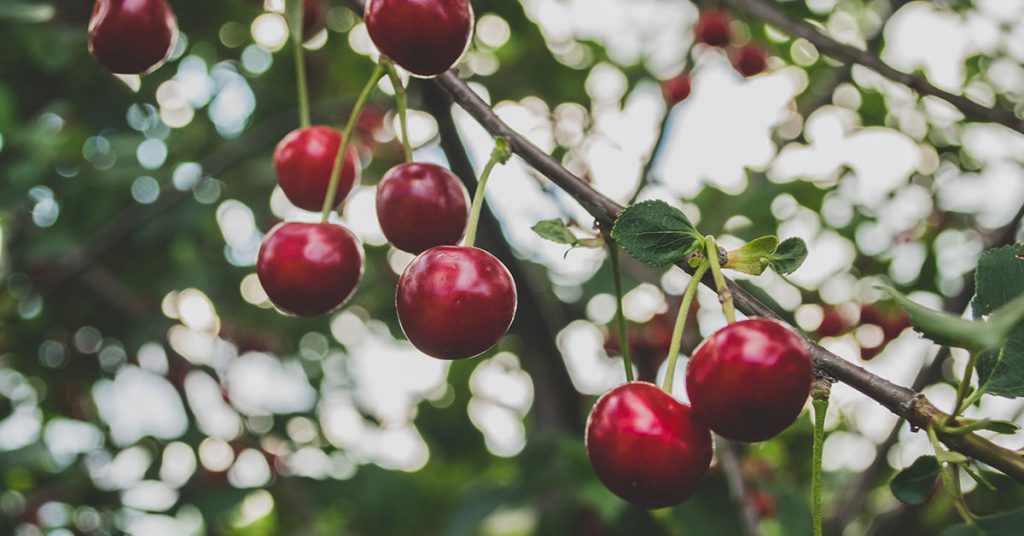
Wild Cherry trees, native to temperate regions of North America, offer a surprising twist as a wild edible plant that produces small, tart cherries bursting with flavor. These trees are admired for their ornamental appeal—during spring, they burst into bloom with delicate white flowers that attract bees and butterflies, creating a lively microhabitat. I’ve always been drawn to the natural elegance of wild cherry trees, whose fruits add a tangy note to jams and desserts while their branching structure provides shelter for nesting birds. Though wild cherry trees can spread in the wild, cultivated varieties in a garden setting are generally non-invasive and well-managed.
Beyond their fruit and blossoms, wild cherries contribute to the overall health of your garden by enhancing soil structure and fostering a diverse ecosystem. Their abundant flowers create a natural haven for beneficial insects, and the fallen fruit decomposes to enrich the soil with organic matter—much like the natural cycles in their native woodlands. Wild cherries are a delightful and versatile addition to a sustainable garden, offering both visual charm and nutritious harvests that celebrate nature’s bounty.