
There’s something deeply satisfying about stepping into a garden that feels like a peaceful retreat—an oasis of calm where every plant is in its perfect place. As an enthusiastic gardener who’s weathered too many overgrown, chaotic patches (it’s such a bummer when unruly vines and weeds take over!), I’ve discovered that choosing the right plants can transform any space into a serene, orderly haven. By selecting species with complementary forms, textures, and bloom times, you can craft a garden that feels harmonious yet never dull, a place where you can truly relax and reconnect with nature.
Over the years, I’ve honed a list of 18 exceptional plants—each praised for its tidy growth habit, attractive foliage or flowers, and ability to support local wildlife without running wild itself. From the architectural spires of Italian Lavender to the understated elegance of Boxwood hedges, these selections offer a blend of structure and softness. Many are native to specific regions—whether the cool understory of Japanese forests or the sun-drenched Mediterranean—ensuring they thrive in the right conditions without becoming invasive. Let’s dive into these star performers that will make your garden feel both tranquil and beautifully organized!
Heuchera (Coral Bells)
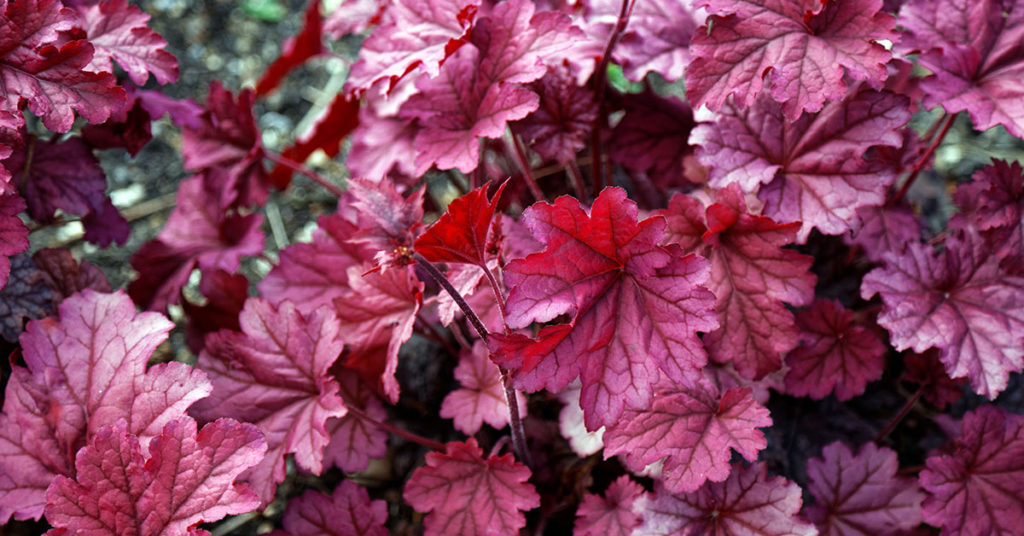
Coral Bells are renowned for their striking, evergreen foliage that comes in shades of burgundy, chartreuse, and smoky purple. These low-growing perennials, native to North America, form neat mounds of scalloped leaves year-round, providing a colorful and orderly underplanting for taller perennials. In my shade garden, Heuchera adds a velvety texture that contrasts beautifully with more rigid plants, and its airy flower spikes that emerge in summer attract hummingbirds and small bees for a gentle, pollinator-friendly display.
Despite their lush appearance, Coral Bells are surprisingly low-maintenance and well-behaved, rarely spreading beyond their allotted space when given regular division every three to four years. They thrive in partial shade and evenly moist, well-drained soil, resisting pests and disease without need for chemical intervention. I love how their tidy clumps create a soft carpet that keeps weeds at bay, reinforcing the garden’s serene, well-ordered atmosphere!
Japanese Maple (Acer palmatum)

Japanese Maple brings an instant sense of elegance and calm with its finely dissected leaves and graceful, arching branches. Native to Japan, Korea, and China, these small trees thrive in partial shade and well-drained, slightly acidic soil. In my own garden, the delicate foliage—ranging from deep burgundy to bright green—creates a living sculpture that attracts small birds seeking shelter among its branches and adds year-round interest, with fiery autumn color followed by elegant winter silhouettes.
Though their forms are naturally free-flowing, Japanese Maples remain non-invasive and highly manageable in a garden setting. Strategic pruning helps maintain a balanced shape, reinforcing a sense of order without imposing rigidity. These trees also benefit from a light mulch to preserve soil moisture and protect their shallow roots. The result is a tranquil focal point that embodies serenity and refinement, inviting contemplation and admiration in every season!
Euphorbia amygdaloides (Wood Spurge)
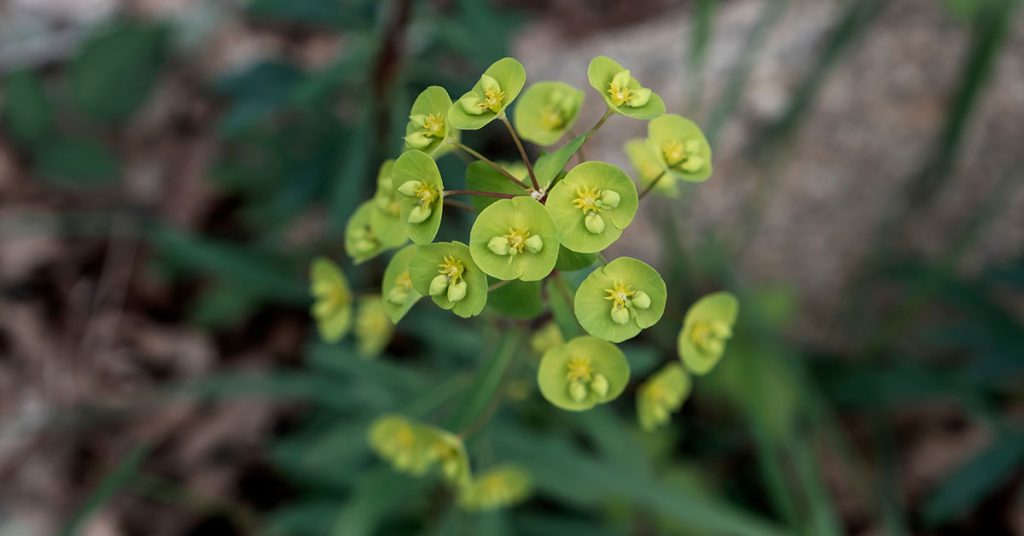
Wood Spurge features neat clusters of chartreuse bracts atop elegant stems from spring through early summer, providing a bright yet orderly presence. Native to woodlands across Europe, this evergreen perennial thrives in partial shade and well-drained soil, forming compact clumps that resist crowding out neighboring plants. In my garden, Euphorbia’s muted chartreuse hues act as a perfect foil for deeper tones in adjacent beds, and small hoverflies are often seen whisking among the blooms, adding gentle movement without disrupting harmony.
This spurge remains non-invasive and deer-resistant, reducing the need for constant monitoring. A light trim after flowering keeps the clumps tight and encourages fresh growth. Its resilience to both drought and shade makes it a versatile choice for tricky areas, reinforcing a sense of order and structure in the garden while supporting beneficial insect life. Euphorbia amygdaloides is a true workhorse for gardeners seeking tidy, long-lasting foliage!
Hydrangea paniculata (Panicled Hydrangea)
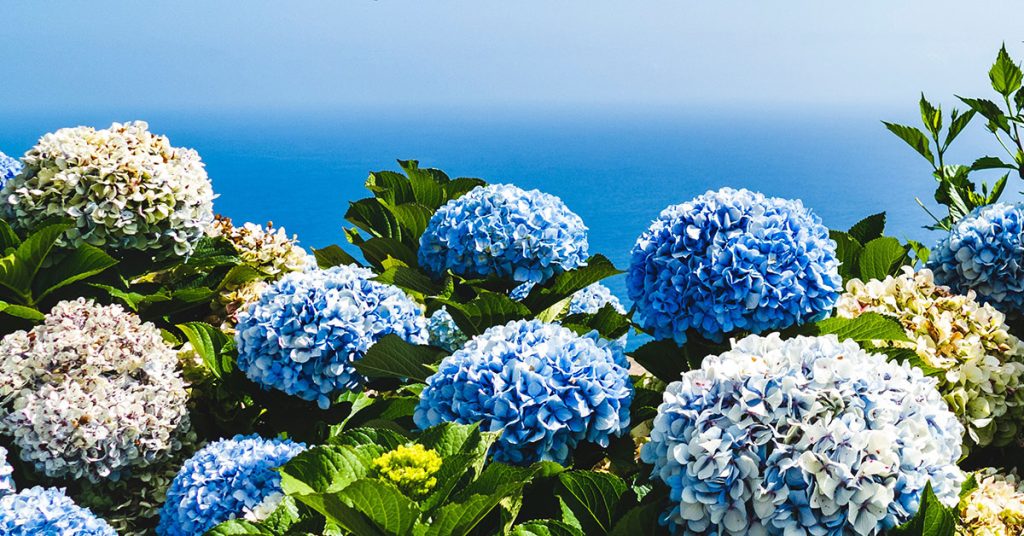
Panicled Hydrangeas produce towering conical flower clusters that bloom from midsummer into fall, creating an orderly yet dramatic display. Native to Asia, Hydrangea paniculata adapts well to a range of soils and light conditions, preferring full sun to partial shade. I find their sturdy stems and crisp white-to-pink blossoms excellent for attracting butterflies and even small beetles, which linger among the sturdy inflorescences. Their consistent bloom habit spans months, ensuring a steady backdrop of color and form.
When pruned annually, Panicled Hydrangeas remain well-behaved, forming neat, vase-shaped shrubs that won’t overwhelm the border. They thrive with moderate watering and benefit from compost-enriched soil to encourage robust growth. This reliable, long-flowering shrub lends both vertical structure and a sense of grace to organized garden designs, making it a star for gardeners who value both beauty and order!
Buxus sempervirens (Boxwood)

Boxwood is the quintessential plant for creating formal structure, prized for its dense, evergreen foliage that responds superbly to topiary and hedge shaping. Native to Europe, North Africa, and Asia, this hardy shrub thrives in full sun to partial shade and a variety of soil types. In my experience, neatly clipped Boxwood hedges provide a sculpted backdrop that highlights seasonal blooms, and their dense form offers nesting sites for small birds, creating a tidy, wildlife-friendly environment!
Well-chosen, non-invasive cultivars of Boxwood maintain a compact habit, requiring pruning twice a year to retain crisp lines. Their slow, steady growth ensures they won’t outpace maintenance schedules, making them perfect for gardeners seeking a mature, orderly feel from the outset. With minimal fuss, Boxwood can frame beds and pathways, lending a sense of calm geometry that underpins the serene garden vibe!
Salvia nemorosa (Woodland Sage)
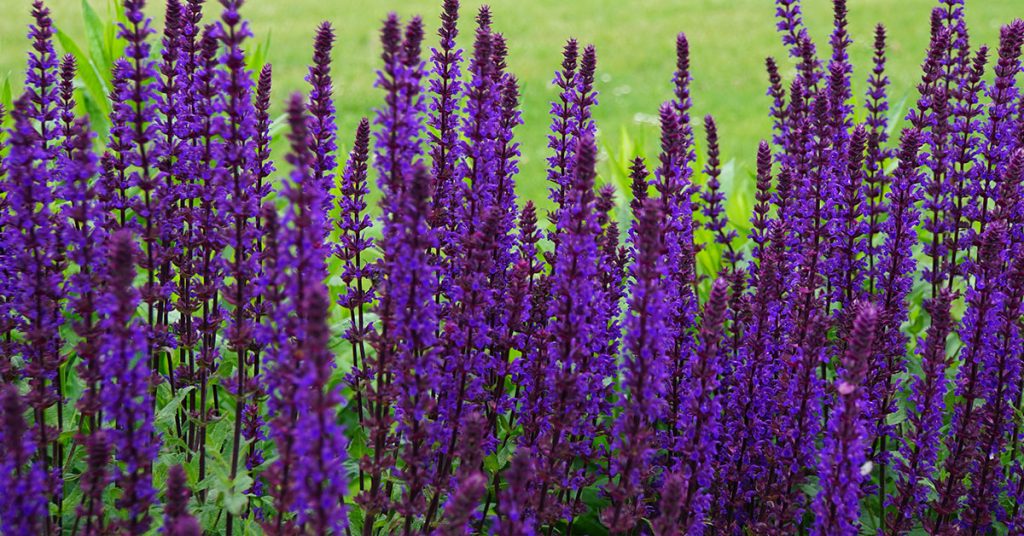
Woodland Sage delivers upright spikes of violet and pink flowers that bloom consistently from late spring into late summer, adding vertical rhythm to any border. Native to Europe and western Asia, Salvia nemorosa thrives in full sun and well-drained soil—conditions that help keep its tidy clumping habit in check. I’ve observed hummingbirds and bumblebees flocking to its nectar-rich blooms, creating a lively yet controlled pollinator presence that enhances the garden’s natural balance.
This perennial salvia remains non-spreading and well-mannered, responding well to a mid-summer trim that promotes additional flushes of flowers. Its aromatic foliage also helps deter certain pests, reducing the need for chemical sprays. With its defined form and long bloom time, woodland sage is an ideal choice for gardeners who crave both elegant structure and vibrant wildlife activity across the growing season!
Spiraea japonica (Japanese Spirea)

Japanese Spirea is celebrated for its masses of small pink or white flowers that bloom in late spring and continue sporadically into late summer. Native to Japan, Korea, and China, this deciduous shrub tolerates a wide range of conditions—from full sun to light shade—and thrives in well-drained soil. In my garden, Spirea’s cascading flower clusters attract butterflies and hoverflies, creating a gentle buzz against a backdrop of tidy, rounded foliage.
Spirea japonica forms neat, low mounds and seldom becomes invasive if pruned after the initial bloom to encourage a second wave of flowers. Its manageable growth and clear seasonal interest make it a dependable performer for structured beds or mixed borders. When paired with evergreen companions, Japanese Spirea brings a tidily ordered riot of color that lifts the garden’s spirits without sacrificing harmony!
Hakonechloa macra (Japanese Forest Grass)
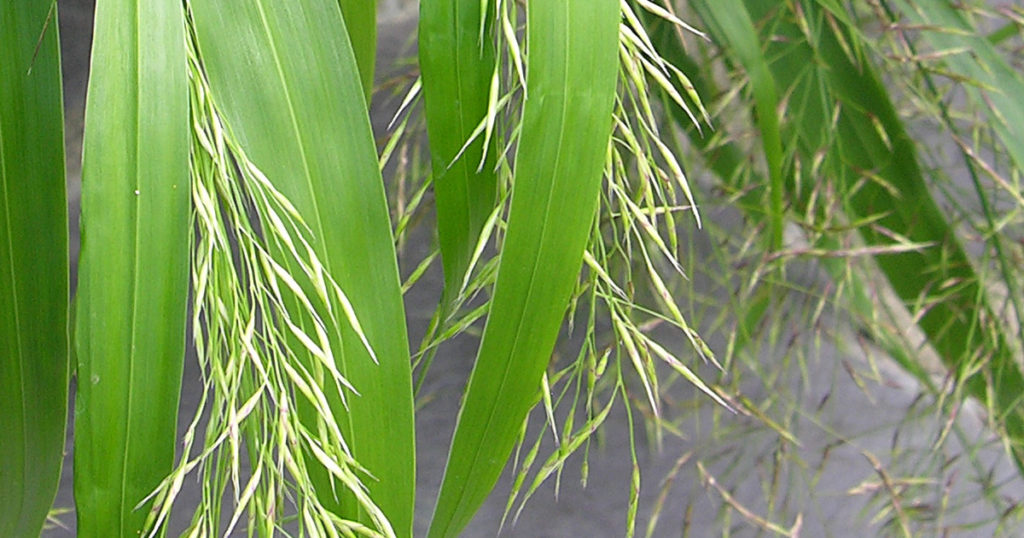
Japanese Forest Grass brings a soft, golden cascade of arching blades that create a serene, flowing groundcover from spring through late summer. Endemic to Japan’s mountainous forests, Hakonechloa macra thrives in partial shade and moist, well-drained soil. I adore planting it alongside hostas and ferns, as its delicate nodding habit and subtle variegation attract tiny woodland creatures seeking shelter among its leaves, adding a touch of woodland serenity to my shade garden.
This grass remains well-behaved and non-invasive, forming tidy clumps that can be divided every few years to maintain vigor. Its graceful movement in the breeze reinforces a sense of calm fluidity, contrasting beautifully with more architectural plants. For gardeners aiming to create a tranquil, naturalistic setting, Japanese Forest Grass is a must—effortlessly blending softness with structure throughout the growing season!
Hosta
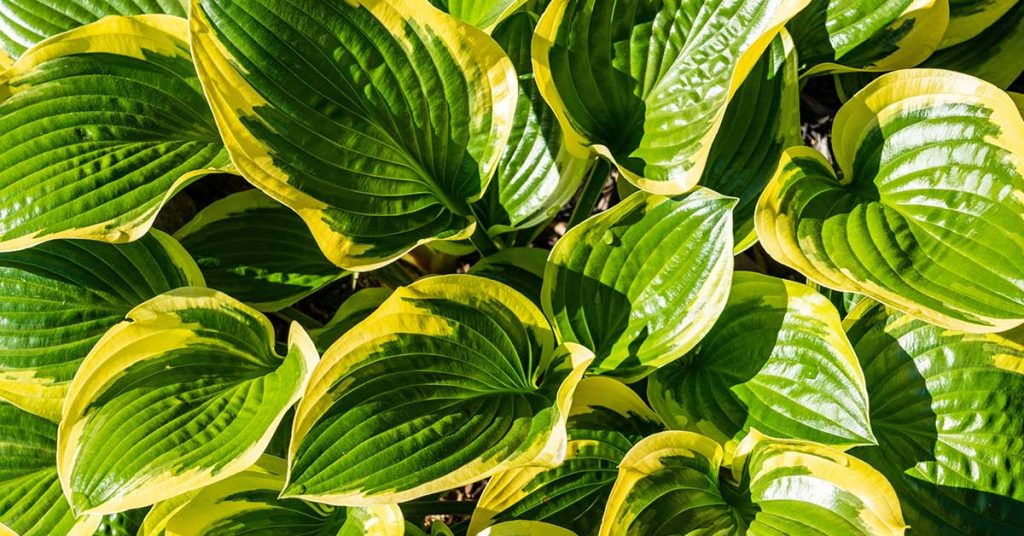
Hostas are the champions of shade gardens, offering a vast palette of leaf colors—from deep green to silvery blues and creamy variegations—that last from spring through summer. Native to northeast Asia, Hostas thrive in moist, well-drained soil and part to full shade. In my shady corners, their bold leaves create a lush, orderly carpet that attracts slugs (requiring a bit of vigilance!) but also provides cover for small pollinators and beneficial insects.
Despite slug susceptibility, Hostas remain contained and non-invasive when regularly monitored. Dividing them every few years keeps the clumps dense and prevents overcrowding. Their architectural foliage and tidy growth habit make them ideal for creating serene, rhythmical patterns in shaded beds—a low-effort, high-impact solution for gardeners seeking calm elegance!
Camellia japonica
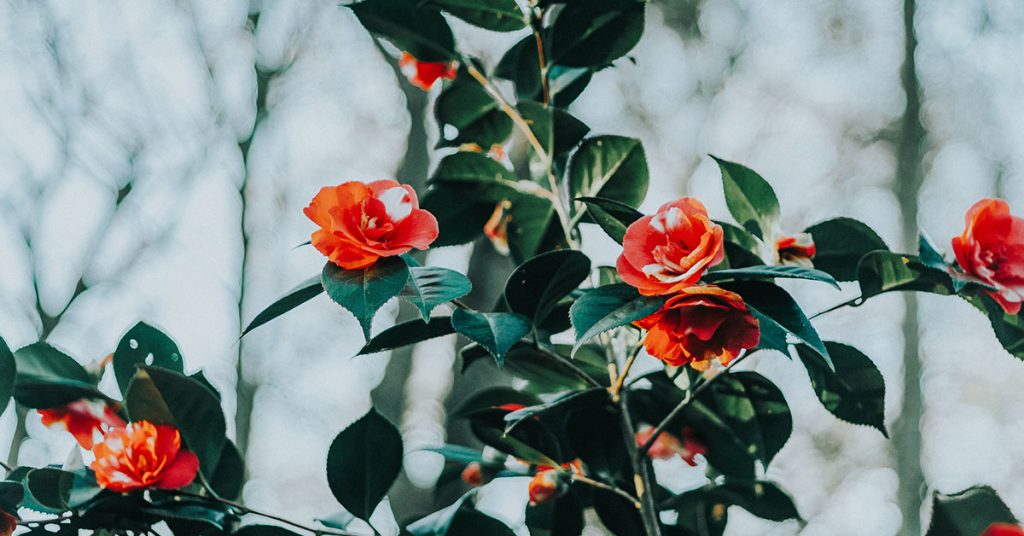
Camellias are evergreen shrubs prized for their glossy leaves and rose-like flowers that bloom from late winter into spring. Native to China, Korea, and Japan, Camellia japonica prospers in part shade and acidic, well-drained soil. In my garden, their sumptuous blossoms—ranging from pure white to deep red—attract early-season pollinators like bumblebees emerging from hibernation, lending a sense of renewal and order as other blooms await warmer weather.
These camellias remain well-behaved when pruned lightly after flowering, forming neat, rounded shrubs that complement formal and informal planting schemes. Their year-round foliage contributes to a structured backdrop for seasonal color, ensuring your garden maintains a tidy yet lush appearance even outside peak flowering times. Camellia japonica embodies serene resilience—a true joy in any elegant, orderly garden!
Rosmarinus officinalis (Rosemary)

Rosemary brings both fragrance and formality to the garden with its narrow, silvery-green leaves and delicate blue flowers that bloom sporadically from spring through summer. Native to the Mediterranean, Rosmarinus officinalis thrives in full sun and well-drained soil—and I’ve found it to be a superb border plant that attracts bees and small butterflies with its aromatic blooms. Its upright habit and dense foliage create a tidy, evergreen presence that smells divine whenever brushed or pruned!
This hardy shrub remains non-invasive in temperate climates and responds well to light pruning, keeping a clean, sculpted shape. Its drought tolerance and pest resistance make it a low-maintenance superstar for gardeners seeking both culinary and ornamental value. With Rosemary, you get a refined, year-round structure with delightful seasonal highlights—perfect for a garden that balances order with natural charm!
Agapanthus
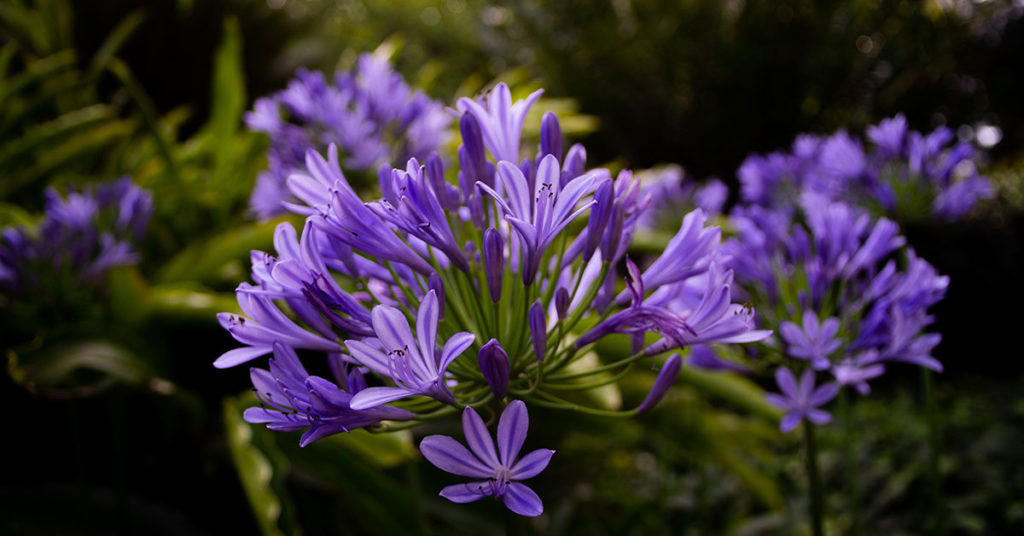
Agapanthus offers striking umbels of starry blue or white flowers rising above strappy evergreen leaves from midsummer into early fall. Native to South Africa, this perennial thrives in full sun to partial shade and well-drained soil. In my perennial borders, the architectural flower heads attract hummingbirds and bees, introducing a graceful vertical accent that punctuates the garden’s layers with serene beauty.
While Agapanthus can naturalize if conditions suit it, it generally remains contained in defined beds without becoming invasive. Dividing clumps every few years keeps the plants vigorous and prevents overcrowding. The repeated blooms and tidy foliage make Agapanthus a go-to for gardeners wanting a refined, season-spanning display of form and color!
Ferns (Dryopteris erythrosora)

Autumn Fern is a standout woodland species that offers coppery new fronds that mature to deep green, creating an elegant tapestry from spring through early fall. Native to East Asia, Dryopteris erythrosora thrives in shade and moist, well-drained soil, bringing a refined softness to shady beds. I adore how these ferns attract ground-dwelling insects and even serve as gentle nesting cover for small frogs and amphibians, adding subtle life and texture to the garden’s understory.
Non-invasive and clump-forming, Autumn Fern requires minimal care beyond occasional cleanup of old fronds. Its long-lived foliage maintains an orderly appearance for months, making it ideal for creating a serene, verdant base in shaded areas. With every emerging frond, this fern embodies quiet resilience and lush elegance—an essential for any garden aiming for peaceful refinement!
Rhododendron
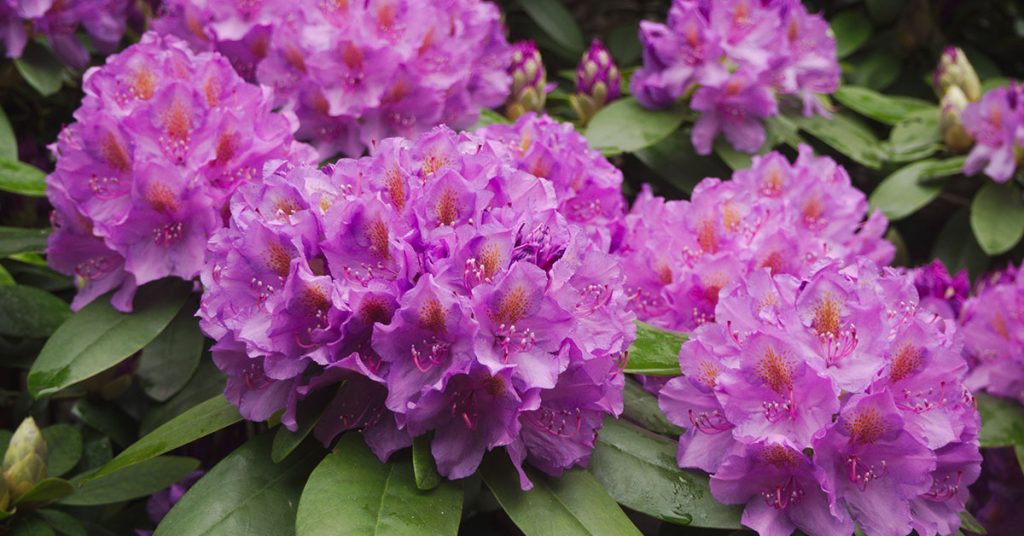
Rhododendrons burst into showy clusters of bell-shaped flowers in spring and maintain handsome, leathery evergreen foliage all season long. Native to Asia, Europe, and North America, these shrubs thrive in partial shade and acidic, moist soil. In my garden, the bold spring blooms attract early pollinators—bumblebees and honeybees—while the sturdy foliage offers nesting sites for small birds, creating a dynamic interplay of color and wildlife.
Well-chosen hybrids remain compact and non-invasive, requiring only light pruning after flowering to maintain shape. Their dual-season interest—vibrant spring flowers followed by glossy evergreen leaves—provides a tidy, year-round structure. For gardeners seeking a bold yet orderly statement, Rhododendron delivers both a spectacular start to the season and lasting elegance!
Hellebores (Helleborus)
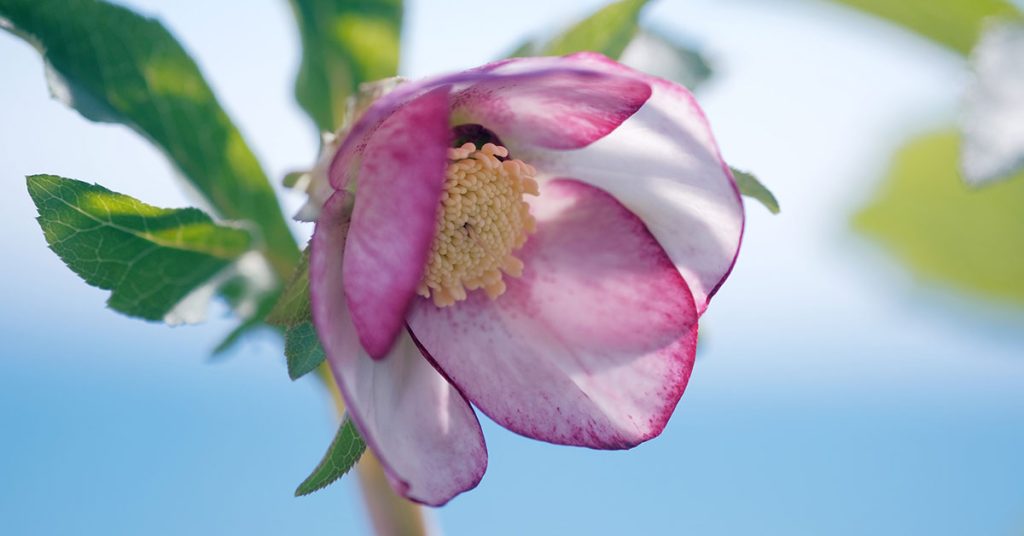
Hellebores, or Lenten Roses, bring early-season blooms—often appearing in late winter—throughout spring, showcasing nodding flowers in shades of white, pink, and purple. Native to Europe and Western Asia, these shade-tolerant perennials thrive in humus-rich, well-drained soil. In my own beds, Hellebores quietly attract early-emerging pollinators like bumblebees and small solitary bees, adding life to the garden when other flowers are still dormant.
These plants remain non-invasive and form neat clumps, rarely requiring division. Their evergreen foliage provides a clean, structured backdrop as other spring bulbs fade, ensuring the garden remains orderly even in the quietest months. Hellebores are a gardener’s delight, offering both early-season drama and year-round comfort!
Blue Fescue (Festuca glauca)

Blue Fescue is a compact ornamental grass prized for its silver-blue foliage that retains a neat, dome-shaped form throughout the growing season. Native to Europe, Festuca glauca thrives in full sun and well-drained soil, adding a cool, modern accent to perennial borders and rock gardens. I love how its fine texture contrasts with bolder-leaved plants, and small ground beetles often shelter within its blades, contributing to a balanced micro-ecosystem.
This grass is non-invasive and low-maintenance, requiring only an annual trim to remove old foliage in early spring. Its consistent form and muted color palette create a serene, minimalist aesthetic that complements both vibrant and subdued plantings. For garden designs seeking tidy lines and contemporary flair, Blue Fescue is an indispensable choice!