

As a devoted gardener with a passion for sustainable beauty and buzzing pollinators, I know firsthand the excitement of watching a garden come alive with the gentle hum of busy bees. There’s nothing quite like the sight of vibrant annual blooms dancing in the sunlight while nature’s tiny workers flit from flower to flower. I understand the challenges of finding plants that not only brighten your outdoor space but also nurture a thriving ecosystem—especially when pests and unpredictable weather try to dampen your spirits. That’s why I’m thrilled to share 18 annual flowers that are proven bee magnets, perfect for transforming your garden into a vibrant, self-sustaining haven!
In this guide, you’ll discover a diverse collection of annuals—each with its own fascinating origin, growth habits, and natural behaviors that make them ideal for attracting bees. From plants native to far-off regions to those that have adapted beautifully in our own backyards, every entry offers practical insights on managing their growth and ensuring they remain non-invasive. So, put on your gardening gloves, and let’s explore these delightful blooms that promise not only eye-catching color but also the joyful buzz of nature’s finest pollinators!
Zinnia
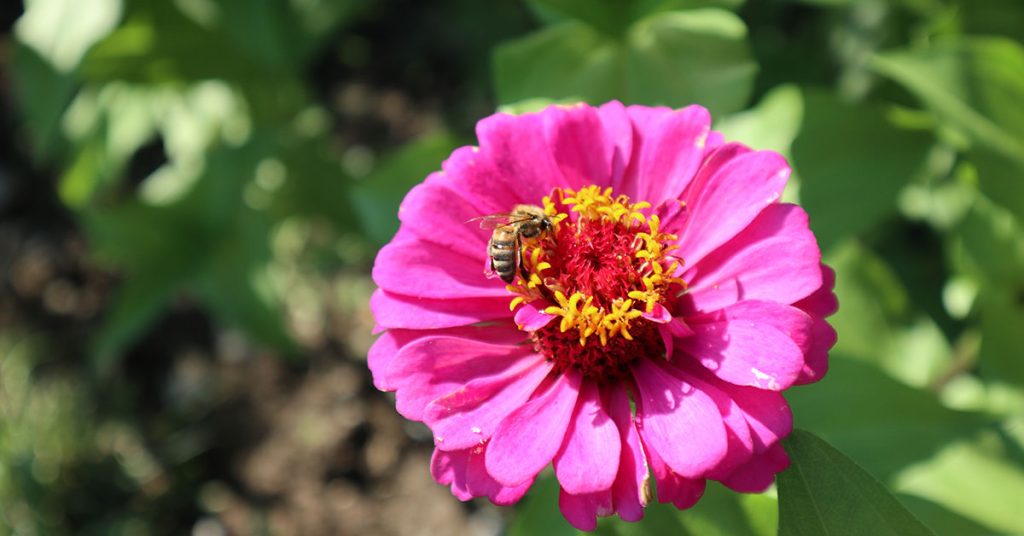
Zinnias are a cheerful burst of color that effortlessly capture the attention of bees with their vibrant, daisy-like blossoms. Native to Mexico and Central America, these annuals have been widely adopted around the globe due to their hardy nature and rapid growth. I find it amazing how their open, flat flower heads provide a perfect landing pad for bees, creating natural mini-nests that encourage a flurry of pollination activity in your garden!
The vigorous growth of Zinnias makes them a dependable choice for gardeners looking to fill their beds with a mosaic of colors—without the worry of them becoming invasive. Their low-maintenance nature, combined with a consistent display of blooms throughout the summer, ensures that bees have an abundant food source. Whether you’re arranging them in borders or using them as cut flowers, Zinnias bring a refreshing, carefree energy that makes every garden visit a delight!
Calendula

Calendula, commonly known as pot marigold, is a bright, sunny annual that draws bees with its bold, cheerful blossoms. Native to the Mediterranean region, this versatile flower has found a home in gardens around the world thanks to its adaptability and medicinal history. I’ve noticed that its vibrant orange or yellow blooms act like a natural beacon for bees, creating little hubs of activity that enrich the garden’s atmosphere and encourage natural nesting behaviors among beneficial insects.
Despite its vigorous display, Calendula is well-behaved and non-invasive when grown under proper conditions. Its easy care requirements and quick flowering cycle make it a favorite for gardeners looking to boost pollinator visits early in the season. Calendula not only brightens up any space with its sunny disposition but also offers practical benefits such as edible petals and natural pest deterrence—a true win-win for eco-conscious gardening!
Portulaca

Portulaca, also known as Moss Rose, is a succulent annual that brings a splash of vivid color to the garden and is a true magnet for bees. Native to South America, this drought-tolerant plant thrives in hot, arid conditions, producing clusters of bright, low-growing flowers that carpet your garden in a riot of hues. I’m continually impressed by how its sprawling habit and fleshy leaves create natural microhabitats that encourage bees to stop by, almost as if the plant is offering a tiny, refreshing nest amid a busy day!
Portulaca is prized for its resilience and non-invasive nature, making it perfect for gardeners of all experience levels. Its ability to flourish in poor soils and withstand dry spells means that even in challenging conditions, bees can rely on its nectar-rich blooms. With minimal care required, Portulaca stands out as an ideal annual for adding both practicality and a burst of energy to any sustainable garden design!
Snapdragons
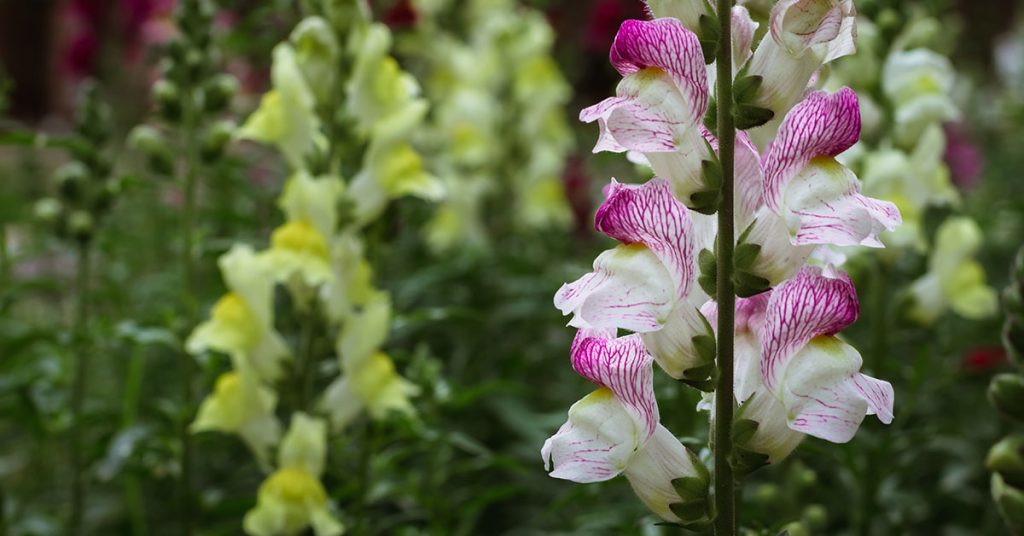
Snapdragons are an enchanting annual that not only dazzle with their unique, dragon-shaped blooms but also serve as an excellent attractant for bees. Native to the Mediterranean and parts of Europe, these flowers offer a spectacular array of colors and a distinct structure that provides a landing platform for bees, almost resembling natural perches or mini nesting sites. I’m always delighted by how Snapdragons bring an element of whimsy and character to my garden, making each blossom feel like a playful invitation to nature’s pollinators!
While Snapdragons are typically non-invasive and well-suited for container gardening or borders, they do require a bit of support during tall flowering periods. Their charm and resilience make them a superb addition to any annual display, and the continuous bloom cycle ensures that bees have a steady supply of nectar. With a combination of visual appeal and practical benefits, Snapdragons embody the spirit of a vibrant, bee-friendly garden that sparks joy in every season!
Petunia
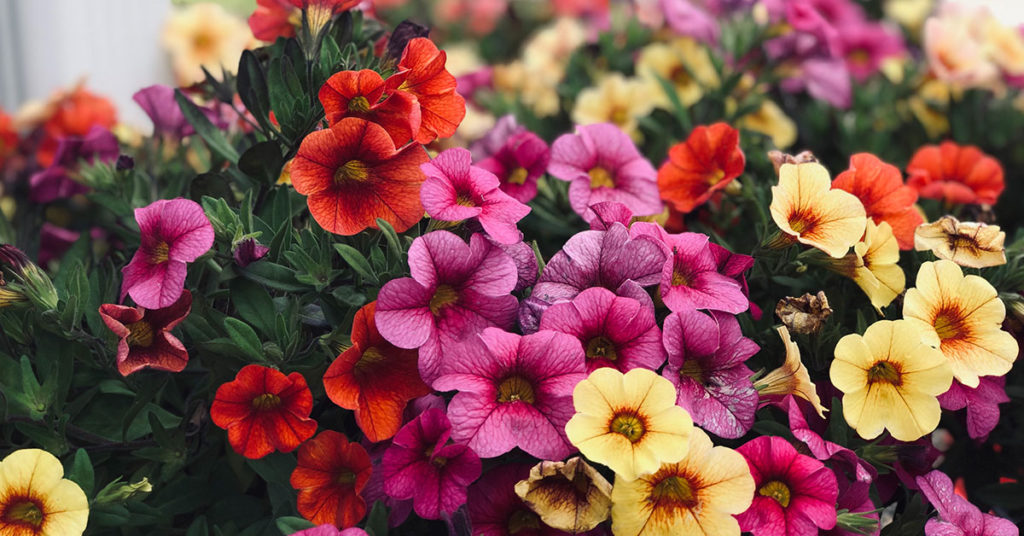
Petunias are a beloved annual with sprawling, trumpet-shaped flowers that effortlessly draw in bees with their sweet fragrance and vivid hues. Originally native to South America, Petunias have become a staple in gardens worldwide due to their prolific blooming and adaptability to various climates. I find it remarkable how these plants, when well-tended, form lush clusters that not only create a stunning visual display but also serve as miniature hubs where bees gather, contributing to a dynamic garden ecosystem!
Their robust nature and low-maintenance requirements make Petunias a popular choice for both novice and seasoned gardeners. Though they are vigorous growers, they rarely exhibit invasive tendencies when provided with adequate space and occasional deadheading. The continual cycle of blooming ensures that your garden remains a hotspot for pollinators, transforming your outdoor space into a delightful symphony of color and life that’s sure to lift your spirits!
Vinca
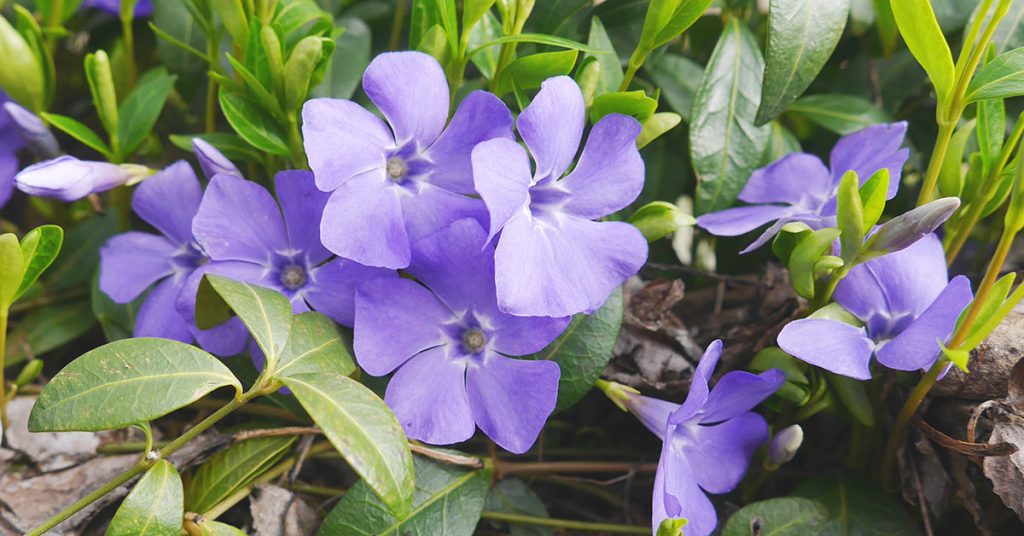
Vinca, commonly known as Periwinkle, is an attractive annual that brings a subtle yet irresistible charm to the garden while luring in bees with its delicate, star-shaped blooms. Native to the Mediterranean region, Vinca has been widely cultivated for its low-growing habit and its ability to thrive in a variety of soil conditions. I always appreciate how its cool, calming shades of blue, purple, or white offer a serene backdrop that naturally invites bees to explore its nectar-rich flowers, creating a harmonious pollinator haven in your garden!
Though Vinca is cherished for its spreading habit, it is generally non-invasive when managed properly, making it a great option for ground cover or borders. Its resilience in sunny to partially shaded environments and its low water needs add to its appeal, ensuring that bees have a reliable source of sustenance throughout the growing season. For gardeners who value both beauty and practicality, Vinca stands out as a dependable annual that transforms any space into a lively, bee-friendly oasis!
Cosmos
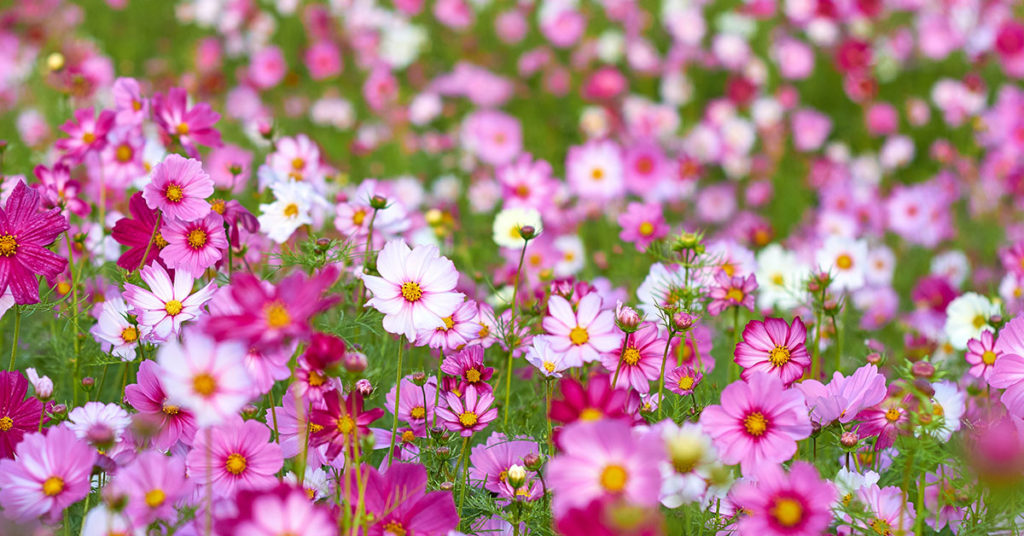
Cosmos are delicate, daisy-like annuals that exude a wild, ethereal beauty and are fantastic at attracting bees. Native to Mexico, Cosmos thrive in full sun and poor soils, proving that even the simplest conditions can yield breathtaking results. Their feathery foliage and open, airy blooms provide natural nesting spots that seem to welcome bees and other pollinators, turning your garden into a breezy retreat for nature’s winged visitors!
Cosmos are admired for their low-maintenance care and their ability to self-seed, creating a continuous cycle of blooms that can enliven any garden space. Although they spread easily, they are not typically considered invasive if given enough room to grow. Their effortless charm and ecological benefits make Cosmos a favorite for gardeners seeking to blend color, simplicity, and a generous dose of pollinator attraction into a vibrant annual display!
California Poppy
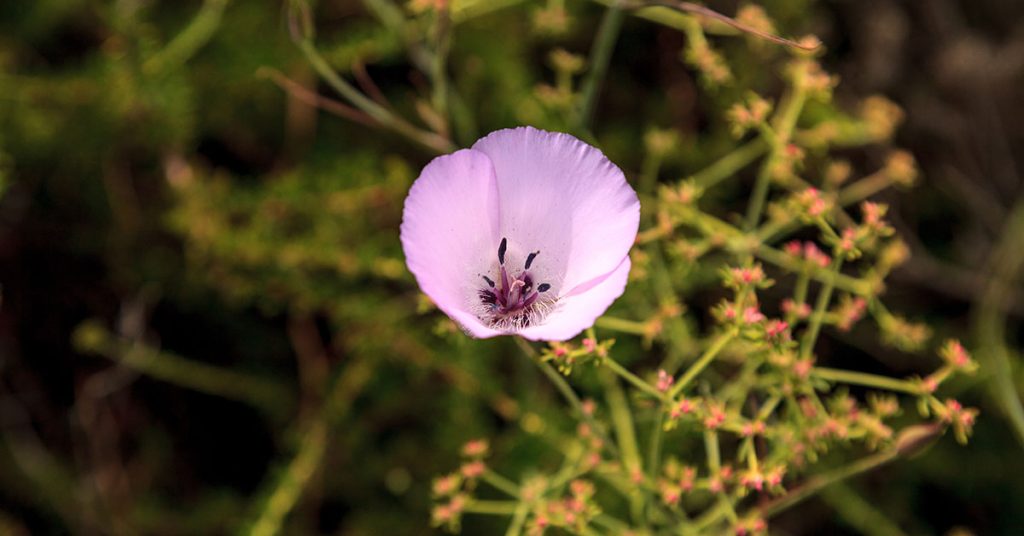
California Poppy is a stunning annual that brings a burst of golden-orange radiance to the garden while delighting bees with its abundant nectar. Native to the western regions of North America, these poppies are known for their delicate, papery petals and their natural ability to thrive in dry, open environments. I find it captivating how their gentle, wind-swept blossoms create a natural tapestry that not only attracts bees but also enhances the overall serenity of the landscape!
Despite their wild, free-spirited appearance, California Poppies are remarkably non-invasive and adapt well to a variety of soil conditions. Their rapid growth and spontaneous self-seeding contribute to a dynamic garden scene where bees can easily find a consistent source of nourishment. For anyone looking to add a touch of rustic charm and vibrant color to their outdoor space, California Poppies are an ideal choice that harmoniously blend beauty with ecological value!
Verbena
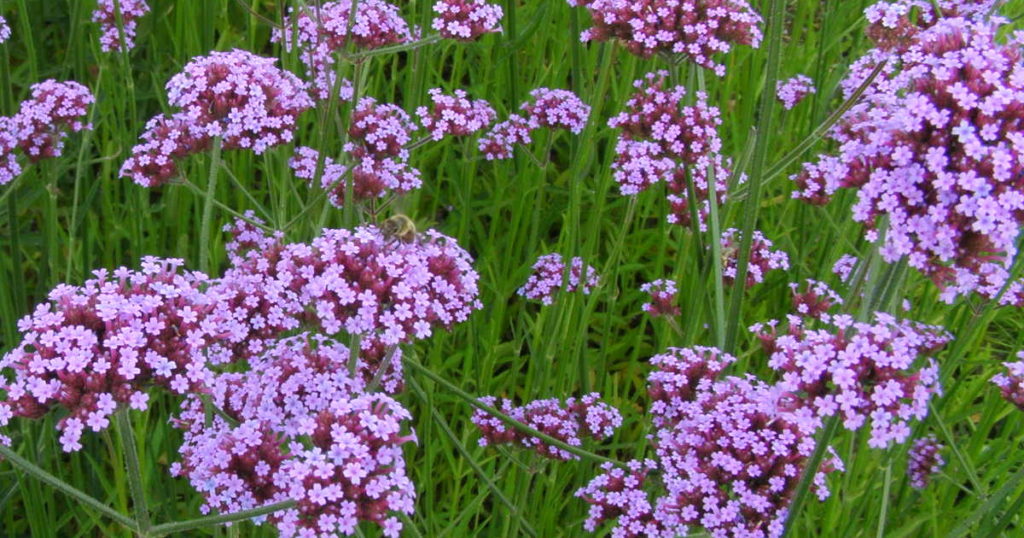
Verbena is an exquisite annual that enchants with clusters of tiny, delicate flowers and a subtle fragrance that draws in bees like a magnet. Native to South America, Verbena has become a cherished addition to many gardens due to its graceful, cascading growth habit that creates natural, multi-layered displays. I’m always thrilled by how its petite blossoms seem to form mini colonies that act as natural nesting spots for pollinators, creating a bustling, lively atmosphere wherever they are planted!
Beyond its visual appeal, Verbena is low-maintenance and generally non-invasive, making it an excellent choice for gardeners who want to encourage bee activity without excessive care. Its extended blooming period ensures that bees have a continuous supply of nectar throughout the summer months, helping to sustain local pollinator populations. With its charming presence and ecological benefits, Verbena is a stellar option for anyone seeking to cultivate a vibrant, bee-friendly garden!
Marigold
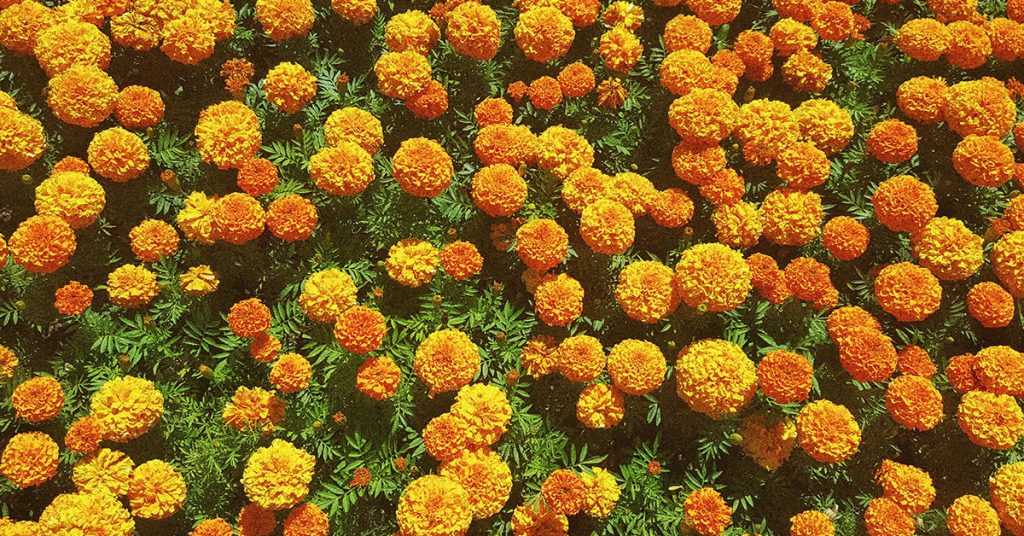
Marigolds are bright, cheerful annuals that infuse the garden with warm hues and irresistible energy while drawing bees with their rich nectar. Native to the Americas, Marigolds have long been celebrated for their vibrant orange and yellow blossoms that not only add visual impact but also serve as natural beacons for pollinators. I’m continually amazed by how these hearty flowers create dense clusters that provide a welcoming haven for bees and beneficial insects alike, almost as if they’re forming tiny, buzzing communities!
Their robust nature and ability to thrive in a variety of climates make Marigolds a reliable choice for gardeners of all levels. Although they can self-seed, they are generally non-invasive when properly maintained, ensuring that their colorful presence remains a controlled delight in your garden. Marigolds are a perfect example of how simple, accessible blooms can offer both aesthetic charm and practical ecological benefits, creating a win-win scenario for nature enthusiasts!
Ageratum
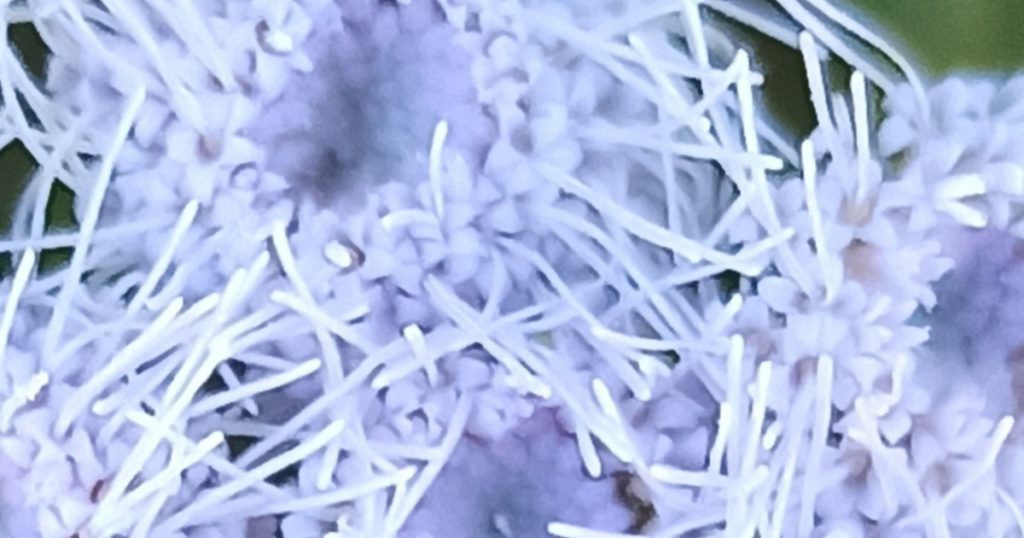
Ageratum, often known as Floss Flower, is an enchanting annual that captivates with its soft, powdery blooms and charming clusters that effortlessly attract bees. Native to tropical regions of Central America, this delicate flower adds a whimsical touch to garden borders with its subtle shades of blue, lavender, or pink. I love observing how Ageratum’s compact growth and airy, clustered flowers create natural, inviting microhabitats where bees seem to pause and enjoy the gentle fragrance and color!
Its low-maintenance growth habit and non-invasive tendencies make Ageratum a delightful addition for gardeners seeking to enhance pollinator visits without a lot of fuss. Regular deadheading keeps the plant looking fresh and encourages a continuous display of blooms, ensuring that bees have a steady source of nectar all season long. With its soft, soothing beauty and ecological charm, Ageratum is an excellent choice for anyone looking to cultivate a garden that buzzes with life and gentle elegance!
Sweet Alyssum
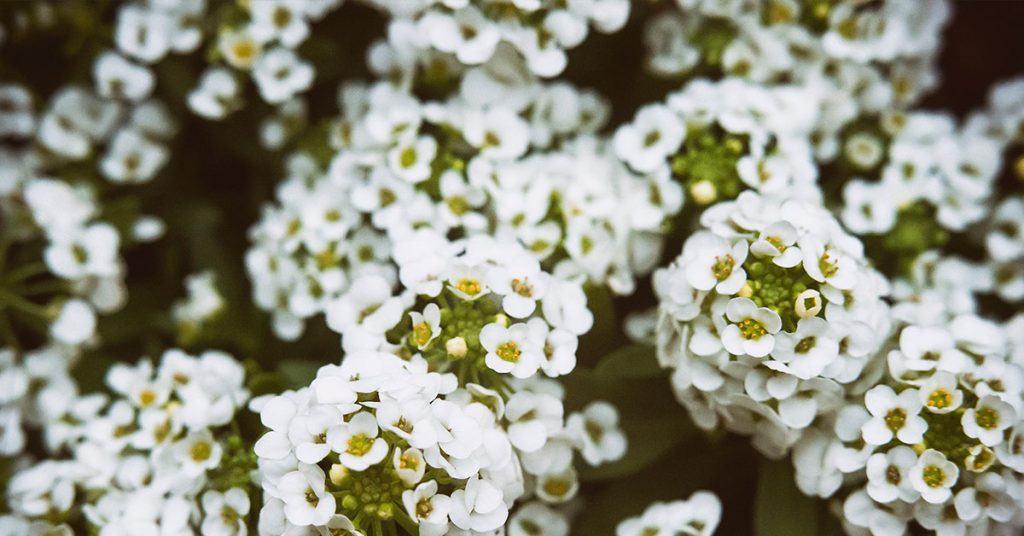
Sweet Alyssum is a petite annual that packs a surprising punch in the pollinator department, thanks to its dense clusters of tiny, fragrant blossoms. Native to Eurasia, this charming plant is celebrated for its ability to carpet garden beds with a soft, honeyed aroma that bees find utterly irresistible. I’m always delighted by how its low-growing habit forms natural, sprawling nests that not only showcase delicate blooms but also invite bees to settle and feast on its sweet nectar!
One of the many appealing traits of Sweet Alyssum is its non-invasive nature—its spreading habit is easily controlled, making it perfect for borders, containers, or as a ground cover. The continuous bloom cycle ensures that your garden remains a vibrant hub of activity, providing bees with a constant, reliable food source. For gardeners who appreciate both the subtleties of fragrance and the tangible benefits of attracting pollinators, Sweet Alyssum is an indispensable annual that transforms any space into a living, aromatic tapestry!
Sunflower
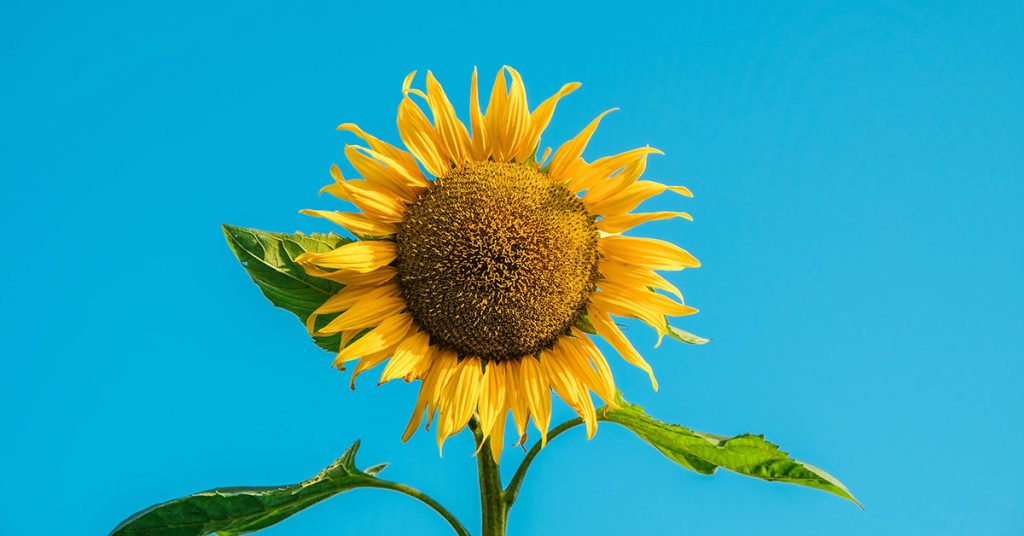
Sunflowers are iconic annuals that bring a burst of dramatic color and energy to the garden while drawing in bees with their towering, nectar-rich blooms. Native to North America, these majestic flowers are celebrated for their large, cheerful heads and their ability to track the sun’s path, creating a natural spectacle that is both uplifting and ecologically beneficial. I’m always in awe of how sunflowers form natural, inviting nests that not only support bees but also serve as landmarks in a bustling garden landscape!
Despite their robust, vigorous growth, sunflowers are generally non-invasive when given ample space and proper care. Their strong stems and expansive leaves provide natural shelter for a variety of pollinators, making them an essential component of any bee-friendly garden. With their remarkable visual appeal and the practical benefit of continuous nectar supply, sunflowers are a must-have for gardeners eager to create an outdoor space that radiates warmth, joy, and sustainability!
Bachelor’s Button
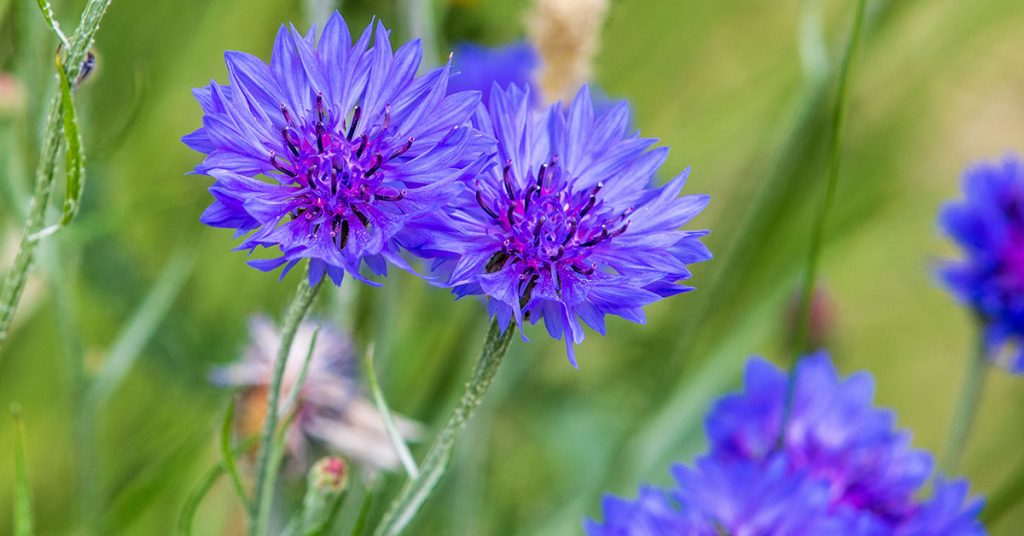
Bachelor’s Button, also known as Cornflower, is a charming annual that enchants with its delicate, blue blossoms and effortless appeal to bees. Native to Europe, this flower has been cultivated for centuries for its vibrant color and graceful form, which naturally attracts bees with its nectar-rich petals. I’m always fascinated by how Bachelor’s Button forms tight, natural clusters that seem to encourage bees to hover and settle, creating miniature havens of pollinator activity throughout the garden!
Its easy-growing nature and non-invasive behavior make Bachelor’s Button a perfect choice for gardeners looking to add a pop of color without a lot of fuss. Regular deadheading keeps the blooms fresh and continuous, ensuring that bees have a steady source of nourishment all season long. With its timeless charm and practical benefits for pollinator support, Bachelor’s Button is a delightful addition to any garden seeking both beauty and ecological harmony!
Nasturtium

Nasturtium is a vibrant annual known for its striking, edible flowers and peppery-tasting leaves that naturally attract bees. Native to South America, this plant adds a splash of bold color to garden beds while serving as a dual-purpose delight—both ornamental and culinary! I find it captivating how Nasturtium’s sprawling vines and trailing habit create natural, cascading displays that not only lure bees but also provide a protective ground cover that enhances the garden’s overall biodiversity.
While Nasturtium is celebrated for its versatility, it is generally non-invasive and easy to manage, making it an ideal choice for both beginner and experienced gardeners. Its continuous bloom cycle ensures a constant influx of nectar, which encourages bees to visit regularly and contribute to a healthy pollinator population. With its unique combination of beauty, flavor, and ecological benefit, Nasturtium is a standout annual that transforms any garden into a lively, bee-friendly paradise!
Annual Salvia
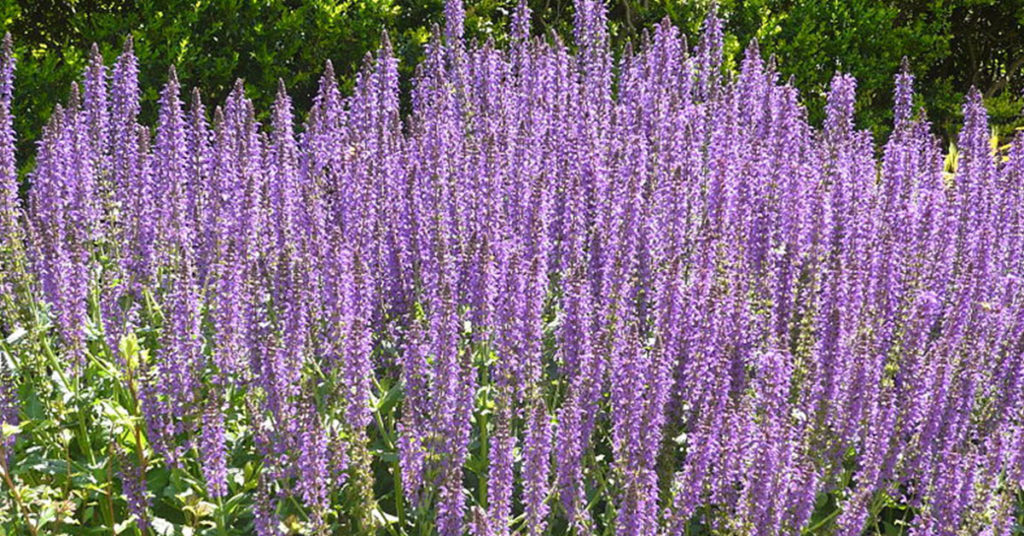
Annual Salvia, particularly varieties like Salvia splendens, is a dynamic flowering plant that captivates with its vibrant, spiky blooms and an irresistible allure for bees. Native to tropical regions, this annual offers a burst of color in shades of red, purple, or even white, and its dense flower spikes act like natural perches and nectar stations for visiting bees. I’m always impressed by how Annual Salvia seems to create its own mini ecosystem, inviting pollinators to rest and mingle among its sturdy, upright stems!
Its vigorous, yet non-invasive, growth habit makes Annual Salvia a dependable addition to any garden focused on attracting bees. With minimal maintenance required—just regular watering and occasional deadheading—this plant rewards you with a continuous display of blooms that provide a steady source of nectar throughout the growing season. For gardeners seeking a low-fuss, high-impact annual that turns your outdoor space into a buzzing pollinator paradise, Annual Salvia is an exceptional choice that never fails to impress!
Nemesia

Nemesia is a delightful annual that enchants with its intricate, multi-colored blooms and a unique charm that easily attracts bees. Native to South Africa, this plant is cherished for its compact growth and delicate, almost paper-like flowers that create natural clusters, providing bees with a secure landing area. I enjoy how Nemesia’s textured leaves and vibrant blossoms form a miniature garden within a garden, acting as cozy micro-nests where bees can gather and thrive!
Not only is Nemesia visually captivating, but its non-invasive nature and low-maintenance requirements make it a superb choice for gardeners of all levels. It flourishes in full sun and well-drained soil, ensuring that its continuous bloom cycle provides bees with a consistent supply of nectar and pollen. With its charming presence and ecological benefits, Nemesia is a perfect annual for anyone eager to cultivate a garden that delights the senses while supporting a thriving bee population!
Gazania
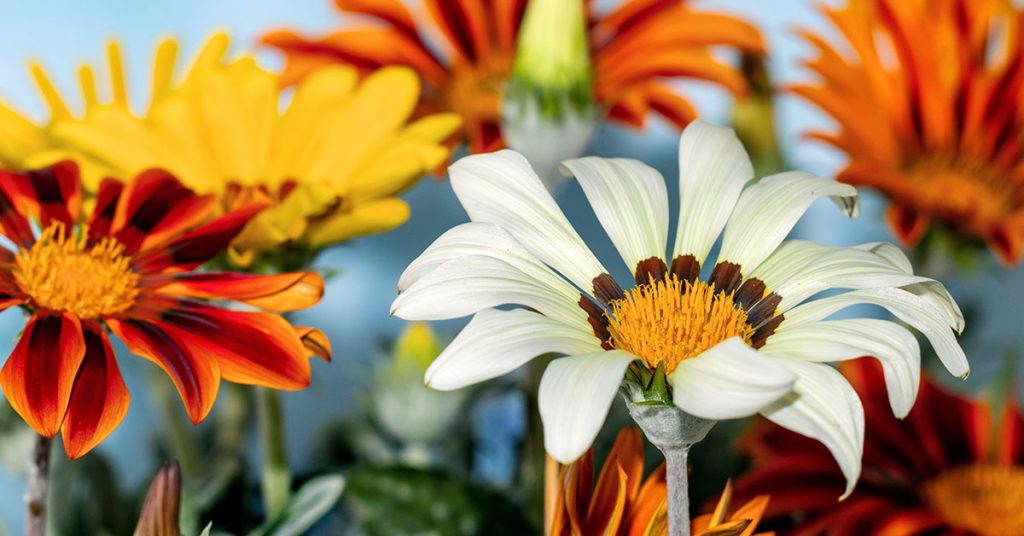
Gazania, often referred to as the Treasure Flower, is a radiant annual that transforms any garden with its dazzling, daisy-like blooms and its proven ability to attract bees. Native to South Africa, Gazania thrives in full sun and dry conditions, producing vibrant petals in shades of orange, yellow, pink, or red that seem to shimmer in the light. I’m always thrilled by how its low-growing, spreading habit creates a natural carpet that invites bees to explore and settle, as if nature itself is laying out a welcome mat for pollinators!
Despite its vigorous spreading tendency, Gazania is generally non-invasive and can be easily managed with regular trimming. Its drought-tolerant nature makes it a reliable choice for gardeners in hotter climates, ensuring that bees have a consistent and long-lasting source of nectar even during dry spells. With its striking visual appeal and practical benefits for supporting local pollinator populations, Gazania is an exceptional annual that brightens your garden while helping nature’s busy workers flourish!