
I know how frustrating it can be when pests take over your garden or when nutrient-poor soil leaves your favorite blooms drooping. Over the years, I’ve discovered that some plants are true survivors—thriving even in less-than-ideal conditions. These resilient species not only bring beauty and color to your landscape but also support beneficial pollinators and create healthy microhabitats with minimal fuss. It’s such a relief when nature steps in to prove that even poor soil can be the foundation for a spectacular garden!
In this article, I’m excited to share 16 incredible plants that flourish in poor soil conditions. From the sun-kissed charm of drought-tolerant succulents to the wild, natural beauty of native perennials, each plant has its own fascinating background and ecological benefits. I’ll dive into details about where these plants are native, whether they’re considered invasive, and how they attract pollinators or provide nesting spots for small critters. Whether you’re a seasoned green thumb or just starting out, these robust plants are sure to inspire you to transform even the most challenging soil into a thriving oasis!
Sedum Spurium
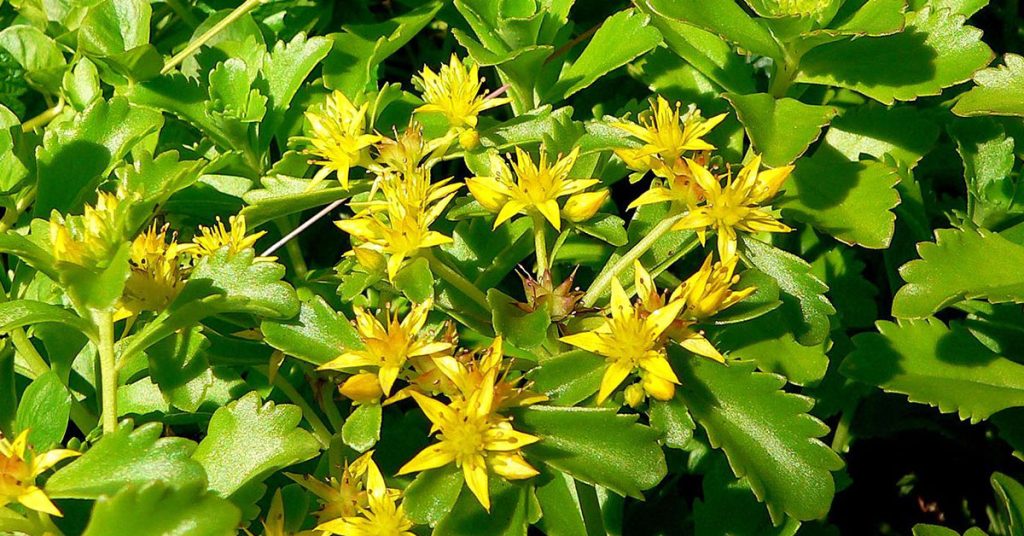
Sedum spurium, native to Europe, is a low-growing succulent that thrives in rocky, nutrient-poor soils. Its tiny, star-shaped flowers and fleshy leaves create a vibrant, colorful carpet that requires minimal care—perfect for those sun-drenched spots in your garden. I’m always amazed by how effortlessly Sedum spurium fills in gaps where other plants might struggle, providing both a burst of color and natural weed suppression. Its drought tolerance and non-invasive nature make it an excellent choice for gardeners who want beauty without constant fuss!
Beyond its ornamental appeal, Sedum spurium attracts beneficial pollinators like bees and butterflies, adding life to even the harshest garden corners. Its sprawling habit not only helps improve soil structure by preventing erosion but also creates a microhabitat for tiny invertebrates. This hardy succulent is a testament to nature’s resilience—proving that even poor soil can yield a stunning, sustainable display when you choose the right plants!
Yarrow (Achillea millefolium)

Yarrow, native to Eurasia and North America, is a hardy perennial celebrated for its feathery foliage and clusters of daisy-like flowers. Thriving in poor, dry soils, yarrow’s vibrant blooms—ranging from white to yellow or pink—add a wild, natural beauty to any garden setting. I love how yarrow attracts a diverse array of pollinators, including bees and parasitic wasps, which help keep pest populations in check. Its low-maintenance, non-invasive growth habit makes it a perfect companion for xeriscaped gardens and rockeries alike!
In addition to its striking appearance, yarrow plays an important role in enriching poor soil. Its deep, fibrous roots break up compacted ground and improve water infiltration, fostering a rich microhabitat for beneficial soil microbes. This natural process not only enhances nutrient cycling but also provides shelter for small insects and even some birds looking for nesting spots. Yarrow is a true garden staple that brings both ecological balance and a burst of wild color to your outdoor space!
Dandelion (Taraxacum officinale)

Often overlooked as a common weed, dandelion is actually a resilient plant native to Eurasia that thrives in poor, compacted soils. Its bright yellow flowers and deeply rooted taproots make it a powerhouse of nutrient recycling—pulling minerals from deep in the soil and making them available to surrounding plants. I’m always pleasantly surprised by dandelion’s ability to flourish where other species fail, adding a burst of sunny color and a wild, natural charm to any garden! Although considered invasive in some settings, in a managed garden dandelions can be a welcome addition that supports soil health.
Beyond its vibrant blooms, dandelion plays a crucial role in attracting beneficial insects, such as bees and hoverflies, which use its nectar as an early-season food source. Its long taproot not only helps break up tough soil but also creates microhabitats that nurture a rich community of soil organisms. This natural synergy enhances the overall fertility of poor soil, making dandelion a sustainable, eco-friendly option that truly turns a gardening challenge into an opportunity for natural beauty!
Coneflower (Echinacea purpurea)

Coneflower, native to North America, is a robust perennial that thrives in dry, poor soils and adds a dramatic burst of color with its daisy-like blooms. Its striking purple petals and distinctive central cone are a magnet for pollinators, including bees, butterflies, and even small birds. I’m always delighted by how Echinacea purpurea brings both medicinal benefits and natural beauty to my garden—its vibrant presence a testament to nature’s resilience in less-than-perfect conditions! In well-managed gardens, coneflowers remain non-invasive, making them a sustainable and attractive addition to any landscape.
In addition to its eye-catching blooms, coneflower plays a significant role in improving soil health. Its deep roots help stabilize the soil and enhance water retention, creating a microhabitat that supports beneficial soil microbes. This robust plant not only boosts the overall biodiversity of your garden but also serves as a natural, living remedy with its well-known immune-boosting properties. Coneflower is a must-have for gardeners who appreciate a blend of beauty, health benefits, and ecological function—all thriving in poor soil!
Portulaca grandiflora (Moss Rose)

Portulaca grandiflora, native to South America, is an annual succulent that thrives in poor, sandy soils and full sun. Known as Moss Rose, this plant produces a stunning array of vibrant, cup-shaped flowers in a variety of colors, from deep reds and oranges to soft pinks and yellows. I’m always excited by how Portulaca grandiflora transforms even the most nutrient-deficient soil into a vivid tapestry of color—its rapid growth and drought tolerance making it an ideal choice for rock gardens and container plantings! Its non-invasive nature ensures it won’t overwhelm your garden, providing an effortless burst of natural beauty.
In addition to its dazzling blooms, Portulaca grandiflora attracts beneficial pollinators like bees and butterflies, enhancing the overall ecosystem of your garden. Its succulent leaves store water efficiently, which helps it survive in harsh, arid conditions while contributing to soil moisture retention. This natural adaptability makes Portulaca grandiflora a sustainable, low-maintenance option that proves even the poorest soils can yield brilliant, resilient growth. It’s a delightful, sun-loving plant that brings both color and practicality to your garden!
Ice Plant (Delosperma cooperi)
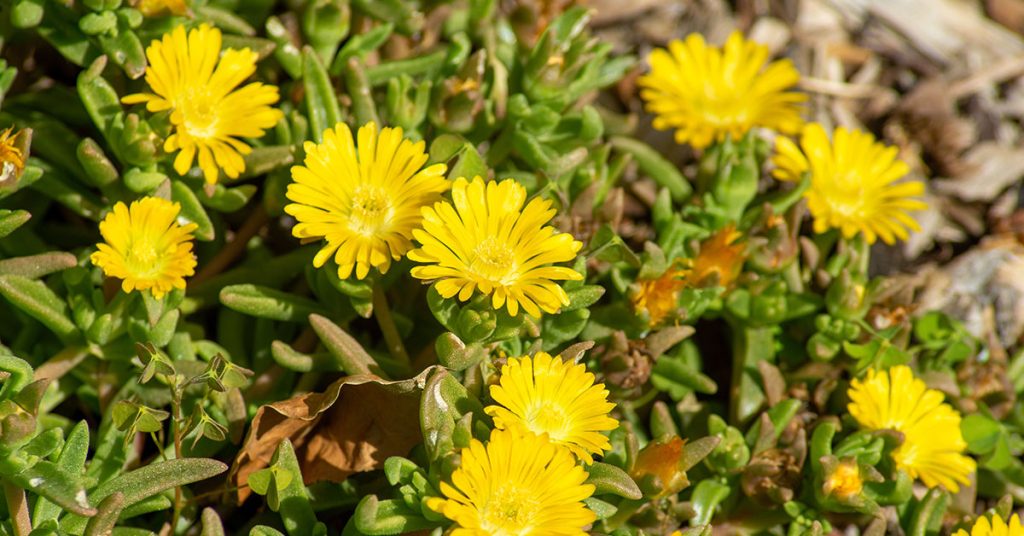
Ice Plant, native to South Africa, is a hardy, drought-tolerant succulent that thrives in poor, sandy soils and adds a striking, ornamental touch to any garden. Its vibrant, daisy-like blooms in shades of magenta and yellow create a bold, eye-catching display that is perfect for rock gardens and coastal landscapes. I’m always amazed by how Delosperma cooperi quickly blankets even the most infertile soils with its bright, colorful flowers, making it a favorite for adding instant charm to harsh environments! This fast-growing succulent is non-invasive and low-maintenance, ideal for gardeners seeking a resilient, sustainable option.
In addition to its brilliant display, Ice Plant plays a key role in stabilizing poor soils. Its shallow, extensive root system helps prevent erosion and improve soil structure, creating a microhabitat that supports beneficial soil organisms. The plant’s ability to thrive in arid, nutrient-poor conditions makes it an eco-friendly choice that requires little water or fertilizer. It’s a natural, stress-resistant beauty that brings both visual impact and practical benefits to your garden!
Lavender (Lavandula angustifolia)

Lavender, native to the Mediterranean, is renowned for its aromatic, silvery-green foliage and mesmerizing purple blooms that thrive in poor, well-drained soils. This versatile perennial is a favorite among gardeners for its ability to add both beauty and a calming fragrance to any space. I love how Lavender transforms even the most barren garden into a sensory delight, attracting beneficial pollinators such as bees and butterflies while remaining non-invasive in managed gardens. Its drought-tolerant nature and low-maintenance care make it a true gem for eco-friendly landscaping!
Beyond its enchanting scent and vibrant color, Lavender contributes to improved soil health by drawing in beneficial microorganisms and naturally repelling pests with its potent essential oils. Its deep root system helps stabilize rocky, infertile soils, creating a thriving microhabitat that supports other native plants. The combination of beauty, practicality, and natural resilience makes Lavender an indispensable addition to any garden that struggles with poor soil. It’s a timeless, versatile plant that continues to charm and inspire gardeners everywhere!
Russian Sage (Perovskia atriplicifolia)
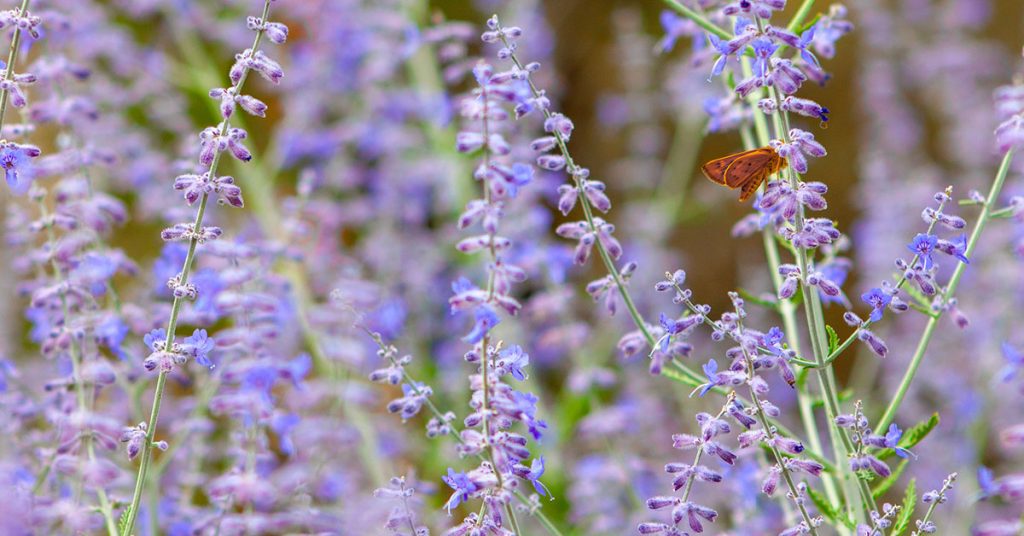
Russian Sage, native to the steppes of Central Asia, is a robust perennial that thrives in hot, dry, and poor soils. Its silvery foliage and airy, lavender-blue flower spikes create a striking, drought-tolerant display that adds a touch of wild elegance to any landscape. I’m always impressed by how Russian Sage not only withstands harsh conditions but also attracts beneficial pollinators like bees and butterflies, creating a natural, resilient microhabitat! It is non-invasive in cultivated gardens, making it a reliable choice for those looking to add a burst of color and texture to challenging soils.
In addition to its stunning visual appeal, Russian Sage plays a vital role in improving soil quality by reducing erosion and enhancing moisture retention in arid environments. Its deep, fibrous roots help break up compacted soil, while its aromatic foliage naturally repels pests. This hardy plant’s ability to thrive with minimal care makes it a favorite among gardeners who value sustainability and low-maintenance beauty. Russian Sage is a true testament to the power of nature to flourish even in the most inhospitable conditions!
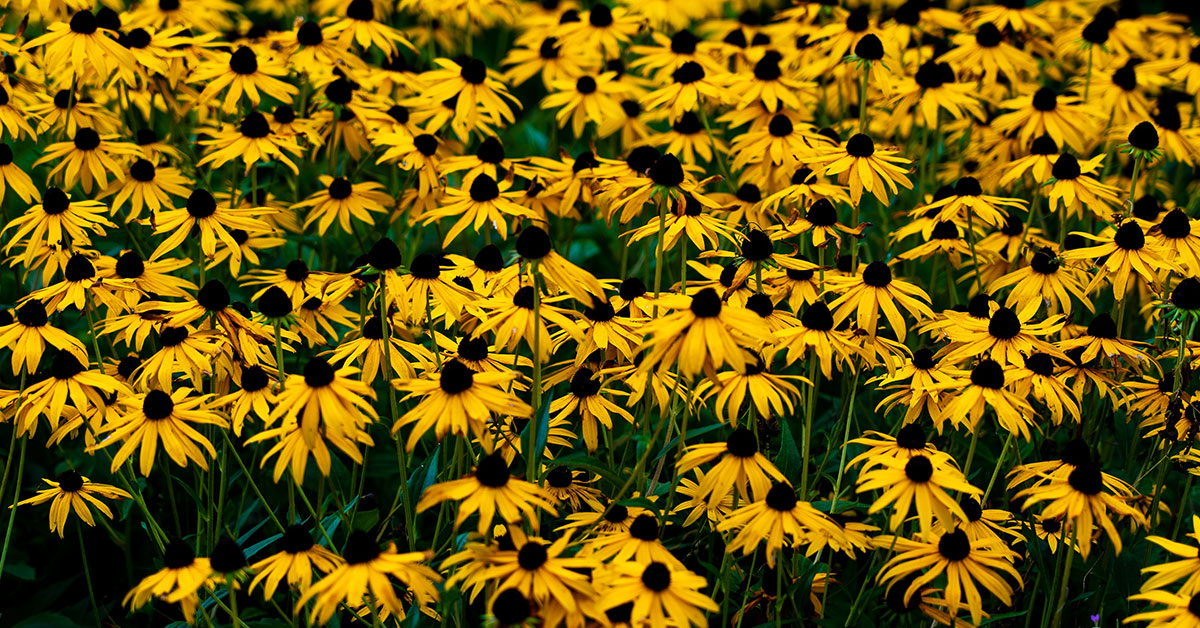
Black-Eyed Susan (Rudbeckia hirta)

Black-Eyed Susan, native to North America, is a hardy perennial known for its vibrant, daisy-like blooms that flourish in poor, sandy soils. Its cheerful yellow petals with dark, prominent centers create a stunning contrast that instantly brightens any garden setting. I’m always delighted by how Black-Eyed Susan attracts a variety of beneficial pollinators such as bees and butterflies, enhancing the natural biodiversity of your garden! In well-managed gardens, these resilient plants remain non-invasive, providing an easy, low-maintenance way to add bold, lasting color.
In addition to their striking beauty, Black-Eyed Susans contribute to soil stabilization with their fibrous root systems that help prevent erosion and improve water retention. Their natural ability to thrive in low-fertility soils makes them a perfect choice for gardeners seeking sustainable, eco-friendly solutions. By creating a living carpet of vibrant blooms, these plants not only uplift the visual appeal of your landscape but also support a robust, balanced ecosystem. They’re a brilliant example of nature’s capacity to flourish in even the most challenging conditions!
Pansies (Viola tricolor var. hortensis)
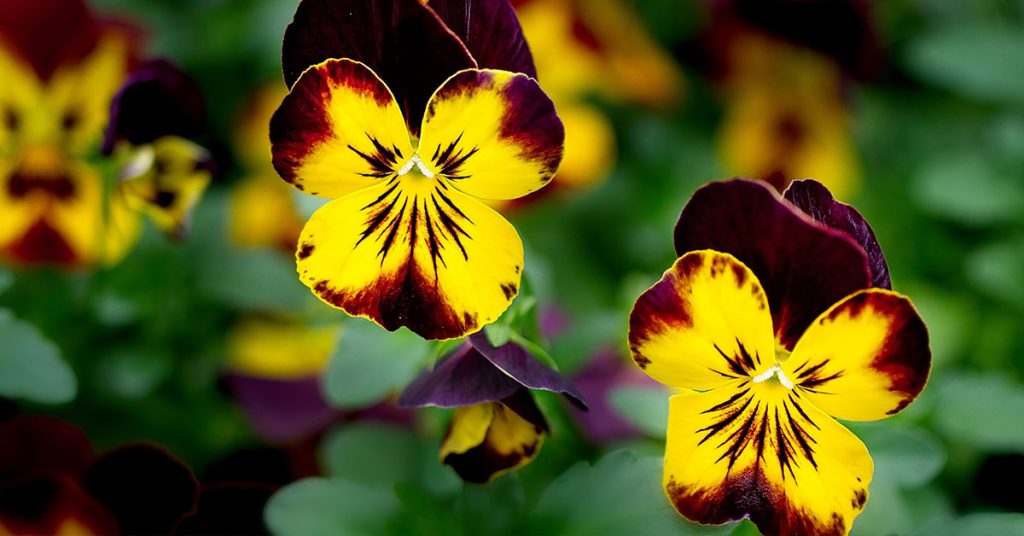
Pansies, native to Europe, are charming annuals that can thrive in poor, nutrient-deficient soils when given the right care. Their delicate, multicolored petals add a splash of cheerful color to garden beds and container gardens alike. I’m always amazed by how pansies, with their intricate patterns and soft hues, can transform a drab patch of earth into a vibrant tapestry that attracts small pollinators like bees and butterflies. Despite their humble origins, pansies remain non-invasive in managed settings and are a delightful, low-cost way to brighten your space!
Moreover, pansies provide an attractive ground cover that helps retain soil moisture and suppress weed growth. Their rapid germination and flowering cycle create a dynamic microhabitat that supports beneficial soil microbes and small invertebrates. The interplay of color, texture, and resilience makes pansies a versatile and charming addition to any garden that struggles with poor soil. They’re a true celebration of natural beauty that reminds us that even modest beginnings can bloom into something extraordinary!
Rock Rose (Cistus spp.)

Rock Rose, a group of Mediterranean shrubs, is celebrated for its ability to thrive in rocky, nutrient-poor soils. Native to the dry, sunlit hillsides of the Mediterranean region, these shrubs produce an abundance of delicate, papery flowers in shades of pink, white, and purple. I’m always captivated by how Rock Rose’s rugged beauty and textured foliage add a wild, natural charm to gardens that struggle with poor soil quality. Their non-invasive nature in well-managed landscapes makes them a perfect choice for adding both resilience and aesthetic appeal to your outdoor space!
In addition to their visual impact, Rock Roses are known for attracting beneficial pollinators, including bees and butterflies, which help maintain a balanced ecosystem. Their hardy roots help stabilize rocky, eroded soils while retaining essential moisture, creating a supportive microhabitat for neighboring plants. Rock Rose is a testament to nature’s ingenuity—flourishing where few others can—and it serves as an inspiring reminder that even the most challenging conditions can produce stunning beauty!
Butterfly Weed (Asclepias tuberosa)
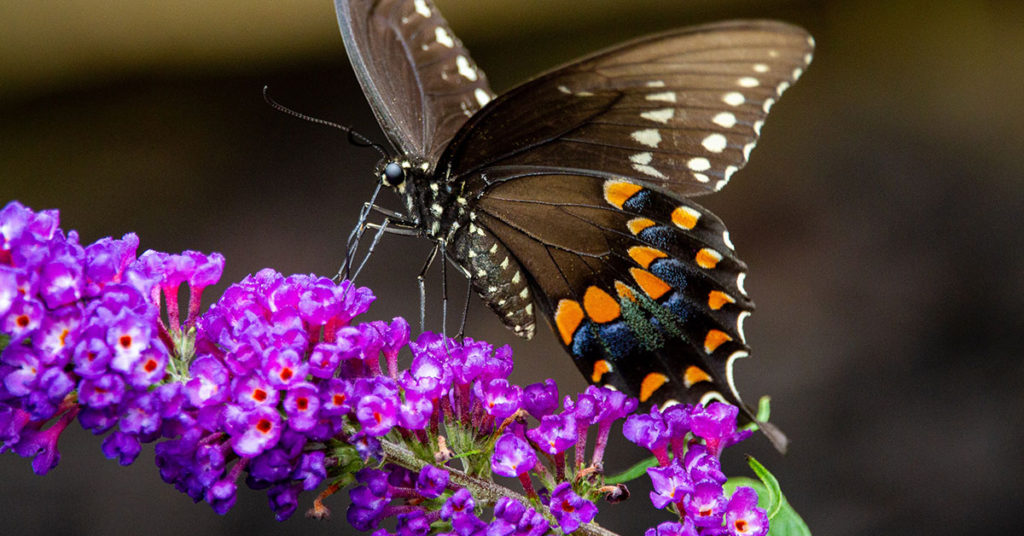
Butterfly Weed, native to North America, is a vibrant perennial known for its bright orange, daisy-like blooms that attract a multitude of pollinators, especially butterflies. Thriving in poor, sandy soils, this hardy plant is perfect for adding a bold splash of color to your garden while creating a dynamic microhabitat for beneficial insects. I’m always excited by how Butterfly Weed draws in a swarm of butterflies and bees, enhancing natural pest control and supporting biodiversity with its nectar-rich flowers! Though it can spread in the wild, cultivated Butterfly Weed is generally non-invasive in a controlled garden setting.
In addition to its visual allure, Butterfly Weed plays a crucial role in sustaining local ecosystems by serving as a host plant for monarch butterfly larvae. Its robust growth and low maintenance requirements make it a favorite among gardeners seeking sustainable, eco-friendly options for poor soil. The plant’s natural ability to thrive in arid, nutrient-deficient conditions makes it a symbol of resilience and beauty in challenging environments. It’s a delightful, vibrant addition that not only captivates the eye but also nurtures a balanced, thriving ecosystem!
Chicory (Cichorium intybus)

Chicory, native to Europe, is an herbaceous perennial that thrives in poor, sandy soils with minimal fertility. Its vibrant blue flowers create an eye-catching display that attracts beneficial pollinators such as bees and butterflies, adding a lively touch to any garden. I love how Chicory’s bold, rustic blooms and deep blue hues bring a sense of wild beauty and resilience to landscapes where other plants might struggle. Although it can self-seed in the wild, cultivated chicory is non-invasive when managed carefully, making it a sustainable and attractive choice for gardeners facing poor soil conditions.
In addition to its ornamental appeal, Chicory has a rich history of culinary and medicinal use, contributing natural bitterness that complements coffee or salads. Its fibrous roots help improve soil structure and prevent erosion, while its nectar-rich flowers provide a crucial food source for pollinators and small nesting invertebrates. The interplay of color, resilience, and practicality makes Chicory a unique and valuable addition to any garden. It’s a testament to nature’s ability to thrive under challenging conditions, offering both beauty and functional benefits in one package!
Garlic Mustard (Alliaria petiolata)

Garlic Mustard, native to Europe, is a biennial herb that surprisingly thrives in poor, disturbed soils and adds a unique, pungent aroma to your garden. Although considered invasive in some parts of North America, when managed carefully in a controlled garden, it can be a valuable companion plant due to its rapid growth and ability to attract beneficial pollinators like bees. I’m always intrigued by Garlic Mustard’s distinct garlic-like scent, which not only deters some pests but also enriches the soil as its leaves decompose! Its adaptability to low-nutrient conditions makes it a fascinating, albeit controversial, addition to gardens with poor soil.
In addition, Garlic Mustard creates a natural, leafy cover that can help prevent soil erosion and maintain moisture in nutrient-poor areas. Its rapid growth and prolific seeding contribute to a robust microhabitat, although it must be managed carefully to avoid spreading too aggressively. With a thoughtful approach, Garlic Mustard can be integrated into your garden as a natural, living mulch that supports beneficial insects and improves soil fertility. It’s an example of how even plants with a wild reputation can contribute to a dynamic, resilient ecosystem when handled with care!
Cactus (Opuntia spp.)

Opuntia, commonly known as prickly pear cactus, is native to arid regions of the Americas and thrives in poor, sandy soils with minimal nutrients. These hardy succulents are exceptional for gardens where conventional plants struggle, offering unique, architectural beauty with their segmented pads and occasional vibrant flowers. I’m always delighted by how these cacti not only add a dramatic, desert-like aesthetic to your landscape but also attract specific pollinators, such as native bees and butterflies, that appreciate their sparse, succulent blooms! Despite their rugged appearance, prickly pear cacti are non-invasive in well-managed gardens and require very little water.
Beyond their striking visual appeal, Opuntia species help stabilize poor soils through their extensive root systems, which reduce erosion and improve soil structure. Their natural adaptations to harsh conditions create microhabitats that support beneficial soil organisms and provide nesting sites for small invertebrates. The unique interplay of texture and form in these cacti makes them a captivating addition to any eco-friendly garden. They’re a resilient, low-maintenance choice that exemplifies nature’s ability to flourish in even the most challenging environments!
Rosemary (Lavandula rosmarinus)
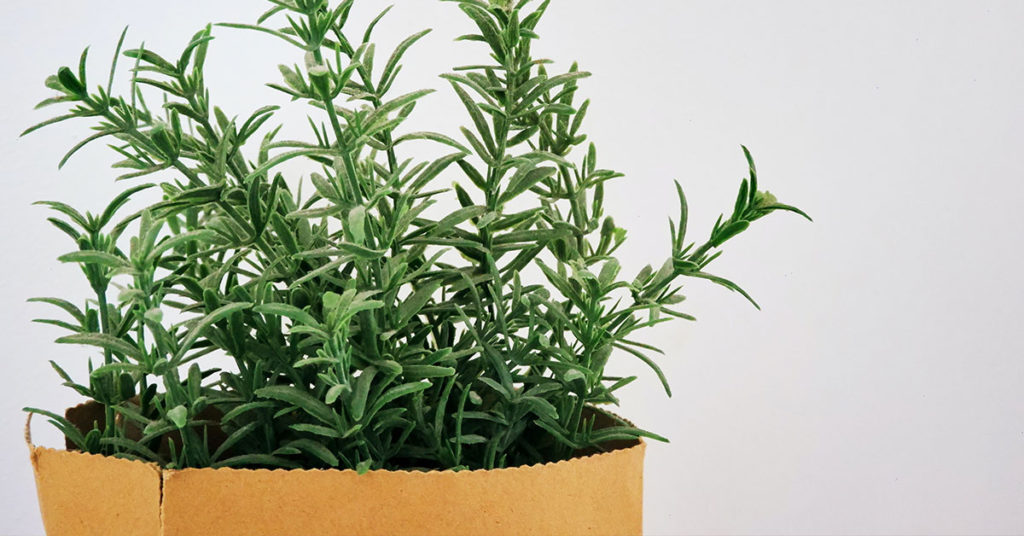
Rosemary, native to the Mediterranean, is a fragrant, hardy herb that thrives in poor, well-drained soils and adds a touch of rustic elegance to your garden. Its needle-like leaves and woody stems create a striking visual contrast against more delicate plants, and I’m always impressed by how it exudes a robust, invigorating scent that attracts beneficial pollinators like bees and butterflies! Rosemary’s low-maintenance care and drought tolerance make it an ideal choice for gardeners seeking to enrich poor soil without constant effort. It remains non-invasive in managed gardens, providing both beauty and practical benefits.
In addition to its sensory appeal, Rosemary plays an important role in enhancing soil health. Its deep, fibrous roots help break up compacted soil and improve water retention, creating a robust microhabitat that supports beneficial soil microbes. This natural synergy not only boosts the overall health of your garden but also ensures that Rosemary continues to produce its iconic, aromatic blooms year after year. It’s a timeless herb that marries aesthetic charm with ecological function, making it a perfect companion for any sustainable garden.