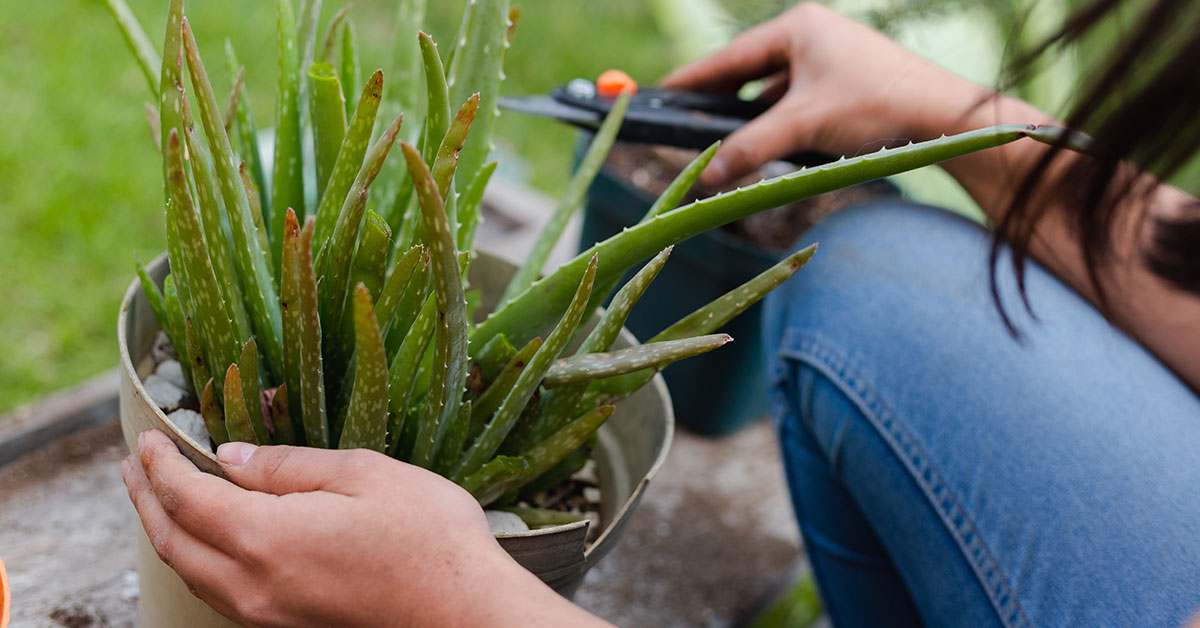

As summer winds down and the nights start getting cooler, it’s time to think about bringing your favorite outdoor container plants indoors. But before you start hauling pots through the door, it’s worth taking a closer look—many plants benefit from repotting first. A cramped root system, tired soil, or even pest hitchhikers can make the transition harder on your plants. I’ve learned the hard way that skipping this step can lead to trouble inside—pest outbreaks, stunted growth, and even plant loss during the winter months.
Repotting now doesn’t just freshen things up; it sets your plants up for success while indoors. A clean pot with nutrient-rich soil gives them the best shot at thriving through the low-light months ahead. It’s also the perfect opportunity to inspect roots for health issues, remove weeds, and check for sneaky insects that might otherwise hide out until spring. Here are 16 plants that often need a little root room and fresh soil before making the seasonal move indoors.
Geraniums
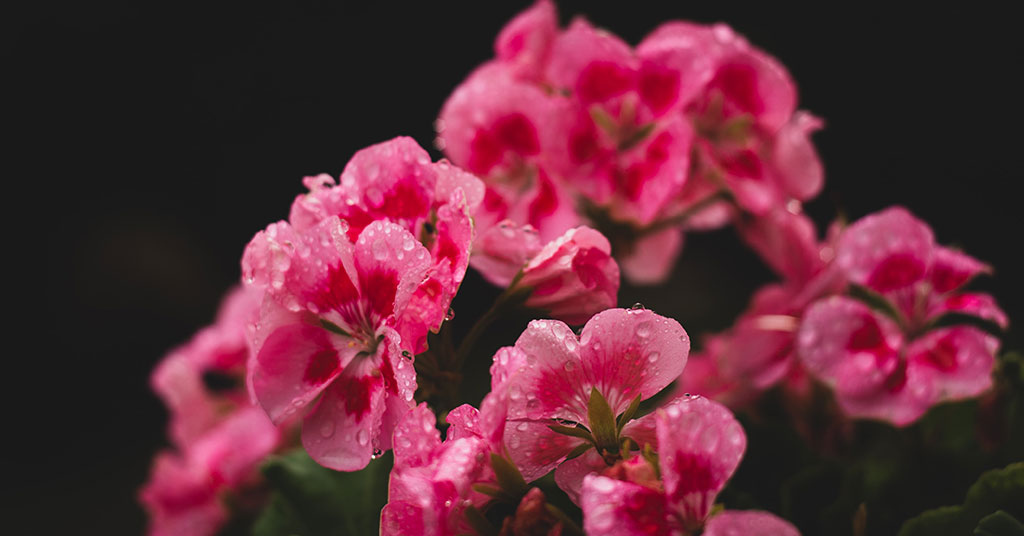
Geraniums, native to South Africa, are favorites for their vibrant blooms and scented leaves. By late summer, their root systems can fill their pots entirely, leaving little room for new growth. When this happens, water drains too quickly, and the plants struggle to absorb nutrients.
Repotting into slightly larger containers with fresh, well-draining soil helps them continue flowering indoors. While they’re not invasive, geraniums can self-seed outdoors in certain climates, so bringing them in and refreshing the soil also prevents unwanted spreading.
Boston Fern
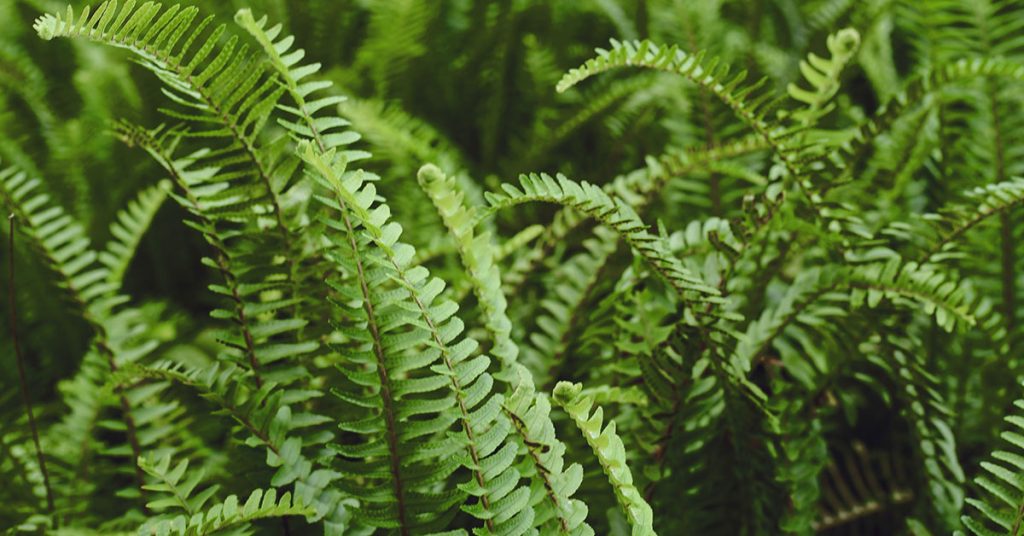
Boston ferns, native to tropical regions of the Americas, are lush and feathery, making them a popular porch plant. They grow rapidly in warm weather, often becoming root-bound by fall. A dense root ball can cause water to run right through without soaking in, leading to dry, crispy fronds.
Repotting now allows you to trim away dead roots and refresh the soil’s moisture-retaining ability. Indoors, they appreciate a slightly more humid environment, so keeping them healthy before the move ensures they’ll adjust better to drier air.
Spider Plant
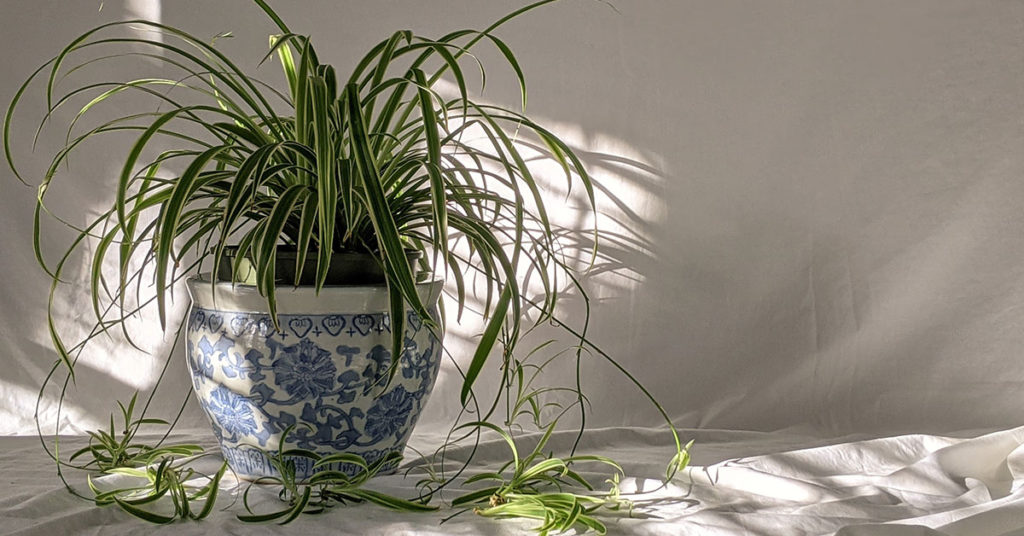
Spider plants, originally from coastal areas of South Africa, are tough and adaptable but can quickly fill their pots with thick, tuberous roots. If the soil dries out rapidly or you see roots poking out of the drainage holes, it’s time for a new home.
A fresh pot gives them more space to produce their charming offshoots, which are great for sharing with friends. They’re not invasive indoors, but outdoors in mild climates, they can spread aggressively if not contained.
Peace Lily
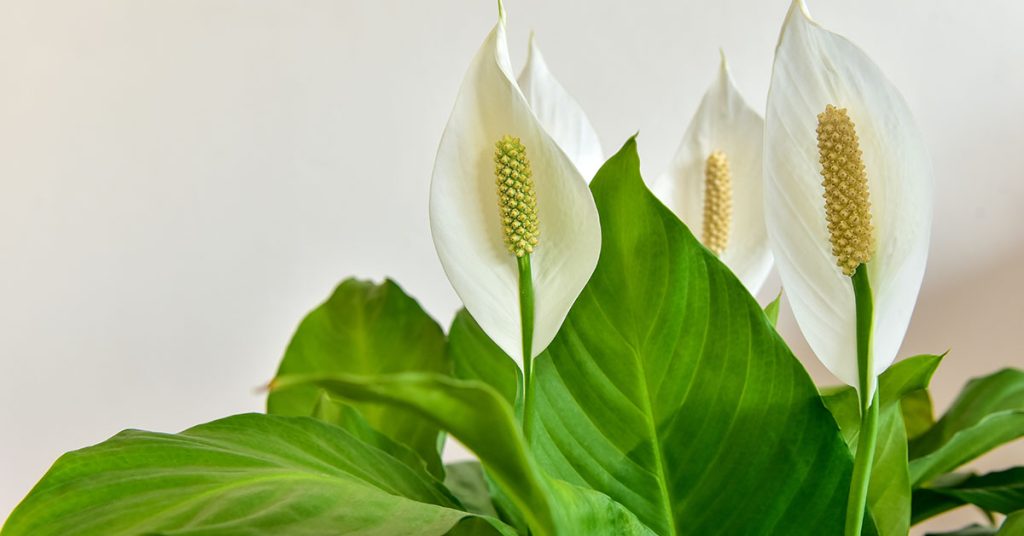
Peace lilies hail from tropical regions of the Americas and are loved for their glossy leaves and graceful white blooms. Indoors, they’re tolerant of lower light, but before bringing them in, it’s wise to check their roots. A crowded pot can reduce flowering and cause the plant to droop more often.
Repotting into fresh, rich soil provides the nutrients needed for healthy foliage and blooms. These plants aren’t invasive, but their ability to thrive in a variety of conditions makes them fast growers in the right setting.
Aloe Vera
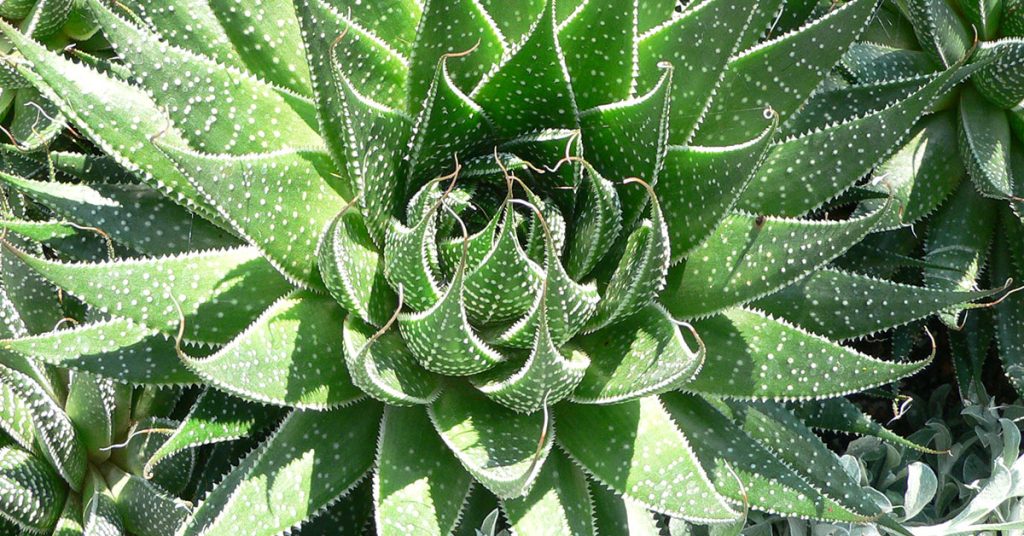
Aloe vera, native to the Arabian Peninsula, is a hardy succulent known for its healing gel-filled leaves. Over time, it can outgrow its container, especially if pups (offsets) crowd the base. If left too long, the soil can become compacted and drain poorly, leading to root rot.
Repotting into a sandy, cactus-friendly mix gives aloe room to grow and helps prevent overwatering issues indoors. While it’s not invasive in most regions, aloe can spread in frost-free climates if left unchecked outdoors.
Fuchsia

Fuchsias, native mainly to Central and South America, are stunning hanging basket plants with pendulous blooms that hummingbirds adore. By fall, they can become root-bound from a season of vigorous growth, which can lead to fewer flowers indoors.
Repotting before bringing them inside allows you to prune back roots and shoots for a more compact, healthy plant. They’re not invasive, but they can self-seed in some climates if left in the ground.
Begonias
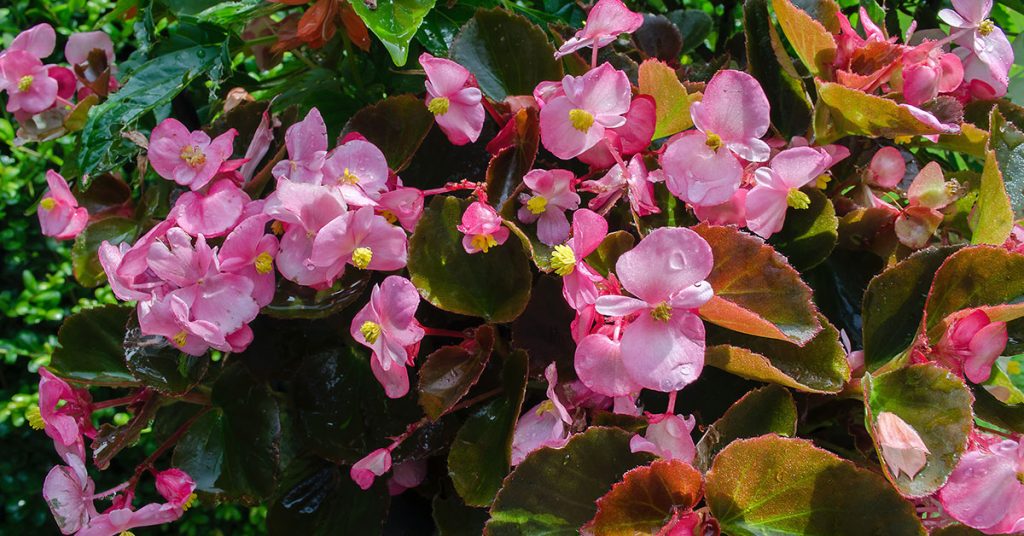
Begonias are native to tropical and subtropical regions worldwide and are popular for their foliage and flowers. Many container begonias become root-bound by late summer, especially fibrous-rooted and cane varieties.
Fresh soil boosts nutrient availability, which helps them continue to thrive in the lower light of fall and winter. They’re not generally invasive, but some varieties can self-seed lightly if left outdoors.
Caladium

Caladiums, native to South America, are grown for their striking, colorful foliage. These plants grow from tubers and can crowd their pots over the summer, making them less vigorous.
Repotting before bringing them in also gives you a chance to check for any rotting tubers and to refresh the soil for better moisture balance. While they won’t spread aggressively indoors, they can naturalize in warm outdoor climates if left in the ground.
Chrysanthemums
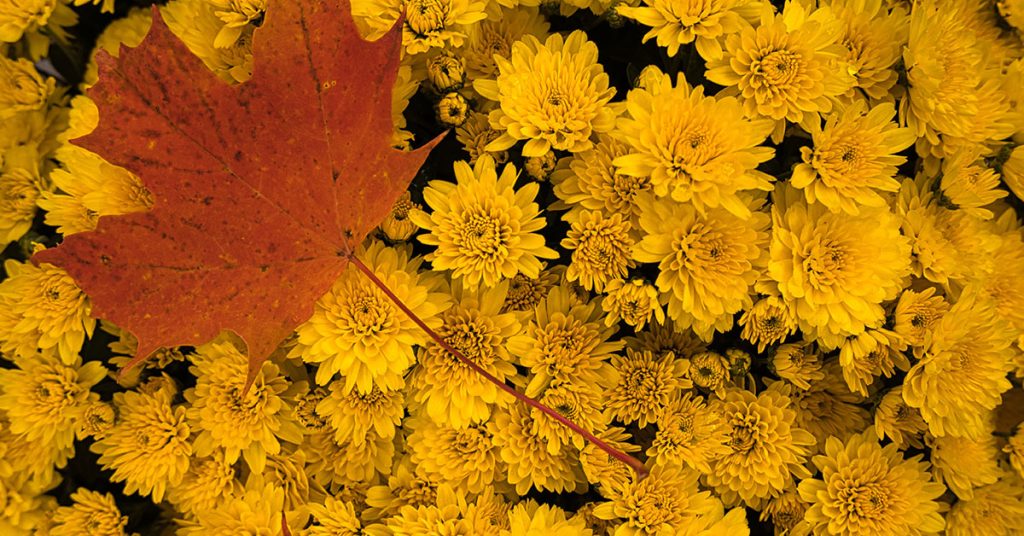
Chrysanthemums, native to Asia, are beloved for their abundant blooms in late summer and fall. Potted mums can quickly outgrow their containers during their peak growth period.
Repotting before bringing them inside ensures they have the nutrients and space needed to keep flowering. They aren’t considered invasive in most areas, but they can spread if planted in the ground in suitable climates.
Coleus

Coleus, native to Southeast Asia, is prized for its colorful foliage and fast growth. In summer, they often outgrow small pots, and cramped roots can limit their brilliant leaf production.
A quick repot before moving indoors keeps them lush and vibrant for months. While they aren’t invasive, they do self-seed readily outdoors, so keeping them potted prevents unintended spread.
Jade Plant
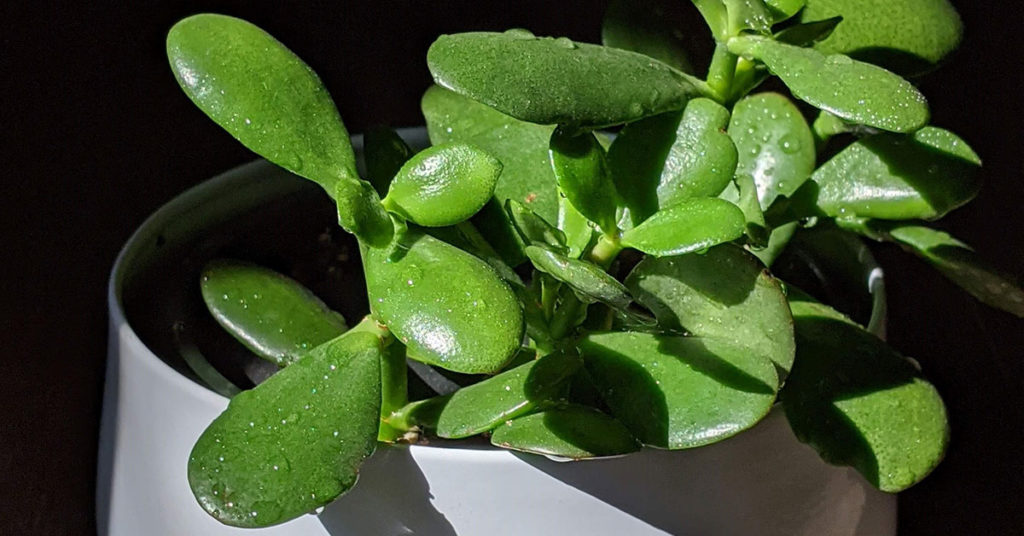
Jade plants, native to South Africa, are slow-growing succulents that still eventually fill their containers. If water sits on the soil surface or roots are visible, it’s time for a new pot.
Repotting into a gritty, well-draining mix helps prevent rot and supports healthy new growth indoors. They’re not invasive, but in frost-free climates, they can become persistent outdoor plants if not managed.
Herbs (Basil, Mint, Oregano)
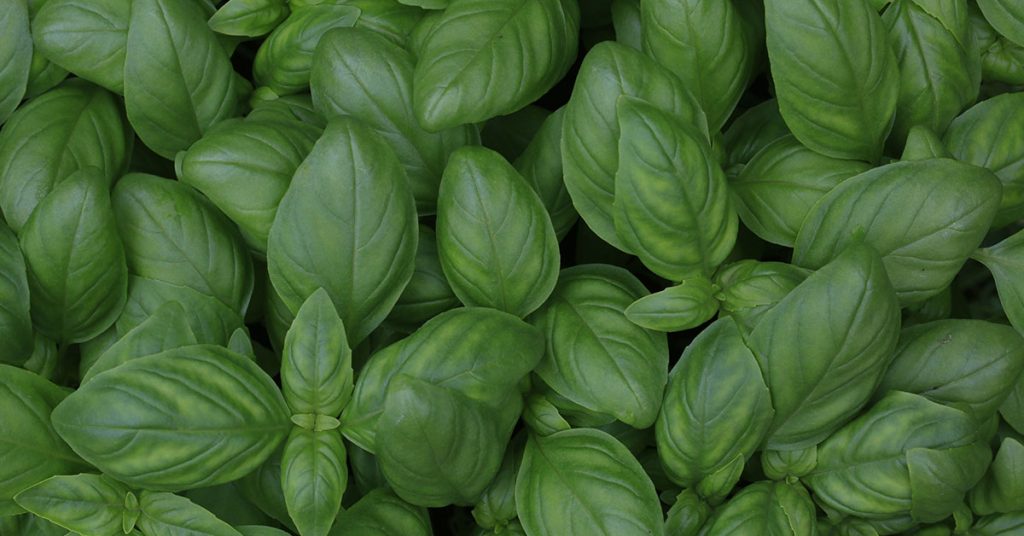
Herbs like basil (native to tropical Asia), mint (native to Europe and Asia), and oregano (native to the Mediterranean) can all benefit from repotting before moving indoors. Mint especially tends to spread aggressively outdoors, but in containers, it can become root-bound.
Fresh soil improves drainage and flavor quality, while removing pests ensures they don’t hitch a ride inside. Mint’s invasive tendencies make indoor containment an ideal winter solution.
Orchids

Many orchids, especially Phalaenopsis, are native to tropical Asia and Australia and can become crowded in their pots over time. Old potting media breaks down and holds too much moisture, leading to root issues.
Repotting with fresh orchid bark keeps roots healthy and prevents rot. They’re not invasive, but they do need specific care to thrive indoors after a summer outside.
African Violets

African violets, native to Tanzania and Kenya, are compact but can still outgrow their pots or deplete soil nutrients. Old, compacted soil makes it harder for them to bloom.
Repotting into a light, airy mix keeps them productive indoors, with the added benefit of checking for pests like thrips before bringing them inside. They’re not invasive and stay neatly contained in pots.
Hibiscus

Tropical hibiscus, native to Asia, can fill their pots with roots during a summer of active growth. Without enough space, they may drop buds or stop flowering indoors.
Repotting before bringing them in refreshes the soil and ensures consistent blooming. They’re not invasive in colder climates, but in frost-free areas, some varieties can naturalize outdoors.
Snake Plant
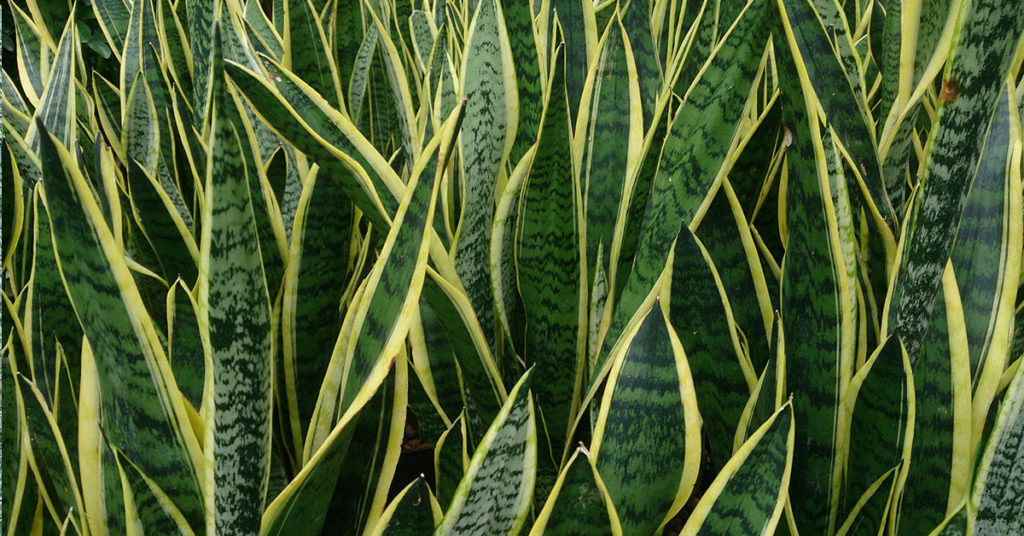
Snake plants, native to West Africa, can split pots with their strong root systems if left unchecked. When roots are packed tightly, growth slows, and leaves may become crowded.
Repotting before moving indoors ensures healthy roots and prevents breakage. While they’re not invasive indoors, in tropical climates they can spread aggressively outdoors.