
Gardening has always been my gateway to exploring nature’s mysteries, and nothing excites me more than uncovering plants steeped in supernatural legends and ancient lore! If you’ve ever felt the sting of a pest invasion or the challenge of cultivating a garden with character, you’re not alone – I’ve been there too. Today, I’m thrilled to take you on a journey through 16 extraordinary plants, each with its own eerie backstory and mystical reputation, while also being practical additions that attract pollinators, offer nesting spots, and enhance your garden’s biodiversity.
Each of these plants carries a rich history and symbolism that dates back centuries, whether as talismans of protection or harbingers of fate. I’ll dive into where these plants call home – from sun-drenched Mediterranean coasts to the damp woodlands of Europe – and discuss whether they tend to be invasive in some regions. Get ready for an enchanting exploration of gardening that blends historical mystique with modern horticultural insights – and don’t be surprised if a few of these legends spark your curiosity and brighten your garden with a touch of the otherworldly!
Oleander
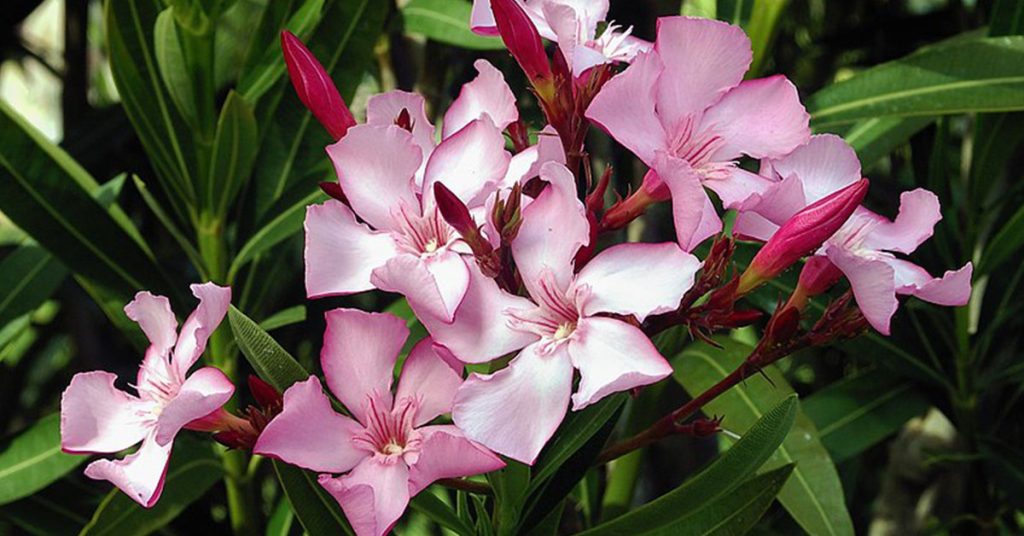
Oleander is a plant wrapped in both beauty and myth, celebrated for its delicate, clustered blooms that have enchanted gardeners for centuries! Native to the Mediterranean and parts of Asia, oleander thrives in warm climates and boasts a remarkable resilience to drought, making it a popular choice for those seeking a low-maintenance yet striking addition. In my garden, its bright blossoms not only capture attention but also attract an array of butterflies and bees, creating lively pockets of activity around its dense foliage.
Despite its ornamental appeal, oleander is notorious for its toxicity and has long been associated with both protection and peril in folklore. Although it’s not generally invasive in most climates, it does require careful handling due to its potent nature. I always remind fellow gardeners to appreciate its beauty with caution, as this enchanting shrub carries a supernatural reputation that has fascinated cultures for generations!
Ivy

Ivy, with its creeping tendrils and enduring greenery, has long been shrouded in mystery and superstition. Native to Europe, particularly the temperate regions, this robust climber has earned a reputation for its association with eternal life and regeneration. In my own garden, I’ve watched ivy weave its way over walls and trees, providing cozy nooks that occasionally serve as nesting spots for small birds and beneficial insects. Its evergreen nature gives a sense of permanence and otherworldly persistence that many find both captivating and a little eerie!
While ivy is admired for its hardiness and ability to transform any space, it’s important to note that in some regions it’s considered invasive. I always advise gardeners to manage its growth through regular pruning and containment measures. Its supernatural allure and practical benefits make ivy a plant that bridges the gap between myth and modern horticulture, ensuring your garden is as storied as it is beautiful!
Juniper

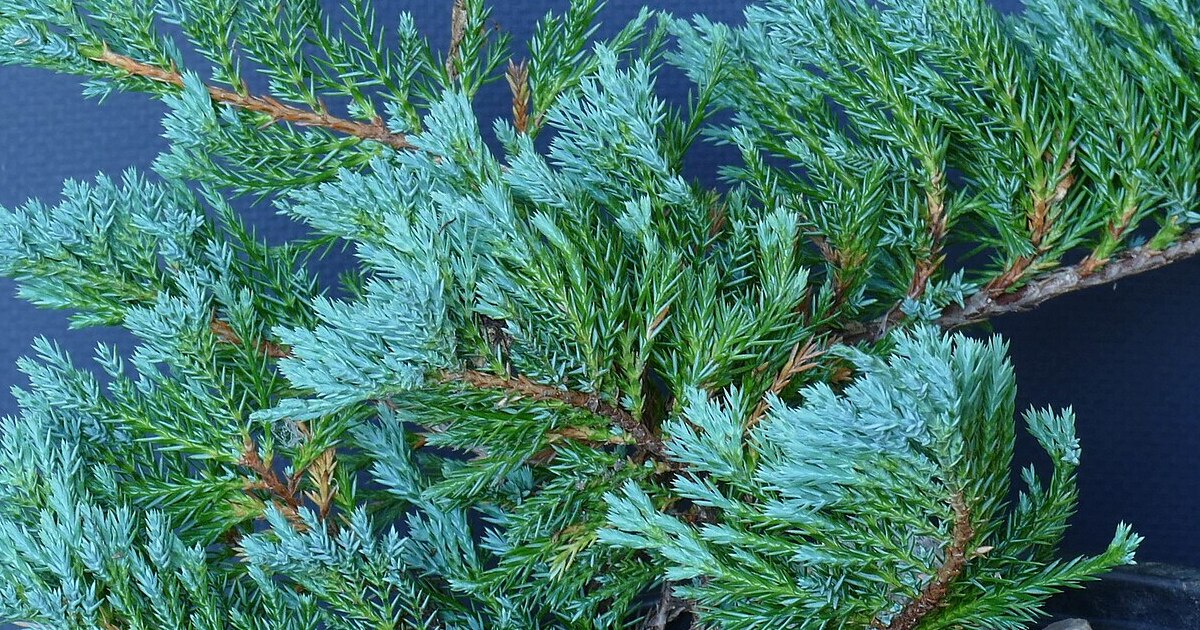
Juniper is a resilient and aromatic evergreen that has woven itself into the fabric of folklore and mysticism over the centuries! Native to the cool regions of the Northern Hemisphere, including parts of North America, Europe, and Asia, juniper thrives in well-drained soils and sunlit areas. I adore how its small, berry-like cones not only add a dash of rustic charm but also attract a variety of birds that sometimes use its branches as safe nesting sites, turning my garden into a living tapestry of nature’s rhythms.
This fascinating plant has often been linked to protection and purification in ancient cultures, and its mystical reputation is well-earned. While juniper generally behaves itself in the garden, in some locations its vigorous growth can lead to invasive tendencies if not kept in check. I love its blend of practical benefits and storied history – a true gem that bridges the natural world and the supernatural realm with every evergreen sprig!
Mandrake
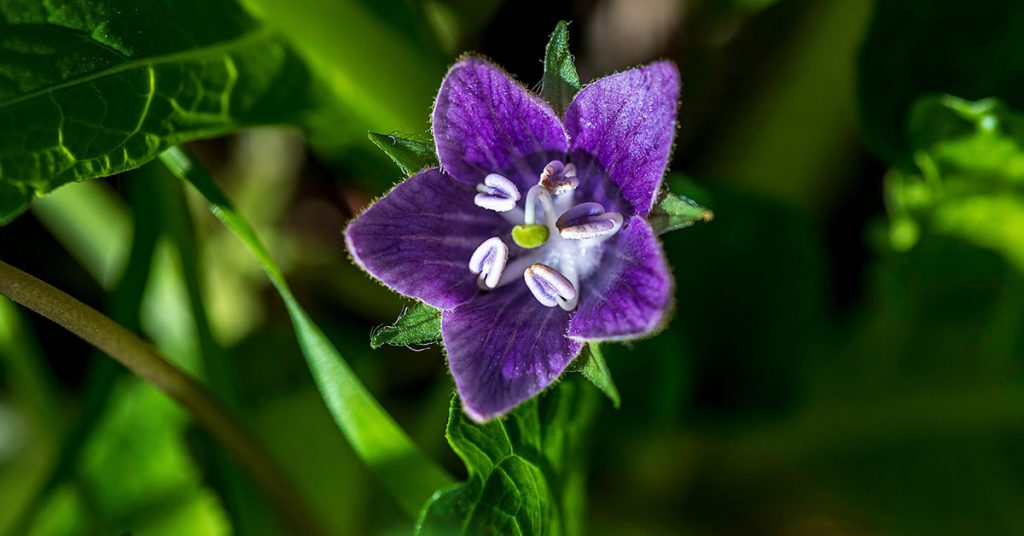
Mandrake is perhaps one of the most legendary plants in the realm of supernatural folklore, famous for its anthropomorphic root and mystical reputation! Native to the Mediterranean region and parts of the Middle East, mandrake has been revered (and feared) for centuries for its hallucinogenic properties and association with magic and witchcraft. In my garden, I appreciate it not just for its storied past but also for the way its unusual foliage attracts curious insects and small critters, adding a hint of mystery to every corner.
Historically, mandrake was thought to be a potent talisman, capable of both blessing and cursing, and its presence has inspired countless legends. Although it’s not typically invasive when grown under controlled conditions, I always ensure it’s planted with care to honor its intense symbolism. Its uncanny allure and deep-rooted history make mandrake a captivating subject for any gardener who loves a touch of the paranormal alongside botanical beauty!
Blackthorn
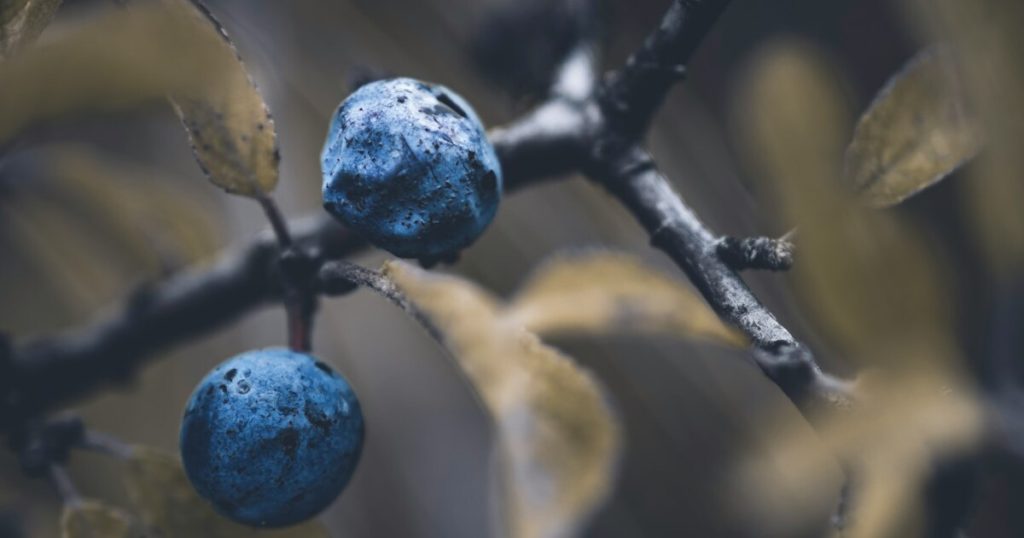
Blackthorn is a hardy shrub that carries an air of ancient magic, with its gnarled branches and early spring blossoms that hint at secrets from long ago! Native to Europe, particularly in the British Isles and parts of Central Europe, blackthorn thrives in wild, undisturbed hedgerows and woodlands. I’ve always been charmed by its silvery bark and the way its dense growth provides shelter for nesting birds and a haven for beneficial insects, creating a mini-ecosystem that buzzes with life.
This plant is steeped in folklore, often associated with protection, healing, and even the spirit world, and its mysterious reputation is woven into many local legends. Although blackthorn is generally non-invasive, its ability to form dense thickets means it should be managed carefully to maintain balance in your garden. Its intriguing blend of natural beauty and supernatural significance makes blackthorn a must-have for those who cherish a garden that tells a story!
Mugwort
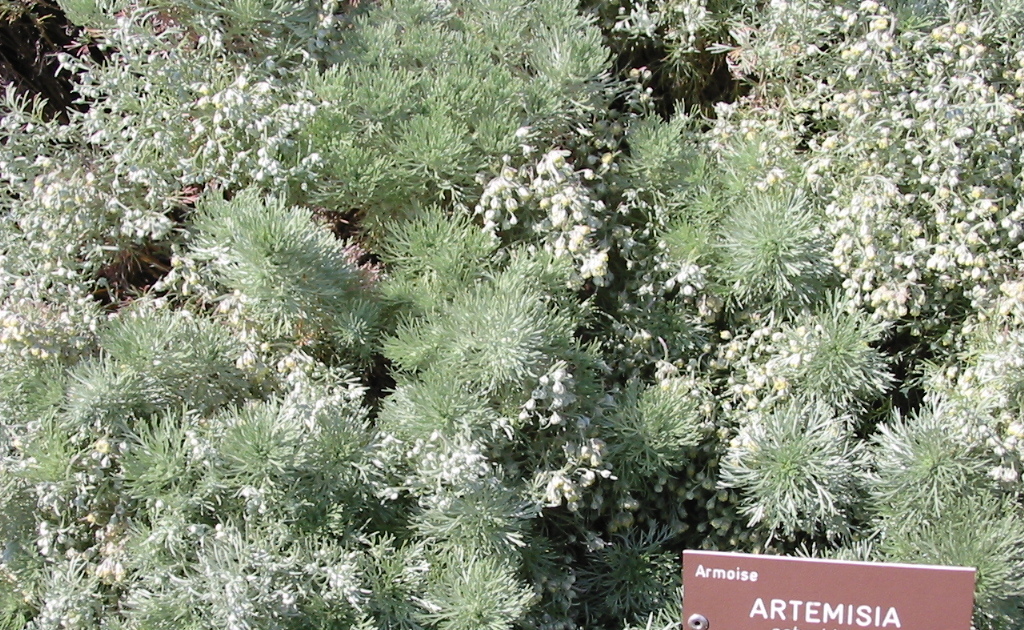
Mugwort is a fascinating herb celebrated in many cultures for its supposed protective powers and deep-rooted connection to the spiritual realm! Native to Europe, Asia, and North Africa, mugwort thrives in a variety of conditions – from meadows to woodlands – and is known for its silvery-green foliage and aromatic leaves. In my garden, mugwort is more than just a pretty face; it attracts beneficial insects and creates microhabitats that serve as safe nesting spots for tiny pollinators, adding a lively dynamic to the landscape.
Historically, mugwort has been used in rituals and divination practices, earning a reputation as a guardian against evil spirits. Although it’s usually well-behaved, in some areas mugwort can spread rapidly, so I keep a watchful eye on its growth to prevent any unwanted overrun. Its blend of practical gardening benefits and enchanting myth makes mugwort a favorite among those who love a bit of old-world magic in their green spaces!
Hemlock
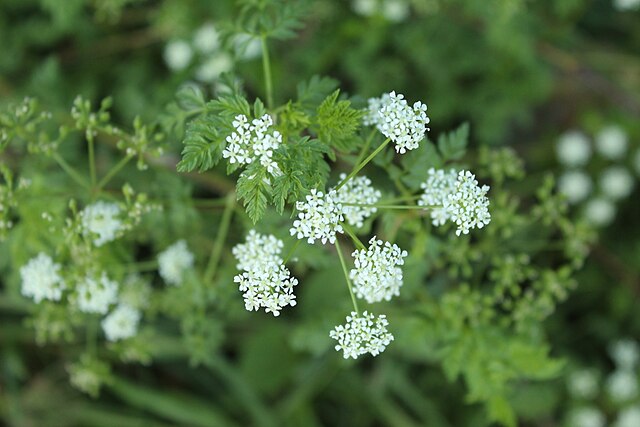
Hemlock is a plant whose name alone evokes a sense of foreboding and dark history, and its role in ancient tales is as fascinating as it is cautionary! Native to Europe and parts of North Africa, hemlock flourishes in temperate regions and damp, shaded environments. In my own garden, I’ve found that while its delicate clusters of white flowers may attract the occasional pollinator, its true allure lies in the rich tapestry of legends and historical warnings that surround it – a reminder of nature’s power and mystery.
Despite its notorious past – most famously as the means of Socrates’ execution – cultivated hemlock is typically non-invasive and can be managed with proper care. I always advise fellow gardeners to respect its potent legacy and handle it with care, ensuring that its eerie charm enhances rather than endangers the balance of your garden. Hemlock serves as a fascinating testament to the interplay between nature and myth, a true botanical enigma that continues to inspire and caution in equal measure!
Rosemary
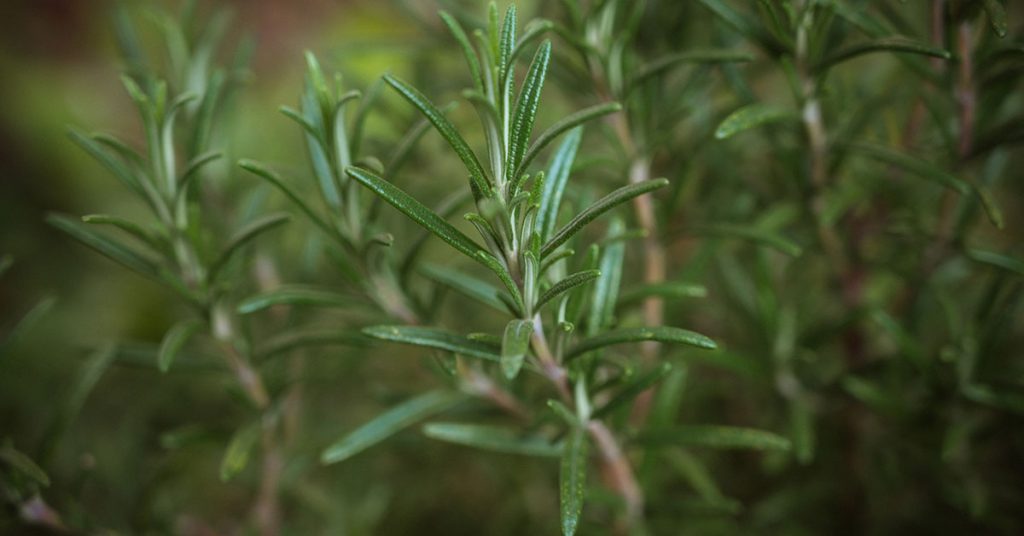
Rosemary is a herb that not only delights the senses with its aromatic foliage but also carries a rich history of mystical symbolism and protection! Native to the Mediterranean region, rosemary thrives in sunny, well-drained gardens and has been revered for centuries for its purported ability to ward off negative energies and attract positive spirits. I love how its needle-like leaves provide an inviting habitat for beneficial insects, and its subtle blooms often create cozy nesting spots for tiny garden visitors.
Its reputation as a protective charm is steeped in ancient traditions, making rosemary a dual-purpose plant that delights both the palate and the soul. While it’s generally non-invasive, I do keep an eye on its growth to ensure it remains a well-behaved participant in my garden’s ecosystem. For any gardener looking to infuse their space with both flavor and folklore, rosemary is an indispensable herb that bridges the gap between culinary delight and supernatural allure!
Valerian
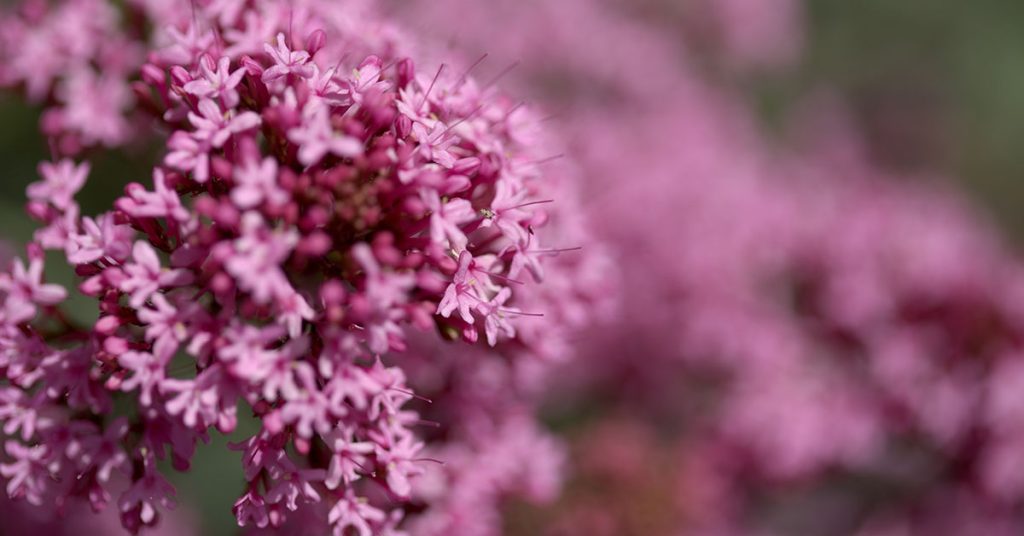
Valerian is a plant wrapped in legend and often associated with calming, almost otherworldly properties that have been cherished since ancient times! Native to Europe and parts of Asia, valerian thrives in moist, well-drained soils and offers clusters of small, sweet-scented flowers that attract a host of pollinators, including bees and butterflies. I’ve always been fascinated by its reputed ability to ease anxiety and promote sleep, which lends a serene, almost mystical quality to any garden space where it grows.
Although valerian is generally a gentle, non-invasive addition to the landscape, its strong scent and rapid spread in ideal conditions mean that a little periodic trimming keeps it from overwhelming neighboring plants. I find that its soothing properties and storied history make it a comforting presence in my garden – a botanical lullaby that soothes the spirit while delighting nature enthusiasts with its enchanting charm!
Wolfsbane
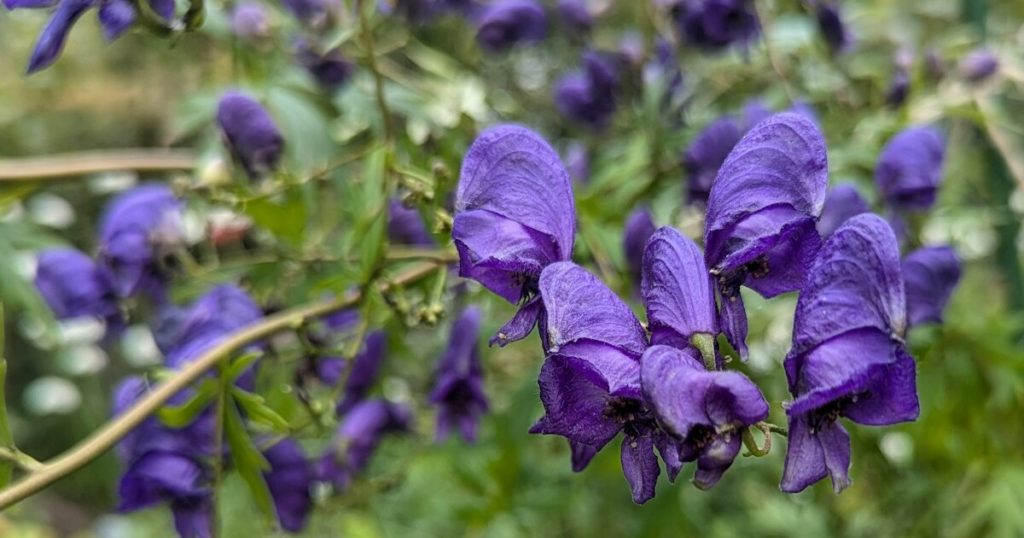
Wolfsbane, with its dramatic spires of deep, mysterious blooms, is one of the most striking plants in the realm of supernatural symbolism! Native to mountainous regions of Europe and Asia, wolfsbane flourishes in cool, well-drained soils and has long been associated with folklore involving werewolves and protective magic. In my garden, its bold, often blue-purple flowers create a mesmerizing focal point, drawing in bees and other pollinators that contribute to a vibrant ecosystem.
While its beauty is undeniable, wolfsbane is also notorious for its toxicity, and I always remind fellow gardeners to handle it with caution. It’s not typically invasive, yet its potent reputation means it’s best appreciated as a contained, ornamental statement piece. The juxtaposition of its enchanting allure and dangerous lore makes wolfsbane a plant that perfectly encapsulates the dual nature of beauty and peril in the supernatural world!
Belladonna
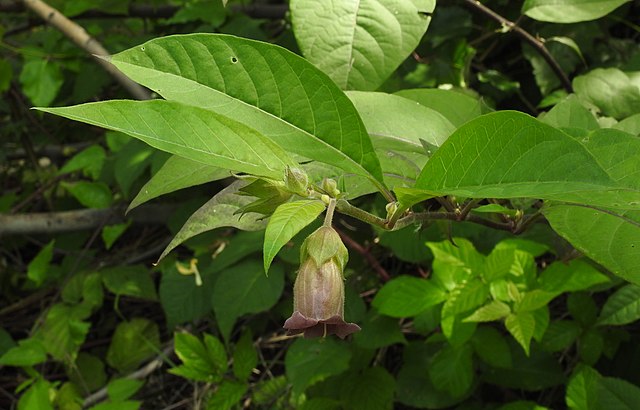
Belladonna, often known as “deadly nightshade,” is a plant steeped in dark legends and mysterious allure that have captivated generations! Native to Europe, North Africa, and Western Asia, belladonna thrives in shaded, woodland areas and produces striking, glossy berries that have been the subject of countless myths. In my garden, I find its rich, velvety foliage and subtle blossoms to be an intriguing conversation starter, attracting curious insects and even offering a secluded nook for small, harmless critters.
Its storied past as a potent poison and an element in magical potions lends belladonna a supernatural aura that few plants can match. Although it is generally non-invasive when cultivated with care, its toxic nature means it’s best kept in a secure area away from pets and children. The blend of lethal history and delicate beauty makes belladonna an extraordinary specimen for those who revel in the mysterious side of horticulture!
Sage
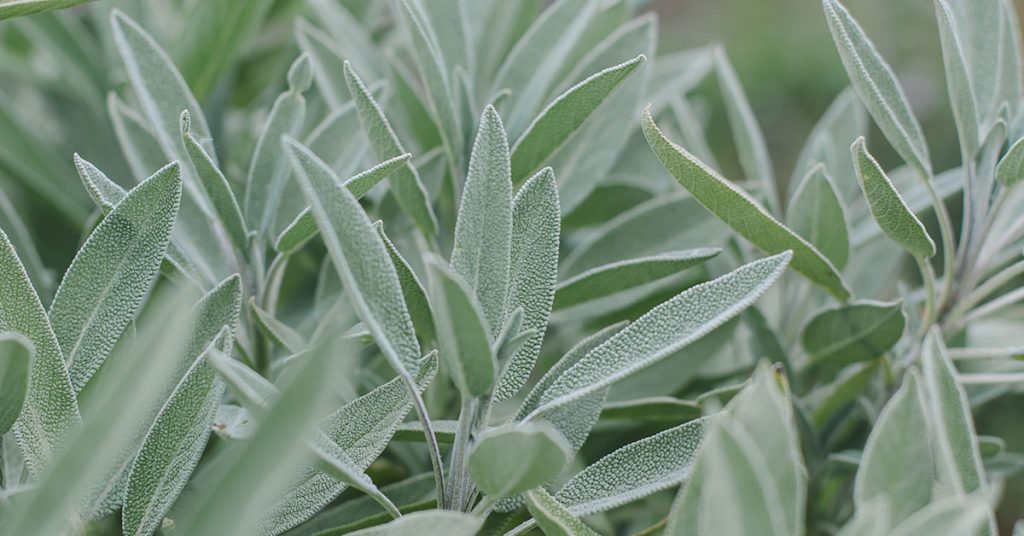
Sage is a herb that carries centuries of mystical significance, celebrated for its cleansing properties and its storied use in ancient rituals! Native to the Mediterranean region, sage thrives in sunny, well-drained soils and is a true multi-tasker – not only does it add flavor to culinary dishes, but its silvery-green leaves also attract bees and butterflies, while sometimes serving as a cozy refuge for small, beneficial insects. I enjoy incorporating sage into my garden for its robust character and its ability to transform an ordinary space into one imbued with sacred charm.
The supernatural reputation of sage is well-documented in folklore, where it’s been used to ward off negative energies and purify spaces. While it is generally non-invasive, I do keep an eye on its growth to ensure it doesn’t encroach on other cherished plants. Its combination of practicality and spiritual significance makes sage a truly enchanting addition to any garden that aspires to be both a culinary haven and a sanctified retreat!
Hawthorn

Hawthorn is a delightful shrub steeped in myth, renowned for its protective qualities and symbolic ties to the faerie realm! Native to Europe, North America, and parts of Asia, hawthorn flourishes in a variety of soils and light conditions, often creating dense hedgerows that serve as safe nesting sites for birds and small mammals. I’m always thrilled to see its profusion of delicate blossoms in the spring, which not only add a touch of magic to the garden but also attract a host of pollinators that keep the ecosystem vibrant.
Rich in folklore, hawthorn has been revered as a guardian against evil and a bridge between the mortal and supernatural worlds. Although it is typically well-behaved in cultivated landscapes, its natural tendency to form thickets means occasional maintenance is advised. Its deep-rooted history and undeniable charm make hawthorn a wonderful choice for anyone seeking a garden that is as protective as it is picturesque!
Datura
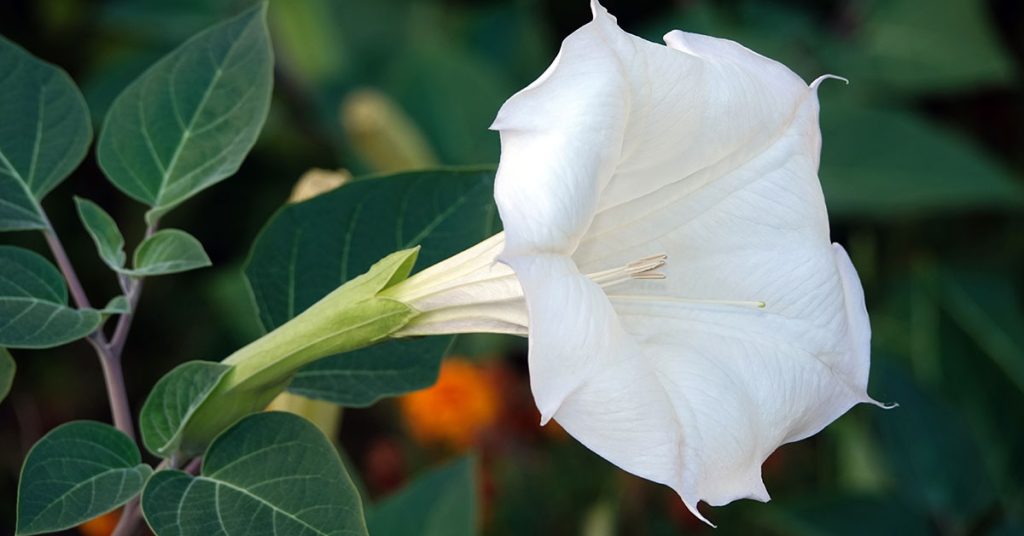
Datura is a plant of stunning contrast – its bold, trumpet-shaped flowers are as mesmerizing as they are mysterious, evoking ancient legends of both beauty and caution! Native to tropical and subtropical regions of the Americas, datura thrives in warm, well-drained soils and makes a dramatic statement in any garden. I love how its large, showy blooms not only command attention but also attract a variety of pollinators that play vital roles in the local ecosystem, adding life and movement to its surroundings.
However, datura’s supernatural allure comes with a note of caution, as many species are known for their toxic properties and have been entwined with rituals and shamanistic practices for centuries. While not typically invasive, it is essential to handle datura with care and respect its potent nature. Its juxtaposition of dazzling beauty and dark, mystical history makes it a captivating addition to any garden that dares to explore the boundaries between nature and the supernatural!
Yew
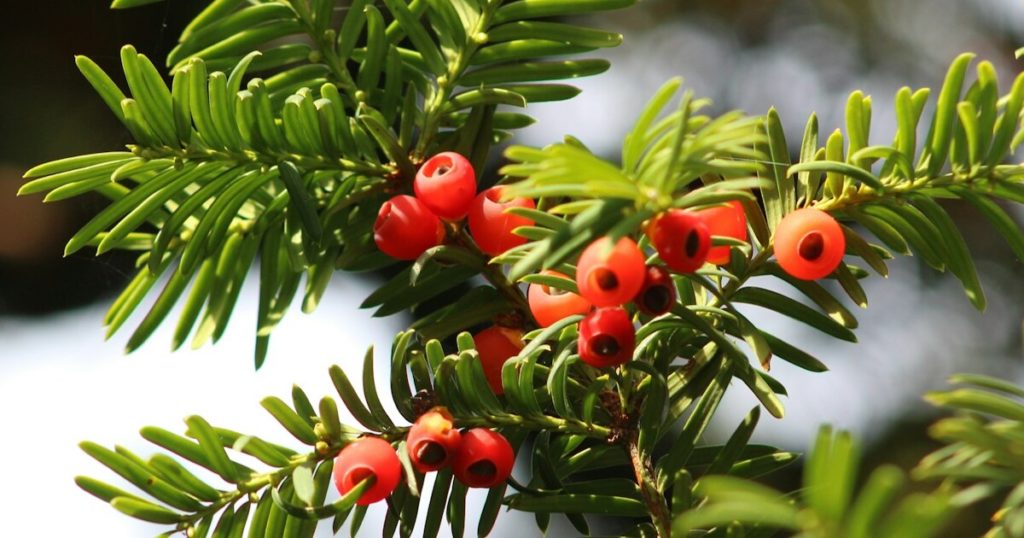
Yew is a venerable tree with a reputation as old as time, enveloped in layers of mythology and reverence in many cultures! Native to Europe, parts of Asia, and North Africa, yew thrives in shaded, well-drained soils and is known for its dense, dark foliage and long lifespan. I’m continually awed by its ability to create a natural sanctuary for birds and small mammals, offering protective cover and nesting sites that enhance the biodiversity of any woodland garden.
Historically, yew has been a symbol of immortality and transformation, often featured in folklore as a tree that connects the earthly realm with the mystical. Although it can become invasive in certain climates if left unchecked, I find that proper pruning and thoughtful placement allow its storied presence to enhance the garden without overwhelming it. The majestic and enigmatic character of yew makes it an ideal centerpiece for those who cherish both natural beauty and ancient myth!
Hyssop
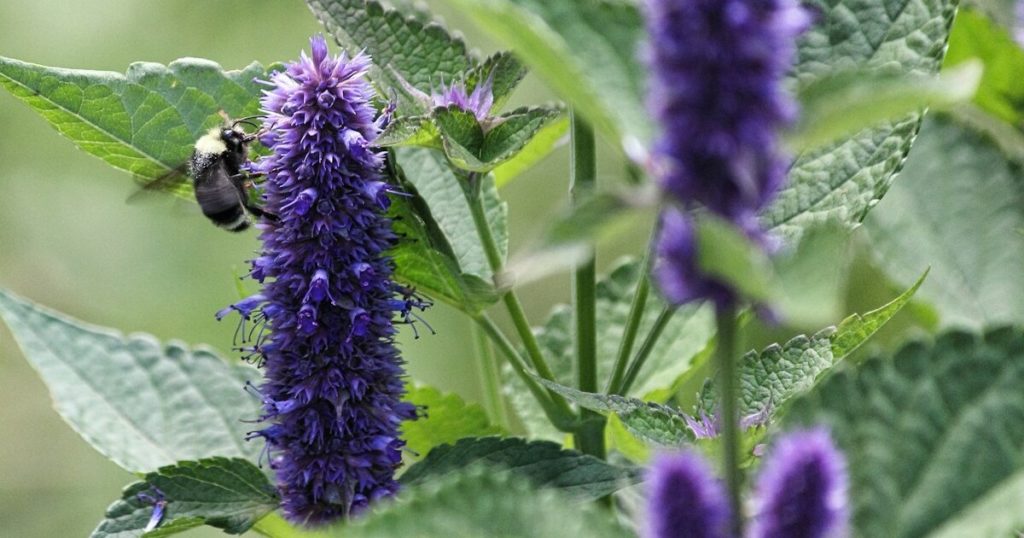
Hyssop is a charming herb with a surprisingly rich background in mystical traditions, celebrated for its purifying properties and aromatic charm! Native to the Mediterranean basin, hyssop thrives in warm, sunny gardens with well-drained soil, and its clusters of small, vibrant flowers attract bees and butterflies, making it a delightful magnet for pollinators. I’ve always appreciated how its subtle fragrance and delicate appearance add a layer of enchantment to my garden, evoking images of ancient rituals and secret gardens.
Despite its modest size, hyssop carries a weighty historical legacy, having been used in cleansing ceremonies and healing practices across various cultures. It’s generally non-invasive, but I still monitor its spread to maintain a balanced garden ecosystem. Its blend of practical benefits, gentle beauty, and deep-rooted supernatural lore makes hyssop a treasured herb for anyone looking to infuse their garden with a touch of ancient magic and timeless appeal!