
Spring, summer, and even the gentle whispers of winter bring a remarkable opportunity to transform your garden into a kaleidoscope of color. As a dedicated gardener who’s reveled in the magic of extended bloom periods, I understand the excitement—and occasional frustration—of waiting for that burst of beauty to appear. With a keen eye on native origins and a mindful approach to invasive tendencies, I’ve curated a collection of 16 perennial flowers that, with proper care and a bit of luck, can offer colorful blossoms nearly all year long! It’s a delight to share these treasures with you, knowing that every bloom can uplift your space and your spirit.
In this article, we’ll explore a diverse range of flowers that attract buzzing pollinators, provide cozy nesting spots for beneficial insects, and create a continuously vibrant display in your garden. Whether you’re battling a shady corner or a sun-drenched expanse, these selections—each with its own native story and unique charm—are bound to inspire you. Let’s dive into these botanical wonders together and celebrate the joy of a garden that stays colorful no matter the season!
Shasta Daisy
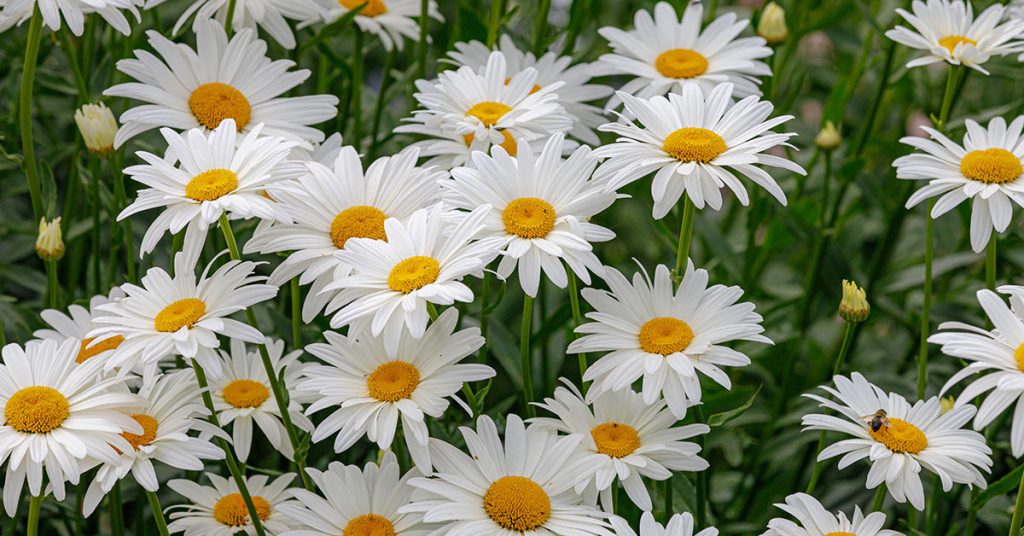
Shasta Daisy is a perennial favorite that brightens any garden with its cheerful white petals and sunny yellow centers. Native to North America, this resilient flower is renowned for its long-lasting blooms that often reappear throughout the growing season. I’ve found that these daisies attract a host of pollinators like bees and butterflies, which not only enhance your garden’s ecosystem but sometimes even nest in the nearby foliage. Best of all, Shasta Daisy is non-invasive, allowing you to enjoy its beauty without worrying about it overtaking your space!
In my garden, Shasta Daisies bring an energizing burst of light and optimism during even the gloomiest days. Their robust nature and ability to thrive in full sun make them an ideal candidate for borders and containers alike. I relish the sight of these daisies swaying gently in the breeze, a testament to nature’s ability to create simplicity and charm in one package! Their cheerful demeanor is a reminder that every garden can be a canvas of continuous color and joy.
Bee Balm

Bee Balm is a vibrant perennial that infuses your garden with lively splashes of red, pink, or purple and an aromatic allure that draws in a variety of pollinators. Native to North America, this plant not only produces eye-catching blooms but also supports local ecosystems by attracting bees, hummingbirds, and butterflies that often use nearby shrubs for nesting. I appreciate that Bee Balm is non-invasive when properly managed, making it a responsible and energetic addition to any garden setting!
Every time I step outside to tend to my Bee Balm, I’m greeted by a delightful spectacle of fluttering wings and gentle hums from its devoted visitors. Its abundance of flowers creates a natural magnet for beneficial insects, which in turn help maintain a healthy garden balance. The dynamic interplay between the blooms and their pollinators fills my heart with the kind of excitement that only a flourishing garden can provide. Bee Balm is truly a celebration of nature’s vibrant artistry!
Japanese Anemone
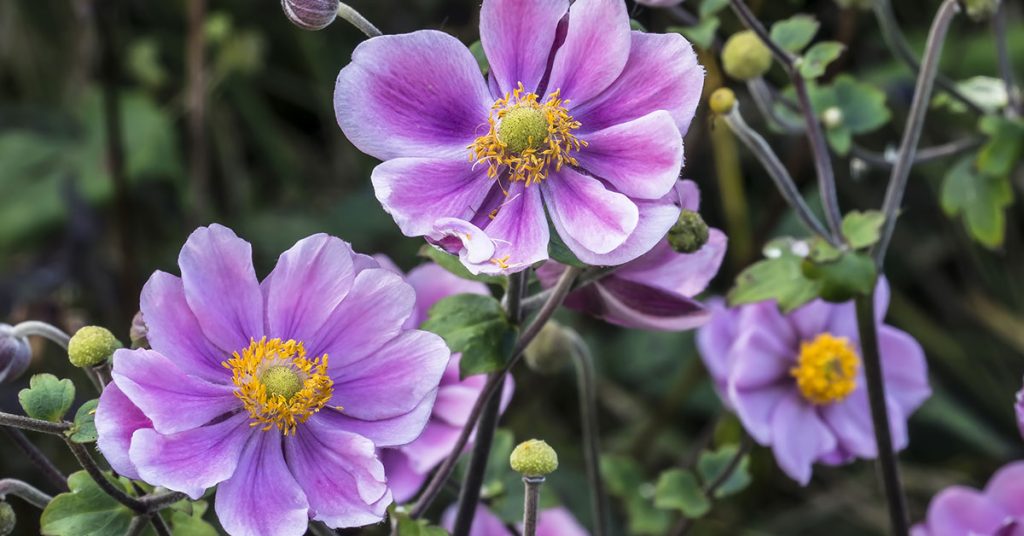
Japanese Anemones are elegant perennials known for their graceful, cup-shaped blooms that appear in soft shades of pink, white, or purple. Native to Japan and other parts of East Asia, these flowers bring a refined beauty to your garden and are celebrated for their extended bloom period that often stretches into the fall. I find them particularly charming because their gentle blossoms attract butterflies and other pollinators, creating a delicate balance of life and color that enriches the garden’s atmosphere. They are generally non-invasive, making them a safe, sophisticated addition to your landscape.
In my own garden, Japanese Anemones serve as a quiet yet powerful statement of enduring elegance. Their subtle hues and airy form provide a striking contrast to bolder plants while inviting an array of beneficial insects to visit. Watching these anemones sway in the soft breeze is a reminder of nature’s ability to blend resilience with grace. They effortlessly elevate the garden’s aesthetic, proving that even understated beauty can yield a year-round celebration of color!
Salvia
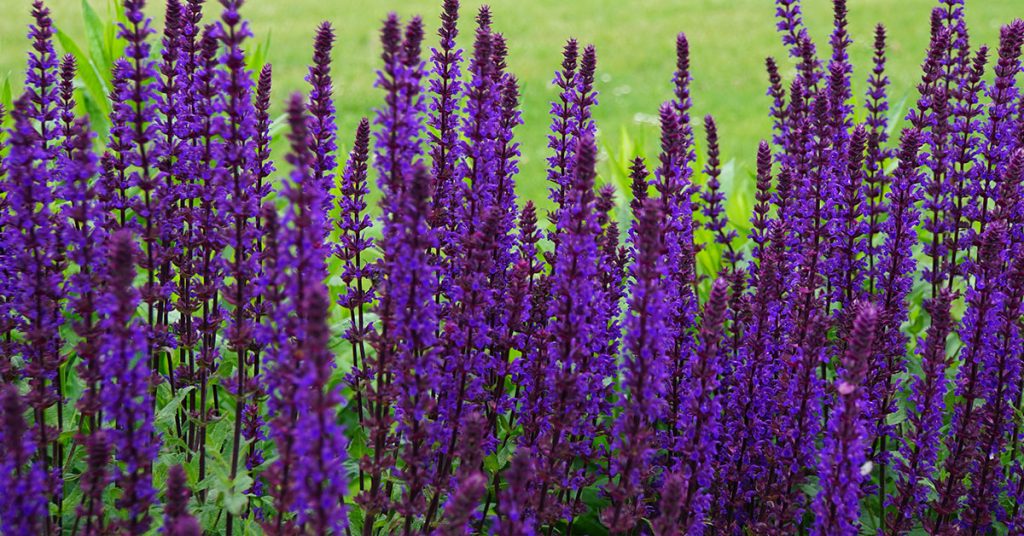
Salvia is a dynamic perennial that injects your garden with splashes of vibrant blues, purples, and reds, attracting a medley of pollinators in the process. With origins spanning from the Mediterranean to Central and South America, many salvia species have adapted to a variety of climates while remaining non-invasive when managed correctly. I enjoy how these plants offer an extended blooming period, providing not only visual interest but also essential nectar for bees and hummingbirds that sometimes establish temporary nesting sites in their vicinity!
In my garden, the bold spikes of Salvia are a constant source of inspiration and energy. Their dramatic color and intricate form create a captivating focal point, while their low-maintenance nature makes them a delight for gardeners of all skill levels. I’ve often marveled at how these plants seem to come alive as the seasons change, continuously renewing their colorful display. Salvia is a reminder that with the right care, nature’s brilliance can flourish throughout the year!
Hellebore
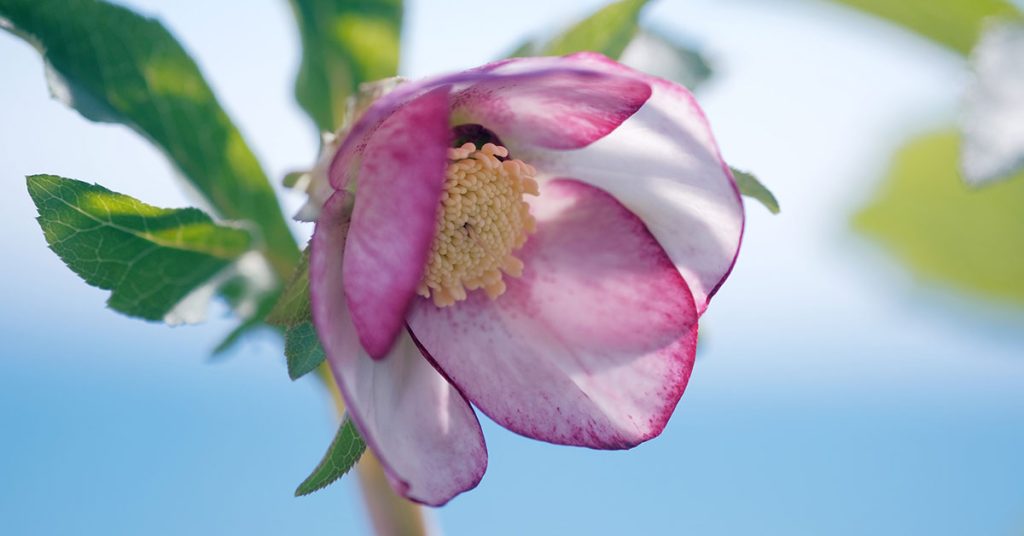
Hellebores, often known as Lenten Roses, are among my personal favorites for early-year color, offering unique, often dark-toned blooms that seem to defy winter’s chill. Native to Europe and parts of Asia, these perennials are prized for their ability to blossom when few other flowers dare to bloom. Their mysterious, almost otherworldly hues attract early emerging bees and other pollinators, who appreciate the nourishment and sometimes even use nearby foliage for safe resting spots. Best of all, Hellebores are not invasive, ensuring that they remain a delicate accent in your garden.
I find the presence of Hellebores to be a magical signal that spring is on its way, transforming the garden into a realm of hope and renewal. Their early bloom period creates a captivating transition from winter’s dormancy to the lush vibrancy of warmer months. Each time I encounter their enchanting petals, I’m reminded that nature always finds a way to surprise us with its resilience and beauty—even when the world around seems still. Hellebores are a gentle yet bold promise of the colorful seasons ahead!
Dianthus
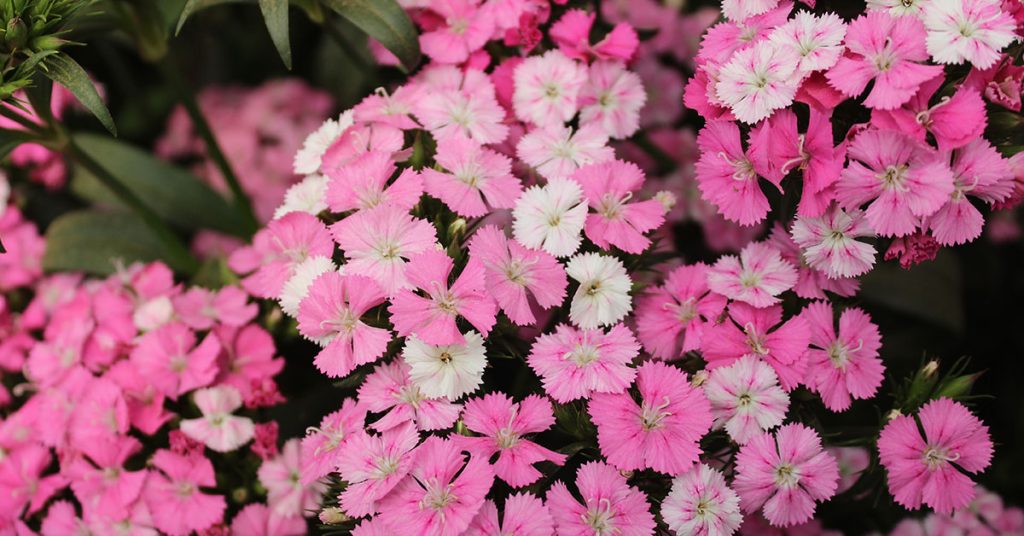
Dianthus, commonly known as Pinks or Carnations, are charming perennials that brighten any garden with their delicate, fringed blooms and spicy fragrance. Native to Europe and parts of Asia, these flowers have been adored for centuries for their elegant form and extended blooming period. In my garden, Dianthus not only adds a touch of vintage charm but also attracts beneficial pollinators such as butterflies and bees that sometimes explore the crevices of its intricately ruffled petals. They are non-invasive, which means they coexist harmoniously with other plants and never overwhelm the garden space.
I’ve always been enchanted by the subtle yet captivating allure of Dianthus. Their soft colors and intricate edges provide a delightful contrast against bolder, more robust blooms in my garden. Each blossom seems to tell a story of time-honored beauty, drawing in admirers from near and far. When these flowers are in full swing, my garden transforms into a living tapestry of textures and hues that evoke both nostalgia and hope for the future. Dianthus truly exemplifies the magic of perennial charm that can brighten every corner of your outdoor sanctuary!
Lavender
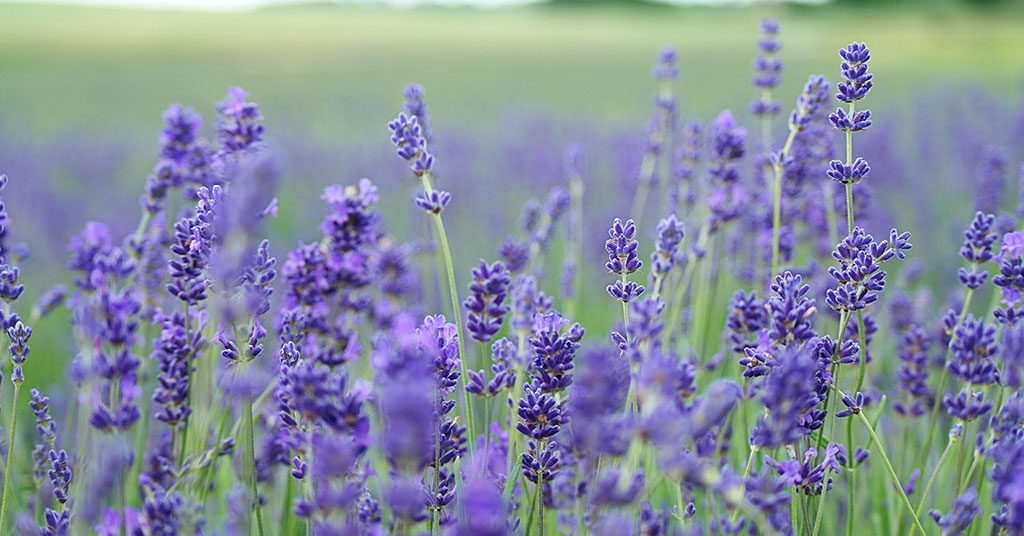
Lavender is a perennial wonder celebrated for its soothing fragrance, vibrant purple spikes, and its impressive ability to bloom almost continuously in the right conditions. Native to the Mediterranean, this resilient plant thrives in sunny, well-drained spots and is revered for its low-maintenance nature. In my experience, Lavender not only attracts bees and butterflies—often seen fluttering around its blossoms as if nesting nearby—but also provides a calming sensory experience that elevates the mood of any garden. Its non-invasive growth ensures that its charm is contained within its designated space, making it a garden staple!
Every time I tend to my Lavender, I’m reminded of how nature can fill a space with both beauty and serenity. Its aromatic presence transforms the garden into a fragrant haven that inspires both relaxation and creativity. The interplay of color, scent, and the gentle hum of pollinators creates a harmonious environment that is as uplifting as it is practical. Lavender is a testament to the power of perennial plants to deliver both visual and sensory delight all year round!
Echinacea (Purple Coneflower)

Echinacea, or Purple Coneflower, is a robust perennial that offers a stunning display of vibrant purple blooms with striking central cones. Native to North America, this flower is renowned for its medicinal properties as well as its long blooming season, which often extends from early summer well into the fall. I’ve observed that Echinacea naturally attracts a wide range of pollinators—including bees, butterflies, and even birds that may occasionally use its sturdy stems for perching. Importantly, it is non-invasive, so it adds beauty to the garden without overwhelming the local ecosystem.
In my garden, the presence of Echinacea is a true celebration of resilience and natural charm. Its bold, daisy-like appearance makes it a standout feature that not only boosts the garden’s aesthetic but also supports local biodiversity. I relish the dynamic energy these blooms bring, as they seem to beckon pollinators with every opening of their petals. Every time I witness the vibrant hues of Echinacea under the summer sun, I’m filled with a renewed sense of wonder at nature’s ability to deliver endless beauty with minimal fuss!
Yarrow
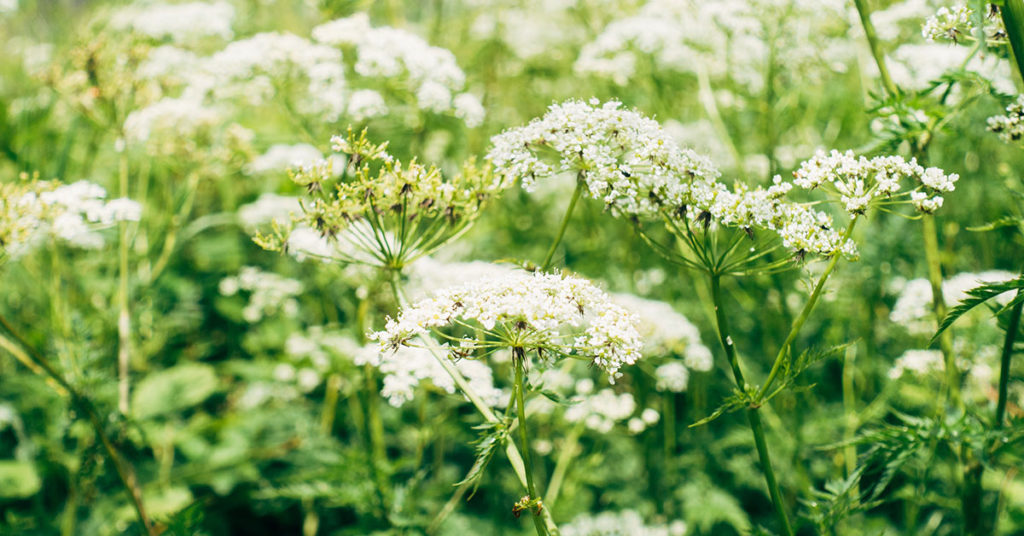
Yarrow is a versatile perennial prized for its clusters of delicate, flat-topped blooms that come in a variety of colors—from bright yellows to deep reds. Native to temperate regions across Europe and Asia, Yarrow has a storied history as both an ornamental and medicinal plant. In my garden, Yarrow serves as a magnet for beneficial insects like ladybugs and predatory wasps, which sometimes even use its feathery foliage for shelter and nesting. It is a non-invasive species, which means you can integrate it into your garden without concerns of it overtaking other plantings.
The charm of Yarrow lies in its ability to create a natural tapestry of color and texture that persists throughout the seasons. I enjoy watching it form natural clusters that not only beautify the landscape but also play an integral role in maintaining a balanced ecosystem. Its hardiness and extended bloom period make it a delightful addition to any perennial garden, and its subtle yet persistent fragrance adds an extra layer of allure. Yarrow is a living reminder that with thoughtful planning, nature can provide an endless palette of color and life!
Peony
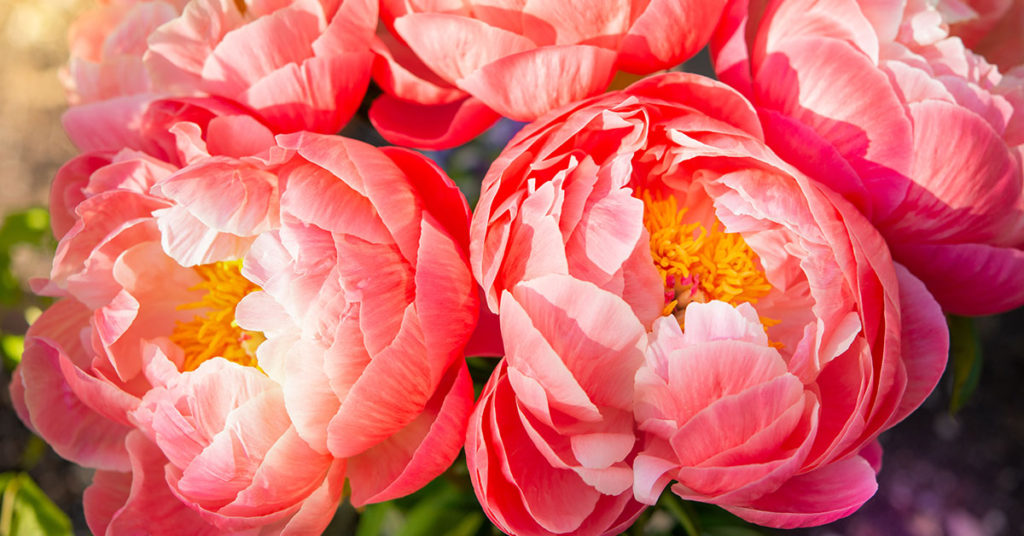
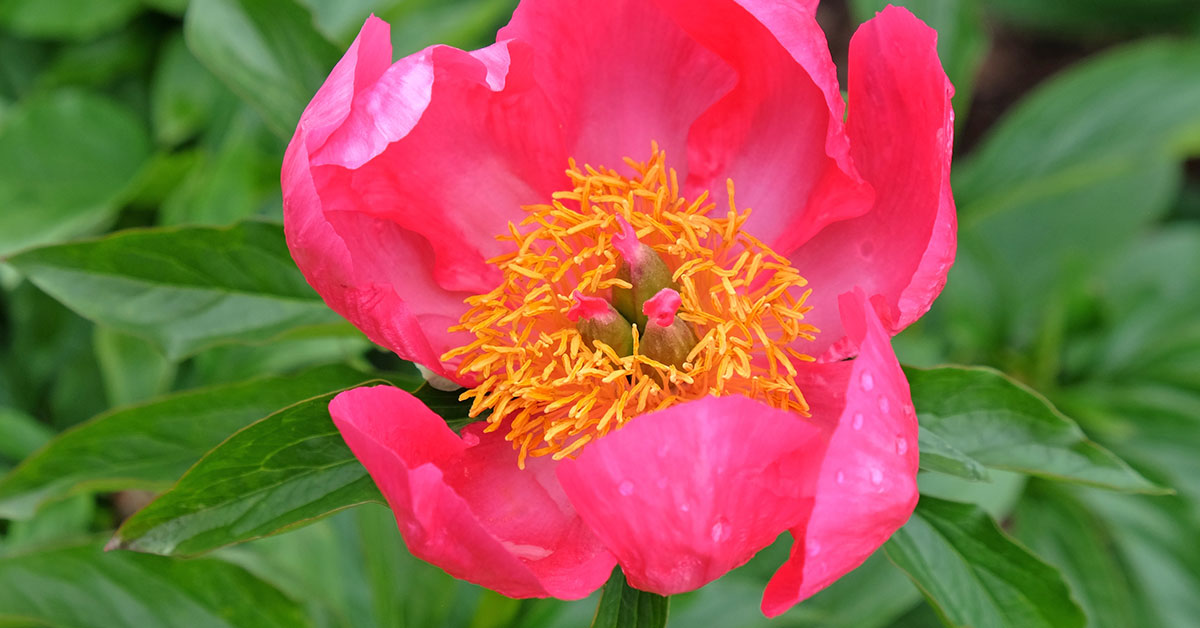
Peonies are luxurious perennials renowned for their large, sumptuous blooms and intoxicating fragrance that can light up any garden space. Native to Asia, Europe, and North America, peonies have long been cherished for their beauty and longevity. I’ve seen how these flowers attract an array of pollinators—especially bees—that often linger around the robust blossoms as if they’re part of a carefully orchestrated natural dance. Despite their extravagant appearance, peonies are non-invasive and tend to remain well-behaved, making them a prized addition to any garden setting.
Every peony bloom in my garden feels like a grand celebration of nature’s opulence. Their striking, layered petals and vivid hues create a focal point that exudes both elegance and vitality. Watching these magnificent flowers unfold in the warmth of spring and linger into early summer fills me with a deep sense of satisfaction and awe. Peonies not only reduce the need for constant replanting but also provide a timeless beauty that enriches the garden year after year!
Daylily
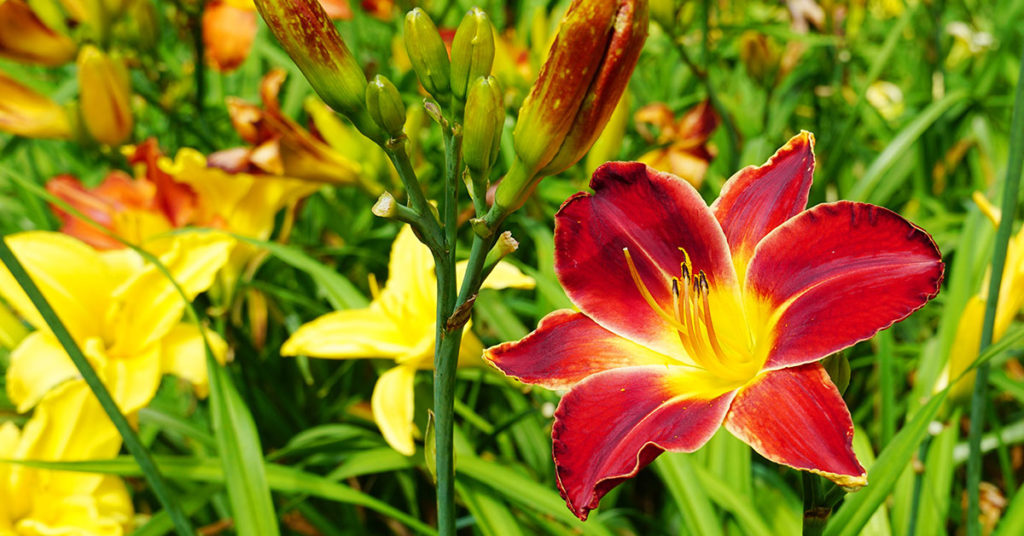
Daylilies are marvelously resilient perennials that, despite the fleeting nature of each individual bloom, collectively offer a nearly continuous display of vibrant color throughout the growing season. Native to Asia, these plants have adapted to a wide range of climates and are cherished for their ability to attract pollinators like bees and butterflies—some of which find temporary shelter in the dense clumps! Their ease of care and non-invasive habit make daylilies an indispensable part of a garden designed for long-lasting beauty.
In my gardening endeavors, I’ve found that the true magic of daylilies lies in their persistence and prolific nature. Even though each flower may only last a day, the successive bloom cycle ensures that there is always a splash of color to be admired. This constant renewal not only enhances the visual appeal of the landscape but also supports a vibrant ecosystem by providing food and nesting spots for various insects. Daylilies are a delightful reminder that even transient moments can create an everlasting impact on our garden’s charm!
Hardy Geranium
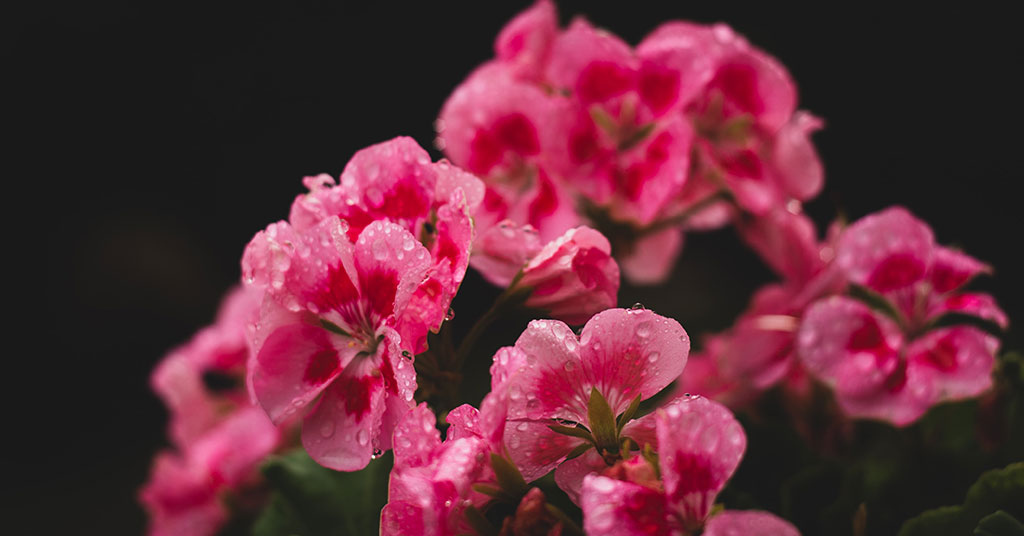
Hardy Geraniums, often known simply as cranesbills, offer a subtle yet enduring display of color with their delicate blooms that can brighten even the shadiest corners of your garden. Native to Europe, these perennials have adapted to thrive in a variety of conditions while remaining non-invasive, making them ideal for naturalized settings. I enjoy how Hardy Geraniums attract beneficial pollinators, including bees and butterflies, which sometimes use their sprawling foliage as temporary shelter or even for nesting purposes. Their understated charm is a perfect counterpoint to more flamboyant blooms, creating a balanced and inviting garden.
In my garden, Hardy Geraniums provide a quiet, persistent beauty that complements the more dramatic floral displays. Their soft, pastel hues and gentle texture create an atmosphere of calm and continuity, encouraging a peaceful coexistence between nature and nurture. I love observing how these plants effortlessly blend into the landscape, forming carpet-like mats that exude warmth and familiarity. Hardy Geraniums remind me that even the simplest flowers can play a pivotal role in crafting a year-round colorful retreat!
Phlox
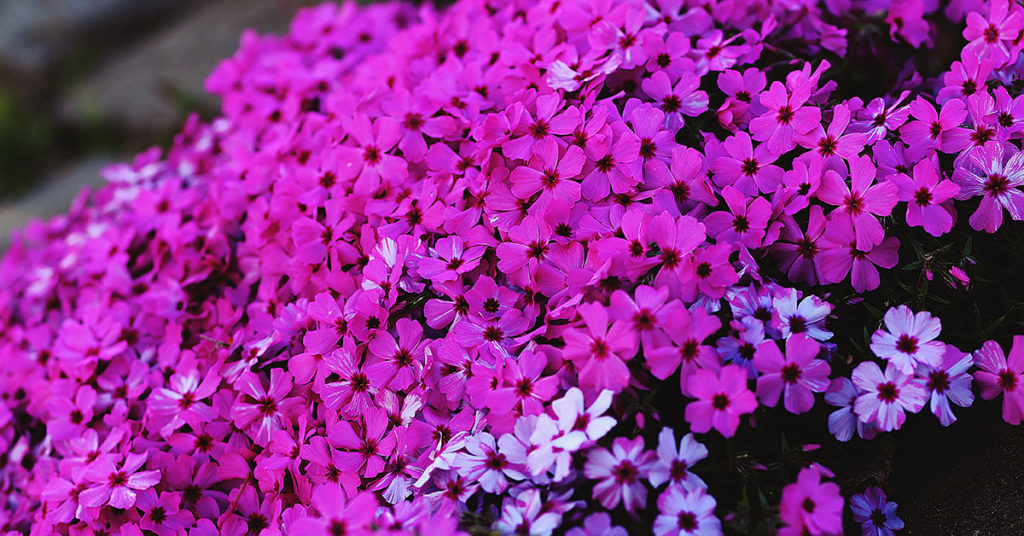
Phlox is a perennial treasure celebrated for its cascading clusters of vibrant, fragrant blooms that seem to light up the garden at every turn. Native to North America, Phlox varieties have been cherished for their ability to attract a myriad of pollinators—from bees to butterflies—that delight in the sweet nectar and sometimes find refuge among the dense flower clusters. Its extended bloom period and non-invasive behavior make Phlox a reliable and stunning addition to any garden, providing an ever-present palette of color that endures throughout the seasons.
I’ve always found that the secret of Phlox lies in its ability to transform any garden into a living mosaic of hues. Their vivid blossoms, ranging from soft pastels to bold, dramatic tones, create a dynamic display that evolves with each passing week. Every time I wander through my garden and encounter a patch of Phlox in full bloom, I feel an overwhelming sense of joy and gratitude for nature’s endless bounty. Phlox not only captivates the eye but also nurtures a healthy, bustling ecosystem that supports a thriving community of pollinators!
Black-Eyed Susan
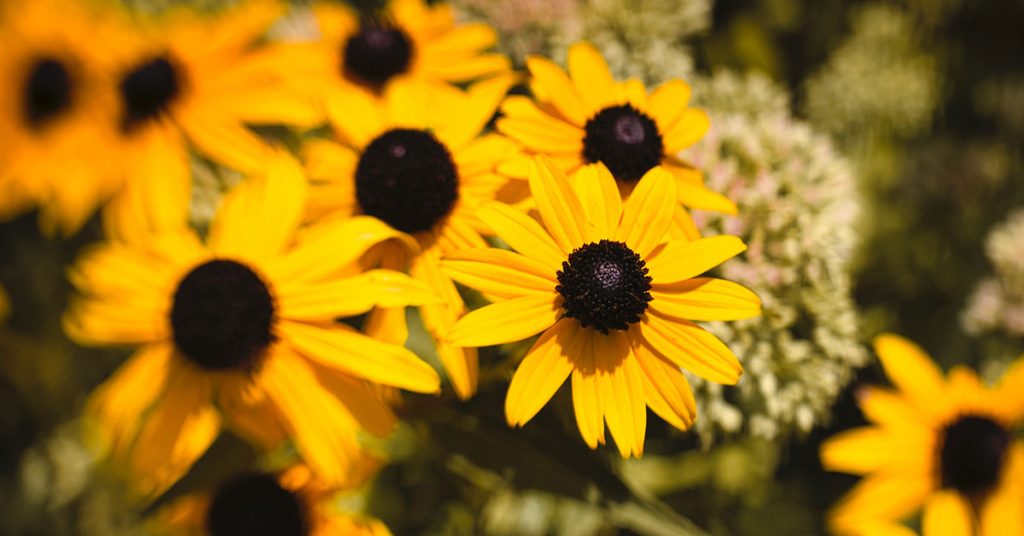
Black-Eyed Susans are an iconic perennial known for their sunny, radiant blooms that add a burst of cheerful energy to any garden setting. Native to North America, these hardy flowers are celebrated for their ability to flourish in a variety of soils and climates while maintaining a non-invasive growth habit. I enjoy how Black-Eyed Susans attract a host of beneficial insects, from buzzing bees to fluttering butterflies, which contribute to a lively garden ecosystem and sometimes even create small nesting sites nearby. Their bold, unmistakable appearance is a true testament to nature’s capacity for delivering joy all year long!
In my gardening experience, Black-Eyed Susans serve as a constant reminder that simplicity and resilience can be incredibly beautiful. Their vibrant petals and contrasting dark centers create a visual impact that stands out in any planting scheme. Every time these flowers burst into bloom, they seem to chase away the dreariness and invite a sense of optimism into the garden. Black-Eyed Susans are more than just a pretty face—they’re a celebration of natural vitality that enriches every corner of your outdoor space!
Coreopsis
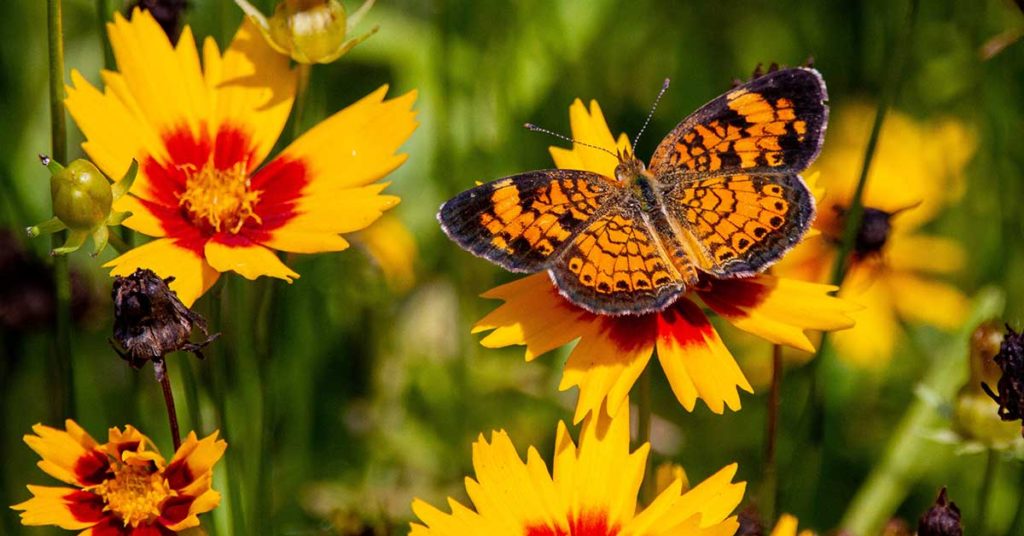
Coreopsis, often referred to as tickseed, is a perennial marvel that brings a lively splash of golden or multi-colored blooms to the garden almost throughout the year. Native to North America, this adaptable flower is known for its prolific blooming habit and low-maintenance nature. I love watching how Coreopsis attracts a plethora of pollinators—especially butterflies and bees—that flit around its delicate blossoms as if they’re celebrating a miniature festival. Its non-invasive growth makes it a trusted companion for gardeners who seek both beauty and ecological balance.
In my own outdoor haven, Coreopsis is a consistent source of delight and optimism. Its resilient nature means that even during drier spells, these cheerful blooms persist, lighting up the landscape with their sun-kissed radiance. Every time I see a cluster of Coreopsis, I’m reminded of the power of simple, native plants to transform a garden into a year-round spectacle of color. Their presence not only enhances visual appeal but also contributes to a thriving ecosystem—truly a win-win for nature lovers and gardeners alike!
Sedum
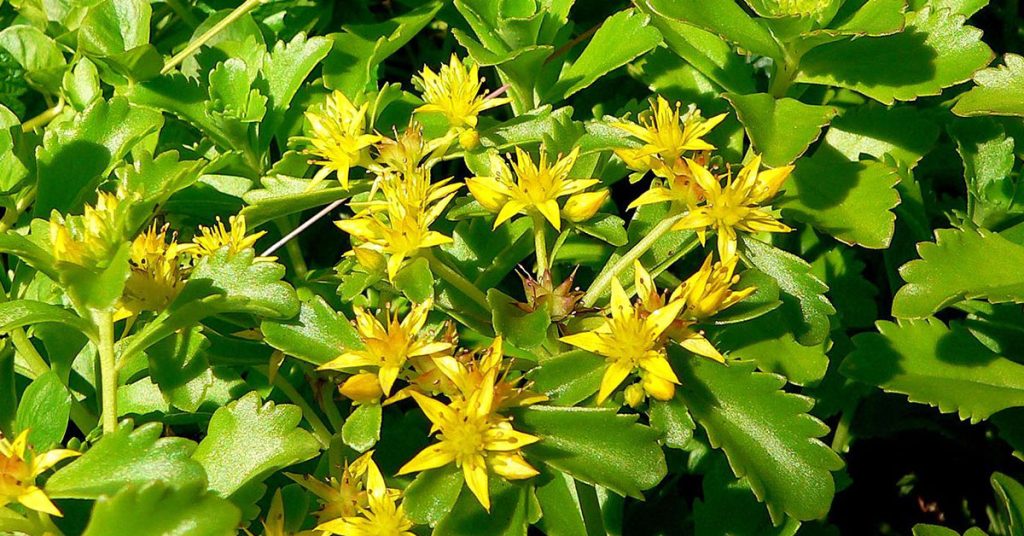
Sedum, or stonecrop, is a succulent perennial prized for its clusters of star-shaped flowers that add an unexpected burst of color to any garden scene. Native to regions across Europe and Asia, sedum varieties have adapted to harsh, dry conditions while offering a long blooming period that can extend well beyond the typical season. I appreciate how sedum attracts a variety of beneficial insects, including bees and butterflies, that sometimes even use its fleshy leaves as a resting spot. Its non-invasive nature ensures that it integrates seamlessly into rock gardens, borders, or mixed plantings without causing disruption.
In my gardening practice, Sedum is a delightful surprise that brings texture and vibrancy to areas where other plants might struggle. Its hardy, drought-tolerant characteristics mean that even in the heat of summer, sedum continues to flourish, creating a stunning contrast with lush, green foliage. Every time I harvest a few clusters of sedum blooms, I’m filled with the joy of witnessing nature’s resilience and adaptability. Sedum is a perfect reminder that beauty can be both delicate and enduring, lighting up your garden with its colorful, year-round display!