

As a dedicated gardener who has navigated both bountiful harvests and challenging setbacks, I know all too well how disheartening it can be when pests overrun your basil or when overwatering turns your rosemary into a soggy disappointment. It’s such a bummer when simple mistakes disrupt the delicate balance of a herb garden, especially when you’ve poured your heart into creating a natural haven. In this article, I’m going to walk you through 16 common herb gardening mistakes—with plenty of details, personal anecdotes, and even a few scientific tidbits about native origins and invasive tendencies—to help you keep your herbs happy and healthy.
Throughout my gardening journey, I’ve discovered that every misstep is a lesson in disguise, from ignoring the sun’s critical role to mismanaging container setups. I completely understand how overwhelming it can be when pests take over or when your garden seems to betray you by underperforming in every way.
Overwatering Your Herbs
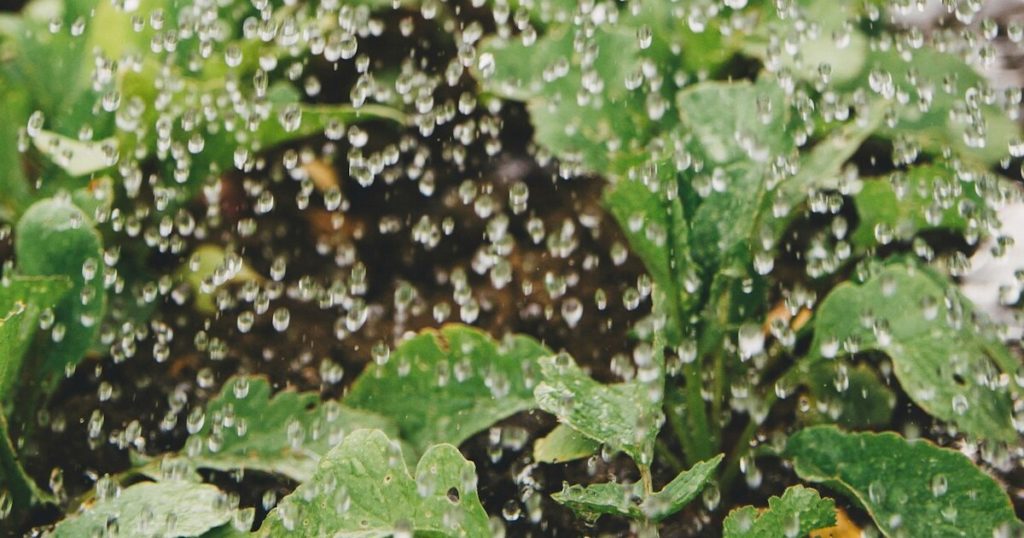
Overwatering is a classic mistake that many enthusiastic gardeners make, and it can quickly turn a promising herb garden into a soggy, disease-prone mess. When you water too frequently, you deprive the roots of essential oxygen and create the perfect conditions for root rot—a problem that can easily decimate sensitive herbs like basil and oregano, which are native to Mediterranean climates and prefer drier conditions! I’ve seen my own rosemary and thyme struggle when I overdid it, and it was a hard lesson learned about mimicking a herb’s natural habitat.
The consequences of overwatering extend beyond just root damage; excess moisture attracts fungal pathogens and can deter beneficial insects from visiting your garden. These insects, which sometimes nest in the dry, well-aerated soil around your herbs, are key to maintaining a balanced ecosystem. By adjusting your watering schedule and ensuring proper drainage, you’ll protect your plants from unnecessary stress and keep your herb garden as vibrant and pest-resistant as nature intended!
Underestimating Sunlight Requirements

Many gardeners, including myself in the early days, have underestimated just how crucial full sun is for most culinary herbs. Herbs like basil, rosemary, and thyme are native to sun-drenched regions of the Mediterranean and tropical areas, where abundant sunlight is a given. Placing these sun-loving plants in a shady spot can lead to weak growth, poor flowering, and a general lack of vitality, which in turn diminishes their natural ability to repel pests. I’ve often found that a few extra hours of sunlight not only boosts flavor but also encourages beneficial insects to visit, as these insects are drawn to the vibrant colors and hearty blooms!
When herbs don’t receive enough sunlight, they tend to become leggy and susceptible to fungal diseases—a major headache for any gardener! Adequate sunlight is essential not just for photosynthesis, but also for creating a microclimate that supports the natural behaviors of your herbs, such as releasing essential oils that deter pests. So, make sure your garden layout mimics the native, sun-soaked conditions these herbs thrive in, and you’ll see a dramatic improvement in both growth and natural pest control!
Poor Soil Preparation

A well-prepared soil is the foundation of any successful herb garden, yet many of us have been guilty of overlooking this crucial step. Herbs like sage, marjoram, and basil flourish in soils that are well-drained and enriched with organic matter—conditions that mimic their native environments. When the soil is too compact or lacks the necessary nutrients, it can stifle root development and reduce the natural defenses of your plants, making them more susceptible to pests and diseases. I’ve learned that investing time in proper soil preparation pays off in the long run with more robust growth and healthier, more flavorful herbs!
Neglecting soil preparation can also lead to imbalances that discourage beneficial insects from making your garden their home. These insects, which sometimes nest in the organic matter and among the roots, play a vital role in keeping your garden ecosystem in check. By incorporating compost, adjusting pH, and ensuring good drainage, you not only foster a thriving herb garden but also create a natural barrier against invasive pests that might otherwise take advantage of weak, stressed plants!
Inadequate Spacing and Crowding

Crowding your herbs might seem like a way to create a lush, green carpet, but inadequate spacing can lead to a host of problems. When herbs such as oregano, thyme, and basil are planted too closely together, they end up competing for vital resources like water, sunlight, and nutrients. This overcrowding can stifle their natural growth habits and hinder the release of essential oils that many of these plants use to repel pests. I’ve experienced firsthand how a cramped garden not only looks messy but also becomes a breeding ground for diseases due to the lack of proper air circulation!
Proper spacing is crucial for allowing each herb to display its unique characteristics, from the delicate nesting spots that attract beneficial insects to the robust foliage that naturally deters pests. By following recommended spacing guidelines, you create a balanced environment where your plants can flourish individually while contributing to a harmonious, resilient ecosystem. Taking the time to plan your garden layout carefully will ensure that every herb reaches its full potential and keeps those pesky flies and other invaders at bay!
Ignoring the Native Needs of Your Herbs
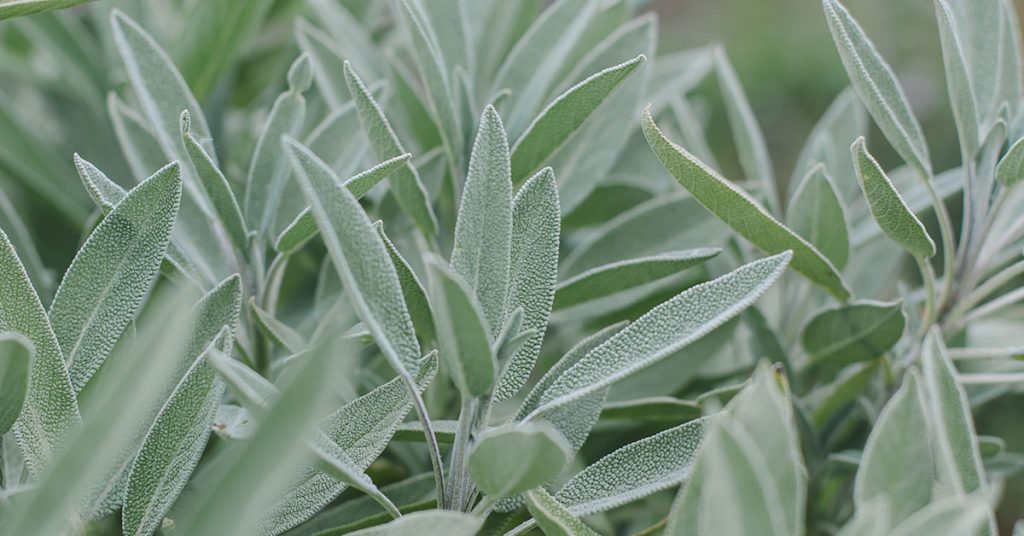
One of the biggest mistakes I’ve seen—and learned from—is ignoring the native needs of your herbs. Many popular culinary herbs, such as basil, rosemary, and sage, have evolved in specific environments that dictate their ideal growing conditions. These plants often hail from regions with hot, dry summers and well-drained soils, so trying to force them to thrive in overly moist or shady conditions can lead to disappointment and increased pest problems. I’ve made the error of not researching a plant’s native background, and the results were less than stellar!
Understanding where your herbs are native to not only guides you in replicating those conditions but also helps you avoid practices that can stress the plants and make them vulnerable to pests. For example, mimicking the arid, sunlit conditions of the Mediterranean can enhance a herb’s natural defense mechanisms, such as the release of pest-repelling oils. By tailoring your gardening practices to suit the specific needs of each herb, you’ll create a thriving, balanced ecosystem that minimizes mistakes and maximizes flavor and fragrance!
Excessive Fertilizer Use

While it might be tempting to feed your herb garden in hopes of rapid growth, excessive fertilizer use can backfire in several ways. Over-fertilizing herbs like mint, basil, and oregano, which are native to nutrient-poor soils in the wild, can lead to lush, floppy foliage that lacks the robust flavors and essential oils needed to repel pests effectively. I’ve seen how too much fertilizer can create an environment where not only the herbs suffer but also the delicate balance of beneficial insects is disrupted—they may avoid overly rich foliage that doesn’t mimic their natural habitat!
Excess fertilizer can also promote excessive vegetative growth, which increases the risk of overcrowding and subsequent pest infestations. The key is to provide just the right amount of nutrients to support healthy, compact growth that mirrors the plants’ native conditions. By understanding and respecting the natural nutrient needs of your herbs, you ensure that they develop strong, aromatic profiles that are both delicious and effective at warding off unwanted visitors!
Not Pruning or Harvesting Properly
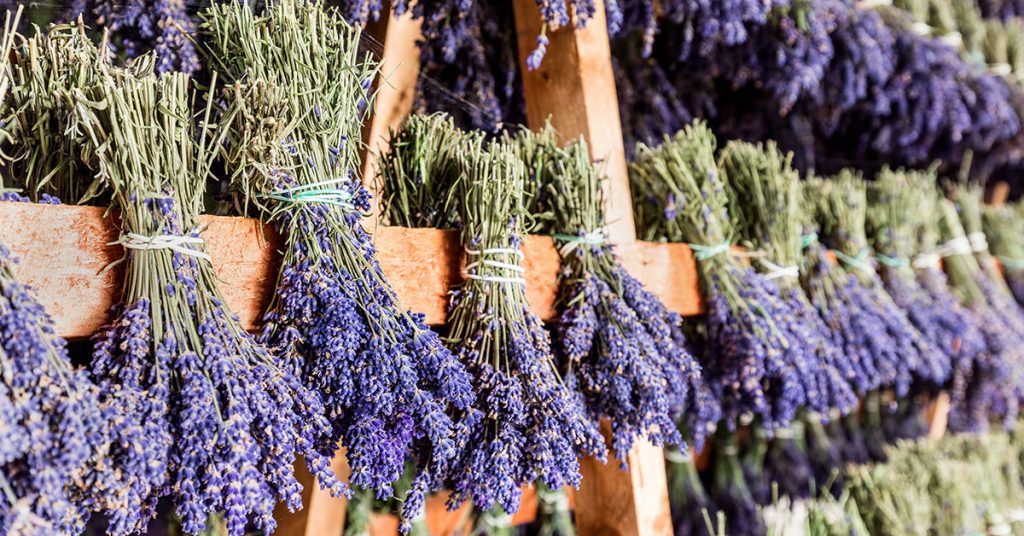
Failing to prune or harvest your herbs correctly is a common mistake that can hinder their growth and natural defense mechanisms. Many herbs, such as basil and mint, benefit from regular trimming, which encourages bushier growth and the production of aromatic oils that help repel pests. I’ve learned that when I neglect to prune these plants, they not only become leggy but also more susceptible to diseases that can invite a host of pests into my garden. Regular harvesting keeps the plants in top form and maintains a healthy, vibrant appearance that attracts beneficial insects.
Proper pruning is also essential for maintaining the right balance in your garden ecosystem. When herbs are pruned at the right time, they develop more robust branches and a denser structure, which can serve as natural nesting spots for beneficial insects. These tiny allies play a crucial role in controlling pest populations and ensuring a balanced garden. So, don’t be stingy with your pruning shears—treat it as an investment in the long-term health and vitality of your herb garden!
Overuse of Chemical Pesticides

Relying too heavily on chemical pesticides is a mistake that can have lasting negative effects on your herb garden. Many of us, in an effort to protect our beloved plants, reach for harsh chemicals that not only kill pests but also harm beneficial insects and disrupt the natural balance of the ecosystem. Herbs like rosemary, thyme, and basil are naturally equipped to fend off many pests with their potent aromas and oils—qualities that are diminished when chemical residues accumulate. I’ve experienced the regret of overusing pesticides, only to see my garden become a less vibrant, less biodiverse space!
The overuse of pesticides can lead to pesticide resistance among pests, making them even harder to control over time. In addition, these chemicals can interfere with the nesting and foraging behaviors of beneficial insects, which are essential for pollination and natural pest control. Embracing organic methods and natural remedies not only keeps your garden safer and healthier but also ensures that your herbs can truly shine as nature intended. Trust me, your plants—and the buzzing, friendly insects around them—will thank you for it!
Neglecting to Attract Beneficial Insects
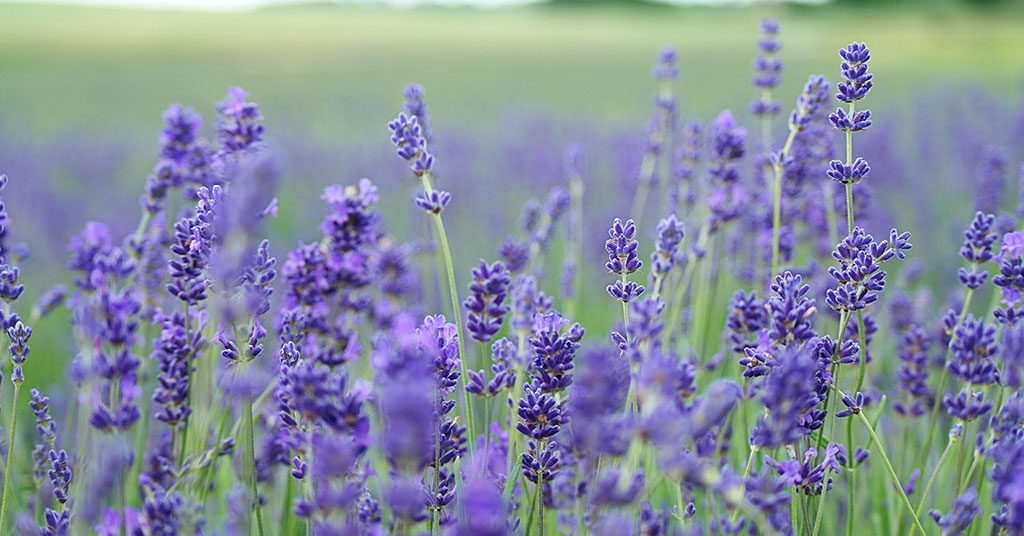
One of the more subtle mistakes in herb gardening is failing to create an environment that attracts beneficial insects. Many gardeners focus solely on repelling pests without realizing that inviting natural allies—such as ladybugs, bees, and predatory wasps—can be a game-changer for maintaining a balanced ecosystem. Herbs like basil, sage, and lavender naturally produce aromatic compounds that attract these helpful insects, but neglecting to design your garden with their needs in mind can lead to an imbalance. I’ve seen firsthand how a garden lacking in beneficial visitors often struggles with persistent pest issues and a less vibrant overall appearance!
Encouraging beneficial insects involves more than just planting the right herbs—it means creating microhabitats with proper spacing, sunlight, and even nesting sites. For example, leaving a little extra space among your herbs can allow small insects to find shelter and establish their populations, which in turn helps keep pest numbers down. By fostering a welcoming environment for nature’s little helpers, you not only enhance your garden’s resilience but also create a dynamic, self-regulating ecosystem that’s a joy to watch every day!
Planting in Poor Drainage Areas
Many herb gardening mishaps stem from choosing spots with poor drainage, which can wreak havoc on plants like thyme, rosemary, and basil that are native to arid, well-drained soils. When herbs are planted in areas where water tends to pool, their roots can suffocate, leading to a host of problems such as root rot and fungal diseases. I’ve often witnessed the sad decline of what should have been a thriving herb bed, all because the soil couldn’t drain properly. It’s a lesson in mimicking the natural conditions these plants evolved in—where a quick, efficient drainage system is essential for survival!
Not only does poor drainage weaken your herbs, but it also creates a damp environment that attracts unwanted pests and discourages beneficial insects from nesting near the roots. Ensuring your garden has proper drainage—whether through raised beds, amended soil, or strategic plant placement—is key to maintaining a healthy, resilient herb garden. By replicating the dry, sunlit conditions native to many of these herbs, you encourage them to release their natural pest-repelling oils and attract the friendly insects that complete your garden’s ecosystem!
Failing to Mulch Effectively

Mulching is one of those underrated practices that can make or break your herb garden, yet many gardeners neglect it to their detriment. A good mulch not only helps retain moisture and regulate soil temperature but also suppresses weed growth that can compete with your prized herbs like basil, oregano, and mint. I’ve learned that when I skip the mulching step, my garden often becomes a battleground for weeds and pests, and the soil’s natural structure suffers as a result. Mulch is a natural extension of your garden’s ecosystem, mimicking the organic layers found in native habitats!
An effective mulch also creates an inviting environment for beneficial insects, many of which use the organic layer as a nesting or foraging area. Whether you choose organic materials like straw, shredded bark, or compost, a well-mulched garden reflects the native conditions that many herbs thrive in. It’s an essential step that not only beautifies your garden but also bolsters its natural defenses against pests and diseases. Trust me—your herbs will grow stronger and more vibrant when they’re given the protective blanket of quality mulch!
Mismanaging Container Herb Gardens

Container gardening offers versatility and convenience, but mismanaging these setups is a common herb gardening mistake that can lead to a host of issues. Herbs grown in containers, such as basil, thyme, and sage, require a delicate balance of water, sunlight, and space—factors that can be easily disrupted if the container is too small or poorly drained. I’ve experienced the frustration of watching a promising container herb garden wither away because of inadequate space or drainage, and it’s a lesson I never want you to learn the hard way! Containers must mimic the natural growing conditions of the herb’s native environment to truly flourish.
Proper container management involves selecting the right pot size, using quality, well-draining soil, and monitoring watering closely to avoid soggy roots. These practices help create a mini-ecosystem where beneficial insects can even find small nesting sites among the foliage, contributing to a balanced, thriving garden. When done right, container herb gardens can be as productive and beautiful as traditional garden beds, proving that even in limited space, nature’s resilience shines through!
Ignoring Seasonal Changes
Herb gardening is a year-round endeavor, but many of us make the mistake of ignoring seasonal changes and their impact on our plants. Herbs like basil, mint, and rosemary have distinct growing seasons and native environments that dictate their behavior throughout the year. When you fail to adjust your care routine to the changing seasons—whether it’s reducing watering in the winter or providing extra shade in the summer—you risk weakening your plants and making them vulnerable to pests. I know how frustrating it is to see your garden struggle because it wasn’t given the seasonal attention it needs!
Understanding the seasonal rhythms of your herbs means adapting your techniques to ensure they continue to thrive, regardless of the weather. For instance, providing extra mulch in cooler months can help regulate soil temperature and maintain moisture levels, while strategic pruning in the spring encourages robust new growth. By staying in tune with the natural cycle, you create an environment where your herbs can flourish and naturally fend off pests, making your garden a resilient, living testament to nature’s enduring beauty!
Overcomplicating Your Herb Garden Layout
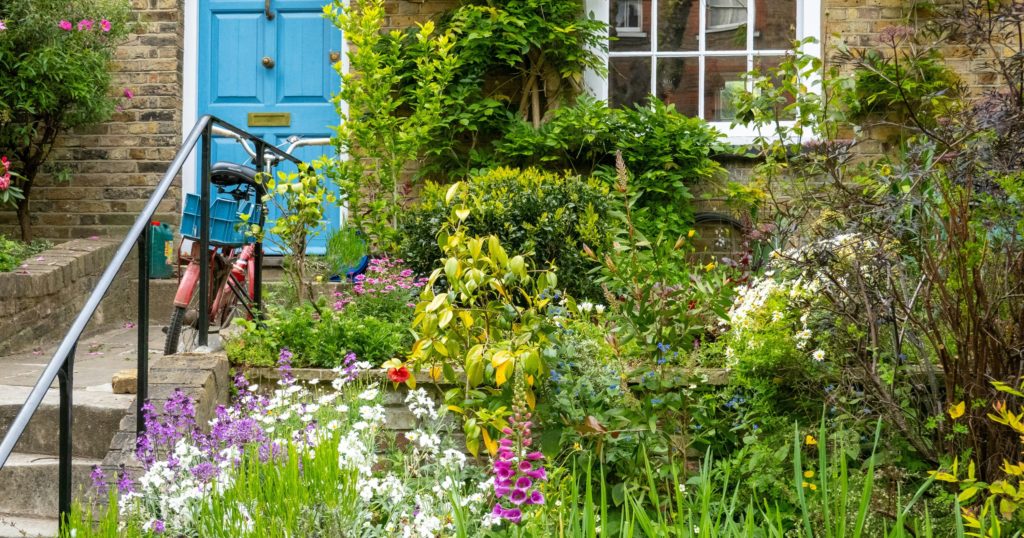
Sometimes in our eagerness to create a show-stopping herb garden, we overcomplicate the layout with too many varieties and decorative elements that end up competing with one another. A cluttered garden not only makes maintenance a headache but can also confuse the delicate balance of native growing conditions for each herb. Plants like sage, basil, and oregano have evolved in environments where simplicity and clear spacing are key to their survival, and when you mimic a chaotic design, you risk creating microclimates that favor pests and diseases. I’ve certainly learned that less can be more when it comes to garden design!
A streamlined garden layout allows each herb to express its natural behaviors, from releasing pest-repelling aromas to attracting beneficial insects that sometimes nest in the surrounding foliage. By focusing on a few well-chosen species that complement one another, you create a harmonious ecosystem where every plant thrives in its native-like conditions. The result is a more manageable, visually appealing garden that not only looks beautiful but also functions as a natural barrier against unwanted pests—a win for any gardener striving for simplicity and balance!
Not Considering Companion Planting

One of the most overlooked strategies in herb gardening is the art of companion planting, where the right neighbors can significantly boost your garden’s overall health and pest resistance. Failing to consider which herbs and flowering plants work synergistically can leave your garden vulnerable to imbalances that allow pests to take hold. For example, pairing basil with tomatoes is a classic practice rooted in the idea that their native environments and mutual benefits create a robust ecosystem that naturally deters flies and aphids. I’ve found that when I deliberately plan companion planting, my garden not only looks more vibrant but also becomes a thriving haven for beneficial insects that help keep pests in check!
Companion planting goes beyond mere aesthetics—it creates a dynamic interplay between species that mimics their natural habitats, including factors like native origins and non-invasive behaviors. When you pair herbs with complementary characteristics, you encourage natural processes such as pollination and even provide shelter for small creatures that further contribute to pest control. By learning which combinations work best, you turn your herb garden into a self-regulating ecosystem where every plant plays a role in maintaining the delicate balance of nature. It’s a strategy that has transformed my garden into a model of efficiency and beauty!
Failing to Monitor for Pests and Diseases

Perhaps the most critical mistake of all is neglecting to regularly inspect your herb garden for signs of pests and diseases. Even the hardiest herbs like rosemary, thyme, and basil, native to sunlit and well-drained regions, can fall victim to infestations if left unchecked. I’ve experienced the heartbreak of finding aphids or fungal infections that quickly spiraled out of control, turning a once-thriving patch of greenery into a battleground of wilting leaves and stunted growth. Regular monitoring is not just about spotting problems early—it’s about understanding the natural behavior of your plants and the beneficial insects that sometimes nest nearby and help control these issues!
By taking the time to inspect your garden on a routine basis, you can intervene with organic and natural remedies before minor issues become major disasters. This proactive approach mimics the checks and balances found in nature, where predators and parasites coexist to maintain equilibrium. I’ve found that a vigilant gardener, armed with a keen eye and a willingness to adjust care routines, can often prevent pest problems altogether. In doing so, you ensure that your herbs continue to thrive in their native-like conditions, bringing you both beauty and bountiful harvests without the frustration of unexpected infestations!