
There’s nothing quite like the heady swirl of perfume wafting through a room when you place a fresh vase of blooms on the table! Fragrant flowers do more than brighten your décor—they uplift your spirits, evoke memories, and create an immersive sensory experience. But with so many scented species out there, choosing the best for cut arrangements can feel overwhelming. I’ve curated a list of sixteen favorites—each chosen for its captivating aroma, vase life, and garden performance—so you can fill your home with natural fragrance all season long.
From delicate spring bulbs to summer’s showstoppers, these flowers hail from diverse corners of the world and yet all share one thing in common: they never fail to enchant! You’ll learn where each plant is native, whether it has invasive tendencies, and how it plays host to pollinators or nesting insects. Let’s dive into a bouquet of blossoms that will have your senses dancing and your vases overflowing!
Sweet Alyssum (Lobularia maritima)
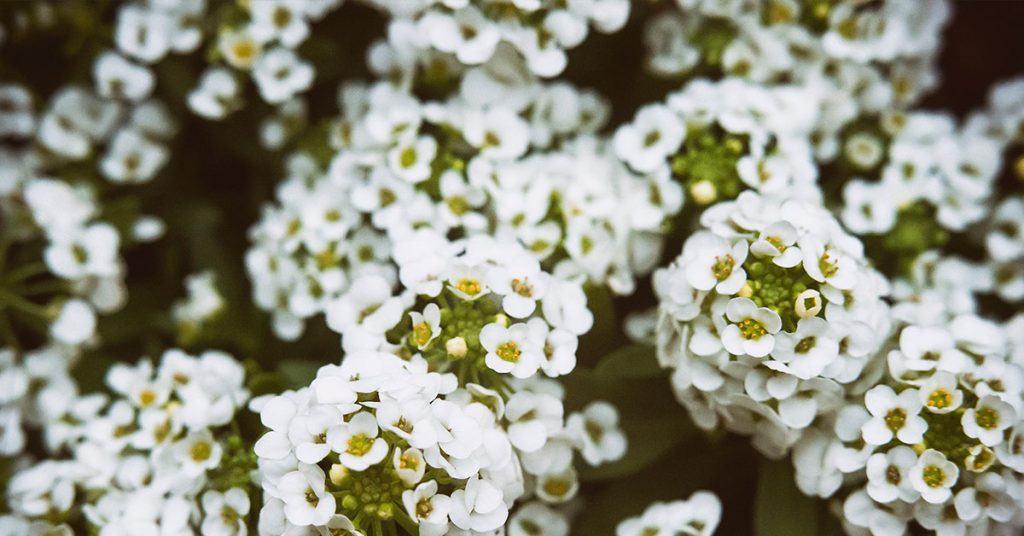
Sweet alyssum’s tiny clusters of white or lavender blooms release a honeyed scent that drifts through the air on warm afternoons. Native to the Mediterranean region, it thrives in well-drained soils and full sun to part shade, and it’s not considered invasive in most gardens. Its low-growing habit makes it a wonderful filler around taller stems in mixed bouquets.
Pollinators adore sweet alyssum—hoverflies and tiny solitary bees often nest in the crevices of its loose foliage, helping keep aphid populations in check. Pinching back spent blooms encourages more fragrant flowers, making it a reliable, long-lasting choice for both garden borders and vase arrangements!
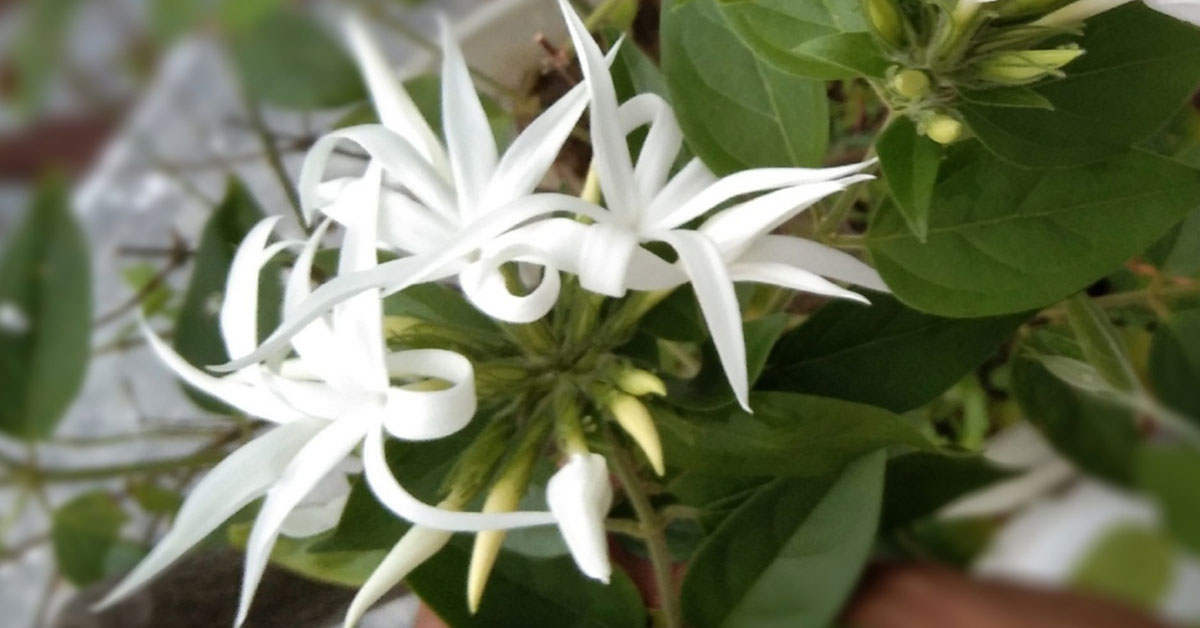
Jasmine (Jasminum officinale)

Common jasmine, with its starry white blossoms, exudes a rich, exotic perfume that lingers long after the flowers are cut. Native to the Himalayas, it prefers fertile, well-drained soil and a sunny spot, and it doesn’t tend to escape cultivation in temperate gardens. Training jasmine vines on a trellis not only showcases its blooms but also makes harvesting stems for vases a breeze.
Hummingbirds and night-flying moths flock to jasmine’s nectar-rich flowers, while small wasps and bees sometimes nest in the vine’s woody stems. A handful of cut jasmine stems in a slender vase transforms any corner into a fragrant sanctuary—truly one of my favorite cut flowers to bring indoors!
Peony (Paeonia lactiflora)
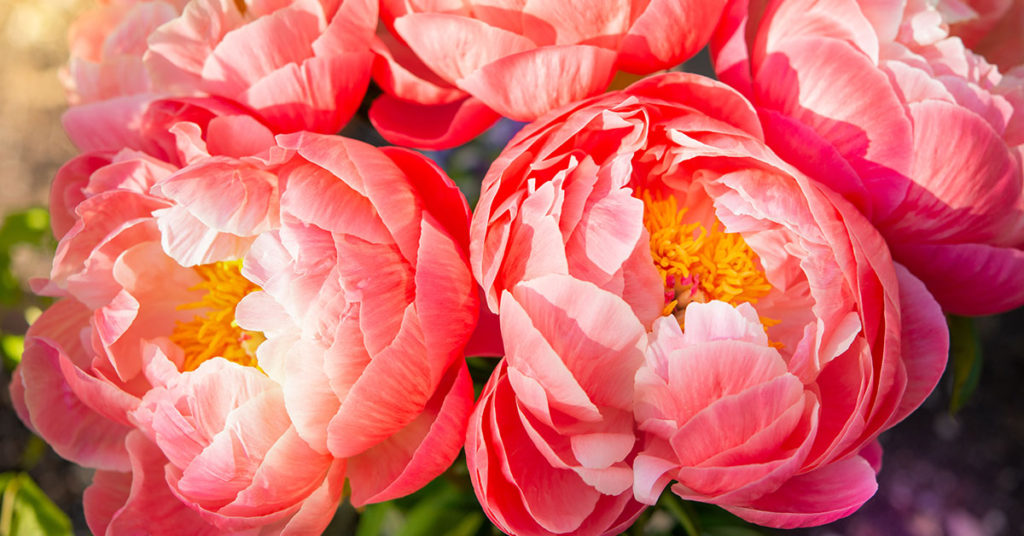
Few blooms rival the lush, ruffled grandeur—and intoxicating scent—of herbaceous peonies. Originating in China and Siberia, these stately perennials flourish in cool climates with cold winters, needing well-drained, neutral to slightly acidic soil. They’re not invasive, but mature clumps can be divided every five to seven years to maintain vigor.
Bees love peony buds for their early-season pollen, often nesting in ground burrows nearby and returning to forage. In a vase, peonies offer a heady blend of rose, honey, and citrus notes that intensify as the blossoms open—an absolute showstopper for any table!
Lavender (Lavandula angustifolia)

Lavender’s calming, herbaceous aroma is instantly recognizable—and delightful both fresh and dried. Native to the Mediterranean, it thrives in poor, sandy soils with full sun and excellent drainage; it poses no invasive threat in most regions. Stems cut just as buds begin to open make the longest-lasting and most fragrant arrangements.
Lavender flowers are magnets for honeybees and native mason bees, which sometimes nest in soil crevices beneath the plant. When you bring lavender sprigs indoors, you’re not only gifting your nose with tranquility but also celebrating a plant that supports pollinators right from the garden!
Gardenia (Gardenia jasminoides)
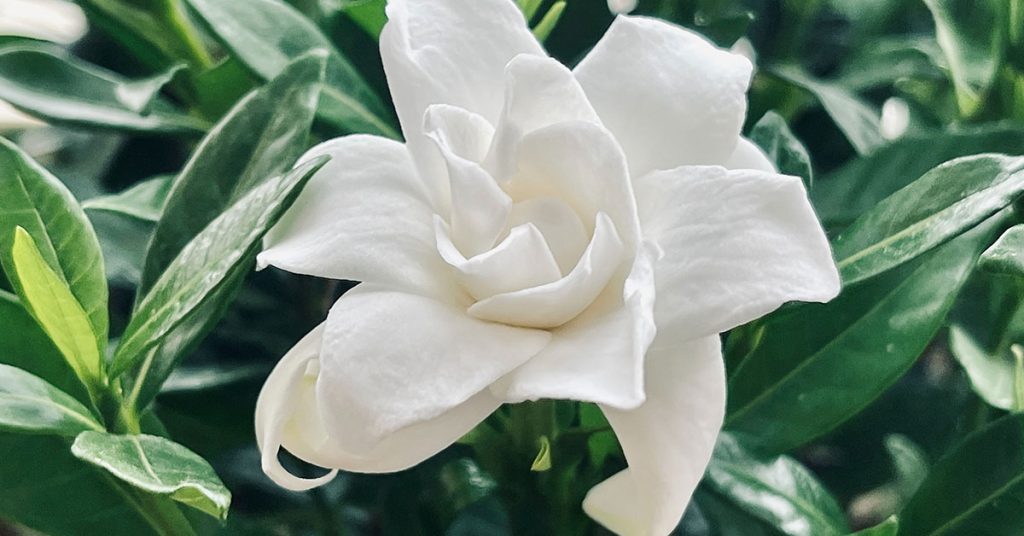
Gardenias are celebrated for their rich, creamy fragrance—a blend of jasmine and white roses—that fills a room instantly. Hailing from tropical Asia, they require acidic soil, humidity, and partial shade, and they’re not invasive when grown in containers or well-tended beds. Their glossy evergreen foliage provides a lush contrast to the fragrant ivory blooms in a vase.
Butterflies and sphinx moths sip nectar from gardenia flowers, often laying eggs on the undersides of leaves. Because cut gardenia blossoms wilt quickly, I recommend harvesting stems just before they fully open, then placing them in tepid water to coax them into bloom indoors—an indulgent treat for any flower lover!
Freesia (Freesia spp.)
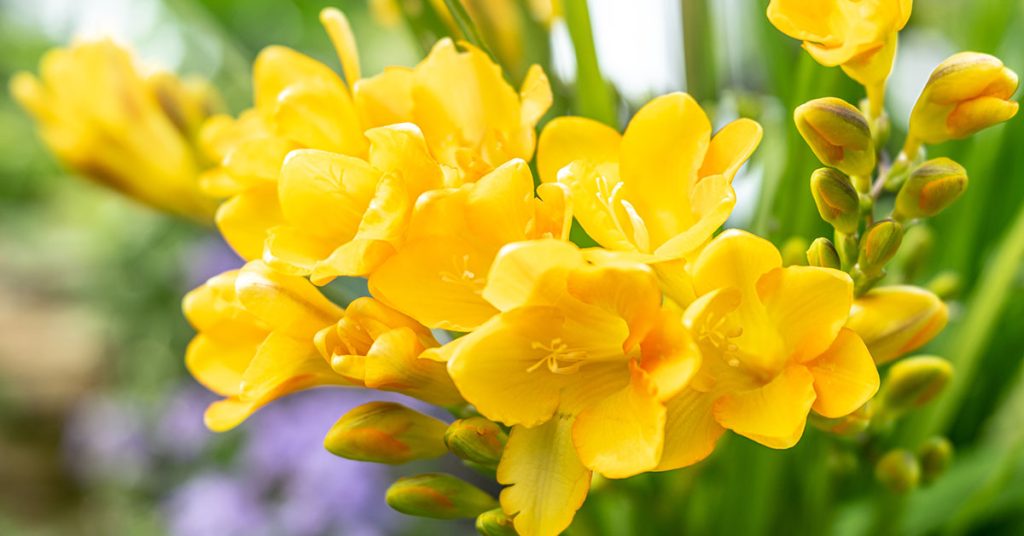
Freesias bring a citrusy, sweet fragrance and rainbow-hued trumpet flowers to early summer bouquets. Native to South Africa’s Cape Province, they thrive in well-drained, sandy soils and full sun, and they don’t naturalize aggressively outside their native range. Their long vase life and branching habit make them ideal for tall, airy arrangements.
The blooms attract bees and small hoverflies, which sometimes seek shelter in the dense base of the corm clusters. Planting freesia corms in drifts in your garden ensures a steady supply of fragrant stems you can cut without worry—truly a pick-your-own delight!
Hyacinth (Hyacinthus orientalis)
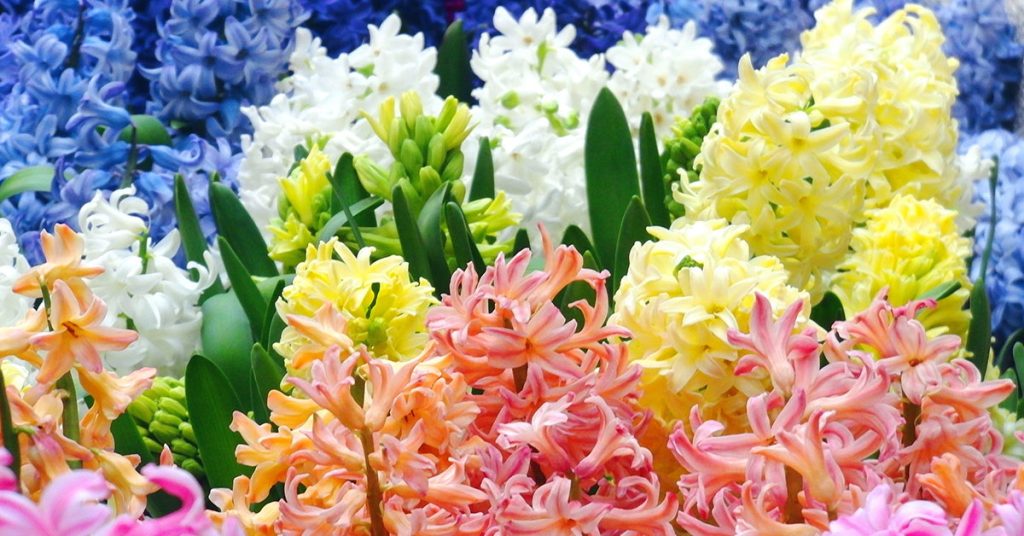
Few spring bulbs rival hyacinth’s heady, narcissus-like scent. Native to the eastern Mediterranean, they flourish in well-drained, moderately fertile soils and full sun to part shade, and they rarely become invasive in home gardens. Clustered flower spikes burst with dozens of blooms, making a striking—and fragrant—focal point in a short, stout vase.
Bees adore hyacinths’ abundant nectar, often nesting in nearby hollow stems or soil holes. When bringing hyacinths indoors, keep them cool to prolong bloom life and fragrance intensity—your living room will smell like a florist’s shop in full swing!
Mock Orange (Philadelphus coronarius)

Mock orange shrubs produce clusters of white, four-petaled blossoms whose scent evokes sweet orange blossoms. Native to southern Europe, they prefer well-drained, slightly alkaline soils in full sun to part shade and exhibit no invasive tendencies. Strong, woody stems allow the cut branches to stand tall in large urns or vases.
Bees and butterflies flock to mock orange flowers, often laying eggs on the sturdy stems. Harvesting fragrant branches right before full bloom—and refreshing your vase daily—ensures maximum aroma indoors, turning any room into a springtime dream!
Tuberose (Polianthes tuberosa)

Tuberose’s waxy white blooms release an unforgettable, heady fragrance nightly, making it a favorite in perfumery. Native to Mexico, it thrives in rich, well-drained soil and full sun, and it’s not considered invasive when grown from its tubers in garden beds. The tall flower spikes create dramatic focal points in oversized vases.
Night-flying moths are the primary pollinators of tuberose in the wild, but in gardens you may spot bumblebees visiting in daylight. Cut stems just as the lowest buds begin to open to extend vase life and experience that rich, velvety scent from sundown through the night!
Dianthus (Dianthus barbatus and D. caryophyllus)
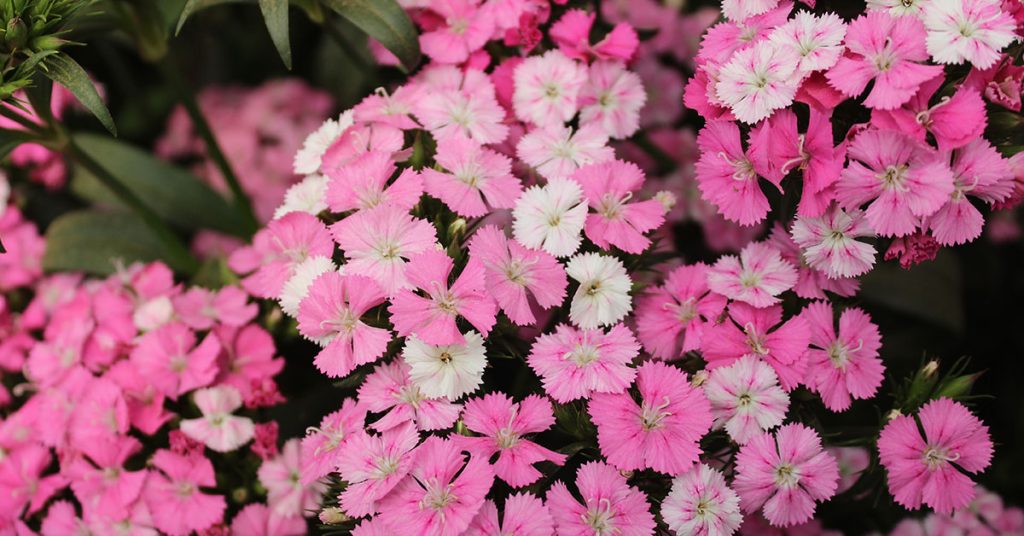
Carnations and sweet william both belong to the Dianthus genus, prized for their spicy, clove-like fragrance. Native to Europe and Asia’s alpine meadows, they prefer well-drained, neutral to alkaline soils and full sun, and they self-seed sparingly without becoming invasive. Single or double blooms add textural interest and scent to bouquets.
Their compact habit attracts ground-nesting bees that sometimes rear young in shallow soil cavities. Frequent cutting and deadheading encourage continuous flowering and ensure that every vase is redolent of spicy, old-fashioned charm!
Stock (Matthiola incana)
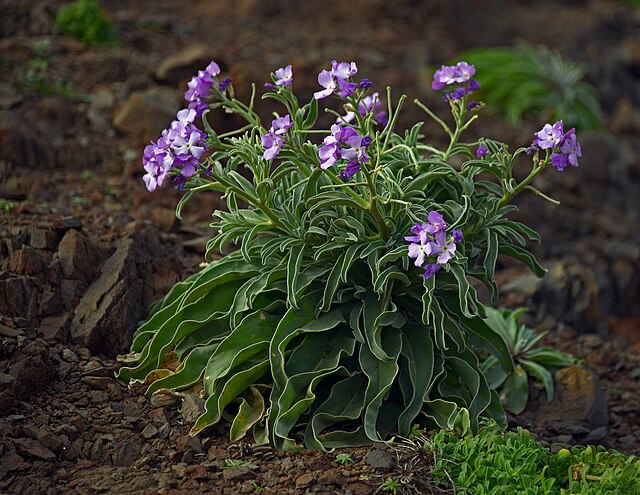
Stock flowers—also known as gillyflowers—deliver a rich, spicy scent reminiscent of cinnamon and cloves. Native to the Mediterranean, they thrive in cool, well-drained soils and full sun to part shade, disappearing in heat but rebounding in fall sowings. Short-lived but prolific, they’re perfect for mixed bouquets that brim with fragrance.
Butterflies and bees forage enthusiastically on stock blooms, and the plants often self-seed gently in favorable spots. Sowing succession crops every few weeks keeps stock in bloom for months, so you’ll always have those spicy-sweet stems ready for cutting!
Lily of the Valley (Convallaria majalis)
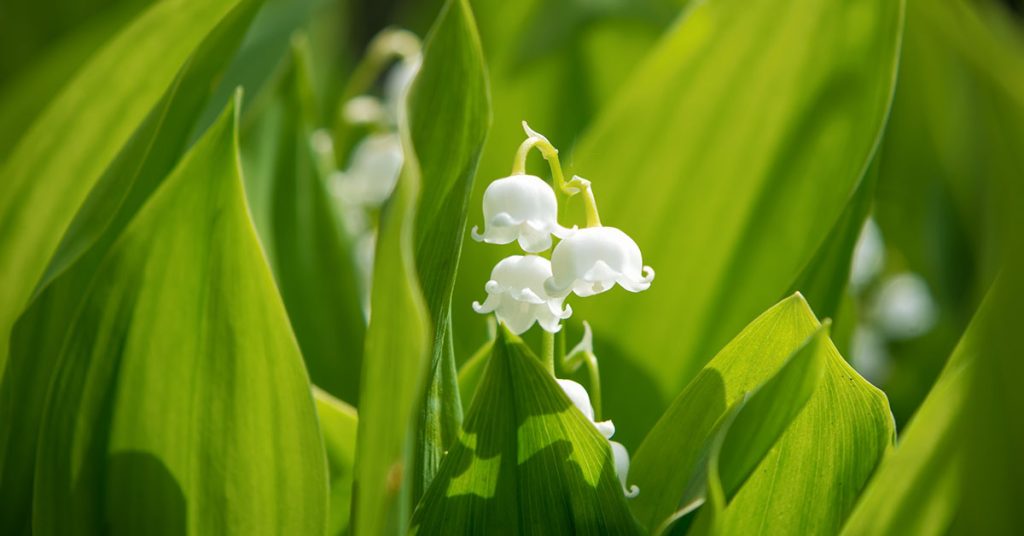
Delicate bells of lily of the valley emit a potent, honeyed perfume that seems to float on the breeze. Native to cool European woodlands, they thrive in moist, well-drained soils and part to full shade, spreading slowly via rhizomes without becoming invasive. Their arching stems and nodding flowers nestle beautifully in small, elegant vases.
Bees, especially bumblebees, love wedging into the tiny bells to sip nectar, and ground beetles often shelter in the leaf litter beneath. Since blooms are fleeting, cutting stems early in the morning and keeping them chilled ensures you capture their fleeting fragrance indoors!
Heliotrope (Heliotropium arborescens)
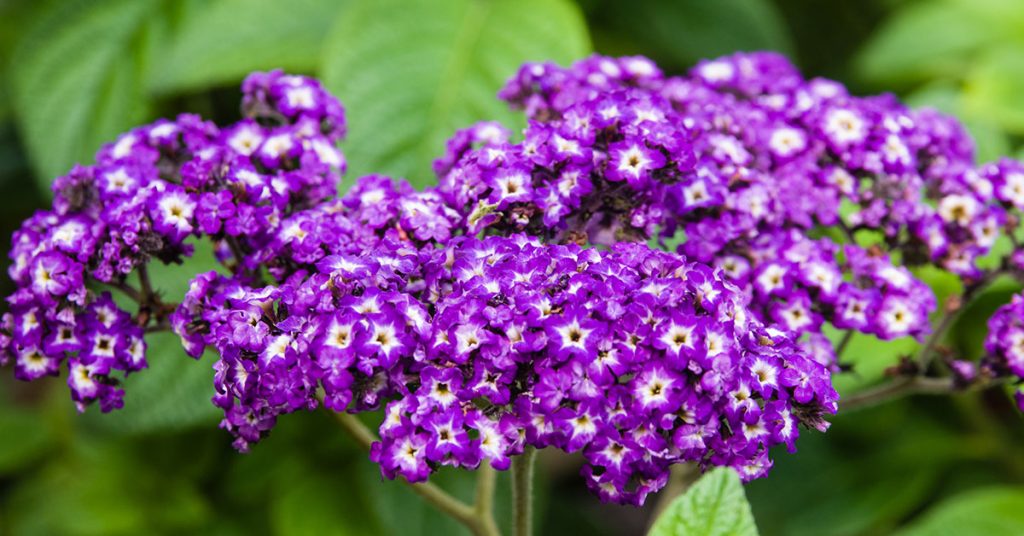
Heliotrope’s clusters of purple flowers release a sweet, vanilla-like scent that’s utterly addictive. Native to the Andes, it thrives in rich, well-drained soils and full sun to part shade, and it doesn’t naturalize aggressively. Short, branching stems hold up well in low vases, making helitrope a charming filler flower in mixed arrangements.
Bees and hoverflies visit frequently, nesting in sheltered nooks created by the plant’s leafy canopy. To extend vase life, cut stems just before full bloom and recut ends underwater—each breath of that vanilla aroma will make you smile!
Sweet Pea (Lathyrus odoratus)
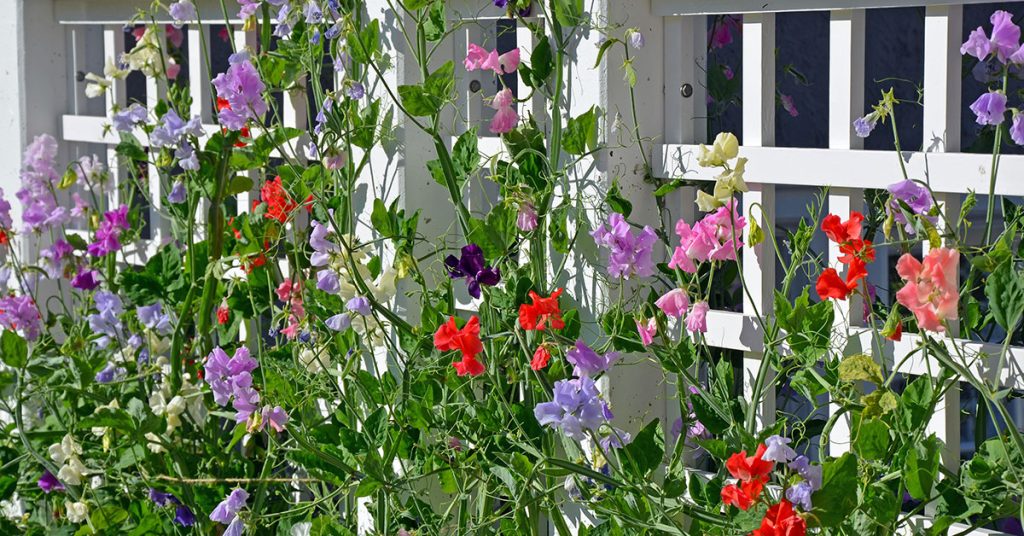
Sweet peas offer a delicate, floral-spice fragrance and ruffled petals in pastel hues. Originating in Sicily and southern Italy’s rocky slopes, they prefer cool, well-drained soils and full sun to part shade, and they climb vigorously on supports without being invasive. Their twining tendrils add movement and height to tall vases.
Bees visit sweet pea blossoms for pollen, while the plant’s tendrils can create cozy shelters for tiny solitary bees to nest nearby. Harvesting stems in the cool of morning extends vase life and locks in that signature classic sweet pea perfume—pure garden nostalgia!
Fragrant Geranium (Pelargonium graveolens)
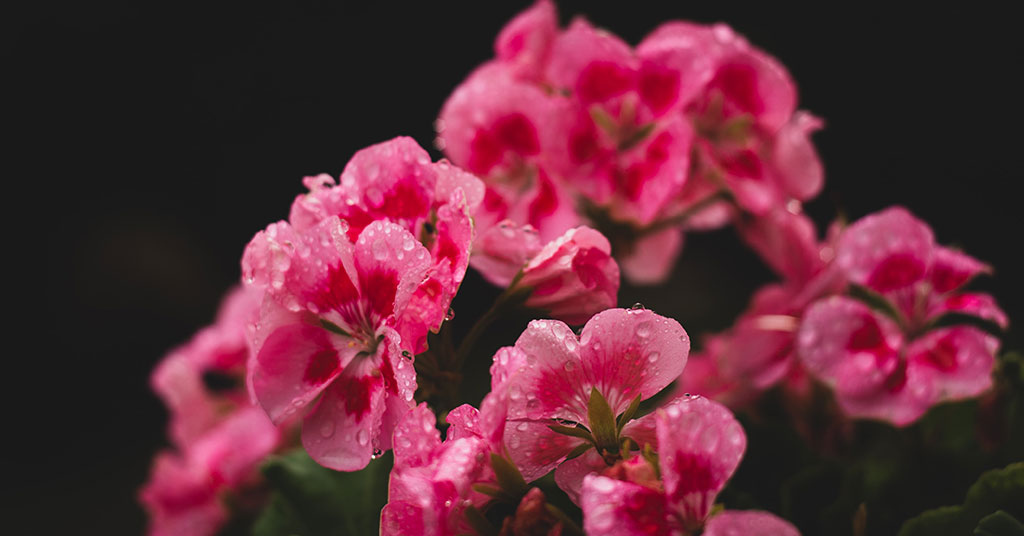
Often called rose-scented geranium, this tender perennial emits a lemon-rose fragrance when you brush its velvety leaves. Native to South Africa’s Cape region, it grows best in pots or containers with well-drained, slightly acidic soils and full sun to part shade, posing no invasive threat. Cut sprays of leaves and tiny blossoms make unique, aromatic accents in low bowls.
Ladybugs and lacewings sometimes hide in the dense foliage, preying on soft-bodied pests. For a burst of scent, crush a few leaves between your fingers before adding them to water—the immediate rush of fragrance is like capturing a summer breeze in your home!
Lilac (Syringa vulgaris)
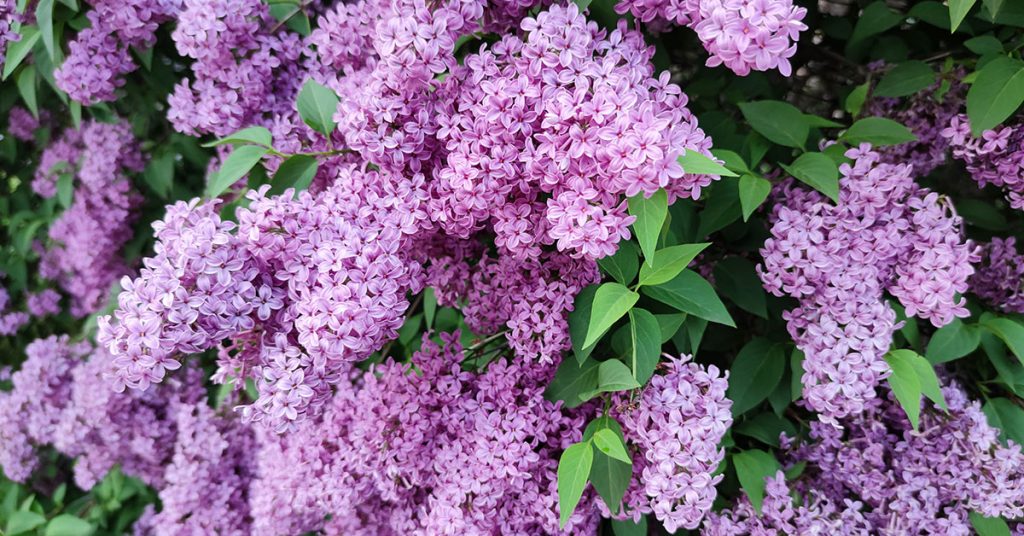
Lilacs herald spring with panicles of lavender or white blooms and a sweet, intoxicating scent that perfumes entire neighborhoods. Native to the Balkan Mountains, they grow best in cool climates with well-drained, slightly alkaline soils and full sun, and they’re not invasive when pruned regularly. Short lilac branches in a wide-mouthed vase create a glorious, fragrant display.
Bees and butterflies swarm lilacs during bloom, and the dense flower heads provide shelter for small beneficial insects like lady beetles. To maximize vase life, cut branches just as buds begin to open and recut stems underwater—every sniff will whisk you back to springtime bliss!