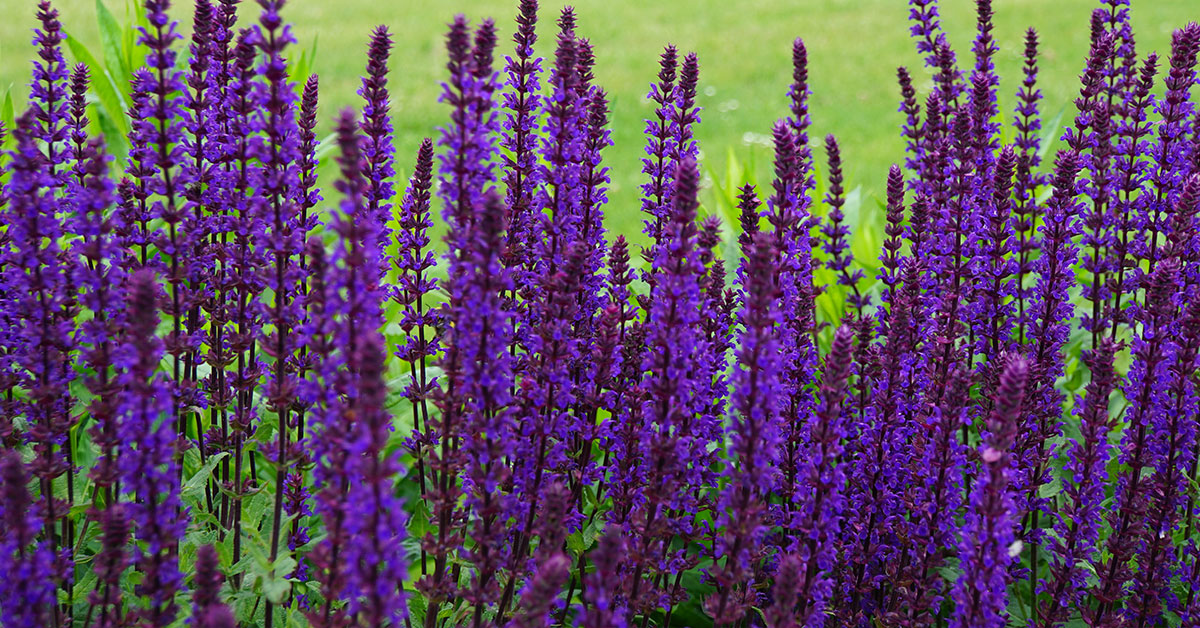

Integrating flowers into your vegetable garden isn’t just about creating a stunning visual display—it’s a powerful strategy to attract beneficial insects, deter pests, and promote overall garden health! As a passionate gardener who’s spent years experimenting with companion planting, I’m excited to share 16 fantastic flowers that pair beautifully with your vegetables. Whether you’re struggling with pest control or simply want to add a splash of color to your edible landscape, these flowers come with fascinating native backgrounds, intriguing behaviors, and proven benefits to your garden’s ecosystem.
I completely understand the frustrations of battling pests and trying to maintain a balanced garden—I’ve been there too! In this article, you’ll find detailed insights on each flower, from its origin and growth habits to its ability to provide nesting spots for beneficial insects. With a friendly tone and plenty of personal anecdotes, I hope to inspire you to incorporate these blooms into your vegetable garden and transform your outdoor space into a vibrant, synergistic paradise!
Calendula

Calendula, also known as pot marigold, is a cheerful flower that brings a burst of sunny color to your vegetable garden while offering pest-repellent properties. Native to Southern Europe and the Mediterranean, Calendula has been used for centuries not only for its beauty but also for its medicinal qualities. I’ve found that its vibrant orange and yellow blooms create a delightful contrast against the greenery of vegetables, making it a standout companion that attracts beneficial insects without competing for attention!
What makes Calendula even more exciting is its ability to lure tiny pollinators and provide nesting spots for predatory insects that help control garden pests. Though it can spread easily under ideal conditions, it is generally not considered invasive when maintained properly. By adding Calendula to your vegetable garden, you’ll enjoy both a pop of color and an eco-friendly boost that supports a thriving, balanced ecosystem!
Sweet Alyssum
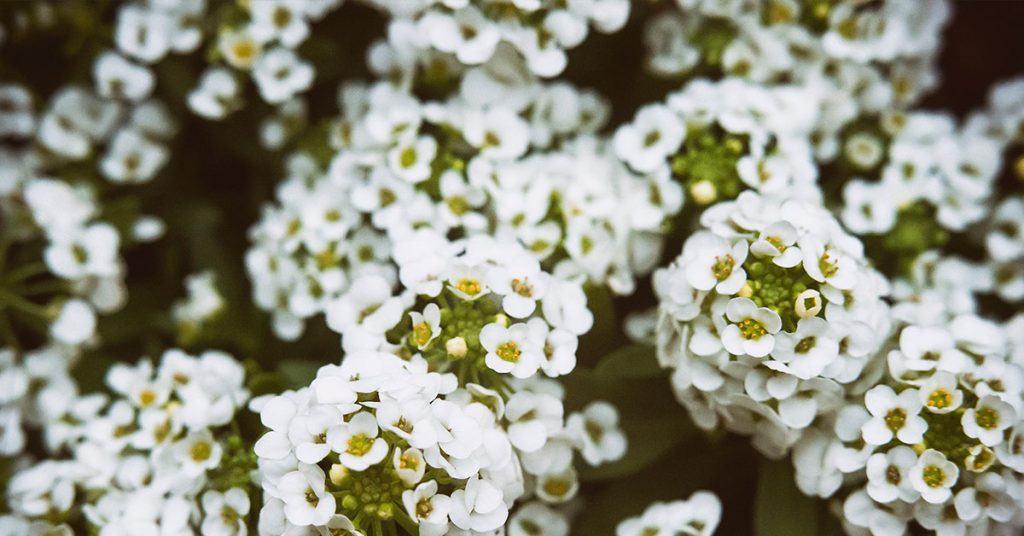
Sweet Alyssum is a delicate, fragrant flower that pairs wonderfully with vegetables, offering both beauty and natural pest management benefits. Native to regions around the Mediterranean and parts of Asia, this low-growing annual produces a carpet of tiny white or purple blossoms that fill your garden with a sweet aroma. I’ve always appreciated how its subtle charm softens the borders of a vegetable patch, creating a welcoming environment for both gardeners and beneficial insects!
Beyond its aesthetic appeal, Sweet Alyssum attracts a variety of pollinators and even encourages predatory insects to nest within its dense clusters, contributing to natural pest control. This flower is not considered invasive and tends to stay well-behaved when planted alongside vegetables, making it an excellent choice for companion planting. Its delightful scent and positive impact on garden health make Sweet Alyssum a must-have for anyone looking to boost both flavor and function in their garden!
Marigold
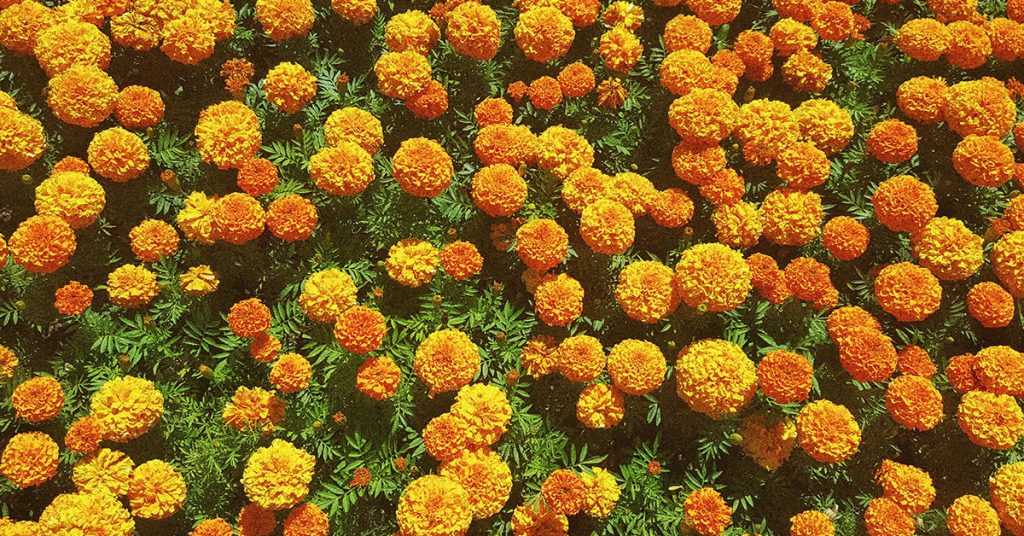
Marigolds are a staple in vegetable gardens, celebrated for their vibrant hues and impressive pest-repelling properties. Native to Central and South America, these hardy annuals offer a striking display of orange, yellow, and red blossoms that complement your vegetables while helping to deter nematodes and other pests. I’ve experienced firsthand the benefits of planting marigolds—they add a joyful pop of color and create a natural barrier against unwelcome insects!
Their dense, aromatic foliage and conspicuous blooms also serve as a magnet for beneficial insects, providing shelter and occasional nesting spots that enhance the garden’s ecosystem. While some varieties can be prolific spreaders, marigolds are generally non-invasive when managed correctly. Their dual role as a decorative and functional plant makes marigolds a favorite choice for gardeners seeking to harmonize beauty and utility in their vegetable patches!
Borage

Borage is an extraordinary flower known for its star-shaped, sky-blue blossoms that not only charm the eye but also improve soil fertility. Native to the Mediterranean region, borage has a rich history as both a culinary herb and a natural companion plant for vegetables. I love how its vibrant blue flowers offer a striking contrast to the greenery of my vegetable garden while also attracting a variety of beneficial insects that can help maintain pest control!
What makes borage particularly fascinating is its tendency to create microhabitats within its bushy structure, where tiny insects can nest and flourish, boosting the overall health of your garden ecosystem. Although borage is a vigorous grower, it is typically not considered invasive, especially when regularly thinned and incorporated as part of a planned companion planting strategy. Its ability to enrich the soil and attract pollinators makes borage a truly remarkable addition to any vegetable garden!
Nasturtium

Nasturtium is a versatile flower that brings a burst of vivid color to your vegetable garden while serving as a natural pest deterrent. Native to South America, these annuals produce bold, peppery-scented blossoms in shades of red, orange, and yellow that not only enhance visual appeal but also have edible qualities. I’ve always found that nasturtiums lend a playful, rustic vibe to vegetable patches and help protect nearby crops from aphids and whiteflies!
Their sprawling vines and large, rounded leaves offer excellent ground cover, often providing micro-niches where beneficial insects might take refuge or even nest. While nasturtiums are quick to self-seed, they are generally not invasive and can be easily managed by periodic thinning. With their dual benefits of beauty and utility, nasturtiums are a brilliant companion plant that can transform your vegetable garden into a colorful, functional haven!
Cosmos
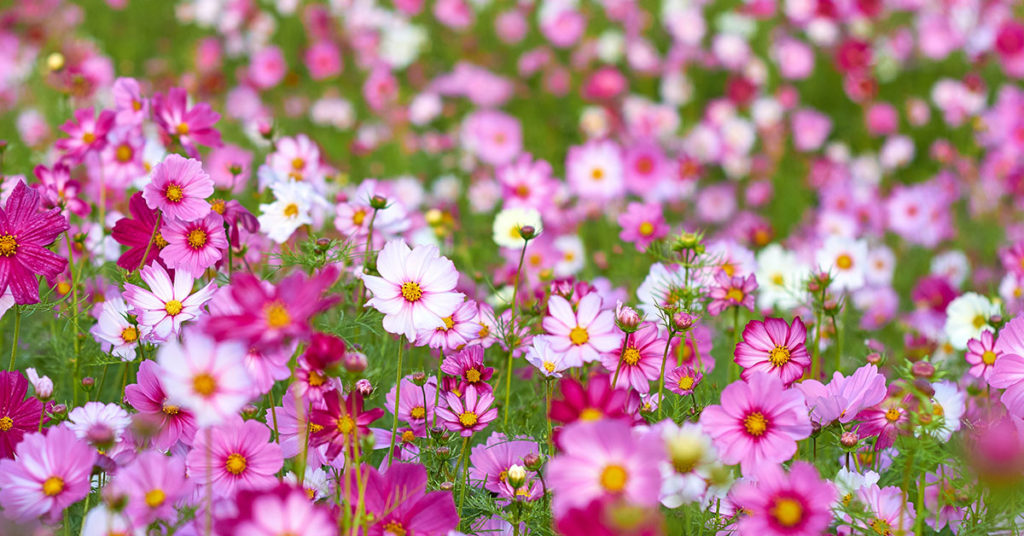
Cosmos is a stunning, airy annual that infuses any vegetable garden with a sense of lightness and color. Native to Mexico and other parts of Latin America, these daisy-like blooms come in a range of colors—from soft pinks to fiery oranges—and are known for their delicate, feathery foliage. I always enjoy how cosmos seem to dance in the breeze, adding a touch of whimsy and elegance to vegetable patches while attracting a host of beneficial insects!
The open structure of cosmos flowers makes them excellent landing pads for pollinators and even provides subtle nesting areas for small predatory insects that help keep pest populations in check. While cosmos are prolific bloomers, they are not considered invasive when grown as part of a managed garden plan. Their effortless beauty and positive ecological contributions make cosmos a delightful and practical choice for companion planting alongside your vegetables!
Sunflower
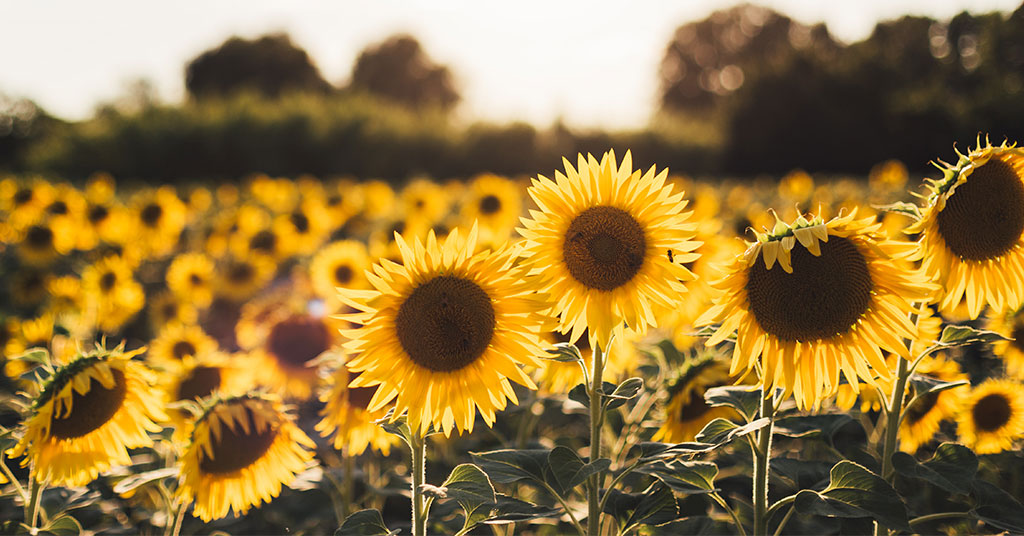
Sunflowers, with their towering presence and cheerful, radiant blooms, are a striking addition to any vegetable garden. Native to North America, these iconic flowers are more than just a pretty face—they serve as natural beacons for pollinators while providing shade and wind protection to delicate vegetable plants. I’ve always been thrilled by the way sunflowers command attention in the garden, lending an uplifting energy and a sense of optimism to every corner they grace!
Beyond their visual impact, sunflowers have deep, robust stems that can create a microenvironment for beneficial insects, offering safe spots for them to nest and thrive. While sunflowers can spread quite rapidly in favorable conditions, they are not typically considered invasive when managed as part of a mixed planting scheme. Their ability to support a vibrant garden ecosystem while adding a bold splash of color makes sunflowers an indispensable companion for vegetable gardens!
Petunia
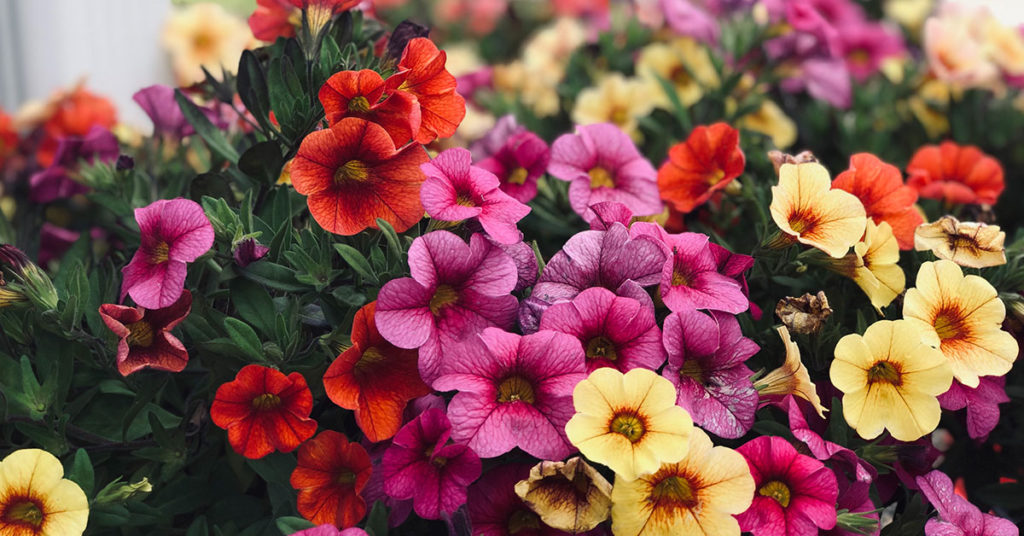
Petunias are a popular choice for adding vibrant splashes of color and a touch of elegance to vegetable gardens. Native to South America, these annuals exhibit a diverse array of hues and forms, making them a delightful visual complement to your edible plants. I enjoy incorporating petunias into my vegetable garden not only for their beauty but also for their ability to attract beneficial insects that help maintain a balanced ecosystem!
Their sprawling growth habit creates natural corridors that can serve as nesting sites for small predatory insects, which in turn help keep harmful pests at bay. While petunias are known for their vigorous blooming, they are generally non-invasive when planted alongside other garden species. The combination of their aesthetic appeal and functional benefits makes petunias a superb companion flower to boost the health and beauty of your vegetable garden!
Lavender

Lavender is a wonderfully fragrant flower that enhances vegetable gardens with its soothing aroma and striking purple spikes. Native to the Mediterranean region, lavender has long been prized for its medicinal and culinary uses, as well as its ability to repel pests. I’ve always been fascinated by the way lavender adds a touch of serenity and sophistication to my garden, while also attracting a variety of beneficial insects that appreciate its nectar-rich blooms!
Its dense, aromatic foliage creates small, cozy niches that can serve as nesting spots for non-harmful insects, thereby contributing to a more balanced garden ecosystem. Although lavender tends to spread under ideal conditions, it is not considered invasive when its growth is properly managed through regular pruning. With its combination of beauty, fragrance, and pest-repelling properties, lavender is an exceptional companion plant that elevates the overall ambiance of any vegetable garden!
Dianthus
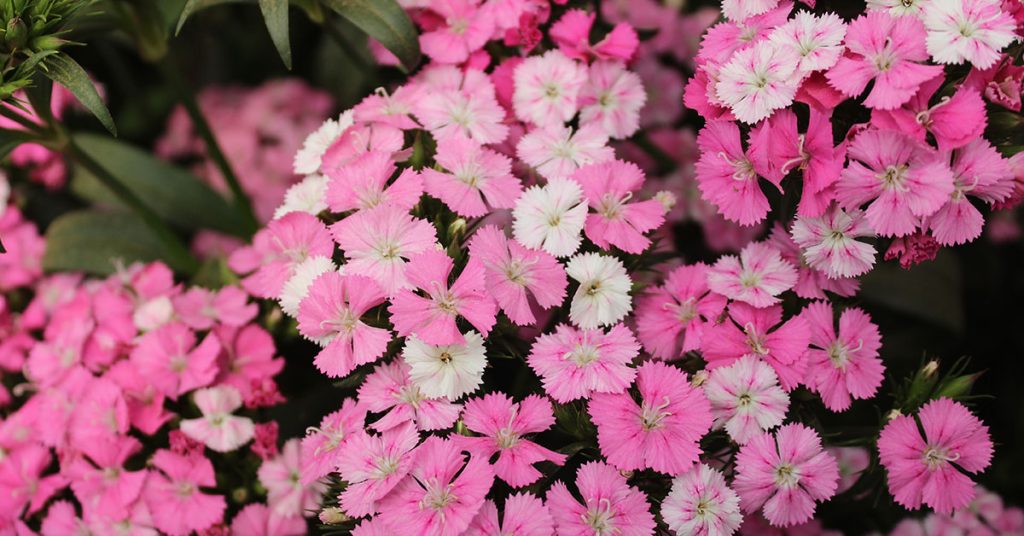
Dianthus, commonly known as carnations or pinks, are delightful, fragrant flowers that bring a touch of old-world charm to vegetable gardens. Native to Europe and parts of Asia, these perennial blooms come in a spectrum of delicate hues and are celebrated for their spicy-sweet fragrance and finely textured petals. I’ve always enjoyed how dianthus can soften the rugged edges of a vegetable patch, creating a harmonious blend of aesthetics and natural pest management!
Their compact, mounded growth habit often attracts tiny pollinators and beneficial insects that can use the dense foliage as safe nesting spots. Dianthus is typically non-invasive, making it a reliable choice for gardeners who want to add a dash of vintage elegance without the hassle of aggressive spreading. Embracing dianthus in your vegetable garden not only enhances its visual appeal but also supports a thriving, balanced ecosystem that keeps pesky invaders at bay!
Coneflower

Coneflowers, or Echinacea, are not only eye-catching with their bold, daisy-like blooms and spiky centers, but they also serve as powerful allies in your vegetable garden. Native to North America, coneflowers have a storied history as both ornamental and medicinal plants. I appreciate how their vibrant purple or pink petals add a dynamic flair to vegetable patches, while their robust structure attracts beneficial insects that contribute to natural pest control!
The distinctive conical center of these flowers provides a perfect microhabitat for small, predatory insects that can help manage garden pests by nesting within its structure. Although coneflowers are known for their vigorous growth, they are generally non-invasive when integrated into a well-planned garden design. Their combination of striking beauty, health benefits, and ecological support makes coneflowers an excellent companion for any vegetable garden!
Geranium (Pelargonium)
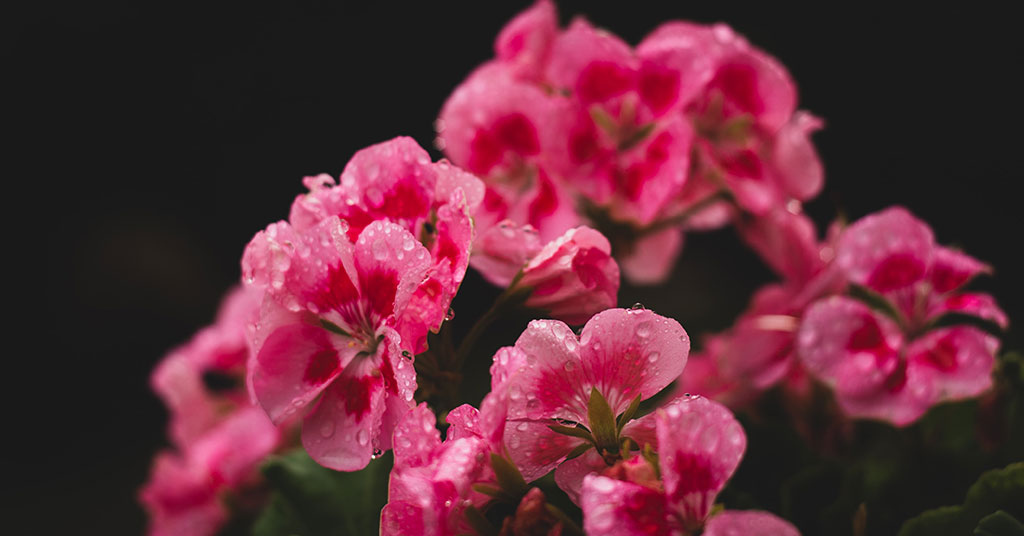
Geraniums, particularly the Pelargonium varieties, are a garden favorite that add both vivid color and practical benefits to vegetable patches. Native to South Africa, these plants are treasured for their robust, aromatic foliage and bright, clustered blooms that range from deep reds to soft pinks. I’ve often found that geraniums bring a sense of vibrancy and cheer to my vegetable garden, while their subtle scent helps to naturally repel certain pests!
Their bushy habit creates cozy nooks that attract small beneficial insects, providing them with sheltered nesting areas and boosting the overall ecological balance of the garden. While geraniums can sometimes spread quickly, they are generally considered non-invasive when maintained with regular pruning. With their striking colors and multifunctional properties, geraniums are an outstanding choice to pair with your vegetables and enhance the beauty and health of your garden!
Zinnia
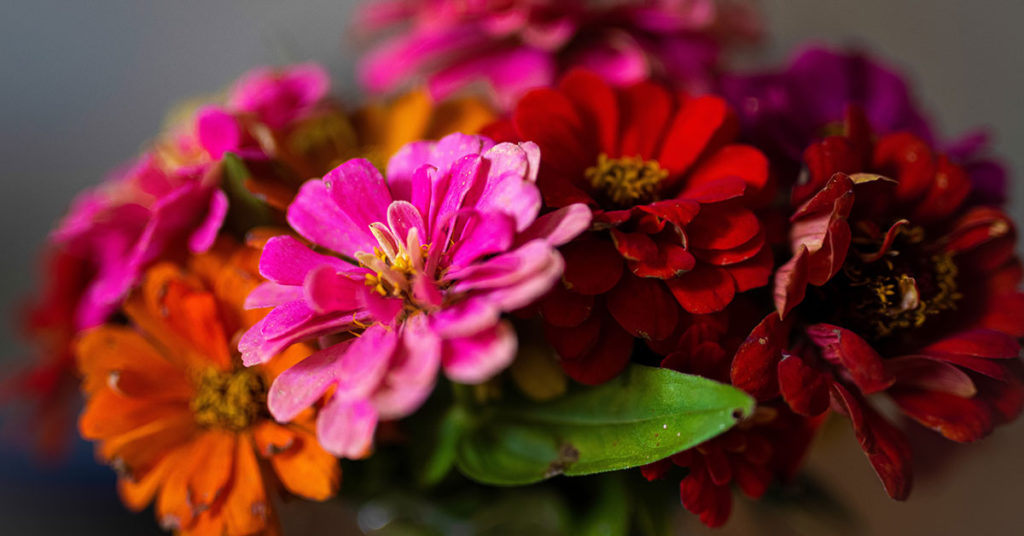
Zinnias are a burst of color and vitality, making them perfect companions to your vegetable garden. Native to Mexico and South America, these annuals come in a dazzling array of colors and forms, adding a playful and energetic vibe to the garden space. I’m always excited by how zinnias attract an array of beneficial insects, including bees and butterflies, that help pollinate both the flowers and your vegetable crops, creating a lively and balanced garden ecosystem!
Their open, daisy-like blooms often provide small crevices where beneficial insects can find shelter and even nest, contributing to natural pest management. Zinnias are generally non-invasive, thriving in warm climates with minimal care, which makes them ideal for adding a pop of cheerful color without overwhelming your vegetable patch. Their impressive visual appeal and ecological benefits make zinnias a superb addition to any garden aiming to blend beauty with function!
Sweet Pea
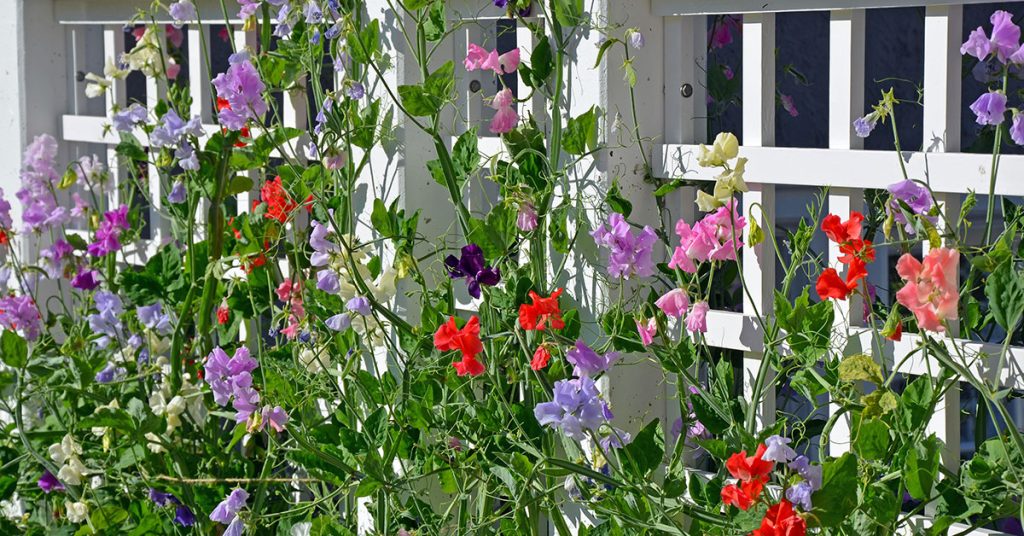
Sweet Peas are renowned for their intoxicating fragrance and delicate, pastel-colored blooms that can beautifully complement a vegetable garden. Native to the Mediterranean and parts of the Middle East, these climbing annuals not only provide a delightful scent but also attract beneficial insects that play a role in natural pest control. I find that sweet peas add a romantic, old-fashioned charm to my garden, making even the most practical vegetable patches feel like a scenic retreat!
Their climbing nature means they can be trained on trellises, creating a living, fragrant backdrop that doubles as a nesting haven for small beneficial insects. Though sweet peas can self-seed under ideal conditions, they are not typically considered invasive when managed properly. Their enchanting aroma and elegant blossoms make sweet peas a captivating and practical choice for gardeners looking to enrich their vegetable gardens with a touch of nostalgic beauty!
Ageratum
Ageratum is a lesser-known but wonderfully charming flower that pairs beautifully with vegetables, thanks to its soft, fluffy clusters of blue or purple blooms. Native to tropical regions of Central and South America, this annual offers a gentle contrast to the structured forms of vegetable plants, creating a harmonious blend in the garden. I’ve always been delighted by ageratum’s subtle yet captivating presence—it’s like a cool whisper of color that brightens up the vegetable patch without overpowering it!
Its delicate flower clusters can attract small pollinators and beneficial insects that may use the tiny blossoms as temporary nesting sites, thereby enhancing natural pest control. Ageratum is typically non-invasive and thrives with minimal maintenance, making it an excellent companion for gardeners who want an effortless yet impactful addition to their vegetable gardens. With its airy texture and calming hue, ageratum is a hidden gem that truly elevates your garden’s aesthetic and ecological balance!
Salvia
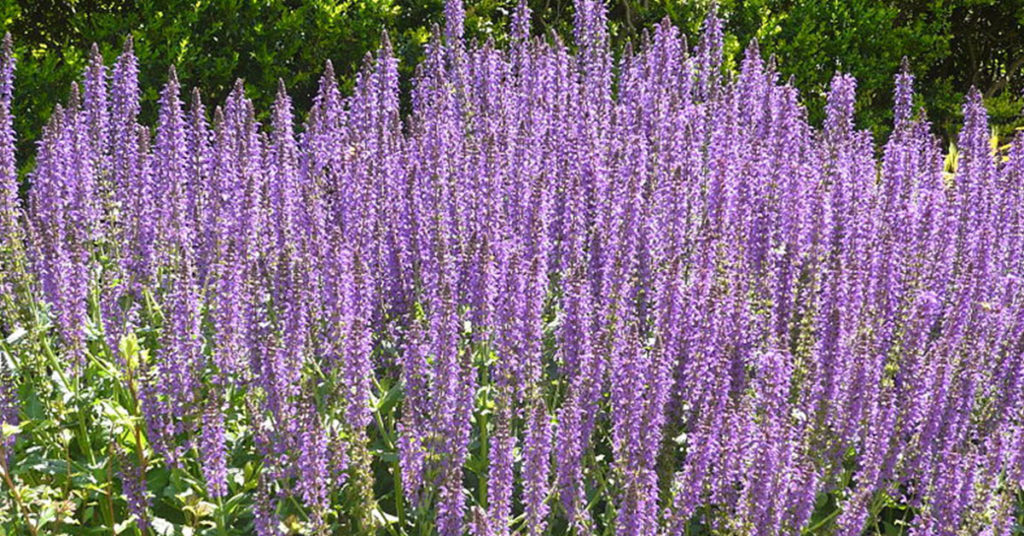
Salvia, with its bold, spiky blooms and aromatic foliage, is a striking addition to any vegetable garden. Native to diverse regions including Central and South America, as well as parts of Asia, salvias come in many varieties and colors, making them versatile companions to your vegetables. I’m always inspired by how salvias add a dramatic focal point to the garden, while their nectar-rich flowers attract beneficial pollinators that help maintain a vibrant, healthy ecosystem!
The upright, robust habit of salvia not only provides a splash of color but also creates niches where tiny beneficial insects might nest, supporting natural pest control efforts. Although some species of salvia can spread rapidly under ideal conditions, they are generally considered non-invasive when integrated into a thoughtfully designed garden. Their impressive resilience, coupled with their visual and ecological benefits, makes salvia a fantastic companion flower to plant alongside your vegetables!