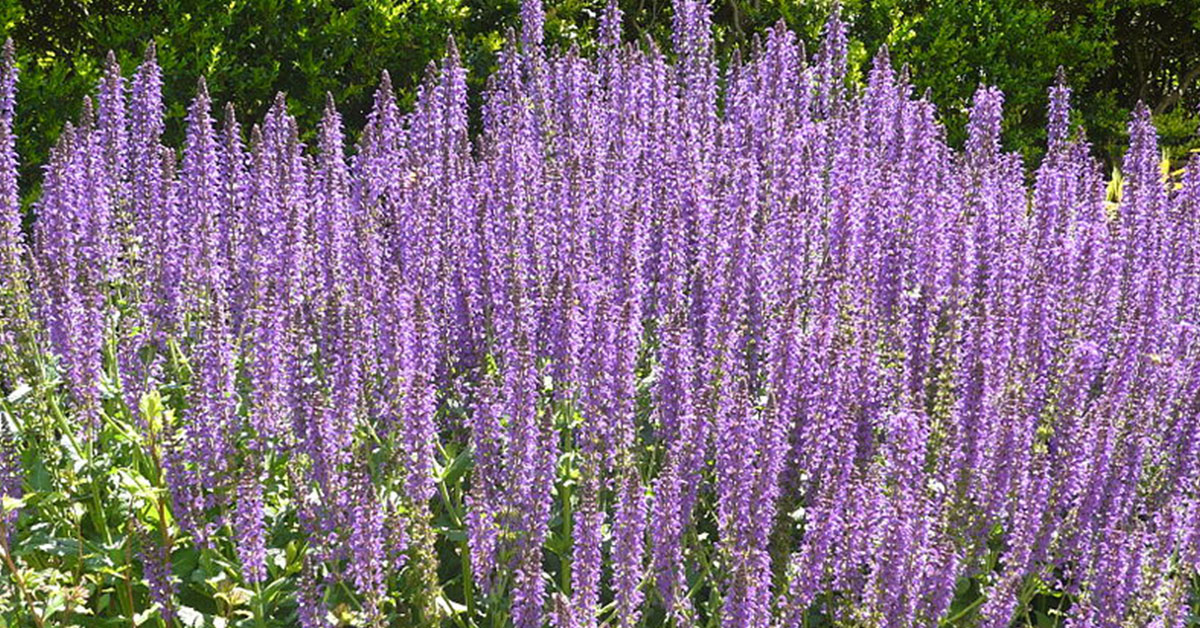

Basking your garden in full sun can feel like unlocking its brightest potential, but choosing the right blooms is key to avoiding scorched petals and sad, wilted leaves. I know how frustrating it is to plant hopeful seedlings only to watch them droop under relentless rays! These sun‑loving flowers not only thrive in high‑light conditions but also reward you with extended blooms, vibrant color, and an open invitation to beneficial pollinators.
Whether you’re crafting a blazing border or filling containers on a south‑facing patio, these sixteen sun‑worshippers hail from a variety of native habitats—from Mediterranean hillsides to North American prairies. None are aggressive invaders in typical garden settings, and many attract nesting bees, butterflies, and other helpful insects. Let’s dive into these stellar performers and discover how to help them shine!
Salvia
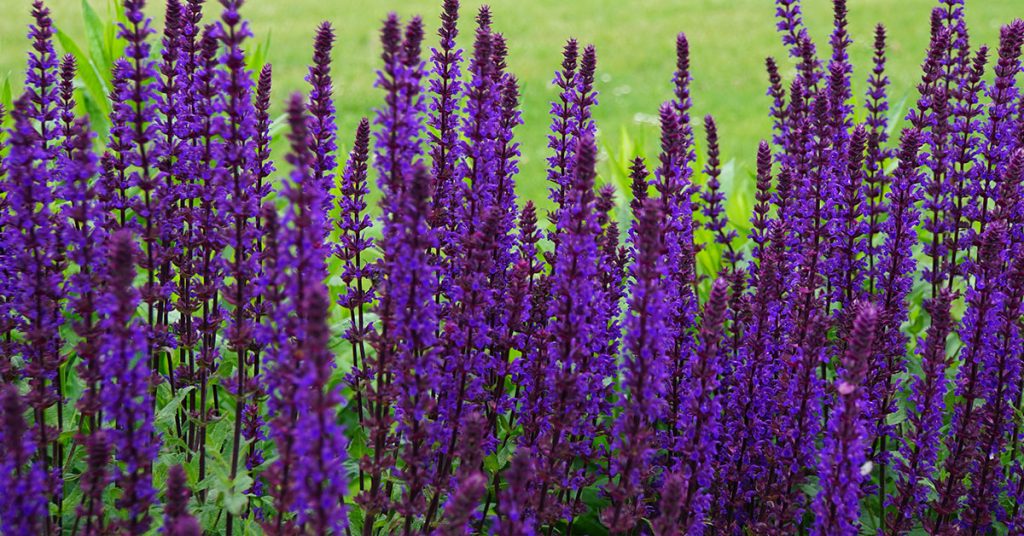
Salvias, native across the Americas and the Mediterranean, boast spiky flower stalks in shades of blue, purple, red, and white. Thriving in hot, dry conditions, they reward full‑sun exposure with prolific blooms that attract hummingbirds and native solitary bees, which nest in bare soil patches nearby. I always marvel at how these hardy plants stand tall when other tender perennials flop under the midday sun!
Their drought tolerance means you can water sparingly once established, allowing soil to dry between deep soakings. Because salvias aren’t invasive in most regions, you’re free to mulch lightly—this preserves moisture and provides ground‑nesting bees with the earthen crevices they need to establish their next generation.
Gaillardia (Blanket Flower)
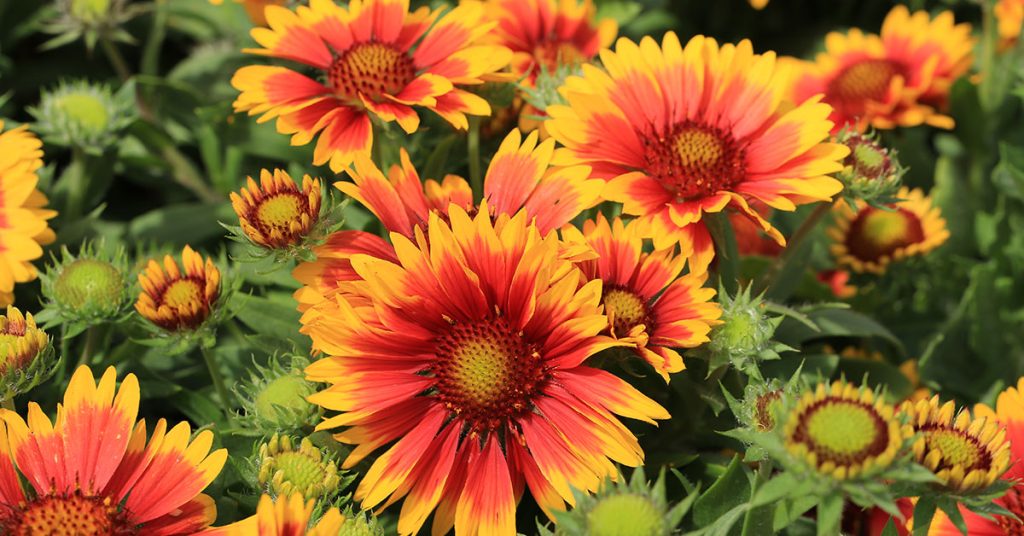
Blanket flowers hail from North American plains, gracing sunny meadows with fiery red and yellow blooms. These daisy‑like perennials thrive in poor, well‑draining soil, making them perfect candidates for dry borders. Their open centers serve as landing pads for hoverflies and small bees, which find nesting material in the coarse leaf litter below!
Deadheading spent flowers prolongs blooming, and lightly dividing mature clumps every few years prevents overcrowding. Gaillardias aren’t considered invasive in garden beds, so you can enjoy nonstop color without them taking over more than their well‑deserved share of the spotlight.
Coreopsis
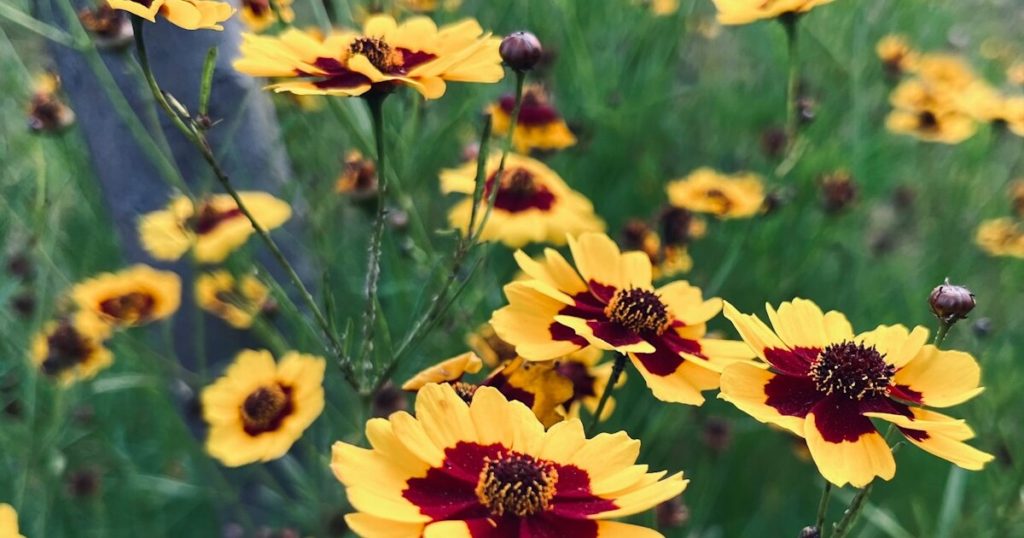
Also known as tickseed, coreopsis is native to the eastern United States and Central America, offering masses of cheerful yellow or pink‑tinged blooms. Full sun and lean soil encourage constant flowering, and the plants’ open, flat heads attract butterflies and small bees that nest in sandy soils. It’s such a joy to spot a bumblebee probing coreopsis petals at dawn!
These carefree perennials rarely spread aggressively, though occasional self‑seeded volunteers can be easily removed. Leaving small soil patches bare around the base provides nest sites for ground‑dwelling pollinators, strengthening your garden’s natural pest-control network.
Cosmos
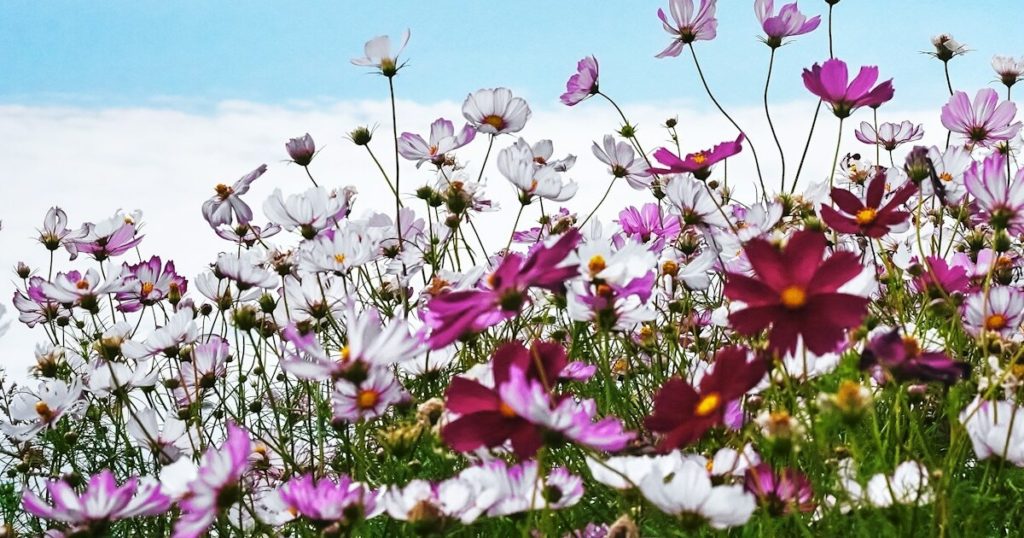
Originating in Mexico, cosmos delights with airy foliage and daisy‑like flowers in pink, white, and crimson. Tolerant of heat and drought, they bloom from early summer until frost under brilliant sun. Their open flower centers are a magnet for beneficial insects—hoverflies, lacewings, and native bees—that nest nearby in undisturbed soil.
Staking tall varieties prevents flopping, but many cosmos remain upright on their own, making them low‑maintenance sun stars. Deadhead spent blooms to encourage new ones, and you’ll enjoy a continuous parade of color without fear of invasiveness, as cosmos rarely escape cultivated borders in most climates.
Zinnia
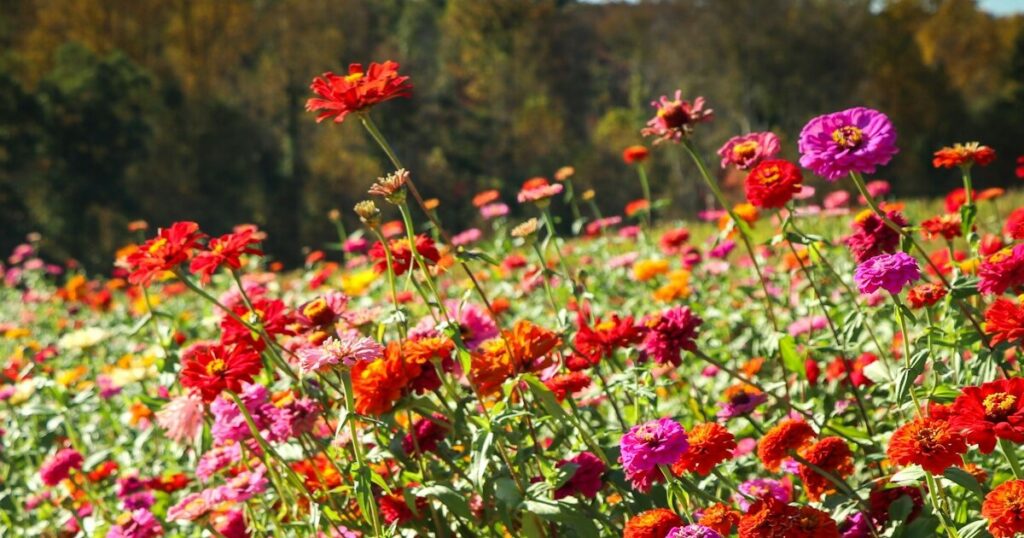
Zinnias, native to Mexico, thrive in hot, sunny spots, rewarding gardeners with bold, pom‑pom blooms in an array of hues. Their flat‑topped flowers provide perfect landing platforms for butterflies and solitary bees, which often nest in shaded ground beneath the foliage. I love how zinnias turn my garden into a fluttering haven of pollinator activity!
These annuals are easy to grow from seed, and successive sowings keep your beds bursting with color. While self‑seeding can occur, it seldom leads to overcrowding—simply pull stray seedlings if they sprout where you don’t want them, and let the main show go on!
Echinacea (Purple Coneflower)
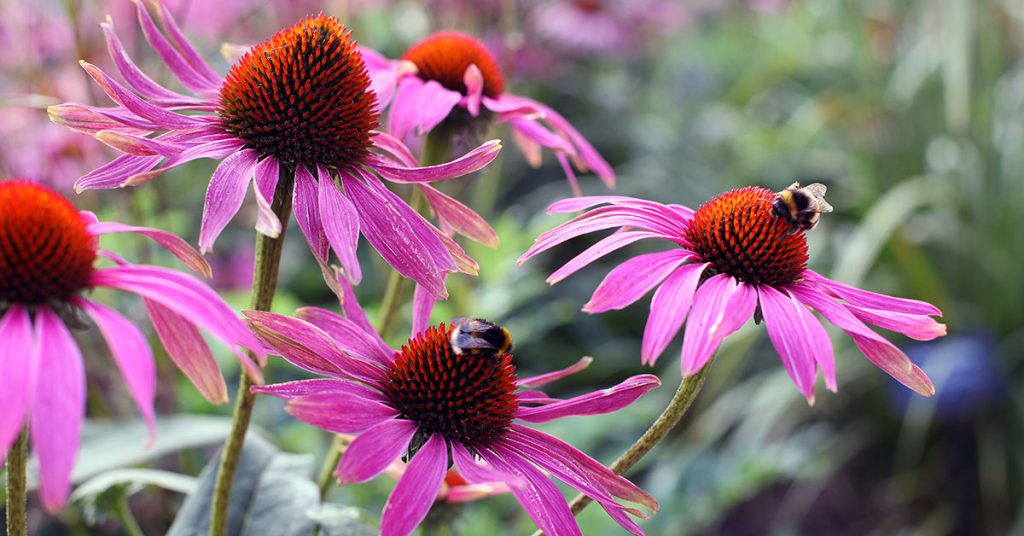
Echinacea, the iconic prairie native, flourishes under full sun with minimal water, producing sturdy stems topped with rosy‑purple cones. Their nectar‑rich blooms attract goldfinches and hairstreak butterflies, while bees often nest in nearby bare soil patches. Watching finches perch on spent seedheads feels like nature’s encore!
These perennials spread slowly by rhizome, but they’re not invasive—dividing clumps every three to four years keeps them vigorous and contained. The long-lasting blooms lend structure to borders and bring year‑round interest when you leave seedheads standing for winter wildlife.
Marigold
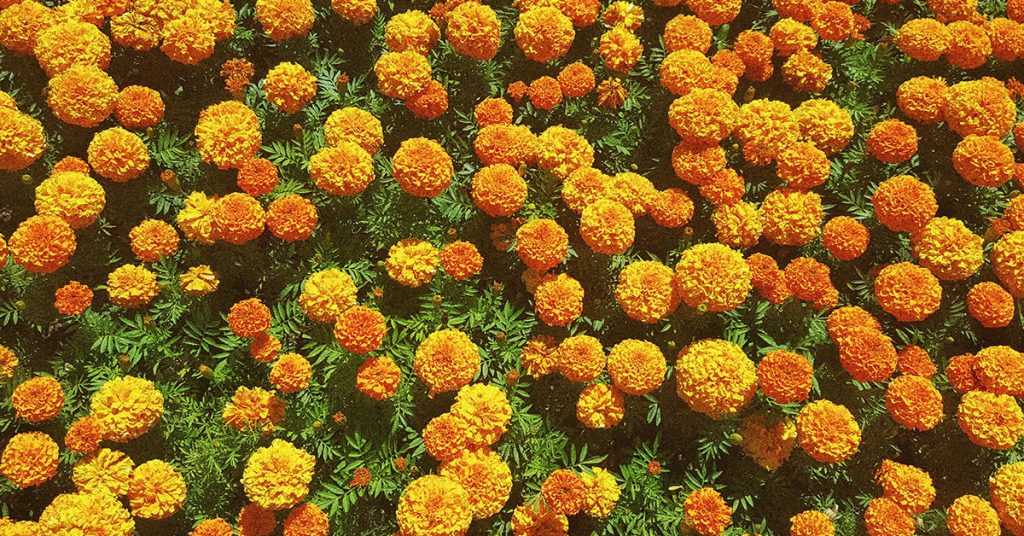
Marigolds, hailing from Mexico, bring sunshine to any garden with their golden and fiery orange blooms. Their dense flower clusters attract hoverflies and parasitic wasps, which nest in nearby ground cover and help control aphids. It’s such a relief when these beneficials take up residence, keeping pests in check naturally!
As non‑invasive annuals, marigolds can be interplanted with vegetables or herbs to boost biodiversity. Deadhead regularly to keep flowers coming and scatter seeds for next year’s display—just expect a bit of cheerful volunteer growth around the edges.
Sunflower

Sunflowers, native to North America’s grasslands, love unabashed sun and respond with towering stalks crowned in bright yellow rays. Their ample seed heads attract finches and native sparrows, while bees nest in soil beneath the stems. One of my favorite summer sights is a flock of goldfinches lining up to feast on sunflower seeds!
Planting in groups creates a microhabitat that shelters soil‑nesting bees from wind. Although some species can self‑seed, they’re not invasive; simply collect mature seeds or pull stray sprouts if you want to manage their spread.
Lavender

Lavender, originating from the Mediterranean, flourishes in hot, dry, sunny conditions and well‑draining soil. Its fragrant purple spikes are irresistible to honeybees and solitary mason bees, which nest in tiny holes in dry earth. I always feel a sense of zen as I watch bees buzz among lavender blooms!
Lavender rarely strays beyond its allotted space when planted in gravelly beds or containers, making it an excellent choice for border edges. Prune lightly after flowering to maintain shape and encourage a second flush of blooms.
Portulaca (Moss Rose)

Portulaca, native to South America, unfolds its vibrant, rose‑like blooms only under full sun, closing them on cloudy days. Its succulent foliage retains moisture, perfect for hot, drought‑prone spots. These low‑growing annuals attract small butterflies and ground‑nesting bees seeking shelter under their mats.
Because portulacas stay compact and never invade larger beds, they’re ideal for rock gardens and container displays. Scattering fresh seeds mid‑season ensures a prolonged show of color without overwhelming surrounding plantings.
Yarrow

Yarrow, indigenous to Europe and temperate Asia, sports flat clusters of white, yellow, or pink flowers atop ferny foliage. Tolerant of heat and poor soil, it thrives under blazing sun and draws predatory insects like lady beetles and lacewings, which overwinter in its leaf litter. Watching lacewings patrol yarrow blooms is a gardener’s delight!
Yarrow can spread by rhizome over several years, but simply cut back old clumps and divide as needed to prevent dominance. Its enduring blooms and insect‑friendly structure make it a valuable sun garden staple.
Daylily
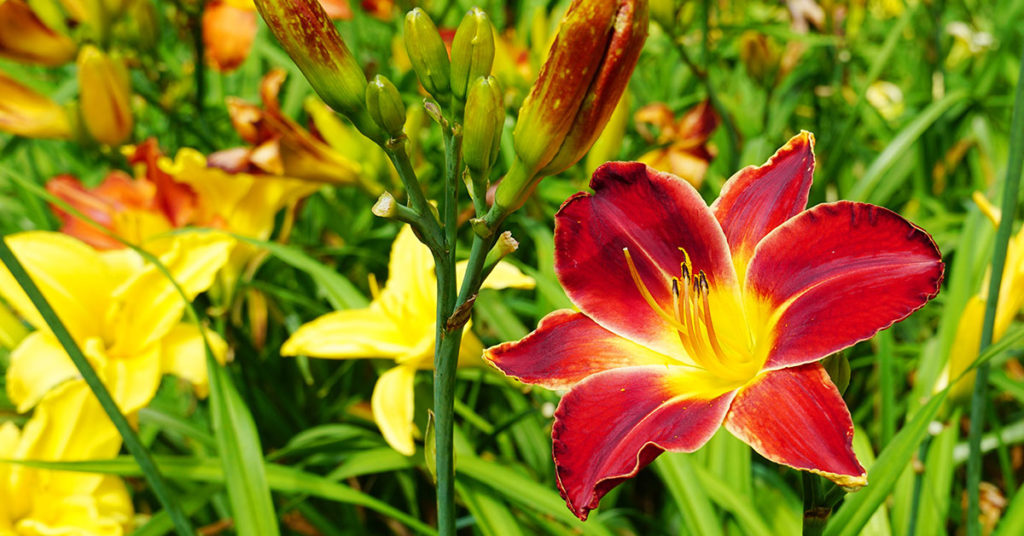
Daylilies, native to Asia, bloom prolifically in sun-drenched conditions, offering trumpet‑shaped flowers in countless colors. Their sturdy foliage provides shelter for ground‑nesting bees and small butterflies, which find refuge at the base of the clumps. One of my favorite moments is discovering a tiny solitary bee tucked into the foliage at dawn!
Although daylilies spread gradually via underground fans, they’re not considered invasive when given space and occasional division. Removing spent blooms encourages more flowers and keeps clumps healthy and compact.
Lantana

Lantana, hailing from tropical America and Africa, dazzles with clusters of multicolored blooms that shift hues as they age. Full sun and well‑drained soil spur continuous flowering, and its nectar draws hummingbirds, butterflies, and native bees—all of which nest in nearby shrubs or soil cavities. It’s thrilling to watch long‑tongued butterflies sip from lantana’s dense flower clusters!
In warmer zones, lantana can naturalize, so plant it in containers or overseen beds if you’re concerned. Regular pruning controls its shape and prevents unwanted spread, while keeping those pollinators coming back for more.
Verbena
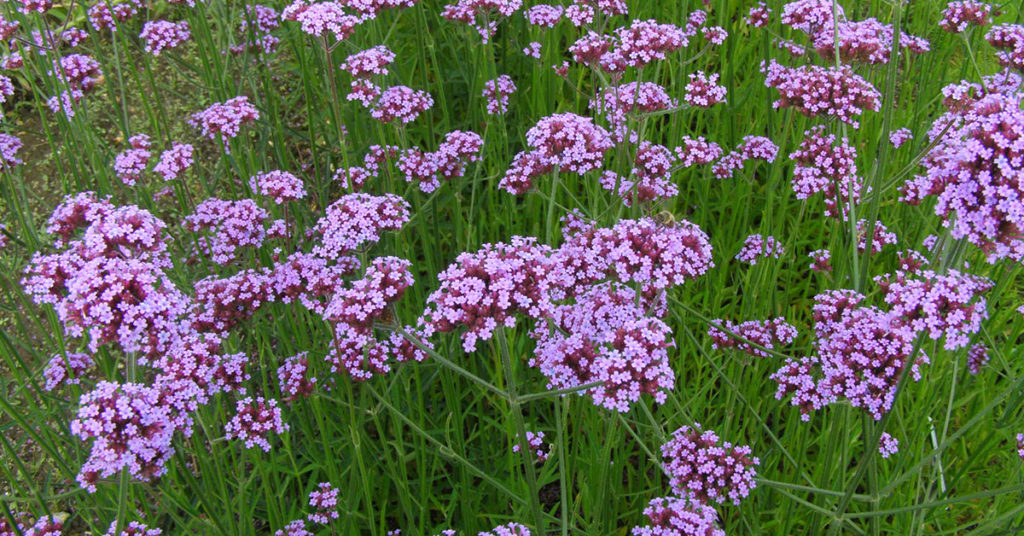
Verbena bonariensis, a prairie native, sends up slender stems crowned with clusters of tiny lavender blooms. These airy mounds thrive in full sun and well‑draining soil, attracting butterflies like monarchs and nesting small bees in bare ground patches. I often find monarch caterpillars nearby—proof that verbena supports the full life cycle!
Verbena reseeds lightly but rarely invades established borders. Deadhead spent flowers to sustain bloom, and let a few go to seed for self‑sown drifts next season—just thin volunteers if they crowd out neighbors.
Sedum (Stonecrop)
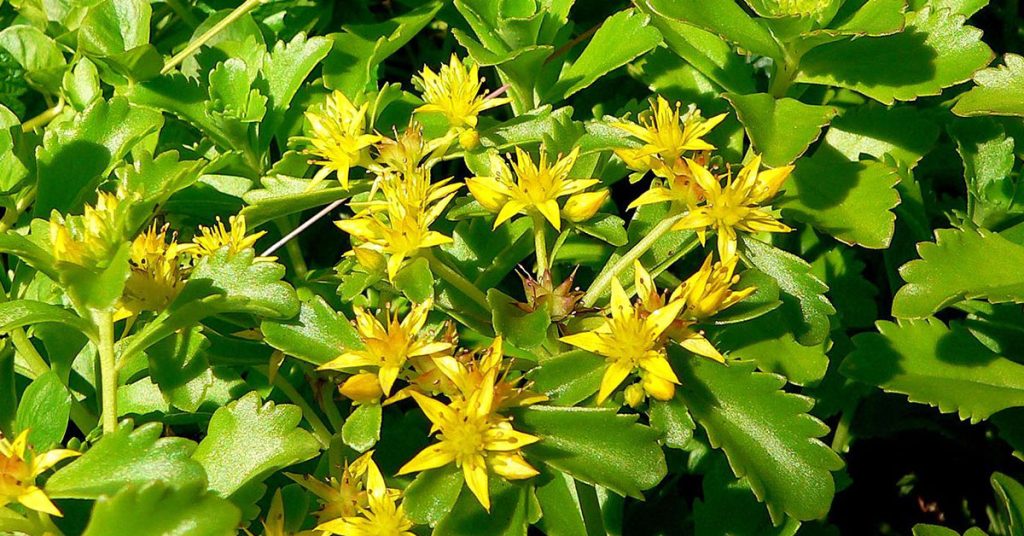
Sedums, native across the Northern Hemisphere, sport succulent leaves and starry flower clusters that flourish under intense sun and minimal water. Their sturdy blooms lure bees and hoverflies, which nest in cracks between rocks or under the fleshy foliage. I love how sedums turn rock gardens into buzzing insect sanctuaries!
Most sedums spread slowly via rhizome without becoming invasive, making them ideal for sunny borders and container edges. Cutting back old stems in early spring encourages fresh growth and keeps the mat tidy.